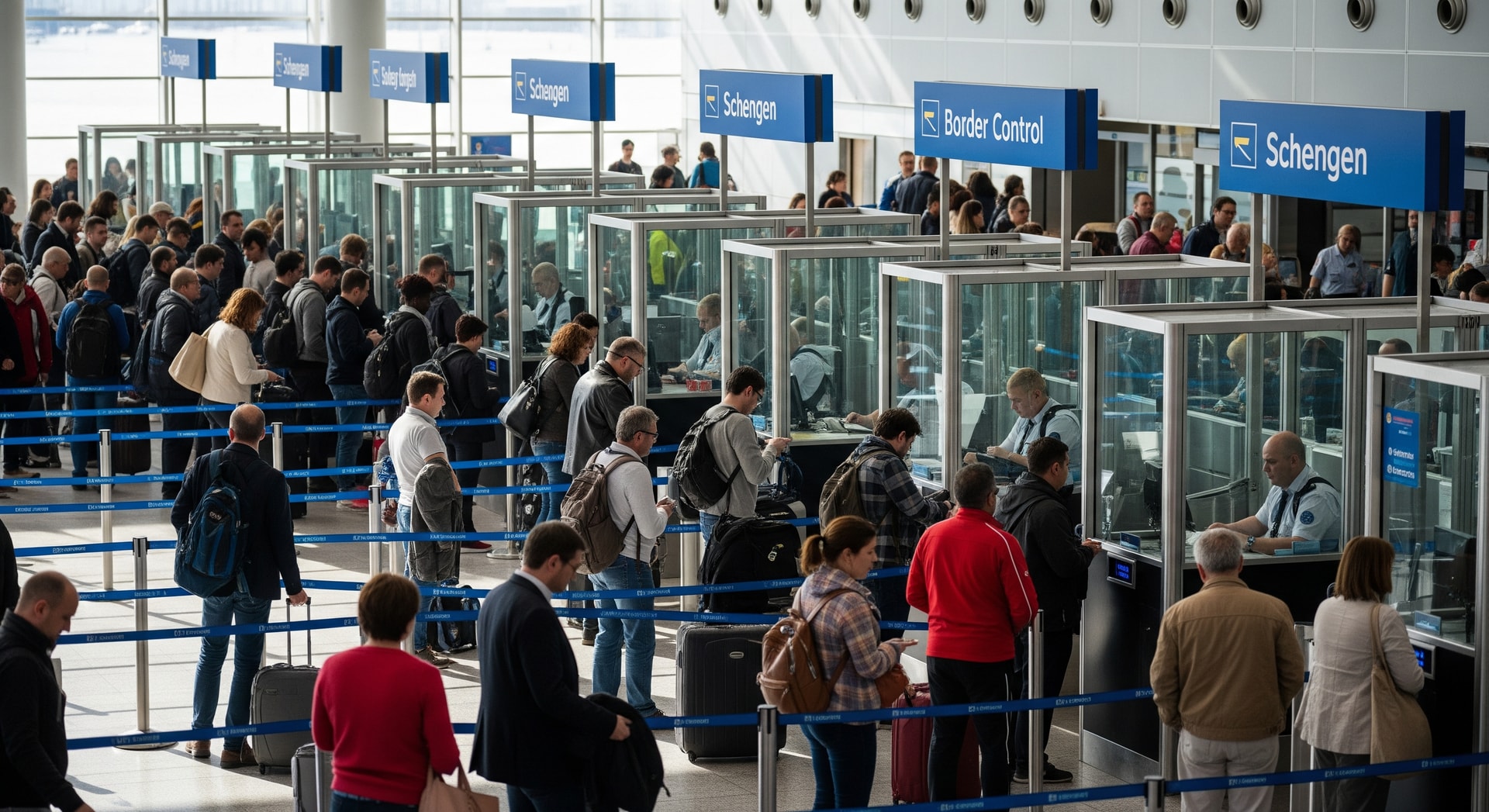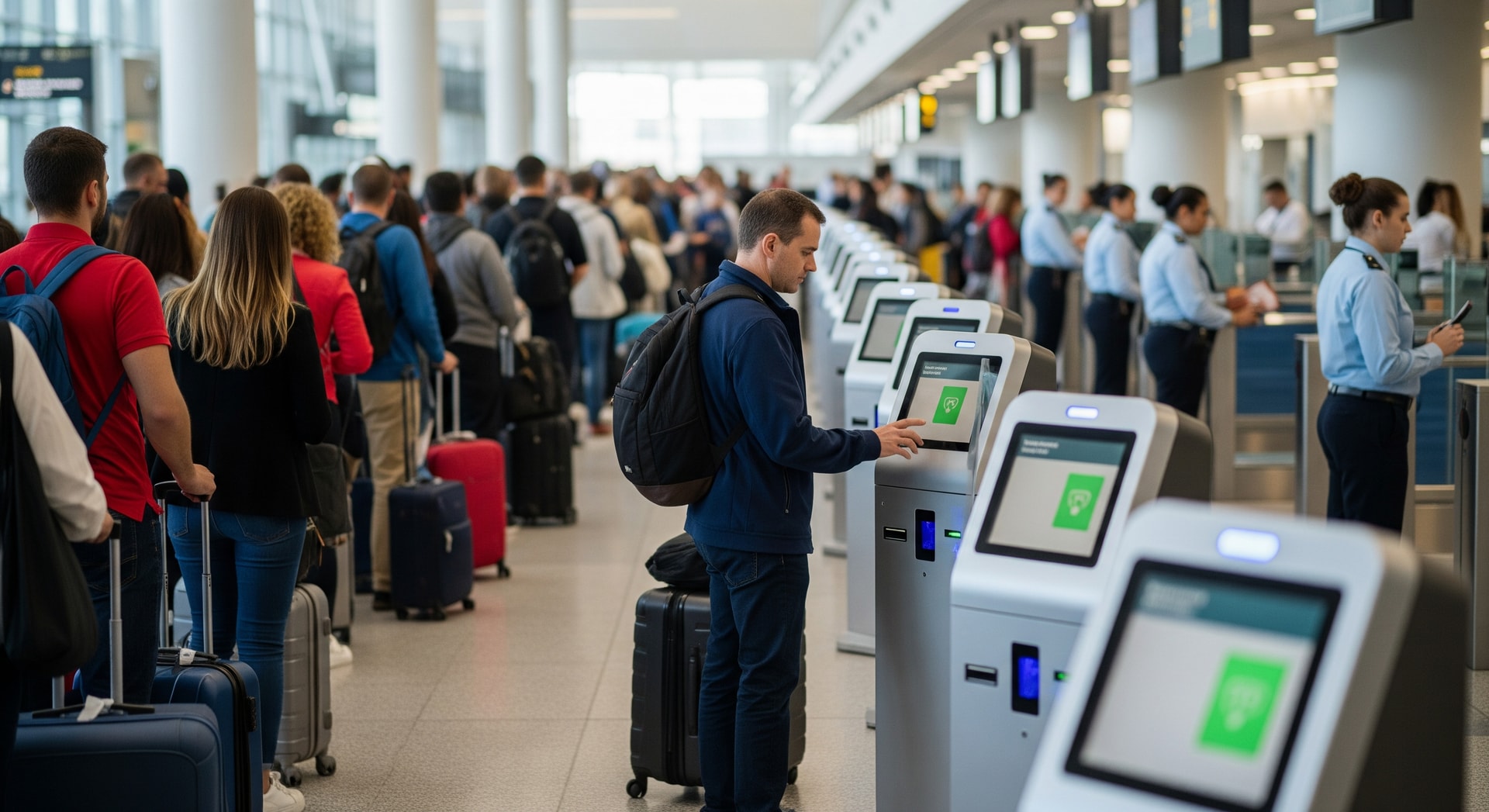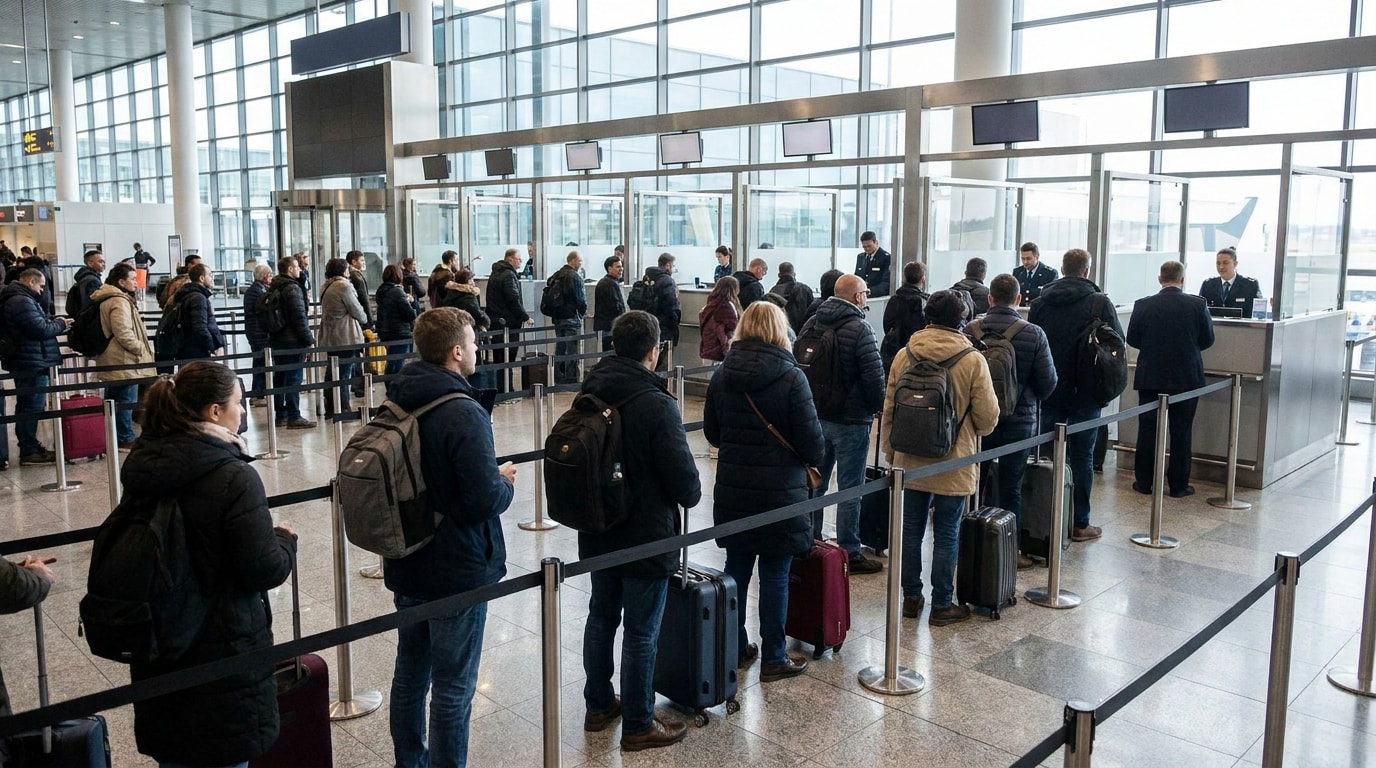
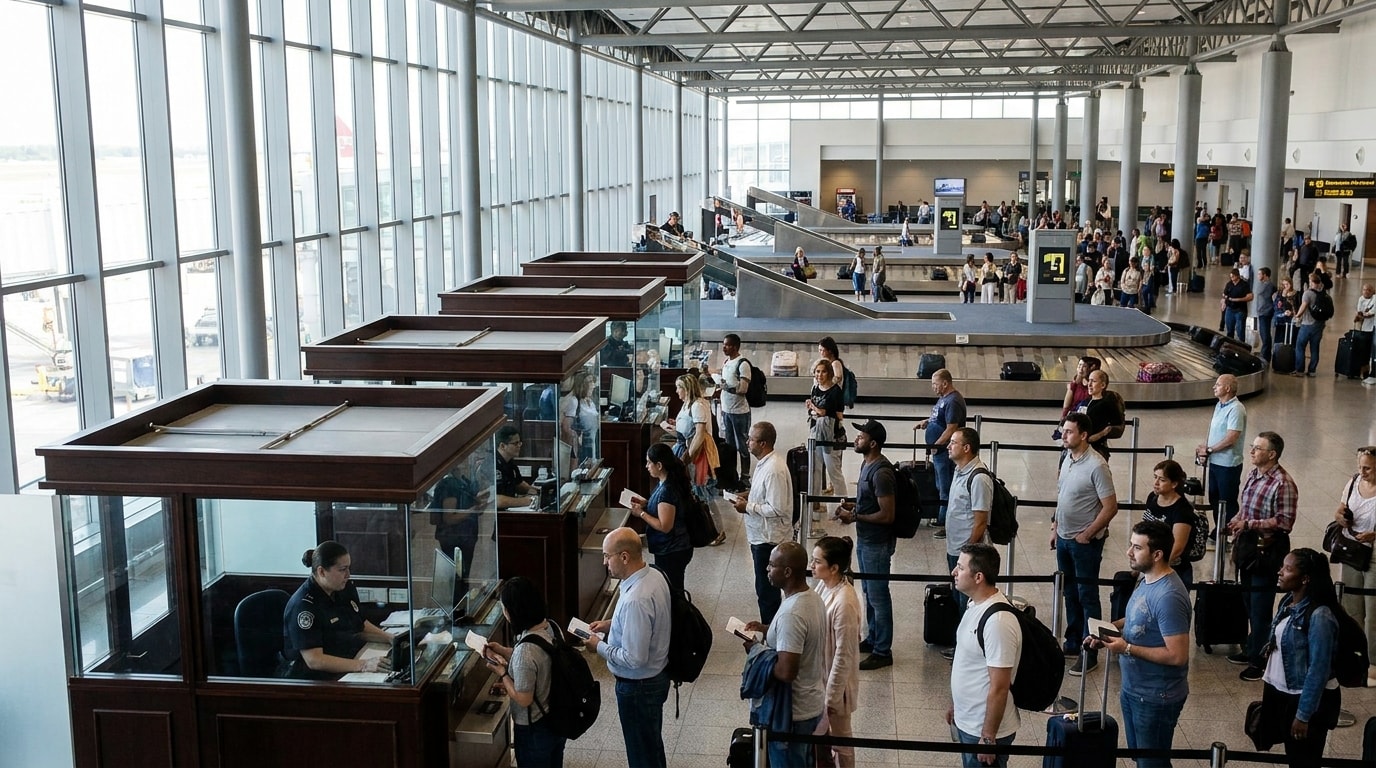
EES border checks could again cause queues for travellers entering the EU after flexibility measures expired on 6 September. Industry sources say enforcement remains uneven across key routes.
EU entry delays could return after temporary flexibility around the Entry-Exit System ended on 6 September, although several industry sources expect biometric checks to remain inconsistently applied in some locations.
Flexibility period ends for EU Entry-Exit System
Travellers heading to the European Union may face renewed border delays after the formal end of flexibility measures linked to the bloc’s Entry-Exit System, known as EES. The temporary discretion, which allowed checks to be paused where necessary, expired on 6 September.
Airlines had urged the European Commission to extend those powers until the end of 2026. Their concern is that full implementation of EES, which requires biometric data such as fingerprints from non-EU citizens, could recreate the long queues seen at some European airports earlier in the summer. Those delays were severe enough in some cases to cause passengers to miss flights.
The peak holiday period did not bring a repeat of the worst disruption, but travel and aviation industry figures believe that was largely because checks were relaxed in practice. Multiple sources indicated that some EU member states are not expected to fully enforce biometric controls, despite the official deadline passing.
Cross-Channel routes still waiting on systems
For travellers crossing the Channel into France, immediate changes are not expected because of technical issues with EES software commissioned by French authorities. Fingerprinting kiosks purchased for Eurotunnel, the Port of Dover and Eurostar at London St Pancras are still not in use.
Dover said it did not anticipate changes immediately after the deadline, with motorists still not being put through EES checks. Eurotunnel said it was waiting for French authorities to confirm when the next stage would begin, while stating that it was prepared to carry out full biometric checks once formal approval is received. Eurostar said the phased rollout was continuing and that border officers would keep completing EES enrolments manually.
Industry expects uneven enforcement
A senior airline source said carriers would watch the situation closely but did not expect full enforcement at the busiest European airports. The source said officials in major foreign tourist destinations, particularly Greece, appeared to have informally exempted UK passengers from EES checks to prevent queues, and expected that approach to continue.
Luke Petherbridge, director of public affairs at the UK travel industry trade body Abta, said the organisation was still pressing the European Commission to permit discretionary suspension of border checks beyond September:
recognising that there is still some way to go until EES is fully and consistently operational across all participating countries
The airline industry body Iata has also requested an official extension. It said last week that EES-related delays had already caused passengers to miss flights and onward connections.
Thomas Reynaert, head of external affairs at Iata, said:
These are real impacts being felt by passengers. It gives Europe a bad reputation. When systems fail, passengers lose the trust in the system and when people are late, airlines pay a high cost.
Commission offers support but no extension
The European Commission declined to comment further. Earlier last week, a spokesperson said the commission was in close and constructive contact with the small number of member states where adjustments were still needed at certain border crossing points. The spokesperson added that, during an additional period of operational adjustment at those locations, the commission was ready to provide further support.
For travellers, the practical effect is continued uncertainty: some routes may operate much as before, while others could see longer processing times if biometric checks are applied more strictly. Airlines and border operators will remain under pressure to keep passengers moving as EES implementation continues.
Sources