Simple 4-step process — most applications approved within 3-5 business days
1
Complete the online application
Fill out our comprehensive form with your travel plans, personal details, and parent's names (required by Indian Immigration). Our intelligent system validates every field in real-time, catching errors before submission and ensuring your application meets all requirements set by the Bureau of Immigration.
2
Upload required documents
Submit your passport scan (bio page clearly visible) and a recent photograph meeting India's strict specifications: white background, 2x2 inches, face covering 50-60% of frame. Our document specialists review every submission and offer free photo adjustment services to ensure compliance with Indian visa photo requirements.
3
We submit to Indian Immigration
Your verified application is transmitted directly to India's official eVisa portal. Our team monitors processing status around the clock and proactively handles any additional documentation requests from Indian authorities, keeping you informed at every stage via email and SMS notifications.
4
Receive your India visa
Your approved Electronic Travel Authorization arrives via email as a PDF document. Print it in color on A4 paper and present it at Indian immigration along with your passport. Welcome to India — Namaste! Your incredible journey through one of the world's oldest civilizations begins.
Visa types needed for India
Available visa products
India Tourist eVisa - 1 year, Multiple entry Most Popular
India Business eVisa - 1 year, Multiple entry
India Medical eVisa - 60 days, Triple entry
India Tourist eVisa - 30 days, Double entry
India Tourist eVisa - 5 years, Multiple entry
India e-Arrival Card - 30 days, Single entry
India Tourist eVisa - 1 year, Multiple entry
The India Tourist eVisa provides access to the Taj Mahal, Kerala backwaters, Rajasthan palaces, and Himalayan peaks. Valid for 1 Year with multiple entry, this visa allows stays up to 180 days. Perfect for tourism and leisure.
Applicants must submit the following documents:
🛂 Passport: Valid for at least 6 months with blank pages
The India Business eVisa provides access to the Taj Mahal, Kerala backwaters, Rajasthan palaces, and Himalayan peaks. Valid for 1 Year with multiple entry, this visa allows stays up to 180 days. Perfect for business activities, meetings, and conferences.
Applicants must submit the following documents:
🛂 Passport: Valid for at least 6 months with blank pages
The India Medical eVisa provides access to the Taj Mahal, Kerala backwaters, Rajasthan palaces, and Himalayan peaks. Valid for 60 Days with triple entry, this visa allows stays up to 60 days. Perfect for medical treatment at recognized hospitals.
Applicants must submit the following documents:
🛂 Passport: Valid for at least 6 months with blank pages
The India Tourist eVisa provides access to the Taj Mahal, Kerala backwaters, Rajasthan palaces, and Himalayan peaks. Valid for 30 Days with double entry, this visa allows stays up to 30 days. Perfect for tourism and leisure.
Applicants must submit the following documents:
🛂 Passport: Valid for at least 6 months with blank pages
The India Tourist eVisa provides access to the Taj Mahal, Kerala backwaters, Rajasthan palaces, and Himalayan peaks. Valid for 5 Years with multiple entry, this visa allows stays up to 180 days. Perfect for tourism and leisure.
Applicants must submit the following documents:
🛂 Passport: Valid for at least 6 months with blank pages
The India Travel Form provides access to the Taj Mahal, Kerala backwaters, Rajasthan palaces, and Himalayan peaks. Valid for 30 Days with single entry, this visa allows stays up to 30 days. Perfect for streamlined entry.
Applicants must submit the following documents:
🛂 Passport: Valid for at least 6 months with blank pages
India operates one of the world's most comprehensive electronic visa systems, welcoming millions of international visitors annually for tourism, business, medical treatment, and cultural exchanges. The Indian eVisa program, launched in 2014 and continuously expanded since, now covers citizens of over 165 countries and provides a streamlined alternative to traditional embassy visa applications.
India offers three distinct tourist visa categories tailored to different travel needs. The 30-day double-entry tourist visa is ideal for first-time visitors planning a focused trip to popular destinations like the Golden Triangle (Delhi, Agra, Jaipur), Kerala's backwaters, or Goa's beaches. For travelers planning extended explorations or multiple trips, the 1-year multiple-entry visa allows stays of up to 90 days per visit — perfect for those wanting to experience India's diverse regions across different seasons. The 5-year multiple-entry visa offers exceptional value for frequent visitors, business professionals with ongoing projects, or those with family connections in India.
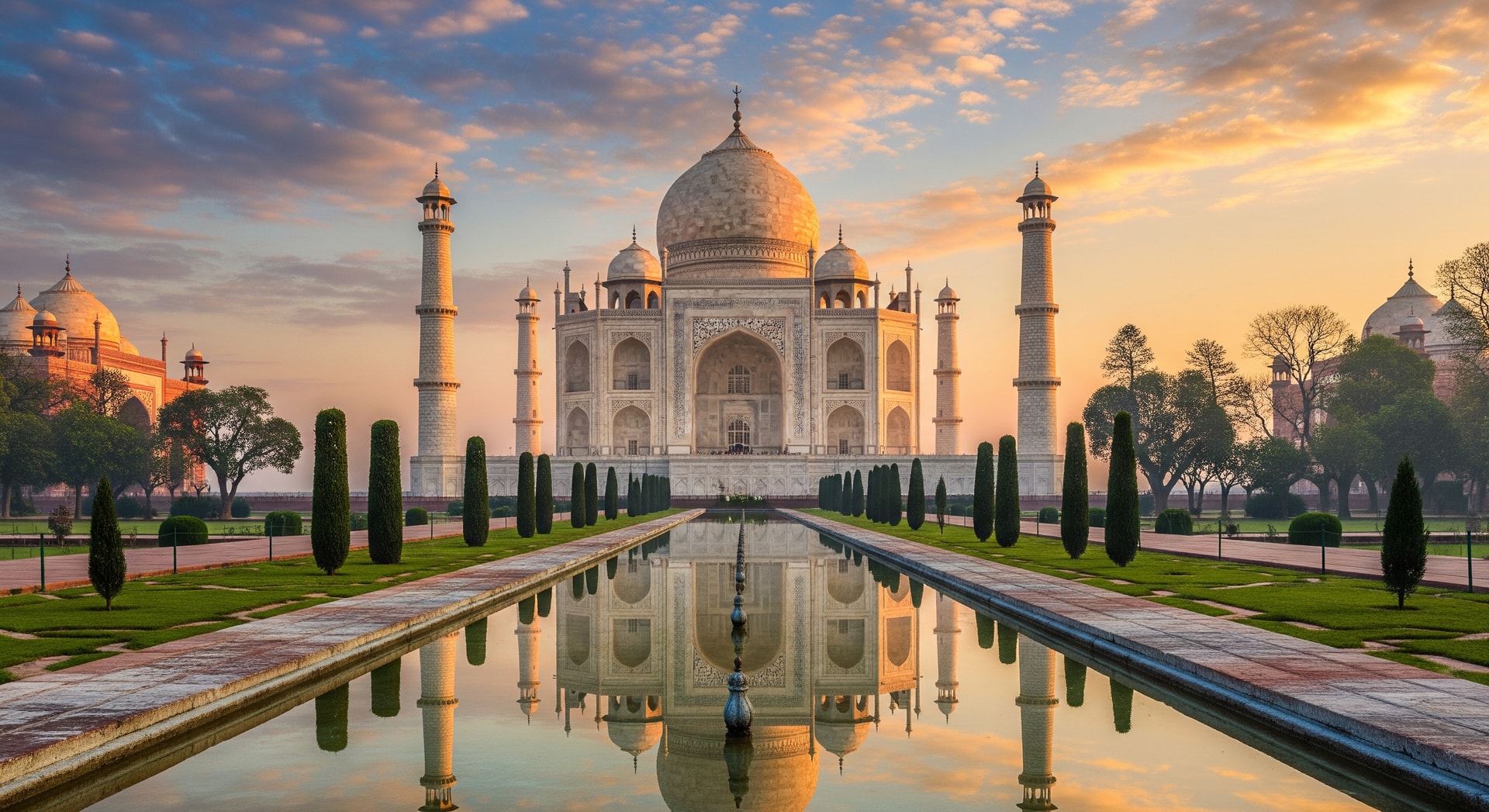
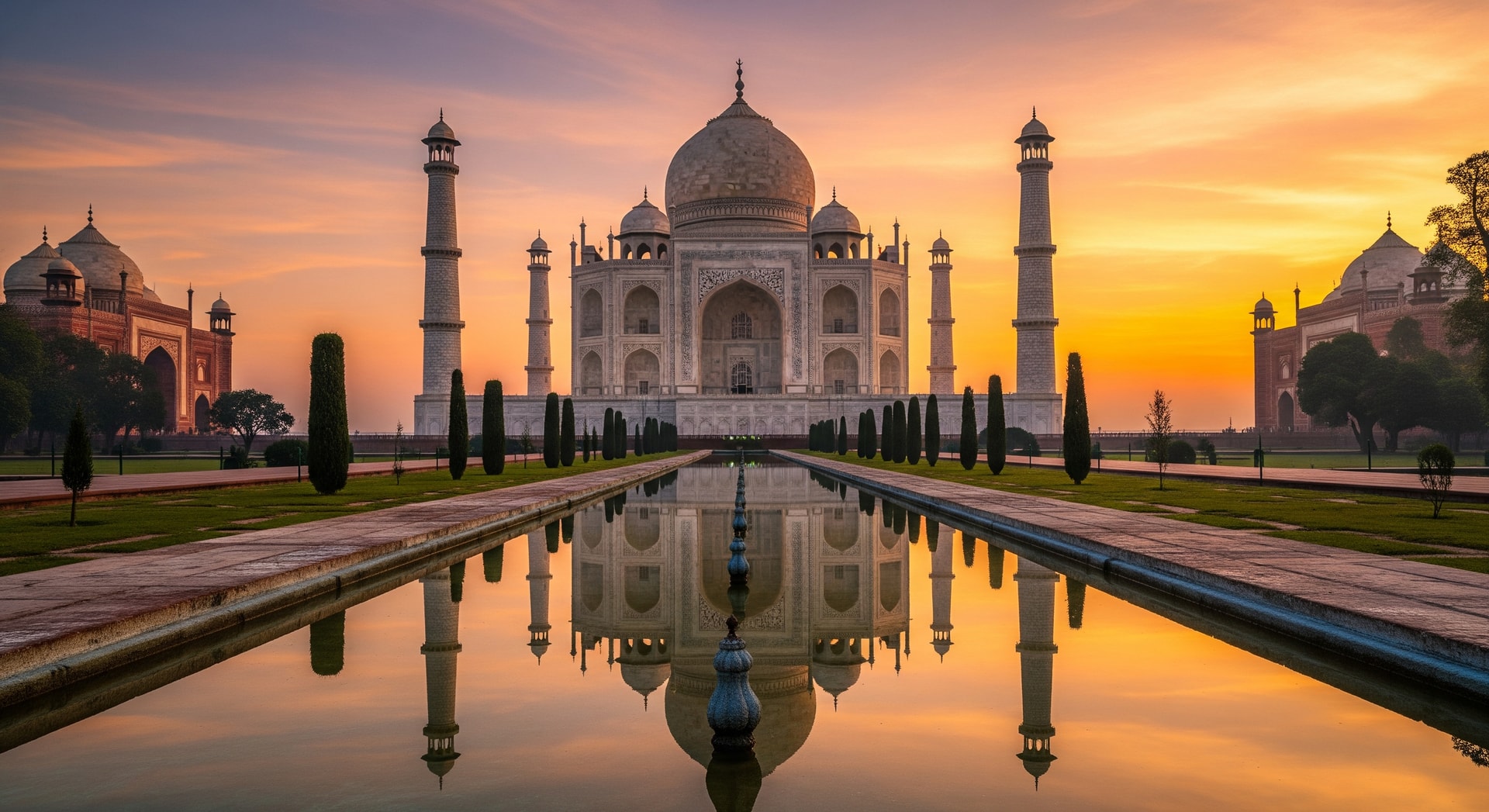
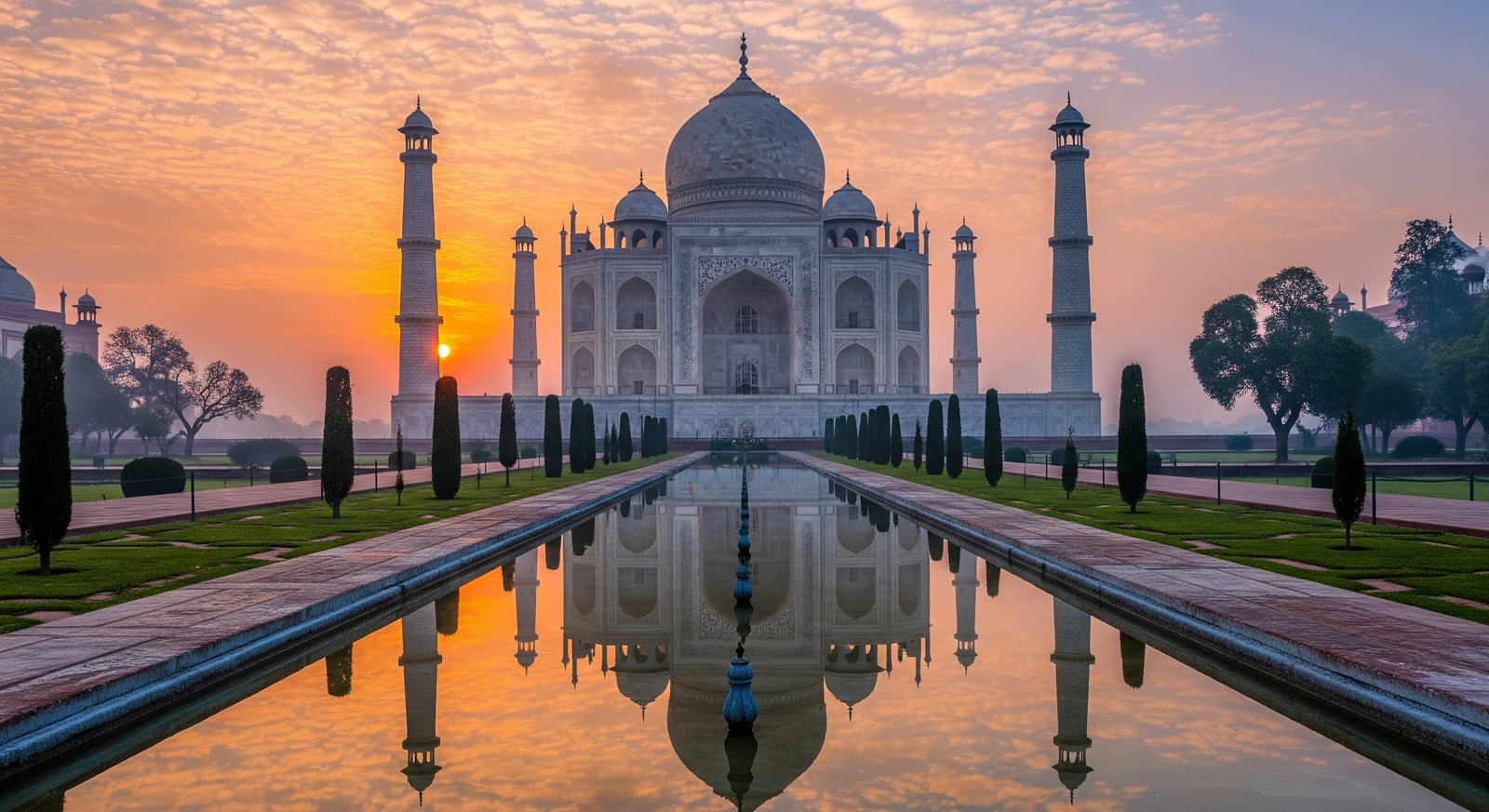
The Taj Mahal — India's most iconic landmark and a must-visit destination
Business & Medical Visas
Business & Professional Visas
Business visas cater to professionals attending meetings, establishing trade contacts, participating in technical discussions, or exploring commercial opportunities in India's rapidly growing economy. These visas typically allow longer continuous stays than tourist visas and can be issued with single or multiple entry privileges. You'll need supporting documentation including an invitation letter from your Indian business partner, proof of your company's registration, and details of planned business activities.
Medical & Conference Visas
India has emerged as a global leader in medical tourism, with world-class hospitals in cities like Chennai, Mumbai, Delhi, and Bangalore offering treatments at a fraction of Western costs. Medical visas are specifically designed for patients seeking treatment at recognized Indian healthcare facilities. You'll need a letter from the hospital confirming your treatment plan. Medical Attendant visas (maximum two per patient) allow family members to accompany patients throughout their medical journey.
Conference visas are available for delegates attending seminars, workshops, and international conferences hosted in India. These require an invitation from the organizing body and details of the event.
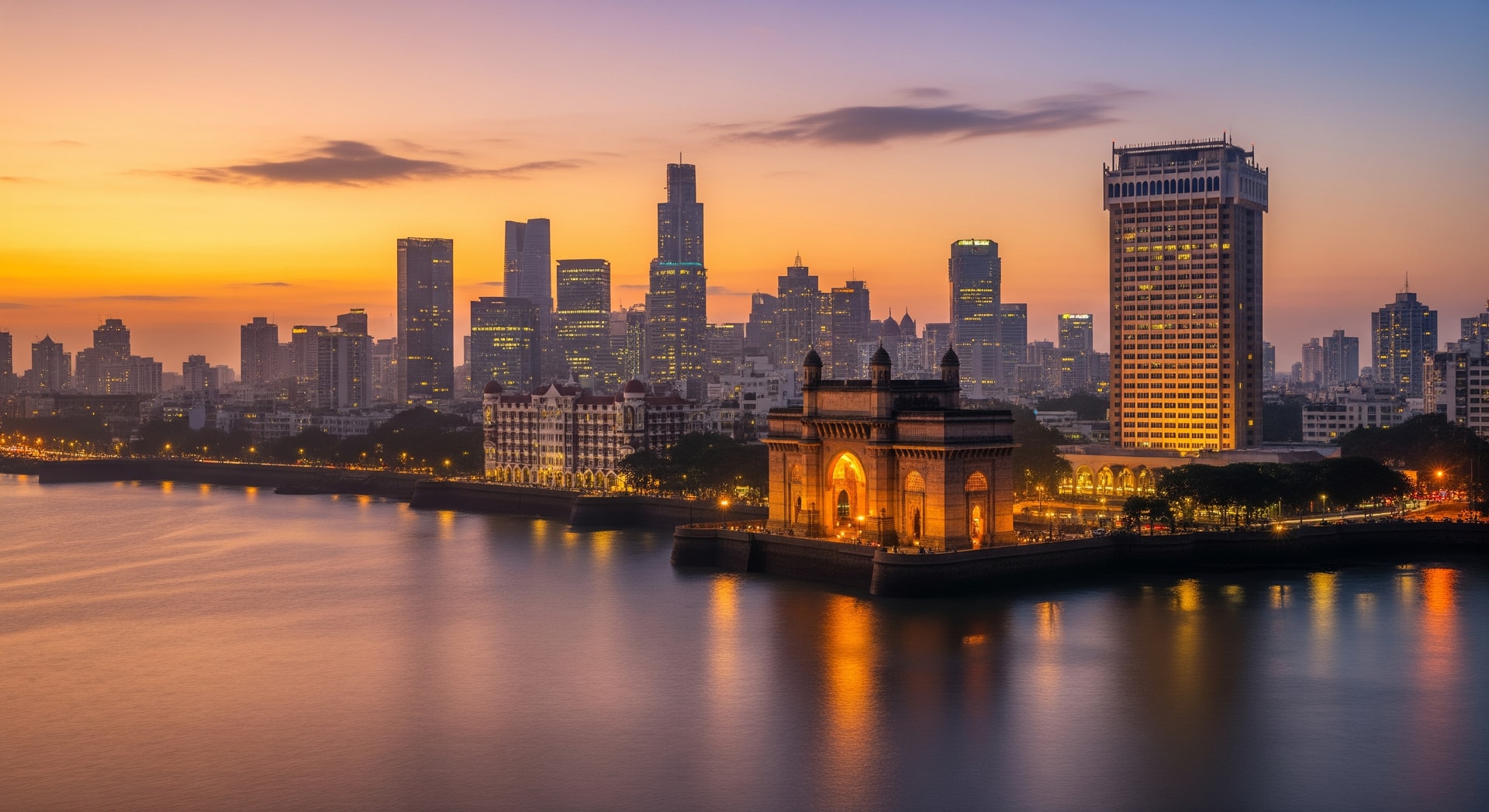
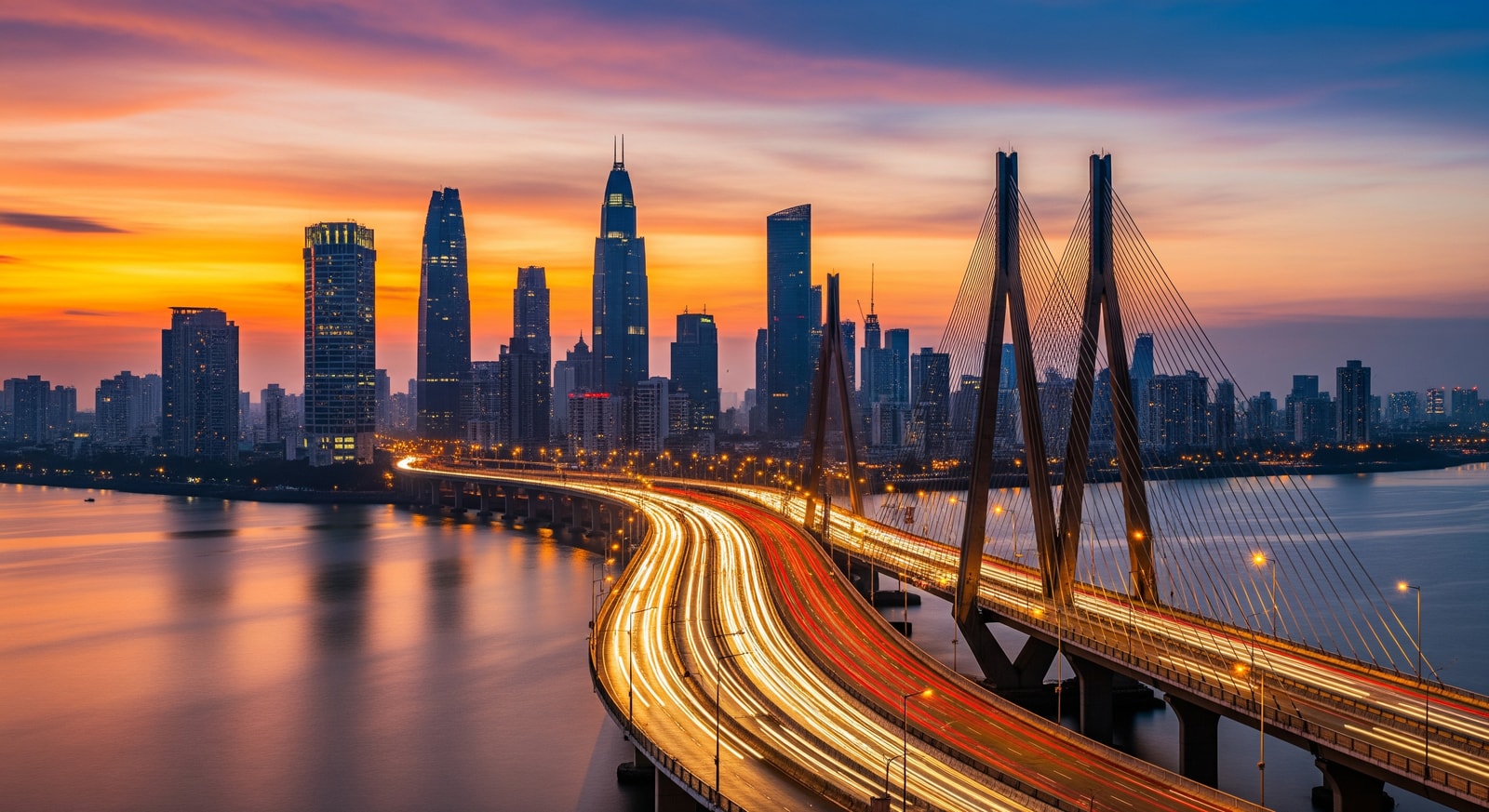
Mumbai — India's financial capital and a hub for international business
Entry Requirements & Restrictions
Essential Requirements
All India visa applicants must meet these fundamental requirements:
• Passport validity: Minimum 6 months beyond your intended arrival date with at least two blank pages for stamps
• Parental information: Full names, nationalities, and birthplaces of both parents (this information must remain consistent across all future India visa applications)
• Photograph specifications: Recent photo (within 6 months) with white background, 2x2 inches (51x51mm), face occupying 50-60% of frame, no glasses, ears visible, neutral expression
• Travel documentation: Confirmed accommodation details and return/onward flight bookings
• Financial proof: Evidence of sufficient funds to support your stay (bank statements recommended)
Entry Ports & Restrictions
Indian eVisas are valid for entry through 28 designated international airports including Delhi (DEL), Mumbai (BOM), Chennai (MAA), Kolkata (CCU), Bengaluru (BLR), Hyderabad (HYD), Goa (GOI), Jaipur (JAI), Kochi (COK), and Ahmedabad (AMD), plus 5 designated seaports. Note that eVisas cannot be used for entry via land borders — travelers entering through Nepal, Bhutan, Pakistan, or Bangladesh checkpoints require traditional visas from Indian embassies.
Protected & Restricted Areas
Certain regions in India require additional permits beyond your standard visa. Protected Area Permits (PAP) or Restricted Area Permit (RAP) are needed for parts of Arunachal Pradesh, Sikkim, parts of Himachal Pradesh, Jammu & Kashmir, Rajasthan border areas, and the Andaman & Nicobar Islands. These permits can often be obtained through local authorities or tour operators but require advance planning.
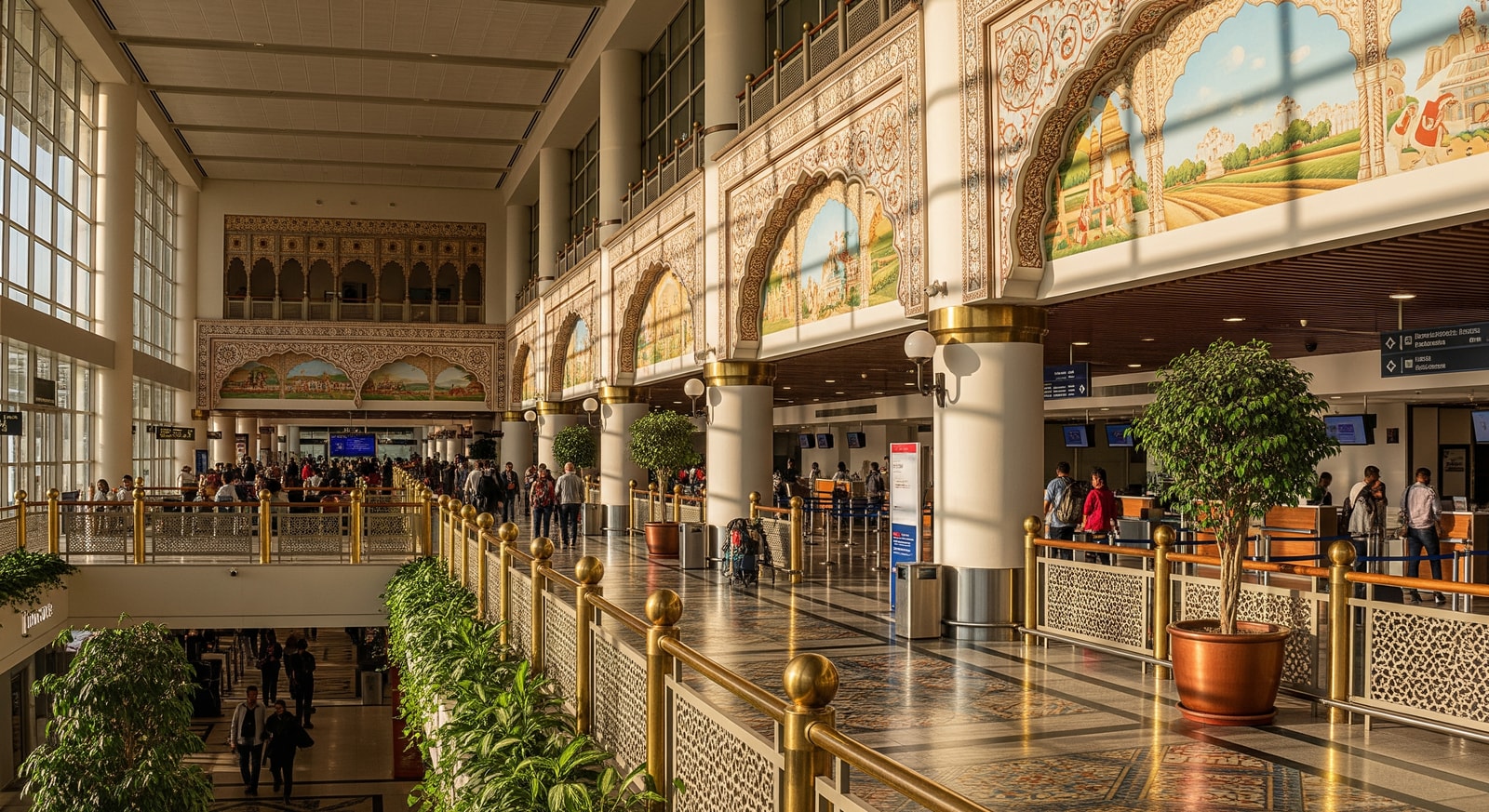
Delhi's IGI Airport — India's busiest international gateway
Processing & Travel Tips
Processing Times & Validity
Standard eVisa processing takes 3-5 business days, though most applications receive decisions within 72 hours. During peak travel seasons (October-March) or around major Indian festivals, processing may take slightly longer. We recommend applying at least 2-3 weeks before your intended travel date to allow buffer time for any additional documentation requests.
Travel Tips
The best time to visit India varies by region — northern India (including the Taj Mahal) is best from October to March, while southern India and Kerala are pleasant year-round. The monsoon season (June-September) brings heavy rains but also lush landscapes and fewer tourists. India's rail network is excellent for intercity travel, and domestic flights connect all major cities. Always carry copies of your passport and visa, and register with your country's embassy for longer stays.
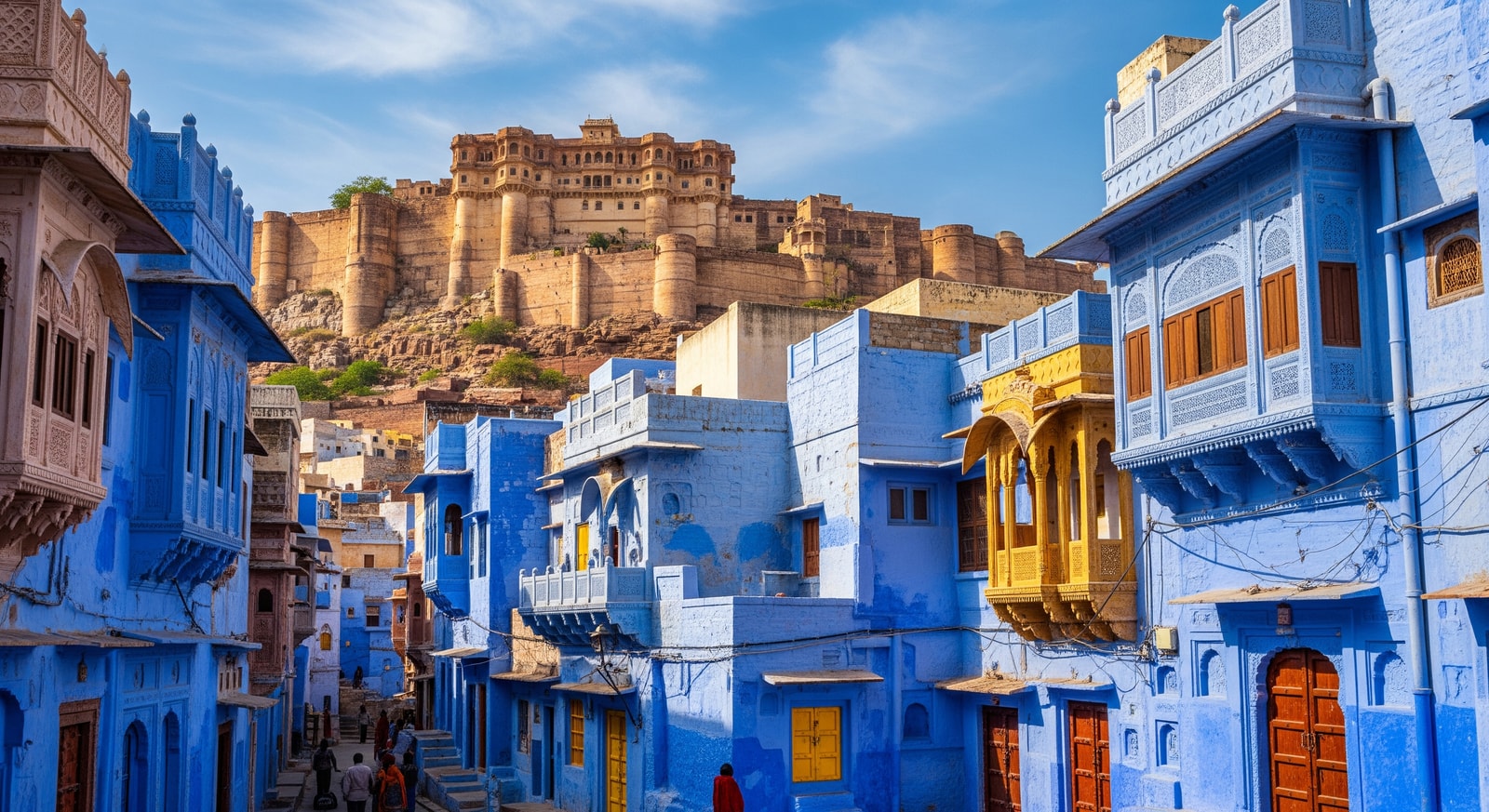
Jodhpur's Blue City — Experience the vibrant colors of Rajasthan
Why Choose DoVisa?
See the difference between applying yourself vs using our expert service
Travelers to India rated this product 4.8 out of 5 based on 12 reviews.
4.8/ 5
Based on 12 verified reviews
Filter by rating
Mark J.Jan 17, 2026
"India visa applications can be tricky but DoVisa made it simple. They caught an error with my photo before submission and helped me fix it. Approved in 4 days!"
Rachel P.Jan 11, 2026
"Applied for the 5-year multiple entry visa for frequent business trips. Worth every penny — no more reapplying every trip. The form was long but DoVisa's guidance was excellent."
Carlos G.Jan 6, 2026
"First time visiting India and was overwhelmed by the requirements. DoVisa support walked me through everything step by step. Now exploring Rajasthan — amazing country!"
Susan M.Dec 28, 2025
"Good service but processing took 6 days instead of the 3-5 stated. Communication was good though and my visa was approved. The application form is complex but guidance helped."
Jonathan K.Dec 22, 2025
"The India visa form is notoriously complicated. DoVisa's step-by-step guidance made it manageable. They even fixed my photo to meet the strict requirements. Highly recommend!"
Patricia L.Dec 16, 2025
"Needed the 1-year multiple entry for yoga teacher training in Rishikesh. DoVisa helped me choose the right visa type and processed everything smoothly. Namaste!"
Brian O.Dec 10, 2025
"Decent experience overall. The parental information requirement was confusing but support clarified it quickly. Got my visa in 5 days."
Michelle T.Dec 5, 2025
"Third India trip, third time using DoVisa. They know the system inside out. My visa arrived 2 days early this time. Already planning trip number four!"
Kevin S.Nov 28, 2025
"Visa was approved and the process was straightforward. Took 5 days for approval. Would recommend to anyone visiting India."
Laura W.Nov 22, 2025
"Was stressed about the strict photo requirements but DoVisa sorted everything. Free photo adjustment saved me a trip to the pharmacy. Excellent service!"
David R.Nov 15, 2025
"Applied for a medical visa to visit Apollo Hospital in Chennai. DoVisa helped with the hospital letter requirement and everything was approved quickly."
Sarah K.Nov 8, 2025
"Business visa for trade conference in Mumbai sorted in just 4 days. The invitation letter guidance was super helpful. Will use DoVisa again!"
Mark J.Jan 17, 2026
"India visa applications can be tricky but DoVisa made it simple. They caught an error with my photo before submission and helped me fix it. Approved in 4 days!"
Rachel P.Jan 11, 2026
"Applied for the 5-year multiple entry visa for frequent business trips. Worth every penny — no more reapplying every trip. The form was long but DoVisa's guidance was excellent."
Carlos G.Jan 6, 2026
"First time visiting India and was overwhelmed by the requirements. DoVisa support walked me through everything step by step. Now exploring Rajasthan — amazing country!"
India Visa FAQs
What types of visas are available for India?
India offers a comprehensive range of visa categories through its eVisa program. Tourist visas come in three variants: 30-day double entry (ideal for short trips), 1-year multiple entry (up to 90 days per visit), and 5-year multiple entry (up to 90 days per visit). Business visas are available for commercial activities, meetings, and trade exploration with validity options from 1 year to 5 years. Medical visas cater to patients seeking treatment at Indian hospitals with accompanying Medical Attendant visas for up to two family members. Conference visas are issued for delegates attending seminars and international events. Each visa type has specific documentation requirements, validity periods, and permitted activities. The right choice depends on your travel purpose, frequency of visits, and length of intended stay.
How do I choose between 30-day, 1-year, or 5-year tourist visa?
Selecting the right visa depends on your travel patterns and future plans. The 30-day double-entry visa is most economical for one-time visitors planning a focused trip — perfect for first-timers exploring the Golden Triangle or a beach holiday in Goa. The 1-year multiple-entry visa suits travelers planning to return within the year, such as those with friends or family in India, spiritual seekers attending retreats, or photographers wanting to capture different seasons. The 5-year multiple-entry visa offers the best long-term value for frequent visitors, business professionals with ongoing Indian partnerships, or anyone with deep ties to the country. Both multi-year visas allow stays of up to 90 continuous days per visit, so if you need longer stays, consider alternative visa categories or plan to exit and re-enter.
What is an India business visa and who needs one?
An India business visa is mandatory for any commercial or professional activities beyond casual tourism. This includes attending business meetings, establishing trade contacts, exploring investment opportunities, participating in technical discussions, attending trade fairs, recruiting employees, or conducting market research. Business visas typically allow longer continuous stays than tourist visas and come with single or multiple entry options. Required documents include: an invitation letter from your Indian business partner or company on their letterhead, your company's registration documents, a letter from your employer explaining the purpose of travel, proof of previous business relationship if applicable, and a detailed itinerary of planned business activities. Self-employed individuals should provide business registration documents and recent financial statements.
How do India medical visas work?
India's medical visa program supports the country's thriving medical tourism industry, which attracts over 500,000 international patients annually. Medical visas are specifically designed for those seeking treatment at recognized Indian hospitals — from cardiac surgery and orthopedic procedures to cancer treatment and Ayurvedic therapies. Requirements include: a letter from the Indian hospital confirming your treatment plan, diagnosis, expected duration of treatment, and estimated costs; your medical records and doctor referrals from your home country; and proof of financial means to cover treatment and living expenses. Medical Attendant visas (maximum two per patient) allow family members to accompany and care for the patient. Both visa types are linked — attendant visas cannot exceed the patient's medical visa validity. Extensions are possible if treatment duration exceeds initial estimates.
Why does India require my parents' names and birthplaces?
India requires parental information as part of their comprehensive immigration security protocol — a requirement unique among major tourist destinations. You must provide both parents' full legal names (as they appear on official documents), nationalities, and places of birth (city and country). This information becomes part of your permanent immigration record and must remain exactly consistent across all future India visa applications. Discrepancies between applications can cause delays or rejections. If a parent is deceased, you still provide their information. If a parent's birthplace is unknown, you may enter 'Unknown' but be prepared for possible follow-up questions. We recommend keeping a record of exactly what you submitted for future reference. This requirement applies regardless of your age or your parents' current citizenship status.
What are India's specific photo requirements?
India has some of the strictest visa photo requirements globally, and incorrect photos are the leading cause of application delays. Specifications: The photo must be recent (taken within 6 months), sized 2x2 inches (51x51mm), with your face occupying 50-60% of the frame (approximately 25-35mm from chin to crown). Background: Must be plain white or off-white — no patterns, shadows, or colored backgrounds. Expression: Neutral expression with mouth closed; no smiling. Glasses: Must be removed entirely — even clear prescription glasses can cause rejections. Head covering: Only permitted for religious reasons, and face must remain fully visible from forehead to chin and both ears. Quality: High resolution with no pixelation, proper lighting without shadows on face or background, and printed on photo-quality paper if physical copy needed. DoVisa includes complimentary photo adjustment services to ensure your photo meets all specifications.
Which airports and seaports accept the India eVisa?
Indian eVisas are valid for entry through 28 designated international airports: Delhi (DEL), Mumbai (BOM), Chennai (MAA), Kolkata (CCU), Bengaluru (BLR), Hyderabad (HYD), Ahmedabad (AMD), Amritsar (ATQ), Bagdogra (IXB), Bhubaneswar (BBI), Calicut (CCJ), Chandigarh (IXC), Cochin/Kochi (COK), Coimbatore (CJB), Gaya (GAY), Goa (GOI), Guwahati (GAU), Jaipur (JAI), Kannur (CNN), Lucknow (LKO), Madurai (IXM), Mangalore (IXE), Nagpur (NAG), Port Blair (IXZ), Pune (PNQ), Tiruchirappalli (TRZ), Trivandrum (TRV), and Varanasi (VNS). Five seaports also accept eVisas: Mumbai, Goa (Mormugao), Mangalore, Chennai, and Cochin. Important: eVisas are NOT valid for land border crossings from Nepal, Bhutan, Bangladesh, Pakistan, or Myanmar — these require traditional visas from Indian embassies.
How long can I stay in India with each visa type?
Stay duration varies significantly by visa category. 30-day tourist eVisa: Maximum 30 continuous days from entry date, double entry permitted. 1-year and 5-year tourist eVisas: Up to 90 continuous days per visit with multiple entries allowed throughout the visa validity. Business visas: Typically 180 days continuous stay per visit, depending on specific visa conditions. Medical visas: Validity matched to treatment duration as stated in hospital letter, typically 60 days initially with extension provisions. Conference visas: Duration of the specific event plus a few days buffer. Important note: Continuous registration with local Foreigners Regional Registration Office (FRRO) is required for stays exceeding 180 days regardless of visa type. Overstaying your visa results in fines, potential detention, and future visa complications — always track your permitted stay carefully.
Can I extend my India visa while in the country?
Extension policies differ based on visa type. eVisas (tourist/business/medical): Generally cannot be extended within India. You must exit the country before your visa expires and apply for a new visa if you wish to return. Some medical visas may be extended through FRRO if treatment genuinely requires additional time — you'll need updated hospital documentation. Traditional visas (obtained from embassies): May be extendable through the Foreigners Regional Registration Office (FRRO) in major cities including Delhi, Mumbai, Chennai, Kolkata, Bangalore, and Hyderabad. Extensions are discretionary and require valid justification. Application process: Submit online through the FRRO portal before your current visa expires, attend an in-person appointment, and provide supporting documentation. Emergency extensions for medical situations or force majeure may be considered. Overstay penalties: Rs. 300 per day for first 14 days, then Rs. 500 per day, plus potential court proceedings.
What documents do I need for an India visa application?
Document requirements vary by visa type but all applications need these core documents: a passport valid for at least 6 months beyond your arrival date with minimum two blank pages; a digital passport photo meeting India's strict specifications (white background, 2x2 inches, 50-60% face coverage); your complete travel itinerary including confirmed accommodation; and return or onward flight bookings. Additional documents by visa type: Tourist visas may require proof of sufficient funds (bank statements showing ~$100/day of stay). Business visas require invitation letters from Indian companies and employer support letters. Medical visas need hospital confirmation letters detailing treatment plans. Conference visas require event invitations and registration confirmation. All applicants must provide parents' names, nationalities, and birthplaces. Previous Indian visa details and Pakistan/Bangladesh travel history must be declared accurately.
What is the best time to visit India?
India's vast geography creates multiple climate zones, making timing depend on your destination. October to March (winter/dry season) offers the most pleasant conditions for most of India — comfortable temperatures (15-25°C in the north, 25-32°C in the south), minimal rainfall, and clear skies perfect for sightseeing. This is peak tourist season with higher prices and crowds at major sites. The Himalayan regions (Ladakh, Himachal Pradesh, Uttarakhand) are best from May to September when mountain passes open; winter brings heavy snow and road closures. Kerala and the south can be visited year-round but are particularly beautiful during monsoon (June-September) when the landscape turns lush green and Ayurvedic treatments are traditionally most effective. Rajasthan and the Golden Triangle are ideal November through February when desert temperatures are bearable. Major festivals like Diwali (October/November), Holi (March), and Durga Puja (October) offer incredible cultural experiences but require advance booking.
Do I need vaccinations to travel to India?
Yellow fever vaccination is mandatory only if arriving from or transiting through a yellow fever endemic country (most of Africa and South America) — you'll need to show your International Certificate of Vaccination (yellow card) at immigration. For travelers from non-endemic countries, no vaccinations are legally required, but health authorities strongly recommend several immunizations: Hepatitis A and B (contaminated food/water and medical procedures), Typhoid (common in India), Tetanus-Diphtheria booster if not current, and Polio if your childhood vaccination isn't up to date. Malaria prophylaxis is advisable for rural areas, eastern India, and some southern regions — consult a travel medicine specialist 4-6 weeks before departure for personalized advice. Japanese Encephalitis vaccine may be recommended for extended rural stays. COVID-19: Requirements change frequently; check current regulations before travel. Comprehensive travel health insurance covering medical evacuation is strongly advised.
What if my India visa application is rejected?
Visa rejections are relatively uncommon (under 4% of applications) but can occur for several reasons. Common rejection causes: incorrect or non-compliant photographs (most frequent issue), incomplete parental information, passport validity issues, discrepancies with previous applications, undisclosed travel to Pakistan or Bangladesh, incomplete travel documentation, or security screening flags. If rejected: You'll receive notification via email stating the reason. Most rejections are correctable — you can reapply immediately with corrected documentation. There's no formal appeals process, but a fresh application with proper documents typically succeeds. DoVisa's guarantee: If your visa is rejected due to an error on our part (document processing mistake, incorrect submission, or technical failure), we provide a full refund of our service fee. We also offer complimentary reapplication assistance to help resolve the issue quickly. Our pre-submission review catches most problems before they cause rejections.
Do I need permits for restricted areas in India?
Yes, several regions require Protected Area Permits (PAP) or Restricted Area Permits (RAP) in addition to your visa. Arunachal Pradesh: PAP required for all foreign tourists; apply through tour operators or the Ministry of Home Affairs at least 4 weeks in advance. Sikkim: Inner Line Permit needed for areas beyond Gangtok; available at borders or online through Sikkim Tourism. Andaman & Nicobar Islands: RAP required for tribal reserve areas (most tourist areas like Port Blair and Havelock don't require permits). Ladakh: Certain areas near the China border (Pangong Lake, Nubra Valley, Tso Moriri) require Inner Line Permits obtainable in Leh. Parts of Himachal Pradesh: Spiti Valley near the Tibet border requires permits. Rajasthan border areas: Some areas near Pakistan require permits. These permits are generally straightforward to obtain through registered tour operators or local authorities but require advance planning — factor permit processing time into your itinerary.
Can I work in India with a tourist or business visa?
No, tourist and business visas explicitly prohibit employment in India. Tourist visas are strictly for leisure activities, sightseeing, visiting friends and family, and casual exploration. Business visas permit commercial activities like attending meetings, exploring trade opportunities, and establishing business contacts, but not gainful employment or receiving salary from an Indian entity. Working legally requires an Employment Visa, which must be obtained before arrival and requires: a job offer from an Indian company, salary exceeding $25,000 annually (with exceptions for certain sectors), employer registration with Indian authorities, and various supporting documents. The Employment Visa process takes 4-8 weeks and requires in-person embassy appointments in most countries. Consequences of working illegally: Significant fines, deportation, multi-year entry bans, and potential criminal charges. Volunteer work in certain contexts may be permitted on tourist visas, but any work that could be performed by an Indian citizen generally requires proper work authorization.

 With DoVisa