Simple 4-step process — most applications approved within 24-72 hours
1
Complete the online application
Fill out our user-friendly application form with your personal and travel information. Our intelligent validation system checks every field in real-time, ensuring accuracy and catching common errors before submission to Philippine Immigration authorities.
2
Upload your documents
Submit your passport scan (bio page clearly visible with at least 6 months validity), a recent passport-sized photograph meeting Philippine specifications, and your confirmed flight itinerary. Our document specialists verify everything meets Bureau of Immigration requirements.
3
We submit to Philippine Immigration
Your verified application is transmitted directly through the Philippines' official electronic visa system. We monitor processing status continuously and keep you informed via email and SMS notifications at every stage of the approval process.
4
Receive your Philippines visa
Your approved visa arrives by email as a downloadable PDF. Print it clearly on A4 paper and present it at Philippine immigration alongside your passport. Mabuhay — welcome to the beautiful Philippines!
Visa types needed for Philippines
Available visa products
Philippines eArrival Card - 30 days, Single entry Most Popular
Philippines eArrival Card - 30 days, Single entry
The Philippines Travel Form provides access to Palawan's lagoons, Boracay beaches, Cebu diving, and vibrant Manila. Valid for 30 Days with single entry, this visa allows stays up to 30 days. Perfect for streamlined entry.
Applicants must submit the following documents:
🛂 Passport: Valid for at least 6 months with blank pages
The Philippines offers one of the most generous visa policies in Southeast Asia, welcoming millions of tourists annually with its stunning islands, rich culture, and renowned hospitality. The archipelago nation provides multiple entry options ranging from visa-free access for most nationalities to various visa categories for extended stays.
Visa-Free Entry
The Philippines grants visa-free entry to citizens of 157 countries and territories, making it one of the most accessible destinations in Asia. Passport holders from the United States, United Kingdom, European Union nations, Australia, Canada, Japan, South Korea, and most ASEAN countries can enter without a visa for stays up to 30 days. This initial stay can be extended for an additional 29 days at any Bureau of Immigration office, giving visa-free visitors up to 59 days total. Further extensions are possible, allowing stays of up to 36 months through successive renewals.
eTravel Registration
All travelers to the Philippines must complete the eTravel registration within 72 hours before departure. This free online health declaration replaced the previous One Health Pass system. Registration is mandatory for both visa-free and visa-required travelers and must be presented alongside your passport at check-in and immigration.
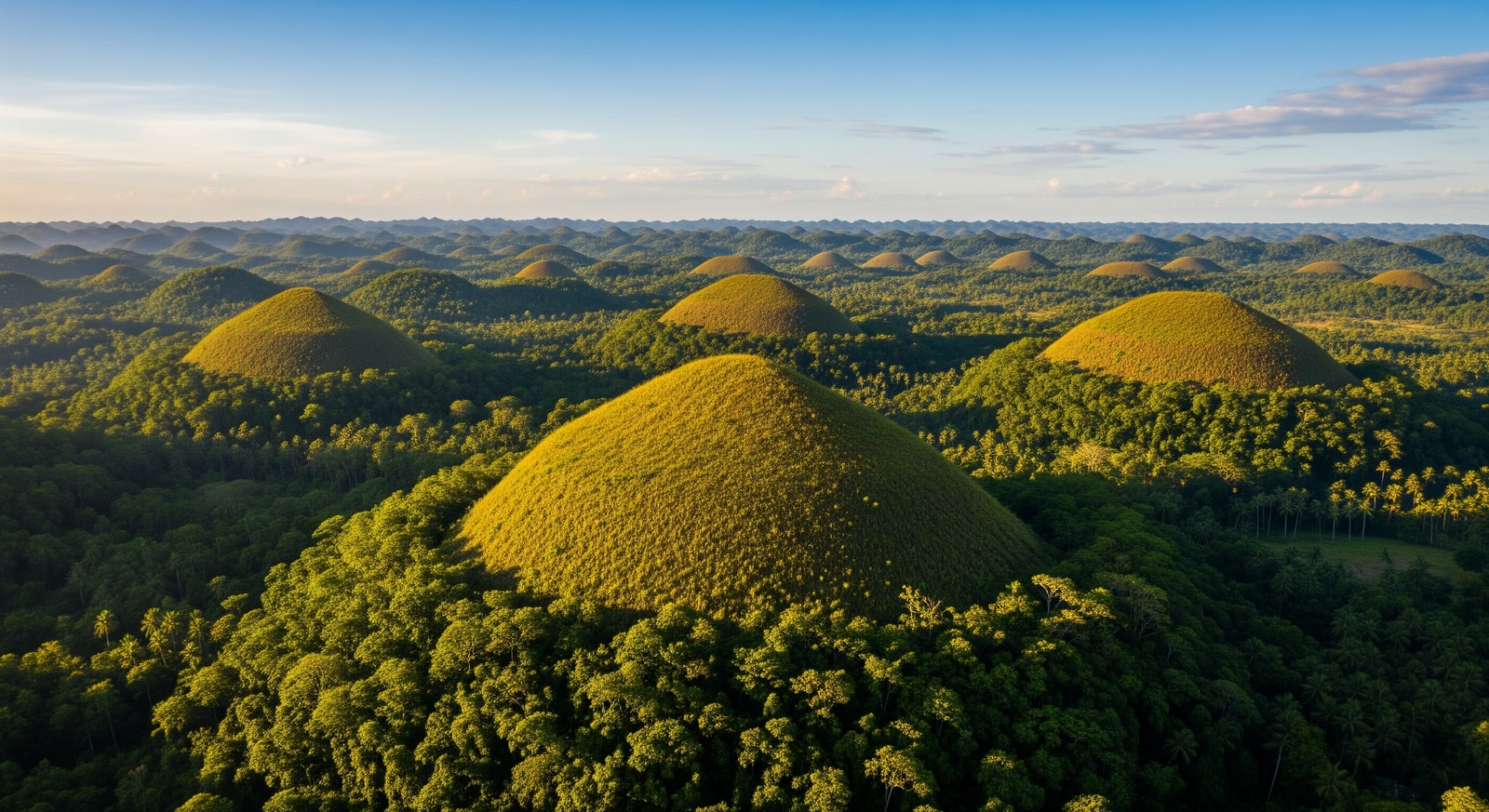
Chocolate Hills — One of the Philippines' most iconic natural wonders
Visa Requirements
Tourist Visa (9a) Requirements
For travelers from countries not eligible for visa-free entry or those planning stays beyond 59 days, the 9(a) Tourist Visa is required. This visa allows single or multiple entries with stays of up to 59 days per entry. Required documents include: passport valid for at least 6 months beyond intended stay; completed visa application form; recent 2x2 inch passport photo with white background; confirmed round-trip flight itinerary; proof of accommodation; proof of sufficient funds (bank statements showing adequate balance); and the visa fee.
Business Visa (9d) Requirements
The 9(d) Business Visa is for those attending conferences, conducting business negotiations, or exploring commercial opportunities. Additional requirements include: invitation letter from a Philippine company; letter from employer stating purpose of travel; company registration documents; and detailed business itinerary. This visa does not permit employment — paid work requires a separate work permit.
Special Resident Retiree's Visa (SRRV)
The Philippines offers attractive retirement visa options through the Philippine Retirement Authority. Applicants must be at least 35 years old with required deposits ranging from $10,000-$50,000 depending on age and pension status.
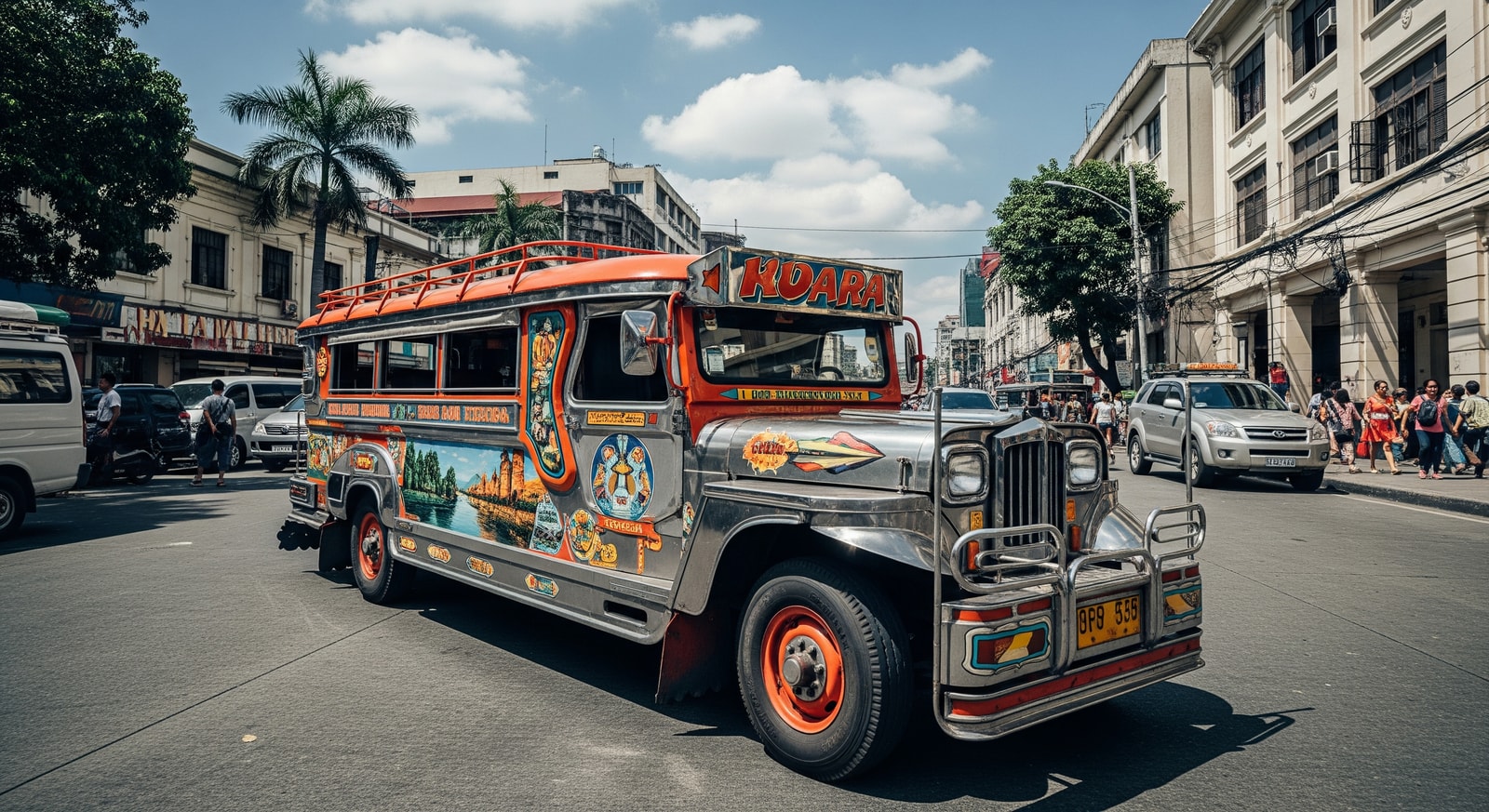
The iconic Filipino jeepney — a symbol of Philippine culture
Application Process
Applying for a Philippine Visa
The visa application process varies depending on your location and visa type. Applications can be submitted at Philippine embassies or consulates in your home country or through authorized visa processing centers.
Standard Processing Steps
1. Gather required documents: Collect all necessary documents including passport, photos, flight bookings, accommodation proof, and financial documents.
2. Complete application form: Fill out the visa application form accurately. Any inconsistencies can delay processing or result in rejection.
3. Submit application: Present your application in person at the Philippine embassy/consulate or authorized center. Some locations require appointments.
4. Pay visa fee: Fees vary by visa type and location. Tourist visas typically range from $25-$50.
5. Attend interview: Some applicants may be called for an interview. Be prepared to explain your travel purpose and plans.
6. Receive visa: Processing typically takes 3-10 business days. Express processing may be available for urgent travel.
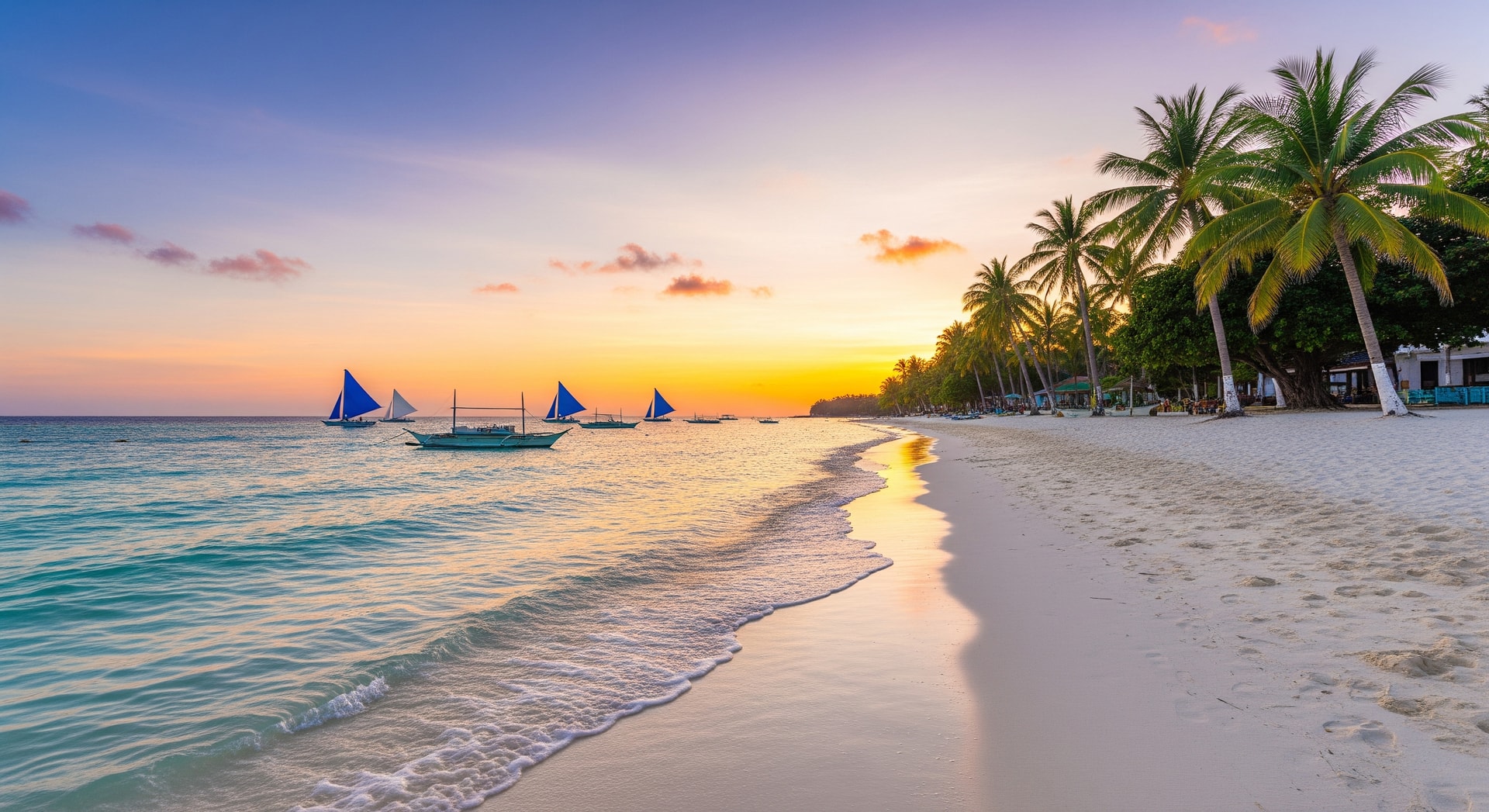
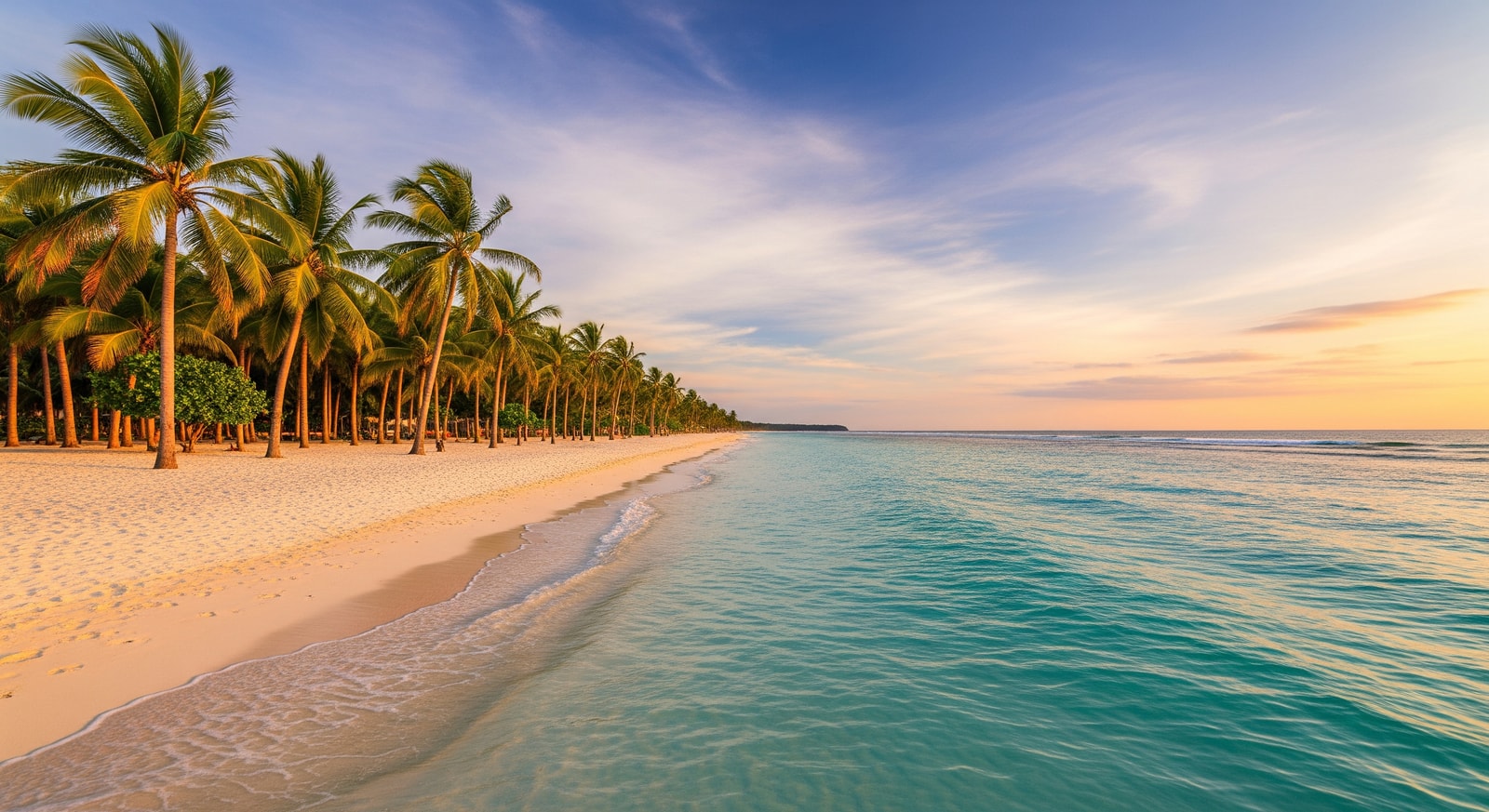
Boracay — World-famous white sand beaches await
Travel Tips
Entry Points & Immigration
The Philippines has numerous international entry points. Major airports include Ninoy Aquino International Airport (MNL) in Manila, Mactan-Cebu International Airport (CEB), Clark International Airport (CRK), and Iloilo International Airport (ILO). Immigration processing at major airports is generally efficient, with dedicated lanes for foreign nationals and returning residents.
Currency & Costs
The Philippine Peso (PHP) is the local currency. ATMs are widely available in cities and tourist areas. Credit cards are accepted at hotels, restaurants, and shopping malls, but cash is essential for local markets, transportation, and smaller establishments. The Philippines is an affordable destination — budget travelers can manage on $30-50/day while mid-range travelers should budget $70-100/day.
Health & Safety
No vaccinations are mandatory for most travelers, but hepatitis A, typhoid, and routine vaccinations are recommended. Tap water is not safe to drink — stick to bottled water. The Philippines is generally safe for tourists, but exercise normal precautions. Travel insurance is highly recommended, especially for adventure activities and island hopping.
Best Time to Visit
The dry season from November to April offers the best weather, with December to February being peak tourist season. The wet season from May to October brings occasional typhoons but also fewer crowds and lower prices.
Puerto Princesa Underground River — A UNESCO World Heritage Site
Why Choose DoVisa?
See the difference between applying yourself vs using our expert service
Travelers to Philippines rated this product 4.7 out of 5 based on 12 reviews.
4.7/ 5
Based on 12 verified reviews
Filter by rating
James T.Jan 15, 2026
"Super smooth process! Got my Philippines visa extension sorted in just 2 days. Now enjoying island hopping in Palawan without worrying about overstaying."
Maria S.Jan 8, 2026
"First time using DoVisa for our family trip to Cebu. The team helped with all 4 applications and we got approved quickly. Highly recommend!"
David K.Dec 28, 2025
"Good service overall. Had some questions about the eTravel registration and support answered within an hour. Visa came through as promised."
Sophie L.Dec 18, 2025
"Amazing experience! The step-by-step guide made everything so easy. Already planning my next Philippines trip with DoVisa."
Robert M.Dec 5, 2025
"Business visa processed perfectly. All documents were verified before submission which gave me confidence. Will use again for future trips."
Jennifer W.Nov 22, 2025
"Reliable and professional service. Processing took slightly longer than expected but support kept me updated throughout. Visa arrived in time."
Michael C.Nov 10, 2025
"Third time using DoVisa and they never disappoint. The Philippines visa was approved in record time. Great service as always!"
Emma R.Oct 28, 2025
"Was nervous about applying online but the DoVisa team made it stress-free. Now enjoying the beaches of Boracay thanks to their help!"
Kevin P.Oct 15, 2025
"Straightforward process with clear instructions. Support team was helpful when I had questions about photo requirements. Would recommend."
Lisa H.Sep 30, 2025
"Excellent customer service! They caught an error in my application before submission and helped me fix it. Visa approved without issues."
Andrew B.Sep 18, 2025
"Best visa service I have ever used. The real-time updates on application status kept me informed every step of the way. Highly satisfied!"
Rachel G.Aug 25, 2025
"Solid service for Philippines visa. A bit pricier than doing it yourself but worth it for the convenience and peace of mind."
James T.Jan 15, 2026
"Super smooth process! Got my Philippines visa extension sorted in just 2 days. Now enjoying island hopping in Palawan without worrying about overstaying."
Maria S.Jan 8, 2026
"First time using DoVisa for our family trip to Cebu. The team helped with all 4 applications and we got approved quickly. Highly recommend!"
David K.Dec 28, 2025
"Good service overall. Had some questions about the eTravel registration and support answered within an hour. Visa came through as promised."
Philippines Visa FAQs
Do I need a visa to visit the Philippines?
Most travelers do not need a visa for short visits to the Philippines. The country offers visa-free entry to citizens of 157 countries, including the US, UK, EU nations, Australia, Canada, Japan, South Korea, and most ASEAN countries. Visa-free visitors can stay for up to 30 days initially, extendable to 59 days at any Bureau of Immigration office. If you're from a country not on the visa-exempt list (mainly restricted passport holders), you'll need to apply for a tourist visa before travel. Use our visa checker tool to confirm requirements for your specific nationality.
How long can I stay in the Philippines without a visa?
Visa-free visitors from the 157 eligible countries can stay for 30 days upon arrival. This can be extended for an additional 29 days (total 59 days) at any Bureau of Immigration office for approximately PHP 3,030. Beyond 59 days, you can continue extending your stay month by month, up to a maximum of 36 months (3 years) total. After 6 months in the country, you'll need an Emigration Clearance Certificate (ECC) before departing. Extensions beyond 6 months also require ACR I-Card registration.
What is the eTravel registration and is it mandatory?
Yes, eTravel registration is mandatory for all travelers entering the Philippines. You must complete the free online registration within 72 hours before your departure. The eTravel system replaced the previous One Health Pass and collects health declaration information. After registration, you'll receive a QR code that must be presented at airline check-in and Philippine immigration. The process is straightforward and takes about 5-10 minutes to complete online.
What documents do I need to enter the Philippines?
For visa-free entry, you need: valid passport with at least 6 months validity beyond your stay and 2 blank pages; return or onward ticket departing within 30 days (airlines strictly check this); eTravel QR code from completed registration; and proof of accommodation (hotel booking or invitation letter if staying with friends). Immigration may also ask for proof of sufficient funds, though this is randomly checked. Having travel insurance documentation ready is also recommended but not mandatory.
Can I extend my stay in the Philippines?
Yes, extending your stay is straightforward. First extension: Adds 29 days to your initial 30-day visa-free stay (total 59 days), costs approximately PHP 3,030, and can be done at any Bureau of Immigration office. Subsequent extensions: Available in 1-month or 2-month increments, with fees around PHP 3,030-4,500 per extension. Maximum stay: Up to 36 months through successive extensions. After 59 days, you'll need to register for an ACR I-Card (Alien Certificate of Registration) at additional cost. Extensions can also be done at select SM Mall immigration satellite offices in major cities.
What is the Philippines tourist visa (9a) and who needs it?
The 9(a) Tourist Visa is required for citizens of countries not eligible for visa-free entry who wish to visit the Philippines for tourism. It allows stays of up to 59 days with single or multiple entry options. Required documents include: valid passport, completed application form, passport photo, confirmed flights, accommodation proof, and proof of financial means. The visa must be applied for at a Philippine embassy or consulate before travel. Processing typically takes 3-10 business days. Citizens of China, India (without US/Schengen visa), and certain other nationalities commonly require this visa.
Do I need a return ticket to enter the Philippines?
Yes, proof of onward travel is strictly required. Airlines will check for a confirmed departure ticket before allowing you to board, and immigration officers may ask for it upon arrival. The departure must be within 30 days for visa-free entry. Acceptable proof includes: return flight to your home country, onward flight to another destination, or ferry tickets to neighboring countries. If you're planning a longer stay with extensions, consider booking a flexible/refundable ticket or a cheap regional flight. Some travelers use temporary flight booking services, though airlines and immigration increasingly scrutinize these.
What are the photo requirements for a Philippines visa?
Philippine visa photos must meet these specifications: Size: 2x2 inches (51mm x 51mm); Background: Plain white; Recency: Taken within the last 6 months; Expression: Neutral expression with mouth closed; Eyewear: No glasses; Head covering: Only permitted for religious reasons; Quality: High resolution, clearly showing facial features. Photos should show full face with ears visible. Avoid shadows on face or background. DoVisa's photo review service checks all requirements before submission to prevent rejections.
Can I work in the Philippines with a tourist visa?
No, tourist visas and visa-free entry do not permit employment. Working without proper authorization is illegal and can result in deportation, fines, and entry bans. For legal employment, you need: 9(g) Pre-arranged Employment Visa — requires employer sponsorship and Alien Employment Permit (AEP) from the Department of Labor; Special Work Permit (SWP) — for short-term work up to 6 months; or 47(a)(2) Treaty Trader/Investor Visa — for business owners meeting investment thresholds. Remote work for foreign employers while on tourist status exists in a gray area — while many digital nomads do this, it's technically not authorized.
What happens if I overstay my visa in the Philippines?
Overstaying incurs fines and complications. Fines: The Bureau of Immigration charges approximately PHP 500-1,000 per month of overstay plus additional administrative fees. Process: You must visit a Bureau of Immigration office to pay fines and obtain an exit clearance. Airport departure: Overstayers discovered at departure face delays, additional fines, and potential travel bans. Extended overstay: Overstaying more than 6 months can result in inclusion on the Bureau's blacklist and deportation proceedings. Prevention: Set calendar reminders for your permitted stay, and apply for extensions at least a week before expiration to avoid last-minute issues.
Is the Philippines safe for tourists?
The Philippines is generally safe for tourists in popular destinations. Major tourist areas like Boracay, Palawan, Cebu, and Manila's tourist districts are well-patrolled and welcoming. Precautions: Exercise normal safety awareness — avoid displaying expensive items, use hotel safes, and be cautious with valuables on beaches. Areas to avoid: Travel advisories recommend avoiding parts of Mindanao (except major cities and resorts), the Sulu Archipelago, and isolated areas due to insurgent activity. Natural hazards: Be aware of typhoon season (June-November), earthquakes, and volcanic activity in certain areas. Overall, millions of tourists visit annually without incident.
What is the best time to visit the Philippines?
The best time depends on your destination and preferences. Dry season (November-April): Best overall weather with sunny skies and calm seas, ideal for beaches and island hopping. December-February is peak season with higher prices and crowds. Shoulder season (May-June): Occasional rain begins but still good for travel, with fewer tourists and better deals. Wet season (July-October): Typhoon season brings heavy rain, particularly on the eastern seaboard. However, some areas like Palawan experience less rainfall. Significant discounts available, and landscapes are lush and green. Regional variations: Eastern Philippines (Siargao, Leyte) has different weather patterns — drier from March to September.
Do I need travel insurance for the Philippines?
Travel insurance is not mandatory for entering the Philippines but is highly recommended. Healthcare costs can be significant for foreigners, and the country lacks universal healthcare coverage for visitors. Recommended coverage: Minimum $50,000 USD medical coverage including emergency evacuation, trip cancellation, and personal belongings. Adventure activities: Ensure your policy covers scuba diving, motorcycle accidents (common cause of tourist injuries), and water sports if you plan these activities. COVID-19: While no longer strictly required, having coverage for COVID-related medical expenses and trip interruption is advisable. DoVisa can recommend travel insurance partners with suitable Philippines coverage.
How do I get from Manila airport to the city?
Ninoy Aquino International Airport (NAIA) has four terminals, and transport options vary. Grab (ride-hailing): Most convenient option, costing PHP 200-500 to most Manila destinations. Pick-up from designated areas in each terminal. Airport taxi: Yellow metered taxis from official counters, approximately PHP 300-500 to central Manila. Avoid unofficial taxi touts. Regular taxi: White taxis with meters available outside terminals, cheaper but may try to negotiate fixed fares. Airport bus: UBE Express operates routes to key destinations including Makati, Pasay, and Mall of Asia. Hotel transfer: Many hotels offer airport pickup, arrange in advance. Traffic in Manila can be severe — allow 1-3 hours to reach central areas depending on time of day.
What vaccinations do I need for the Philippines?
No vaccinations are mandatory for entry unless arriving from a yellow fever endemic country. However, the CDC and WHO recommend several vaccinations for travelers: Routine vaccines: Ensure measles-mumps-rubella, diphtheria-tetanus-pertussis, chickenpox, polio, and yearly flu shot are current. Recommended: Hepatitis A (food/water transmission risk), Hepatitis B (if potential exposure to blood/body fluids), Typhoid (especially if eating street food). Consider: Rabies (if extensive outdoor activities or visiting areas with limited medical care), Japanese encephalitis (for extended stays in rural areas). Consult a travel medicine specialist 4-6 weeks before departure for personalized advice.
Can I use my mobile phone in the Philippines?
Yes, staying connected is easy. Local SIM cards: The most economical option. Globe and Smart are the main carriers with good coverage nationwide. Tourist SIM packages with data and calls are available at airports and convenience stores for around PHP 300-500. Bring an unlocked phone. International roaming: Available but expensive. Check with your provider for Philippines rates. WiFi: Widely available in hotels, restaurants, and cafes in tourist areas, though speeds can be inconsistent. Coverage: Good in cities and popular tourist destinations, can be limited in remote islands and mountainous areas. eSIM: Available from several providers if your phone supports it — convenient for travelers who don't want to swap physical SIMs.




 With DoVisa