Real interview questions · Free · No account

Practise the interview before it counts.

The questions a consular officer really asks, in a different order every time, with follow-ups that keep coming until an answer satisfies. Every answer is scored as you give it, and nothing is hinted at while you speak. When it ends you get a plain report on where your answers held up and where an officer would press.

12–26

questions, drawn from your own file — it ends when the file is covered, not at a count

16

file fields you are held to, plus whatever your documents add

Live

risk scoring from your first answer, released as a report at the end

  • The questions keep coming until an answer satisfies
  • Scored from the first answer, never hinted at while you speak
  • Pick it up on another device — the session is not tied to this browser
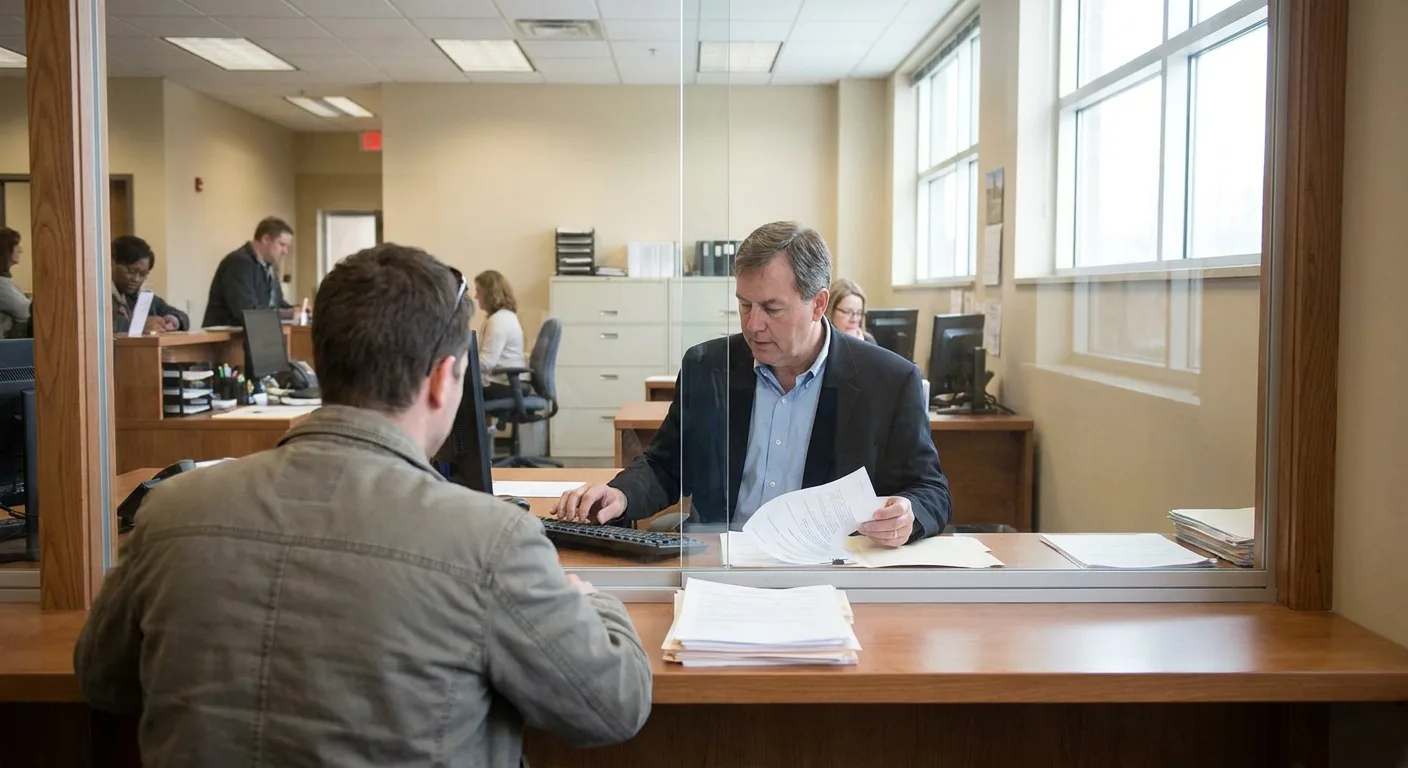
An applicant at a government office counter, papers in front of them, a caseworker reading their file on the other side of the glass
The counter, the file, and one person deciding. That is what this rehearses — not a quiz about it.

How the questions were built

The questions come from the other side of the desk.

Nothing in this simulation is guesswork about what an officer might want to hear. Three steps stand behind every question, follow-up and cross-check.

Drawn from real appointments

The question set comes out of anonymised transcripts of genuine interviews, not from lists of sample questions. That is why it opens with the counter formalities and why the wording is plain rather than polite.

Transcripts, not templates
Reviewed by former consular staff

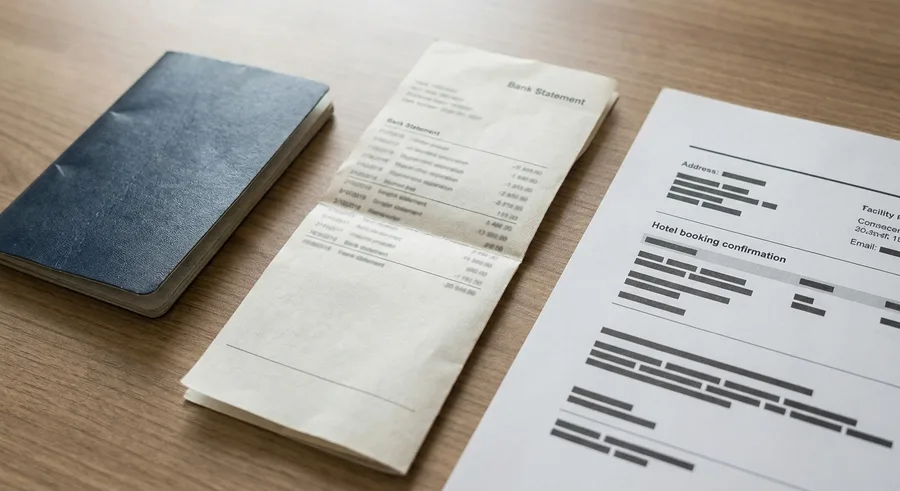
Former visa officers went through the questioning for funding, employment and return intent, the follow-ups that come when a figure does not match the file, and the language of the closing report.

Reviewed line by line

Tested against refusal grounds

Every cross-check maps to a documented reason applications are refused — an open return, funds that appeared last week, a sponsor who is not a relative, an undeclared refusal or ban.

One check per ground

Trained on real interviews

It presses where real officers press.

The model learned from anonymised transcripts of genuine appointments and from published refusal grounds — which is why it fastens onto an open return flight, a balance that appeared last week, or a sponsor who is not a relative, instead of asking pleasantries.

4,200+

anonymised interview transcripts reviewed

38

consulates and visa sections represented

13

refusal grounds the cross-checks map to

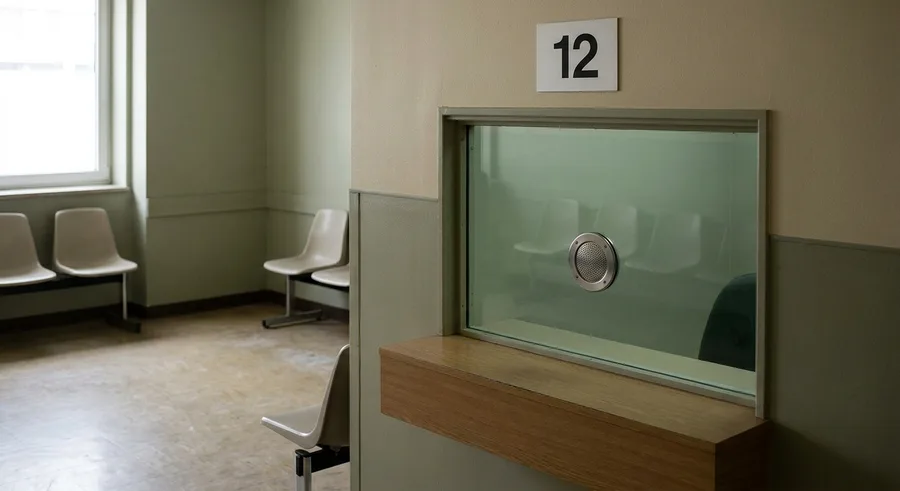
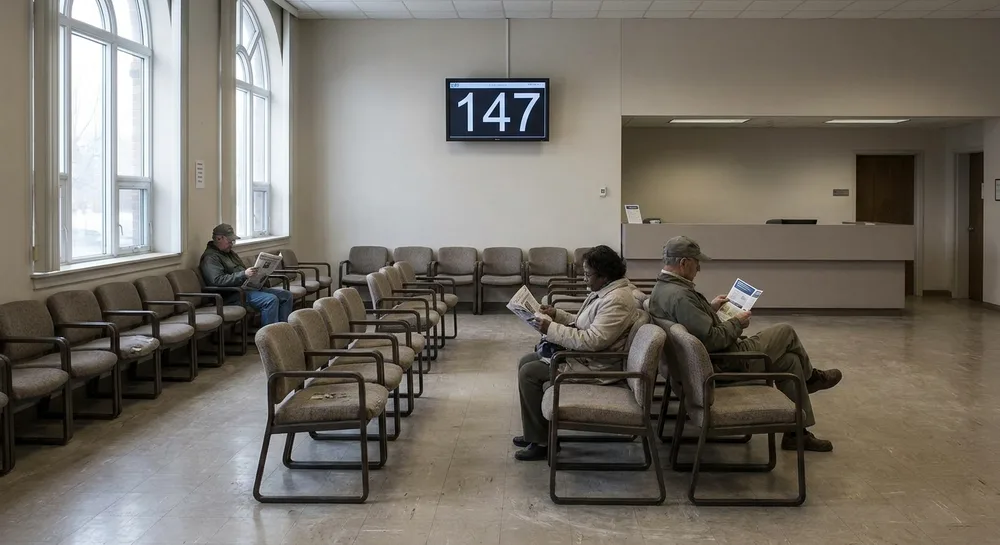
A government office waiting area, rows of empty chairs and a numbered display on the wall

What is actually asked

The 19 questions, and the follow-ups behind them.

These are the questions the practice interview puts, grouped the way an officer works through a file. The indented lines are the follow-ups — they come when the first answer is thin, and they are where most people come apart.

Purpose and itinerary

The check is whether the trip you describe is the trip your documents describe.

  • What is the purpose of your trip?

    • Why now?
    • Why this country in particular?
  • How long do you intend to stay?

    • Give me your entry date and how long you intend to stay.
    • Why that period specifically?
  • Describe your itinerary.

    • Which cities, in what order?
    • How will you travel between them?

Who pays, and from what

Money is the single most cross-checked area. A figure that does not match the file stops the interview dead.

  • Who is paying for this trip?

    • What is your total budget for the stay?
    • How can you prove that?
  • What is your monthly net income?

    • Since when have you earned that?
    • Which documents support this?

Work or study

An employer you can name precisely, with approved leave, is the strongest evidence that you are going back.

  • Who is your employer, and in what position?

    • How long have you worked there?
    • Has your leave been approved in writing?

Where you will stay

Booked and paid are different answers, and the gap between your booking and your dates is the first thing counted.

  • Where will you be staying?

    • Do you have a booking confirmation?
    • Who made that booking?

Ties at home and return intent

This is what a refusal usually turns on. The questions get hypothetical here on purpose.

  • What family ties do you have in your home country?

    • Who stays behind while you travel?
    • Do you have relatives in the destination country?
  • Where do you currently live, and since when?

    • Do you rent or own?
    • Does the lease run beyond your travel dates?
  • What will you do once your stay ends?

    • What specifically ties you to your home country?
    • Suppose someone there offered you a well-paid job. What would you do?
    • Why should we assume you will return?
  • Do you know anyone in the destination country?

    • What is your relationship to that person?
    • How did you meet?
    • And if that relationship became a personal one — would you still leave on the date in your application?

Travel history and previous visas

Your passport is open while you are asked. Vagueness about your own stamps reads badly.

  • Which countries have you travelled to in the last five years?

    • For what purpose?
    • Why no other travel in that time?
  • I am going through your passport. Tell me about the stamps in here.

    • Which year was that?
    • And the purpose of that trip?
  • Have you held a visa for this country, or any other, before?

    • When, and for which country?
    • Did you stay within its validity?

Refusals, overstays and record

Anything undeclared here is worse than the thing itself. It is already known before you are asked.

  • Has a visa ever been refused to you?

    • On what grounds?
    • Why is that not stated in your application?
  • Have you ever stayed longer than permitted in any country?

    • By how many days?
    • How did that happen?
  • Have you ever been convicted of a criminal offence, in any country?

    • What was the offence, and when?
    • Why is that not declared in your application?
  • Have you ever been refused entry at a border, removed, or deported from any country?

    • Which country, and on what grounds?
    • How did that end?
  • Is there any entry ban recorded against you, anywhere?

    • Until when does it run?
    • Why did you apply while it is in force?

Reading them is not the same as answering them under silence. In the practice session you asks these in a different order every time, holds your answers against your own file, and says nothing about how you are doing until the report.

What the practice session gives you

Three things you cannot get from a checklist of sample questions.

Pressure, not a quiz

The officer does not confirm, encourage or hint. You answer under the same silence you will get at the counter, which is what most people are unprepared for.

Your own file, held against you

The officer works from what you filed. Say a number that differs from your application and they stop and ask — the way a caseworker does with the papers open in front of them.

A report you can act on

Afterwards you see every answer, what would have drawn a follow-up, and the wording that would have closed the point instead.

Sit it once here, so the real one is the second time.

Free to use. No card, no upsell, and your documents stay confidential.

See what people say about DoVisa on Trustpilot
Set up your session