UK ETA: From 25 February 2026 the UK requires an Electronic Travel Authorisation for visitors from 85 countries, with airlines instructed to deny boarding to non-compliant passengers.
Summary: From 25 February 2026 the UK has made the Electronic Travel Authorisation (ETA) mandatory for travellers from 85 countries. The online permit carries a £16 fee (about $21.57). Airlines must check authorisations at departure and may refuse boarding to passengers without a valid ETA, eVisa, or other required documentation.
A major change to UK entry rules took effect on Wednesday, 25 February 2026, requiring many visitors to hold an Electronic Travel Authorisation before they travel. The UK ETA is now a compulsory pre-travel clearance for nationals of 85 countries who previously entered Britain without a visa.
What has changed?
The government has moved the ETA from a softly enforced measure to a strict requirement. Under the new rule, travellers from the list of 85 countries must acquire the online permit before departure; failure to do so can result in being refused boarding by airlines rather than being turned away on arrival.
How the ETA works
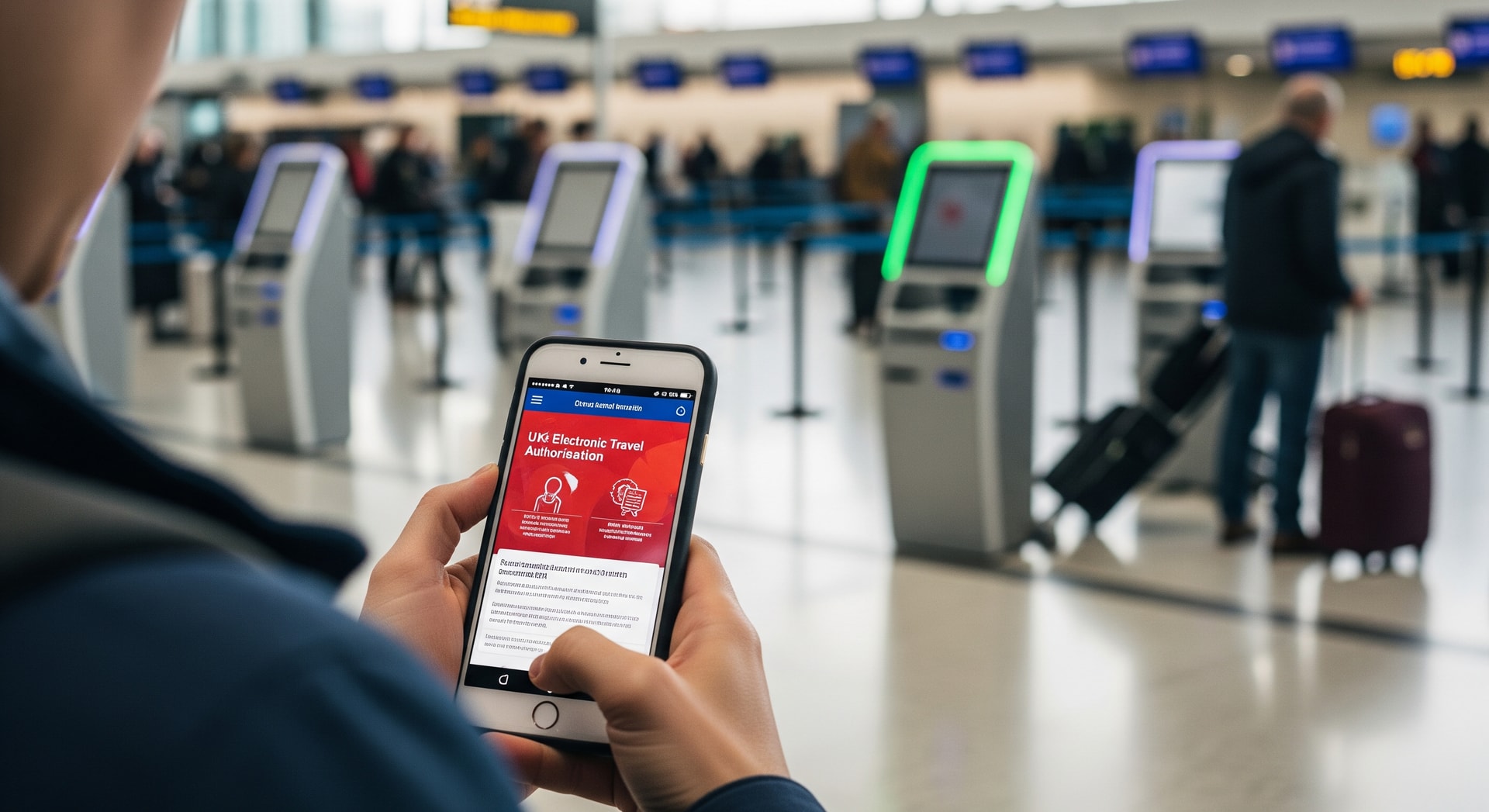
The ETA functions as a pre-travel screening system designed to digitize border checks. Applications are submitted online and carry an administrative fee of £16 (approximately $21.57). The scheme, first introduced in 2023 and expanded to include European visitors in April of last year, had been enforced leniently until now; the grace period ended on 25 February 2026.
- Scope: Applies to nationals from 85 countries who previously enjoyed visa-free entry.
- Cost: £16 per application (about $21.57).
- Availability: Application is fully digital and must be completed before travel.
- History: Introduced in 2023; extended to European visitors in April 2025; mandatory enforcement began 25 February 2026.
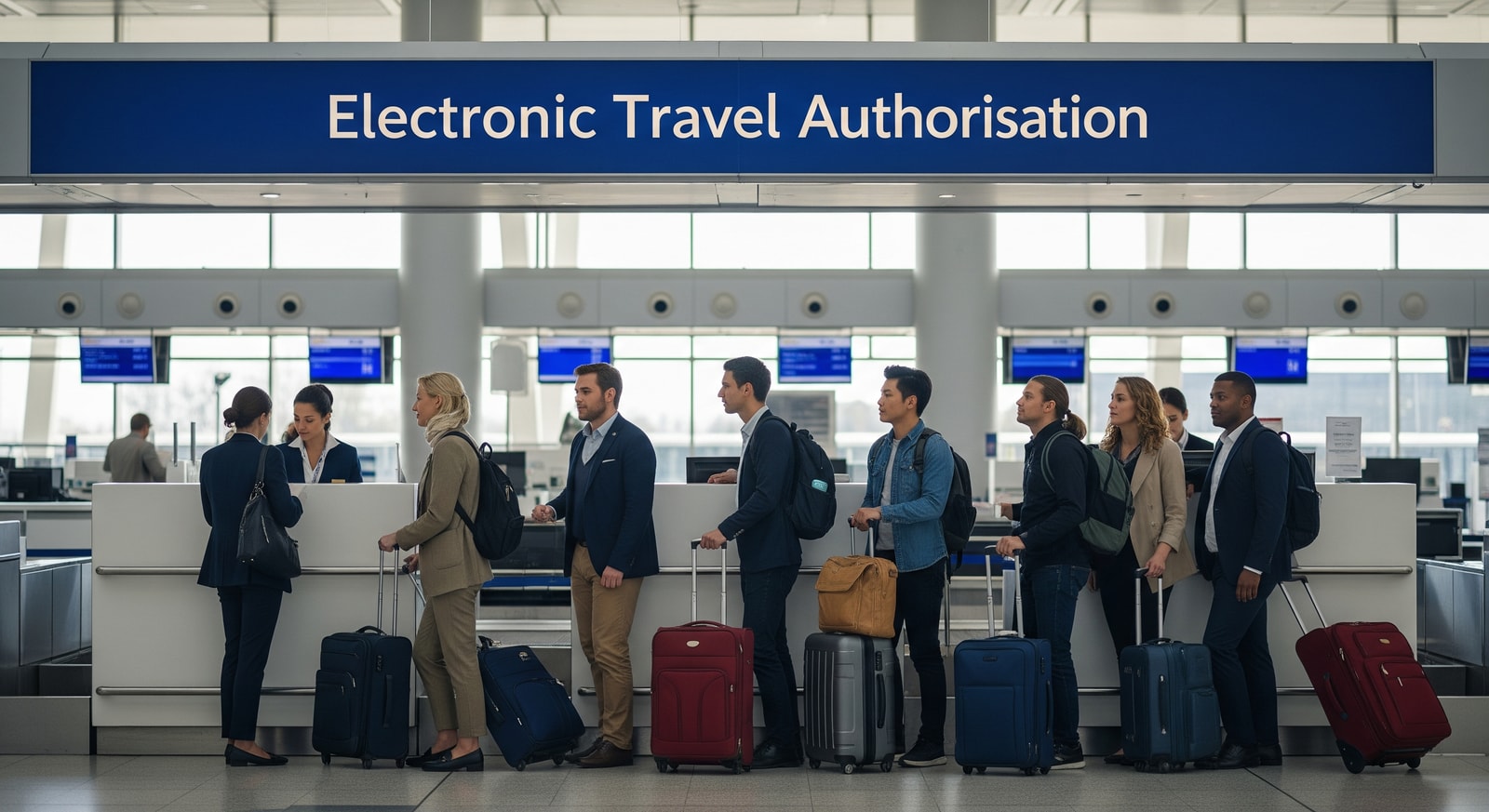
Airlines and enforcement
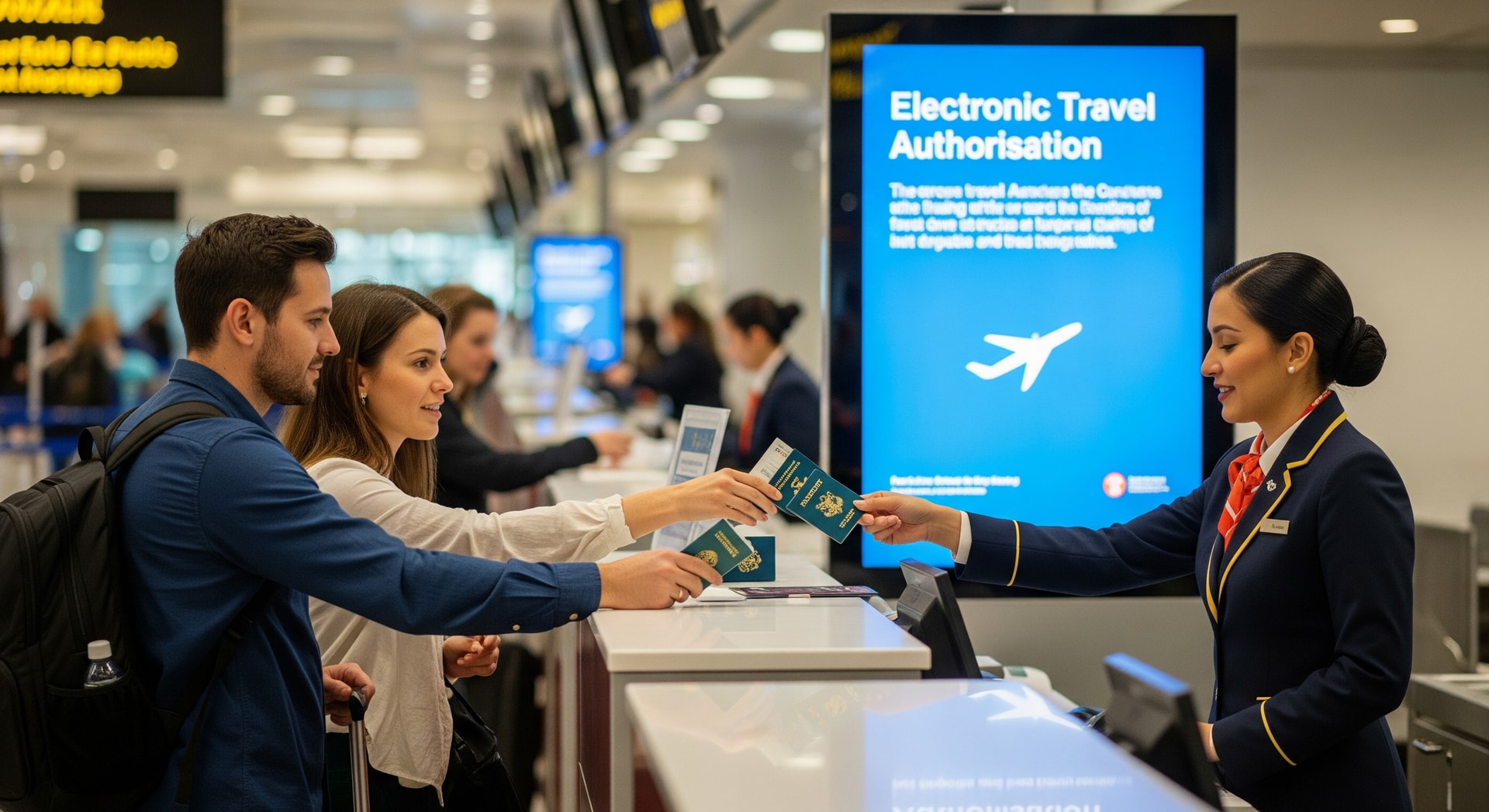
Responsibility for checking compliance has been pushed onto airlines. The interior ministry has instructed carriers to verify that passengers hold an ETA, eVisa, or other acceptable documentation during check-in; those without valid digital authorisation should be barred from boarding flights to the UK.
Who is exempt?
The ETA requirement does not apply to British and Irish citizens. The exemption also covers dual nationals and people with the legal right to live in the UK, reflecting existing Common Travel Area arrangements and residency rights.
Government rationale
Officials say the ETA is intended to modernise and tighten border security while improving efficiency. Migration minister Mike Tapp described the scheme as a key element of efforts to strengthen the UK’s borders and said it is meant to deliver a more modern and efficient service for visitors and the public.
Broader European context and challenges
The UK's move follows a wider European shift to digital border systems after Brexit. In October the EU began rolling out post-Brexit checks for UK nationals under its Entry/Exit System (EES), which records non-EU entries and replaces manual passport stamping. Both the EU rollout and the UK ETA have prompted concerns about initial teething problems, airport delays and whether systems can scale during peak travel periods such as Easter.
Industry groups and airports have warned that the shift to mandatory pre-travel checks could cause disruption if airlines and ground staff face implementation challenges or if passenger awareness is low. With airlines set to refuse boarding for non-compliance, the potential for last-minute travel cancellations is a practical concern for both leisure and business travellers.
What this means for travellers: obtain your UK ETA before you travel, check airline requirements at check-in, and allow extra time during busy travel periods. For the travel industry, the rule shifts some border-control duties onto carriers and requires clear passenger communication to avoid operational disruption.
Sources