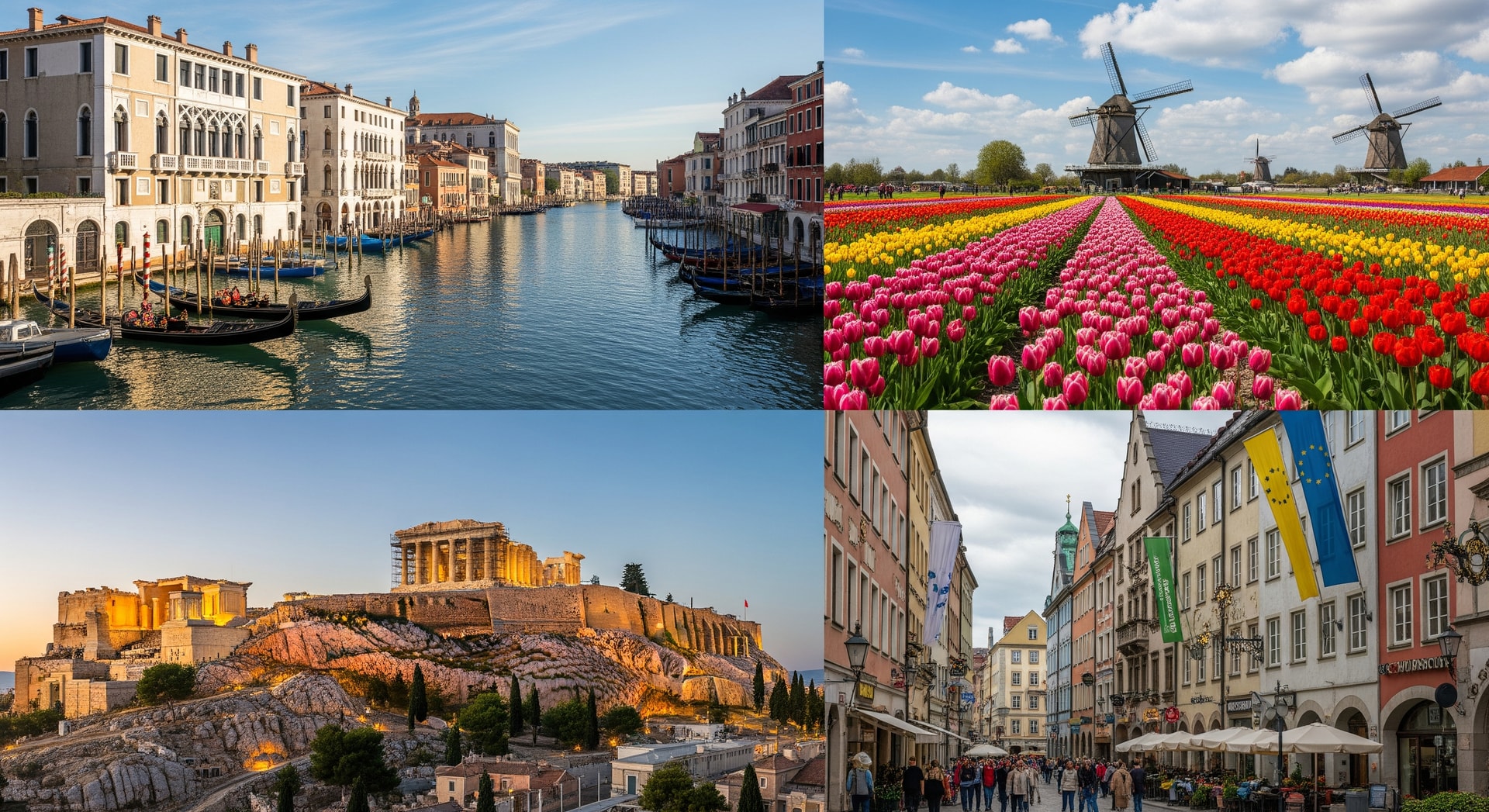
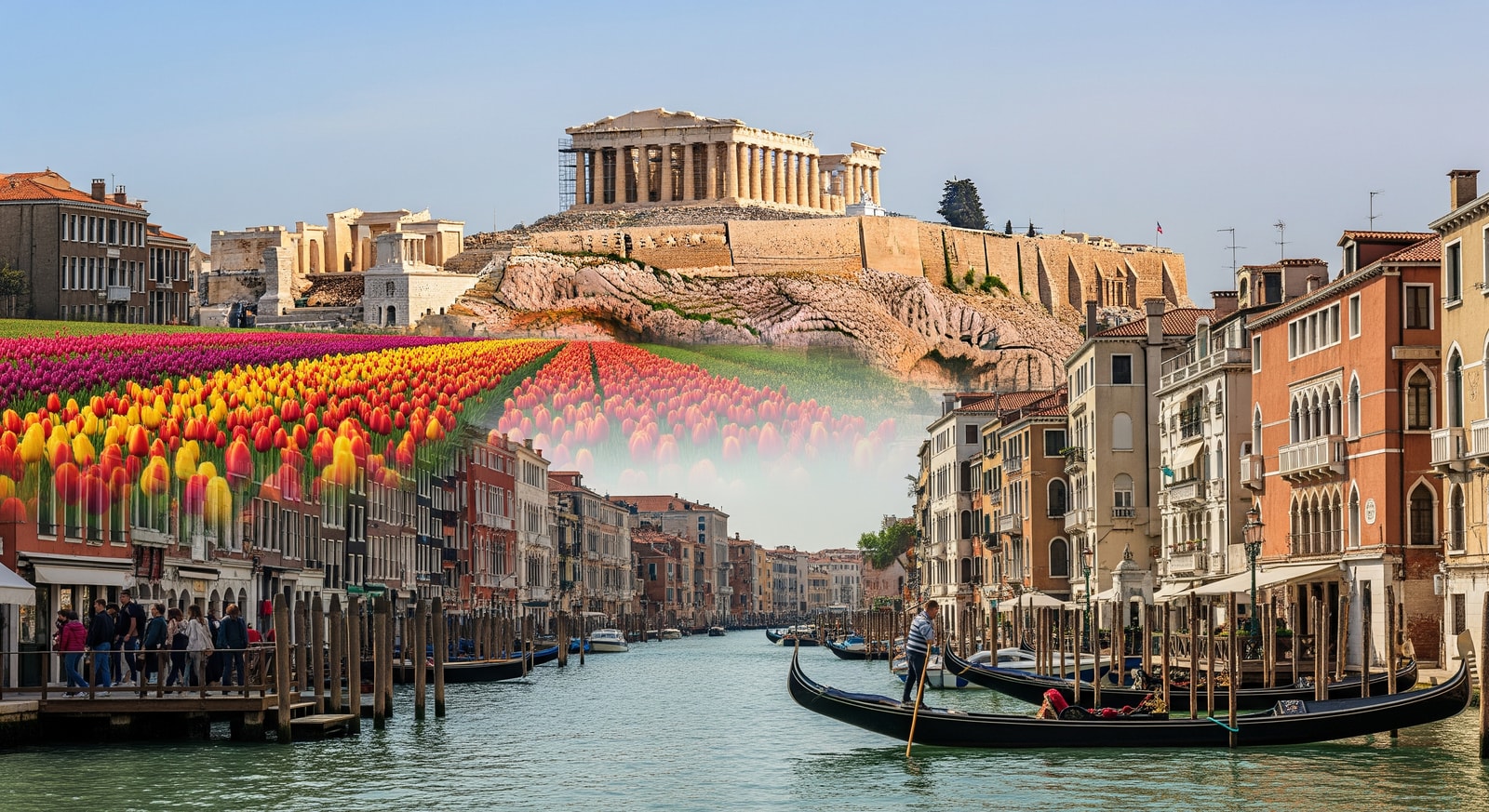
This 2026 city break guide maps the best month to visit top European cities like Venice, Amsterdam, Athens and Munich.
Summary: This 2026 city break guide recommends the best month to visit major European cities—matching festivals, weather and crowd levels to help travellers and business visitors time trips more effectively.
Choosing when to travel can be as important as choosing the destination. This 2026 city break guide pairs each month with a European city where seasonal conditions, signature events and off-peak pricing combine to create an optimal short-break experience for leisure and business travellers.
Month-by-month planner for 2026
January – Budapest, Hungary: Winter brings fewer visitors and lower hotel rates to Budapest. Hungary’s tourism figures show January is quieter than spring and summer, yet attractions such as the Széchenyi thermal baths remain appealing even in cold weather—making the city a budget-friendly option for cultural breaks.
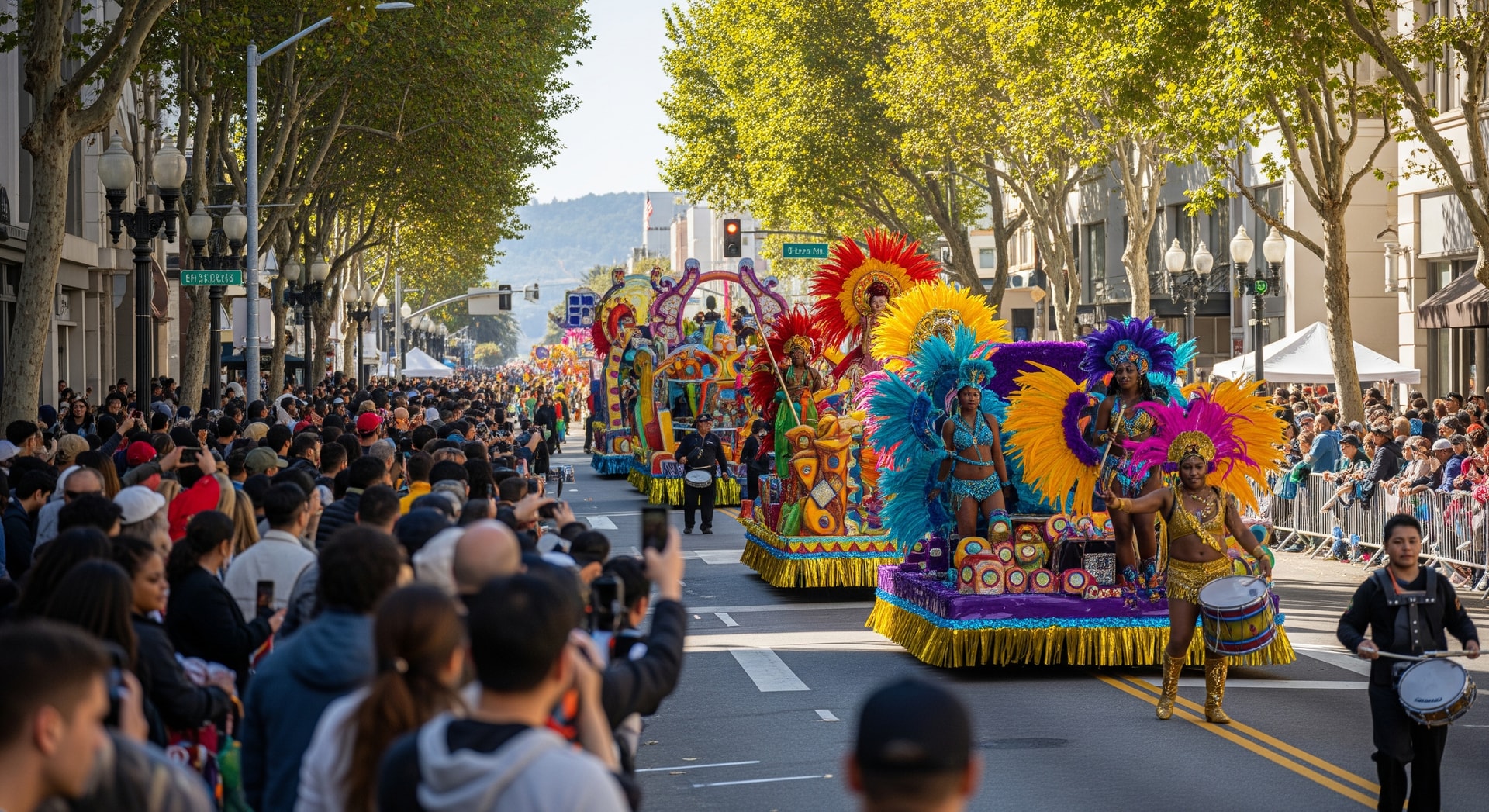
February – Venice, Italy: Carnival season typically falls in the weeks before Lent and draws a spike in cultural tourism. Cool temperatures persist, but the masked parades and events create a memorable city-break atmosphere. Travellers should book early as central hotels and flights fill quickly during this period.
March – Amsterdam, Netherlands: With Keukenhof Gardens opening mid-month, March marks the start of tulip season. Average temperatures of 8°C to 12°C and fewer peak-season crowds make it an excellent time to see early blooms while enjoying moderate hotel rates.
April – Athens, Greece: Spring in Athens typically brings temperatures between 18°C and 22°C, ideal for exploring the Acropolis and historic neighbourhoods without the intense heat of summer. April is highlighted by Greece’s tourism board as a prime month for sightseeing.
May – Istanbul, Türkiye: Average highs around 22°C to 25°C make May a comfortable month to explore bazaars and waterfronts. Regular Bosphorus ferry services and a calendar of cultural activity add to the appeal. Travellers should check GOV.UK travel advice for entry and local regulations.
June – Boston, USA: Early summer in Boston offers pleasant weather and a slate of sporting and cultural events. US tourism data shows high visitor numbers in early summer, but crowds typically intensify later in July—making June a sweet spot for mixing conferences with sightseeing along the Freedom Trail.
July – Krakow, Poland: Warm weather and long daylight hours make July a great time to enjoy Krakow’s cultural scene. Music festivals and other summer events draw visitors, so verify Schengen entry requirements well in advance.
August – Edinburgh, Scotland: The Edinburgh Festival Fringe dominates August, attracting large international audiences. VisitScotland records peak attendance during the festival, so book accommodation early and expect busy transport links.
September – Munich, Germany: Oktoberfest generally starts in late September and brings millions of visitors to Munich annually. The German National Tourist Board recommends securing flights and hotels months ahead when planning to attend.
October – Seville, Spain: Autumn temperatures remain warm and pleasant in Seville, with averages near 26°C. The season offers comfortable sightseeing conditions and fewer summer crowds, ideal for exploring Andalusia’s architecture and cuisine.
November – Naples, Italy: November brings milder weather and a decline in cruise visitors, making Naples an attractive option for culinary travel and excursions to nearby Pompeii without the peak-season heat.
December – Cologne, Germany: Cologne’s Christmas markets run from late November through December, with Cologne Cathedral forming a dramatic backdrop. The festive markets and seasonal atmosphere make December an appealing month for holiday city breaks.
Planning tips for travellers
- Check official entry requirements via GOV.UK or national government sites before booking.
- Verify passport validity rules for EU travel and Schengen trips.
- Book flights and accommodation early for major festivals like Venice Carnival, Edinburgh Fringe and Oktoberfest.
- Monitor weather forecasts and purchase travel insurance that covers seasonal disruptions.
- Secure event tickets in advance where possible to avoid sold-out dates.
Why this matters to travellers and the industry
Timing a city break can reduce costs, improve weather odds and avoid the heaviest crowds—benefits that apply to leisure and business travellers alike. For the travel industry, smarter timing helps spread demand across the year, easing pressure on infrastructure and improving service quality during shoulder seasons.
Sources