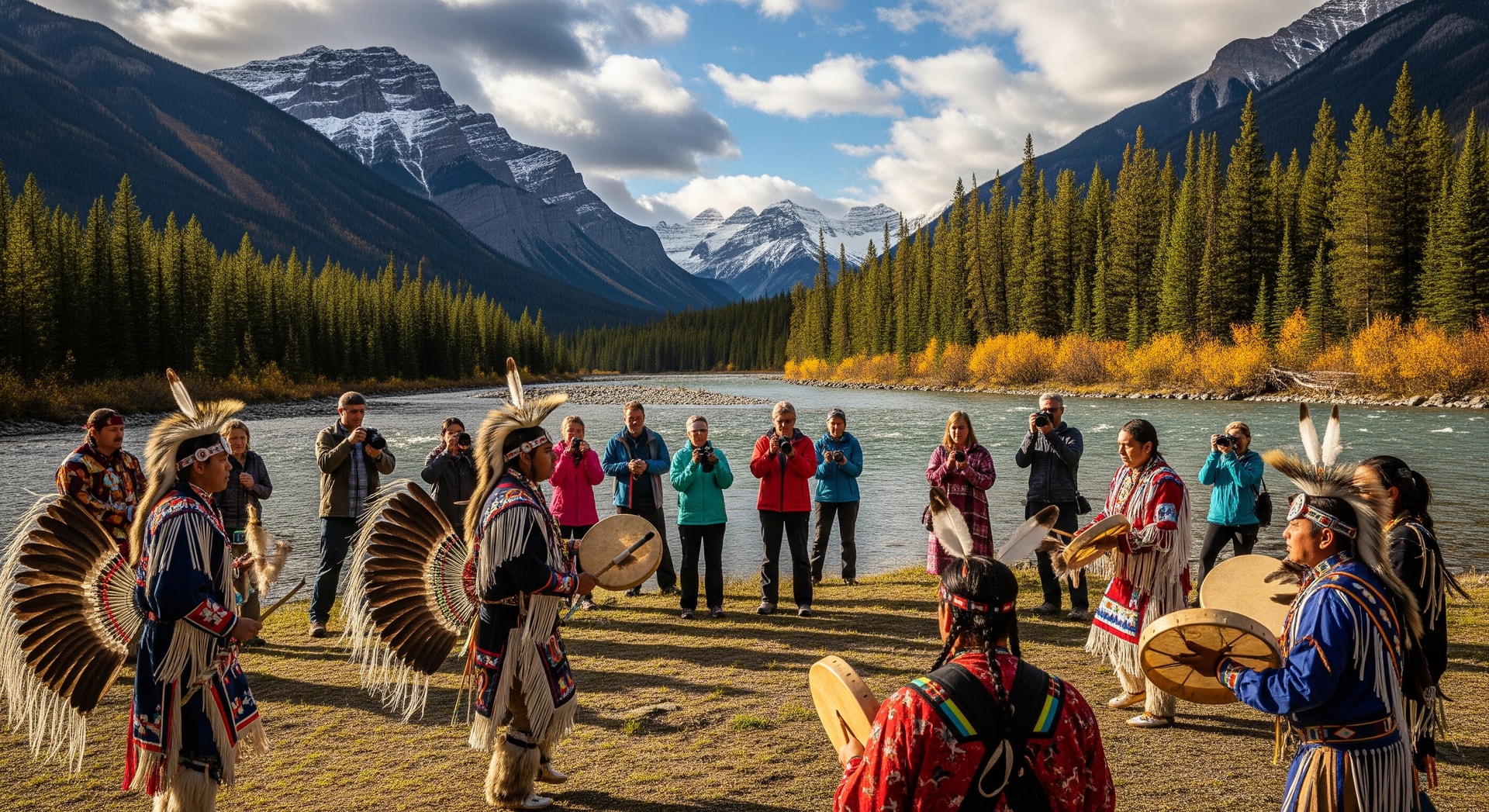
Indigenous tourism is emerging as a major global travel sector, with Canada, Australia and New Zealand leading growth while airlines and hotel chains expand connectivity and offerings.
Summary: Indigenous tourism has moved from niche to mainstream. Canada reports $3.7 billion in sector revenue (2023) and 54,000 jobs; airlines including Air Canada, Qantas, Air New Zealand and Delta are boosting connectivity while major hotel groups expand into gateway and experiential destinations.
Indigenous tourism is rapidly becoming a central pillar of national travel strategies, with Canada, Australia and New Zealand elevating community-led cultural experiences and attracting investment from airlines and hotel groups. In Canada, the sector generated approximately $3.7 billion in revenue in 2023 and supported more than 54,000 jobs, with government tax contributions exceeding $1 billion.
From Conference Rooms to Commercial Impact
Canada’s hosting of the 13th International Indigenous Tourism Conference in Edmonton — attended by more than 1,000 delegates from around the world — underscored that Indigenous tourism is commercially significant as well as culturally important. Governments and industry leaders are increasingly viewing Indigenous-led experiences as drivers of regional employment and cultural preservation.
Air Connectivity Feeding Demand
Improved long-haul air links are central to the sector’s expansion. Statistics Canada reported that overseas arrivals rose markedly in late 2025, with more than 500,000 overseas visitors recorded in December alone, and over 90 percent of those overseas travellers arriving by air. Airlines such as Air Canada, Qantas, Air New Zealand and Delta are expanding routes that make remote and heritage-rich regions more accessible to international travellers.
- Air Canada: expanding long-haul links from Toronto and Vancouver to London, Paris, Frankfurt, Delhi, Tokyo and Sydney
- Qantas: direct services between Australia and North America (e.g., Sydney–Vancouver, Sydney–Dallas)
- Air New Zealand: seasonal Auckland–Vancouver and connections to US gateways
- Delta: strong transpacific and transatlantic networks connecting through US hubs
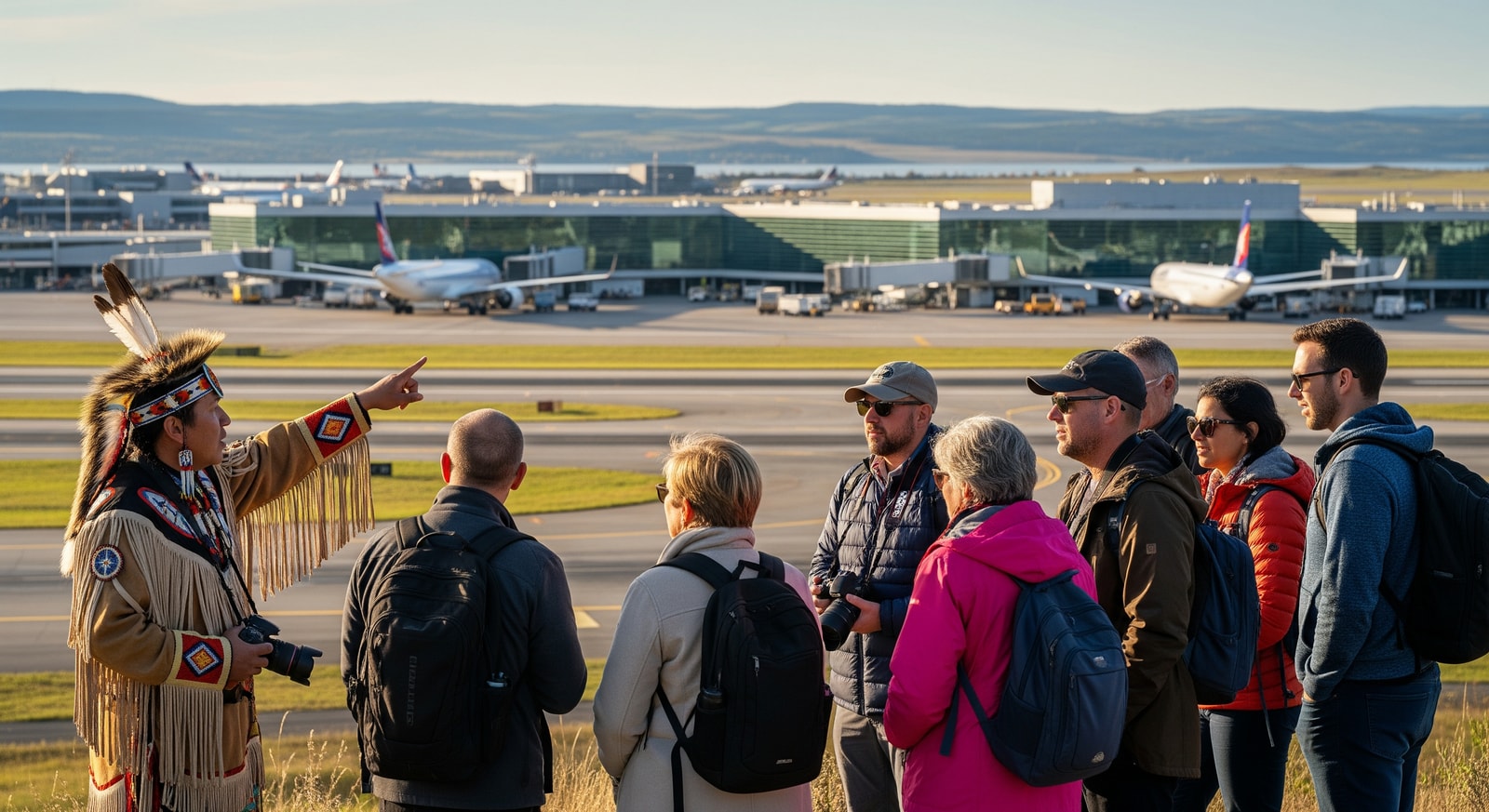
Hotel Groups Move Into Gateways and Experiential Markets
Major hospitality brands are responding to growing demand for meaningful stays. Marriott, Hilton, Hyatt and Accor are increasing their footprints in key gateway cities and near experiential destinations, recognising that travellers are spending more on community-led cultural programmes and local experiences.
Examples include Accor and Marriott properties operating close to Uluru and Northern Territory experiences in Australia, Fairmont hotels near Banff and Lake Louise in Canada, and major brands in Rotorua and Queenstown in New Zealand. Hotels are partnering with Indigenous guides, showcasing Indigenous art, and adding curated culinary offerings to connect guests with local culture.
Growth Beyond the Anglosphere: Scandinavia and Japan
Indigenous-led tourism is expanding in other regions too. Norway, Sweden and Finland are developing Sámi cultural experiences in Arctic areas — from reindeer-herding programs to storytelling immersions — while Japan is promoting Ainu heritage in Hokkaido through museums and immersive activities.
Economic Reach and Community Benefits
Indigenous tourism channels revenue into rural and remote communities — the report notes that over 60 percent of Indigenous tourism businesses operate outside urban centres — supporting local employment, cultural revitalisation and direct spending on artisans and guides. Events such as the Edmonton conference also create immediate hotel and supplier demand while opening long-term tour packaging opportunities.
- Book directly with Indigenous-owned operators where possible
- Plan around seasonal experiences (Northern Lights in winter; land-based tours in summer)
- Allow extra travel time for remote connections via hubs like Vancouver, Calgary or Edmonton
- Respect cultural protocols and photography rules shared by guides
- Consider shoulder seasons for fewer crowds and better rates
Air travellers benefit from more non-stop options and competitive fares as carriers add capacity. Top overseas source markets to Canada include the United Kingdom, France, Germany, India and Japan, with India showing growth exceeding 50 percent year-on-year in recent monthly data. Airlines such as Finnair, SAS, Lufthansa, Japan Airlines and ANA also play roles in connecting Nordic and Asian markets to Indigenous tourism gateways.
Why this matters: Indigenous tourism is reshaping how destinations define value. For travellers, it means richer, more authentic experiences and expanded access to culture-driven itineraries. For airlines and hotels, it represents a high-yield segment that supports longer stays, higher spending on tours and dining, and stronger demand during shoulder and seasonal periods.
Sources