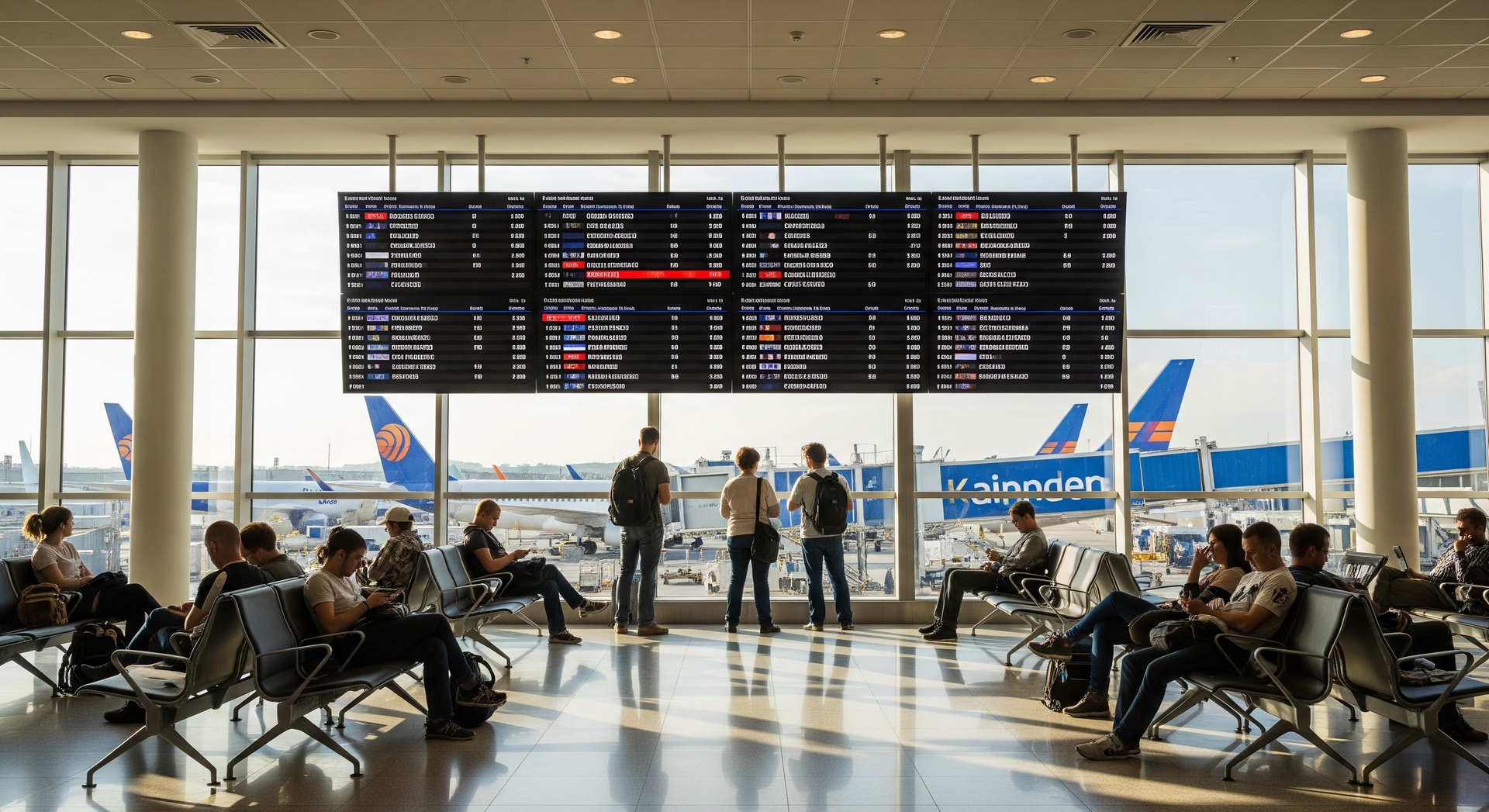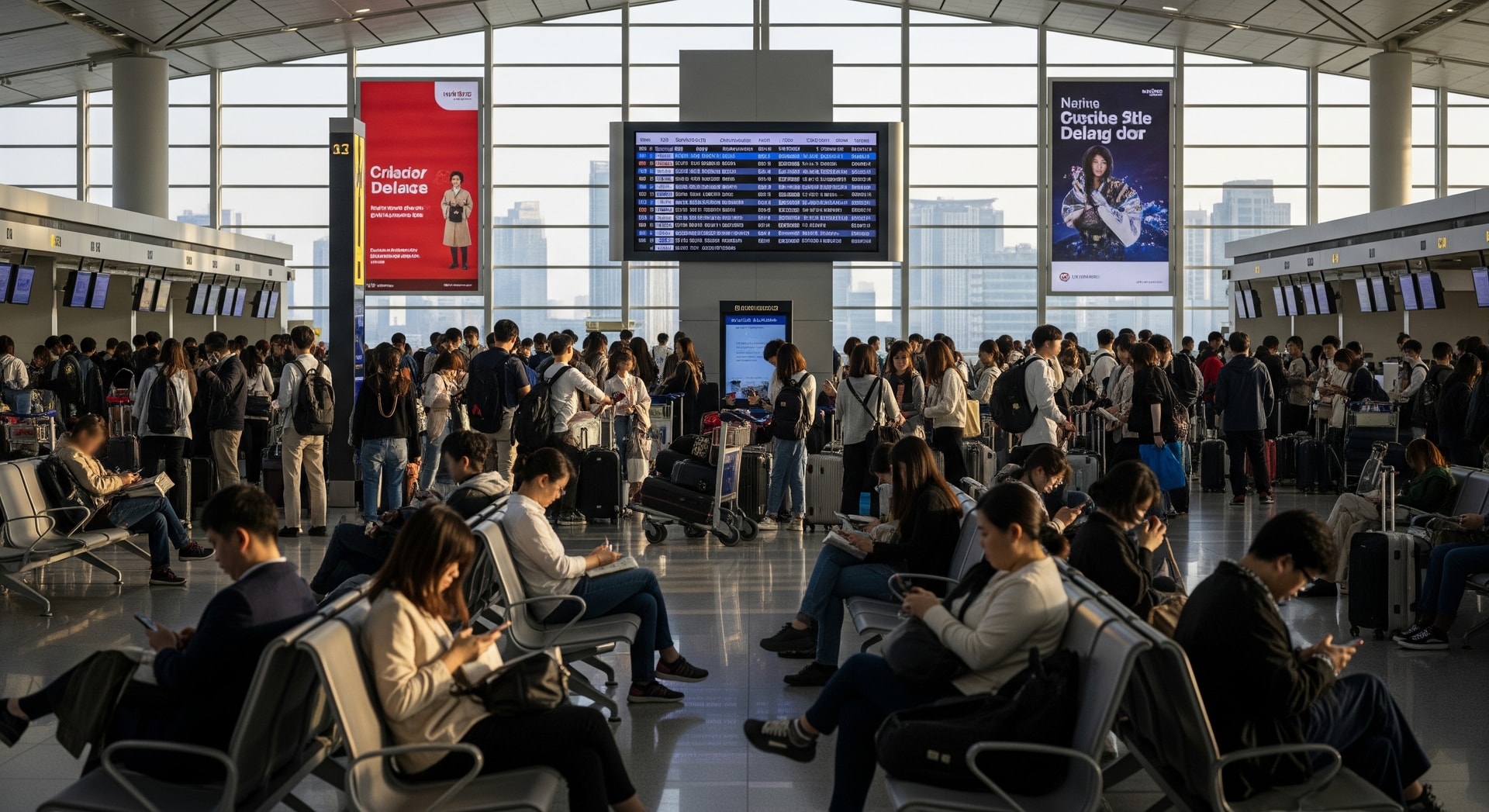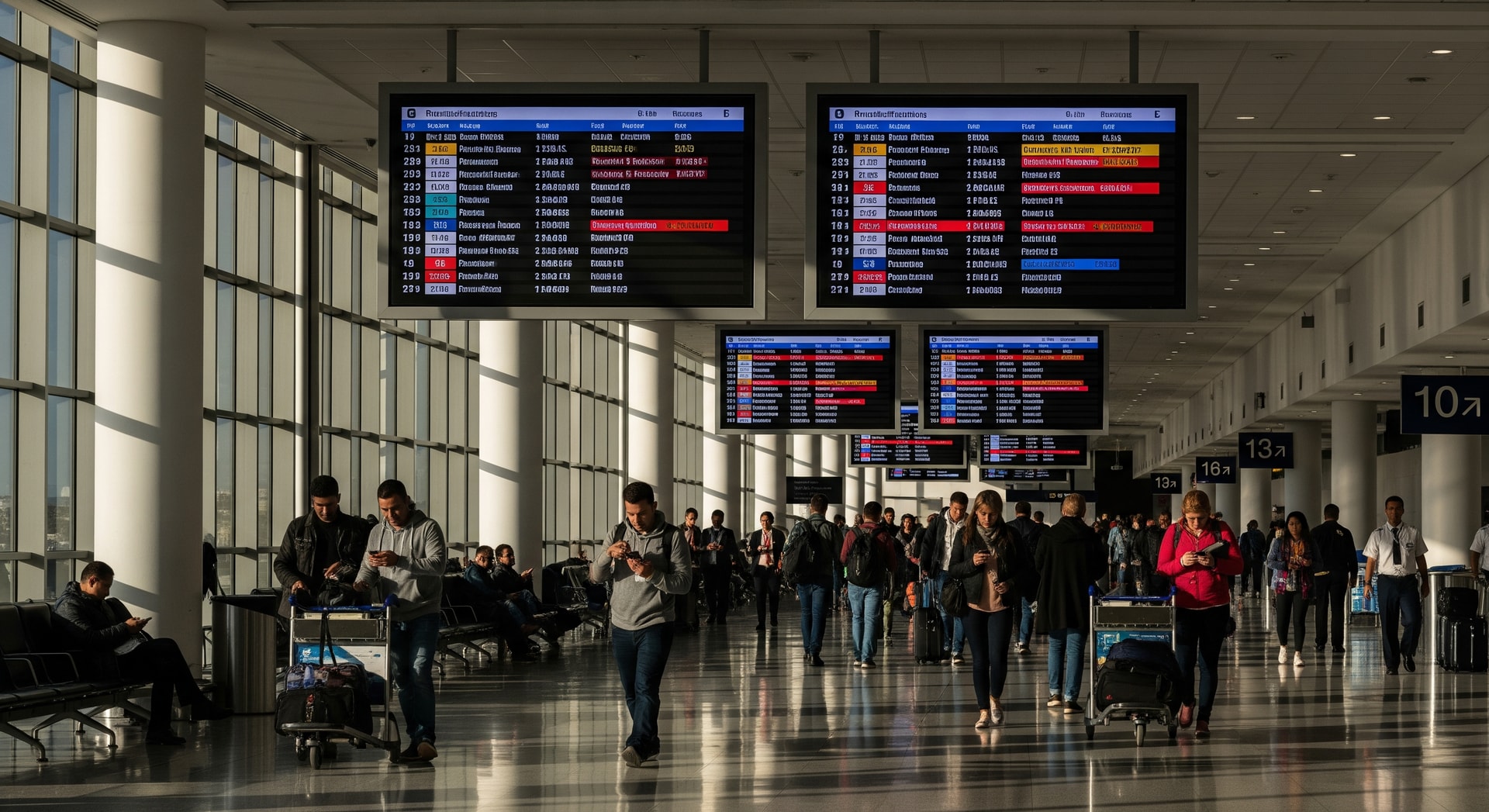
Asia flight disruptions have resulted in 37 cancellations and 510 delays across key hubs in Indonesia, China, Japan and Malaysia, affecting thousands of travellers.
Summary: Asia flight disruptions have led to 37 cancelled flights and 510 delays across major hubs in Indonesia, China, Japan and Malaysia, impacting carriers including Batik Air, ANA, Xiamen Air, Sichuan Airlines and Shenzhen Airlines.
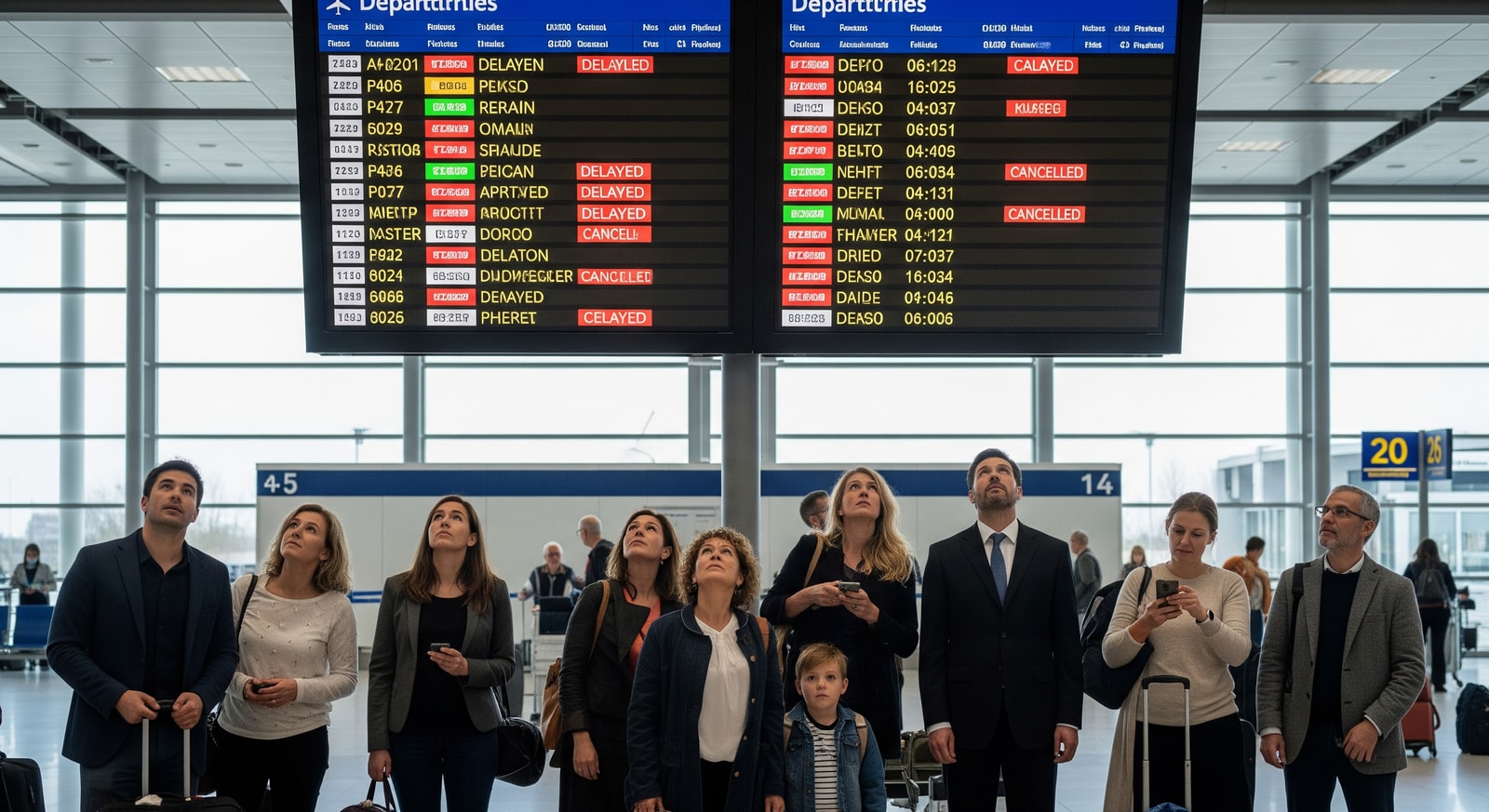
Air travel across Asia has been hit by widespread disruption: 37 flights were cancelled and another 510 delayed, leaving thousands of passengers facing long waits and rebookings at major airports in Indonesia, China, Japan and Malaysia.
Scope of disruption across major hubs
The turmoil affected a range of airports from Jakarta’s Soekarno-Hatta to Beijing Capital and Tokyo Narita, with other regional airports also reporting cancellations and substantial delays that cascaded through airline schedules.
Major airports and reported figures
- Jakarta Soekarno-Hatta: 17 cancellations, 54 delays
- Sultan Hasanuddin (Makassar): 7 cancellations, 32 delays
- Kunming Changshui: 2 cancellations, 68 delays
- Xishuangbanna Gasa: 2 cancellations, 33 delays
- Juanda (Surabaya): 2 cancellations, 23 delays
- Harbin Taiping: 3 cancellations, 38 delays
- Lanzhou Zhongchuan: 1 cancellation, 21 delays
- Tokyo Narita: 1 cancellation, 75 delays
- Beijing Capital: 1 cancellation, 89 delays
- Chongqing Jiangbei: 1 cancellation, 77 delays
At Jakarta’s Soekarno-Hatta International Airport, operational pressures and a mix of weather-related issues contributed to 17 cancelled services and 54 delayed departures, which particularly disrupted Batik Air’s scheduled flights.
China saw heavy impacts at several airports: Kunming reported heavy rain and poor visibility that led to 68 delays and two cancellations, while Harbin’s operations were curtailed by snow and fog, producing three cancellations and 38 delays. Lanzhou and Xishuangbanna also recorded delays tied to late-arriving aircraft and weather.
Japan’s Narita experienced congestion and bad weather that resulted in one cancellation and 75 delays, affecting both domestic and international services, while Beijing Capital reported storm-related disruption with one cancellation and 89 delays that filled terminals.
Airlines hardest hit
- Batik Air — numerous domestic and international delays and cancellations in Indonesia
- All Nippon Airways (ANA) — significant delays out of Narita affecting international connections
- Xiamen Air — delays centred on Kunming and Harbin operations
- Sichuan Airlines — impacted by weather and late aircraft arrivals in northern and southwestern China
- Shenzhen Airlines — faced schedule revisions and overcrowded terminals at Beijing and Harbin
What caused the disruptions
The widespread delays and cancellations stem from a combination of severe weather — including heavy rain, fog and snow — and operational issues such as late-arriving aircraft that created knock-on effects. Congestion at busy hubs and limited infrastructure capacity during peak periods further amplified the problem.
Passenger experience and practical tips
- Check flight status on the airline website or app and sign up for alerts.
- Arrive earlier than usual — expect long lines at check-in and customer service.
- Keep essentials (medication, snacks, chargers) in carry-on luggage.
- Ask airline staff about rebooking options and compensation policies promptly.
- Consider alternate airports or surface transport where feasible.
Some carriers have offered limited compensation or rebooking support, but passengers reported uneven communication and long waits. Travellers are advised to remain patient, document expenses where possible, and pursue formal claims through airline channels if entitled.
Why this matters: These Asia flight disruptions underline vulnerabilities in regional air networks — from weather sensitivity to limited airport capacity — and highlight the need for better contingency planning by airlines and airports. For travellers, the immediate consequence is potential itinerary upheaval, longer transit times and the need to budget additional time and contingency plans when flying through the affected hubs.
Sources