Heathrow 2025 saw a record 84.5 million passengers and strengthened punctuality and security performance as the airport advances expansion plans and commits £1.3bn for 2026 upgrades.
Summary: Heathrow recorded 84.5 million passengers in 2025 — its busiest year — delivered leading punctuality and security results, committed £1.3 billion for 2026 improvements, and progressed plans for a third runway.
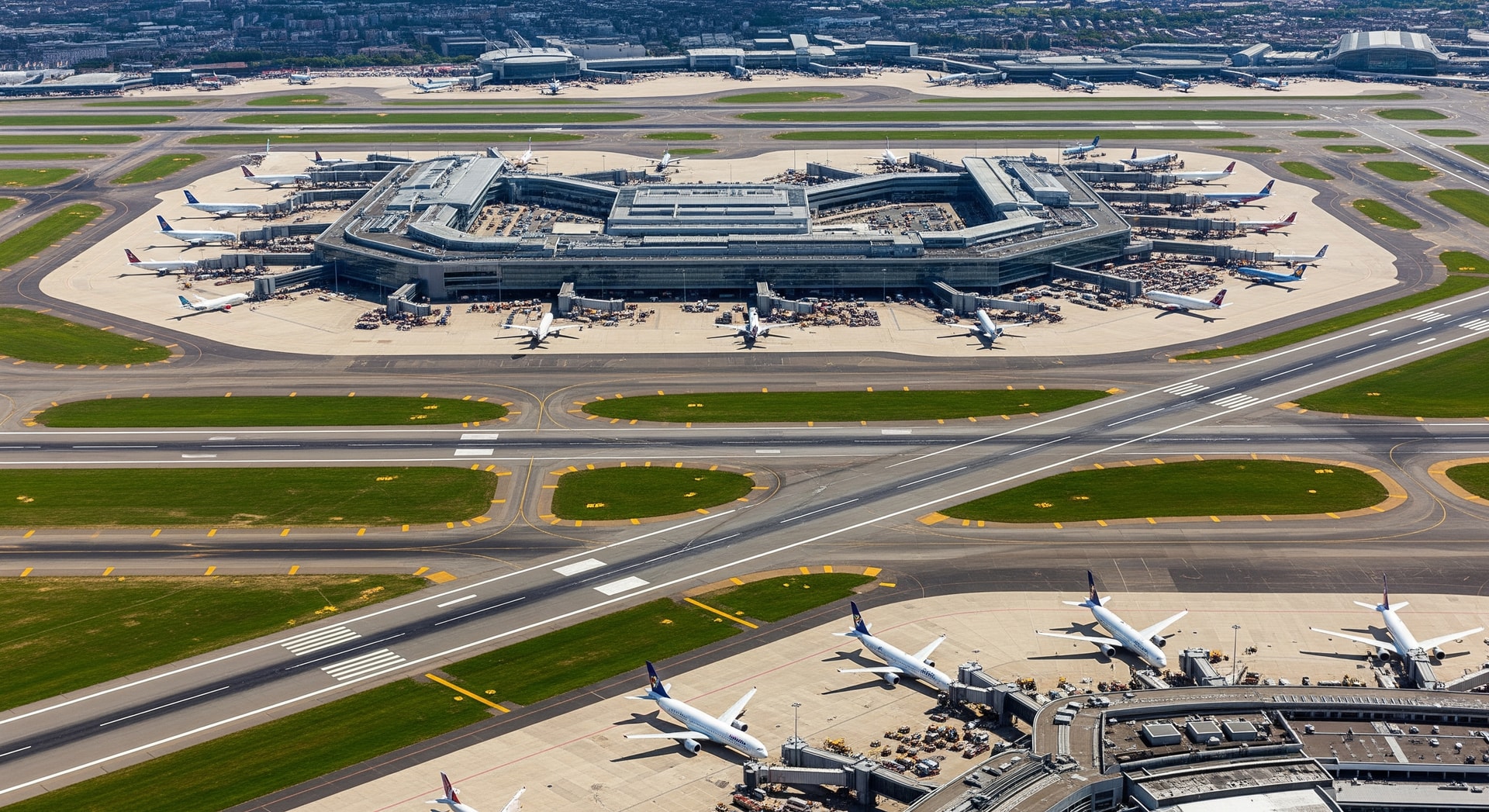
Heathrow 2025 marked a milestone for the airport as it handled 84.5 million passengers, the highest annual figure in its history, reinforcing its position as Europe’s busiest hub while reporting notable operational improvements and renewed investment plans.
Record year and operational gains
Beyond the headline passenger number, Heathrow reported stronger day-to-day performance across several customer touchpoints in 2025. The airport led European hub airports for punctuality, with more than 4.2 million additional passengers travelling on time compared with 2024. Security and baggage throughput also improved, helping to create more reliable journeys for travellers.
- Passengers: 84.5 million in 2025 (up from 83.9 million)
- Punctuality: Europe’s most punctual hub airport in 2025; 4.2 million more passengers on time vs 2024
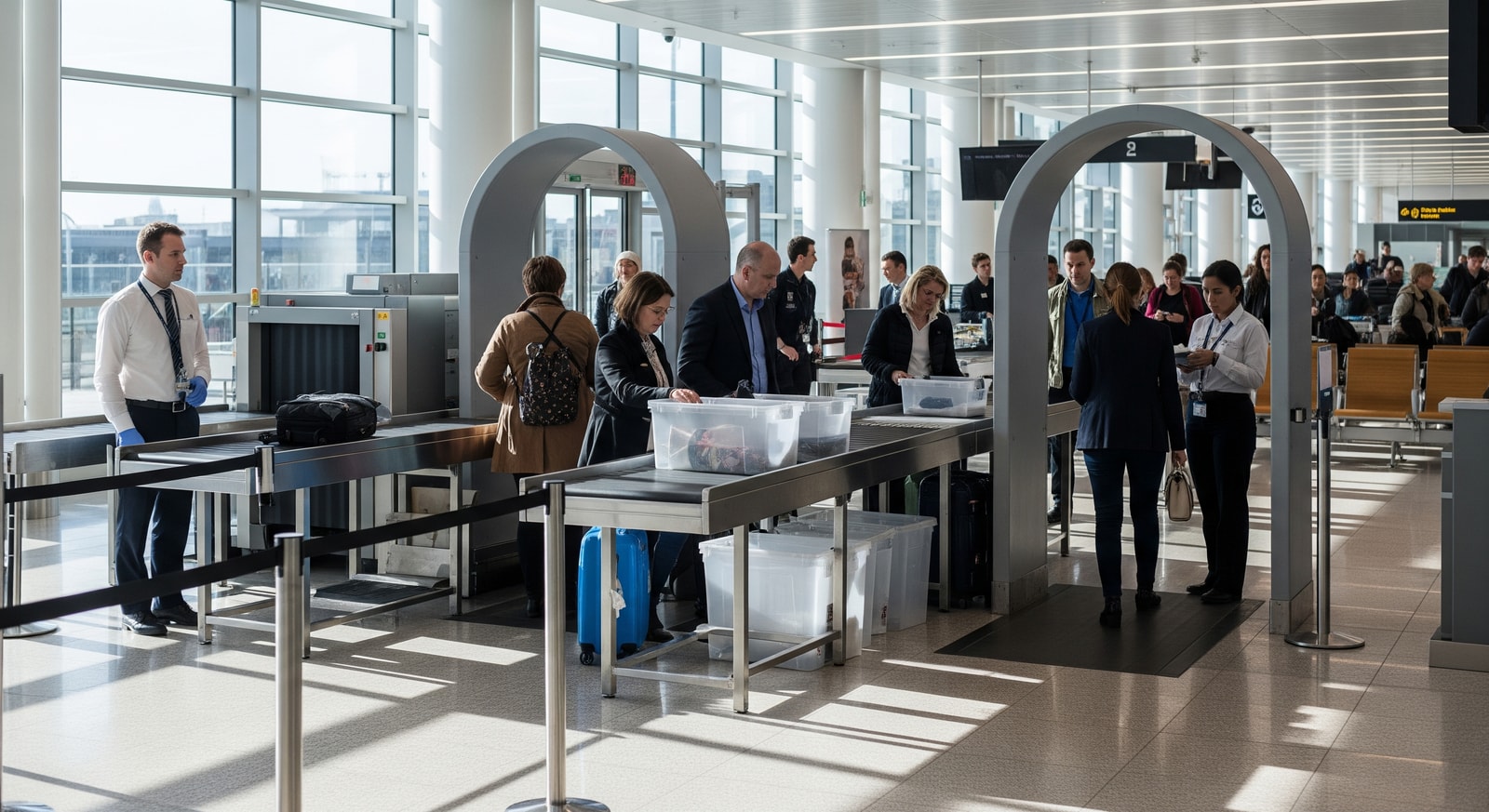
- Security wait times: 97.3% of passengers waited less than five minutes
- Baggage: load rates close to 99%, supporting reliable journeys
Planned investment and passenger improvements for 2026
For 2026 Heathrow has committed to a £1.3 billion capital programme aimed at strengthening resilience and improving the passenger experience. Projects include a refurbishment of Terminal 4, work on a new baggage system design for Terminal 2, and enhancements to services for passengers with accessibility needs.
The investment package is intended to bolster operational reliability and upgrade facilities as the airport approaches capacity limits, with Heathrow forecasting further incremental passenger growth to around 85 million in 2026.
Progress on expansion and regulatory steps
Expansion remains central to Heathrow’s long-term strategy. Shareholders have approved additional funding to start work on the planning application for a third runway, with the project positioned as a national infrastructure priority to support economic growth. However, delivery will depend on regulatory and policy decisions in 2026.
Key milestones include the Civil Aviation Authority establishing a regulatory framework to attract private financing, and a parliamentary vote in the autumn of 2026 on the final Airports National Policy Statement. If these steps proceed, a Development Consent Order could follow by 2029 and the first flights from a third runway may be possible within the next decade.
Last year everyone at Heathrow rallied behind our ambition to deliver exceptional operational performance for our customers. Not only did we meet that goal, we surpassed it and achieved record-breaking service levels. With strong foundations in place and with the airport now operating very close to capacity, the next chapter is crucial to our success. Expansion will unlock significant economic benefits and create an extraordinary airport, fit for the future. In 2026, we’ll continue progressing our plans so we can deliver for both our customers and for the country.
Financial results at a glance
Heathrow posted £3.6 billion in revenue for 2025, while adjusted EBITDA remained around £2.0 billion. Higher passenger numbers were balanced by lower airport charges set by the regulator, increased maintenance and performance-related costs. Liquidity at year-end stood at £2.9 billion and the Board approved dividend payments totalling £550 million — the first distribution in five years.
- Revenue: £3,623m (2025) vs £3,559m (2024), +1.8%
- Adjusted EBITDA: £2,034m (2025) vs £2,035m (2024), flat
- Cash generated from operations: £1,973m (2025) vs £2,011m (2024), -1.9%
- Profit before tax: £575m (2025) vs £917m (2024), -37.3%
- Adjusted profit before tax: £275m (2025) vs £450m (2024), -38.9%
- Consolidated nominal net debt: £15,706m (Heathrow SP) and £17,622m (Heathrow Finance plc)
Sustainability and community measures
On sustainability, Heathrow expanded its Sustainable Aviation Fuel (SAF) incentive programme and recorded its highest SAF usage in 2025. The airport set a 2026 target of 5.6% SAF usage — two percentage points above the UK mandate — and introduced a Resources and Waste Strategy alongside ongoing Noise Action Plan measures, including night-flight mitigation and home insulation for affected residents.
Why this matters: Heathrow’s performance and the planned investments signal improved reliability and enhanced passenger services in the near term, while expansion decisions in 2026 will shape capacity, connectivity and economic impact across the UK over the coming decade.
Sources