Dallas‑Fort Worth delays left the airport with 170 reported delays and 4 cancellations, affecting American Airlines, regional partners and international carriers across multiple hubs.
Summary: Dallas‑Fort Worth delays resulted in 170 reported delays and 4 cancellations on February 25, 2026, with American Airlines absorbing the largest share of disruption alongside regional and international carriers.
Dallas‑Fort Worth delays left the airport with 170 reported delays and 4 cancellations on February 25, 2026, disrupting services across domestic and international networks. The Fort Worth‑based carrier American Airlines experienced the heaviest impact, while regional and global operators also recorded notable schedule problems.
Scope of the disruption
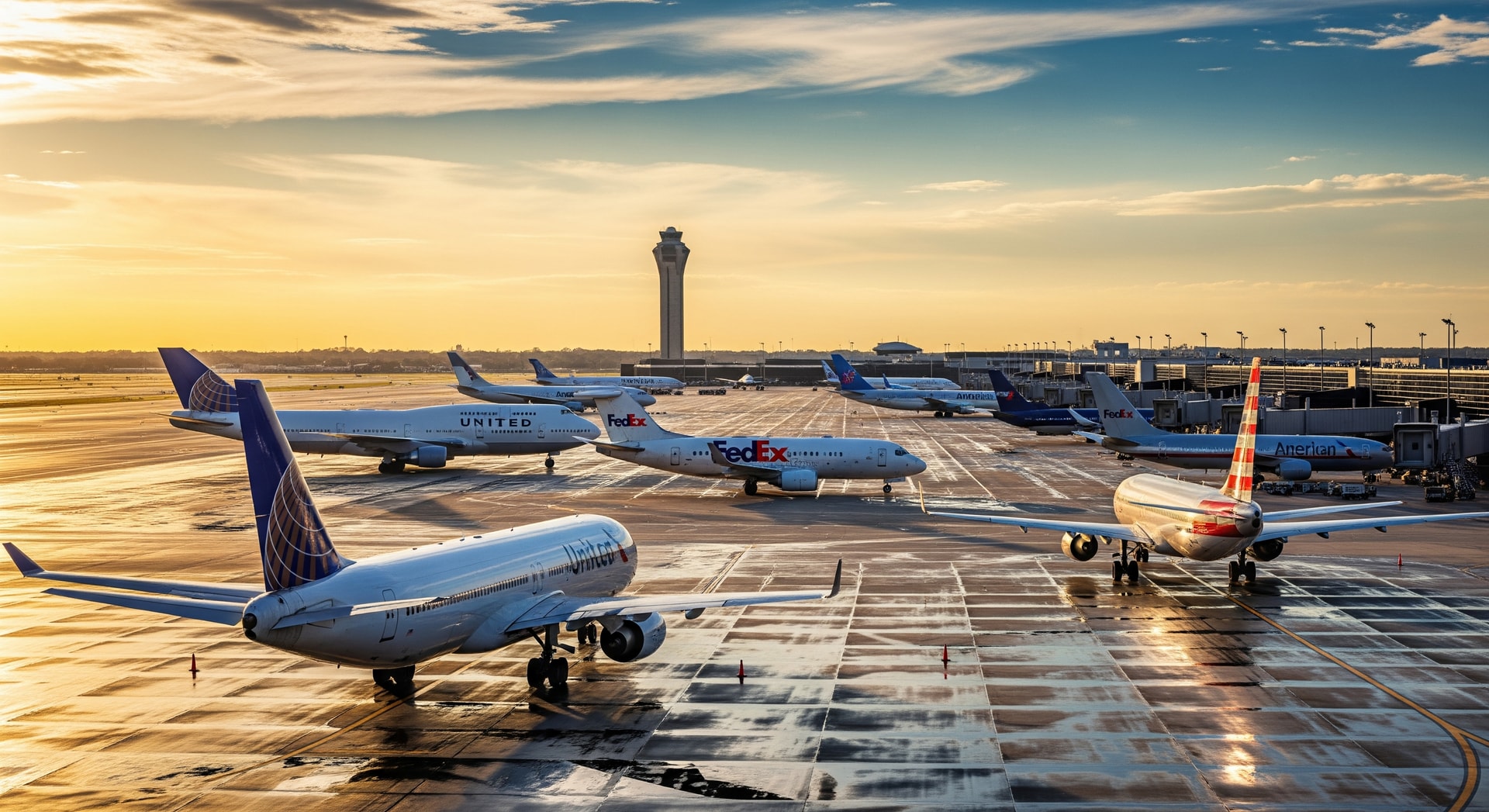
On the day in question Dallas/Fort Worth International Airport reported a total of 170 delays and 4 cancellations. The cluster of delays concentrated at DFW produced knock‑on effects at several other major U.S. airports and on certain international routes.
- Total disruptions at DFW: 170 delays and 4 cancellations
- American Airlines: 121 delays and 2 cancellations
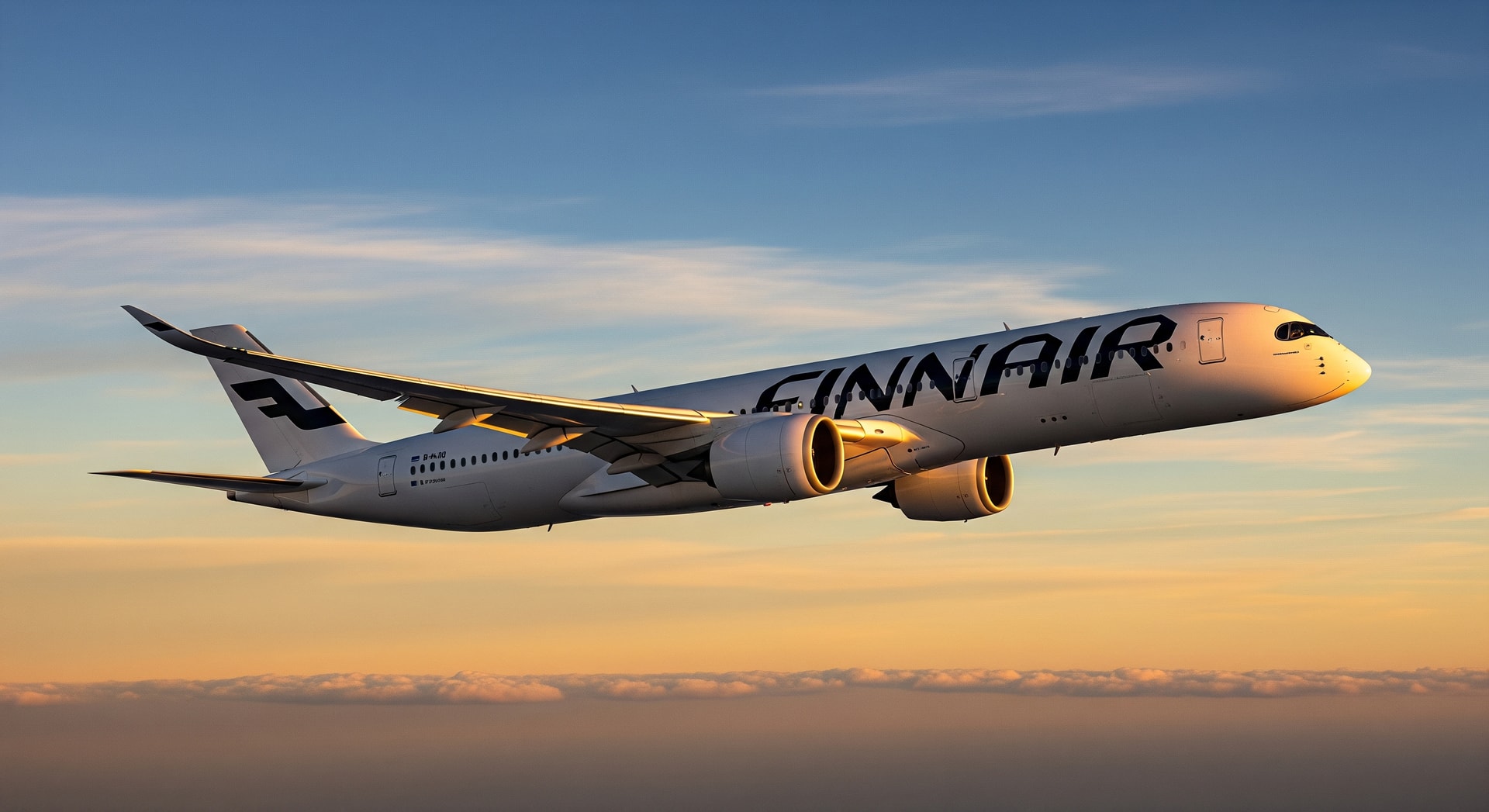
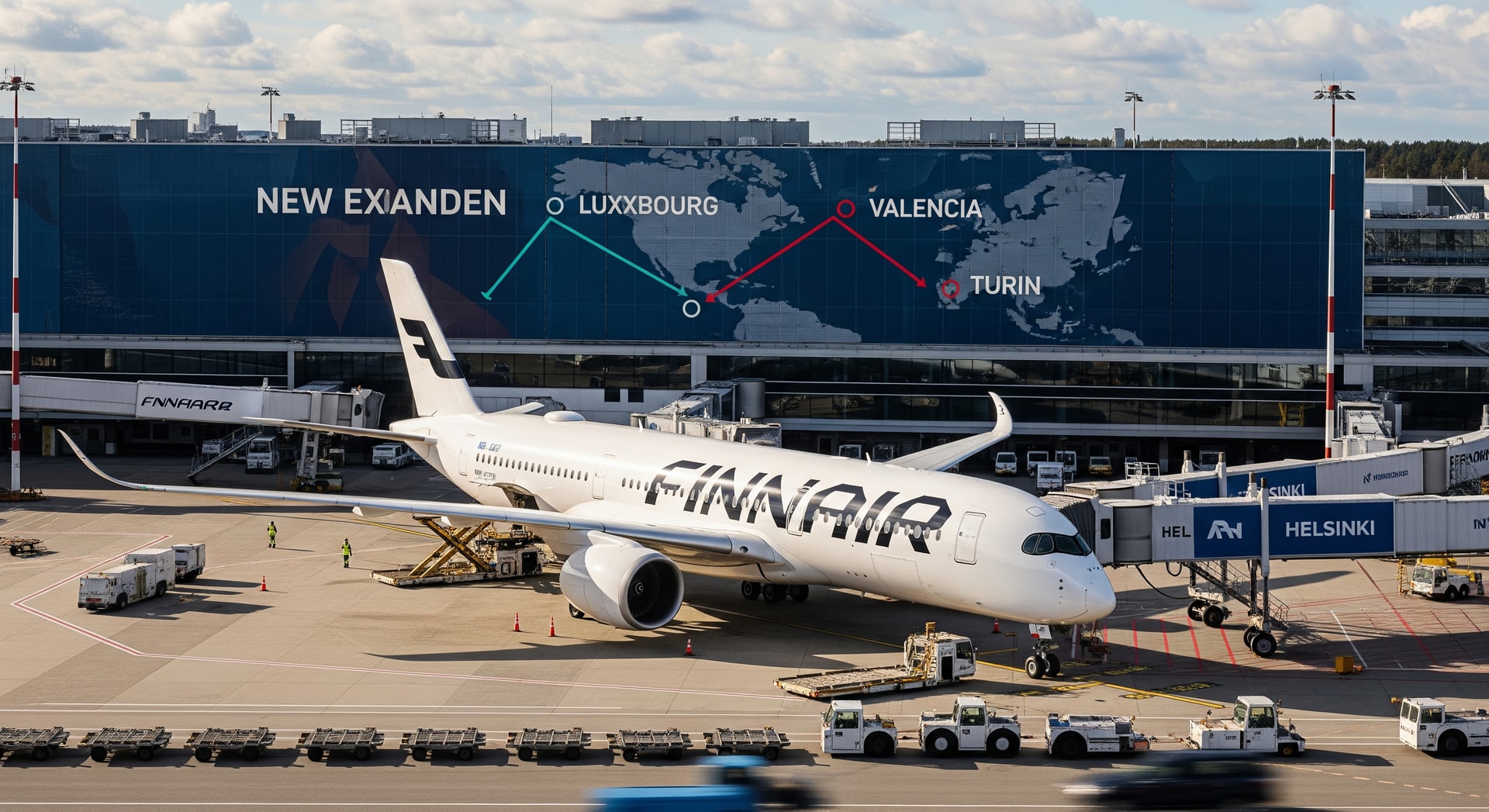
- Finnair: 1 cancellation (linked to Helsinki service)
- Jazz Aviation: 1 cancellation
- Regional operators: SkyWest Airlines 13 delays; PSA Airlines 10 delays
Airlines most affected
American Airlines bore the largest operational burden at DFW, recording 121 delays and two cancellations. Finnair and Jazz Aviation each logged one cancellation. Regional partners and feeders operating under larger networks also reported double‑digit delay counts.
- American Airlines: 121 delays, 2 cancellations
- Finnair: 1 cancellation (Helsinki link)
- Jazz Aviation: 1 cancellation
- SkyWest Airlines: 13 delays
- PSA Airlines: 10 delays
- Other carriers (Delta, United, Spirit, Emirates, Qantas): experienced delays but few cancellations
Operational context at DFW
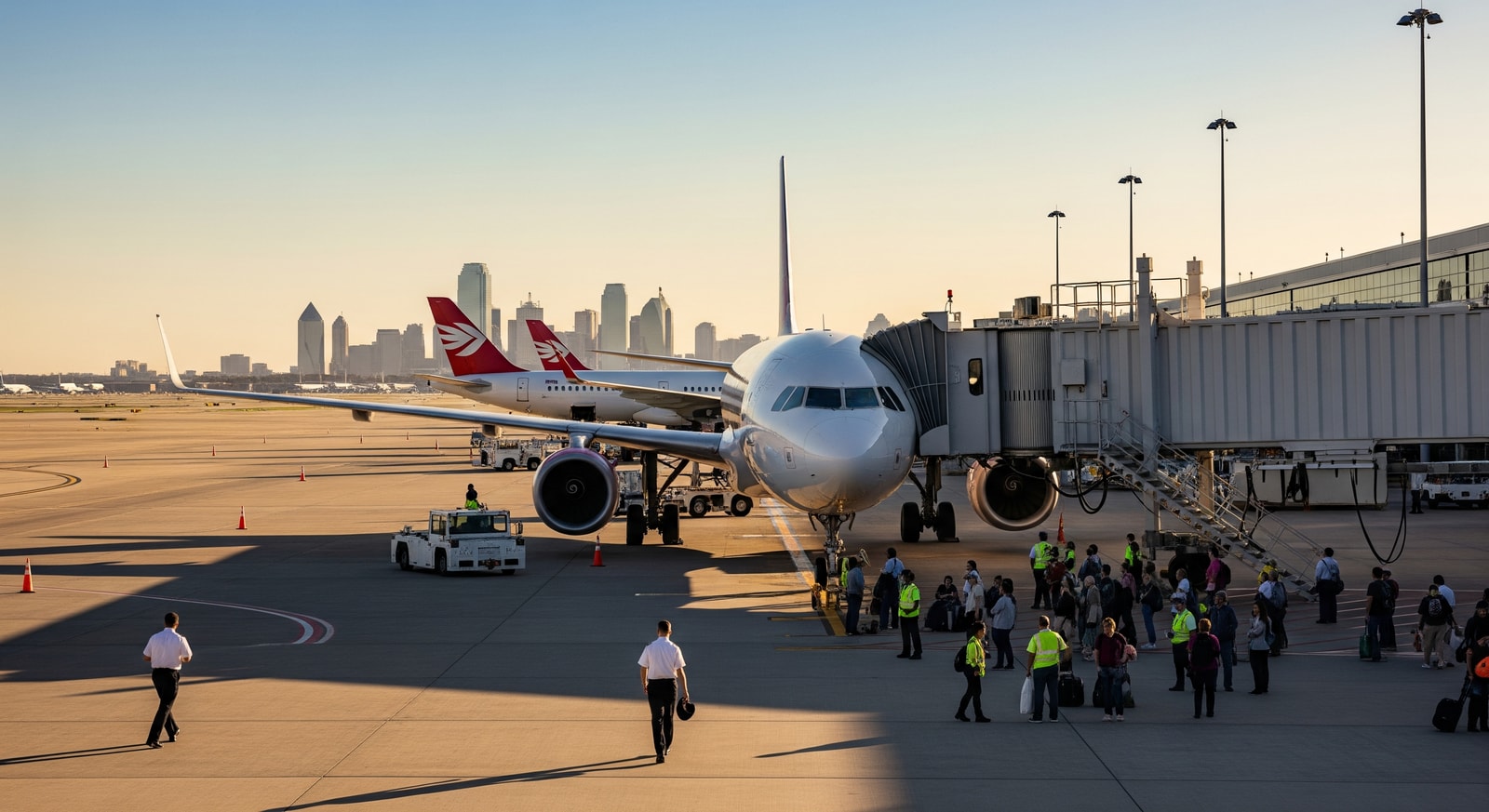
The concentration of delays at one of the nation's busiest hubs created downstream pressure across schedules and connections. Although cancellations remained limited, the volume of delayed flights suggests sustained operational strain for airlines and their regional partners on that day.
Geographic ripple effects
Delays at DFW were echoed at several major U.S. airports and on select international services. Domestic hubs and cross‑border connections saw isolated disruptions as aircraft and crews were rescheduled to cover affected rotations.
- U.S. airports reporting related delays: LaGuardia, Denver International, John F. Kennedy, Los Angeles International, Chicago, Seattle, Salt Lake City
- Cross‑border and international routes with isolated disruptions: Mexico City (Mexico), Calgary and Montreal (Canada), Helsinki (Finland), Barcelona (Spain), Hong Kong (HK), Shanghai (China), Melbourne and Sydney (Australia)
Advice for affected passengers
Passengers impacted by the disruptions should stay informed and maintain flexible plans. Airlines and airports may continue to update schedules throughout the day, and options such as rebooking or alternate routings may be available.
- Check flight status via airline websites, apps or airport information systems.
- Contact your airline for rebooking, standby options or compensation details.
- Arrive at the airport earlier than usual to allow time for changes and longer lines.
- Keep travel documents, boarding passes, and receipts accessible for potential refunds or vouchers.
- Monitor onward connections closely, especially on multi‑leg international itineraries.
- Consider alternate airports or later departures if schedules remain unstable.
- Watch for official notifications by SMS, email or airline app to receive real‑time updates.
What this means for travelers and the industry
Concentrated delays at a major hub like Dallas/Fort Worth highlight how localized operational issues can cascade across networks and impact passengers far beyond the originating airport. For travelers, the immediate takeaway is to verify schedules and remain flexible. For the industry, repeated clusters of disruptions underscore the need for robust contingency planning between mainline carriers and regional partners.
So what? If you have travel through DFW or connecting flights linked to carriers listed above, expect potential delays and prepare by checking statuses, keeping documentation handy, and allowing extra time for connections.
Sources