FHS World Advisory Board leaders in Dubai outlined four market-shaping trends for hospitality in 2026, from Middle East performance to AI adoption.
Summary: The FHS World Advisory Board, meeting in Dubai, identified four trends set to shape hospitality in 2026: strong Middle East hotel performance, a shift to institutional capital, wellness and longevity as a standalone asset class, and an AI trust gap requiring clearer ROI and data governance.
More than 50 senior hospitality executives gathered in Dubai for the annual FHS World Advisory Board meeting to help shape the agenda for FHS World 2026. The group distilled four market dynamics they expect to influence the sector this year and beyond.
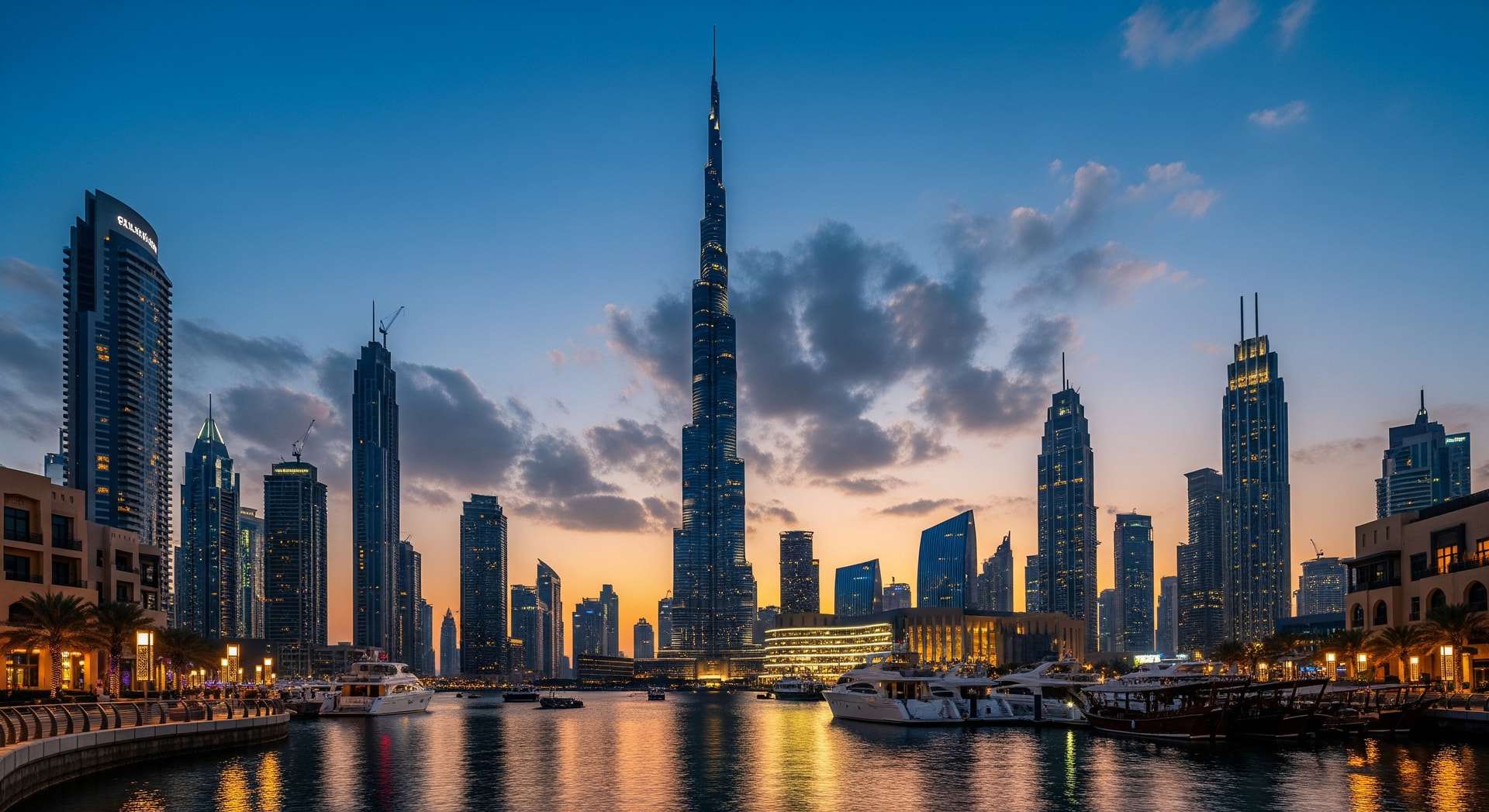
Meeting in Dubai sets the stage for FHS World 2026
The Advisory Board convened to finalise programming for FHS World 2026, which will be held from 29 September to 1 October at Madinat Jumeirah in Dubai. The meeting and networking reception were hosted by RIKAS Hospitality Group at Tagomago, The Palm Jumeirah.
Insight 1: Middle East hotel performance remains robust
Data cited from STR showed the region posting the highest average daily rate globally at USD 183, up 6% year-on-year. Abu Dhabi and Dubai recorded occupancy levels of 81%, placing them among the top-performing cities worldwide alongside Tokyo and New York. Across the GCC, demand is outstripping supply, with luxury demand increasing strongly.
- Average daily rate (ADR): USD 183 globally for the region
- ADR year-on-year increase: 6%
- Abu Dhabi and Dubai occupancy: 81%
- GCC RevPAR growth in 2025: 10.1%
- Luxury demand year-on-year increase: 10%
Insight 2: institutional capital changes ownership dynamics
Delegates noted a structural move away from traditional family-owned hotel ownership toward institutional investors such as pension funds and sovereign wealth funds. These investors apply formal frameworks focused on risk metrics, exit plans and dividend expectations, prompting calls for clearer asset class definitions and improved transparency in asset lifecycle reporting to retain investor appeal.
Insight 3: wellness and longevity rise to core investment status
Wellness is evolving beyond an added hotel amenity into a distinct asset class. The board stressed that wellness offerings must demonstrate standalone commercial viability rather than remain ancillary. With younger travellers prioritising lifestyle-led experiences, investors are expected to focus on fundamentals such as sleep optimisation and design geared toward longevity.
Insight 4: AI adoption grows, but a trust gap remains
Technology spend in hospitality is at record levels and AI adoption is accelerating, yet a disconnect persists between technical teams and hotel owners. The board called for clearer demonstrations of measurable ROI from AI deployments and emphasised technology’s role in automating back-of-house functions to free staff for guest-facing activities. Future discussions are likely to examine data ownership among brands, owners and tech suppliers.
- AI integration in the sector this year: 78%
- Projected AI integration next year: 89%
- Key focus: proving ROI and clarifying data ownership

Regional expansion: FHS Egypt added to the calendar
Organiser The Bench announced the launch of FHS Egypt, expanding the FHS portfolio into North Africa. The new event is scheduled for 10–11 November 2026 at the Sofitel Downtown Cairo Nile and will concentrate on Egypt’s tourism pipeline and investor engagement.
What this means for hotels, investors and travellers
The four insights highlight where capital, product development and operations are heading. Hotel owners and operators should expect continued pricing strength in the Middle East, increased scrutiny from institutional investors, rising capital directed to wellness experiences, and greater investment in technologies that prove clear business value. For travellers, these shifts may translate into more specialised wellness offerings, refined luxury inventory, and technology-enabled service models that prioritise human interaction where it matters most.
So what? The Advisory Board’s conclusions signal that hospitality decision-makers will prioritise demonstrable financial returns, wellness credentials and accountable AI use — developments that will shape hotel product, pricing and guest experience through 2026.
Sources