Nicaragua visa policy has been overhauled: on Feb 16, 2026 the government removed visa-on-arrival and introduced a consulted visa requirement for travellers from more than 120 countries.
Summary: Nicaragua ended its visa-on-arrival system on Feb 16, 2026 (immigration provision 002-2026) and introduced a consulted visa (Category C) requiring prior authorization for nationals of more than 120 countries.
Nicaragua visa policy has been significantly revised after the government published immigration provision 002-2026. The new rules, which took effect on February 16, 2026, remove the previous visa-on-arrival option and create a consulted visa category that requires travellers from many countries to obtain prior authorization from Nicaraguan immigration authorities.
What changed: consulted visas replace visa-on-arrival
Under immigration provision 002-2026 the government formally ended the visa-on-arrival facility and established a consulted visa (Category C). That means many visitors must secure approval from Nicaragua’s immigration service before travelling rather than obtaining a visa at entry.
Who is affected by the new rule
The consulted visa requirement applies to nationals of more than 120 countries, particularly from regions in Africa, Asia and the Caribbean. Examples cited include Cuba, the Bahamas, India, Indonesia, Morocco, Thailand, Senegal and Serbia. These travellers must now obtain prior clearance from Nicaraguan immigration before arrival.
- Effective date: February 16, 2026
- Legal reference: Immigration provision 002-2026
- Main change: visa-on-arrival abolished
- New category: Consulted visa (Category C) requiring pre-approval
- Applies to nationals of 120+ countries
The reform does not affect travellers from certain Western markets. Visitors from Canada, the United States, the United Kingdom and most European Union countries remain visa-exempt and can enter Nicaragua without the new consulted visa.
Implications for tourism and travel planning
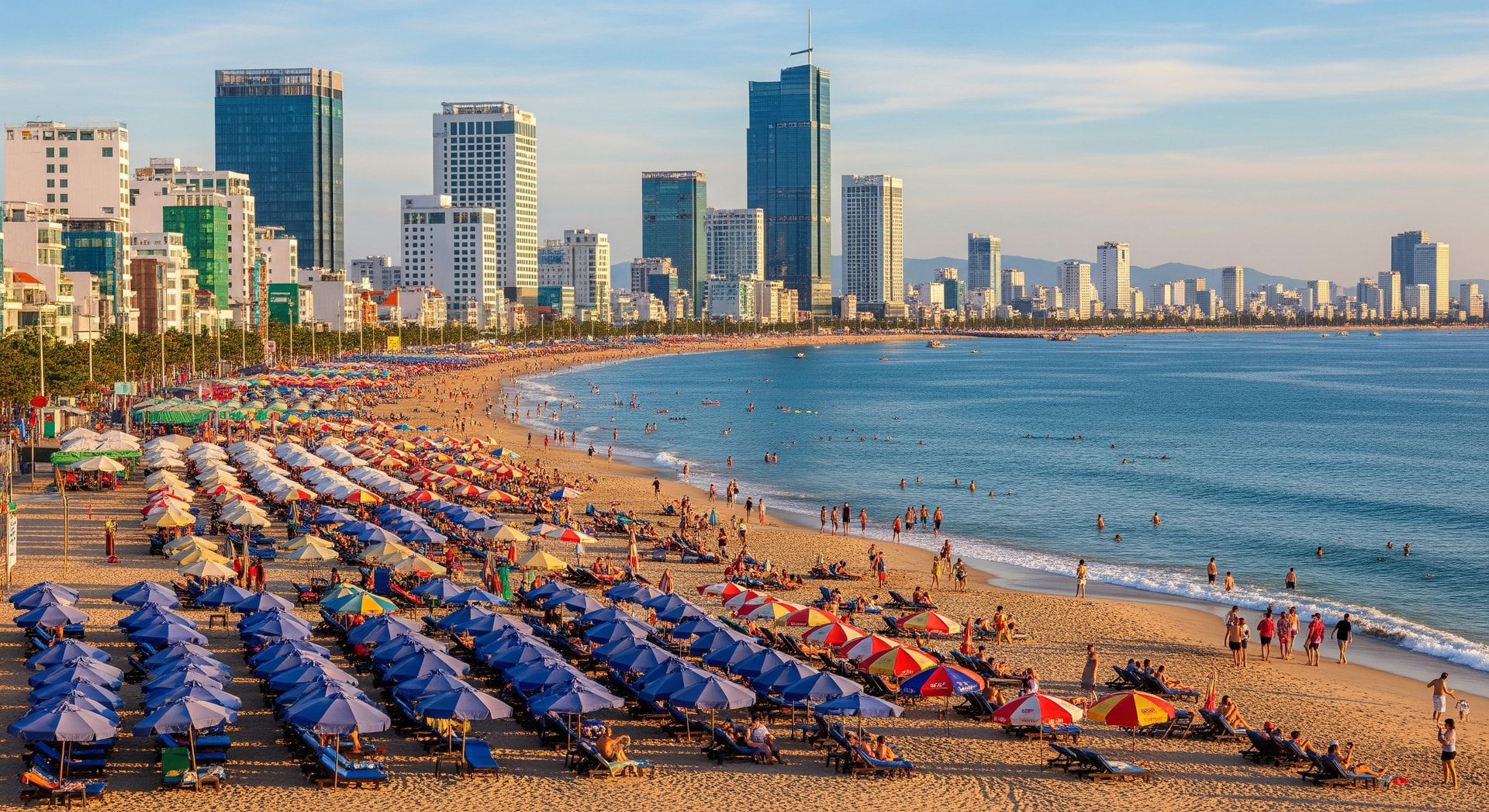
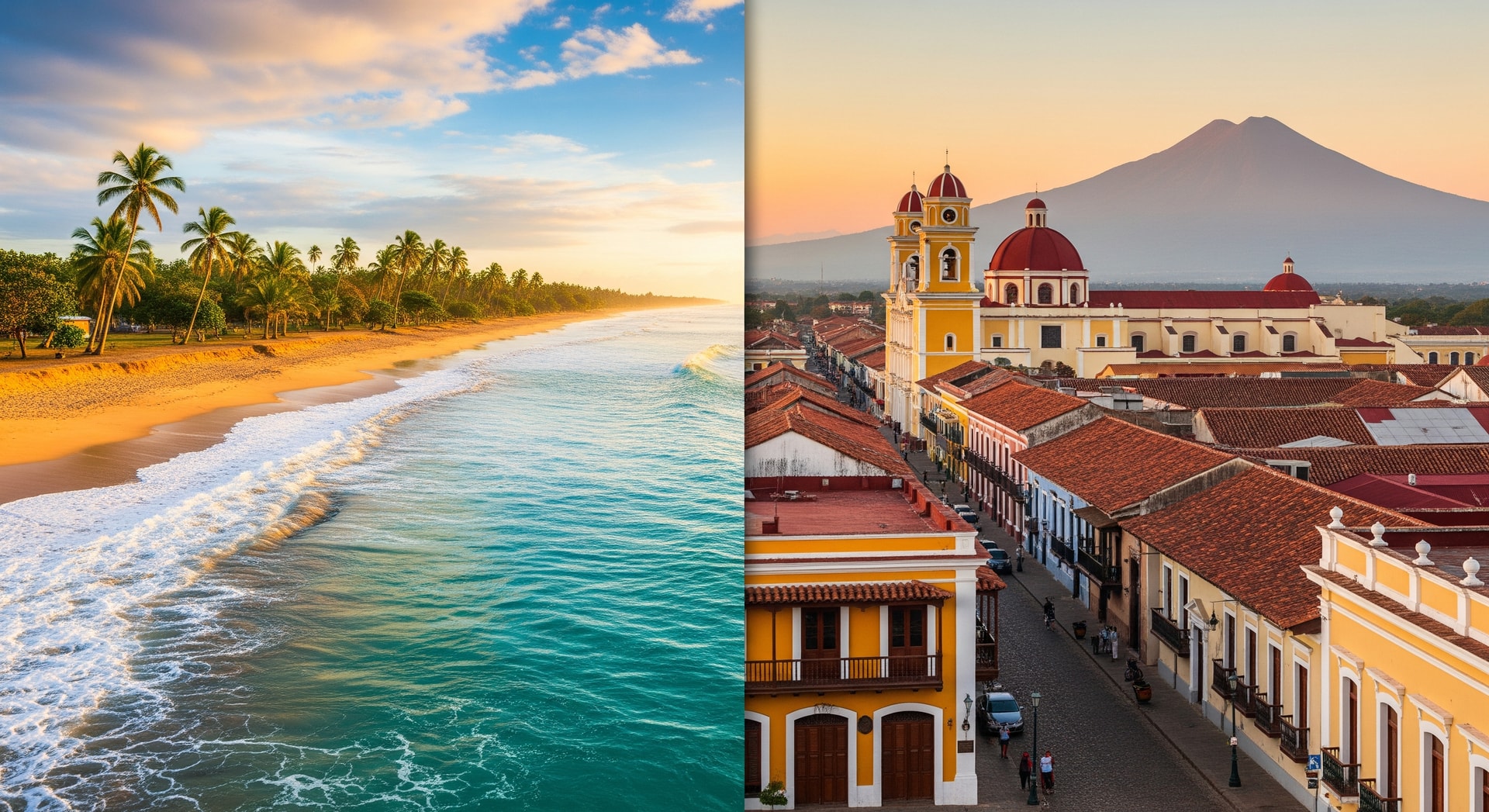
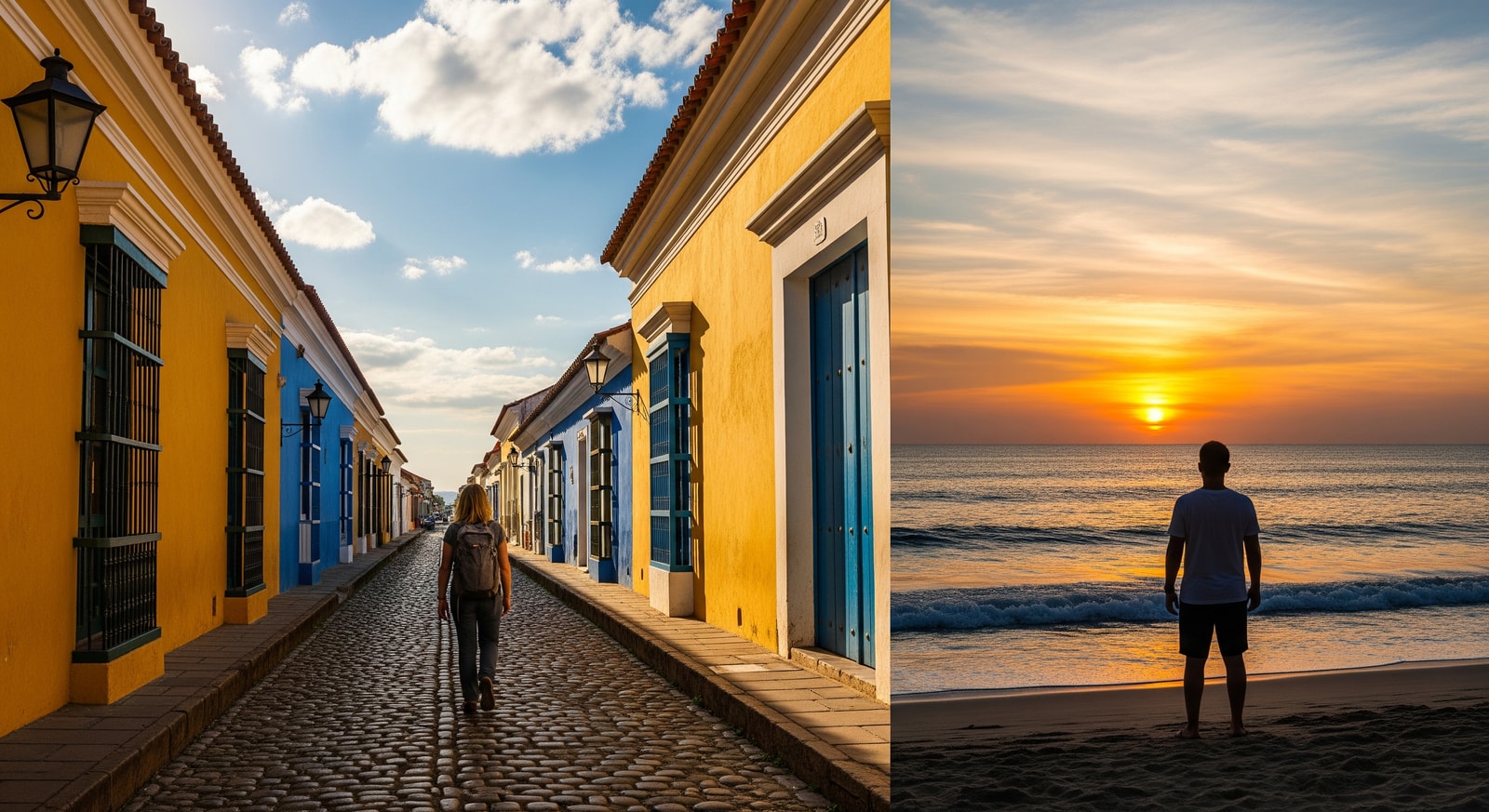
Nicaragua’s tourism sector has expanded in recent years, attracting visitors for its beaches, surf breaks, natural reserves and colonial towns such as Managua and Granada. The new pre-authorization requirement could make last-minute trips harder for travellers from affected countries and may slow arrivals from those markets in the short term.
- Popular draws: surf spots, natural reserves, colonial architecture
- Likely effect: fewer spontaneous visits from newly affected countries
- Opportunity: clearer, pre-screened arrivals may aid destination security
Migration context and government rationale
Beyond tourism, the reform appears linked to regional migration dynamics. Nicaragua has been used as a transit point by migrants from Cuba, Haiti and various African and Asian countries travelling onward through Central America. The change follows international pressure to strengthen border controls and to better manage entry flows.
How travellers and industry should prepare
Travellers from countries now subject to the consulted visa must contact Nicaraguan diplomatic missions or immigration authorities well before their trip to confirm required documents and processing times. Travel agents and airlines should update booking guidance and visa checklists to prevent travel disruptions.
Why this matters: The shift from on-arrival visas to a prior-authorisation model changes planning and can affect demand patterns. For travel businesses, timely communication and assistance with visa applications will be crucial. For travellers, allowing extra lead time for visa approval is now essential to avoid denied boarding or entry.
Sources