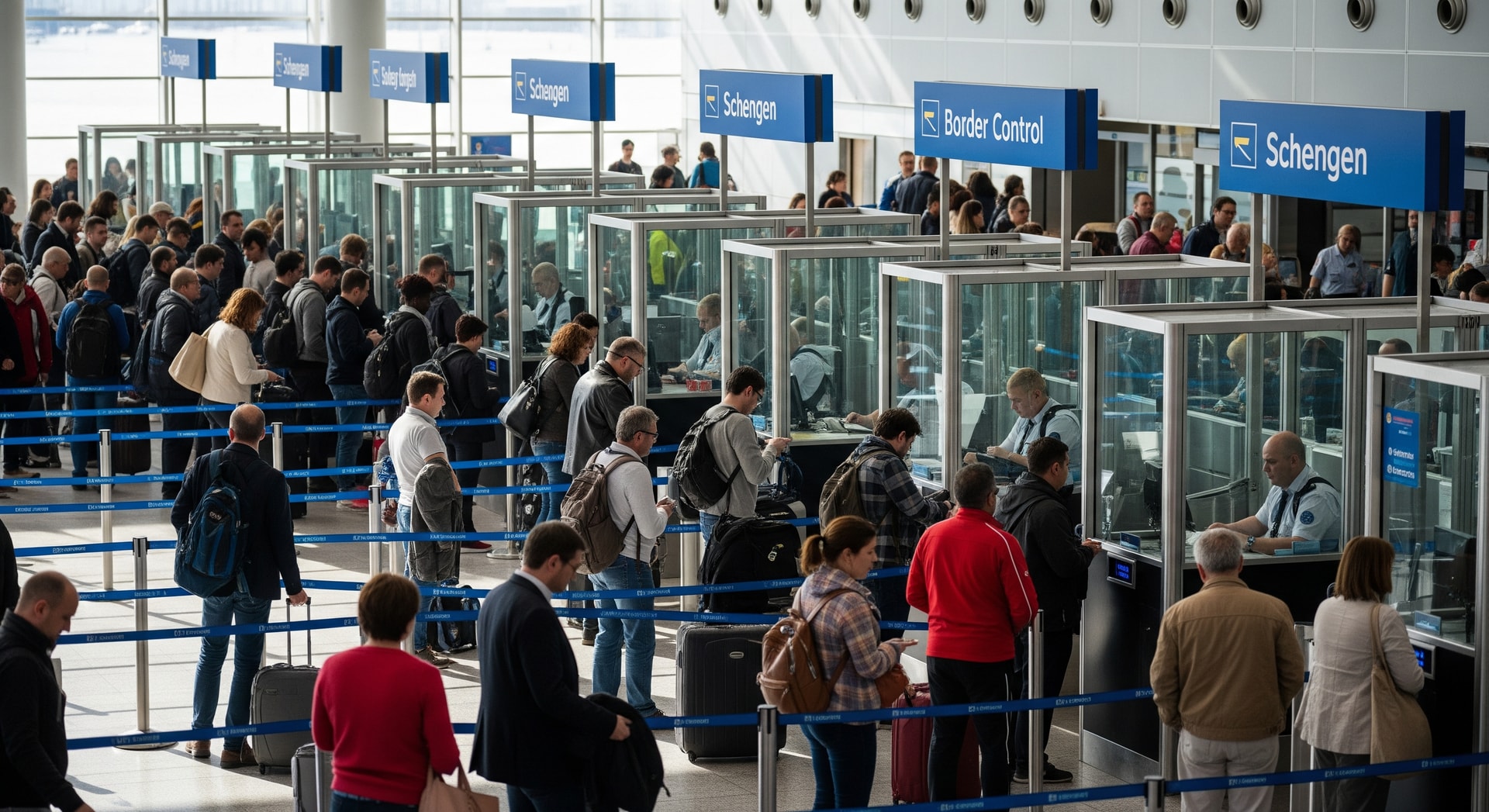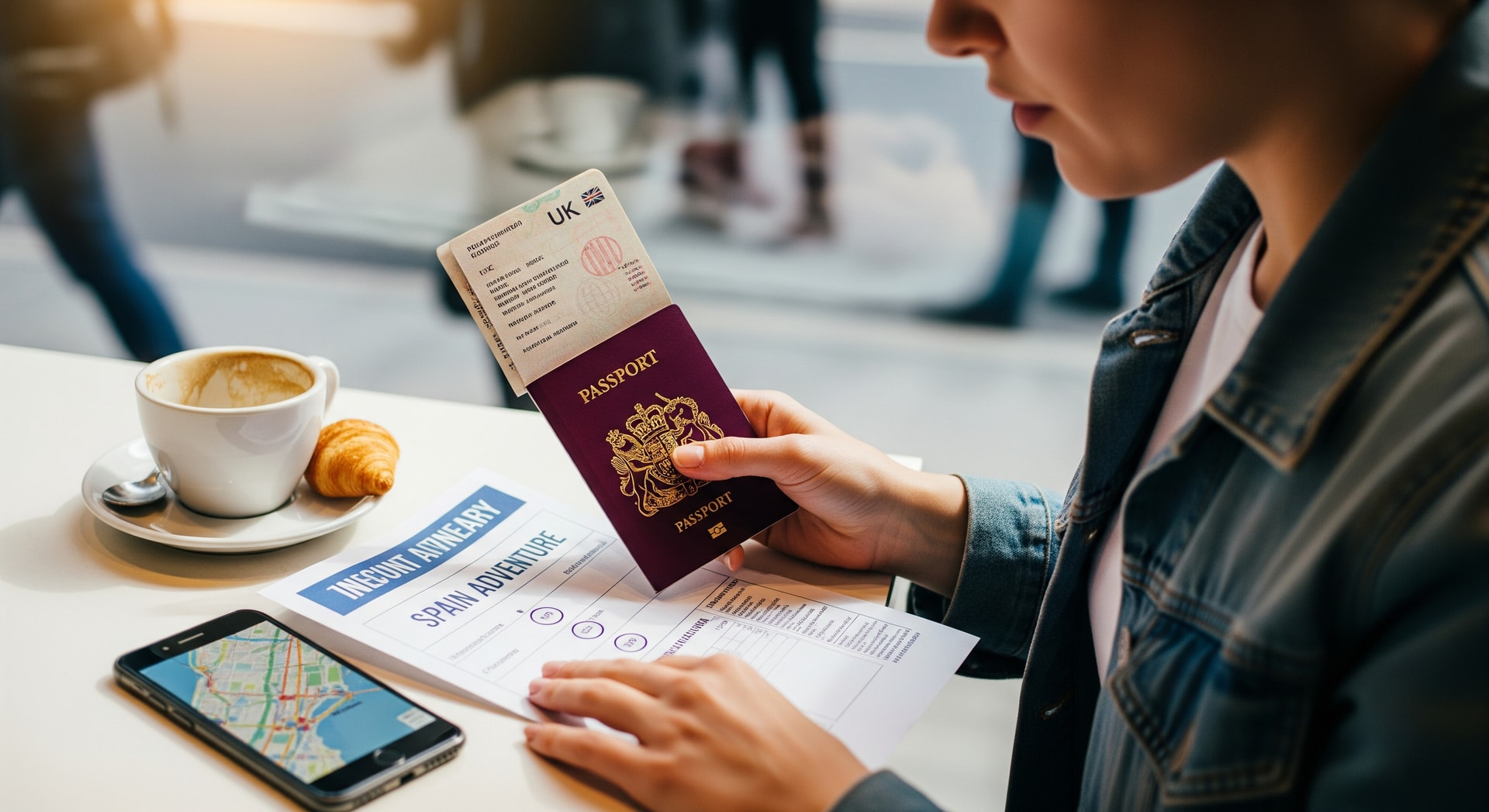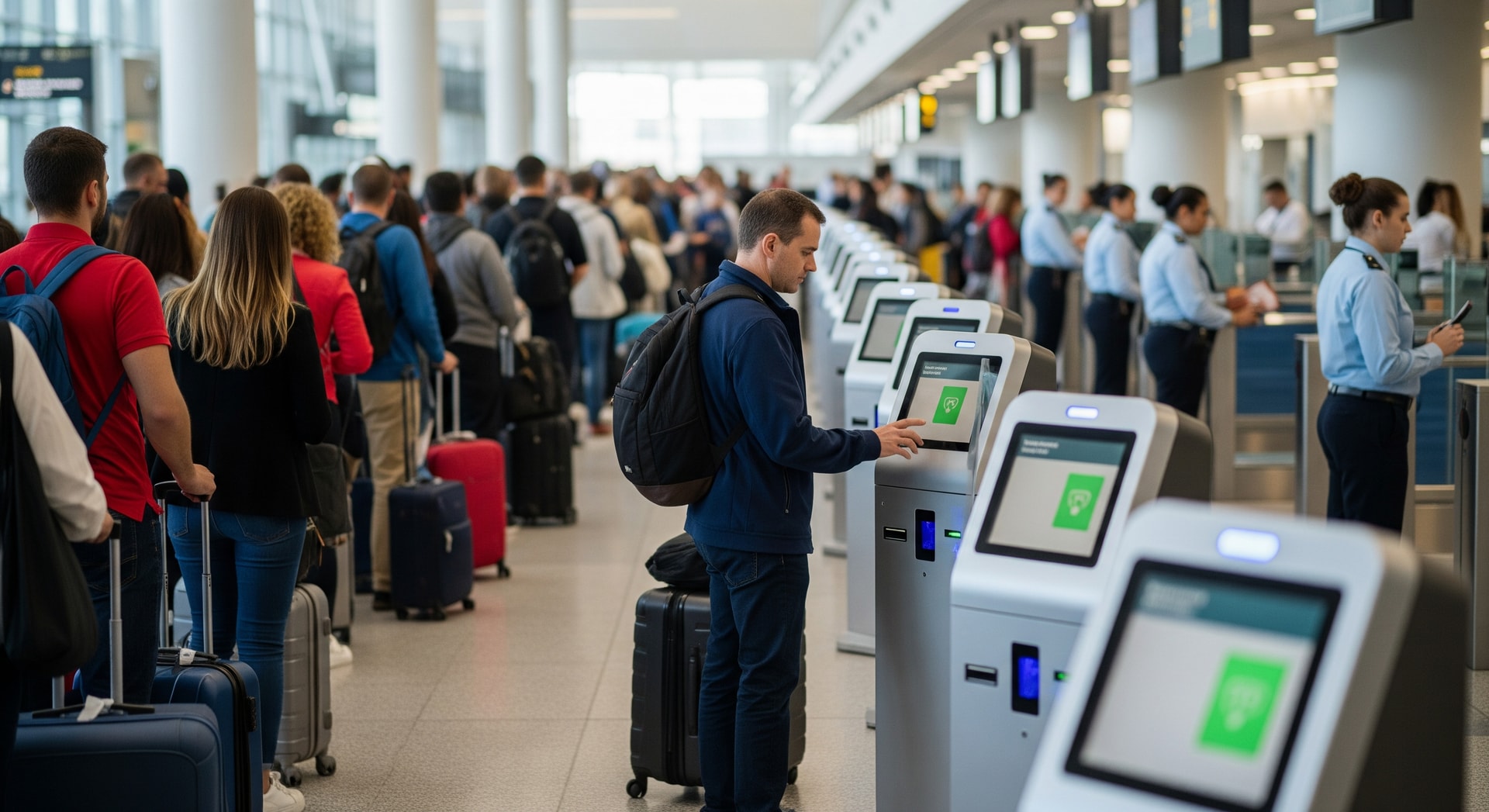
The rollout of the EES has introduced biometric checks at Schengen borders, meaning U.S. travellers now face automated fingerprinting and facial scans when entering France and Spain.
Summary: The roll-out of the Entry/Exit System (EES) in late 2025 introduced biometric fingerprint and facial-image collection at Schengen borders. ETIAS pre-travel authorisation set for late 2026 and automated tracking of the 90-day Schengen rule mean U.S. visitors face stricter checks in France, Spain and other Schengen states.
Europe’s border procedures have shifted from informal passport stamps to automated biometric screening. The Entry/Exit System (EES), rolled out in late 2025, now requires U.S. travellers visiting France, Spain, Germany and other Schengen countries to provide fingerprints and facial images at kiosks instead of receiving manual stamps.
The Biometric Barrier: EES replaces the 'quick stamp'
National interior ministries across the Schengen Area and the European Commission confirm that EES has fundamentally changed entry formalities. Automated kiosks now capture facial images and fingerprints to log arrivals and departures with far greater precision than the old stamped passport method.
What travellers are experiencing at airports
The new procedures aim to curb overstays and improve security, but they have also produced longer lines and a more formal arrival experience at major hubs. Reports highlight congestion at airports such as Paris-Charles de Gaulle (CDG) and Madrid-Barajas as staff and systems adjust to the new equipment and workflows.
- Biometric data: Fingerprints and a facial image are collected at entry and exit kiosks.
- No more quick stamps: Manual passport stamping is effectively ended for EES-covered travellers.
- Initial delays: Implementation has produced longer-than-expected queues at major airports.
- Security focus: Authorities prioritise automated tracking over traveller convenience during the transition.
Conditional entry and the coming ETIAS layer
Alongside EES, European authorities are moving toward pre-travel screening. The European Travel Information and Authorization System (ETIAS) is due to introduce a mandatory pre-departure authorisation by late 2026. Officials stress ETIAS is not a visa in the traditional sense but a security check that will require travellers to supply personal and background information before travel.
- ETIAS timing: Expected to be implemented by late 2026 as an online pre-travel clearance.
- Purpose: To pre-screen non‑EU arrivals and flag potential risks before they reach a border.
- Not a visa: Described by officials as a required authorisation rather than a traditional visa.
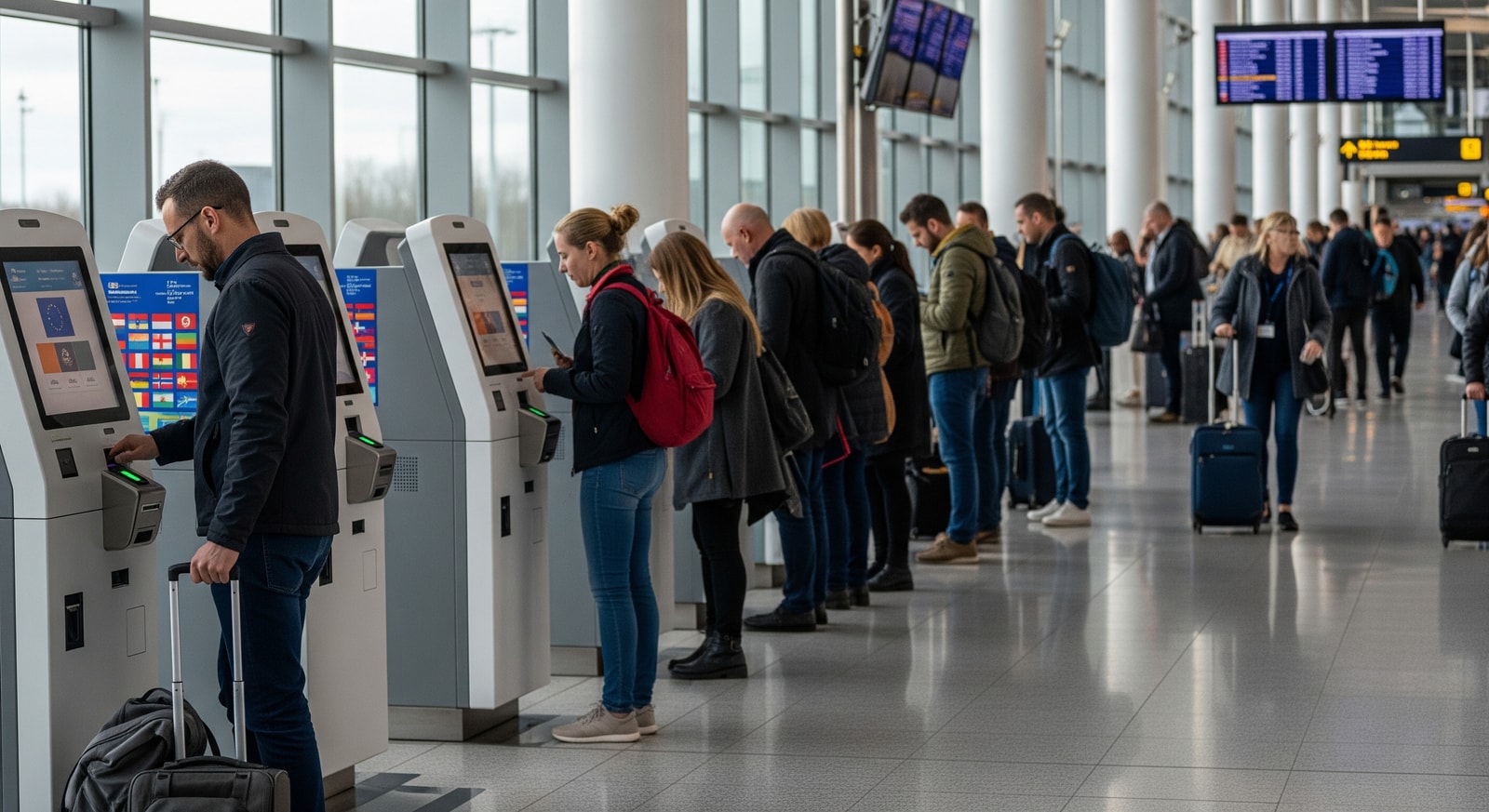
Enforcing the Schengen 90‑day rule
EES enables automated monitoring of the Schengen rule that limits non‑EU visitors to 90 days in any 180‑day period. Authorities can now cross-reference all entries and exits digitally, making accidental or deliberate overstays far more likely to be detected and sanctioned.
- Consequences: Overstays can trigger fines, immediate flags in the system and potential bans from the Schengen Area.
- Travel planning: The U.S. Department of State advises travellers to carefully count days across multiple countries.
- Digital ledger: Road trips that cross Portugal, Spain and France will be logged as a single entry record.
A commercial contradiction: tourism promotion vs. tighter borders
The stricter border stance sits uneasily alongside active tourism marketing. The European Travel Commission and national tourism boards continue to court U.S. visitors—particularly high‑spending travellers—while border agencies emphasise security and compliance. This divergence means visitors may see lavish promotional campaigns but face more formal arrival procedures on the ground.
How U.S. travellers should prepare
- Check entry rules: Confirm whether EES and ETIAS apply to your trip and obtain any required pre‑travel authorisation.
- Allow extra time: Expect queues at major airports and schedule longer connection times where possible.
- Track your days: Use an official Schengen calculator to avoid exceeding the 90‑day limit.
- Carry documentation: Have return or onward tickets and proof of funds ready for border checks.
So what? The shift toward biometric screening and pre‑travel authorisations means transatlantic travel to France, Spain and other Schengen states now requires more planning and attention to legal limits. The arrival experience has become more digital and procedural, but the cultural and tourist attractions remain unchanged. With preparation, travellers can avoid delays and penalties while still enjoying their visit.
Sources