Cuba tourism crisis 2026: Fuel shortages have grounded flights, forced hotel closures and triggered widespread blackouts, upending travel and the island’s visitor economy.
Summary: Cuba tourism crisis 2026 — a severe aviation fuel shortage and nationwide energy failures have forced airlines to suspend services, prompted the closure of dozens of hotels and left millions of residents and stranded visitors facing acute hardship.
For decades Cuba has been known for its vintage cars, sunlit beaches in Varadero and lively culture. In February 2026, however, that image has been upended as the Cuba tourism crisis 2026 unfolds: a crippling fuel shortfall and power outages have dramatically slowed the island’s visitor economy and disrupted daily life for millions.
Airports and airlines grounded by fuel shortages
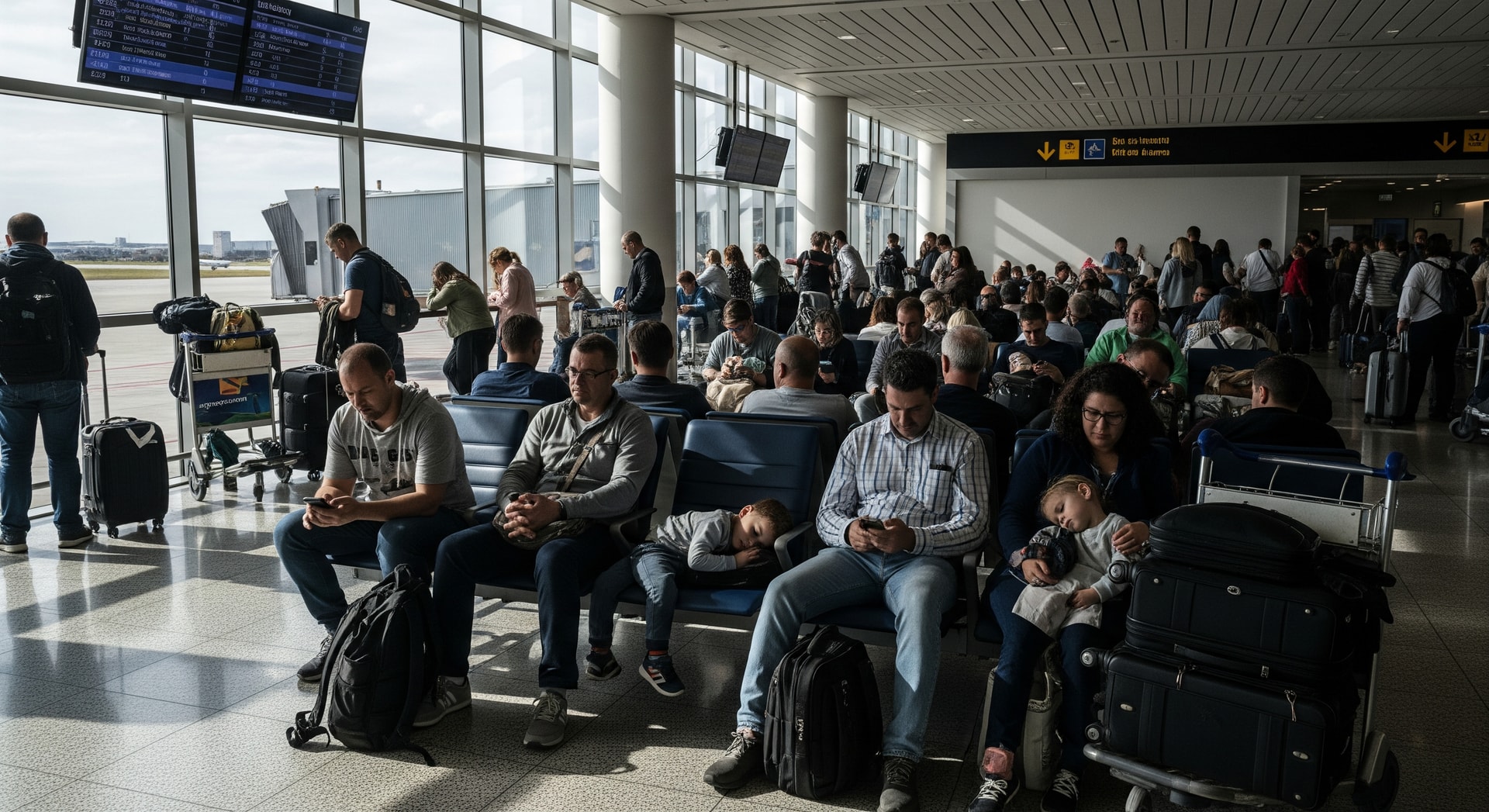
The most immediate sign of the crisis emerged in early February when Cuban civil aviation authorities warned that jet fuel supplies had collapsed at the country’s international gateways, leaving airports unable to operate normally and international carriers scrambling to adjust schedules.
JET A1 FUEL NOT AVBL.
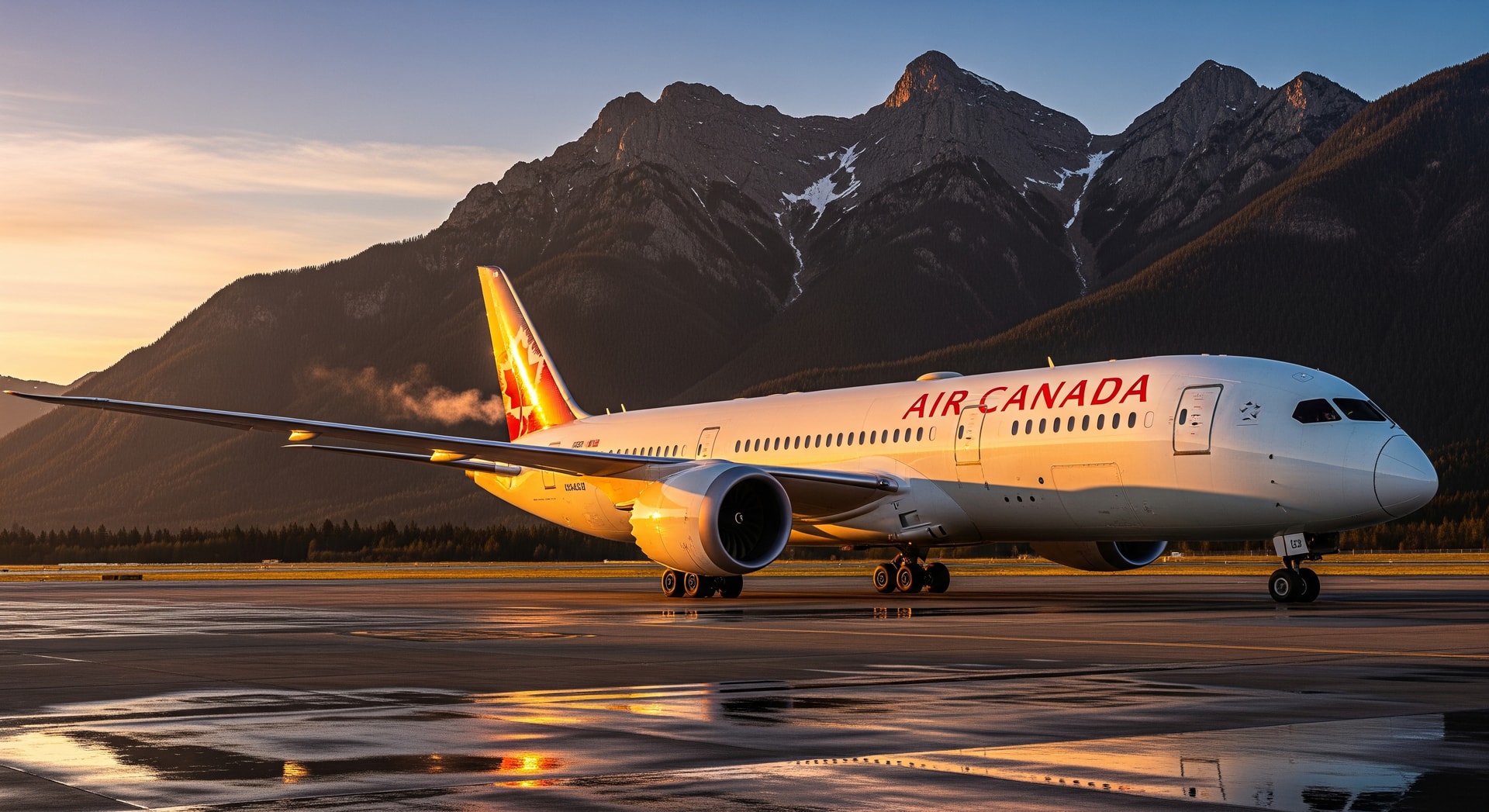
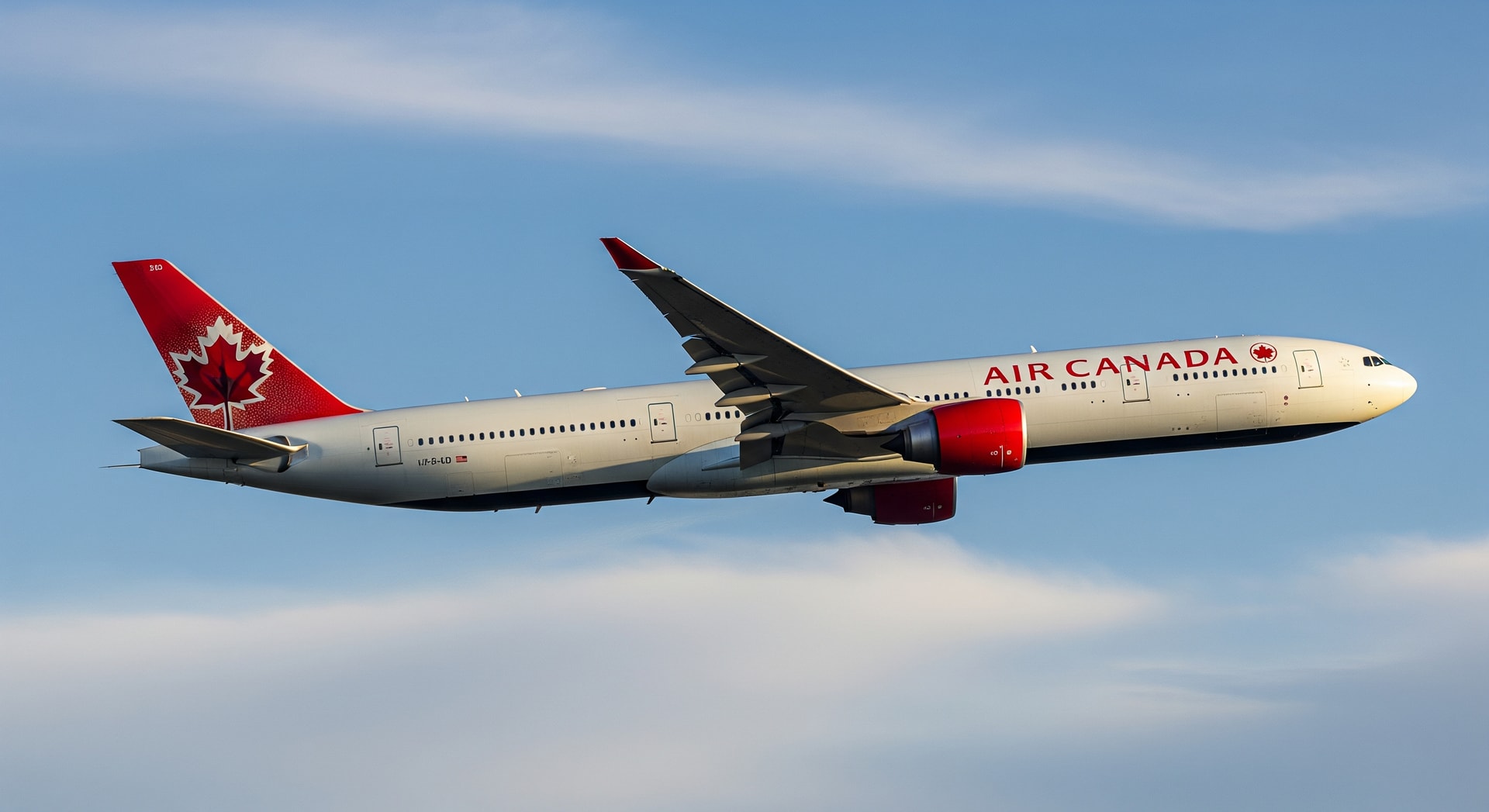
The fallout was swift. Air Canada — historically Cuba’s largest source of visitors — suspended all services to the island until at least May 2026. Several other airlines, including Air France, Iberia and Nordwind, have been forced to make refuelling stops in the Dominican Republic or Mexico on return legs.
- Air Canada suspended flights to Cuba until at least May 2026 and has run empty southbound ferry flights to repatriate roughly 3,000 passengers.
- Air France, Iberia and Nordwind now perform technical stops abroad to refuel for return journeys.
- Many tourists have been returned home on repatriation flights rather than completing planned holidays.
Hotels closed and guests consolidated into a few properties
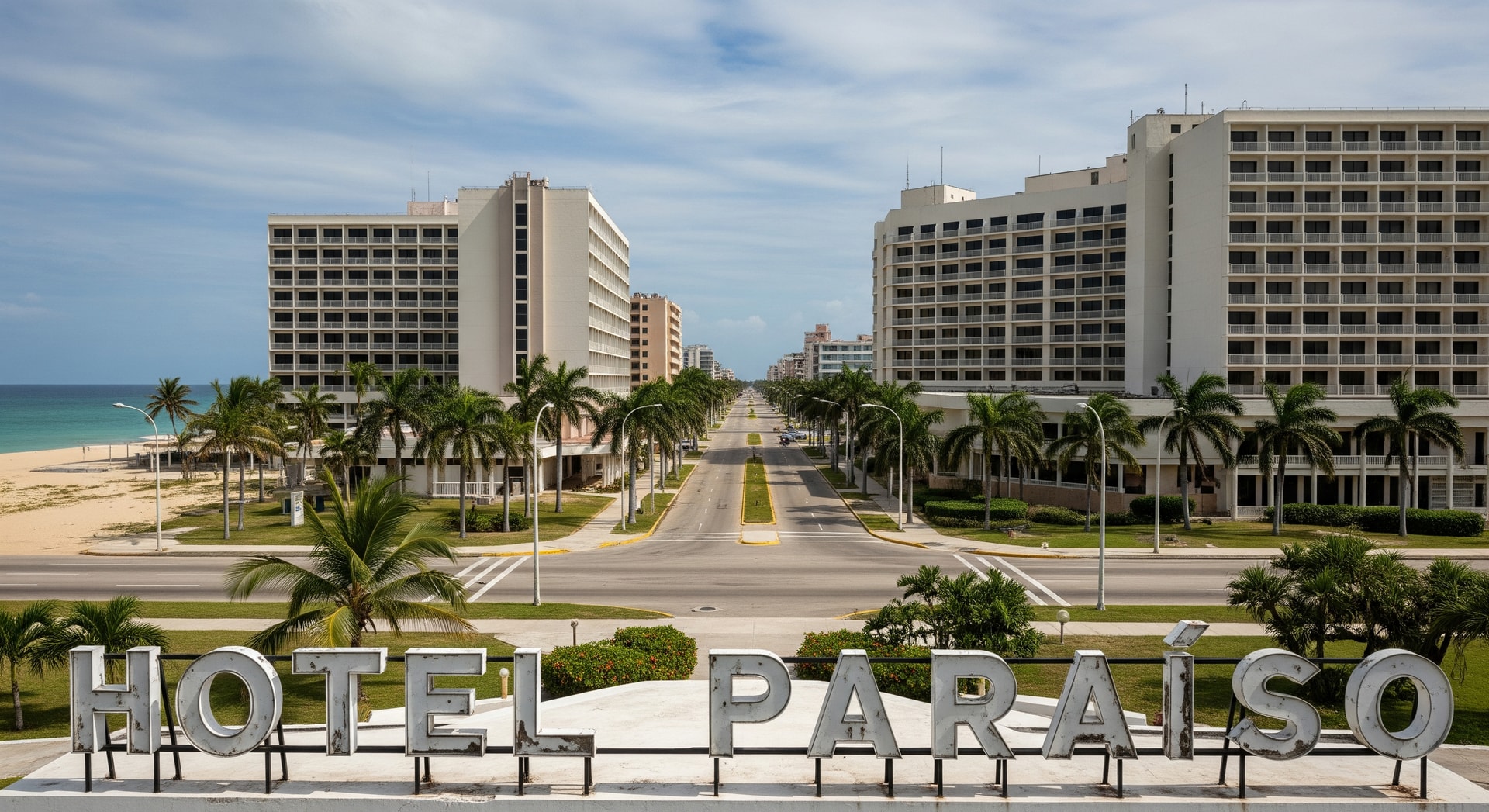
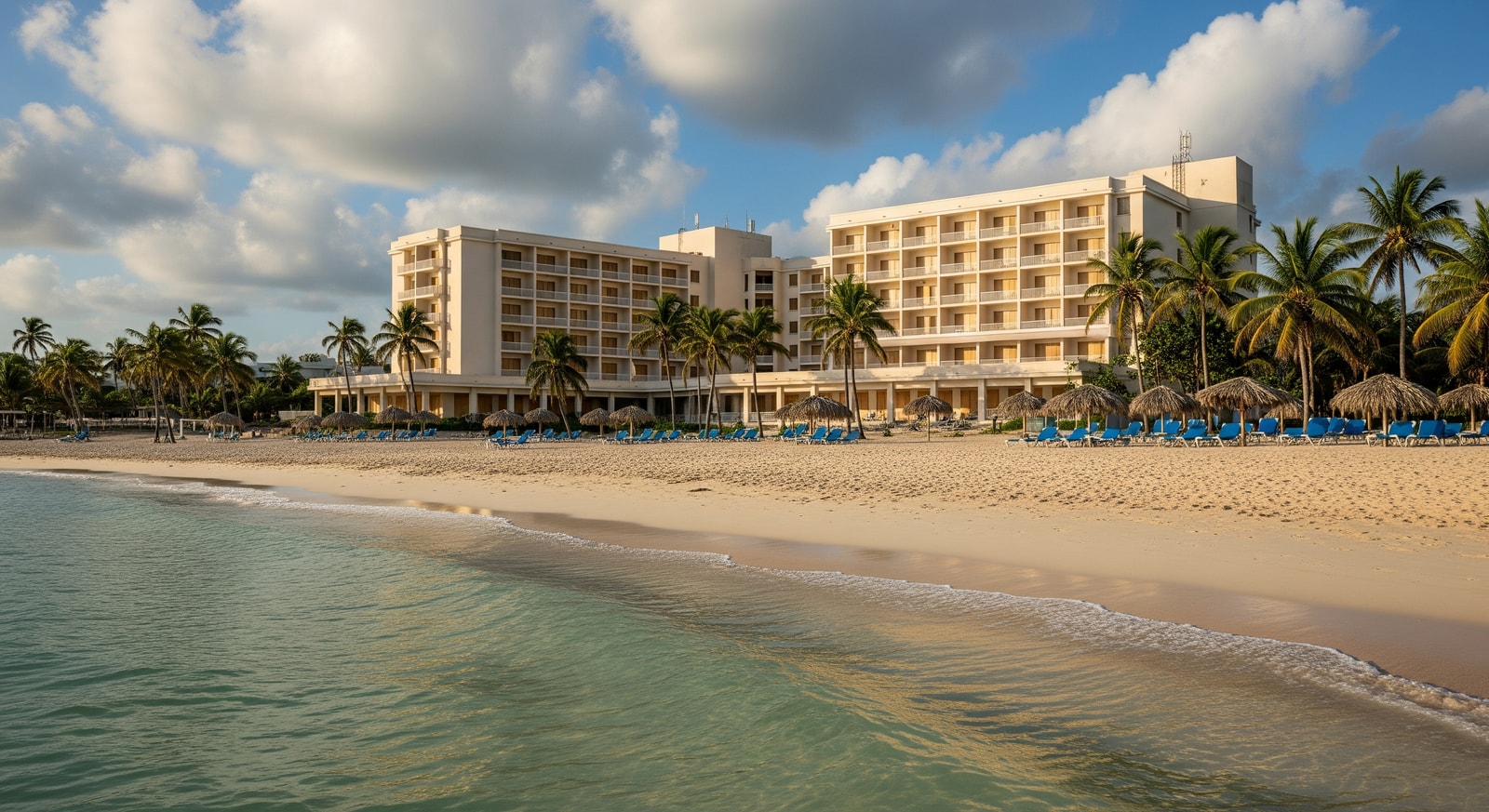
To manage limited generator fuel and protect core services, the Cuban Ministry of Tourism implemented an emergency contingency that has shuttered more than 30 major hotels and resorts across the Villa Clara keys, Cayo Coco and Varadero. Remaining visitors have been moved into a small number of prioritized hotels.
They told us to stay home until this passes,
The human cost: blackouts, lost wages and idle transport
Beyond the tourist enclaves, ordinary Cubans are facing severe shortages of electricity, water and income. Prolonged outages and the collapse of tourist demand are affecting food supplies, transport and basic livelihoods across the island.
- Up to 64% of the country experienced simultaneous power outages, with some areas seeing as much as 20-hour blackouts.
- Tourist transport — including horse-drawn carriages and hop-on-hop-off buses in Havana — has largely stopped due to lack of passengers and fuel.
- Many families relied on tips and tourism wages; with state salaries at roughly €12 a month (informal exchange rates), the loss of tourist income has become a lifeline crisis.
Geopolitics at the heart of the supply squeeze
The current emergency is closely tied to regional political shifts. After the January 3 overthrow of Venezuela’s government, Cuba lost access to its principal source of subsidised oil. In response to these and other tensions, the U.S. has moved to tighten pressure, with measures that deter third countries from supplying fuel.
President Miguel Díaz-Canel has called this an “energy blockade” and a “psychological war.”
Tourism numbers and the economic toll
The island’s tourism industry was already weakened: in 2018 Cuba received 4.6 million visitors, but by the end of 2025 arrivals had fallen to just 1.8 million, well under the government target of 2.6 million. Industry revenue is estimated to have dropped about 70% since the pandemic, and 2026 is shaping up to be one of the worst years for Cuban tourism in nearly two decades.
Outlook for travellers and the sector
Some private casas particulares and small operators are adapting by shifting to local clients and wellness-focused services, but without a stable fuel supply and an easing of international pressure, recovery will be limited. For travellers, authorities and airlines, the advice is caution: expect disrupted services, limited domestic transport and the possibility of repatriation flights.
Why this matters: The Cuba tourism crisis 2026 underscores how quickly geopolitical and energy shocks can cascade into a travel and humanitarian emergency. For travellers, it means heightened risk, flight suspensions and hotel closures; for the travel industry, it signals rapid revenue loss and the need to reassess contingency planning for destinations vulnerable to fuel and power interruptions.
Sources