European hotspots for Nigerians are shifting as Germany, Portugal, Georgia, Latvia, Slovakia, Romania and Cyprus offer lower visa fees, manageable living costs and simpler residency pathways.
Summary: European hotspots for Nigerians are evolving as Germany, Portugal, Georgia, Latvia, Slovakia, Romania and Cyprus gain attention for lower visa fees, cheaper living costs and simpler residency routes compared with the UK, US and Canada.
As economic pressure and the naira’s depreciation strain household budgets, many Nigerians are looking beyond traditional migration targets. European hotspots for Nigerians are now expanding to include countries that charge lower visa fees, offer more affordable living, and provide clearer pathways for work, study and residency.
Why candidates are shifting away from traditional destinations
Rising visa fees, higher proof-of-funds requirements and the growing cost of living in countries such as the UK, US and Canada have pushed prospective migrants to consider alternatives. In response, Nigerians are exploring European nations that promise lower upfront costs and simpler administrative processes.
Top budget-friendly European destinations for Nigerians
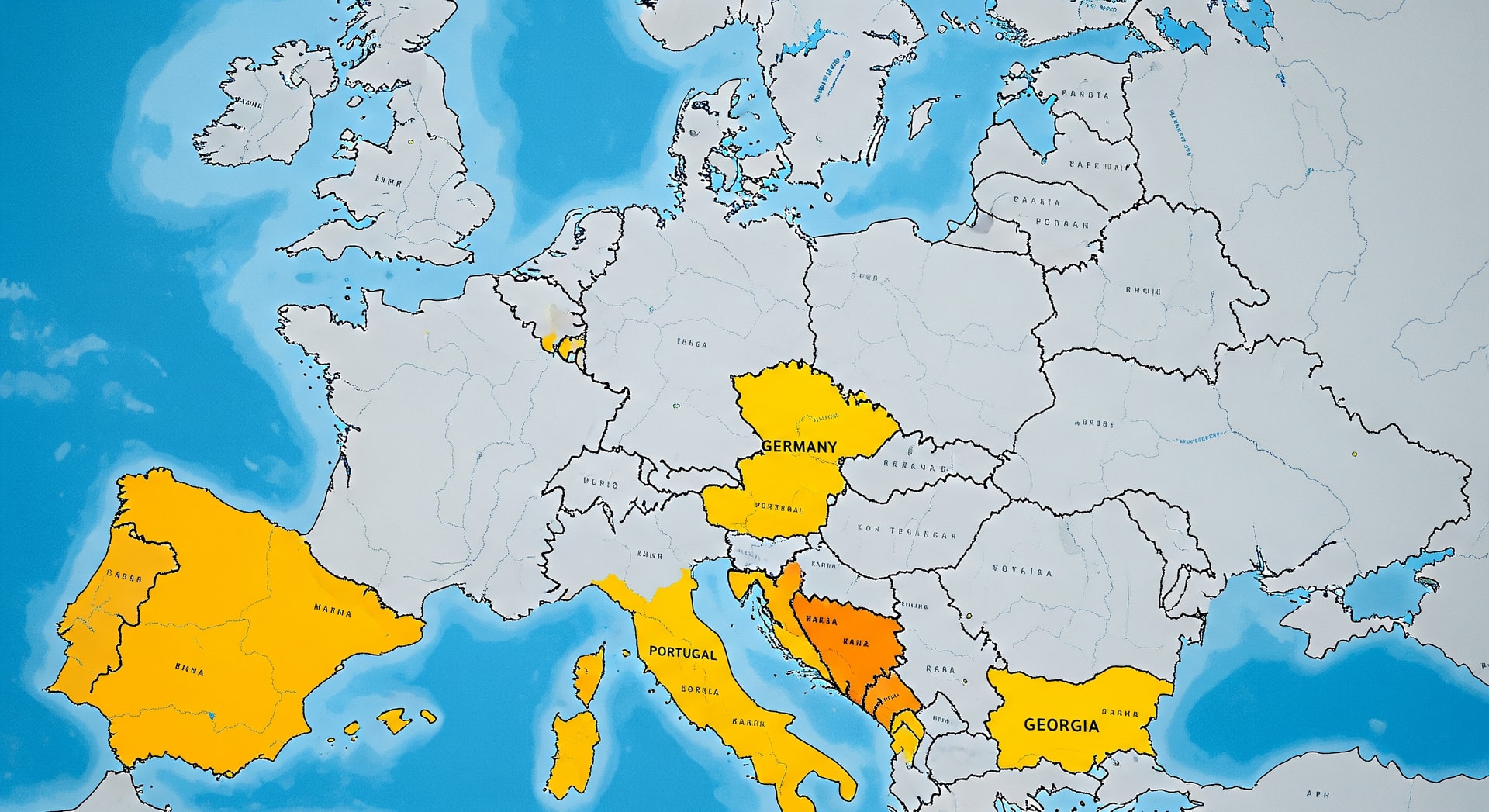
Based on visa fees, living expenses and relative ease of processing, the following countries have surfaced as popular options for Nigerians seeking more affordable relocation routes.
- Portugal — Visa fee: €90. Portugal is increasingly attractive for students, remote workers and entrepreneurs thanks to simplified visa pathways, low school fees and a generally modest cost of living.
- Hungary — Visa fee: €90. Hungary offers lower living and education costs than many Western European countries and draws numerous international students.
- Georgia — Visa fee: $20. One of the cheapest visa options, Georgia also provides straightforward online applications and generally low living costs.
- Slovakia — Visa fee: €90. As a Schengen member, Slovakia provides stability, affordable living and proximity to major Central European capitals.
- Latvia — Visa fee: €90. Latvia is gaining popularity due to modest living costs and accessible residency procedures, with Riga combining historic and modern amenities.
- Germany — Visa fee: €90. Germany now appears on the list of affordable options in part because of pathways like the EU Blue Card. This permit allows qualified professionals to live and work in Germany for up to four years, with an option for permanent residency.
- Romania — Visa fee: €80. Outside the full Schengen area, Romania still offers comparatively lower visa fees and attracts students and professionals seeking an affordable European base.
- Bulgaria — Visa fee: €80. Bulgaria presents moderate visa costs and appeals with its cultural sites and Black Sea resorts.
- Serbia — Visa fee: €60. Serbia’s low cost of living, lively cultural scene and modest visa fee make it one of the most budget-friendly European options.
- Cyprus — Visa fee: €60. With one of the lowest processing fees, Cyprus is popular for its Mediterranean climate and relatively simple visa procedures.

Notable offers and pathways
Beyond low visa charges, several countries on the list provide specific programs or education and work opportunities that reduce initial financial barriers. Germany’s EU Blue Card, for example, targets skilled professionals and can be a route to long-term settlement.
Nigeria’s passport position improves
In related developments, the Henley Passport Index placed Nigeria at 89th in 2026, up from 94th in 2025. The ranking measures how many destinations passport holders can visit without a prior visa and reflects modest gains in Nigerian travel mobility.
What this means for travelers and the migration industry
For Nigerians weighing relocation, these alternatives can lower upfront costs, shorten processing complexity and expand options for work and study. For agents and destination countries, increased demand may prompt more targeted services, student recruitment and bilateral migration initiatives.
So what? If you’re planning to move, study or work abroad from Nigeria, consider these emerging European options when comparing visa fees, living costs and program eligibility — they could offer a more attainable route to life in Europe without the heavier financial burdens tied to the UK, US or Canada.
Sources