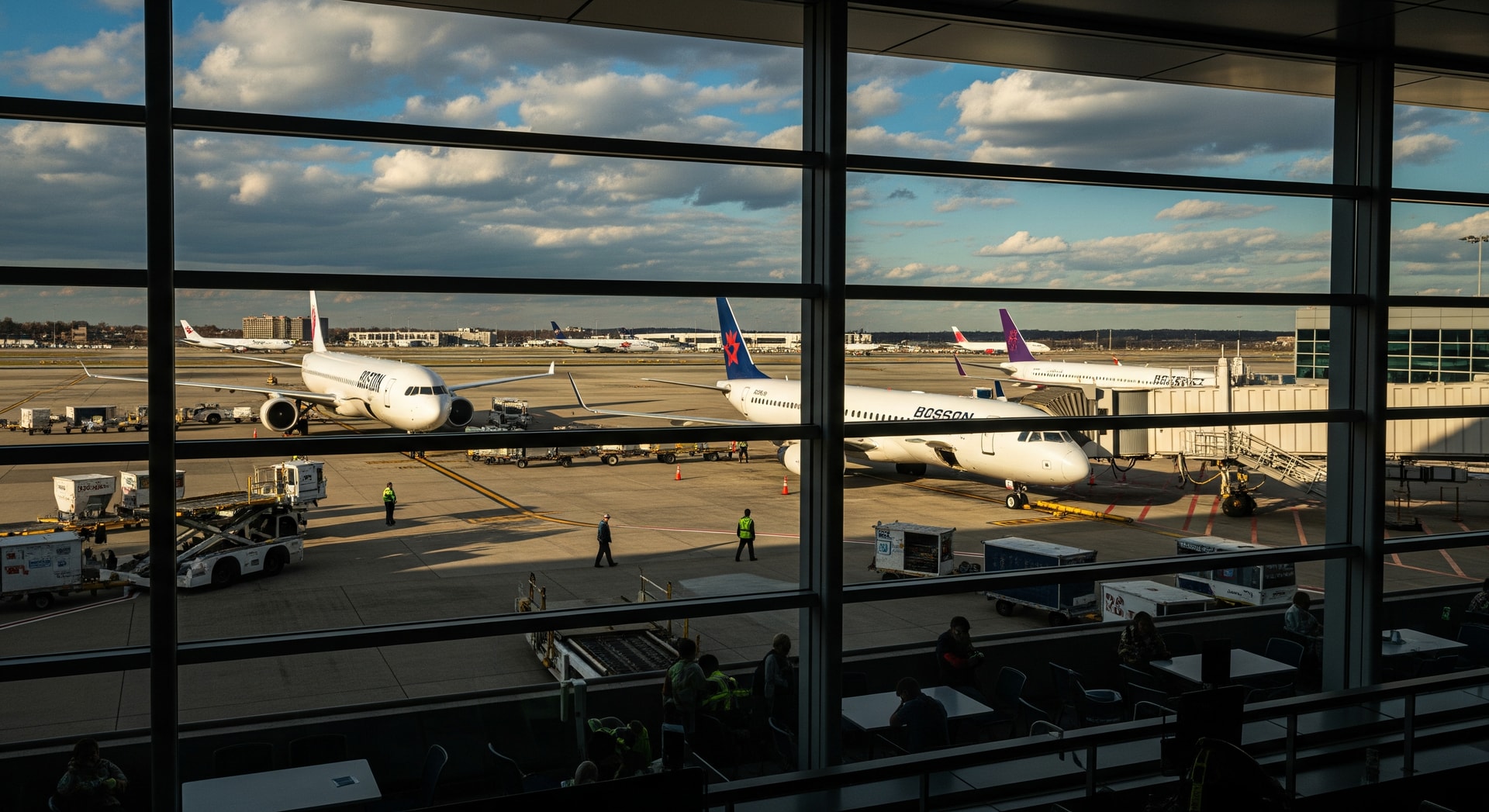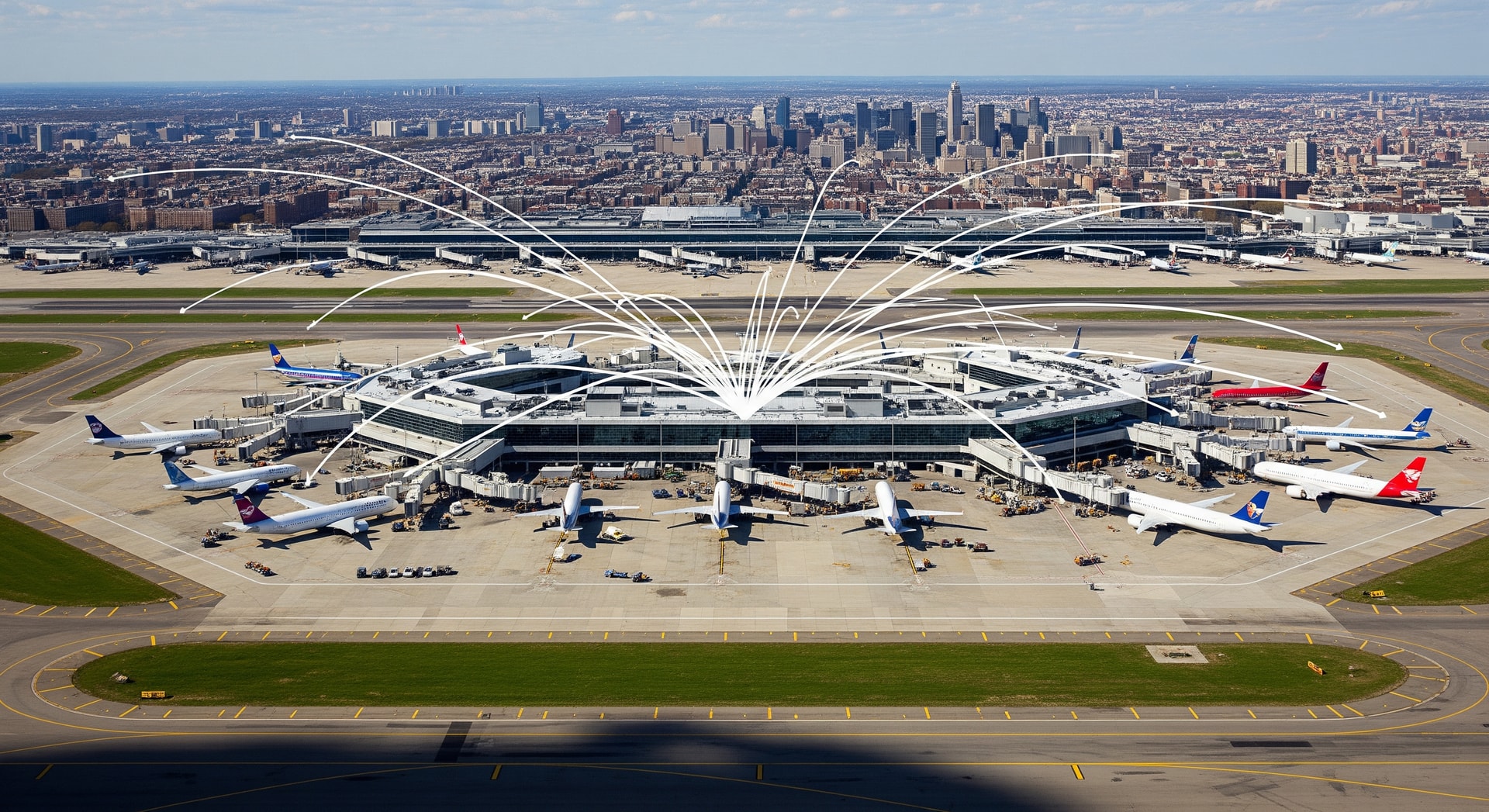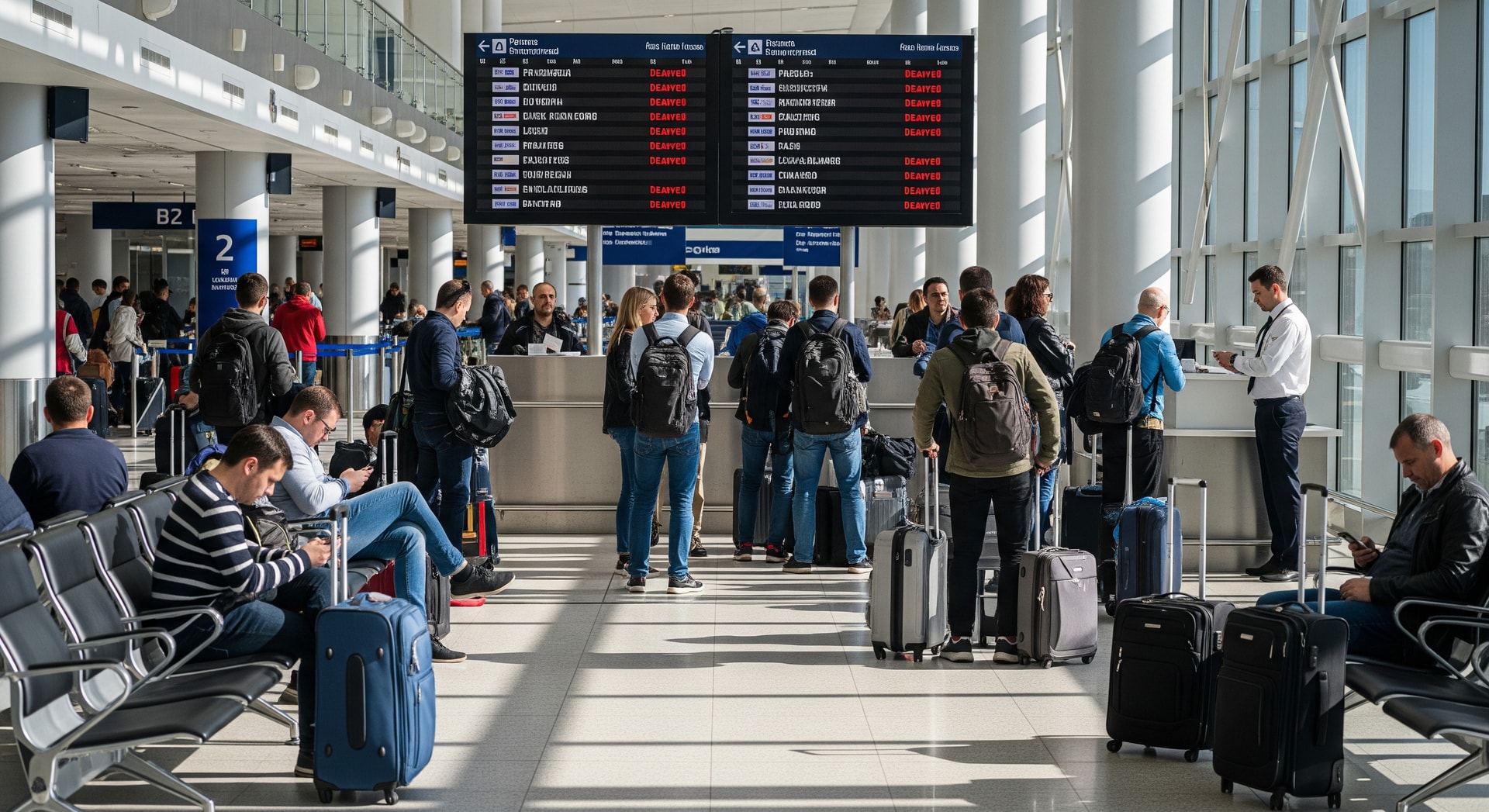
US flight delays left 2,305 flights delayed and 57 cancelled across major hubs including New York, Miami and Orlando, stranding travellers and creating ripple effects abroad.
Summary: US flight delays disrupted travel across the country with 2,305 delayed flights and 57 cancellations at major hubs including New York, Miami, Orlando, Denver and Los Angeles, affecting connections domestically and abroad.
Widespread US flight delays have left thousands of travellers facing long waits, cancelled departures and uncertain travel plans after 2,305 flights were delayed and 57 flights cancelled across numerous U.S. airports and carriers.
Scope of the disruption
The travel problems spanned major hubs including New York area airports, Miami, Orlando, Denver and Los Angeles. The disruptions have produced crowded terminals, extended ground holds and a cascade of missed connections that also affected flights to and from neighbouring countries.
Airlines with the largest operational impacts
A number of carriers reported elevated counts of delays and cancellations. Low-cost and regional operators handling high-frequency short-haul services were among the most affected, compounding the challenge for passengers trying to rebook.
- Spirit Airlines: 14 cancellations and 83 delays
- Alaska Airlines: 10 cancellations and 52 delays
- United Airlines: 8 cancellations and 133 delays
- SkyWest: 5 cancellations and 226 delays
- Southwest Airlines: 2 cancellations and 39 delays
- American Airlines: 12 cancellations and 57 delays
- Delta Air Lines: 11 cancellations and 79 delays
- Endeavor Air: 1 cancellation and 23 delays
Weather, airspace and traffic-management factors
Officials cited a mix of adverse weather at mountain airports, elevated airspace volume and traffic-management initiatives as contributors to the disruptions. These conditions led to ground stops and longer-than-usual airborne or taxi delays at affected airports.
- Aspen/Pitkin County (ASE): ground stop; average delays reported around 136 minutes due to low ceilings
- Eagle County (EGE): ongoing ground delays with average delay near 82 minutes
- Orlando International (MCO): departure delays around 15 minutes tied to traffic management
- Miami International (MIA): departure delays approximately 30 minutes related to high traffic volumes
- Southwest Florida (RSW): departure delays averaging 45 minutes due to airspace volume
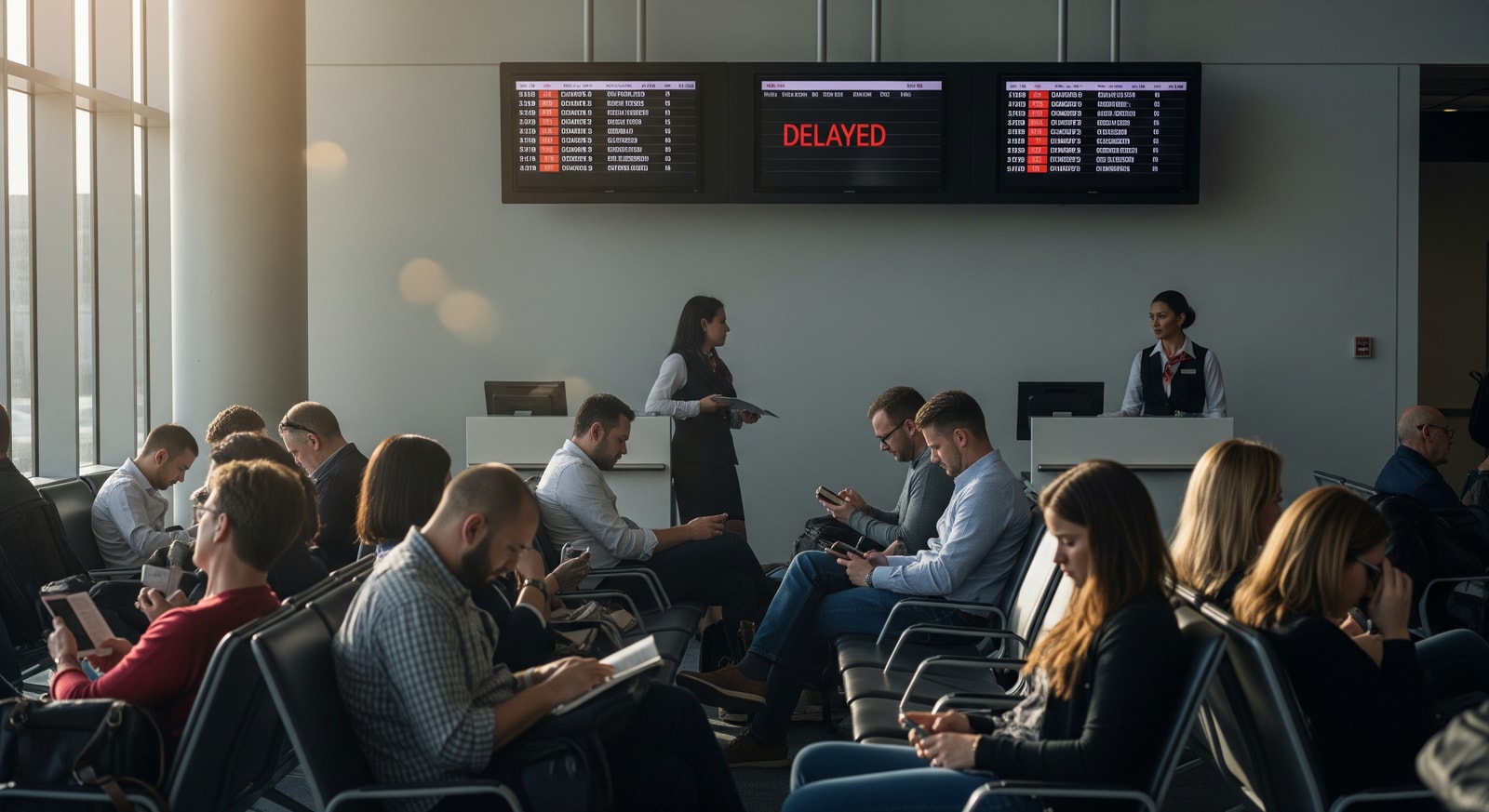
Airports and ripple effects
High-traffic hubs such as JFK, LGA and EWR in the New York area, Los Angeles (LAX), Orlando (MCO), Miami (MIA) and Denver experienced notable knock-on effects. Delays at these nodes contributed to connection failures and secondary delays that extended beyond U.S. borders to flights operating to Mexico and Canada.
- Passengers should check flight status frequently via airline apps or airport websites.
- Contact your carrier promptly for rebooking options if your flight is cancelled.
- Consider alternate transport (rail, bus, nearby airports) for urgent travel within the region.
- Prepare for long waits—carry snacks, water and necessary medications.
Why this matters to travellers and the industry
The scale of these disruptions highlights how weather, airspace constraints and concentrated scheduling can quickly overwhelm airline recovery plans. For passengers, the immediate consequence is potential missed connections, longer travel times and additional out-of-pocket costs. For airlines and airports, repeated large-scale disruptions can damage customer confidence and increase operational and compensation costs.
So what? Travellers should monitor bookings closely, arrive early, and be prepared to use airline apps for rebooking. The wider industry may need to reassess contingency planning for peak-volume days and weather-challenged airports to reduce future cascading delays.
Sources