Aruba airport shutdown after a JetBlue security incident briefly closed Queen Beatrix International Airport, delaying flights and disrupting tourism arrivals.
Summary: A JetBlue flight from Boston prompted a security-related closure at Queen Beatrix International Airport, confining passengers onboard for nearly two hours and causing flight delays that affected Aruba's tourism flow.
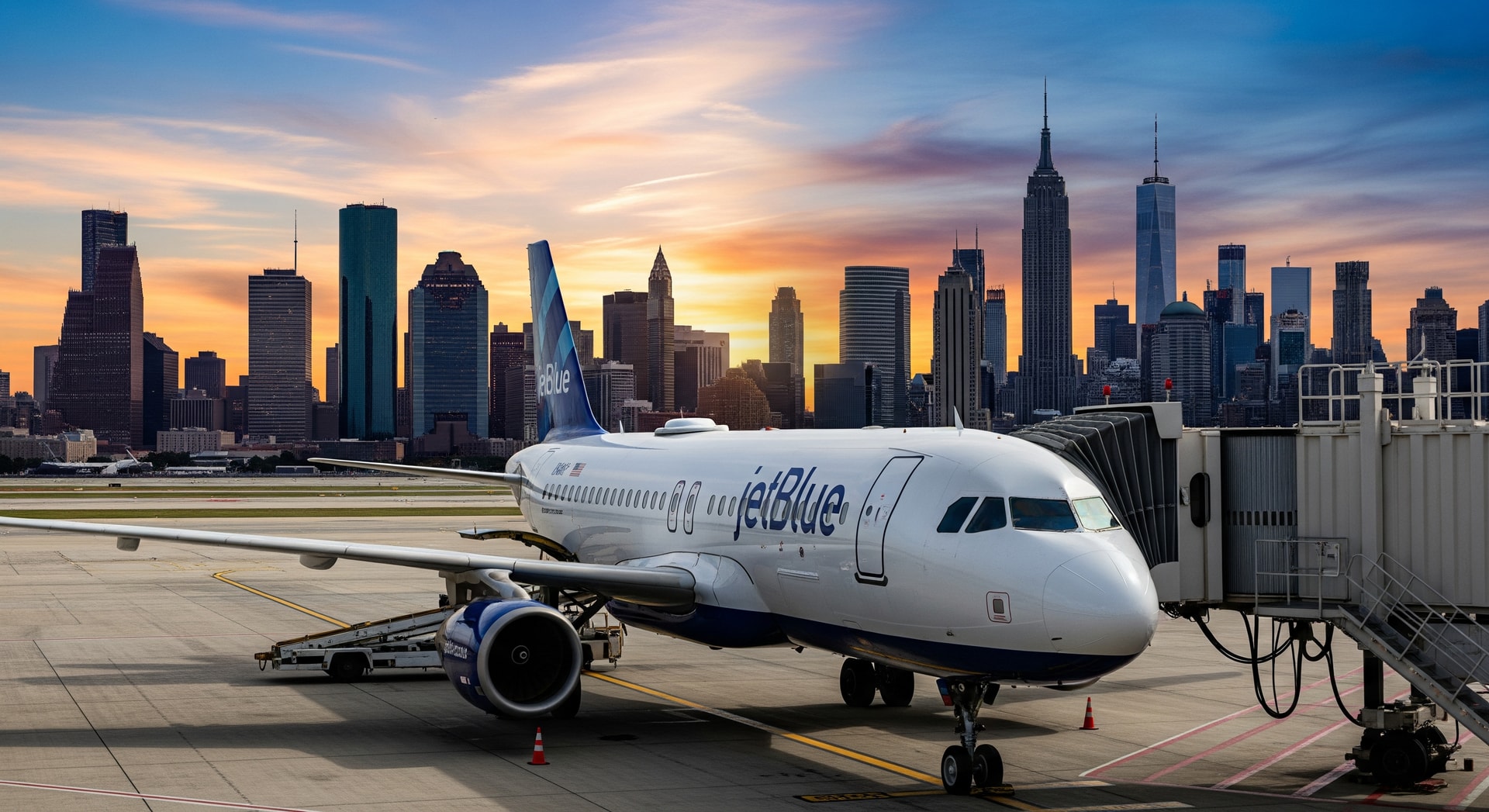
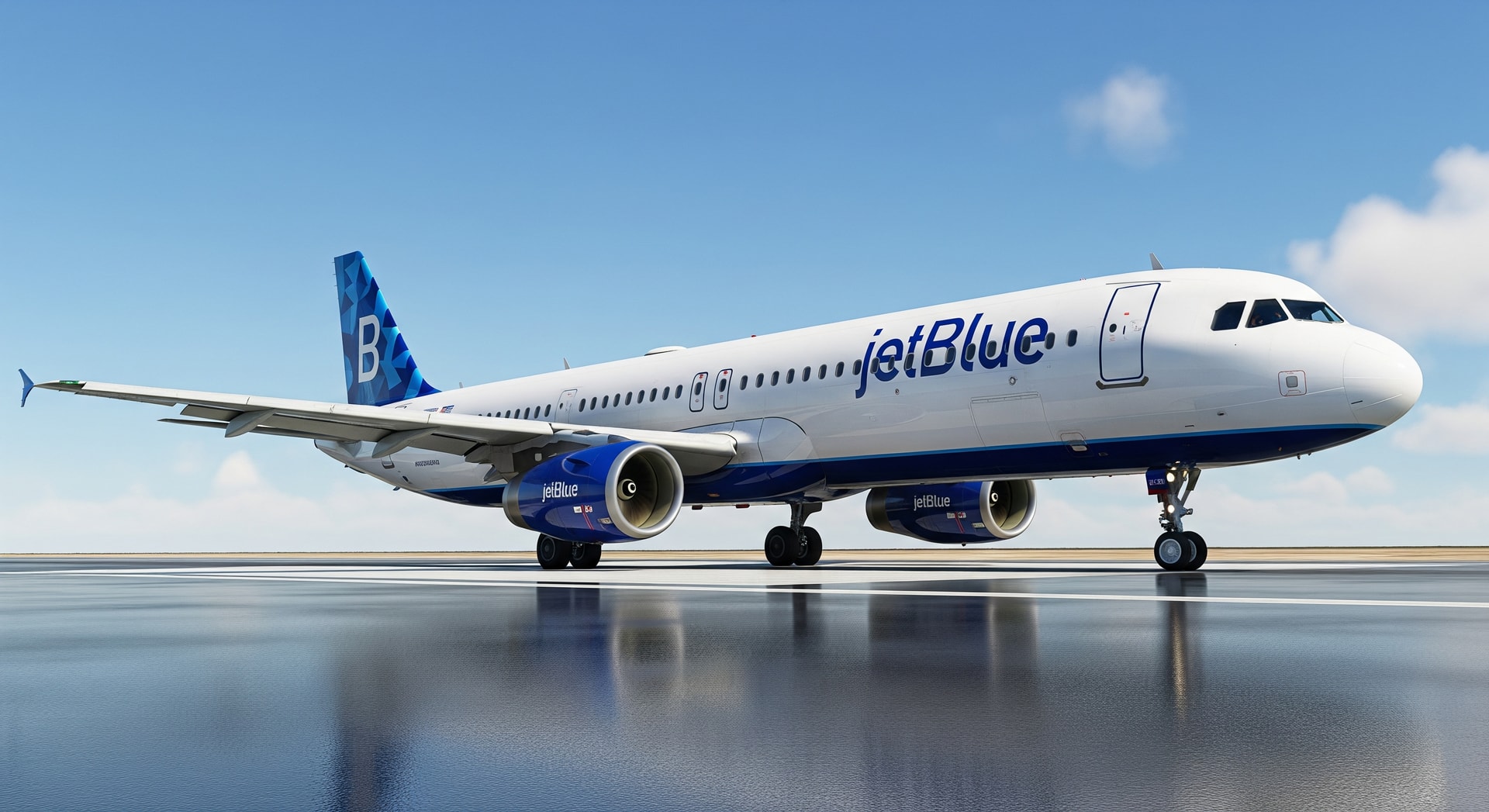
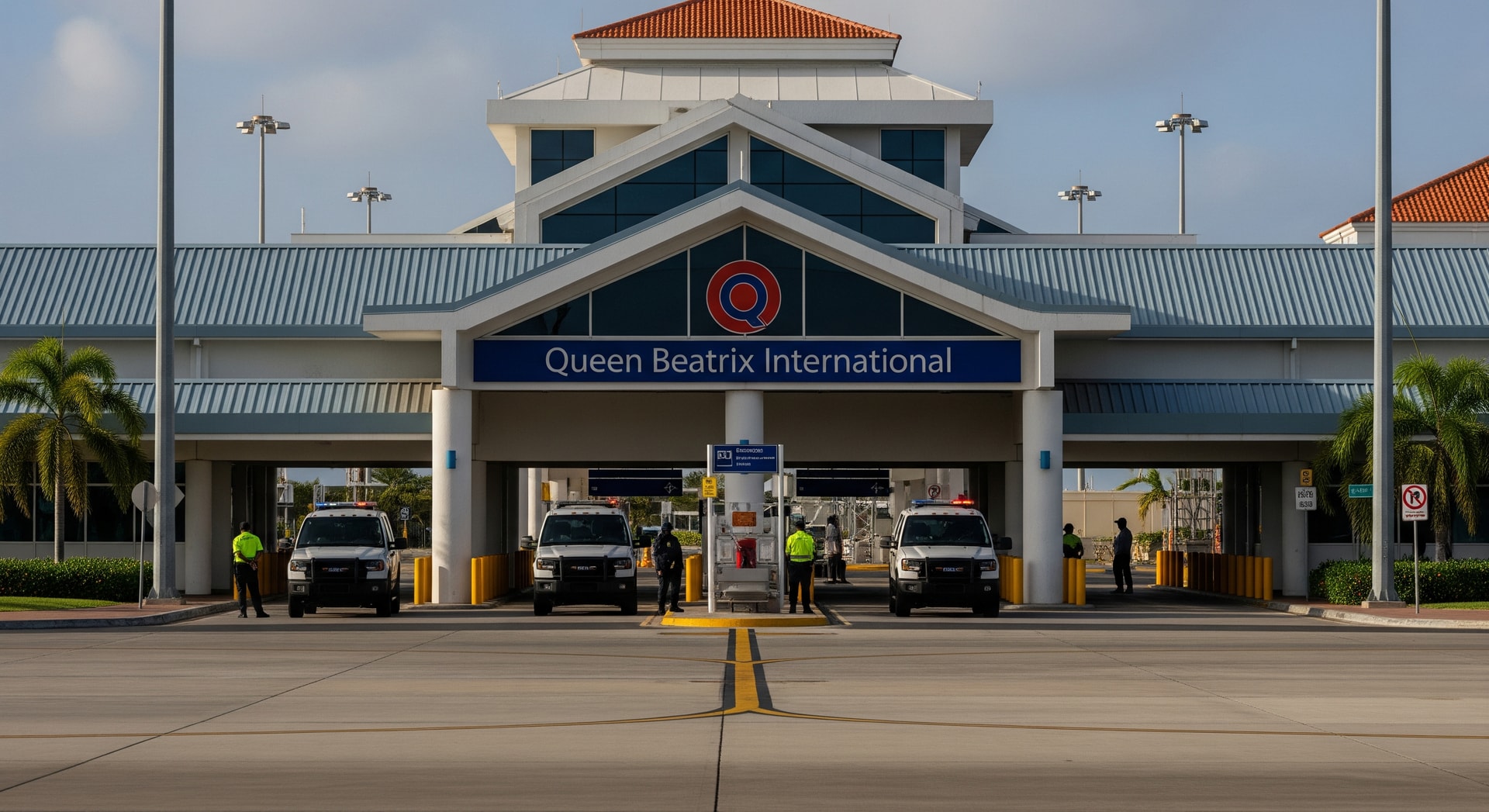
An Aruba airport shutdown occurred after a JetBlue flight from Boston raised a security concern on arrival at Queen Beatrix International Airport, forcing airport authorities to pause operations and confine passengers on board for nearly two hours while law enforcement conducted checks.
Incident timeline unfolded
The JetBlue flight arrived as scheduled but prompted an immediate security response. Airport officials halted all terminal movements and restricted access while authorities boarded the aircraft to investigate the reported concern.
- Passengers were kept on board for nearly two hours during checks.
- Law enforcement verified passports row by row.
- A K9 unit scanned luggage and checked for potential threats.
Airport response and protocols
Queen Beatrix International Airport, overseen by the Aruban government, prioritized safety by suspending operations. Terminal restrictions prevented new arrivals while ground teams and authorities carried out threat assessments consistent with international aviation procedures.
Once the aircraft was cleared, passengers were deplaned in an orderly manner and the airport gradually restored normal operations. Airlines worked with local authorities to adjust schedules and reduce wider disruption to connecting services.
JetBlue’s handling of the event
JetBlue emphasised crew and passenger safety in its immediate response and deferred detailed investigative comments to law enforcement. Cabin crew maintained calm onboard and followed federal security training while the confinement continued.
Immediate tourism impacts in Aruba
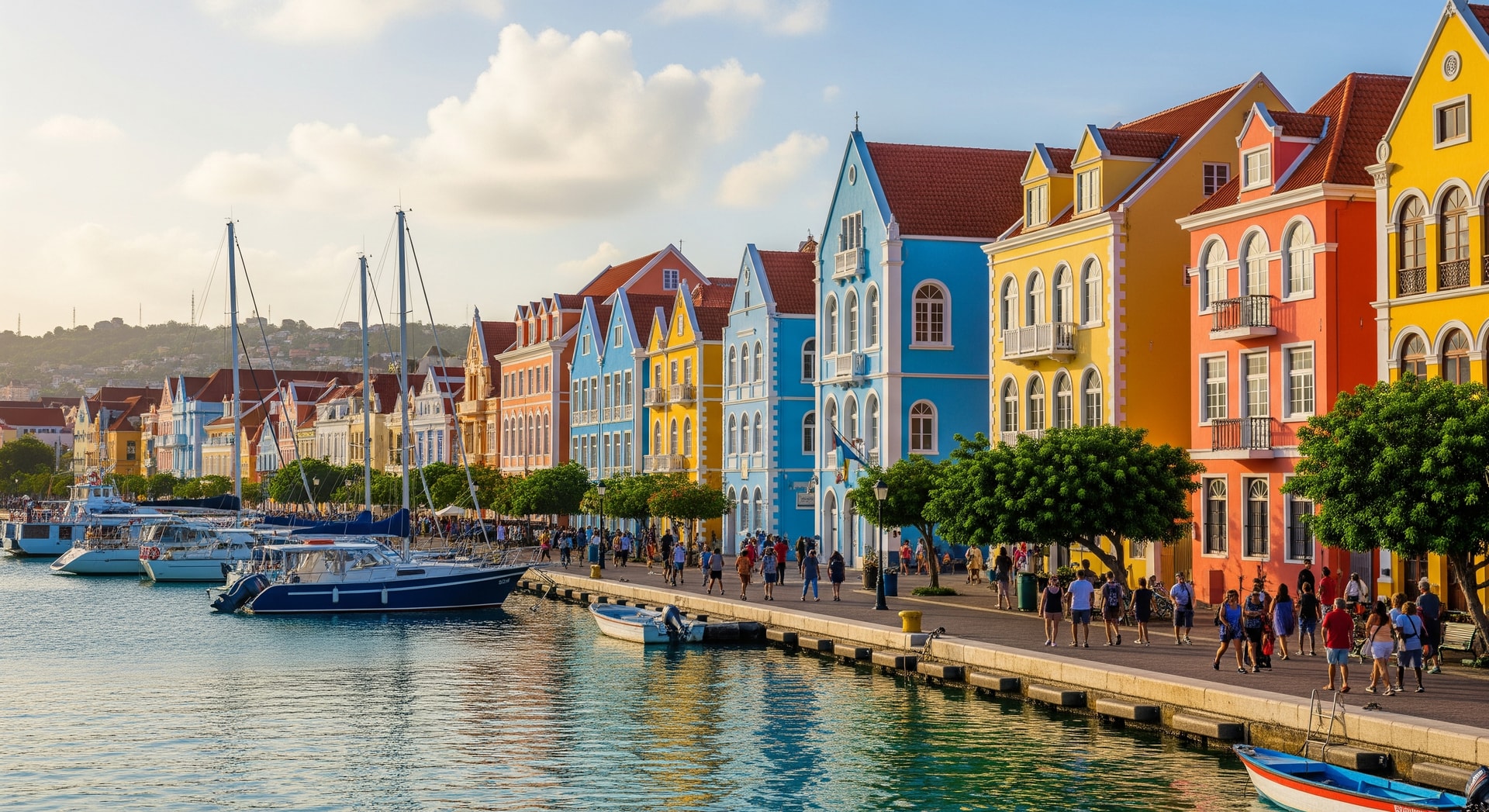
The temporary shutdown disrupted arrivals, delaying hotel check-ins, transfers and tour schedules during a busy season. Aruba’s tourism industry—supported by more than 1.5 million annual visitors—relies heavily on timely air connections, and short-lived closures can strain local services and revenue flows.
- Delayed flights compressed hotel check-in windows and tour schedules.
- Transfer services and rental availability were temporarily stretched.
- Local operators adjusted itineraries and offered modest compensations to affected guests.
Broader Caribbean aviation security trends
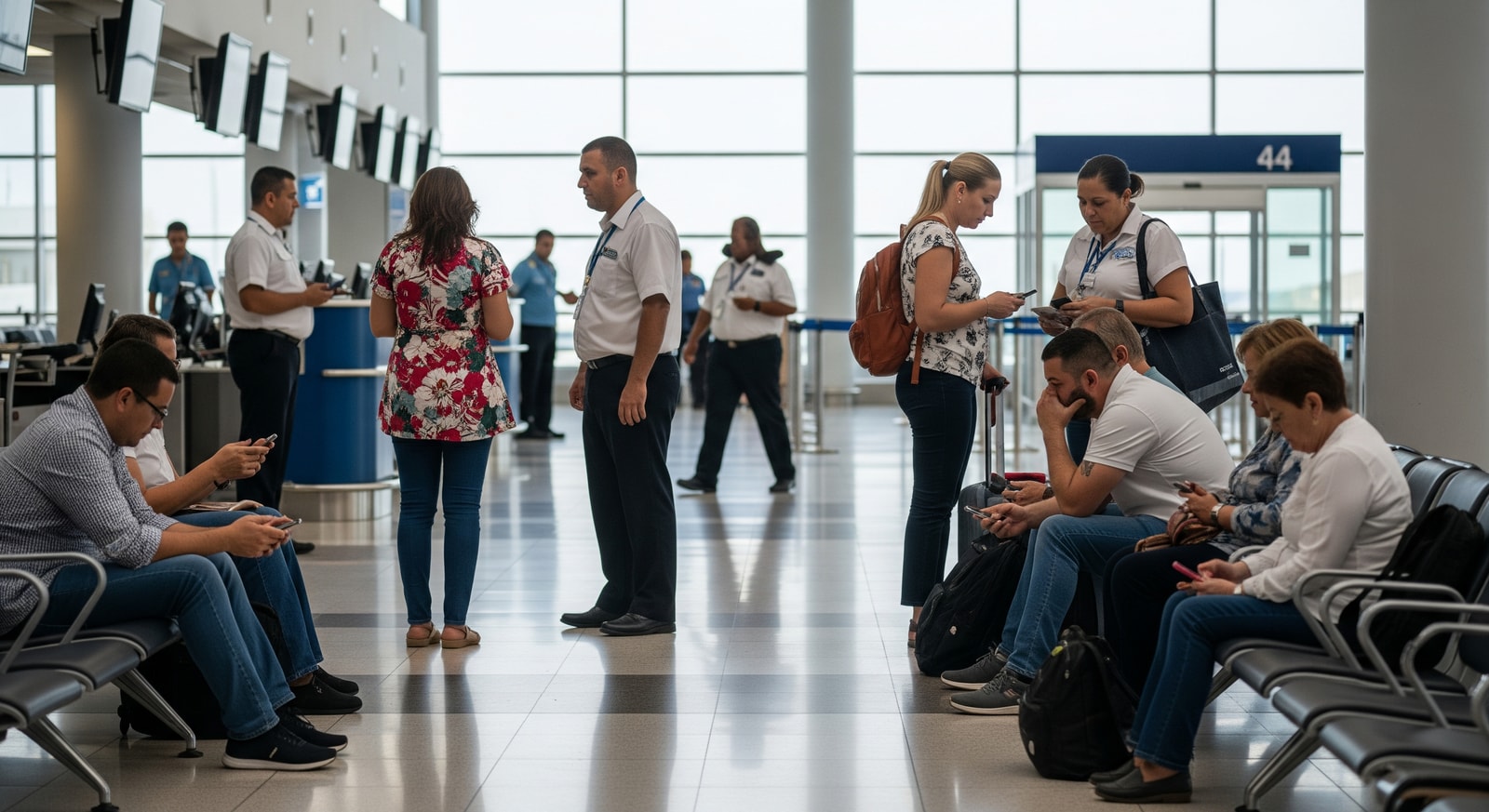
Caribbean hubs have increased investments in screening technology and resilience measures as travel volumes return. Aruba has adopted upgraded measures—from biometric gates to AI-assisted monitoring—and regularly conducts drills to align with regional standards promoted by organisations such as the Caribbean Tourism Organization.
Passenger experience and recovery
Passengers reported that law enforcement acted efficiently; K9 sweeps and passport verifications were visible and helped restore confidence. Airlines provided support for those affected, including meals and rebookings, which limited negative fallout on social media and review platforms.
Long-term implications for Aruba tourism
The episode has prompted calls for stronger contingency planning among airport authorities, law enforcement and hospitality providers. Continued route support from carriers such as JetBlue and government investments in aviation security should help maintain investor confidence and steady visitor demand through 2026.
Why this matters: So what? For travellers and industry stakeholders, the incident is a reminder that safety protocols can cause short-term disruption but also demonstrate the systems in place to protect passengers. Expect thorough checks and occasional delays at airports prioritising security. For Aruba’s tourism sector, rapid response and clear communication are essential to limit economic impact and preserve the island’s reputation as a safe, reliable destination.
Sources