AI coordination could end the fragmented traveler experience, say industry leaders launching the Agentic Tourism Initiative to enable autonomous AI agents to coordinate across airlines, hotels and destinations.
Summary: AI coordination — not just smarter single vendors — is being positioned as the next step to fix fragmented travel experiences. The Agentic Tourism Initiative, led by the Saudi Ministry of Tourism with Globant and TOURISE, promotes autonomous agents that can coordinate across airlines, hotels and destinations.
Modern travel frequently exposes a disconnect: while apps and algorithms provide rapid updates, those systems rarely coordinate with each other. The result is a traveler left to reconnect disrupted bookings, transfers and reservations — a problem industry leaders now say requires AI coordination rather than isolated intelligence.
The paradox of smarter, disconnected systems
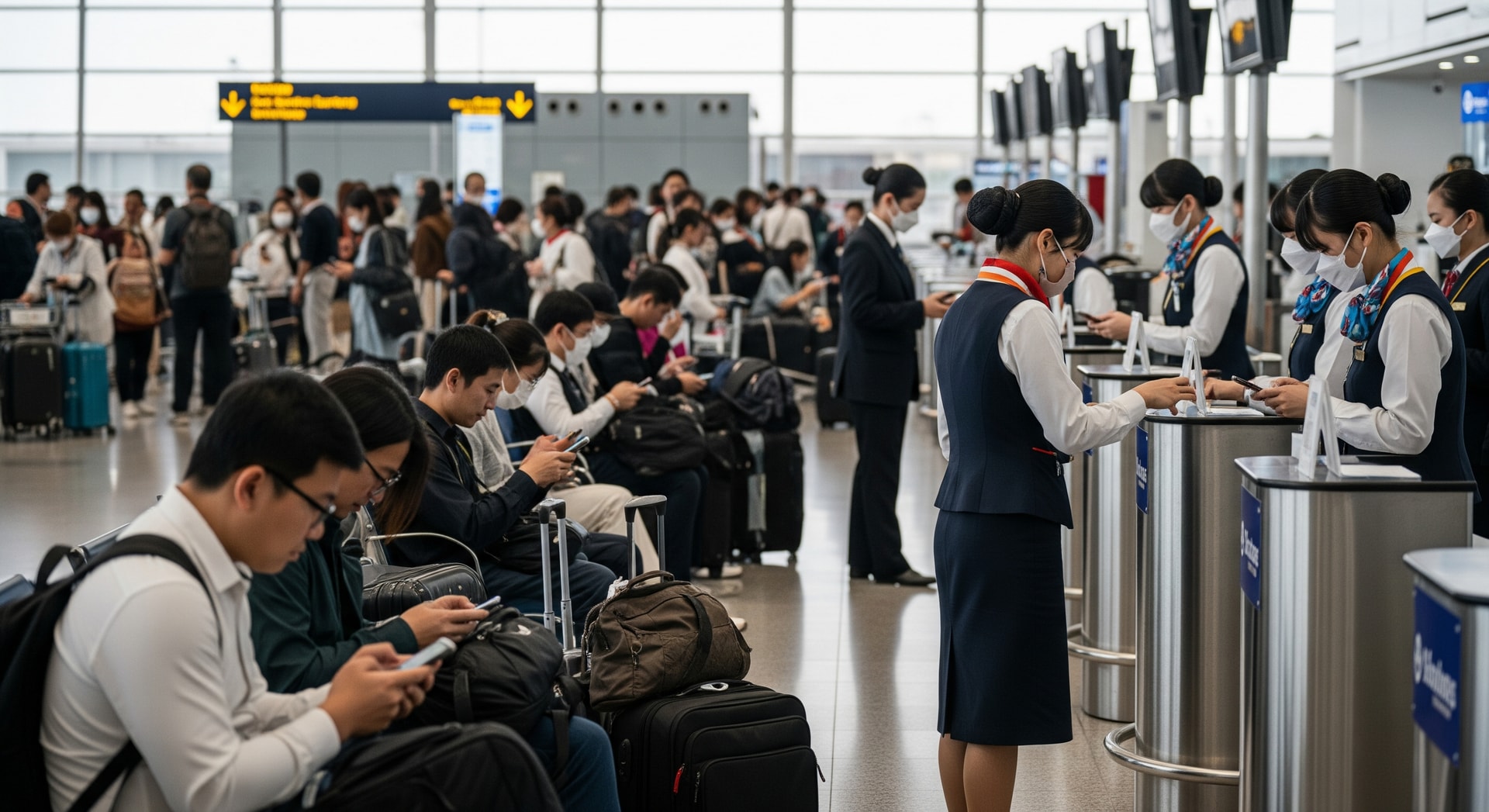
Passengers routinely receive immediate notifications from an airline app when a flight is delayed, but that intelligence rarely ripples through the rest of the trip. Hotels may mark guests as no-shows, transfers wait at terminals, and dining reservations lapse — leaving travelers to act as the ‘human glue’ reassembling their plans.
We no longer have an intelligence problem; we have a coordination problem.
Siloed AI: 'siloed geniuses' across the visitor economy
Airlines, hotels, airports and tour operators have deployed impressive AI tools tailored to their specific functions — from flight optimisation to dynamic pricing. But these systems operate independently and often fail to share decisions or context, turning efficient single-company solutions into cross-industry friction for travelers.
siloed geniuses.
Agentic Tourism Initiative: a coordination-first approach
To address this gap, the Agentic Tourism Initiative was launched as a joint effort between the Saudi Ministry of Tourism, TOURISE and Globant. Rather than a single commercial product, the initiative aims to establish an open operating model in which autonomous AI agents representing different service providers can communicate and act in concert under human-defined rules.
Agentic Tourism.
In practice, this means that if a flight delay occurs, the airline’s agent would notify the hotel’s agent, which could adjust check-in timing; a transfer agent could change pickup windows; and a restaurant agent could hold a table — all without the traveler needing to contact multiple providers.
A global protocol, not a single platform
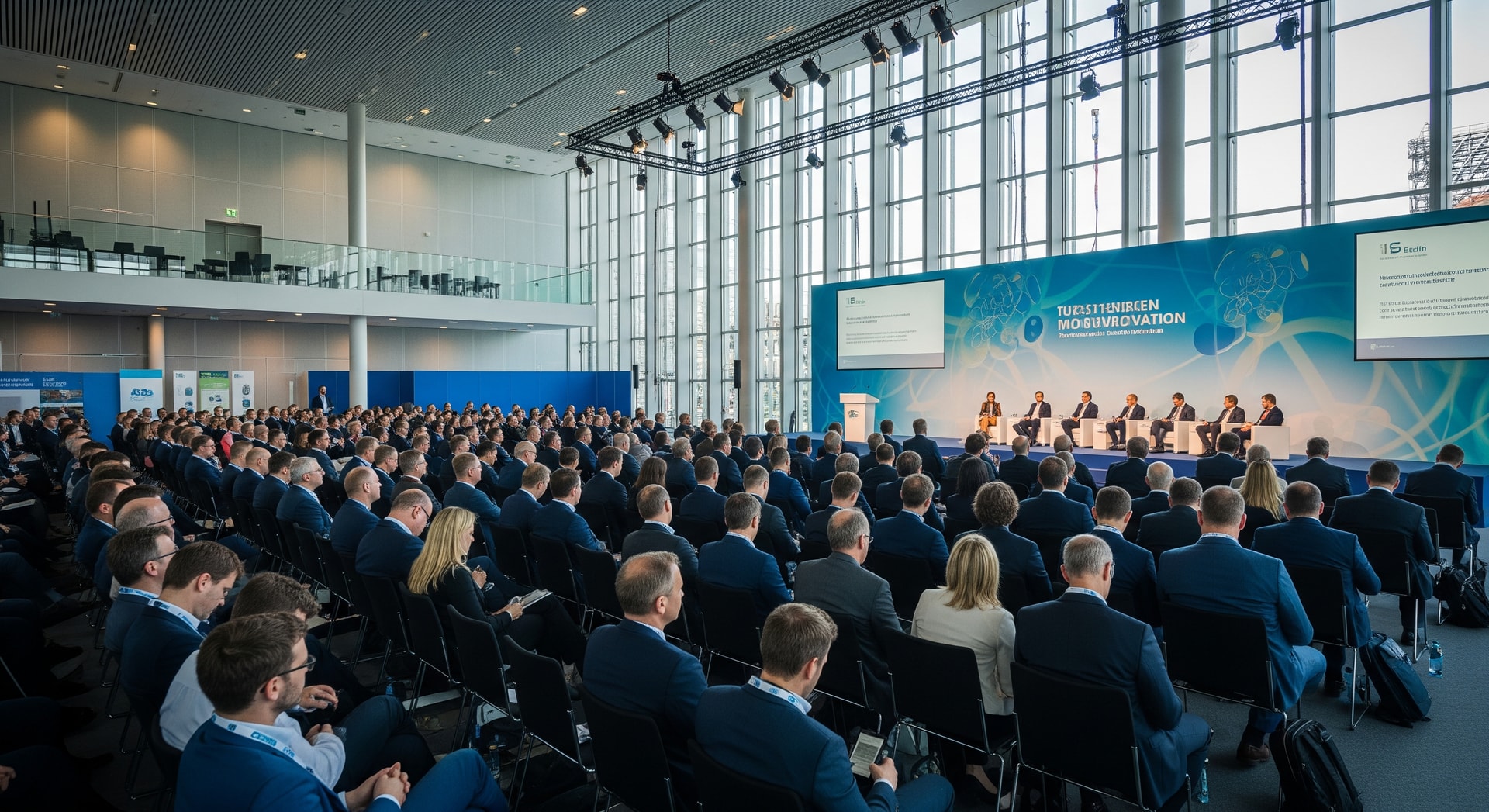
A key design principle of the initiative is that it functions as a pre-competitive, open protocol rather than intellectual property owned by one company. Industry leaders at the World Economic Forum in Davos argued that without an industry-defined standard, dominant platforms could impose their own rules — potentially sidelining smaller operators and local communities.
Human governance: keeping people in control
To address concerns about autonomy, the initiative builds in human oversight. Agents are intended to automate routine logistics while operating within boundaries set by humans, allowing staff to focus on empathy, creativity and higher-value service tasks that AI cannot replicate.
sense, reason, plan, and act,
Economic stakes and pilots
The financial incentives are substantial: tourism is forecast to contribute $16.5 trillion to global GDP by 2035, while the market for AI in tourism could approach $14 billion by 2030. Without a shared coordination language, this growth could remain fragmented rather than delivering seamless traveler outcomes.
- Five pilot agent archetypes: Experience Personalization, Operations Optimization, Sustainability, Wellbeing, Economic Opportunity
- Success measured by metrics such as disruption recovery time and traveler confidence
- Saudi Arabia positioned as an early proving ground for national and cross-border deployment

From concept to real-world testing
Discussions at Davos shifted the initiative from theory toward production pilots. The immediate focus is on measurable outcomes and interoperability that benefits both large providers and smaller, local operators rather than locking the market into proprietary silos.
What this means for travelers and the industry
If successful, the Agentic Tourism Initiative could restore the joy of travel by removing the burden of reconnecting disrupted elements of a trip. Instead of being the integrator, travelers would receive coordinated updates and automated fixes — shorter recovery times, fewer calls to multiple providers, and greater confidence that systems are working together.
So what? For travelers, this shift promises fewer stressful touchpoints and faster recovery when plans go wrong. For the industry, it presents an opportunity to unlock economic value while ensuring that standards and governance keep smaller operators and consumers protected. The real test will be whether the industry can agree on open coordination rules before dominant platforms set them by default.
Sources