Indonesia expects 143.9 million travelers during the 2026 Mudik Eid exodus, a mass movement that will put significant pressure on roads, railways, airports and ferry services nationwide.
Summary: Indonesia’s Ministry of Transportation projects 143.9 million people will travel for the 2026 Mudik Eid al-Fitr exodus, slightly below the prior forecast for 2025 but still a massive strain on roads, rail, air and ferry networks.
As 2026 approaches, Indonesia is preparing for the annual Mudik — the Eid al-Fitr homecoming — with authorities forecasting 143.9 million travellers will be on the move. The Ministry of Transportation’s projection, while marginally lower than the 146 million forecast for 2025, still represents an enormous volume of people travelling by road, rail, air and sea.
Mudik: Indonesia’s Annual Travel Phenomenon
Mudik is a long-standing cultural and religious tradition in Indonesia when millions return to their hometowns to celebrate Eid with family. The movement spans the archipelago and, each year, tests the capacity of the nation’s transport networks as demand for tickets and road space soars.
The 2026 Mudik will involve travellers using highways, long-distance trains, domestic flights and ferries that link Indonesia’s islands. Transport operators and government bodies are already mobilising resources to handle the expected peak in passenger numbers.
Projections: Slight Dip but Still Massive
The Ministry’s forecast of 143.9 million travellers represents a 1.7% drop versus the earlier 2025 estimate of 146 million. However, projections have been exceeded before: in 2025 the final tally reached 154 million despite a lower official forecast, underscoring how unpredictable Mudik volumes can be.
Officials say they are cautious but confident their plans will meet demand, while remaining ready to scale operations quickly if actual travel numbers surpass expectations again.
Preparations and Capacity Increases
- Extra buses, trains, domestic flights and ferry sailings added to timetables
- Specialised teams deployed to manage busy terminals and transport hubs
- Traffic-management measures such as temporary lane expansions and alternative routes
- Contingency plans and flexible resource allocation to respond to surges
The government’s approach emphasises flexibility: resources can be reallocated quickly and contingency teams are standing by to handle unexpected disruptions driven by last-minute travel decisions, weather events or other factors.
Managing Transport Challenges
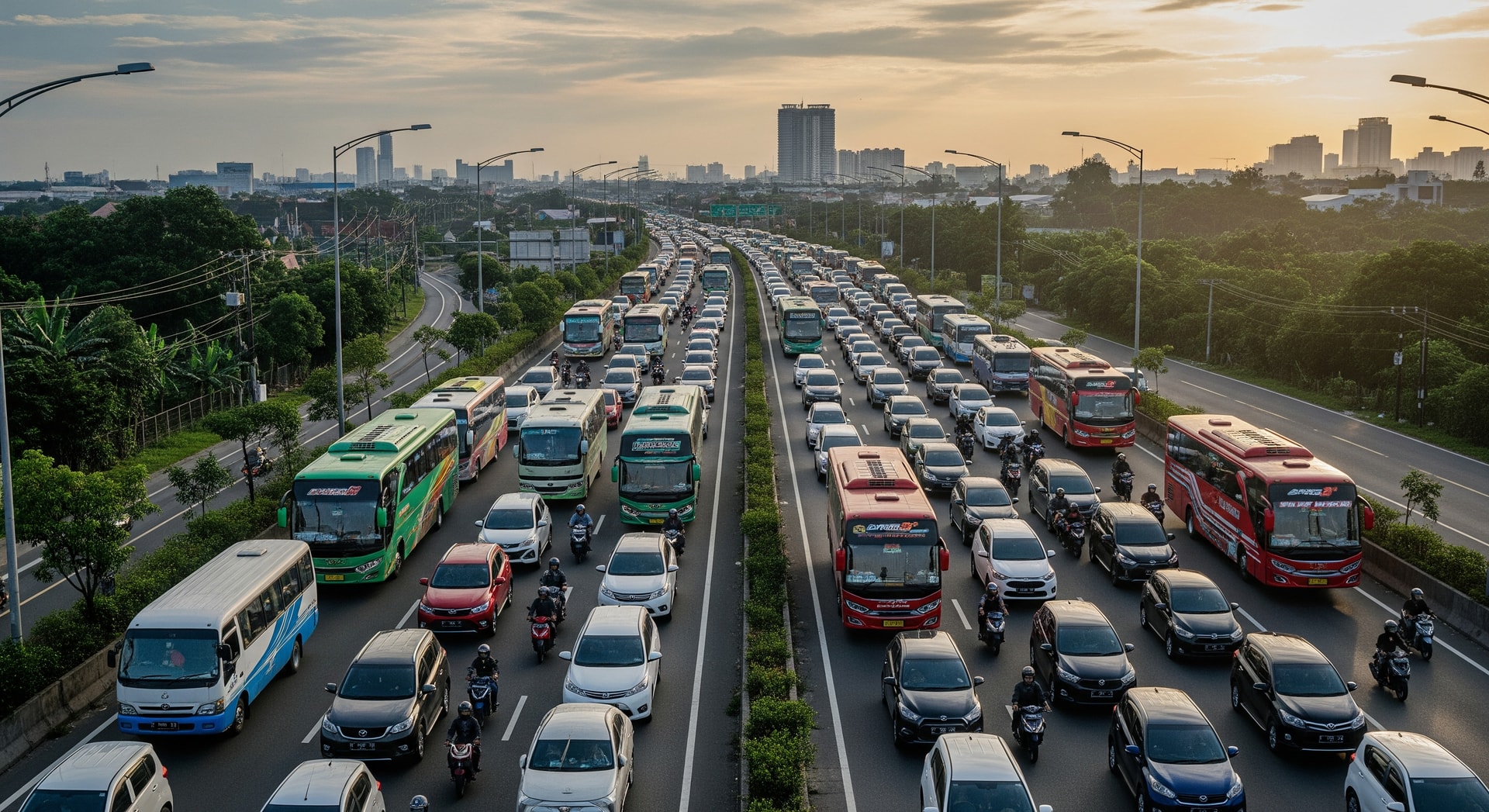
Road congestion remains the most acute problem, with highways out of major cities commonly facing long delays. Authorities are preparing by widening lanes in key bottlenecks and promoting alternative routes to ease pressure.
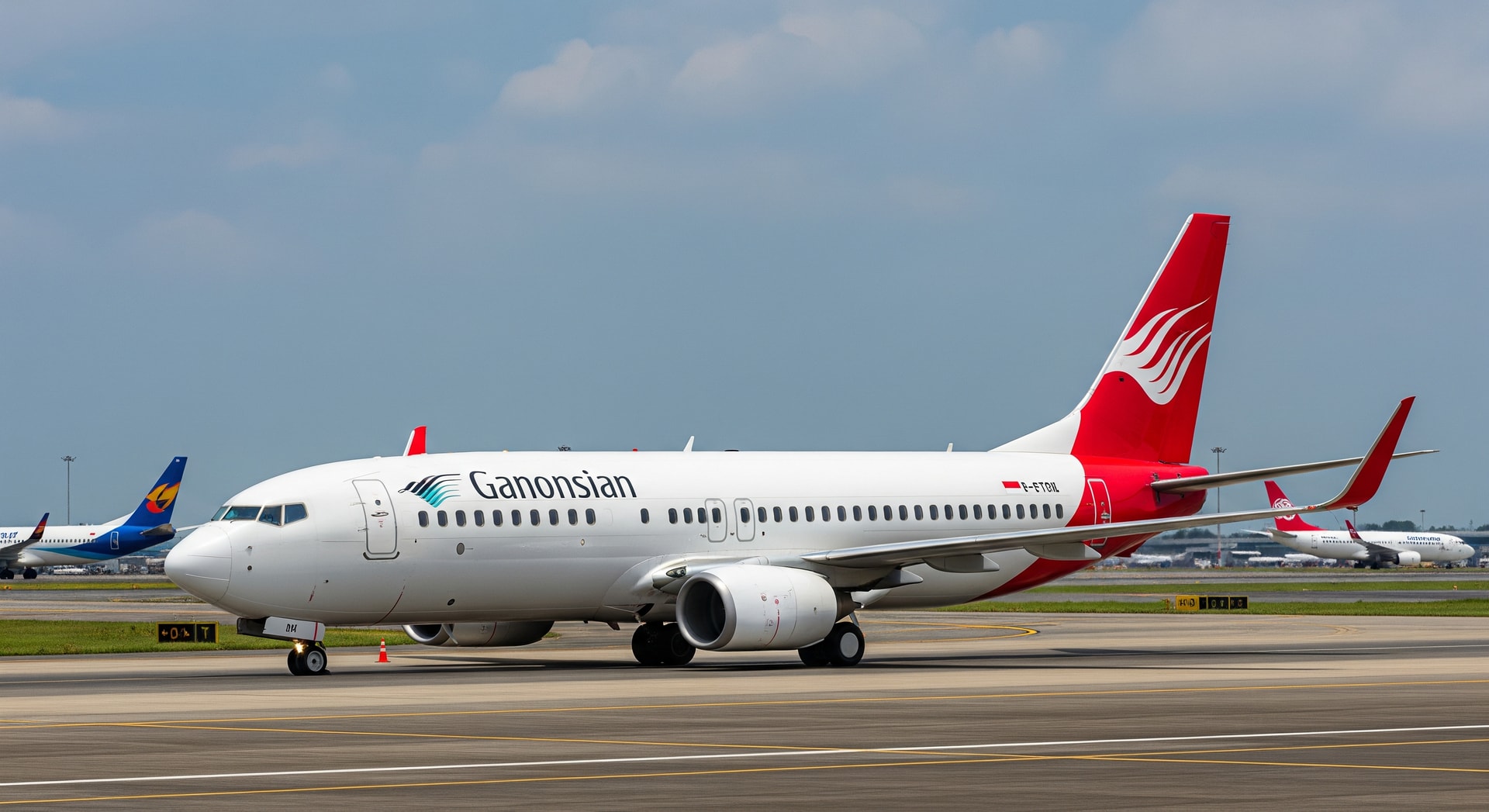
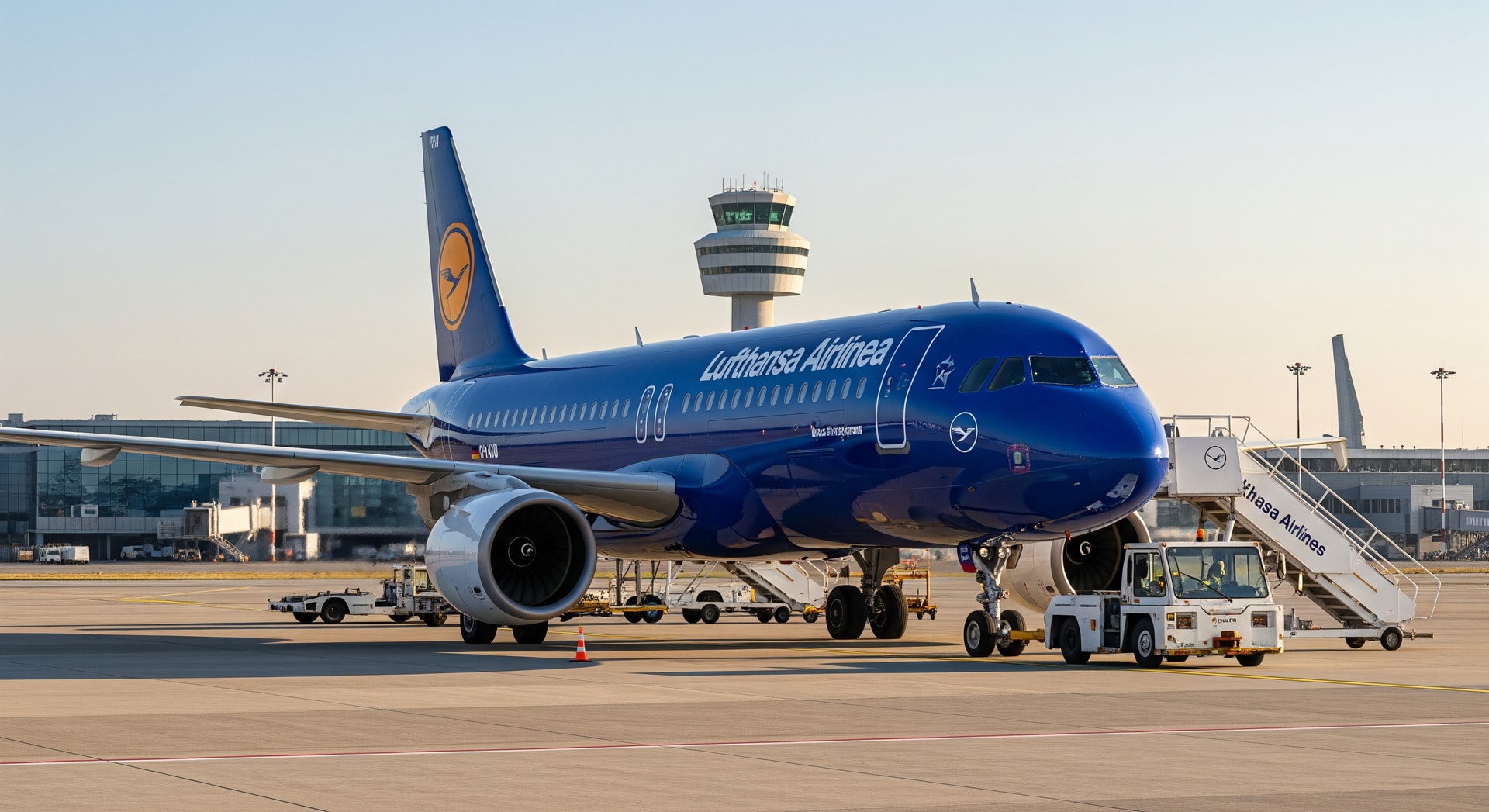
Rail services will see increased frequency as additional trains are scheduled for long-distance routes, while airports in hubs such as Jakarta, Surabaya and Bali are adjusting flight plans to carry more passengers. Ferry operators will also boost sailings to serve inter-island travel during the peak period.
- Book train, flight and ferry tickets as early as possible
- For car travel, depart early and avoid peak hours where feasible
- Ensure vehicles are roadworthy and carry food, water and emergency supplies
- Be prepared to change plans if services are delayed or rerouted
Safety and Health Measures
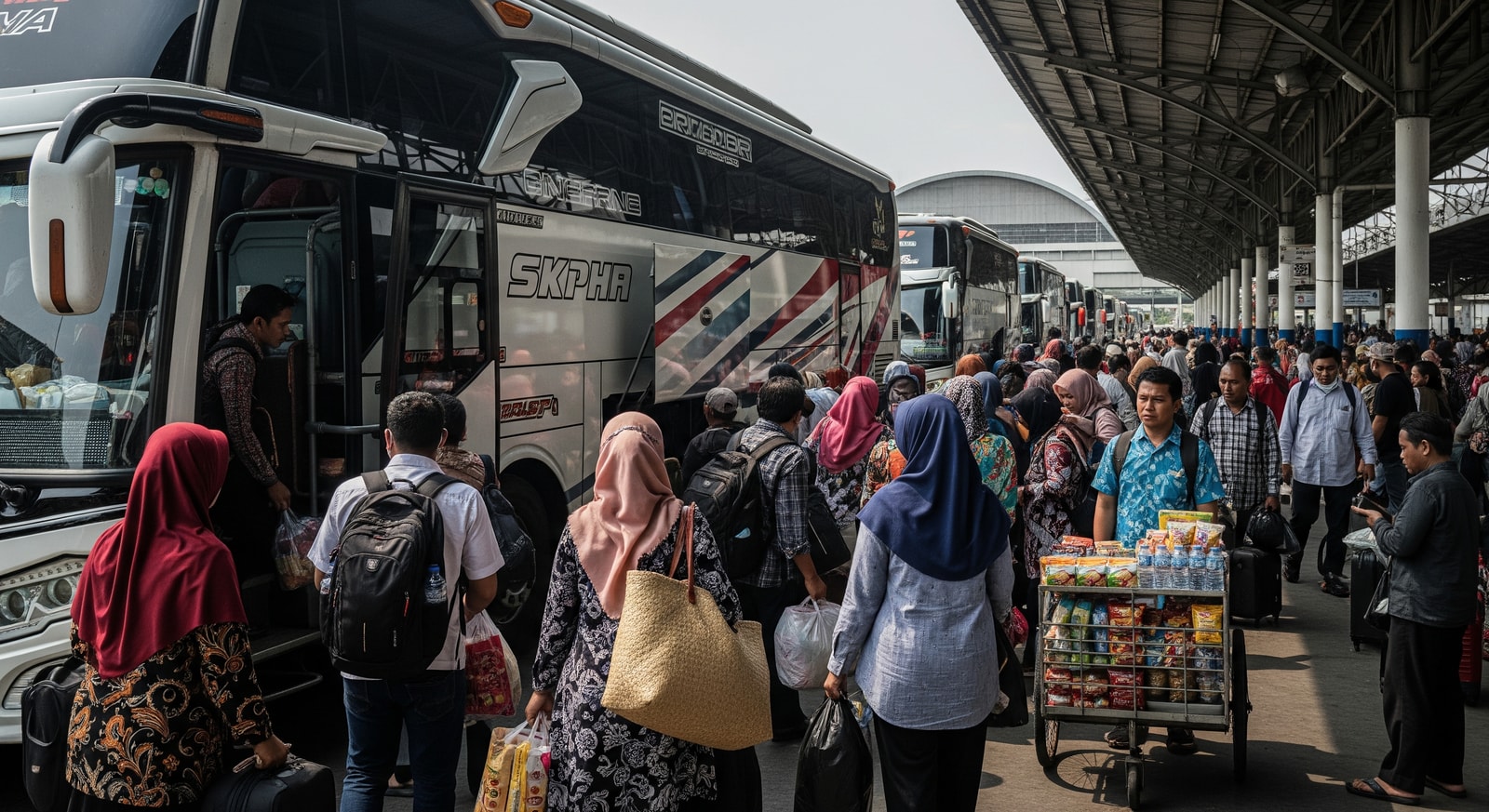
Safety is a central focus: authorities are increasing security presence at terminals, positioning medical teams at busy points and ensuring emergency services are ready. Health screenings will continue at major hubs and travellers should monitor official advisories for weather or service interruptions.
What This Means for Travelers
For anyone planning to take part in the 2026 Mudik, thoughtful preparation will make a major difference. Early bookings, flexible itineraries and readiness for delays are the best ways to reduce stress during this high-demand period.
So what? The scale of the Mudik exodus means travellers should expect crowded conditions and the potential for disruptions; however, the government’s expanded services and contingency plans aim to ease flow and keep journeys safe. Planning ahead and following official updates will help ensure a smoother trip.
Sources