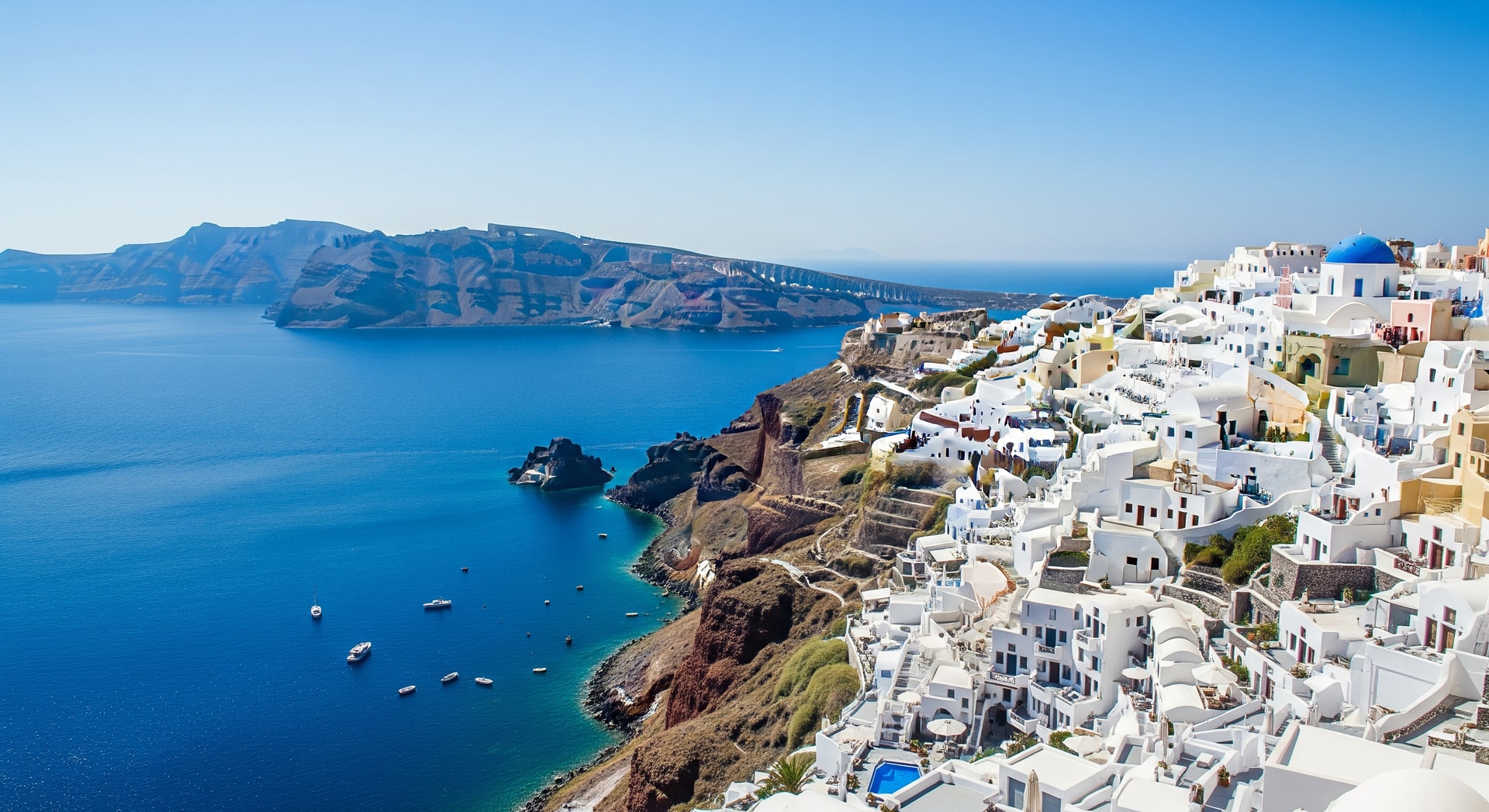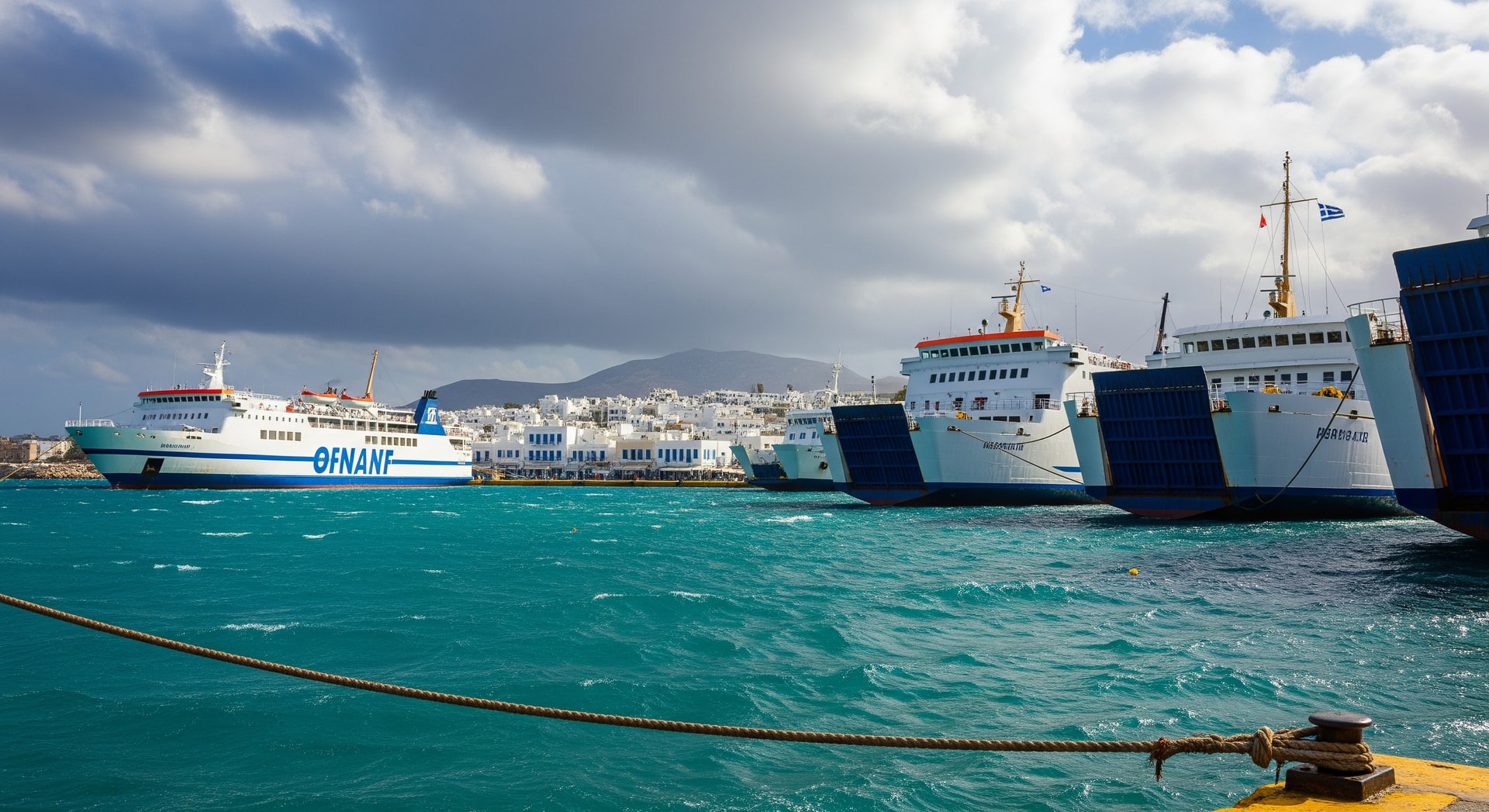
Greek ferry chaos grounded services across major ports on Feb 15, 2026, leaving hundreds stranded and disrupting travel to islands like Santorini and Mykonos.
Summary: Greek ferry chaos on 15 February 2026, driven by winds up to 9 Beaufort, forced cancellations at major ports including Piraeus, Rafina and Lavrio and disrupted island travel, leaving hundreds stranded.
Severe weather in Greece forced the suspension of ferry services on Sunday, February 15, 2026, as gusts reached up to 9 Beaufort and made crossings across the Aegean Sea unsafe. The resulting cancellations affected key connections between Athens and popular islands such as Santorini, Mykonos, Crete and Naxos and left hundreds of travellers stranded at port terminals.
Storms Ground Ferries at Major Greek Ports
Piraeus, the busiest port serving Athens, along with Rafina and Lavrio, saw widespread suspensions on Sunday morning and into midday. These ports are principal departure points for ferries to the Cyclades, Sporades and the northeastern Aegean, and cancellations disrupted multiple scheduled sailings, including routes to Santorini and Mykonos.
Port authorities warned passengers to monitor updates closely. Officials said a revised timetable would be decided after weather conditions are reassessed following 5 p.m., meaning further delays were possible throughout the day.
Local and Northern Routes Also Affected
The disruption extended beyond Athens' main harbours. Several regional and local services were suspended because of hazardous wind conditions, interrupting essential links between smaller islands and the mainland.
- Agia Marina to Nea Styra: service suspended, affecting Euboea connections
- Alexandroupoli to Samothraki: halted due to dangerous crossing conditions
- Kavala to Prinos (Thassos): departures suspended amid strong winds
Samothraki, an island known for its rugged terrain and archaeological sites, saw sailings cancelled, disrupting visits. Thassos, popular for beaches and traditional villages, also experienced delays that will affect arrivals and departures until conditions improve.
Practical Advice for Travellers
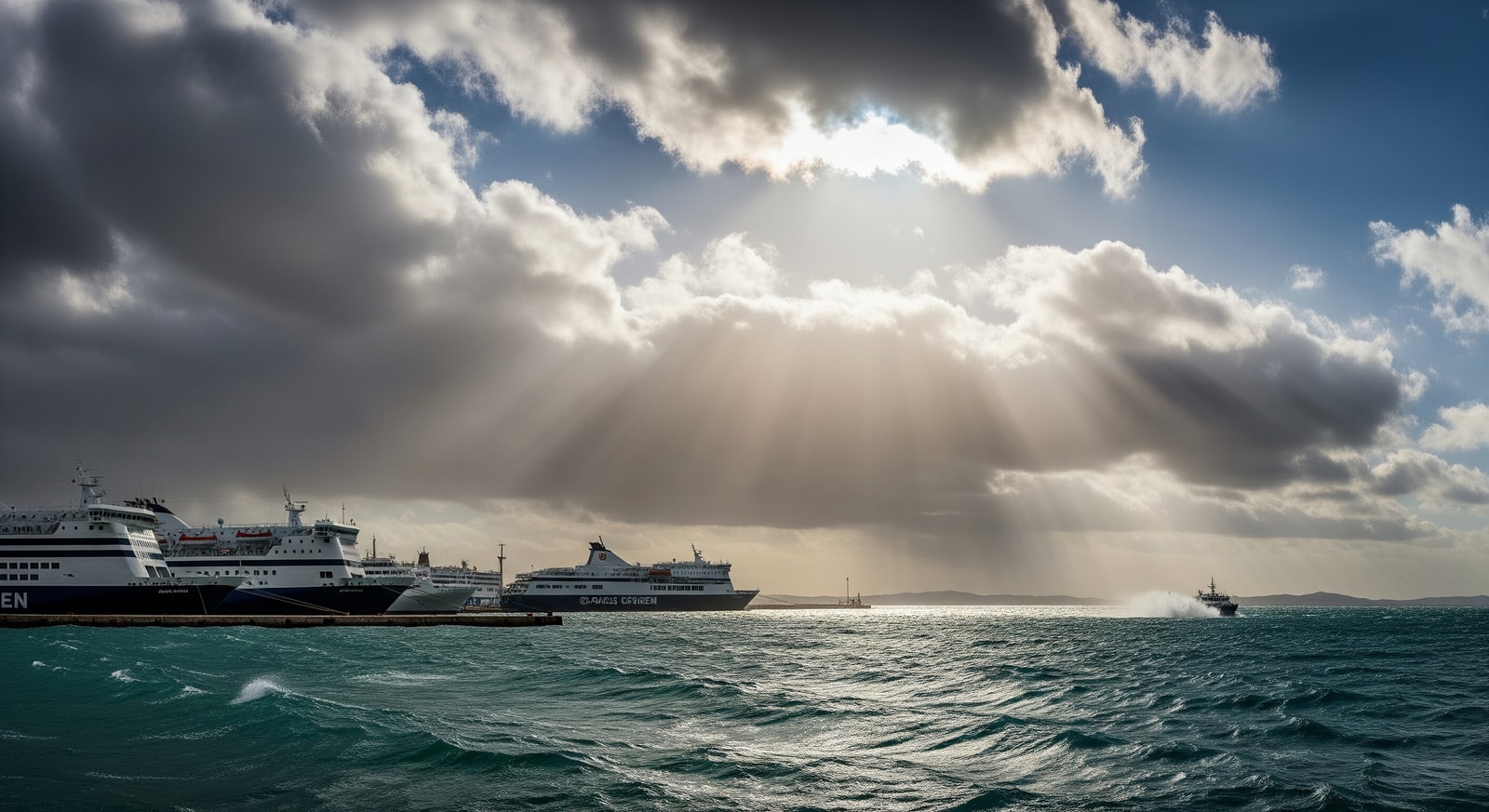
Port authorities urged all travellers to stay in contact with ferry operators and local officials for the latest information. Given the fluid nature of the weather, passengers should expect schedule changes and prepare for delays when planning island trips.
- Check with port authorities or ferry companies for real-time status updates
- Allow flexibility in itineraries and prepare for extended waits
- Consider alternative connections or flights if suspensions persist (recognising flights may also be affected)
Impact on Tourism and Local Businesses
Beyond inconvenience to travellers, interruptions to ferry services risk denting visitor numbers and revenue for island economies that depend on reliable sea links. Hotels, restaurants and tour operators may face cancellations or late arrivals that affect daily turnover.
Greek tourism officials said they were coordinating with operators to restore services as soon as safety permits, and urged travel professionals to offer flexibility to clients impacted by the schedule changes.
What Comes Next for Travellers
As conditions evolve, travellers should continuously verify ferry statuses and maintain contact with carriers. While winds are expected to ease over the coming days, disruptions could continue, so planning and flexibility remain essential.
Why this matters: Reliable ferry links are crucial to Greece’s island tourism. When weather forces cancellations, visitors face delays, costs and uncertainty, while local economies lose vital tourist income. For travellers, the immediate takeaway is to expect disruptions, keep travel plans flexible, and prioritise safety when deciding whether to travel by sea.
Sources