Asia-Pacific tourism is projected to expand from USD 165.9 billion in 2026 to USD 317.4 billion by 2036, driven by AI adoption, infrastructure upgrades and rising intra-regional travel.
Summary: Asia-Pacific tourism is forecast to grow from USD 165.9 billion in 2026 to USD 317.4 billion by 2036 (6.7% CAGR), with AI, improved connectivity and infrastructure driving intra-regional travel.
A new Future Market Insights analysis projects robust expansion for Asia-Pacific tourism, with the sector increasing from USD 165.9 billion in 2026 to USD 317.4 billion by 2036 at a compound annual growth rate (CAGR) of 6.7%. The report highlights faster post-pandemic recovery, stronger regional links and rising use of artificial intelligence as key growth drivers.
AI-driven personalisation is reshaping travel
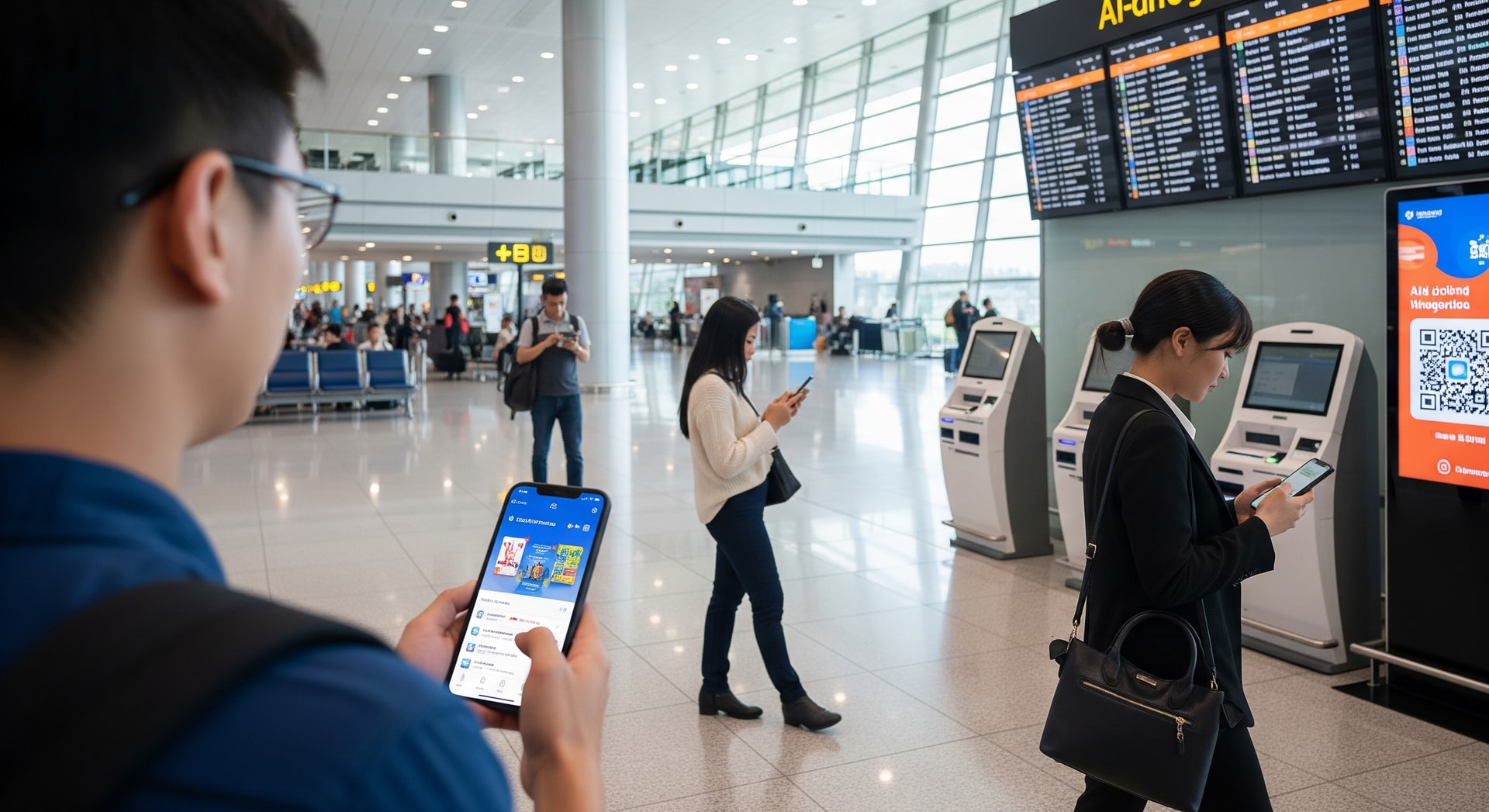
The adoption of AI in travel planning and commerce is accelerating across the region. By late 2025, more than 60% of active travellers in Asia-Pacific were already using AI-assisted tools for booking and planning. These technologies enable personalised recommendations, autonomous re-bookings and dynamic pricing, changing how consumers interact with travel services.
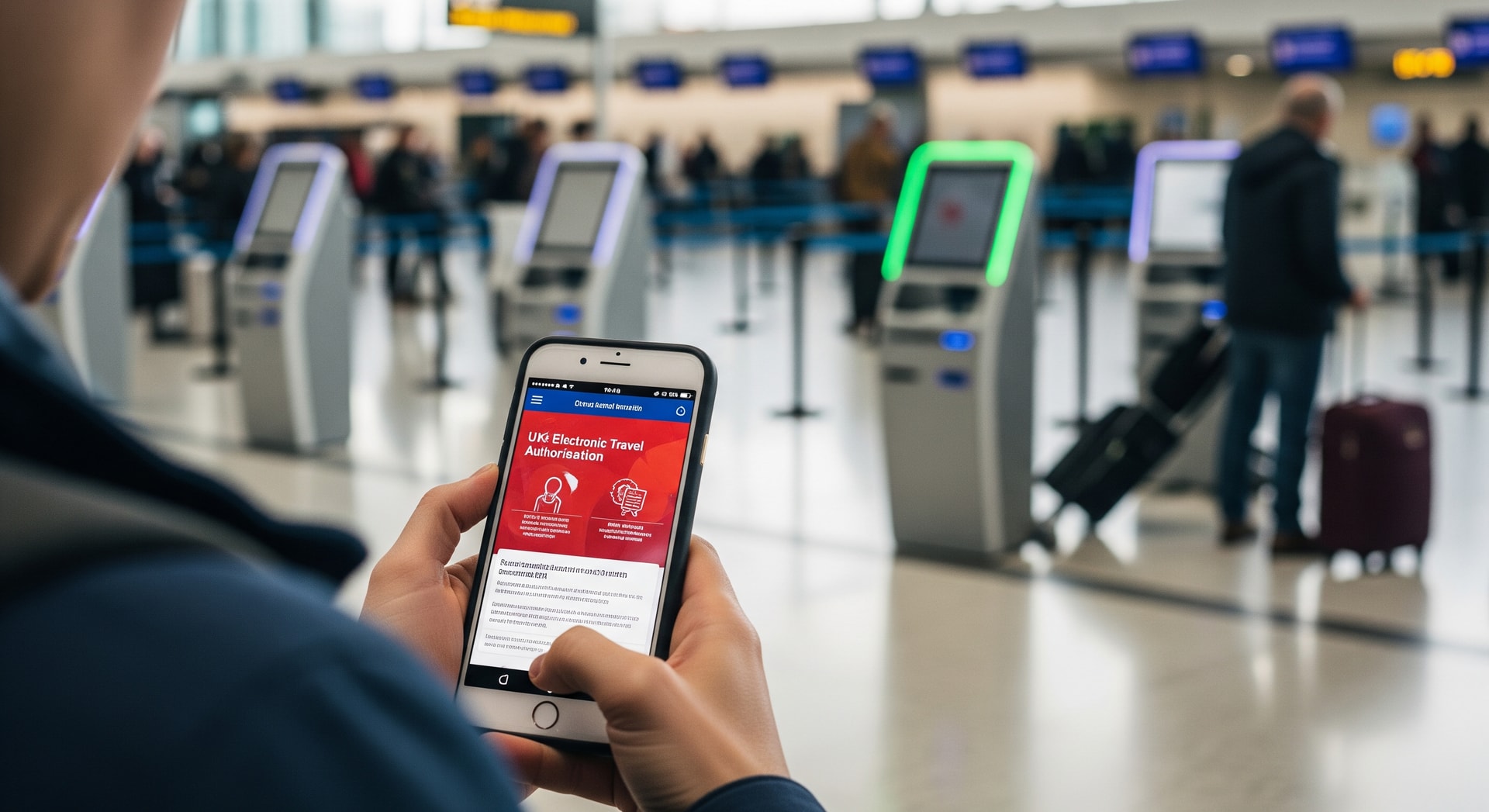
Intra-regional travel and visa facilitation
Intra-regional travel is expected to dominate revenue streams: the analysis anticipates over 70% of Asia-Pacific tourism revenue will come from travel within the region by 2030. ASEAN economies are central to this shift, supported by simplified visa regimes, expanding air routes and growing digital commerce platforms. The ASEAN Tourism Sectoral Plan 2026-2030 aims to strengthen cross-border tourism flows and competitiveness.
- Market projection: USD 165.9B (2026) → USD 317.4B (2036); CAGR 6.7%
- AI usage: >60% of active travellers using AI tools by late 2025; 70% expected by 2030
- Regional share: Intra-Asia travel to account for over 70% of tourism revenue by 2030

Airlines and partnerships expand connectivity
Airlines and governments are cooperating to reopen and expand routes. Examples cited include Singapore Airlines' planned non-stop service to Riyadh in June 2026 and Malaysia Airlines' new joint business partnership with Singapore Airlines to boost connectivity. Thai Airways' collaboration with Amadeus to introduce AI-driven pricing and personalised merchandising signals growing integration of technology into travel commerce.
Recovery highlights and cultural tourism
The Pacific Asia Travel Association (PATA) reported that tourism activity in the region had reached 92.6% of pre-pandemic levels by January 2026. Japan's rebound is notable: the country recorded 14.4 million visitors in the first half of 2025, equal to 131.6% of pre-pandemic levels. Cultural and heritage tourism remain major revenue contributors — over 55% of tourism revenue in 2024 derived from cultural attractions, supported by preservation initiatives and social media exposure.
Infrastructure and digital services improving traveller experience
Investments in airports, high-speed rail and smart tourism platforms are easing access to both established and emerging destinations. Cities such as Seoul, Busan and Singapore are rolling out contactless payments, real-time translation and digital visitor support to enhance convenience for travellers.
Persistent risks: geopolitics, climate and regulation
The report cautions that growth is not guaranteed. Geopolitical tensions — notably involving China — could curb cross-border travel. Environmental events and climate change threaten key destinations, while infrastructure bottlenecks at major airports and complex immigration rules, especially in high-demand markets like Japan and South Korea, may constrain expansion.
Looking ahead, the combination of AI-driven services, targeted infrastructure investment and visa facilitation policies are likely to determine how quickly the region converts potential into sustained tourism growth through 2036.
What this means for travellers and the industry
For travellers, expanded intra-regional options, smarter booking tools and improved transport links should make short-hop and multi-destination trips easier and more affordable. For airlines, hoteliers and governments, these trends imply that investments in digital services, streamlined visa processes and resilient infrastructure will be essential to capture rising demand.
So what? The projected doubling of market value by 2036 means travellers can expect better connectivity and more personalised services across Asia-Pacific — but geopolitical or environmental shocks and regulatory friction could slow progress, so monitoring visa rules and travel advisories remains important.
Sources