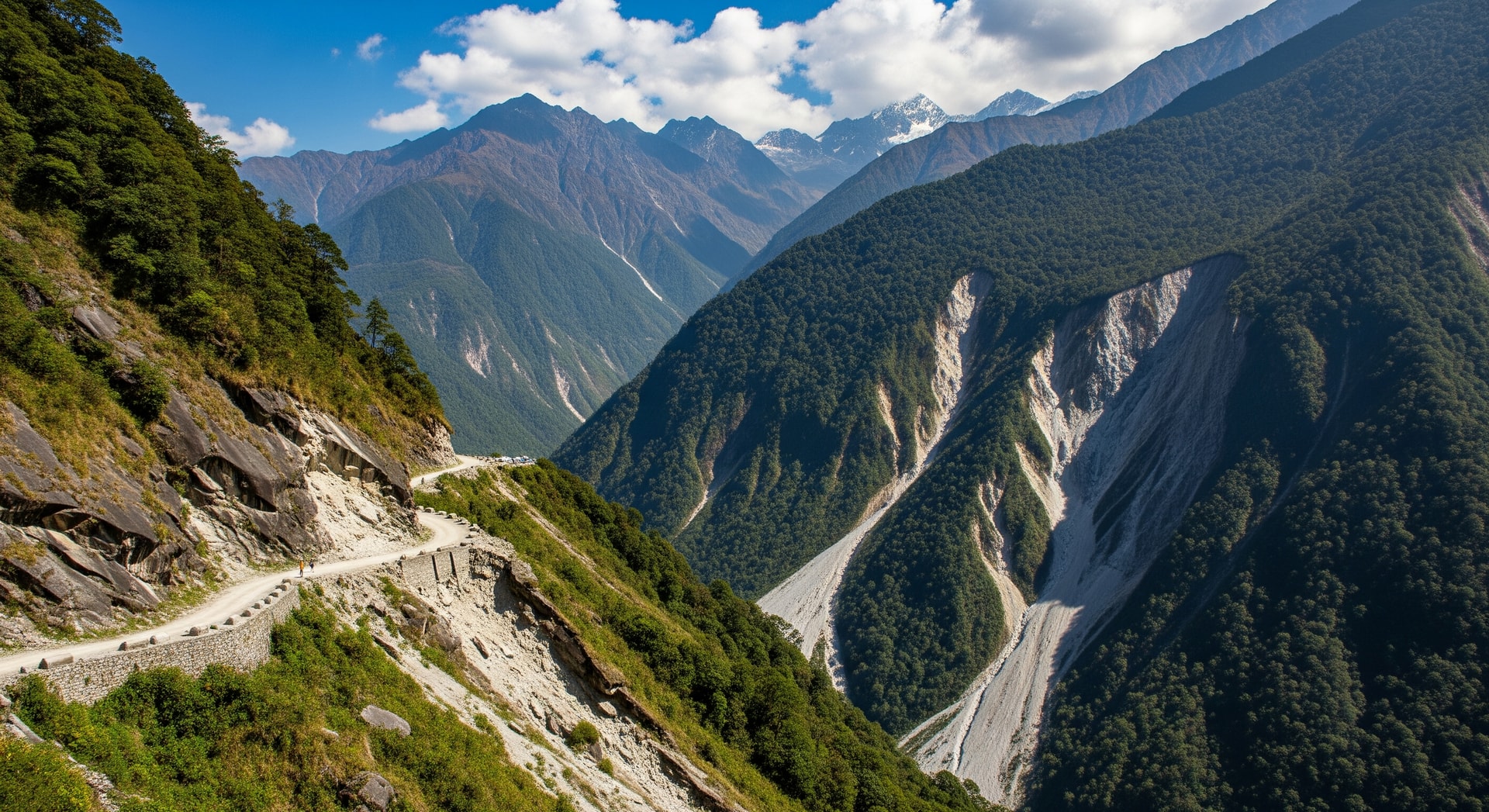
The Sikkim earthquake on February 27, 2026, disrupted travel across India, Nepal, Bangladesh and Bhutan as authorities imposed temporary restrictions and tourists reconsider plans.
Summary: The Sikkim earthquake on February 27, 2026, produced tremors felt across India, Nepal, Bangladesh and Bhutan, triggering immediate travel disruptions, temporary restrictions and a likely short-term pause in tourism in affected areas.
A seismic swarm centred in Sikkim on February 27, 2026—the Sikkim earthquake—sent shockwaves through large parts of the eastern Himalayas and into neighbouring countries, unsettling travellers and prompting local authorities to introduce temporary safety measures. Tremors were notably felt in northeastern Indian states and in population centres such as Kolkata, and they reached into Nepal, Bangladesh and Bhutan.
Where the tremors were felt
The quake sequence originated in the Himalayan tectonic zone and registered across multiple countries because of the region's geological sensitivity. Indian states closest to the epicentre experienced the strongest shaking, with other nearby nations reporting milder effects.
- India: Strong shaking in Sikkim and northeastern states, including Darjeeling, Kalimpong, Siliguri and Kolkata; reports of light shaking in Delhi and Guwahati.
- Nepal: Noticeable tremors in areas close to the India–Nepal border.
- Bangladesh: Mild shaking reported in some northeastern districts.
- Bhutan: Mild tremors felt, particularly along the border with India.
Immediate travel disruptions and safety measures
In the hours after the swarm, tourists and operators faced cancellations and delays while officials assessed infrastructure and safety. Although physical damage was limited—confined to a few schools and minor structures—the possibility of aftershocks has led to precautionary closures and checks that affect movement and services.
- Flights: Inspections and safety checks could delay or temporarily suspend services, with Bagdogra Airport named as a key regional gateway that may be affected.
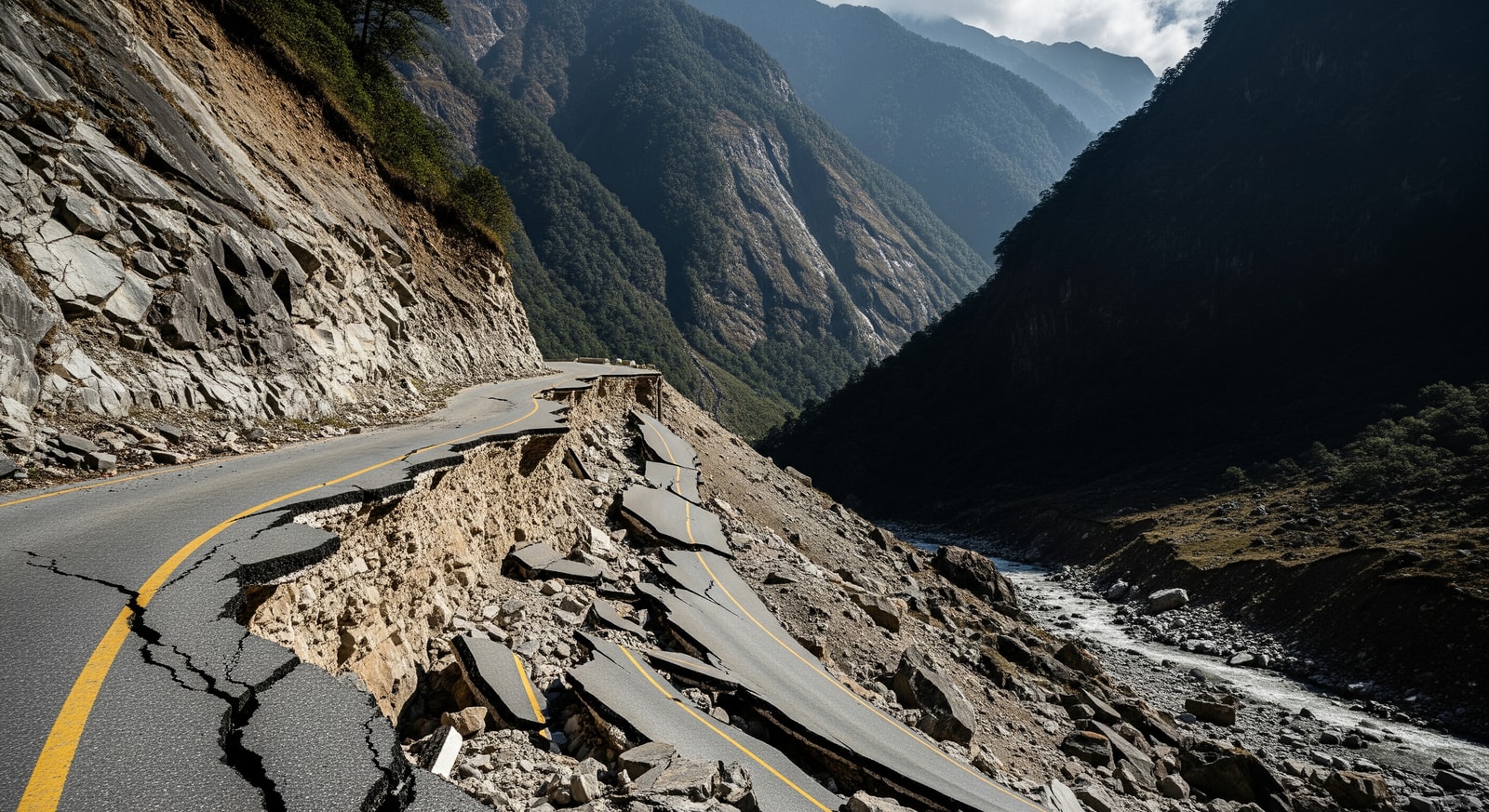
- Roads: Mountain routes are at higher risk of landslides and temporary closures, disrupting access to hill destinations.
- Rail: Services crossing vulnerable terrain may face delays or safety-related suspensions.
- Evacuations and site closures: Parks, trekking routes and some attractions may be closed pending safety assessments.
Medium-term recovery and regional preparedness
Authorities and tourism bodies are expected to focus on reassurance and recovery as aftershocks subside. The affected areas, including Sikkim and the surrounding northeastern circuit, are important to regional tourism and will likely prioritise inspections, infrastructure checks and communication to restore visitor confidence.
Sikkim's tourism strengths remain intact
Sikkim continues to offer major natural and cultural attractions that draw visitors: Tsomgo Lake, Yumthang Valley and the Kangchenjunga massif remain core assets. The state has improved connectivity in recent years, particularly via Bagdogra Airport, and these investments will aid recovery once safety checks are complete.
Longer-term shift toward seismic-resilient tourism
In the long run, the event may accelerate investments in earthquake-resilient infrastructure, improved evacuation planning and clearer risk communication for travellers. Destinations across the Himalayan region are likely to emphasise preparedness to reassure both domestic and international visitors.
What travellers should do now
- Check official advisories from local authorities and airlines before travel.
- Allow flexibility in itineraries and expect possible flight or rail delays.
- Confirm accommodation and transport providers have up-to-date safety protocols.
- Buy or verify comprehensive travel insurance that covers natural disasters.
- Avoid travelling into restricted or recently inspected zones until cleared.
So what? For travellers, the Sikkim earthquake means planning for potential delays, confirming bookings and prioritising safety. For the tourism industry, it underlines the importance of seismic resilience and clear crisis communication to restore visitor confidence quickly. Monitoring official updates from authorities in India, Nepal, Bangladesh and Bhutan will be essential for anyone with plans in the region.
Sources