Thailand wellness travel is expanding rapidly under the government’s Medical Hub Policy, with Bangkok, Phuket, Chiang Mai and Koh Samui emerging as leading wellness destinations.
Summary: Thailand wellness travel is growing under the national Medical Hub Policy, with Bangkok’s clinical wellness centres, Phuket and Koh Samui’s beachfront detox resorts, and Chiang Mai’s meditation sanctuaries driving international demand.
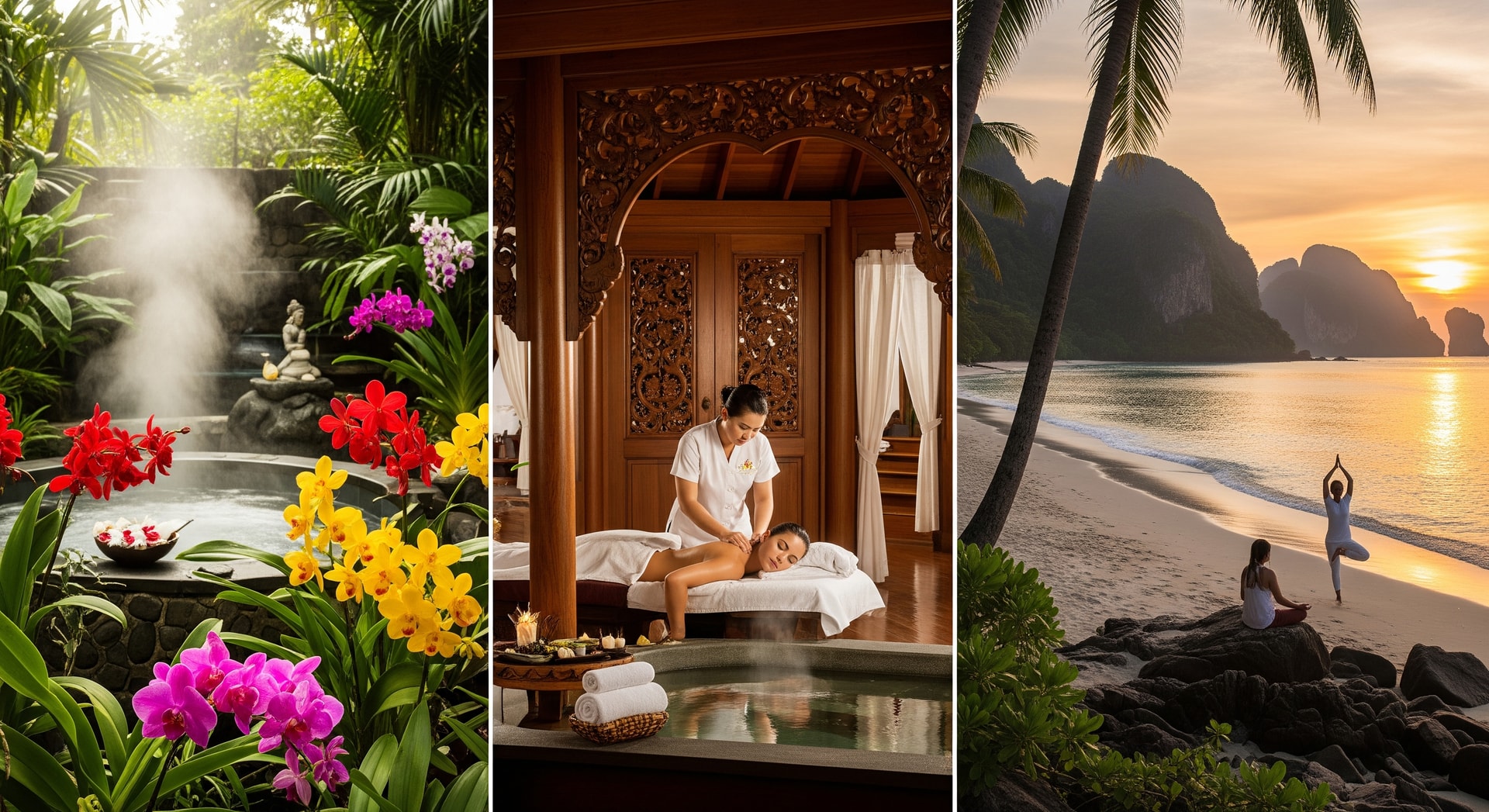
Thailand wellness travel is expanding rapidly, positioning the country as one of the region’s most established health and wellbeing destinations. From Bangkok’s hospital-grade preventive services to Phuket and Koh Samui’s oceanfront detox programmes and Chiang Mai’s mountain meditation retreats, the sector is growing with formal government support and recognised medical standards.
Government strategy: Medical Hub Policy
Thailand’s ambition to lead Asia in health and wellness tourism is formalised under its Medical Hub Policy. The Ministry of Public Health confirms the policy targets four core areas: medical services, wellness services, Thai traditional medicine, and herbal products, placing wellness travel squarely within national priorities.
The Tourism Authority of Thailand has actively promoted higher-value travel segments, including health and wellbeing. Citing the Global Wellness Institute, official commentary notes Thailand ranks among Asia-Pacific’s strongest wellness economies, supported by developed spa infrastructure and trained therapists.
Bangkok: urban wellness combined with preventive care
Bangkok has become a central hub for integrated urban wellness, pairing hospital-standard preventive screenings with luxury recovery services. Internationally accredited hospitals in the capital offer executive health check-ups, anti-ageing therapies and rehabilitation programmes alongside supervised wellness regimens.
- Preventive diagnostics and executive health check-ups
- Integrative therapies combining nutrition, physiotherapy and stress management
- Thai therapeutic massage provided under medical supervision
Phuket and Koh Samui: beachfront retreats and structured detox
In southern Thailand, Phuket and Koh Samui are established centres for spa and detox tourism. The Ministry of Tourism and Sports recognises these provinces as core wellness clusters thanks to resort capacity and strong international connections; Phuket International Airport remains one of the country’s busiest gateways, while Koh Samui attracts longer-stay visitors focused on holistic programmes.
Resorts here operate planned detox schedules, yoga and fitness sessions, and nutrition-led resets. Thailand’s spa sector has also gained repeated international recognition through global spa awards, reflecting sustained service quality rather than short-term promotion.
Chiang Mai: meditation, traditional medicine and nature-based healing
Northern Thailand offers a quieter wellness rhythm. Chiang Mai is noted for meditation centres and traditional healing practices. The Department for the Development of Thai Traditional and Alternative Medicine promotes herbal therapies, compress treatments and therapeutic massage rooted in longstanding knowledge, while meditation retreats often work in coordination with Buddhist institutions.
Recognised standards and regulated services
Thailand’s wellness credibility is underpinned by international accreditation and domestic regulation. Several Thai hospitals hold global quality certifications, and the Ministry of Public Health regulates spa operations to ensure hygiene and professional standards. Formal training institutions supply certified therapists, helping maintain consistent service levels across regions.
- Hospitals with international accreditation strengthen patient confidence
- Spas and therapists regulated by the Ministry of Public Health
- Thai massage is formally recognised and protected under cultural heritage frameworks
Sustainable and long-stay wellness travel is growing
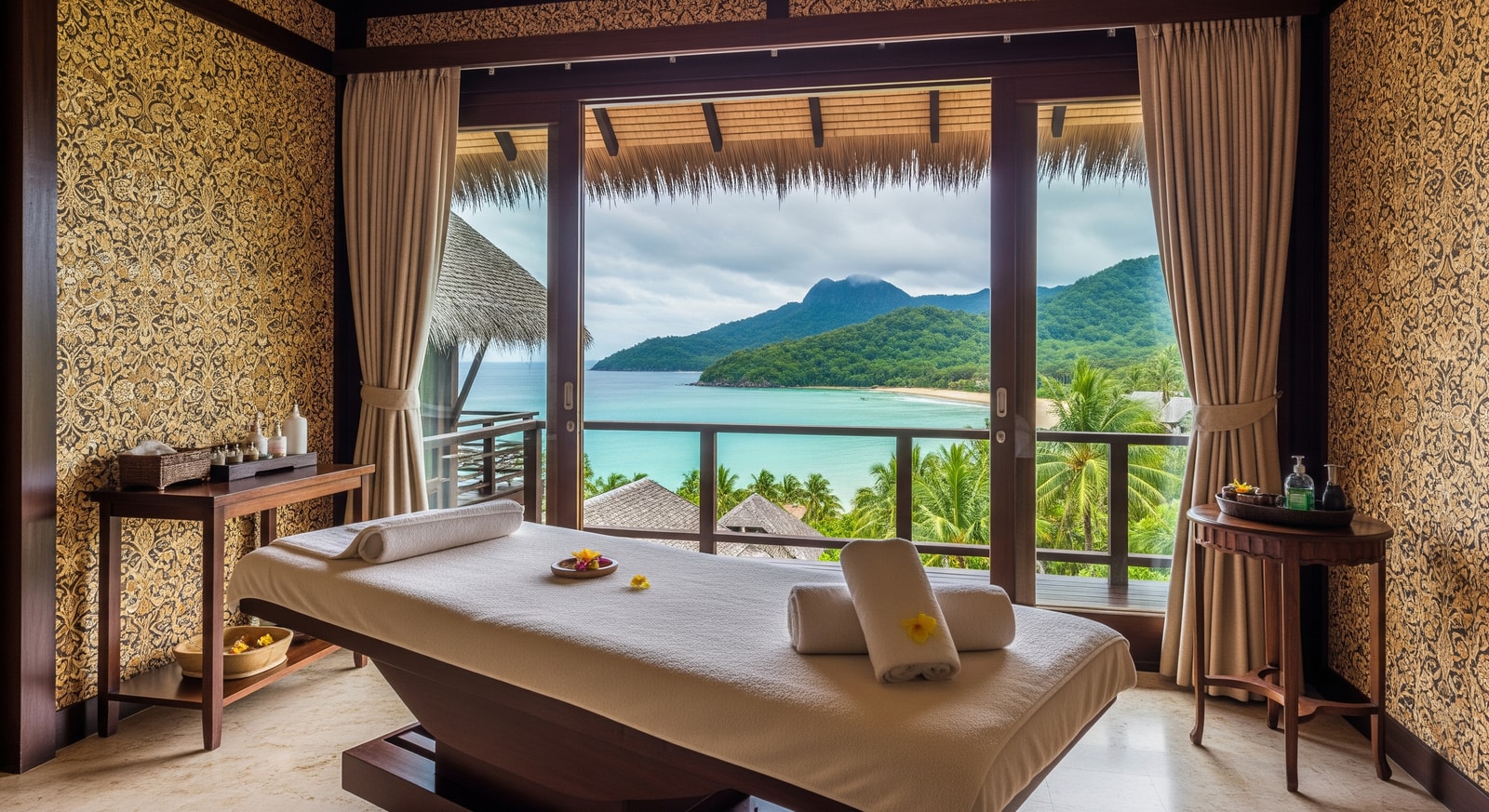
Official tourism policy emphasises sustainable, high-value travel. Wellness visitors tend to stay longer, benefiting local economies; destinations such as Hua Hin and Phuket have developed retirement and extended-stay infrastructure to support travellers seeking lifestyle changes rather than short breaks. Resorts increasingly offer organic, farm-to-table menus aligning with Thailand’s agricultural strengths.
Why travellers and the industry should take note
Thailand’s integrated approach — combining accessible international airports, regulated clinical and wellness services, cultural authenticity and competitive pricing — creates a compelling proposition for travellers seeking credible health, recovery and renewal options. The government-backed framework and regulated supply chain also give travel and health providers clearer standards to meet when designing wellness packages.
So what? For travellers, this means easier access to verified preventive care, certified spa treatments and structured wellness programmes across multiple landscapes — city, beach and mountains. For the travel industry, Thailand’s model signals growing demand for longer-stay, higher-value wellness products that combine medical credibility with hospitality expertise.
Sources