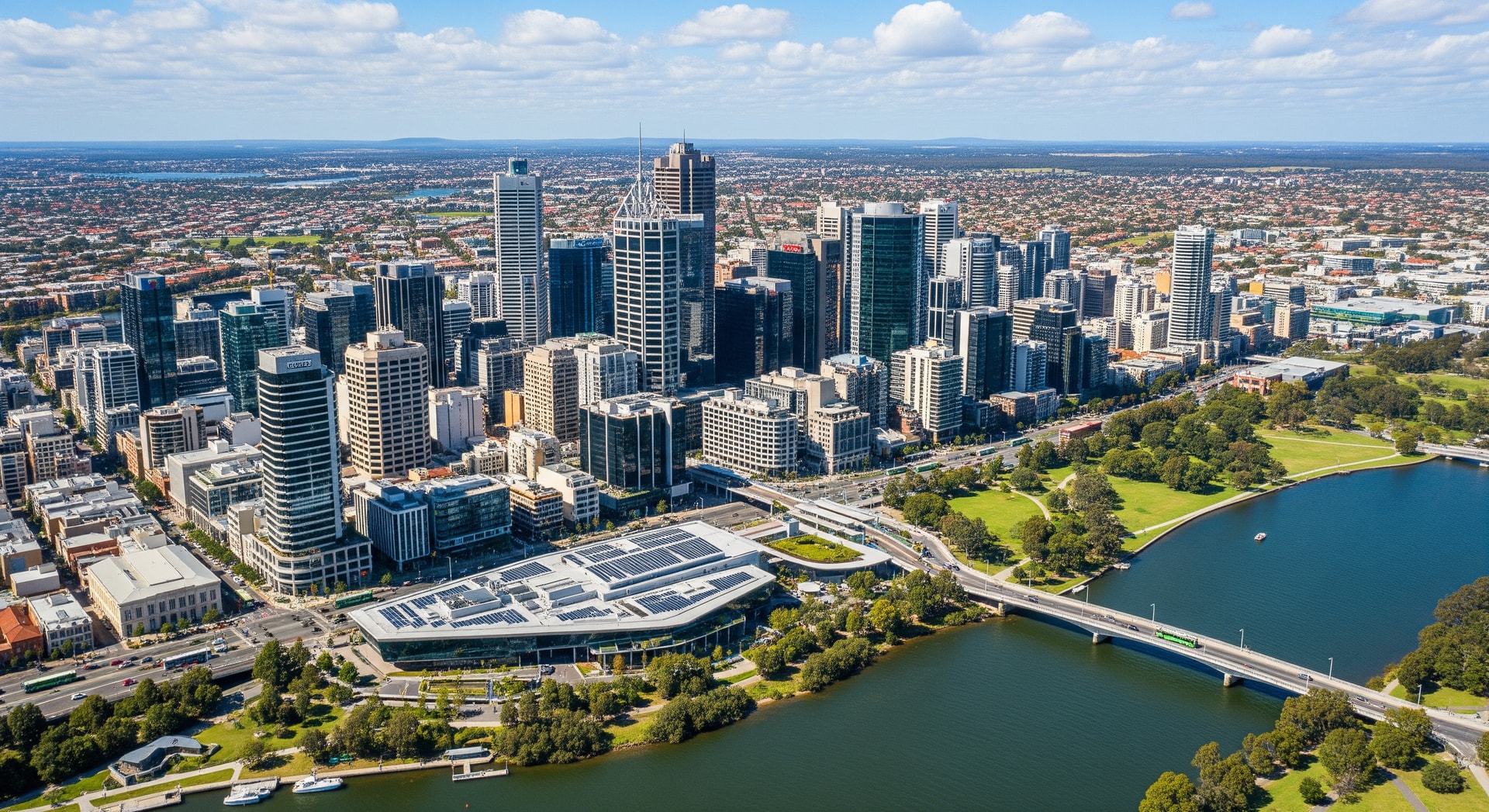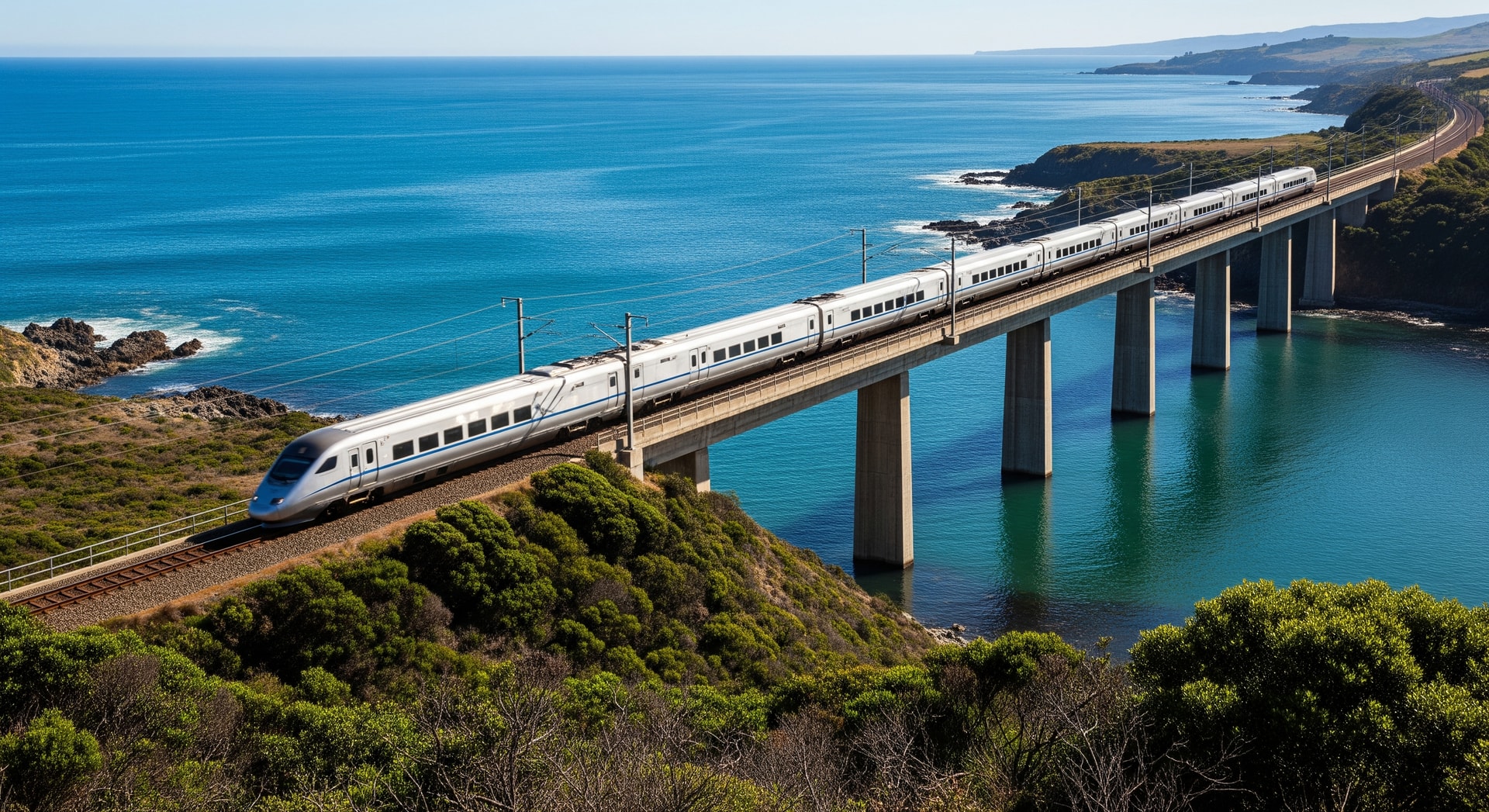
The Sydney–Newcastle high-speed rail will cut journey times to around one hour and is set to transform tourism across New South Wales.
Summary: The Sydney–Newcastle high-speed rail, a $90 billion HSRA-led project with trains reaching up to 320 km/h, will cut travel time to about one hour and is expected to boost regional tourism and local economies across New South Wales.
The Sydney–Newcastle high-speed rail will cut journey times to around one hour and is set to transform tourism across New South Wales. Announced as a major infrastructure priority, the $90 billion programme led by the High-Speed Rail Authority (HSRA) introduces trains capable of reaching up to 320 km/h and aims to deliver faster, more sustainable connections between Australia’s largest city and its coastal regions.
Faster links, broader access
The new service is expected to make travel between Sydney and Newcastle far more practical for tourists and day-trippers. By slashing travel times to approximately one hour, the route should remove a key barrier that has historically limited visits to coastal towns and regional destinations, enabling easier exploration beyond Sydney’s core attractions.
For international visitors, the improved link will pair Sydney’s established draw—landmarks such as the Sydney Opera House, Harbour Bridge and Bondi Beach—with the coastal and cultural offerings of Newcastle and nearby regions, widening the range of itineraries that travellers can realistically include in short stays.
Benefits for Newcastle and regional economies
Newcastle stands to gain from easier access to a broader visitor base. Known for its beaches, a lively arts and dining scene, and close proximity to the Hunter Valley wine region, the city could see more weekenders, day-trippers and international tourists. Local accommodation, food and retail businesses are expected to receive a meaningful boost from increased footfall.
- Project cost: $90 billion (HSRA-led)
- Top speed: up to 320 km/h
- Target journey time: about one hour between Sydney and Newcastle
- Regional benefits: expanded day trips, weekend tourism, and new precinct development
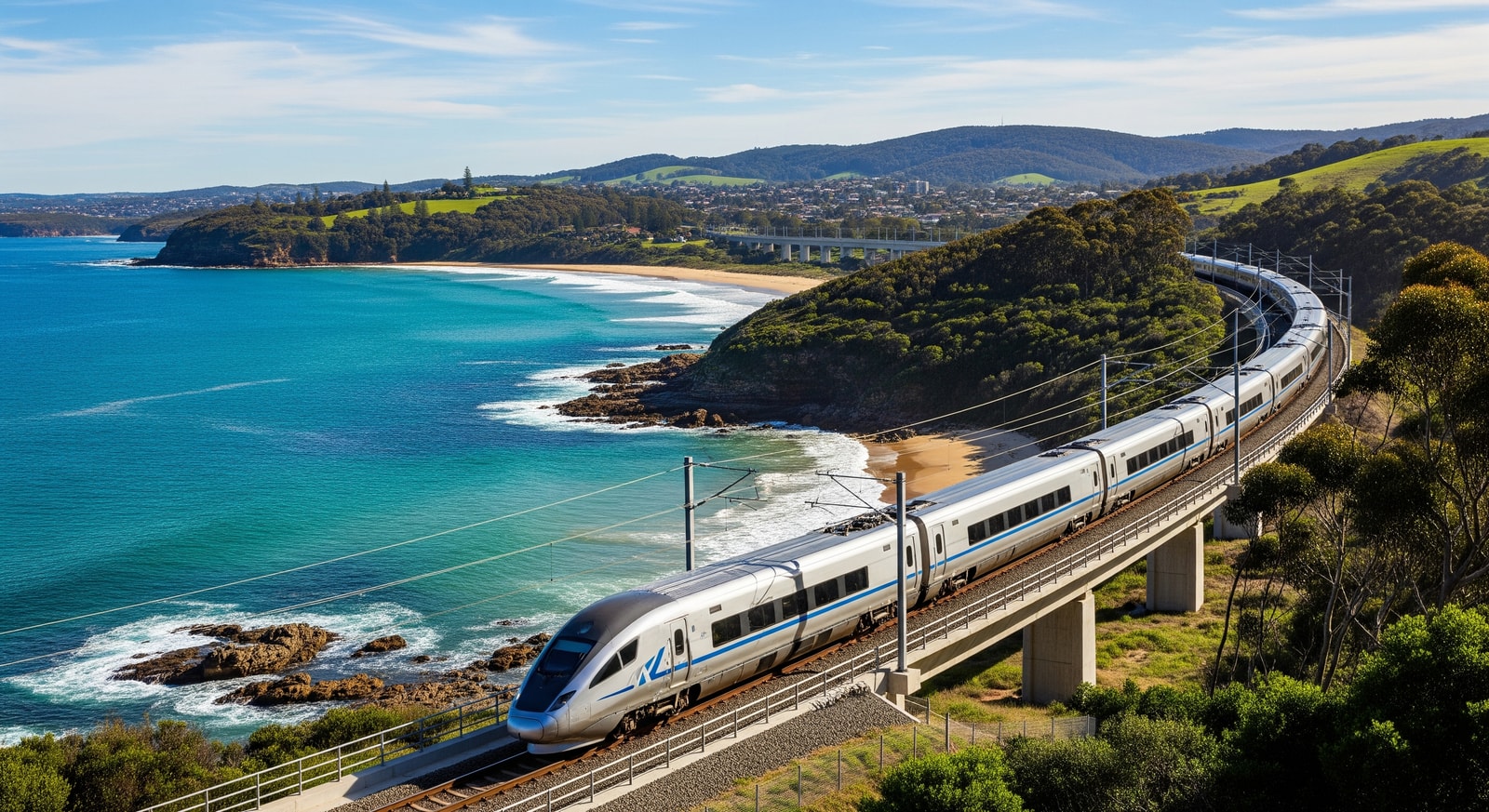
Integrated stations and new visitor experiences
The HSRA has indicated that station precincts will be planned to link seamlessly with local transport and tourist sites, making onward travel to places like the Blue Mountains, Central Coast and Hunter Valley more straightforward. That integration is designed to encourage multi-destination trips and to support new tourism offerings along the corridor.
Beyond direct visitor numbers, the rail link is expected to ease visitor concentration in Sydney’s busiest spots by dispersing demand across the state, which could improve the overall tourist experience and relieve pressure on over-visited sites.
Economic and environmental impacts
Economically, the project aligns with national tourism strategies by creating jobs in hospitality, retail and local services and by spreading visitor spending more evenly across regions. Environmentally, the HSRA positions the rail line as an eco-friendlier alternative to driving or short-haul flights, with the potential to reduce carbon emissions and road congestion.
As planning progresses, stakeholders say the rail scheme is more than an infrastructure upgrade: it is intended to be a catalyst for regional development, new tourism products and improved accessibility for both domestic and international travellers.
Why this matters: For travellers, the development means faster, more reliable travel between Sydney and coastal New South Wales, making multi-stop trips and short regional getaways more feasible. For the tourism industry, the project promises to widen visitor dispersion, support local businesses and underpin longer-term sustainable growth across the corridor.
Planning a trip to New South Wales? The Sydney–Newcastle high-speed rail could soon expand your day-trip and weekend options, offering quicker access to beaches, wineries and national parks.
Sources