Scenic cycling routes in Canada, Australia and Europe are drawing global attention, with Bow Valley Parkway ranked first in a new list of the world’s top rides.
Canada’s Bow Valley Parkway topped the latest global scenic cycling route ranking with 97/100, ahead of Australia’s Great Ocean Road on 94/100 and Italy’s Tuscany Gravel Routes on 91/100.
Canada leads the global scenic cycling list
Canada, Australia and Europe have emerged as leading forces in cycling tourism, according to a ranking reported by Travel And Tour World. The Bow Valley Parkway in Alberta took first place, supported by its Rocky Mountain scenery between Banff and Lake Louise. Australia’s Great Ocean Road ranked second, while Italy’s Tuscany Gravel Routes placed third.
The report frames cycling as a fast-growing segment of active and sustainable tourism. It notes that bike journeys can extend visitor stays, spread spending into smaller communities and combine nature, culture and local experiences in ways that conventional sightseeing often does not.
Top routes combine scenery, access and local culture
The highest-ranked destinations share several qualities: strong natural landscapes, safe and accessible riding conditions, established tourism infrastructure, cultural stops along the way, potential for multi-day itineraries and links with local communities. The report says these factors help routes attract professional cyclists, leisure riders, families, adventure tourists and luxury travellers seeking outdoor experiences.
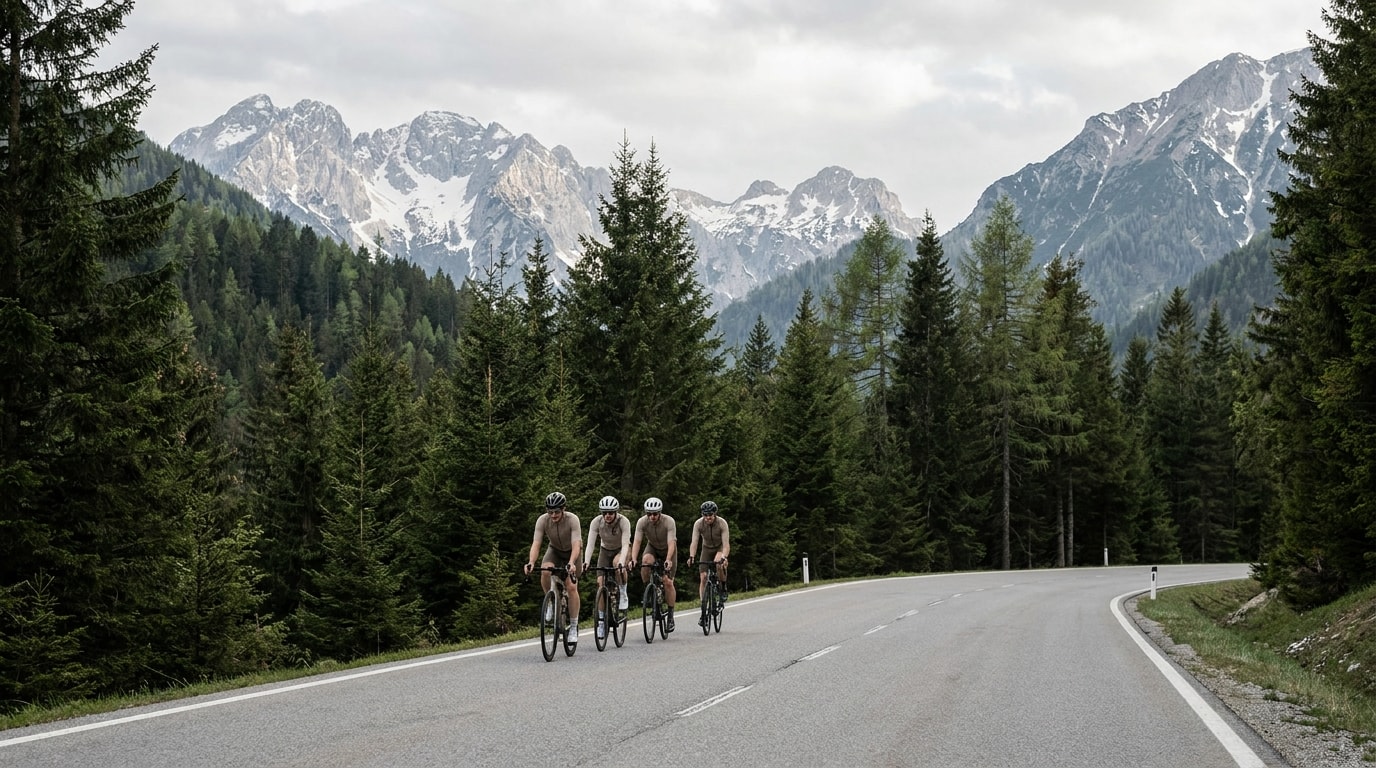
Bow Valley Parkway’s 97/100 score reflects its position inside one of Canada’s best-known nature tourism corridors. The route offers views of mountains, forests, rivers and wildlife-rich landscapes, while connecting Banff and Lake Louise. Its appeal is not limited to highly technical cyclists, making it suitable for visitors who want a slower, more immersive way to experience Alberta’s mountain communities.
Australia and Italy reinforce the trend
Australia’s Great Ocean Road scored 94/100 and was highlighted as a major coastal cycling landmark. The route in Victoria stretches about 240 kilometres along the country’s southern coastline, passing ocean cliffs, beaches, rainforest areas and well-known natural formations. Although long established as a scenic drive, it is increasingly important for active tourism, with cyclists stopping in coastal villages and supporting hotels, cafés, restaurants, cycling operators and outdoor experience providers.
Italy’s Tuscany Gravel Routes ranked third with 91/100. The experience is tied to the Strade Bianche landscape, with white gravel roads, rolling hills, vineyards and historic villages around Siena, Montalcino and Pienza. The report says Tuscany’s appeal goes beyond physical challenge, combining cycling with medieval towns, UNESCO heritage areas, food culture, local traditions and countryside scenery. Spring and autumn are identified as the best periods for riding because of milder temperatures and attractive landscapes.
Europe dominates the top 15
Europe accounted for eight of the top 15 scenic cycling routes, underlining its strength as a global bike tourism centre. The continent benefits from historic towns, varied landscapes, mature cycling networks and relatively easy cross-border travel.
- 1. Bow Valley Parkway, Canada — 97/100
- 2. Great Ocean Road, Australia — 94/100
- 3. Tuscany Gravel Routes, Italy — 91/100
- 4. Elbe Cycle Route, Germany/Czechia — 90/100
- 5. Carretera Austral, Chile — 86/100
- 6. Amsterdam Cycle Route 10, Netherlands — 86/100
- 7. Pacific Coast Highway, United States — 82/100
- 8. Stelvio Pass, Italy — 82/100
- 9. Provence Lavender Route, France — 81/100
- 11. North Coast 500, Scotland, UK — 78/100
- 13. Route des Grandes Alpes, France — 78/100
- 14. Lake Ohrid Circuit, North Macedonia/Albania — 76/100
Germany’s Elbe Cycle Route, which runs around 1,220 kilometres from the Czech Republic to the North Sea, ranked fourth and was noted for river scenery, historic towns and largely flat terrain. The Netherlands placed sixth with Amsterdam Cycle Route 10, combining canals, parks, green corridors and traditional Dutch scenery. France appeared with both the Provence Lavender Route and the Route des Grandes Alpes, linking summer lavender landscapes and demanding Alpine riding between Lake Geneva and Nice.
Remote routes broaden cycling tourism’s reach
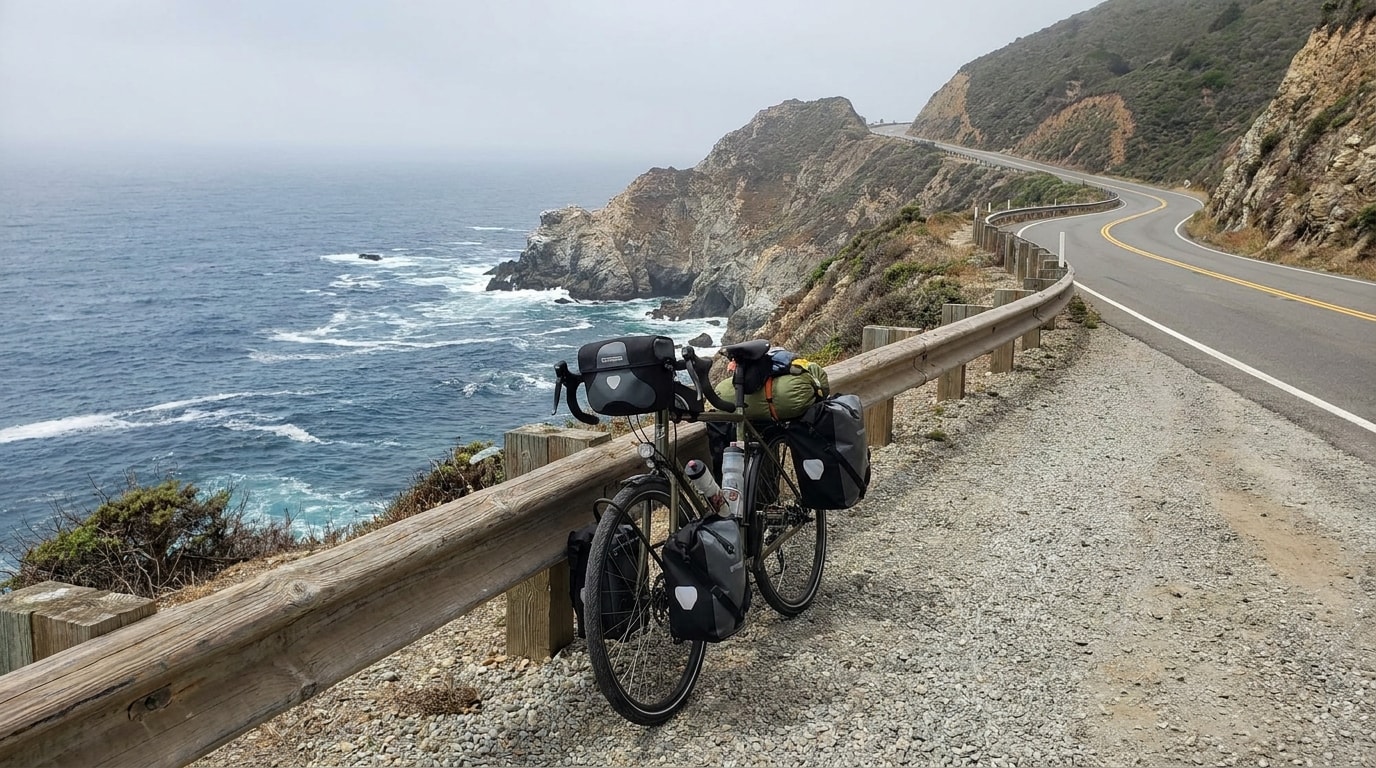
Outside Europe, Chile’s Carretera Austral ranked fifth with Patagonia wilderness, forests and glaciers. The United States’ Pacific Coast Highway placed seventh for its Big Sur coastline, while Scotland’s North Coast 500 entered the ranking with an approximately 830-kilometre route through Highland coastlines, remote valleys and climbs including Bealach na Bà. The Lake Ohrid Circuit, about 92 kilometres around one of Europe’s oldest tectonic lakes, added a cross-border route between North Macedonia and Albania.
For travellers, the ranking points to a broader shift toward slower, experience-led trips that support regional businesses. For destinations, well-planned cycling routes are becoming long-term tourism assets, especially when paired with safety, mapping, accommodation and services designed for riders.