Dublin travel 2025 surges as bookings to Dublin jump 130%, with Malaga and Alicante also recording significant year‑on‑year growth for short European breaks.
Summary: Dublin travel 2025 surges with a 130% year‑on‑year increase in bookings, lifting the Irish capital to third place among Europe’s most popular cities; Malaga (+117%) and Alicante (+172%) post strong gains as short breaks become dominant.
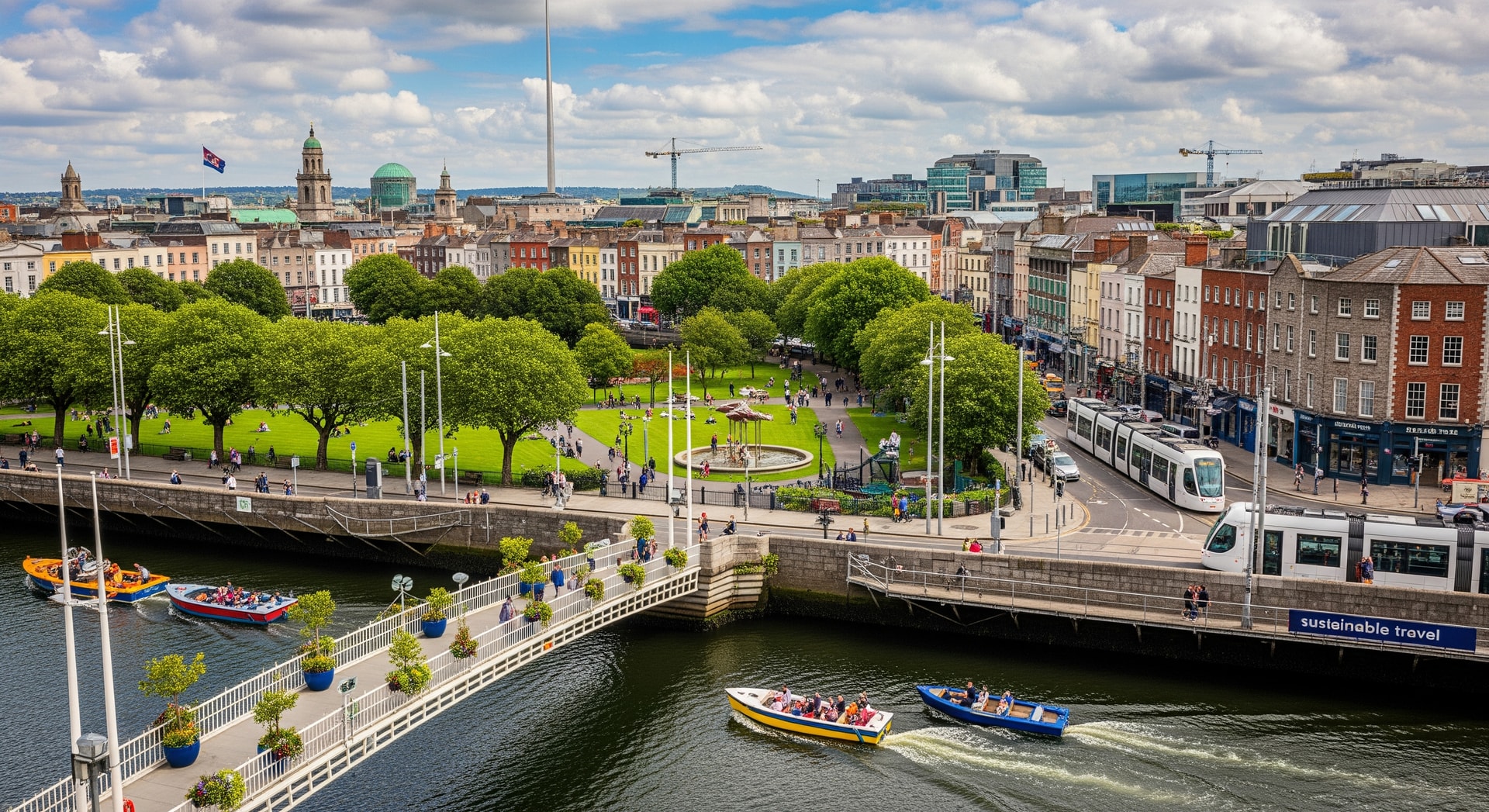
Dublin travel 2025 has seen an unexpected spike: bookings to the Irish capital climbed 130% year‑on‑year, propelling Dublin into third place among Europe’s most booked cities for British travellers after not featuring in the top ten in 2024. Industry observers link the surge to Ireland’s push to market itself as a greener, more sustainable destination alongside its cultural and historical appeal.
Dublin’s rapid ascent in British bookings
The move from outside the top ten in 2024 to the third spot for 2025 underscores how effective destination promotion and a focus on sustainable tourism can shift traveller preferences. Officials and travel marketers say Dublin’s green credentials and compact city experience have resonated with holidaymakers seeking short, environmentally mindful breaks.
Not all European cities enjoyed the same uplift: Amsterdam recorded a drop in bookings of 13%, demonstrating that popularity can fluctuate quickly as travellers recalibrate choices amid economic and global uncertainties.
Spain’s short‑break winners: Malaga and Alicante
Sun‑soaked Spanish cities are proving particularly popular for quick getaways. Malaga’s bookings rose by 117% for 2025, while Alicante saw an even larger jump of 172%. These destinations are emerging as go‑to options for British travellers seeking brief, affordable breaks with good weather and easy access.
- Dublin: +130% year‑on‑year bookings for 2025
- Malaga: +117% bookings
- Alicante: +172% bookings
- Amsterdam: -13% bookings
- European destinations account for 73.4% of British holiday bookings
Short stays are shaping British travel choices
Short city breaks dominate the market: roughly 45% of British bookings are for trips lasting one to three days. Trips of four to seven days make up just over 40% of bookings, while longer holidays of one to two weeks account for only 10% of total bookings. This pattern highlights a clear preference for frequent, compact escapes over extended stays.
Factors driving the move to short breaks include cost considerations, tighter work schedules, and the appeal of spontaneous travel. For many, shorter trips allow visiting multiple cities in a year without the expense or time commitment of longer vacations.
The influence of travel agencies and creative advertising
Agencies such as Forward, using booking data from platforms like lastminute.com, are tailoring campaigns that tap into the demand for sustainable and short‑stay options. Destinations that highlight eco‑friendly credentials and compact cultural experiences are finding it easier to attract environmentally conscious travellers.
Top tips for planning short European breaks
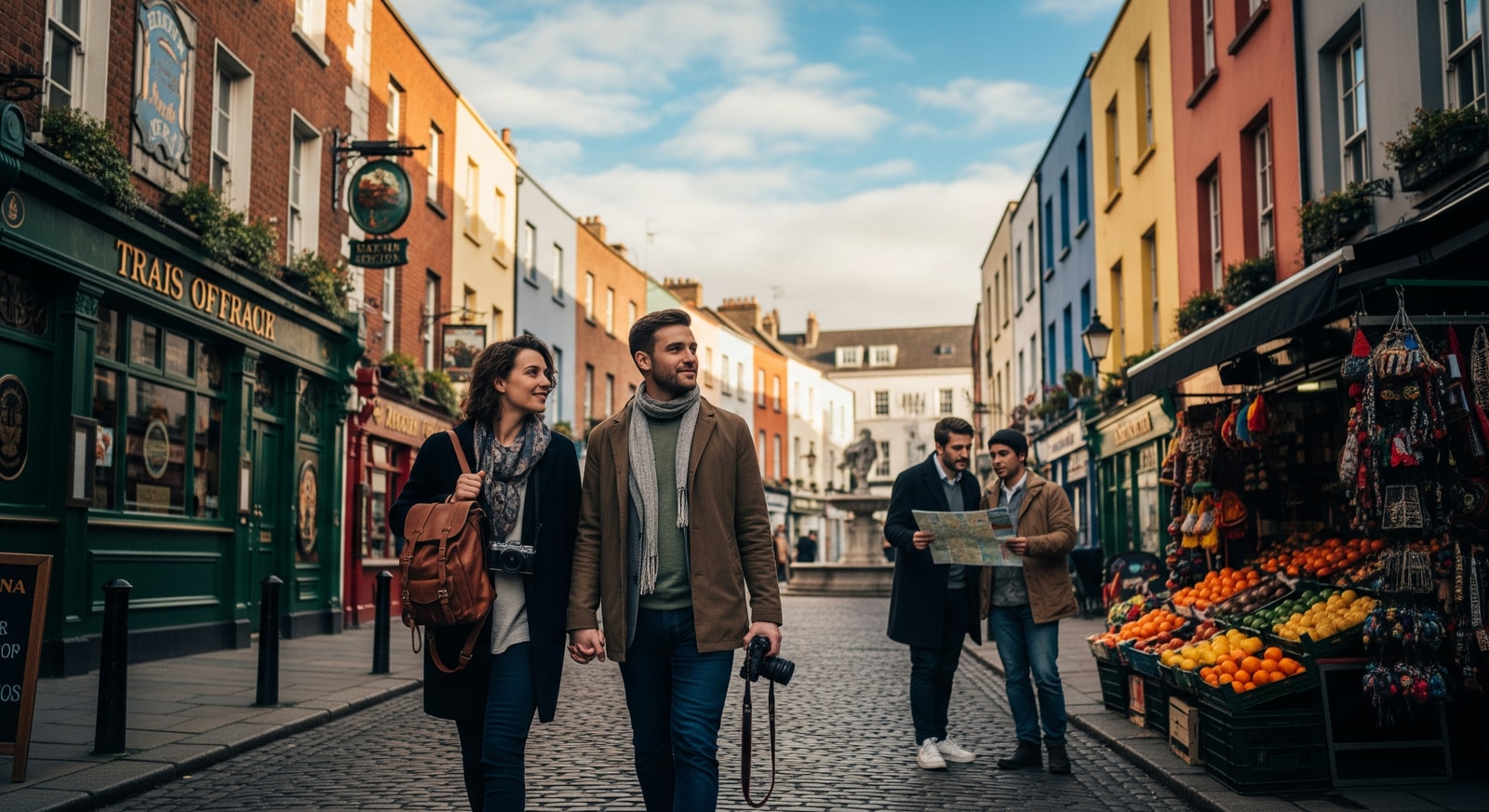
- Book early to secure better fares and accommodation for trending destinations.
- Pack light and travel with hand luggage to save time and cost.
- Explore nearby towns and regions to avoid crowds and discover local charms.
- Choose eco‑friendly hotels and activities to support sustainable travel.
- Use local transport—trams, buses or bikes—to experience the city like a resident.
As economic and global uncertainties persist, travellers are adapting by taking more frequent, shorter trips and favouring destinations that offer sustainability credentials and easy access. Cities that emphasize green tourism and effective, targeted marketing are likely to maintain or grow their appeal among British holidaymakers.
So what? For travellers, the trend means more options for quick, affordable European breaks—especially to cities promoting sustainability—and a competitive market where early booking and flexible itineraries pay off. For destinations and the travel industry, it highlights the commercial value of green positioning and nimble marketing to capture short‑stay demand.
Sources