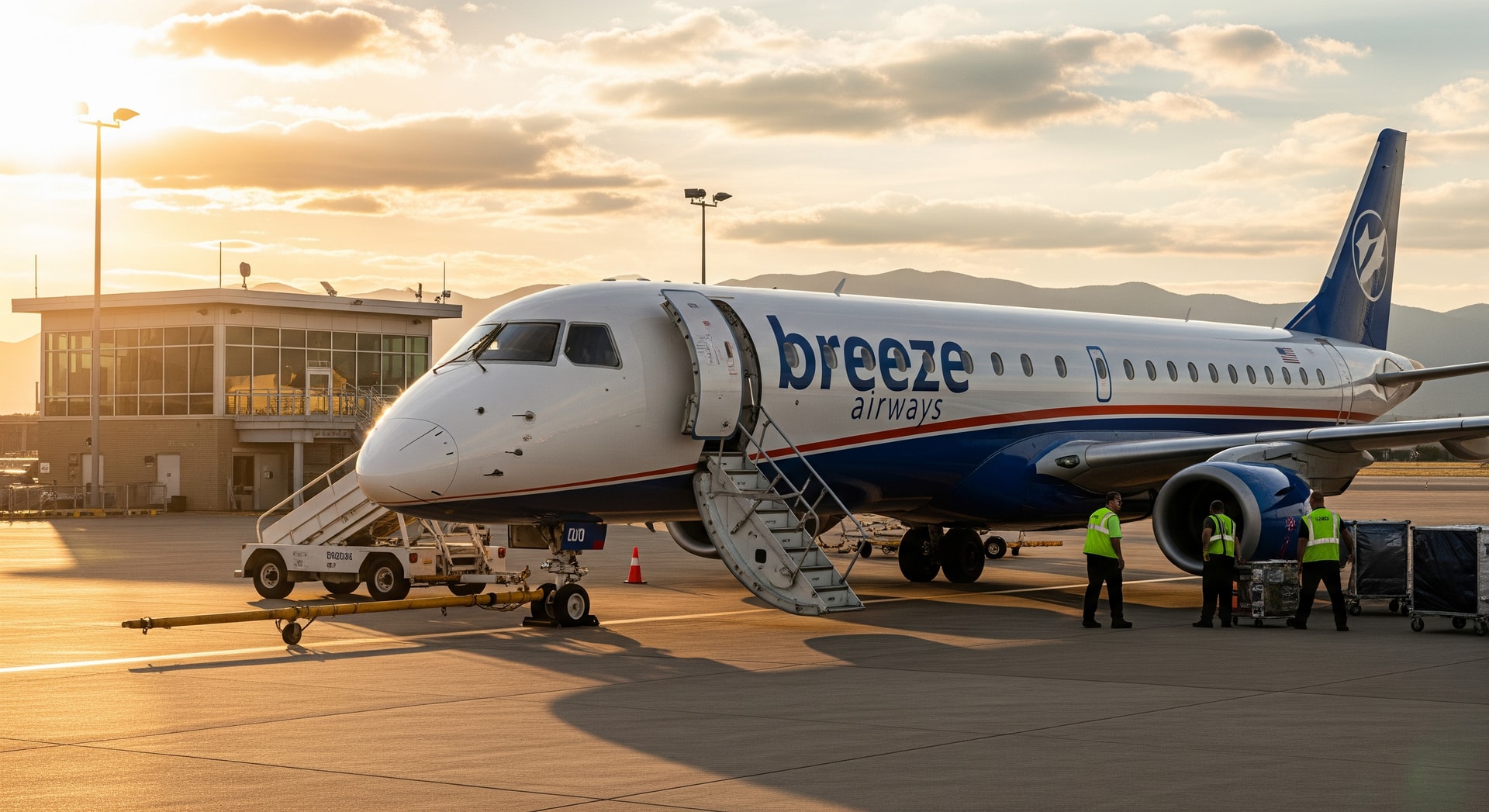
Valentine's Day travel bookings surged nearly 50% year‑over‑year in 2026, with Arizona, Florida, New York, California and Nevada among the top domestic destinations.
Summary: Valentine's Day travel bookings rose nearly 50% year‑over‑year in 2026, with Arizona named the top domestic destination and Florida, New York, California, Nevada, Utah and Hawaii also registering strong demand.
Valentine's Day travel saw large gains in 2026 as couples across the United States booked short breaks and romantic getaways. Data compiled for the weekend shows bookings almost 50% higher than the previous year, driven by demand for experience‑led stays in cities and scenic destinations alike.
Arizona Tops the 2026 Valentine’s Destination List
Phoenix, Arizona, emerged as the #1 domestic travel destination for Valentine’s Day 2026, a signal of the state’s rising popularity for couples. Allianz Partners’ data indicates overall bookings to Arizona were approximately 50% higher than for Valentine's 2025, and roughly 77% of those bookings were domestic.
Observers attribute Arizona’s appeal to mild February weather, dramatic desert landscapes and outdoor experiences such as hot air balloon rides, luxury spa retreats and excursions to Sedona’s red rock vistas. The alignment of the holiday with a weekend also encouraged extended stays from Friday through Monday, lifting hotel demand across Phoenix and Scottsdale.
Florida and New York: Multi‑City Appeal and Urban Romance
Florida recorded broad demand across multiple cities — Orlando, Miami, Fort Lauderdale and Tampa — with Orlando and Miami placing in the top three domestic destinations. The state’s combined offer of beaches, theme parks and nightlife appeals to a wide range of couples.
New York City also ranked within the top five, drawing couples seeking classic urban romance: Broadway shows, skyline dinners and iconic Central Park strolls remain key motivators for travel to the city during Valentine’s weekend.
Nevada, California, Utah and Hawaii: Diverse Romantic Experiences
Las Vegas featured among the top ten Valentine’s destinations, benefiting from a high per‑capita hotel room supply that lets the city absorb large visitor volumes. Nevada’s hotel stock is around one room per 14 residents, far above the U.S. average of approximately one per 67, enabling Las Vegas to manage seasonal surges efficiently.
California’s mix of coastlines, vineyards and city experiences — from Pacific Highway drives to Napa wine tours and Malibu sunsets — kept Los Angeles and other regions in the top ten. Utah’s winter resorts attracted couples seeking snowy escapes, while Hawaii remained a strong pick for beachside luaus and sunset cruises; historical data shows Hawaii had near‑80% hotel occupancy in February 2024 with room nights up 5.3% versus 2023.
How Couples Booked Their Getaways
- Direct bookings: Hotels offering Valentine’s packages and exclusive perks saw strong direct demand.
- OTAs: Platforms like Expedia and Booking.com captured a large share; research shows more than 50% of consumers favor OTAs for convenience and selection.
- Airbnb & short‑term rentals: Couples increasingly chose private stays — Airbnb reported a 20% rise in romantic‑getaway bookings in the U.S. for the period.
- Boutique and local properties: Smaller hotels and resorts marketed intimate, experience‑driven packages that attracted travelers seeking personalized stays.
Industry metrics underscore the broader trend: STR U.S. hotel data showed roughly 58.9% nationwide occupancy in February with average daily rates increasing year‑over‑year, reflecting stronger pricing power amid heightened demand.
What This Means for Travelers and the Industry
The sizable Valentine’s Day booking spike signals that couples are prioritizing travel experiences and are willing to pay premium rates for curated packages and memorable moments. For hotels and destinations, the trend represents an opportunity to market themed offers, enhance guest experiences and optimize pricing during peak weekends.
So what? Travelers should book early, compare direct and OTA offers, and consider boutique or short‑term rental options for privacy and unique experiences. For the travel industry, these patterns reinforce the value of targeted packages and flexible inventory strategies to capture demand during short, high‑value travel windows.
Sources