Brandywine Bay development in the British Virgin Islands aims to expand sustainable luxury while easing overcrowding at iconic sites such as the Baths.
Summary: The British Virgin Islands has unveiled a phased plan to develop Brandywine Bay as a sustainable luxury destination. The project focuses on ecological restoration—reinstating natural ponds and protecting seagrass—new visitor amenities like artisanal kiosks and a restaurant, and spreading tourism demand away from overcrowded hotspots after a record year of arrivals.
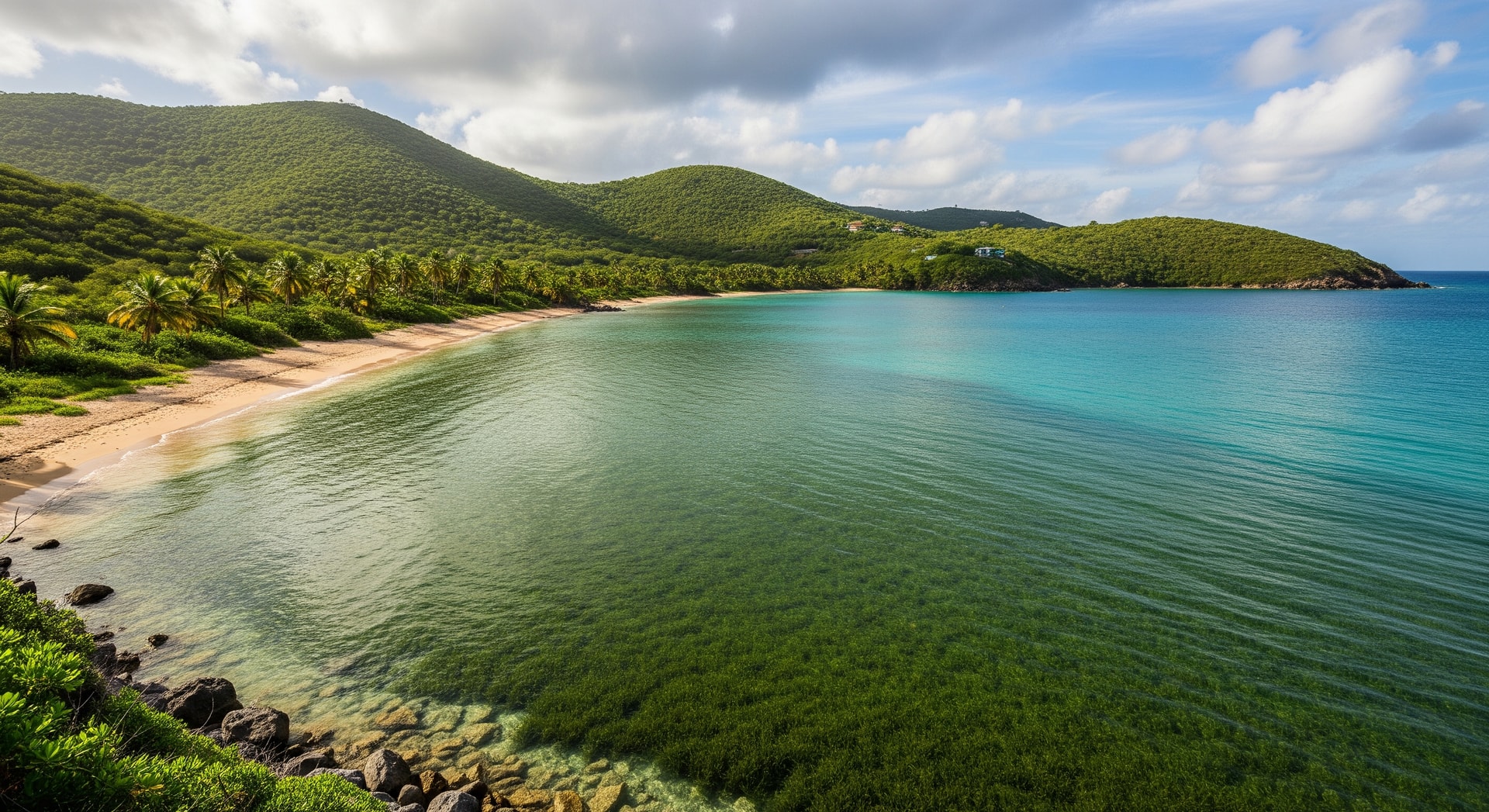
The British Virgin Islands has introduced a multi-stage plan to develop Brandywine Bay that aims to broaden its tourism offering while safeguarding natural systems. Brandywine Bay has been identified to help absorb growth after a record year that saw roughly 1.2 million visitors and more than 800,000 cruise passengers concentrated at a small number of sites.
Why Brandywine Bay Was Chosen
Officials selected Brandywine Bay as a strategic alternative to heavily visited locations such as the Baths and Cane Garden Bay. The territory’s leaders say concentrating more than 800,000 cruise passengers into a few hotspots risks damaging the environmental features that draw tourists, so diversifying sites is a priority.
Environmental Restoration and Ecological Sensitivity
Central to the Brandywine Bay proposal is restoring natural coastal functions. Planners have noted that ponds behind the beach were previously filled in; those ponds play a key role in trapping silt and helping keep the bay’s water clear. Reinstating them is a technical priority to protect the shoreline from runoff.
- Re-establish natural pond systems to trap silt
- Avoid seabed alteration to protect seagrass
- Promote low-impact water activities
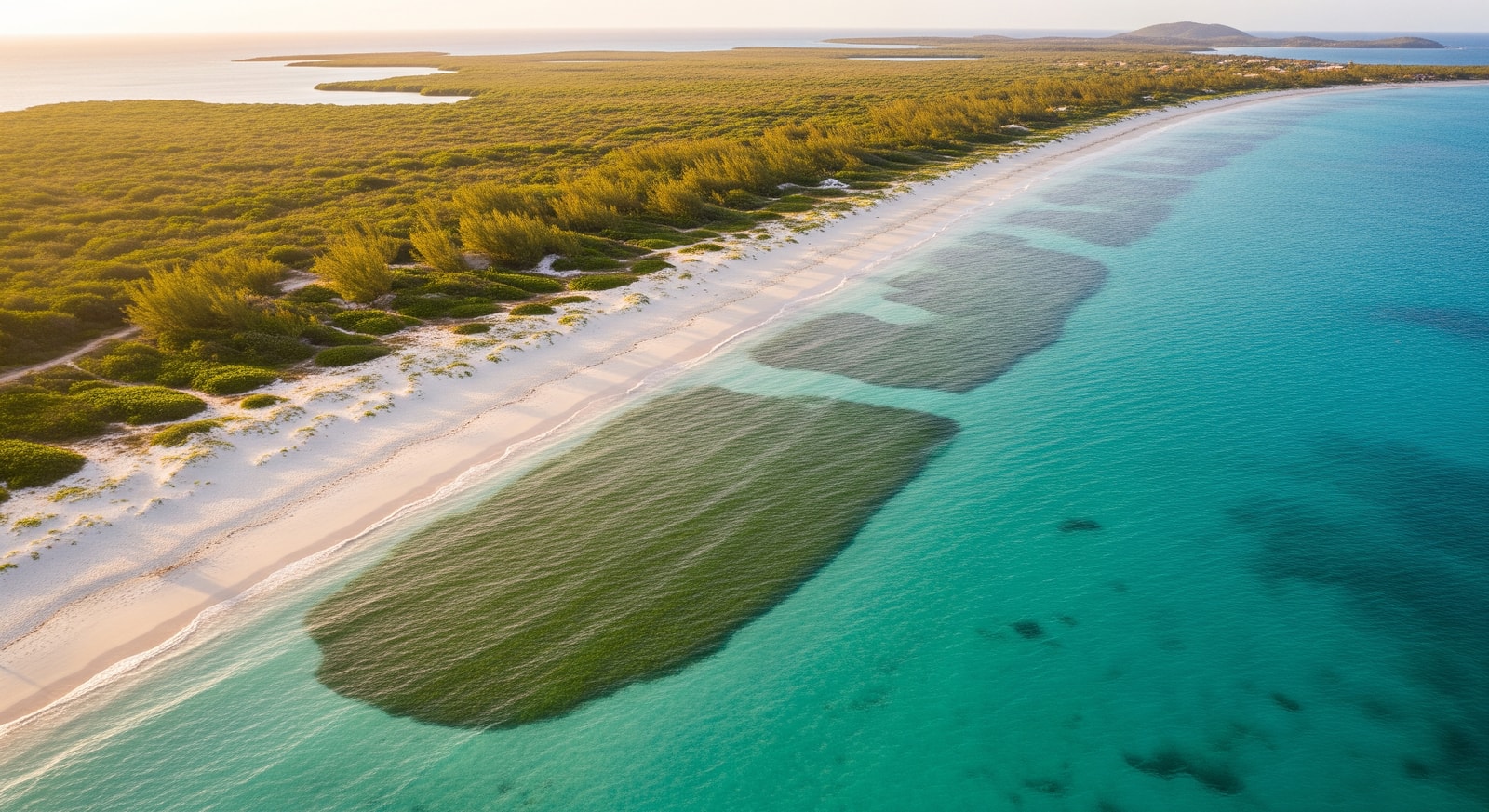
Planners recognise that seagrass beds limit traditional swimming but are important for sand retention. Rather than dredging or changing the seabed, the project emphasises low-impact activities—such as kayaking, snorkelling and paddleboarding—to let visitors enjoy the bay while leaving marine flora undisturbed.
The Architectural Vision: Kiosks and Boardwalks
The first phase will combine habitat restoration with the upgrade of visitor amenities. Existing facilities will be refurbished, and a series of artisanal kiosks—inspired by the aesthetic of the Cyril B. Romney Tortola Pier Park—will be introduced. These small retail units are planned to measure about ten to twelve feet square and will be connected by a new boardwalk.
- Refurbish existing facilities to modern luxury standards
- Install artisanal kiosks linked by a boardwalk
- Build a new restaurant to anchor the site
- Provide space for local vendors to sell Virgin Islands products
The layout is intended to create a relaxed, upscale shoreline experience that contrasts with the busier cruise ports and offers visitors a different pace and quality of engagement with local culture and cuisine.
Economic Empowerment and Land Management
Beyond environmental aims, the project seeks to create sustainable livelihoods by redirecting some tourism revenue away from overloaded West End markets. Officials say the new vendor spaces and visitor flows should enable a fairer distribution of income among local operators.
Planners are also resolving land-ownership complexities: a portion of the intended development area is privately owned, and authorities are engaged in discussions to finalise land-use agreements before major construction begins.
Timelines and the Bigger Picture
The first phase is being fast-tracked with the aim of completion by the start of the next tourist season. While budgets and exact construction schedules remain under refinement, the project is framed within a broader commitment to 'managed growth'—balancing conservation with the operational needs of a thriving tourism industry.
What This Means for Travelers and the Industry
For visitors, Brandywine Bay promises a quieter, higher-quality alternative to crowded hotspots, with activities focused on low-impact water sports and curated local experiences. For the industry, the project represents a model of growth that pairs infrastructure upgrades with ecological safeguards—aiming to maintain the islands’ appeal while protecting the environments that underpin tourism. So what? Travelers can expect expanded, more sustainable options and a shift in how BVI promotes and manages visitor flows to preserve its natural assets.
Sources