Cambodia has extended Siem Reap tax breaks through December 2026 to support hotels, travel agencies and other tourism businesses as the sector recovers.
Summary: Cambodia has extended tax relief for registered tourism businesses in Siem Reap through December 2026. The measures waive most monthly taxes (excluding VAT and accommodation tax), suspend 2026 income tax with carry-forward credits into 2027, and require online filing and proper accounting to qualify.
The Cambodian government has announced an extension of Siem Reap tax breaks designed to help the city’s tourism sector recover, keeping the incentives in place through December 2026. The move targets relief for businesses that rely on visitors to Angkor Wat and other local attractions and comes as authorities seek to address the combined economic fallout from the COVID-19 pandemic and regional border tensions.
What the extension covers
The package extends exemptions for a range of taxes affecting registered tourism enterprises in Siem Reap. Under the measures, most monthly taxes are suspended for qualifying businesses, while certain core levies remain in force.
- Monthly taxes: Exemptions for all monthly taxes except value-added tax (VAT) and the accommodation tax
- Income tax 2026: Waived for 2026 with an option to take tax credits on income tax paid during that year
- Tax credits: Credits can be carried forward into 2027
Who benefits from the relief
The Ministry of Economy and Finance (MEF) has said the measures apply across the board to tourism-related companies in Siem Reap, including hotels, guesthouses, restaurants, tour operators, travel agencies and other enterprises tied to the visitor economy. The aim is to give operators breathing room financially so they can continue operating and rehiring staff.
Officials and industry experts say the freed-up funds should allow businesses to prioritise payroll, recruitment and reinvestment into services and facilities — steps that can accelerate job creation and help stabilise the local labour market.
Compliance and administrative requirements
The MEF has set conditions to ensure transparency and proper use of the relief. Businesses must be registered and maintain accurate accounting records. They are still required to submit monthly tax returns online and follow existing tax laws despite the exemptions.
As part of the fiscal measures, the government emphasised e-filing and online declarations to streamline compliance and has stated that there will be no direct audits for the 2026 tax year, while companies remain accountable through regular filings.
Government support beyond tax relief
The tax extension forms part of a wider recovery strategy that includes improving tourism infrastructure, enhancing transport links, promoting cultural heritage and prioritising visitor safety and comfort in Siem Reap and surrounding areas.
What this means for travellers
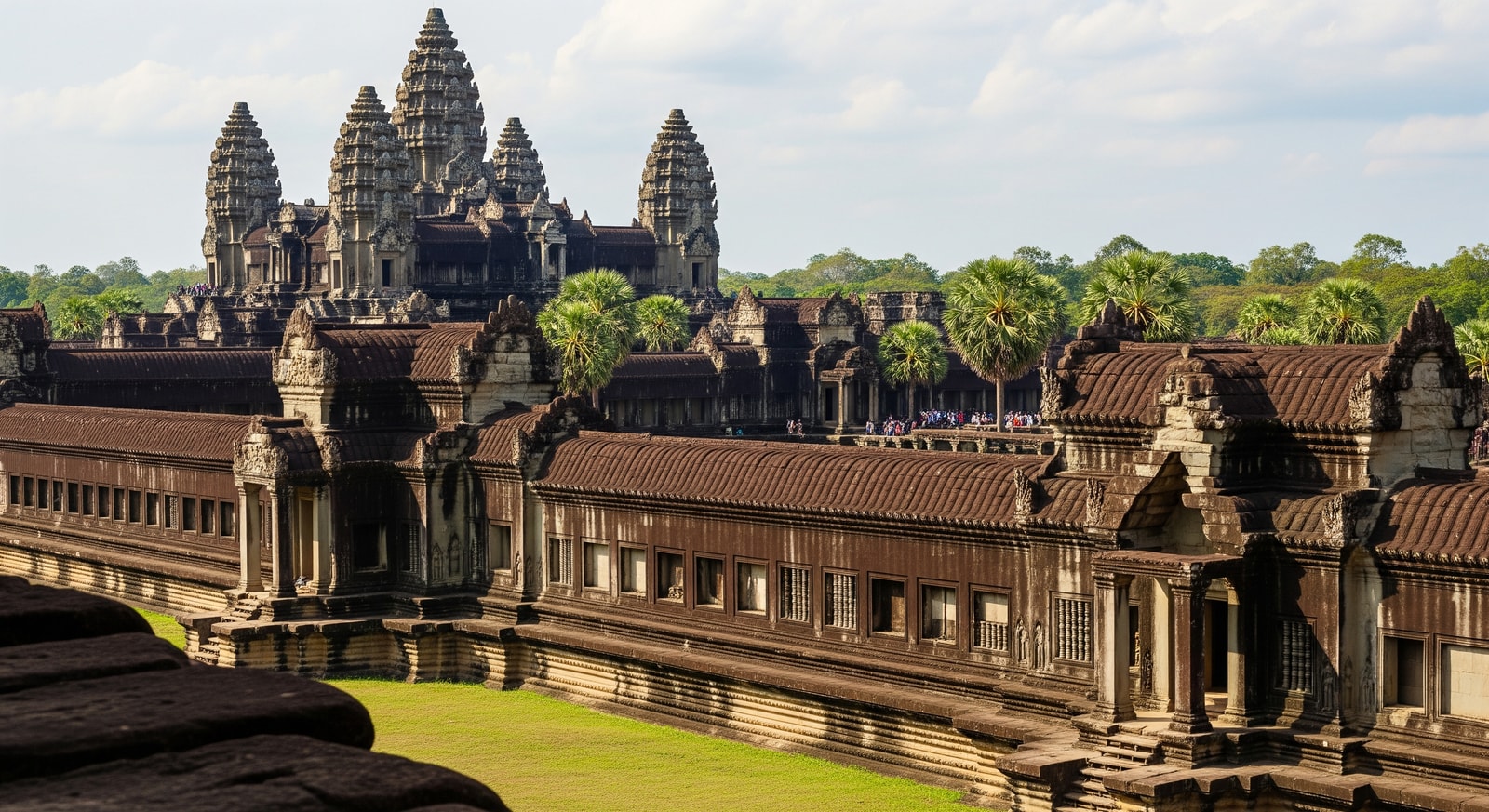
Travellers may see indirect benefits from the extended relief: businesses with improved cash flow can offer competitive pricing, special promotions or reinvest in service quality. Increased financial stability for local operators helps preserve choices for accommodation, tours and dining when visiting Angkor Wat and other attractions.
- Book accommodation early: Demand can remain high as the destination recovers.
- Explore beyond Angkor Wat: Sites such as Ta Prohm, Banteay Srei and Tonle Sap offer additional experiences.
- Support local businesses: Use local guides, take cooking classes and buy handicrafts to help the economy.
- Use online booking systems: Many providers are expanding digital services tied to the tax compliance drive.
- Respect local customs: Observe cultural norms, especially at sacred sites.
By combining tax relief with infrastructure improvements, Cambodia is aiming for a more resilient and sustainable tourism ecosystem in Siem Reap. The policy encourages reinvestment by businesses and supports the preservation of cultural sites while helping communities that depend on tourism income.
So what? For travellers and industry stakeholders, the extension of Siem Reap tax breaks means a better chance that hotels, operators and service providers will remain viable and improve their offerings in 2026. For the local economy it boosts job prospects and helps safeguard the services visitors expect — making now a practical time to plan a trip to Siem Reap while the sector rebuilds.
Sources