Bharat Bandh on February 12 triggered widespread transport and service disruptions across India, with over 600 districts reporting protests and significant delays.
Summary: The Bharat Bandh on February 12 led to large-scale disruption across India. Over 600 districts reported protests and many states — including Odisha, Assam, Kerala and West Bengal — experienced major transport and service interruptions.
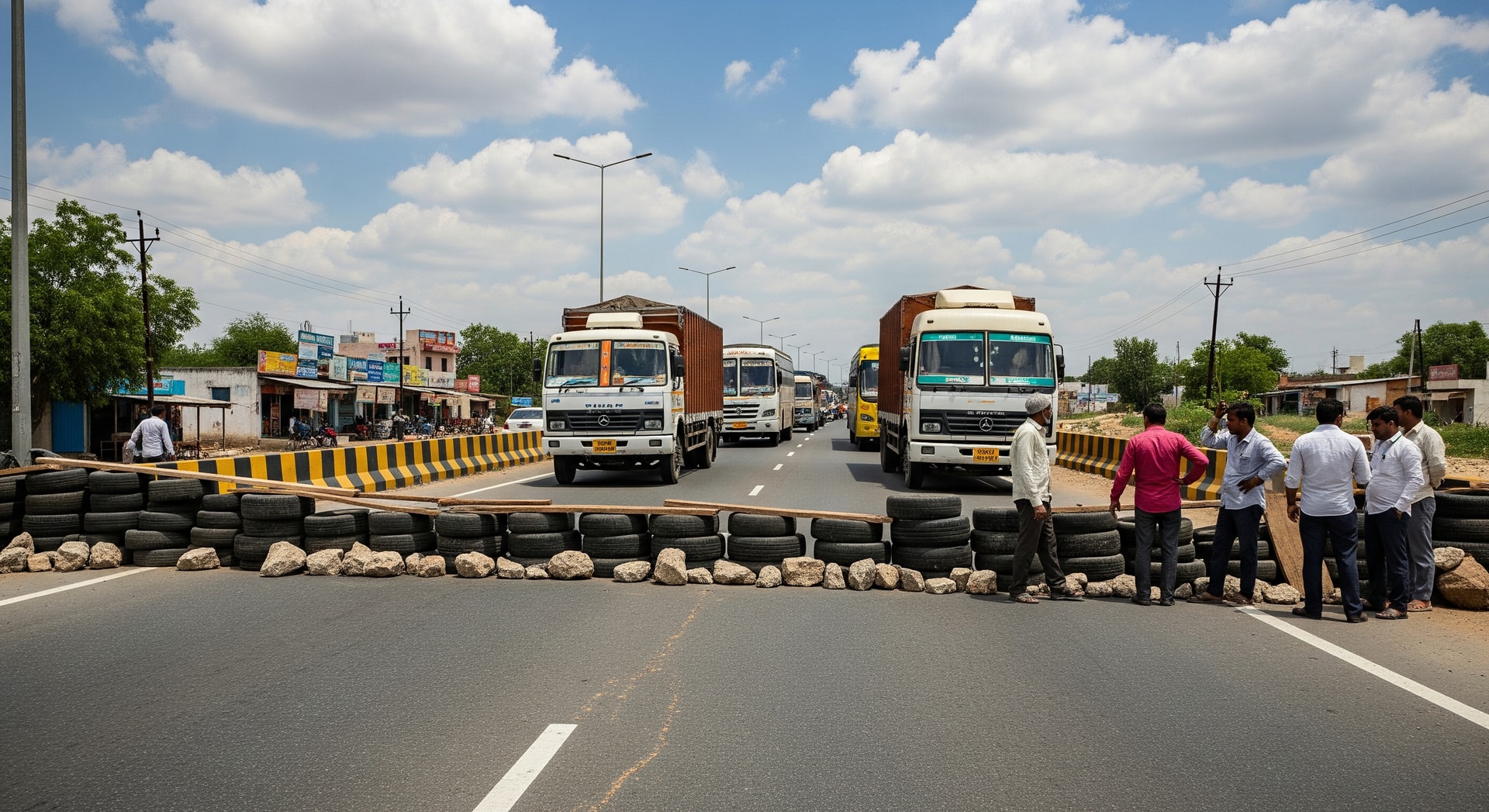
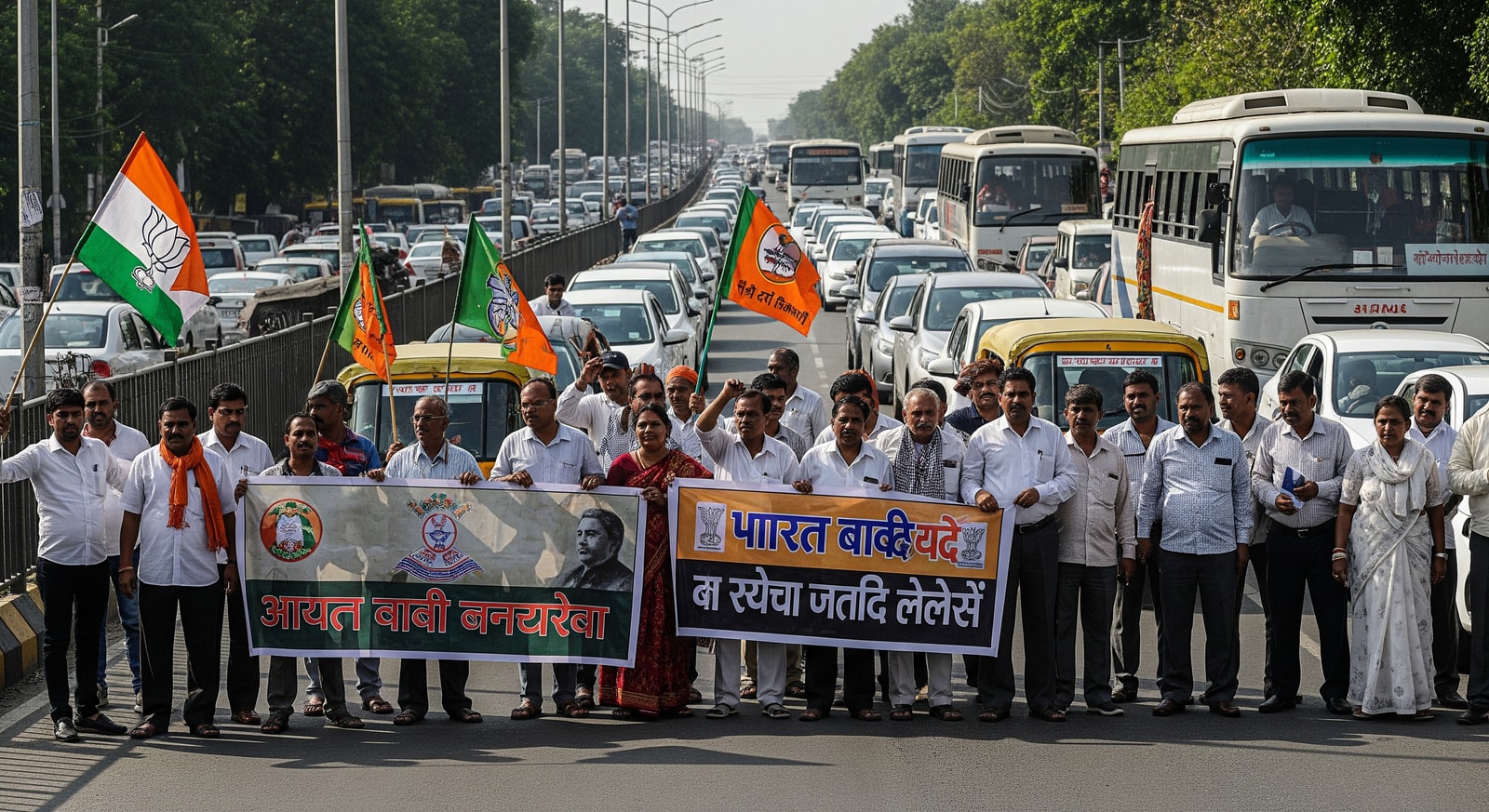
On 12 February 2026, a nationwide Bharat Bandh called by central trade unions and farmer groups interrupted public transport, business activity and daily life in large parts of India. The action, which involved more than 600 districts, produced roadblocks and delays that affected commuters and travellers across the country.
Scope and timing of the strike
Organisers — including ten central trade unions and farmer unions — said the protest aimed to demonstrate opposition to recent government policies they say harm labour and rural economies. The bandh was scheduled to run for a 12-hour period, and organisers characterised the action as an attempt to bring normal activity to a halt using the tactic described as ‘jame-karo’.
Some organisers described the mobilisation as the largest such strike in the last 50 years, and an All India Bandh call was issued that they said produced a countrywide standstill in several locations.
Where disruptions were most severe
The intensity of disruption varied by state, with some regions reporting near-complete stoppages while others remained largely functional. Transport and public services saw the greatest impact in eastern and southern states.
- Odisha: Significant cessation of public transport, major road blockages and a sharp reduction in economic activity; in several districts travel was described as effectively non-viable.
- Assam: High participation led to widespread closures of public transport and economic activity, with authorities restricting movement in affected areas.
- Kerala: Restrictions and picketing prompted state-run and private buses to avoid main routes in parts of the state; travellers should expect delays.
- West Bengal and Karnataka: Surface transport and local services were disrupted in some metropolitan and union-strong areas, though disruptions were not total in major cities.
- Madhya Pradesh and Gujarat: Many districts reported little or no disruption; daily services continued in most places.
Impact on services, education and institutions
Beyond transport, the bandh affected markets, offices and public services in protest-heavy areas. Local shops and markets either closed or reduced operating hours, and some banks and government offices operated with reduced staff on a patchwork basis.
Decisions on closures of schools and colleges were left to state and local authorities, producing a varied picture of educational disruption. Essential services, including hospitals, emergency responders, airports and long-distance rail, remained operational but implemented adjustments to account for traffic and access issues.
Travel advisories and police response
Police and transport authorities increased presence on major routes, set detours where necessary, and provided traffic updates to help manage vehicle flow. Travellers were urged to consult state police and transport department alerts in real time before setting out.
Despite the disruptions, emergency services and utilities prioritised continuity of essential support. Airports and long-distance rail services operated with modifications to schedules and access in areas affected by protests.
Current situation and traveller guidance
At the time of reporting, strikes were ongoing in several districts. State travel agencies and law enforcement recommended that travellers monitor live traffic reports, expect longer journey times and avoid protest sites unless travel is essential.
- Review live traffic and state police updates before travel.
- Allow extra time for journeys and select alternative routes where possible.
- Avoid large gatherings and protest locations unless necessary.
Why this matters: For travellers and the travel industry, the Bharat Bandh highlights how large-scale industrial action can quickly affect mobility, local services and schedules. Those planning to travel within India should check transport providers, monitor official advisories and build flexibility into itineraries to reduce disruption risk.
Sources