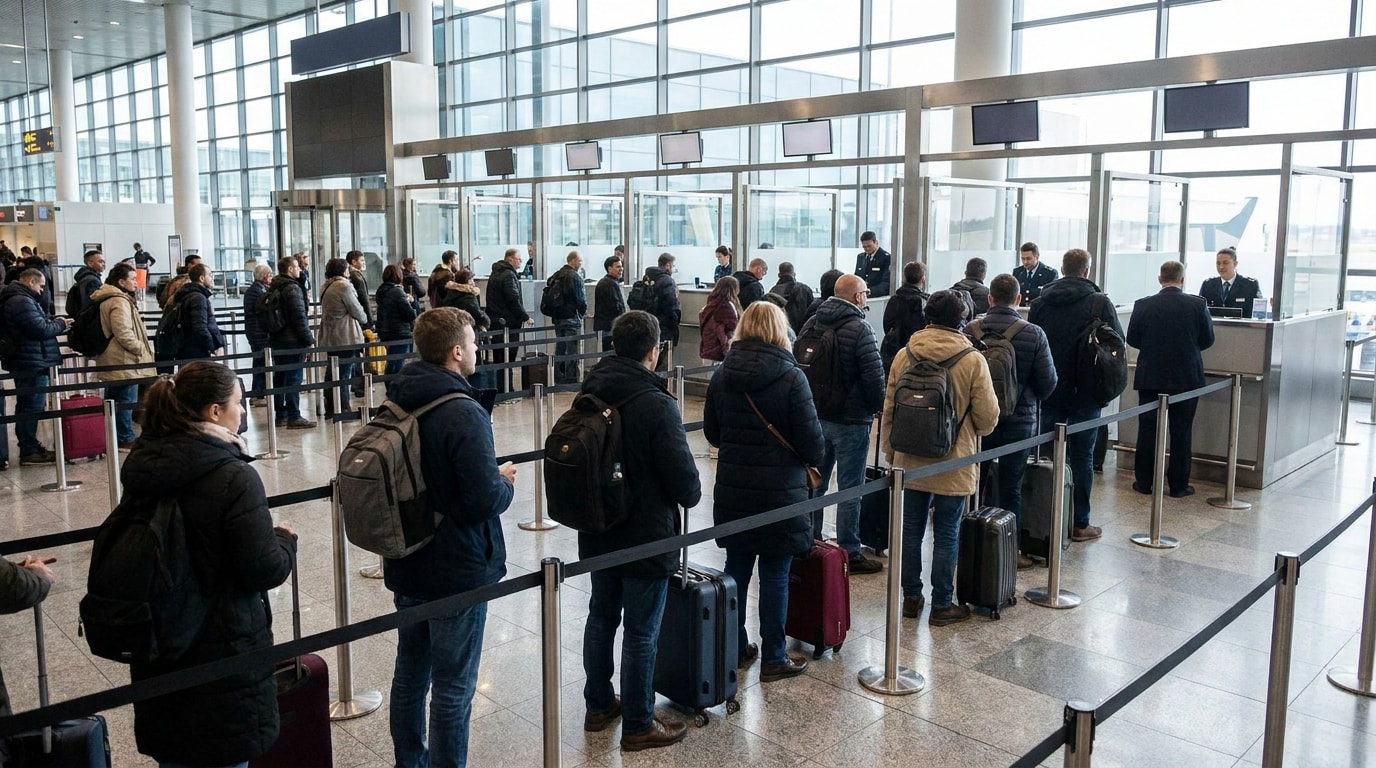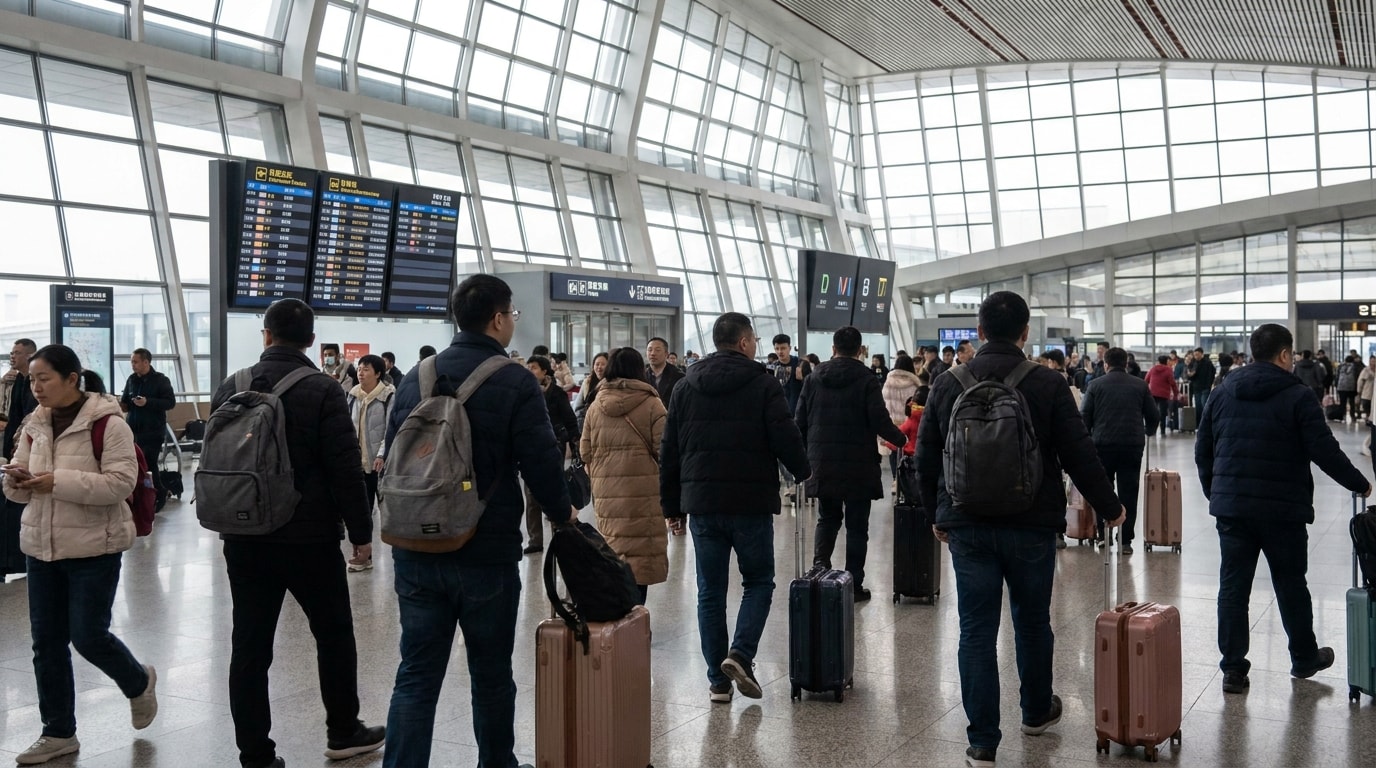
China travel restrictions have expanded under new rules that target citizens accused of harming national security abroad or breaching technology controls.
China has introduced new travel rules that can block certain citizens from leaving the country, including those accused of harming national security overseas or violating technology import and export controls.
New exit rules expand state powers
New regulations covering travel into and out of China took effect on Tuesday, adding to the government’s ability to restrict citizens’ movement. Under the measures, Chinese nationals who are judged to have harmed China’s national security or interests while abroad may be prevented from leaving the country for up to three years after they return.
The rules also allow exit bans for people who breach technology import and export regulations in ways that may endanger national industrial or technological security. Chinese authorities say the measures are intended to protect national sovereignty and security, and deny that they limit the travel of ordinary citizens.
Critics, however, say the changes could give Beijing another way to influence or punish the conduct of Chinese citizens outside the country. Professor Tom Kellogg, Executive Director of the Center for Asian Law at Georgetown University, told BBC Chinese:
This is another tool designed to control what Chinese citizens do and say overseas.
Professor Tom Kellogg, Executive Director of the Center for Asian Law at Georgetown University, added:
In some cases, in order to prevent individuals from criticising the Chinese government overseas or to punish their rights advocacy activities, state security authorities directly refuse to issue passports.
Officials say the measures target risks, not ordinary travel
Piyao, a Chinese government platform used to rebut alleged rumours, said last week that the new rules do not curb ordinary citizens’ travel. It described the measures as preventive steps aimed at high-risk destinations and people with unusual travel patterns. The platform said the regulations were designed to address issues such as people being tricked into leaving China, as well as illegal gambling and scam operations overseas.
- Citizens accused of harming China’s national security or interests abroad can face exit bans after returning.
- People who violate technology import and export rules may also be blocked from leaving.
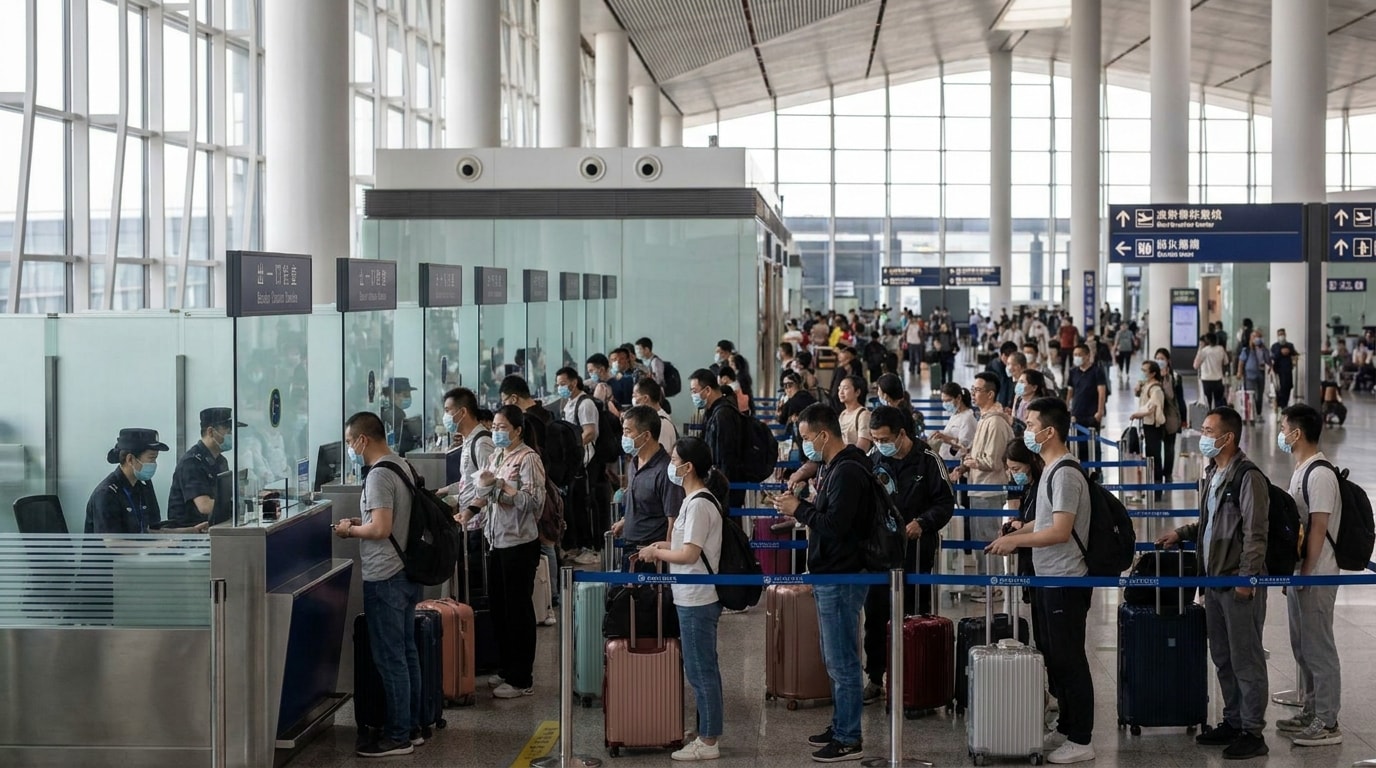
- Border officials must advise Chinese nationals against travel to countries and regions designated as high-risk.
Some citizens report unclear passport barriers
Some Chinese nationals say opaque travel limits have affected them for years. A 26-year-old Chinese citizen using the name Pipi told BBC Chinese that his 2023 passport application was rejected. He believes the refusal was linked to his participation in Hong Kong’s large pro-democracy protests in 2019, during which he said he was interviewed by Hong Kong media outlets.
Pipi said that after returning to mainland China, he was questioned by state security police. He said an immigration official told him he could not receive a passport because of the Hong Kong issue, but he was not given written confirmation. He said that without an official document, he could not apply for administrative reconsideration, and that he did not press the matter because he feared imprisonment. He also said he does not know whether he will ever be able to leave China.
Public information indicates that Chinese citizens cannot independently check whether they are under exit controls. Unless authorities provide written or verbal notice, people often discover restrictions only when applying for documents or trying to leave the country.
Exit bans have risen sharply, rights data shows
Under China’s Administrative Licensing Law, an authority that refuses to grant an administrative licence should explain its reasons in writing. But people interviewed by the BBC said this requirement is not always followed. China’s Ministry of Foreign Affairs and immigration authorities did not respond to questions from BBC Chinese.
Data given to the BBC by the rights group Safeguard Defenders indicates that exit bans have increased steeply in recent years. China’s supreme court database contained 89 records mentioning exit bans in 2016, rising to 188,760 last year. The share of civil verdicts involving exit bans also grew more than 30-fold between 2019 and 2025, from about 0.23% to 7.3%. The true number of cases is believed to be higher because more judgments are being withheld.
Restrictions already affect some civil servants, state-owned enterprise employees and other citizens. A 32-year-old man using the name Xiao Wang, who works at a state-owned financial institution in Beijing, said employees have long had to surrender passports and obtain approval for overseas travel. He said managers have verbally warned staff that sensitive countries, including Japan, are off-limits. He added that some civil servant friends, including museum staff, find overseas travel very difficult and have been told they cannot apply directly for passports because of their jobs.
Professor Kellogg described the widening restrictions as deeply concerning and linked them to growing ideological control under Chinese leader Xi Jinping, comparing the trend to memories of the Mao Zedong era, when China was largely cut off from the world. For travellers and employers, the rules underscore that outbound travel from China may be subject to political, security and workplace controls that are not always visible before departure.
Sources