Simple 4-step process — most applications approved within 24-72 hours
1
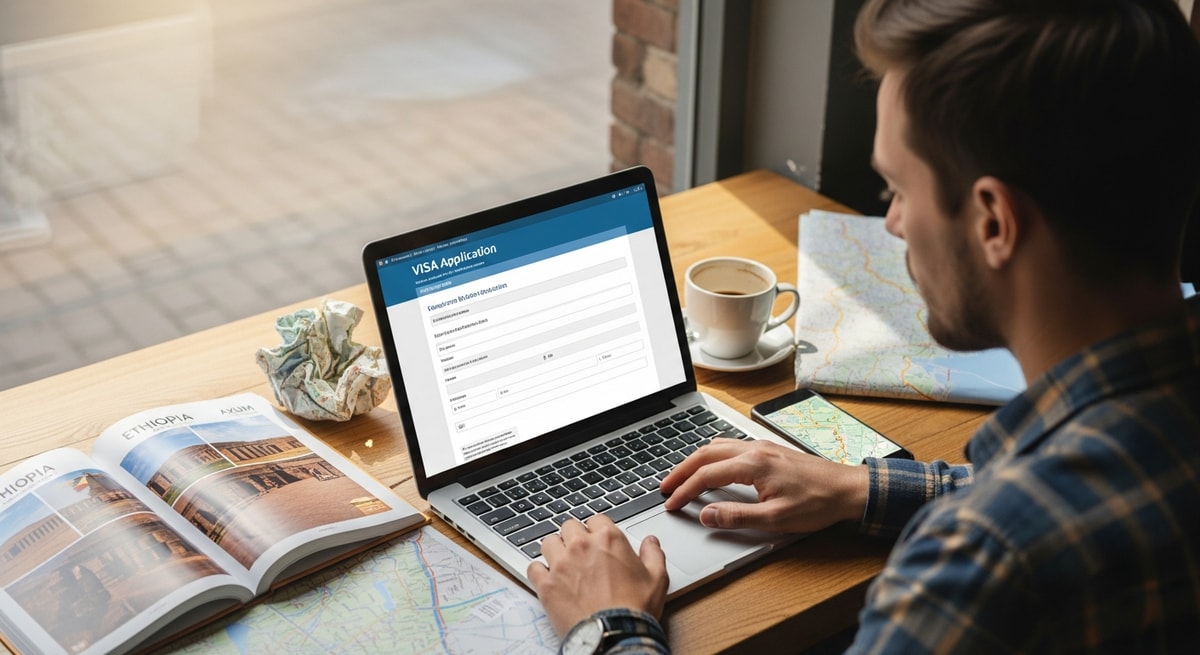
Complete the online application
Fill out our streamlined application form with your personal details, travel plans, and intended itinerary. Our intelligent validation system guides you through each section, checking for common errors and ensuring your application meets Ethiopia Immigration requirements.
2
Upload your documents
Submit your passport scan (bio page clearly visible), a recent passport-sized photograph, and proof of accommodation. Our visa specialists review every document against Ethiopian Immigration standards before submission, significantly reducing the risk of rejection or delays.
3
We submit to Ethiopia Immigration
Your verified application is transmitted directly to Ethiopia's official eVisa portal. We monitor processing status in real-time and proactively communicate any updates, requests for additional documentation, or status changes via email and SMS.
4
Receive your visa by email
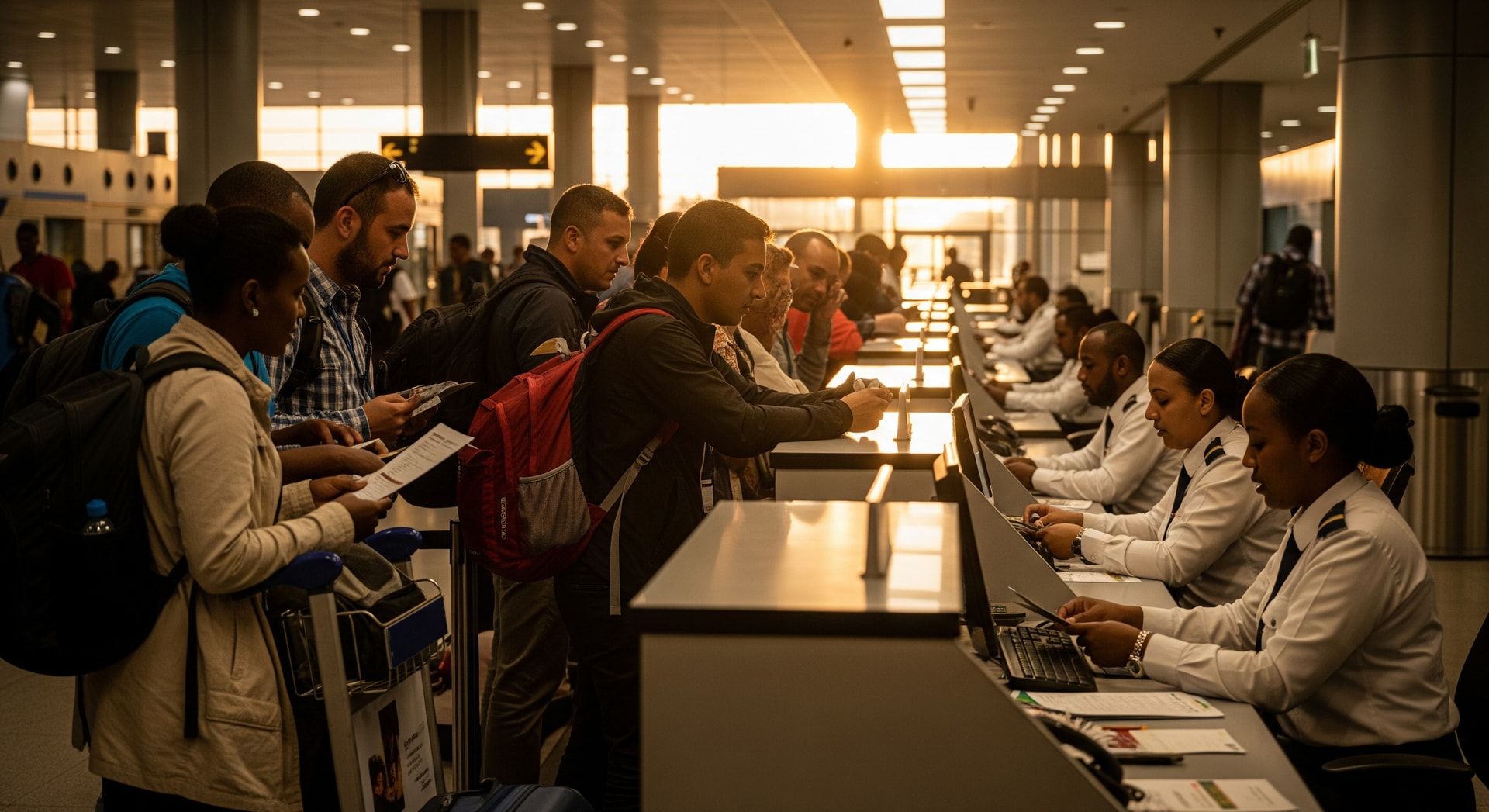
Your approved Ethiopia eVisa arrives as a PDF document. Print it clearly on A4 paper and present it at Ethiopian immigration along with your passport. Welcome to the Land of Origins — one of Africa's most historic and culturally rich destinations!
Visa types needed for Ethiopia
Available visa products
Ethiopia eVisa - 30 days, Single entry Most Popular
Ethiopia Business eVisa - 30 days, Single entry
Ethiopia eVisa - 30 days, Single entry
The Ethiopia eVisa provides access to rock-hewn churches of Lalibela, ancient Aksum, and Simien Mountains. Valid for 30 Days with single entry, this visa allows stays up to 30 days. Perfect for tourism and business.
Applicants must submit the following documents:
🛂 Passport: Valid for at least 6 months with blank pages
The Ethiopia Business eVisa provides access to rock-hewn churches of Lalibela, ancient Aksum, and Simien Mountains. Valid for 30 Days with single entry, this visa allows stays up to 30 days. Perfect for business activities, meetings, and conferences.
Applicants must submit the following documents:
🛂 Passport: Valid for at least 6 months with blank pages
Ethiopia operates a modern electronic visa system that has made visiting this ancient land more accessible than ever. The Ethiopia eVisa program launched in 2018 streamlines entry for tourists, business travelers, and transit passengers arriving at Addis Ababa Bole International Airport.
Tourist Visa — Single Entry
The standard Ethiopia tourist visa allows a single entry with stays of 30, 60, or 90 days — ideal for exploring the historic northern circuit, trekking in the Simien Mountains, visiting the ancient rock-hewn churches of Lalibela, and experiencing the unique culture of the Omo Valley tribes. This visa suits most leisure travelers visiting Ethiopia for cultural tourism, photography expeditions, and adventure travel. The 30-day option is most popular for those focusing on key highlights, while the 90-day visa accommodates comprehensive explorations of this vast country.
Transit Visa
For travelers connecting through Addis Ababa Bole International Airport — Africa's largest hub and home to Ethiopian Airlines — a transit visa allows stays up to 72 hours. This is perfect for passengers who want to explore Addis Ababa during long layovers, visit the National Museum to see the famous Lucy fossil, or experience Ethiopian coffee culture before continuing their journey. Ethiopian Airlines passengers on qualifying routes may receive complimentary transit visas for layovers.
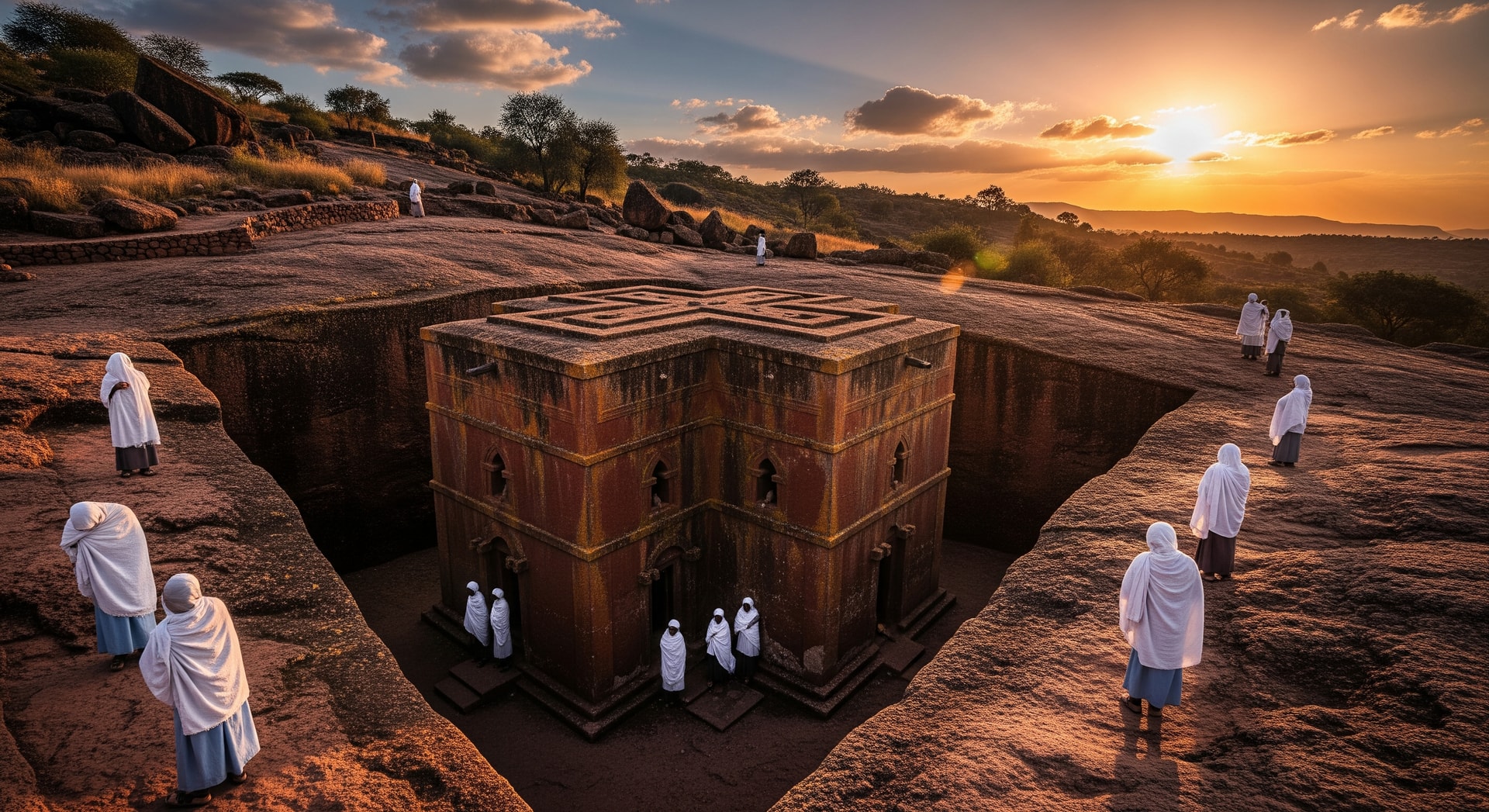
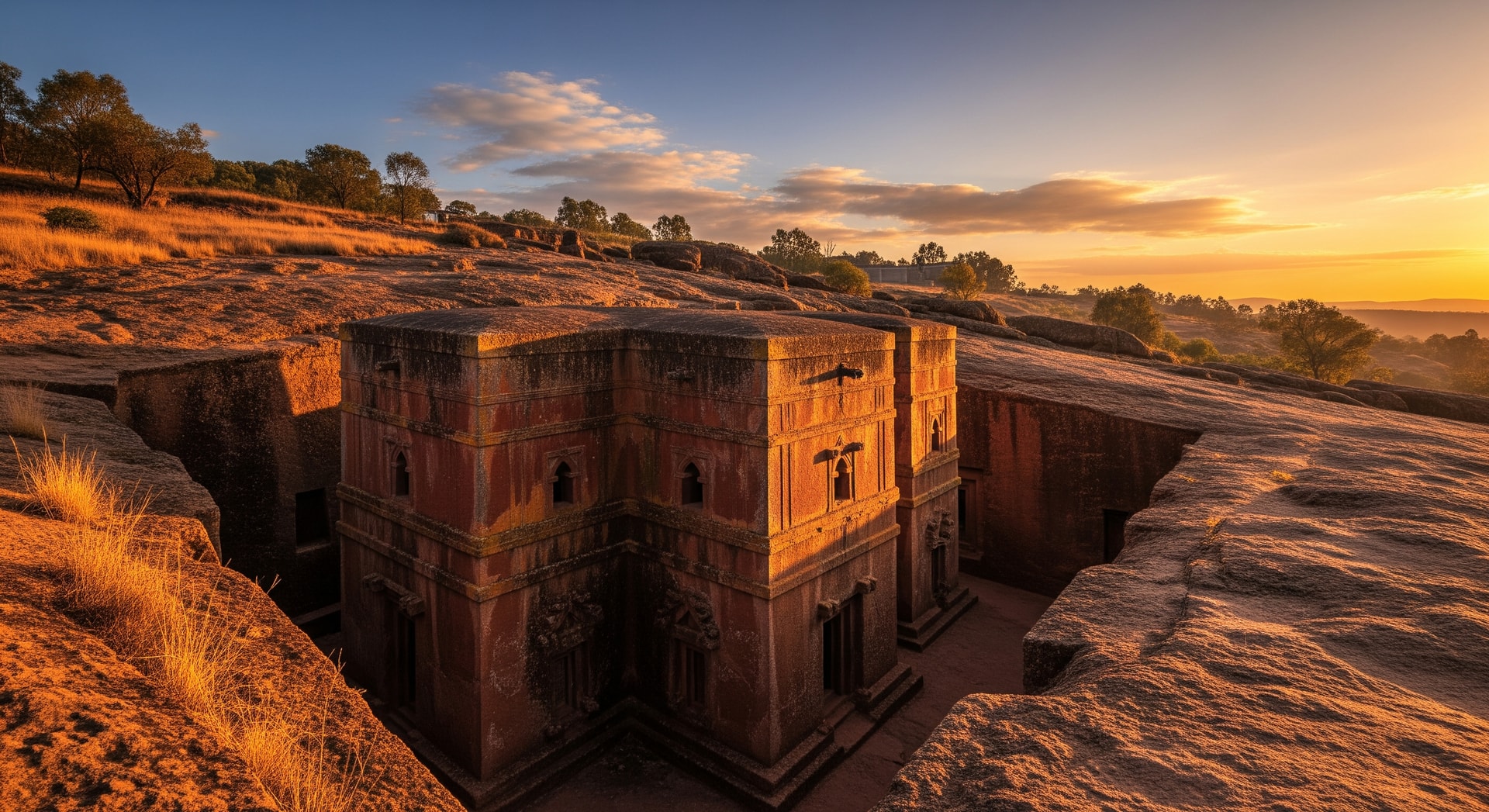
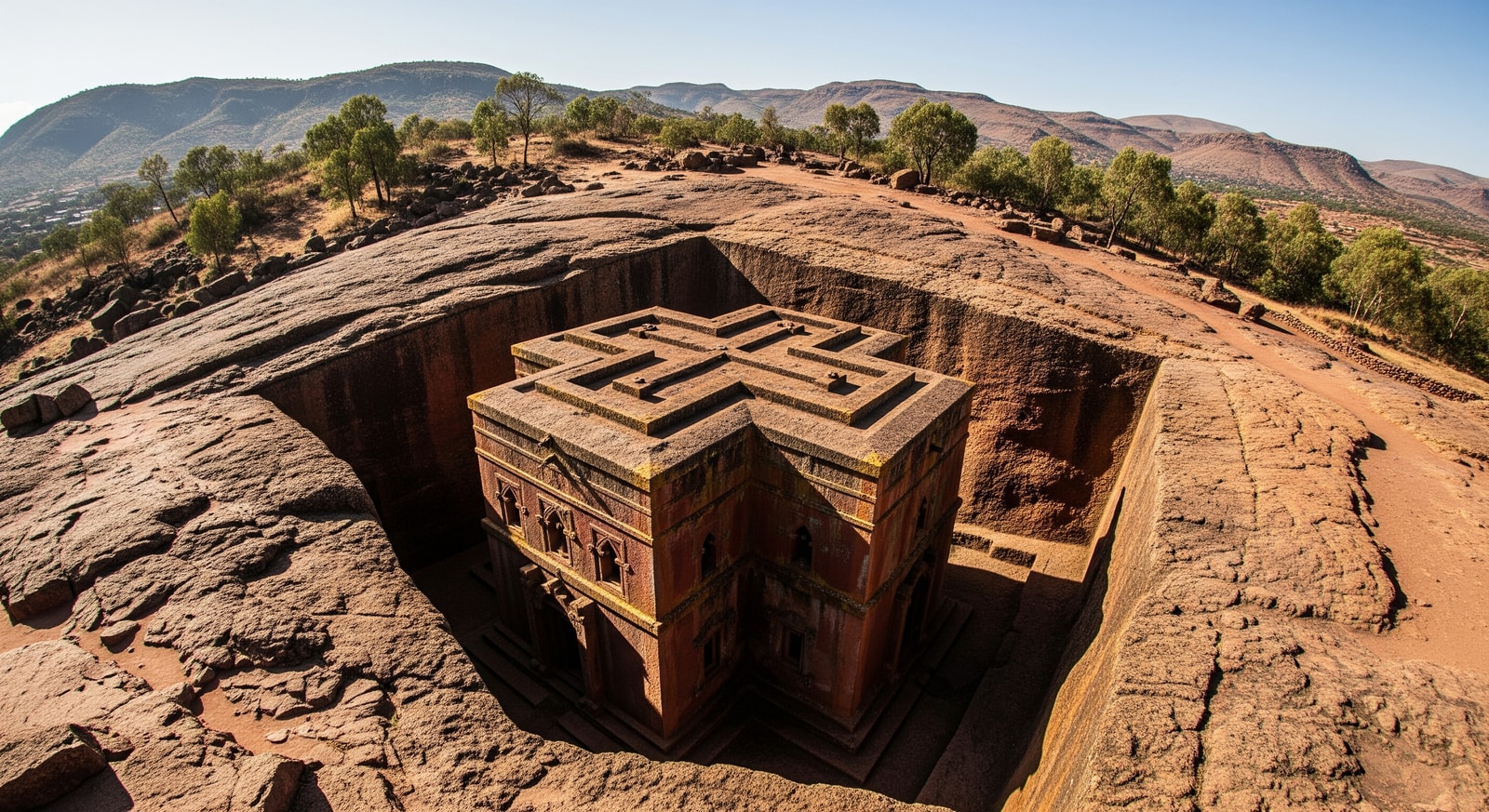
Lalibela — The rock-hewn churches, a UNESCO World Heritage Site
Business & Conference Visas
Business Visa
The Ethiopia business visa caters to professionals conducting commercial activities within the country. As Africa's diplomatic capital hosting the African Union headquarters and numerous international organizations, Ethiopia sees significant business travel. Business visas are required for attending business meetings, trade fairs, and exhibitions; exploring investment opportunities in Ethiopia's growing economy; establishing trade contacts; conducting market research; and negotiating contracts. Business visas allow stays up to 90 days and require an invitation letter from an Ethiopian company or organization.
Conference Visa
Given Addis Ababa's role as the diplomatic capital of Africa, Ethiopia offers a special conference visa for attendees of African Union summits, United Nations Economic Commission for Africa meetings, and other international conferences. This visa type is typically arranged through conference organizers and allows attendance at specific events. The processing is often expedited for confirmed delegates. Conference visas are valid for the duration of the event plus a few additional days for tourism.
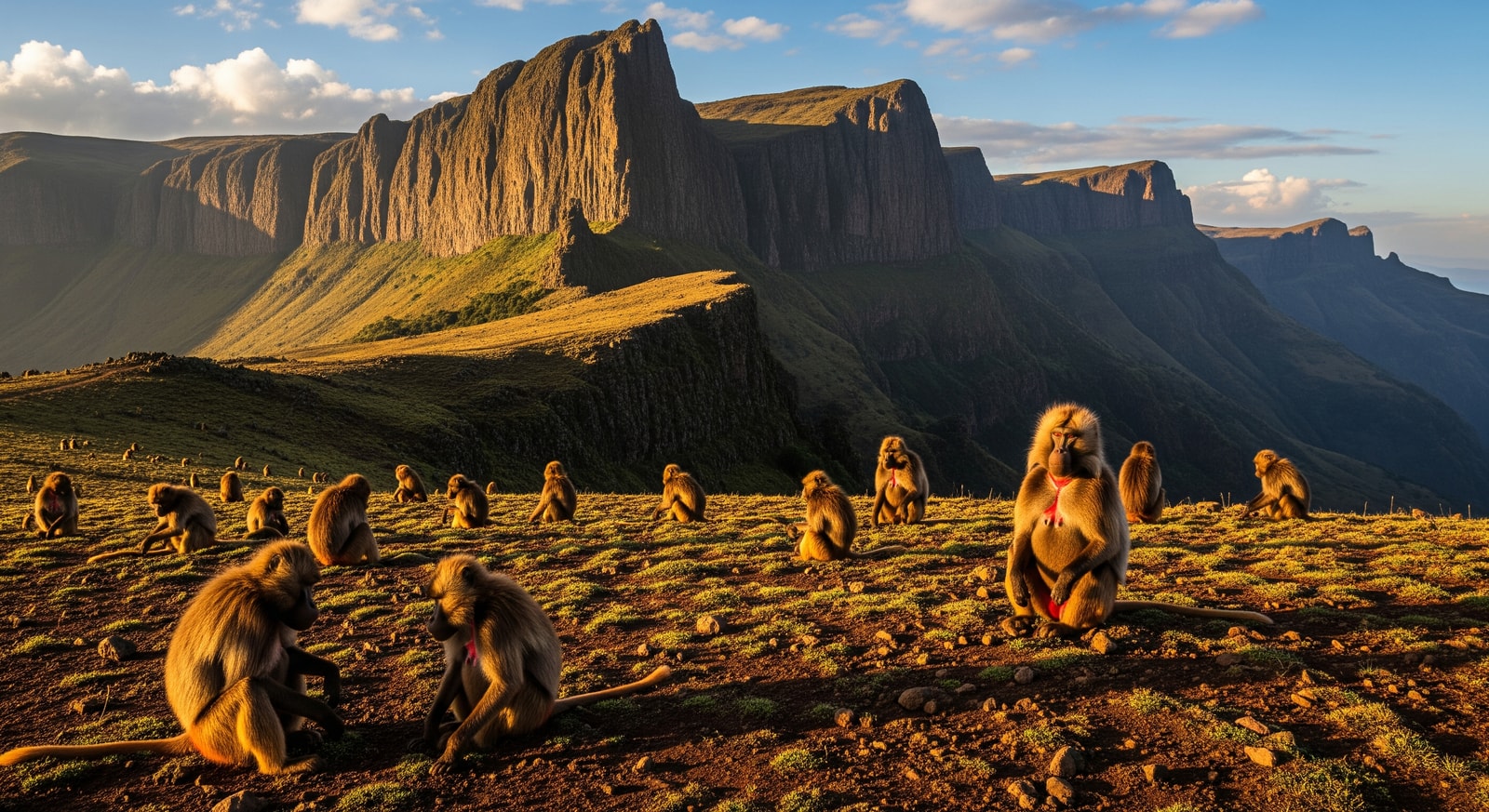
Simien Mountains — Home to endemic wildlife and spectacular trekking routes
Entry Requirements
Essential Requirements
All Ethiopia visa applicants must meet these fundamental requirements:
• Passport validity: Minimum 6 months beyond your intended arrival date with at least two blank pages for entry stamps
• Yellow fever vaccination: Required if arriving from or transiting through a yellow fever endemic country (most of Africa, South America). The vaccination must be administered at least 10 days before arrival.
• Photograph: Recent passport-sized photo (35x45mm) with white background, taken within the last 6 months
• Accommodation proof: Hotel booking confirmation or invitation letter if staying with friends, family, or an organization
• Travel itinerary: Flight bookings showing entry and exit from Ethiopia
• Sufficient funds: Evidence of financial means to support your stay (bank statements recommended)
Visa-Free & Special Arrangements
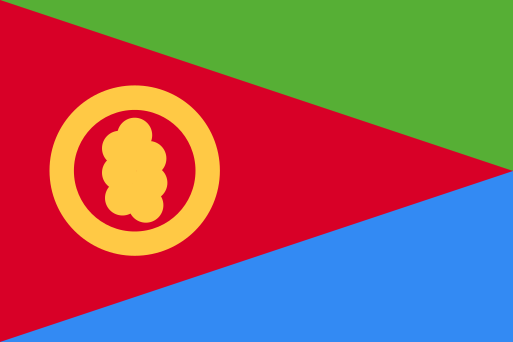
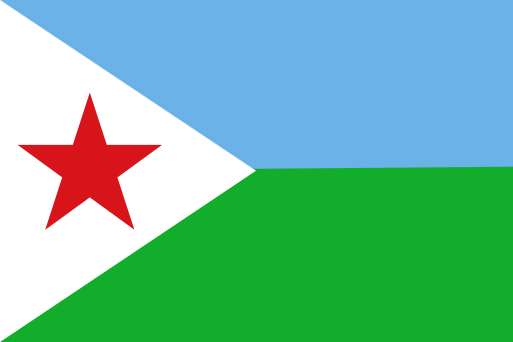
Citizens of Kenya and Djibouti enjoy visa-free access to Ethiopia. Nationals of several African Union member states can obtain visas on arrival. Ethiopia continues to expand visa-free arrangements as part of African continental integration efforts. The eVisa system accepts applications from citizens of most countries worldwide.
Ethiopian Coffee Ceremony — Experience the birthplace of coffee culture
Entry Points & Processing
Entry Points & Immigration
Ethiopia eVisas are currently valid only for entry through Addis Ababa Bole International Airport (ADD). If entering through land borders or other airports, you must arrange alternative visa arrangements in advance through Ethiopian embassies or consulates.
• Main Airport: Addis Ababa Bole International Airport (ADD) — Ethiopia's primary gateway and Africa's largest transit hub
• Land borders: Moyale (Kenya border), Galafi (Djibouti border), Metema (Sudan border) — require visa obtained in advance from embassy
• Regional airports: Bahir Dar, Gondar, Lalibela, Axum, Dire Dawa, Mekele — domestic flights only, initial entry must be through Addis Ababa
Processing Times & Application Timing
Standard eVisa processing takes 1-3 business days, with most applications receiving decisions within 24-72 hours. During peak tourist season (September-March, coinciding with the dry season and major religious festivals like Timkat and Meskel) and around Ethiopian holidays, processing may take slightly longer. We recommend applying at least 1-2 weeks before your intended travel date to allow buffer time for any additional documentation requests.
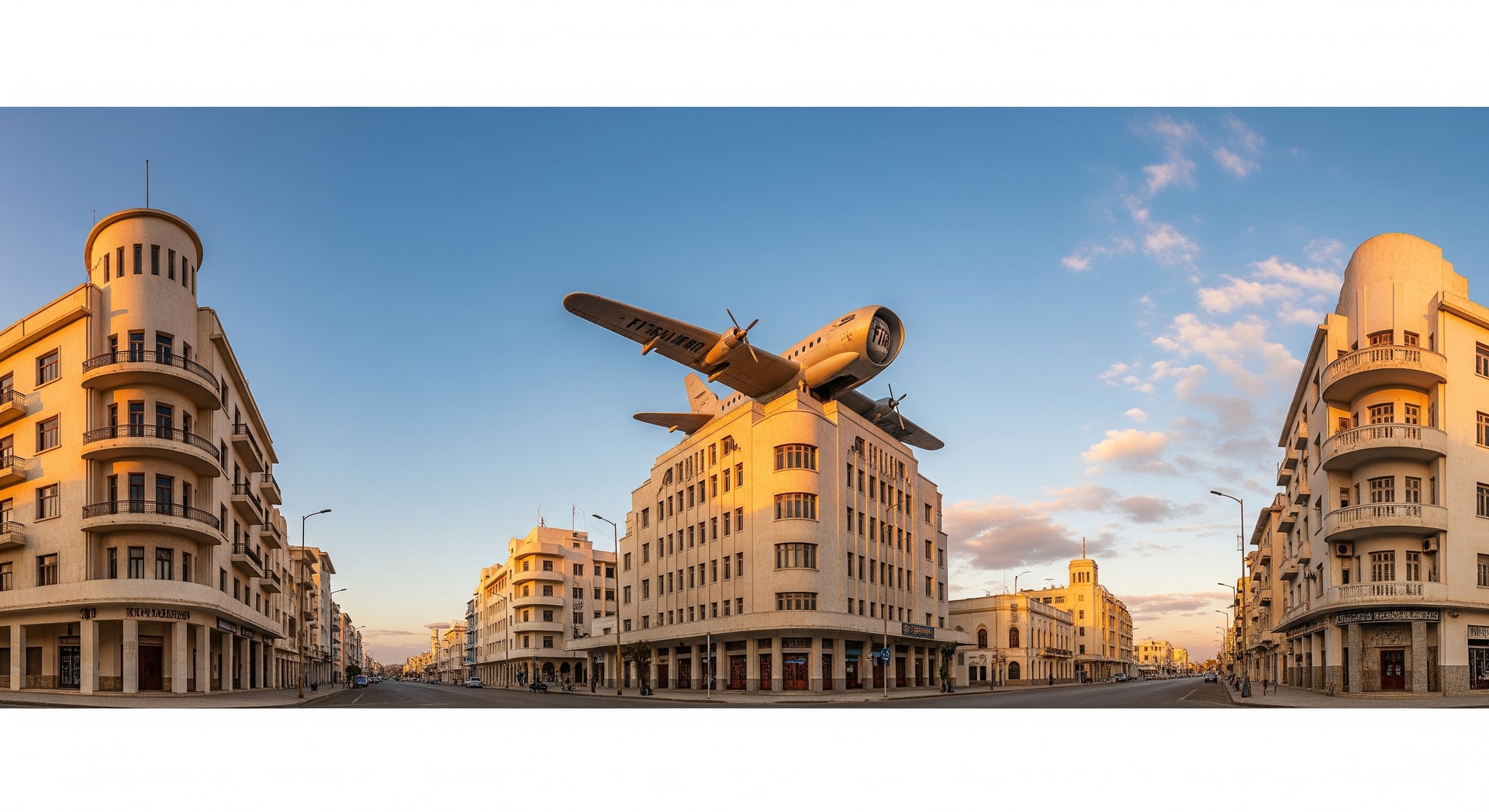
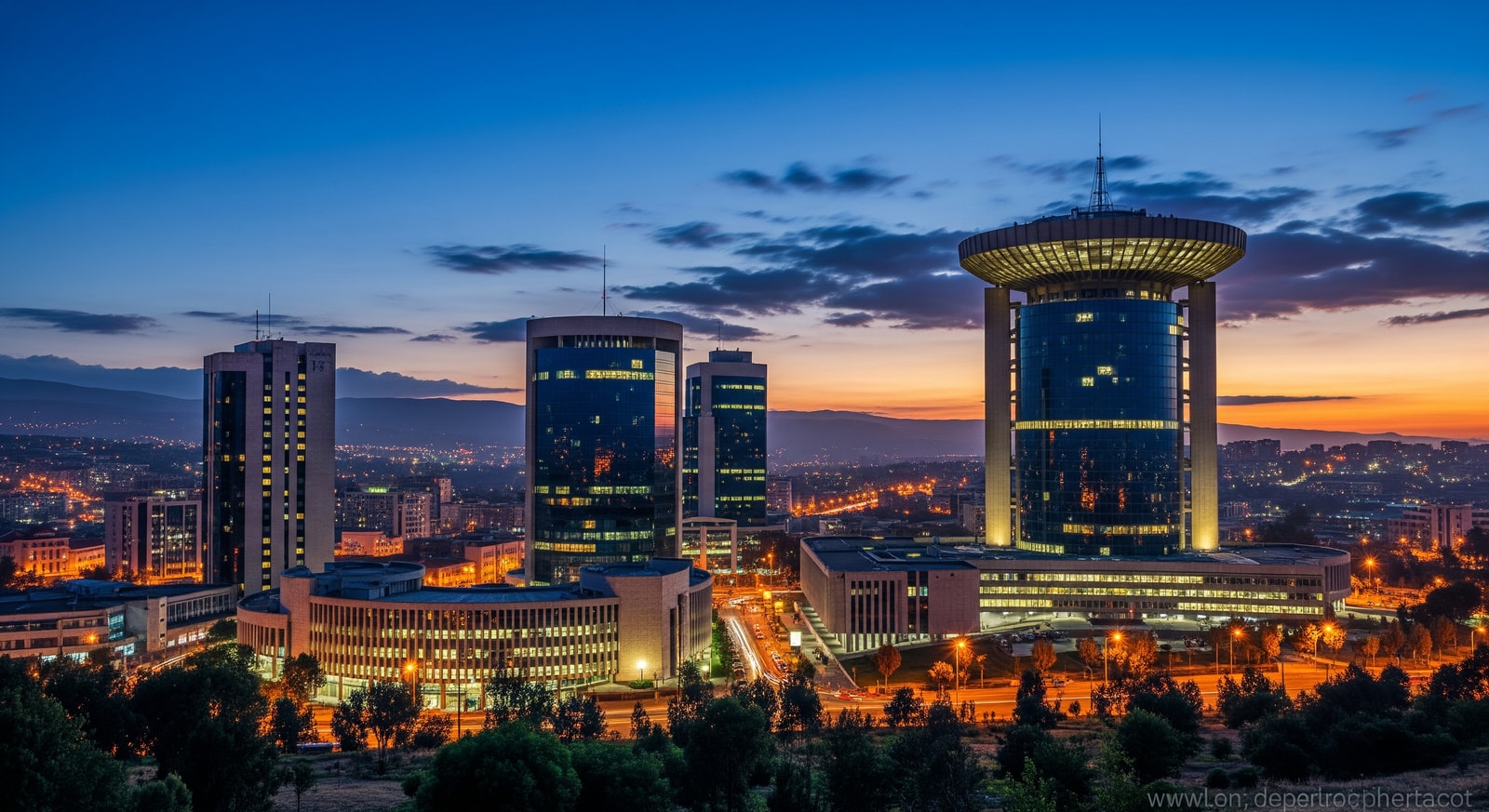
Addis Ababa — Ethiopia's capital and the diplomatic hub of Africa
Why Choose DoVisa?
See the difference between applying yourself vs using our expert service
Travelers to Ethiopia rated this product 4.7 out of 5 based on 10 reviews.
4.7/ 5
Based on 10 verified reviews
Filter by rating
Michael R.Jan 18, 2026
"Got my Ethiopia visa in just 2 days! The process was incredibly smooth and the support team answered all my questions about the historic route. Highly recommend!"
Emma S.Jan 12, 2026
"First time visiting Africa and was nervous about the visa process. DoVisa made it completely stress-free. Now I'm planning my Lalibela pilgrimage!"
David L.Jan 8, 2026
"Applied on Monday, approved by Tuesday. The document checklist was super helpful and immigration at Addis Ababa airport was smooth with my printed visa."
Sophie W.Dec 30, 2025
"Fantastic service! Processing was faster than expected and the team helped me understand the vaccination requirements. Ethiopia was amazing!"
John P.Dec 24, 2025
"Great service overall. Processing took 3 days which was within expectations. Customer support kept me updated throughout. Will use again!"
Anna K.Dec 18, 2025
"Simien Mountains trek of a lifetime! The visa application was the easiest part of planning. DoVisa handled everything perfectly and I had my approval within 48 hours."
Peter M.Dec 10, 2025
"Applied for business visa for AU conference in Addis Ababa. Process was straightforward and professional. The invitation letter guidance was particularly helpful."
Lisa H.Dec 2, 2025
"Family trip to Ethiopia sorted quickly. Two adults and two children all approved together. The coffee ceremony experience was worth the trip alone!"
James C.Nov 25, 2025
"Photography expedition visa approved in under 24 hours. The team understood my specific needs for extended stay. Captured incredible images in the Omo Valley."
Rachel B.Nov 18, 2025
"Transit visa for my Ethiopian Airlines layover was perfect. Got to explore Addis Ababa and visit the National Museum. Lucy fossil was incredible!"
Michael R.Jan 18, 2026
"Got my Ethiopia visa in just 2 days! The process was incredibly smooth and the support team answered all my questions about the historic route. Highly recommend!"
Emma S.Jan 12, 2026
"First time visiting Africa and was nervous about the visa process. DoVisa made it completely stress-free. Now I'm planning my Lalibela pilgrimage!"
David L.Jan 8, 2026
"Applied on Monday, approved by Tuesday. The document checklist was super helpful and immigration at Addis Ababa airport was smooth with my printed visa."
Ethiopia Visa FAQs
What types of visas are available for Ethiopia?
Ethiopia offers several visa categories through its electronic visa system. Tourist visa allows stays of 30, 60, or 90 days for holidays, cultural exploration, trekking, and visiting historic sites. Transit visa permits stays up to 72 hours for travelers passing through Addis Ababa to another destination. Business visa caters to commercial activities including meetings, trade exploration, and investment research. Conference visa is available for attendees of African Union and international conferences in Addis Ababa. Multiple-entry visas are available for frequent travelers requiring regular access to Ethiopia. The right visa depends on your travel purpose, duration, and whether you need multiple entries.
What is the Ethiopia eVisa and how does it work?
The Ethiopia eVisa is an electronic travel authorization that allows eligible foreign nationals to visit Ethiopia without obtaining a traditional embassy visa. Launched in 2018, the system enables online application and approval, with the visa delivered electronically as a PDF. Process: Complete the online application with personal and travel details, upload required documents (passport scan, photo), pay the visa fee, and receive your approved eVisa via email within 1-3 business days. Validity: eVisas are available for 30, 60, or 90-day stays. Entry requirement: The eVisa is currently valid only for entry through Addis Ababa Bole International Airport — land border entry requires a traditional visa from an Ethiopian embassy.
How long does Ethiopia visa processing take?
Ethiopia eVisa processing typically takes 1-3 business days, with most applications receiving decisions within 24-72 hours. Processing times can vary based on several factors: Peak seasons (September-March dry season, Timkat and Meskel festivals) may experience slightly longer processing. Application completeness significantly impacts speed — applications with clear documents, correct photos, and accurate information process faster. Business and conference visas may require additional verification time. Recommendations: Apply at least 1-2 weeks before travel to allow buffer time; ensure all documents meet requirements; respond promptly to any additional information requests. DoVisa's pre-submission review helps ensure applications are complete, reducing the risk of delays.
What documents do I need for an Ethiopia visa application?
Essential documents for all applications: Passport valid for at least 6 months beyond arrival with minimum two blank pages; recent passport-sized photograph (35x45mm, white background, taken within 6 months); completed application form with accurate travel details. Additional requirements by visa type: Tourist visa: Proof of accommodation (hotel bookings or invitation letter), round-trip flight itinerary, travel insurance recommended. Business visa: Invitation letter from Ethiopian company or organization on letterhead, employer support letter, business itinerary. Conference visa: Conference registration confirmation, invitation from organizing body. All applicants: May be asked for proof of sufficient funds (bank statements), yellow fever certificate if arriving from endemic region. Documents should be clear, legible scans in PDF or JPEG format.
Do I need a yellow fever vaccination for Ethiopia?
Yellow fever vaccination requirements depend on your travel history. Mandatory vaccination: Required if arriving from or transiting through a yellow fever endemic country — this includes most of sub-Saharan Africa, South America, Panama, and Trinidad and Tobago. You must show your International Certificate of Vaccination (yellow card) at immigration. The vaccination must be administered at least 10 days before arrival. Not required: Travelers arriving directly from non-endemic countries (Europe, North America, Asia, Australia, Middle East) don't require yellow fever vaccination for Ethiopia entry. Recommendation: Even when not required, yellow fever vaccination is recommended if traveling to lower-altitude areas of Ethiopia where the disease risk exists. Consult a travel health clinic 4-6 weeks before departure. The vaccination provides lifetime protection.
Can I extend my Ethiopia visa once I arrive?
Yes, Ethiopia tourist visas can be extended within the country. Where to apply: Main Immigration Office in Addis Ababa (near Meskel Square) or regional immigration offices in major towns. Requirements: Valid passport, current visa, completed application form, passport photographs, proof of sufficient funds for extended stay, accommodation confirmation, and the extension fee. Process: Applications are typically processed within a few days. Important: Apply before your current visa expires — overstaying incurs daily fines and can affect future visa applications. Extensions are discretionary and typically granted for legitimate tourism purposes. Maximum stay: Total stay generally should not exceed 6 months within a 12-month period. Alternative: For longer stays, consider applying for the 90-day visa initially rather than extending a shorter visa.
Can I work in Ethiopia with a tourist visa?
No, Ethiopia tourist visas do not permit employment. Tourist visas are strictly for leisure activities, sightseeing, cultural exploration, trekking, visiting friends and family, and attending non-commercial events. Business visas allow commercial activities like meetings, conferences, and market research, but not paid employment or receiving salary from an Ethiopian entity. Legal employment requires a Ethiopia Work Permit, which involves: employer sponsorship by a registered Ethiopian company; proof the position cannot be filled by an Ethiopian citizen; extensive documentation; and immigration approval. The process must be completed before beginning work. Volunteer work: Requires specific authorization and coordination with Ethiopian authorities, particularly for work with NGOs or international organizations. Penalties: Working illegally risks fines, deportation, and future visa bans.
When is the best time to visit Ethiopia?
Ethiopia's diverse geography creates varied climate zones, but timing significantly impacts your experience. September-March (Dry Season): Best overall period for visiting. Clear skies, comfortable temperatures, ideal for trekking in Simien Mountains, visiting historic sites, and general tourism. September-October: End of rainy season brings lush green landscapes and wildflowers; Meskel festival in late September. January: Timkat (Epiphany) celebrations — Ethiopia's most colorful festival, especially spectacular in Gondar and Lalibela. April-May (Light Rains): Shoulder season with fewer tourists, occasional afternoon showers, good for birdwatching. June-August (Heavy Rains): Main rainy season. Roads can be difficult, some areas inaccessible. However, fewer tourists and lower prices. Addis Ababa and highlands remain accessible. Danakil Depression: Best November-March when temperatures are relatively cooler (still extremely hot).
Do children need their own Ethiopia visa?
Yes, every traveler including infants requires their own Ethiopia visa. There are no family visas or provisions for children traveling on parents' documents. Requirements for children: Valid passport in child's own name (not included in parent's passport) with 6+ months validity; passport-sized photograph meeting same specifications as adults; completed application with child's details; parental/guardian consent documentation if traveling with only one parent or without parents. Application process: Parents typically apply for children's visas simultaneously with their own through the same application process. Each child's visa is processed and issued separately. Fees: Children pay the same visa fees as adults — there are no reduced rates for minors. Tip: Apply for all family members together to ensure visas are processed at the same pace.
What happens if my Ethiopia visa application is rejected?
Ethiopia visa rejections are relatively uncommon but can occur. Common rejection reasons: Incomplete or unclear documentation; passport validity issues; photos not meeting specifications; previous immigration violations; concerns about purpose of visit; missing proof of accommodation or return travel; insufficient financial evidence. If rejected: You'll receive notification stating the application was unsuccessful. You can reapply with improved documentation addressing potential issues. There's no formal appeals process for eVisa rejections. Prevention: Ensure documents are complete and clear before submission; verify passport validity requirements; provide comprehensive travel plans including accommodation and return flights; include proof of funds. DoVisa guarantee: If rejection results from our processing error, we provide a full refund of service fees and complimentary reapplication assistance.
Can I enter Ethiopia through land borders with an eVisa?
No, the Ethiopia eVisa is currently valid only for entry through Addis Ababa Bole International Airport. If you plan to enter Ethiopia via land borders, you must obtain a traditional visa from an Ethiopian embassy or consulate before travel. Land borders: Moyale (from Kenya), Galafi (from Djibouti), Metema (from Sudan), and others require advance visa arrangements. Exception: Citizens of Kenya and Djibouti can enter visa-free through land borders. Some African nationals may obtain visas on arrival at certain land crossings, but this should be confirmed in advance. Planning tip: If your itinerary includes overland travel into Ethiopia, arrange your visa through an Ethiopian embassy well in advance. Alternatively, fly into Addis Ababa with your eVisa, then exit overland — the eVisa restriction applies to entry, not exit.
Is Ethiopia safe for tourists?
Ethiopia is generally safe for tourists in established tourism areas, though travelers should stay informed about regional situations. Safe areas: Addis Ababa (tourist areas, Bole district), the historic northern circuit (Lalibela, Gondar, Axum, Bahir Dar), Simien Mountains National Park, and Harar. These areas have tourism infrastructure and are regularly visited by international travelers. Areas requiring caution: Some border regions and certain areas may have travel advisories — check your government's latest guidance before travel. The situation can change, so stay informed. Practical advice: Use registered tour operators and guides, especially for remote areas; avoid walking alone at night; keep valuables secure; respect local customs and religious practices; ensure comprehensive travel insurance. Health considerations: Altitude sickness possible in highlands; malaria prophylaxis recommended for lower elevations; drink bottled water.
What is the Ethiopian coffee ceremony?
The Ethiopian coffee ceremony is a traditional ritual that reflects Ethiopia's status as the birthplace of coffee. Experience: The ceremony involves roasting green coffee beans over charcoal, grinding them with a mortar and pestle, and brewing in a clay pot called a jebena. The coffee is served in small cups, typically three rounds representing different blessings. Cultural significance: More than just making coffee, the ceremony is a social ritual symbolizing hospitality, friendship, and respect. It can last 1-2 hours and is accompanied by burning frankincense and serving snacks like popcorn. Where to experience: Virtually everywhere in Ethiopia — hotels, restaurants, homes, and dedicated coffee houses. Many locals perform the ceremony daily. Tourist tip: Accepting an invitation to a coffee ceremony is considered a sign of respect; declining may cause offense. The coffee is strong and traditionally served without milk.
What currency should I bring to Ethiopia?
Ethiopia's official currency is the Ethiopian Birr (ETB). Cash recommendations: Bring US Dollars or Euros in good condition (post-2006 for USD) to exchange upon arrival. Ethiopian Birr cannot be obtained outside Ethiopia and cannot be taken out of the country in large amounts. Exchange: Banks and authorized forex bureaus offer official rates; avoid unofficial money changers. Major hotels can exchange currency but often at less favorable rates. Card acceptance: Credit and debit cards have limited acceptance — mainly upscale hotels and some restaurants in Addis Ababa. Plan to use cash for most transactions outside the capital. ATMs: Available in Addis Ababa and major towns but unreliable in rural areas. International cards sometimes don't work; have backup cash. Budget: Ethiopia is relatively affordable; mid-range travelers typically spend $50-100 USD per day including accommodation, meals, and transport. Important: Ethiopia has strict foreign currency regulations; keep exchange receipts.
Do I need to print my Ethiopia eVisa?
Yes, you should print your Ethiopia eVisa before traveling. While immigration officers have electronic records, presenting a printed copy ensures smooth processing and serves as backup if systems are offline. Printing requirements: Print on A4 paper in color if possible (black and white acceptable); ensure the document is clear and legible; the barcode/QR code must be scannable. At the airport: Present your printed eVisa along with your passport at immigration. Officers will verify the visa and stamp your passport. Keep copies: Carry additional copies and store a digital version on your phone as backup. Validity check: Before printing, verify all details on your eVisa match your passport exactly — any discrepancies can cause delays. Recommended: Also print your accommodation booking and return flight itinerary, as these may be requested.



 With DoVisa