Simple 4-step process — most applications approved within 5-10 business days
1
Complete the online application
Fill out our comprehensive application form with your personal details, travel purpose, and itinerary for South Sudan. Our intelligent system guides you through each section, ensuring all required information for South Sudan immigration is accurately captured and formatted correctly.
2
Upload your documents
Submit your passport scan (bio page clearly visible), recent passport-sized photographs, invitation letter if required, and supporting documents based on your visa type. Our visa specialists verify every document against South Sudan immigration standards before proceeding.
3
We process your visa
Your verified application is submitted to South Sudan immigration authorities. We maintain communication with relevant officials and keep you informed of any updates, additional documentation requests, or status changes throughout the processing period.
4
Receive your visa approval
Upon approval, you'll receive your visa documentation via email. Print the approval letter and present it along with your passport at South Sudan immigration upon arrival. Welcome to one of Africa's last frontiers for exploration and discovery.
0+Happy Travelers
0/7Expert Support
0%+Approval Rate
0Customer Rating
South Sudan Visa Requirements & Entry Information
Tourist Visa
Up to 30 days
Single entry for tourism and wildlife viewing
Business Visa
Up to 90 days
For commercial activities and meetings
Work Visa
Up to 1 year
For employment and long-term assignments
Transit Visa
Up to 72 hours
For travelers passing through South Sudan
Essential Requirements
📘Passport valid 6+ months with 2 blank pages
💉Yellow fever vaccination certificate required
📷Two passport photos 35x45mm, white background
📄Invitation letter from host organization or sponsor
South Sudan, the world's youngest nation having gained independence in 2011, welcomes visitors through its visa system administered by the Directorate of Nationality, Passports, and Immigration. While tourism infrastructure is developing, the country offers unique opportunities for adventurous travelers seeking authentic African experiences.
Tourist Visa — Single Entry
The South Sudan tourist visa allows single entry for stays up to 30 days. This visa is suitable for travelers wishing to explore the country's natural wonders, including the vast Sudd wetlands (one of the world's largest freshwater ecosystems), wildlife in national parks, and the diverse cultural heritage of over 60 ethnic groups. Tourist visas require a letter of invitation from a registered tour operator or sponsor within South Sudan. Due to limited tourism infrastructure, independent travel is challenging, and most visitors arrange organized tours.
Transit Visa
For travelers passing through South Sudan en route to neighboring countries, transit visas permit stays up to 72 hours. This is useful for overland journeys between Uganda, Kenya, Ethiopia, Sudan, the Democratic Republic of Congo, or the Central African Republic. Transit visas require proof of onward travel and valid visas for your destination country.
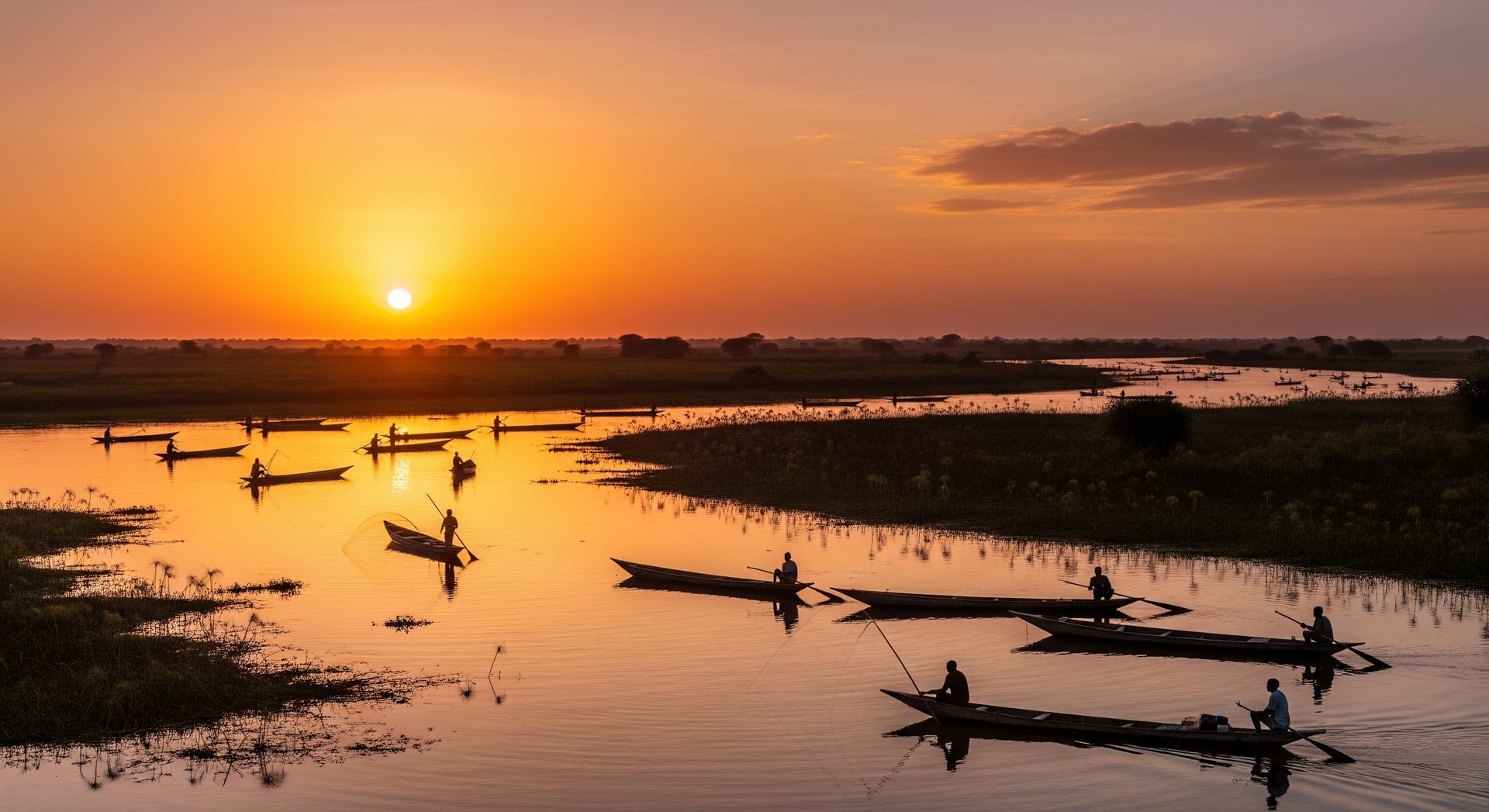
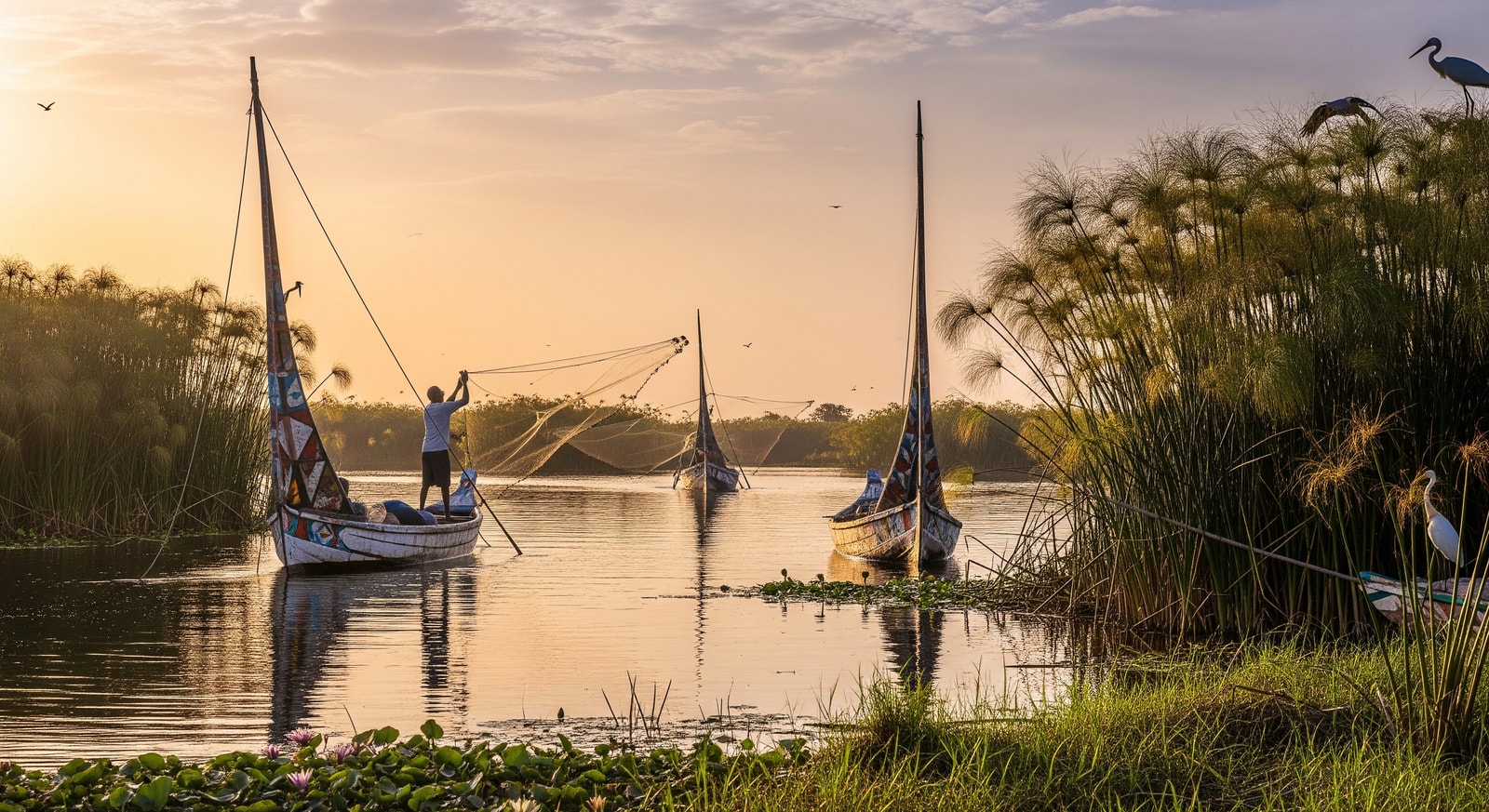
The Sudd Wetlands — One of the world's largest freshwater ecosystems
Business & Work Visas
Business Visa
South Sudan's business visa caters to professionals engaged in commercial activities, investment exploration, trade meetings, and business consultations. Valid for up to 90 days with single or multiple entry options, business visas are essential for anyone conducting formal commercial activities. Required documentation includes an invitation letter from a South Sudanese company or organization, a letter from your employer explaining the business purpose, and proof of accommodation arrangements.
Work Visa
Foreign nationals seeking employment in South Sudan require a work visa, typically valid for up to one year and renewable. This visa category is commonly used by those working with international organizations, NGOs, oil and gas companies, and development agencies operating in the country. The application process involves employer sponsorship, contract documentation, and often additional security clearances. Work visa holders must register with local authorities upon arrival and maintain valid documentation throughout their stay.
Special Entry Permits
Journalists, researchers, and those on humanitarian missions may require special permits in addition to standard visas. These are obtained through relevant government ministries and should be arranged well in advance of travel.
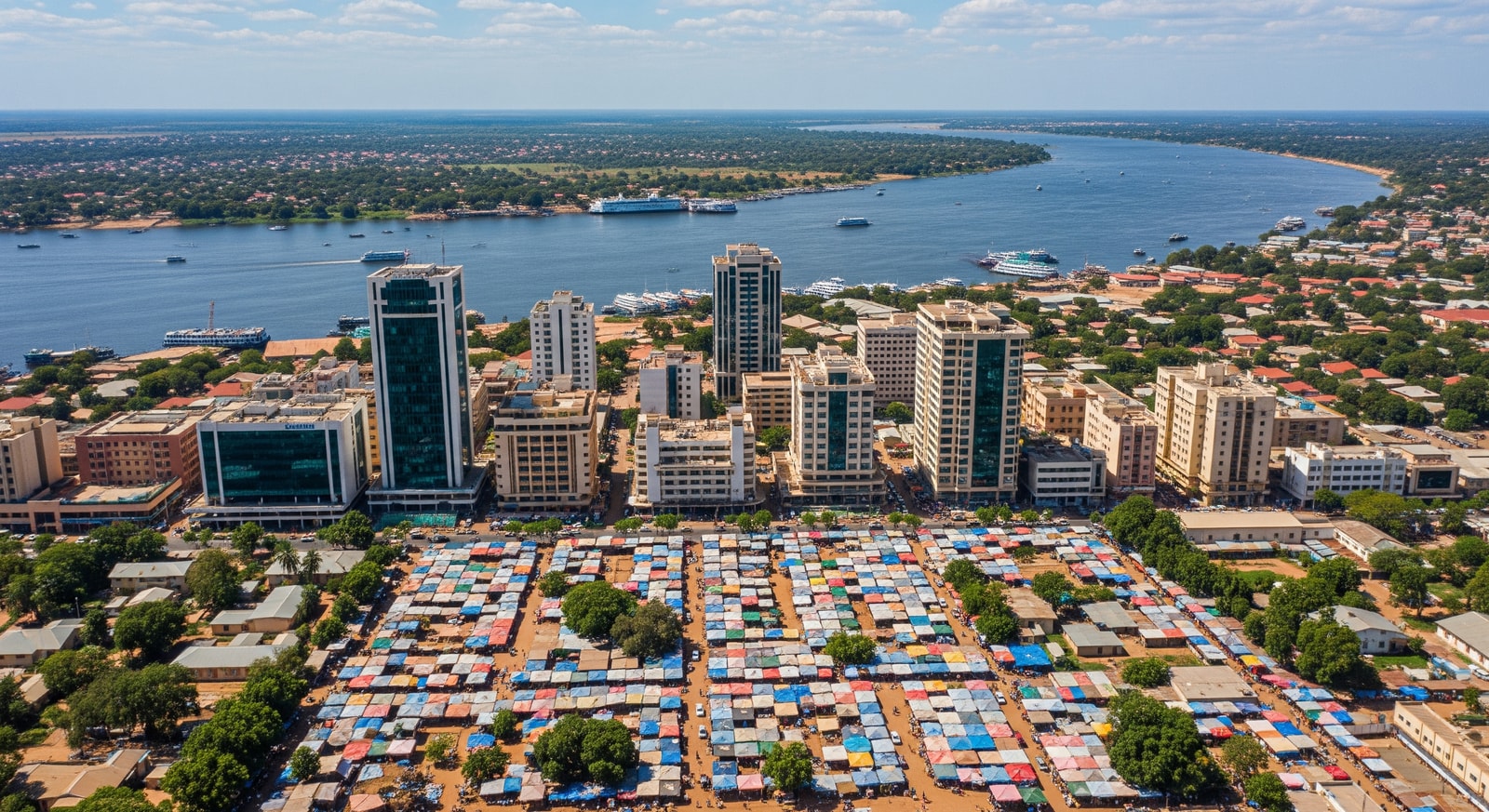
Juba — South Sudan's capital city on the banks of the White Nile
Entry Requirements & Documentation
Essential Requirements
All South Sudan visa applicants must meet these fundamental requirements:
• Passport validity: Minimum 6 months beyond intended arrival date with at least two blank pages for entry stamps and visa
• Yellow fever vaccination: Mandatory for all travelers. You must present an International Certificate of Vaccination (yellow card) at immigration. The vaccination must be administered at least 10 days before arrival.
• Photographs: Two recent passport-sized photos (35x45mm) with white background, taken within the last 6 months
• Invitation letter: Required for most visa types, from a sponsor, employer, tour operator, or host organization in South Sudan
• Travel insurance: Comprehensive coverage including medical evacuation is strongly recommended given limited healthcare facilities
• Sufficient funds: Evidence of financial means to support your stay
Health Considerations
Beyond yellow fever vaccination, travelers should ensure they have appropriate malaria prophylaxis, as malaria is endemic throughout the country. Typhoid, hepatitis A and B, and polio vaccinations are recommended. Medical facilities are extremely limited outside Juba, so comprehensive travel insurance with evacuation coverage is essential.
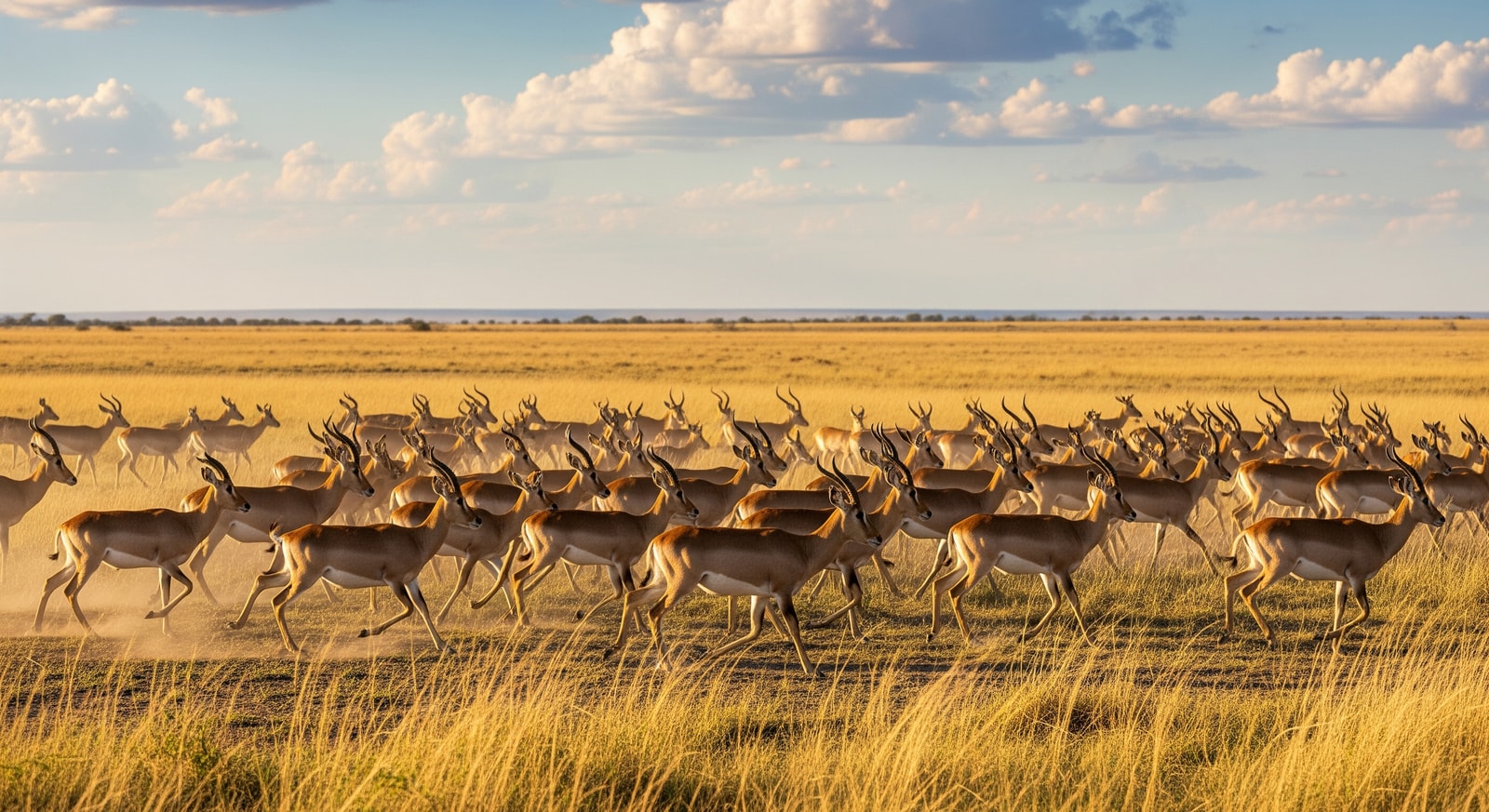
Boma National Park — Home to one of Africa's largest wildlife migrations
Entry Points & Processing Information
Entry Points
South Sudan visas are valid at all official entry points:
• Airports: Juba International Airport (JUB) is the main international gateway, with flights from Nairobi, Addis Ababa, Kampala, Khartoum, and Cairo. Smaller airports at Wau, Malakal, and other regional centers serve domestic and some charter flights.
• Land borders: Nimule (Uganda), Nadapal (Kenya), Renk (Sudan), and crossings with Ethiopia, DRC, and CAR. Border crossing conditions and safety vary significantly — check current advisories before land travel.
Processing Times
South Sudan visa processing typically takes 5-10 business days, though times can vary considerably. Factors affecting processing include application completeness, visa type, and current administrative workload. Business and work visas may require additional time for verification. We strongly recommend applying at least 3-4 weeks before your intended travel date.
Important Considerations
South Sudan is a developing nation with ongoing security challenges in some regions. Before traveling, check your government's travel advisories. Most foreign governments advise against travel to certain areas outside the capital Juba. Travelers should maintain flexibility in their plans and register with their embassy upon arrival.
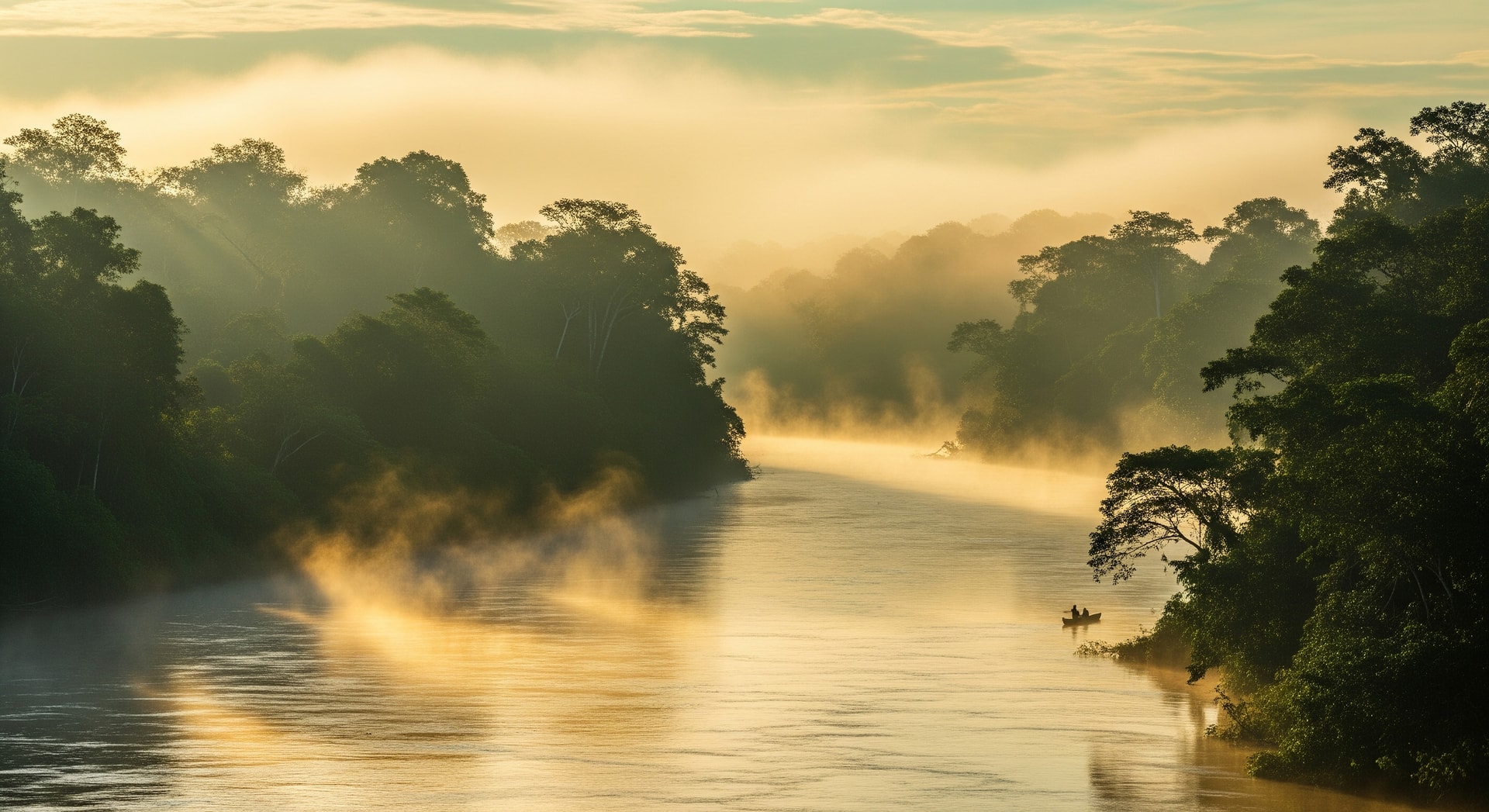
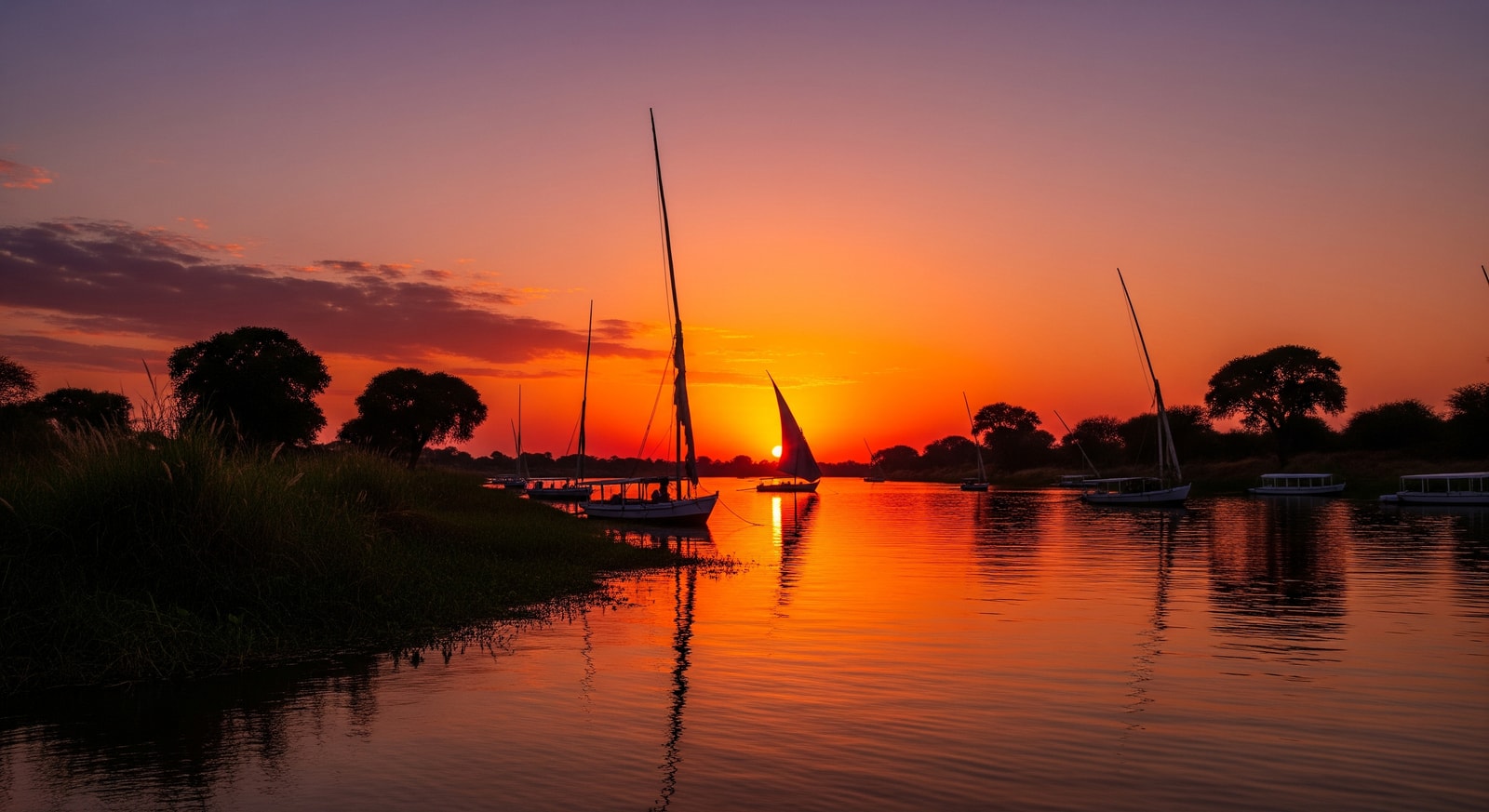
The White Nile — Flowing through the heart of South Sudan
Why Choose DoVisa?
See the difference between applying yourself vs using our expert service
Travelers to South Sudan rated this product 4.6 out of 5 based on 10 reviews.
4.6/ 5
Based on 10 verified reviews
Filter by rating
Michael R.Jan 18, 2026
"DoVisa helped navigate the complex South Sudan visa process for my humanitarian work assignment. Their guidance on documentation requirements was invaluable. Visa approved in 8 days!"
Jennifer K.Jan 12, 2026
"Working with an NGO in Juba required proper visa documentation. DoVisa made the process straightforward and kept me informed every step of the way. Highly professional service."
David M.Jan 5, 2026
"Business visa for oil sector work approved without issues. The team was very knowledgeable about South Sudan's specific requirements and helped with the invitation letter format."
Sarah L.Dec 28, 2025
"Excellent support for a challenging destination. DoVisa's expertise with South Sudan visas gave me confidence in the application process. Everything went smoothly."
Peter W.Dec 20, 2025
"Applied for work visa through DoVisa. Processing took about 10 days as expected. Good communication throughout and helpful tips for arrival procedures in Juba."
Anna T.Dec 15, 2025
"Documentary filmmaker needing special permits alongside my visa. DoVisa guided me through both processes and connected me with the right contacts. Professional and reliable."
Robert N.Dec 8, 2025
"UN assignment in South Sudan required quick visa processing. DoVisa expedited everything and provided excellent guidance on health requirements. Very satisfied with the service."
Christine B.Dec 1, 2025
"Business visa for development consulting work. The application process was more complex than other African countries, but DoVisa handled everything professionally."
James O.Nov 22, 2025
"Returning to South Sudan for my second work contract. Used DoVisa again because they made the first visa process so easy. Reliable service for a difficult destination."
Emily H.Nov 15, 2025
"Research visa for academic fieldwork approved in 9 days. DoVisa was helpful with the additional permits required for my research activities. Would recommend."
Michael R.Jan 18, 2026
"DoVisa helped navigate the complex South Sudan visa process for my humanitarian work assignment. Their guidance on documentation requirements was invaluable. Visa approved in 8 days!"
Jennifer K.Jan 12, 2026
"Working with an NGO in Juba required proper visa documentation. DoVisa made the process straightforward and kept me informed every step of the way. Highly professional service."
David M.Jan 5, 2026
"Business visa for oil sector work approved without issues. The team was very knowledgeable about South Sudan's specific requirements and helped with the invitation letter format."
South Sudan Visa FAQs
What types of visas are available for South Sudan?
South Sudan offers several visa categories based on travel purpose. Tourist visa allows stays up to 30 days for leisure travel, wildlife viewing, and cultural exploration. Business visa permits stays up to 90 days for commercial activities, meetings, and investment exploration. Work visa is valid for up to one year for those employed by organizations operating in South Sudan. Transit visa allows passage through the country for up to 72 hours. Special permits may be required for journalists, researchers, and humanitarian workers in addition to standard visas. Most visitors require an invitation letter from a sponsor within South Sudan, regardless of visa type.
Do I need a visa to visit South Sudan?
Yes, almost all foreign nationals require a visa to enter South Sudan. There are very limited visa exemptions, primarily for citizens of neighboring East African countries under specific bilateral agreements. Citizens of most countries worldwide, including the United States, United Kingdom, European Union nations, Canada, Australia, and others, must obtain a visa before travel. South Sudan does not offer visa-on-arrival for most nationalities. All visas should be arranged in advance through South Sudan embassies, consulates, or authorized visa services like DoVisa. Given the complexity of requirements, advance preparation is essential.
What documents are required for a South Sudan visa?
Essential documents for all South Sudan visa applications include: Passport valid for at least 6 months with minimum 2 blank pages; completed visa application form; two recent passport-sized photographs (35x45mm, white background); yellow fever vaccination certificate (mandatory); invitation letter from a sponsor in South Sudan (company, organization, tour operator, or individual); proof of accommodation; travel insurance with medical evacuation coverage; and proof of sufficient funds. Additional requirements by visa type: Business visas need company letters and business registration documents; work visas require employment contracts and employer sponsorship; special permits for journalists or researchers need ministry approval letters. All documents should be clear, legible copies or originals as specified.
How long does South Sudan visa processing take?
South Sudan visa processing typically takes 5-10 business days, though processing times can vary significantly based on several factors. Tourist and transit visas generally process faster when documentation is complete. Business visas may take 7-14 days due to additional verification requirements. Work visas often require 2-4 weeks as they involve multiple approval stages and security clearances. Factors affecting processing: Application completeness, current administrative workload, visa type complexity, and whether additional documentation is requested. Recommendation: Apply at least 3-4 weeks before your intended travel date to allow adequate processing time and buffer for any unexpected delays.
Is yellow fever vaccination mandatory for South Sudan?
Yes, yellow fever vaccination is mandatory for all travelers to South Sudan, regardless of where you're traveling from. You must present a valid International Certificate of Vaccination (yellow card) at immigration upon arrival. The vaccination must be administered at least 10 days before arrival to be considered valid. Without proof of yellow fever vaccination, you may be denied entry or required to receive vaccination at the border with associated delays and costs. Additional health recommendations: Malaria prophylaxis is essential as malaria is endemic throughout the country. Other recommended vaccinations include typhoid, hepatitis A and B, polio, meningitis, and ensuring routine vaccinations are current. Consult a travel health clinic 6-8 weeks before departure.
Can I extend my South Sudan visa?
Yes, South Sudan visas can be extended through the Directorate of Nationality, Passports, and Immigration in Juba. Extension process: Visit the immigration office before your current visa expires with your passport, current visa, passport photographs, letter explaining the extension reason, and applicable fees. Processing typically takes 3-5 working days. Maximum stay: Tourist visas can generally be extended for an additional 30 days. Business visas may be extended up to 90 days total. Work visas are renewable annually with continued employer sponsorship. Important: Apply for extensions before your visa expires — overstaying carries penalties including fines and potential deportation. Keep copies of all visa documentation and receipts. For long-term stays, transitioning to appropriate work or residence permits is recommended.
What is the best way to enter South Sudan?
Juba International Airport (JUB) is the primary entry point for most international visitors. Airlines serving Juba include Kenya Airways (from Nairobi), Ethiopian Airlines (from Addis Ababa), Uganda Airlines (from Entebbe), and connections from Khartoum and Cairo. Flying advantages: Most secure and convenient entry method; immigration facilities are best equipped; direct access to the capital where most services are located. Land borders: The Nimule border with Uganda is commonly used for overland travelers from Kampala. Other crossings exist with Kenya (Nadapal), Sudan (Renk), Ethiopia, DRC, and CAR, but conditions vary significantly and some may be closed or inadvisable due to security concerns. Recommendation: Fly into Juba unless you have specific reasons and current security assessments for land crossings. Always check current travel advisories before planning your route.
Is South Sudan safe for travelers?
South Sudan presents significant security challenges that all travelers must carefully consider. Current situation: While the capital Juba is relatively stable, ongoing inter-communal conflicts, political tensions, and general instability affect various regions. Most foreign governments advise against all but essential travel to South Sudan, with heightened warnings for areas outside Juba. Safer areas: Central Juba, established NGO compounds, and well-secured facilities have better security infrastructure. Recommendations: Travel only with clear purpose and organizational support; register with your embassy; maintain current communication with security contacts; have emergency evacuation plans; travel with experienced local guides or security personnel; avoid night travel; stay informed about rapidly changing conditions. Essential: Comprehensive travel insurance with emergency evacuation coverage is absolutely mandatory. This is not a typical tourist destination and requires careful planning.
Can I work in South Sudan with a tourist or business visa?
No, tourist and business visas do not permit employment in South Sudan. Tourist visas are strictly for leisure activities, wildlife viewing, visiting friends, and short-term cultural exploration. Business visas allow commercial activities like attending meetings, exploring investment opportunities, and conducting business negotiations, but not formal employment or receiving salary from a South Sudanese entity. Legal employment requires a South Sudan work visa, which involves: employer sponsorship from a registered organization operating in the country; employment contract documentation; security clearances; and registration with relevant authorities. The process can take several weeks. Volunteer work: Even unpaid positions with NGOs and humanitarian organizations typically require proper work authorization. Penalties: Working without proper authorization risks deportation, fines, and future entry bans.
What currency is used in South Sudan?
South Sudan's official currency is the South Sudanese Pound (SSP). However, due to currency instability and inflation, US Dollars are widely preferred and often required for major transactions. Cash recommendations: Bring sufficient US Dollars in good condition (post-2006 series) for your entire stay. ATM availability is extremely limited and unreliable. Credit card acceptance is rare outside major hotels and some businesses in Juba. Currency exchange: Exchange rates fluctuate significantly. Banks and licensed forex bureaus in Juba offer exchange services, though rates vary. Practical advice: Carry adequate cash but keep it secure; smaller denominations are useful; some services may be priced in USD and paid in USD. Hotel and service payments: International hotels, airlines, and major services typically price and prefer payment in US Dollars. Mobile money services are developing but not reliable for visitors.
What wildlife can I see in South Sudan?
South Sudan hosts some of Africa's most spectacular and least-visited wildlife. Boma National Park and Bandingilo National Park are home to one of the world's largest wildlife migrations, with up to 1.3 million white-eared kob, tiang antelopes, and Mongalla gazelles moving seasonally across the savanna — rivaling East Africa's Great Migration in scale. The Sudd, one of the world's largest freshwater wetland ecosystems, supports diverse birdlife including shoebill storks, pelicans, and numerous waterfowl species. Other wildlife: Elephants, giraffes, lions, leopards, buffalo, hippos, crocodiles, and various antelope species inhabit protected areas. Important reality: Due to decades of conflict, wildlife populations have been significantly impacted, and tourism infrastructure is minimal. Organized wildlife expeditions require specialized operators, significant logistics, and security arrangements. Tourism is in early development stages, making South Sudan suitable only for adventurous travelers with proper organizational support.
Do I need an invitation letter for a South Sudan visa?
Yes, invitation letters are required for most South Sudan visa applications. This is one of the most important documents in the application process. Who provides invitation letters: For tourist visas — registered tour operators or local sponsors; for business visas — South Sudanese companies or business partners; for work visas — employing organizations; for humanitarian/NGO work — the sponsoring organization. Letter requirements: Must be on official letterhead; include your full name, passport details, and nationality; state the purpose and duration of visit; provide sponsor's contact details and registration information; be signed by an authorized representative. No invitation: Without proper sponsorship documentation, visa applications are likely to be rejected. If you don't have contacts in South Sudan, specialized travel agencies can sometimes arrange sponsorship as part of tour packages, or DoVisa can provide guidance on obtaining proper invitation documentation.
What is the Sudd and why is it significant?
The Sudd is one of the world's largest freshwater wetland ecosystems, located in South Sudan where the White Nile spreads across a vast floodplain. Covering approximately 30,000 square kilometers (expanding to over 130,000 square kilometers during wet season), it's a UNESCO-recognized wetland of international importance. Ecological significance: The Sudd supports incredible biodiversity including the critically endangered shoebill stork, vast populations of migratory birds, hippos, crocodiles, and numerous fish species. It plays a crucial role in regulating Nile River flow and regional climate. Cultural importance: The wetlands are home to communities like the Nuer and Dinka who have developed unique pastoral and fishing lifestyles adapted to the seasonal flooding. For visitors: The Sudd offers unique boat-based wildlife experiences unlike anywhere else in Africa. However, access requires specialized arrangements, proper permits, and experienced guides due to the remote and challenging environment.
What should I pack for travel to South Sudan?
Packing for South Sudan requires careful consideration of the climate, limited resources, and practical needs. Essentials: All prescribed medications (sufficient for entire trip plus extra); comprehensive first aid kit; water purification tablets or filtration system; insect repellent with high DEET concentration; mosquito net; sunscreen and sunglasses; lightweight, breathable clothing in neutral colors; sturdy walking shoes; torch/flashlight with spare batteries. Documents: Multiple copies of passport, visa, vaccination certificates, insurance documents; emergency contact information; photos for additional permits if needed. Electronics: Power adapters (Type C and G used); portable power bank (electricity unreliable); satellite phone for remote areas if applicable. Other recommendations: Modest clothing respecting local customs; rain gear during wet season (April-November); cash in US Dollars; snacks and personal supplies as availability is limited. Medical kit: Include antimalarials, antibiotics, oral rehydration salts, and any personal prescriptions.
When is the best time to visit South Sudan?
South Sudan has a tropical climate with distinct wet and dry seasons. Dry season (December-March): Generally the most suitable time for travel. Roads are more passable, wildlife congregates around water sources, and outdoor activities are more feasible. This is when wildlife migrations in the eastern parks are most spectacular. Temperatures are hot (35-40°C) but humidity is lower. Wet season (April-November): Heavy rainfall makes many roads impassable, flooding affects large areas including the Sudd, and travel logistics become extremely challenging. However, the landscape is lush and birdlife is abundant. Considerations: Wildlife viewing is best December-February when animals gather near permanent water; the Sudd is most accessible during lower water periods; always check current security conditions regardless of season. Practical advice: Most organized trips occur during the dry season when logistics are manageable, typically January-March.
What are the main cities and regions in South Sudan?
Juba is the capital and largest city, located on the White Nile. It serves as the administrative center, main international gateway, and hub for most services and accommodations. Other significant towns: Wau (western region, historic town); Malakal (Upper Nile, second largest city); Bentiu (oil-producing region); Bor (Jonglei State capital); Yei (near Ugandan border, agricultural region). Regions of interest: Central Equatoria (Juba and surrounding areas) is most accessible; Eastern Equatoria hosts Boma and Bandingilo National Parks with wildlife migrations; Upper Nile features parts of the Sudd wetlands; Western regions are less accessible. Travel between regions: Limited paved roads; domestic flights serve some towns but schedules are irregular; security conditions vary significantly by region — always verify current safety assessments before traveling outside Juba.
How do I get travel insurance for South Sudan?
Comprehensive travel insurance is absolutely essential for South Sudan and should include: Medical evacuation coverage — this is the most critical component as medical facilities are extremely limited and evacuation to Nairobi or elsewhere may be necessary for serious conditions; minimum coverage of $100,000 or higher recommended. Emergency medical treatment covering illness, accidents, and any required medications. Trip cancellation/interruption given the unpredictable nature of the destination. Coverage considerations: Many standard policies exclude South Sudan due to travel advisories — you'll need specialized high-risk destination coverage. Providers: Companies like World Nomads, Battleface, and specialized expedition insurers offer coverage for high-risk destinations. Important: Read policy exclusions carefully; ensure the policy specifically covers South Sudan; verify evacuation procedures and contact numbers before traveling; carry printed policy documentation. Cost will be higher than standard policies but is non-negotiable for travel to South Sudan.
Still have questions?
Our team is here to help 24/7
Get Visa Tips & Exclusive Deals
Join 1,000+ travelers. No spam, unsubscribe anytime.

 With DoVisa