Simple 4-step process — most applications approved within 5-10 business days
1
Complete the online application
Fill out our comprehensive application form with your personal details, travel plans, and purpose of visit. Our intelligent validation system guides you through each section, ensuring your application meets DRC immigration requirements and reducing errors that could delay processing.
2
Upload your documents
Submit your passport scan (bio page clearly visible), recent passport-sized photographs, invitation letter or hotel booking, yellow fever vaccination certificate, and return flight itinerary. Our visa specialists review every document against DRC Immigration standards before submission.
3
We process your visa
Your verified application is submitted to the DRC immigration authorities. We monitor processing status and proactively communicate any updates, requests for additional documentation, or status changes via email. Our team liaises with authorities to expedite your application where possible.
4
Receive your visa
Once approved, your DRC visa is issued. Depending on your visa type, you may receive an approval letter to collect your visa on arrival or a visa sticker in your passport. Bienvenue en RDC — welcome to one of Africa's most extraordinary wilderness destinations!
The Democratic Republic of the Congo (DRC) welcomes adventurous travelers to experience one of Africa's last great wilderness frontiers. The country offers various visa options for tourists seeking unique experiences including gorilla trekking in Virunga National Park, exploring the mighty Congo River, and discovering pristine rainforests.
Tourist Visa — Single Entry
The standard DRC tourist visa allows single entry with stays up to 90 days — ideal for wildlife expeditions, gorilla trekking, visiting Virunga's active volcanoes, and exploring the vast Congo Basin rainforest. This visa type suits adventure travelers and nature enthusiasts visiting DRC's remarkable national parks. Entry points include N'djili International Airport in Kinshasa and Goma International Airport near Virunga.
Visitor Visa
For those visiting family or friends in the DRC, the visitor visa allows stays up to 30 days. You'll need an invitation letter from your host in the DRC, their identification documents, and proof of their legal residency status. This visa is ideal for family reunions and short personal visits.
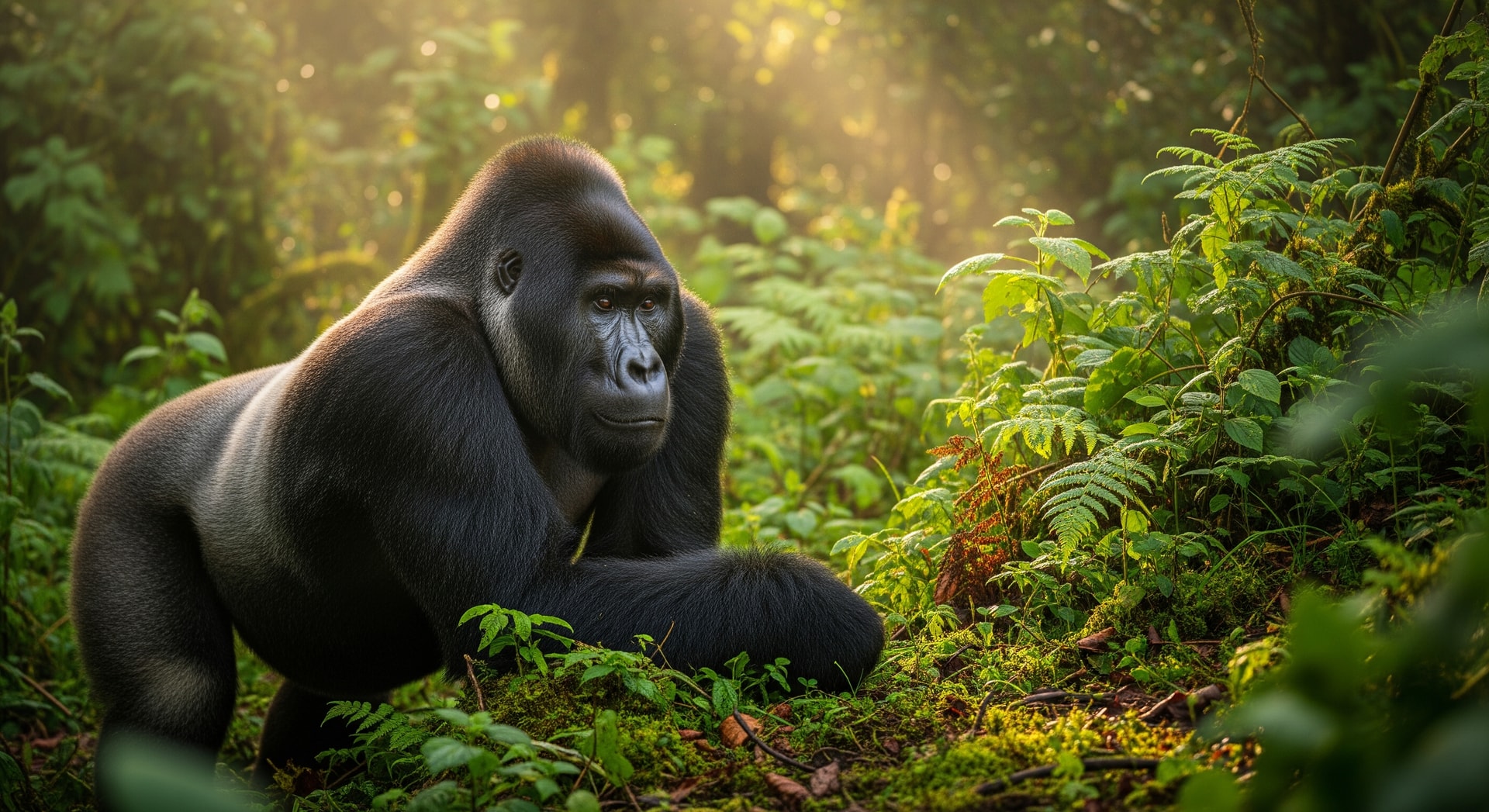
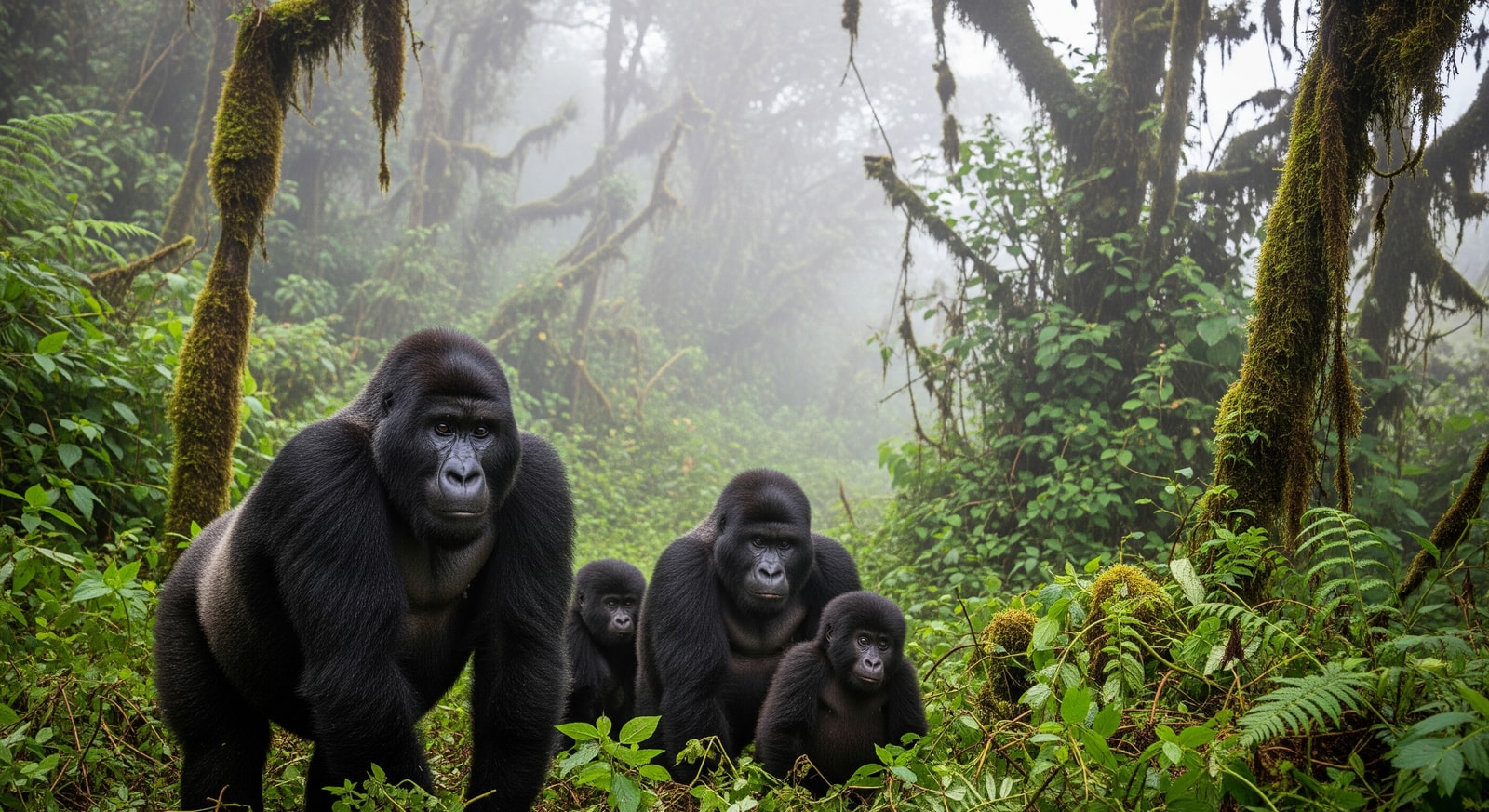
Virunga National Park — Home to critically endangered mountain gorillas
Business & Work Visas
Business Visa
The DRC business visa caters to professionals conducting commercial activities within the country. This includes attending business meetings, trade conferences, and investment discussions; exploring mining and natural resource opportunities; establishing trade contacts; and negotiating commercial contracts. Business visas allow stays up to 90 days and require an invitation letter from a DRC-registered company.
Required Business Documentation
Business visa applicants must provide: invitation letter from a DRC company on official letterhead; company registration documents from both your home country and the inviting DRC company; detailed business itinerary; proof of professional qualifications; and evidence of sufficient funds. For those in extractive industries, additional documentation regarding the nature of business activities may be required.
Work Permits
Employment in the DRC requires a separate work permit in addition to an appropriate visa. Work permits must be sponsored by a registered DRC employer and involve additional documentation including employment contracts, professional qualifications, and health certificates.
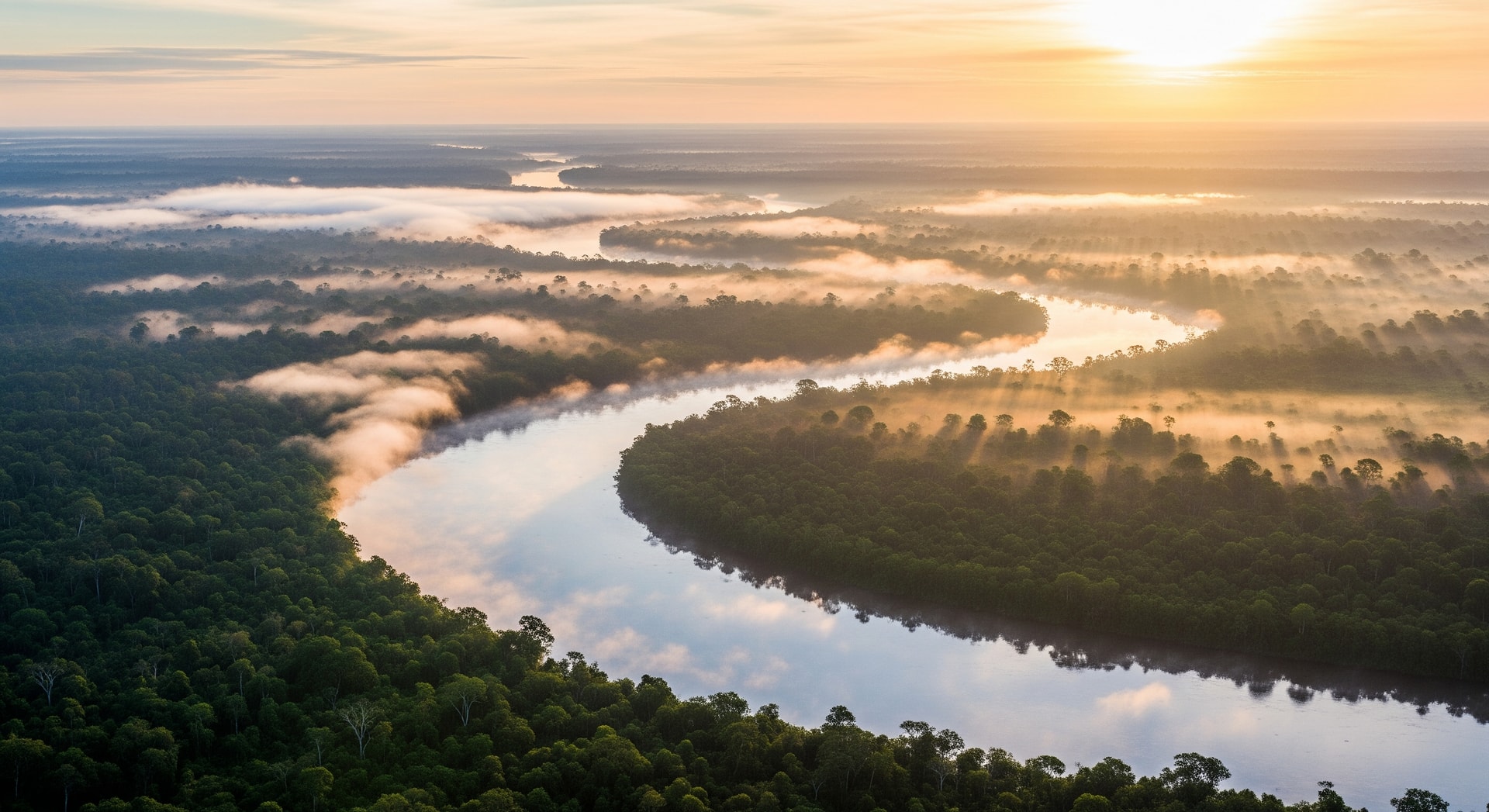
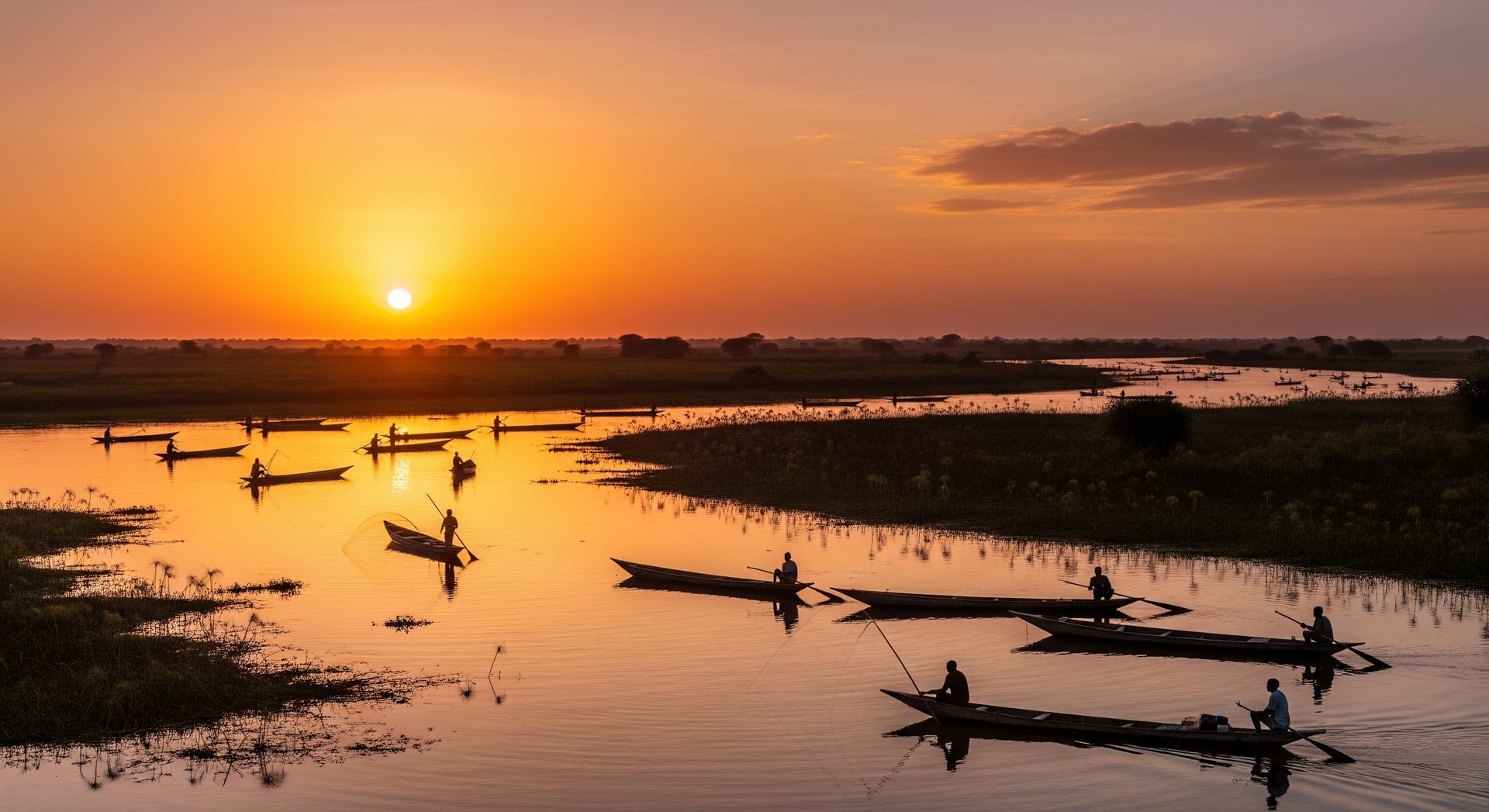
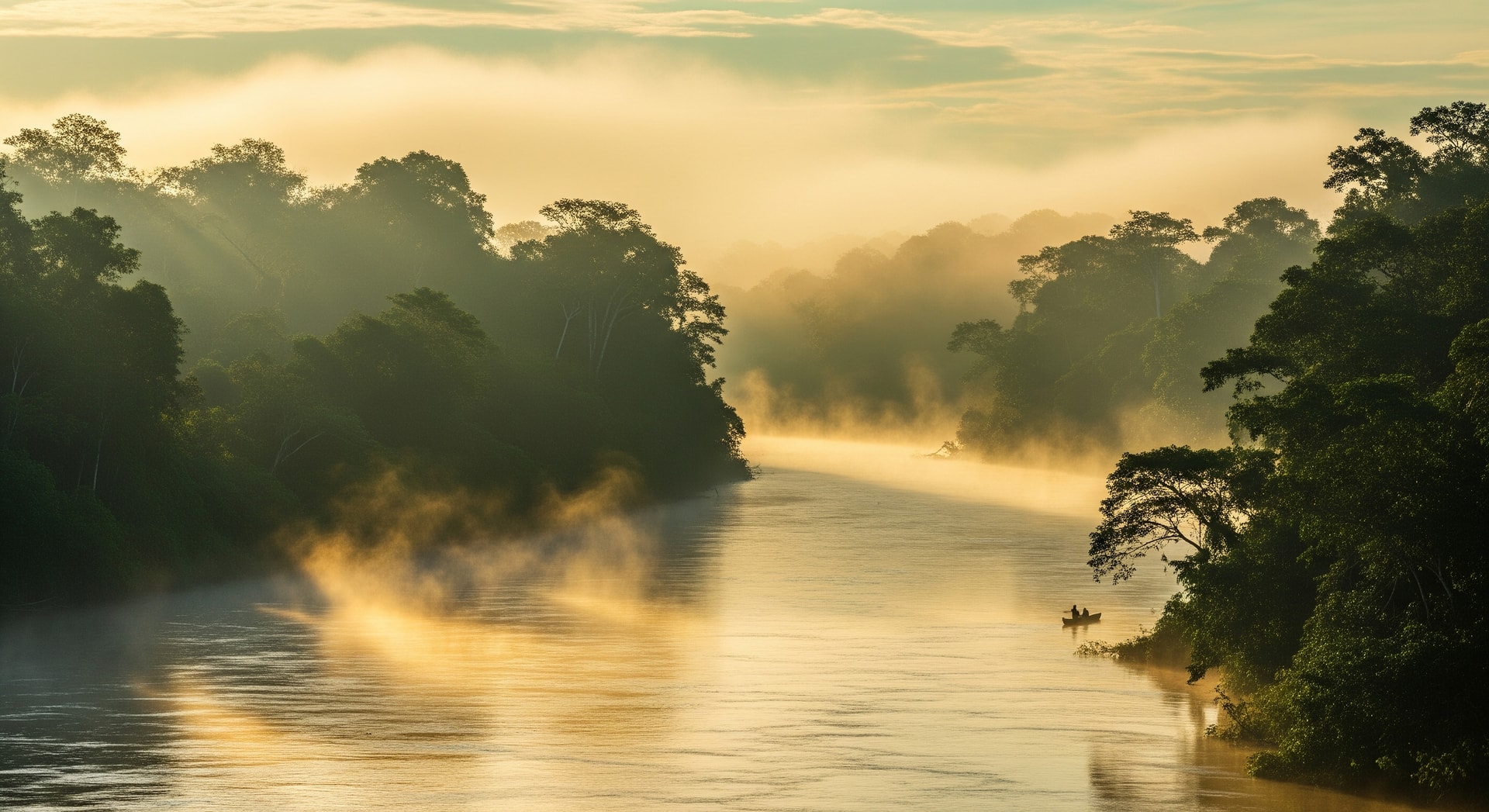
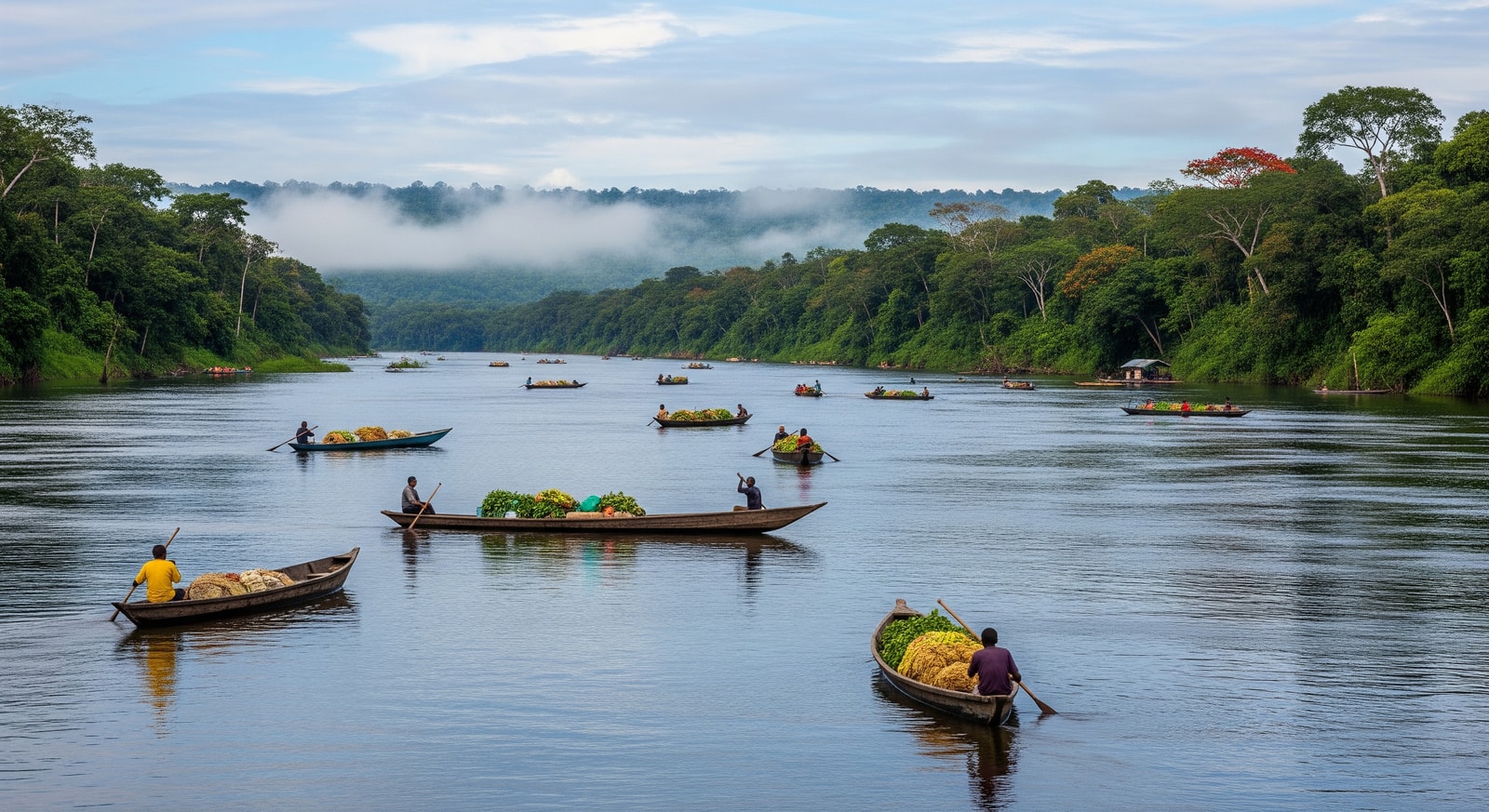
Congo River — The world's deepest river and Africa's second longest
Entry Requirements & Documentation
Essential Requirements
All DRC visa applicants must meet these fundamental requirements:
• Passport validity: Minimum 6 months beyond your intended arrival date with at least two blank pages for entry stamps
• Yellow fever vaccination: Mandatory for all travelers — you must present your International Certificate of Vaccination (yellow card) at immigration. Vaccination must be administered at least 10 days before arrival.
• Photographs: Recent passport-sized photos (35x45mm) with white background, taken within the last 6 months
• Accommodation proof: Hotel booking confirmation, safari lodge reservations, or invitation letter if staying with residents
• Travel itinerary: Flight bookings showing entry and exit from DRC
• Financial evidence: Bank statements or proof of funds to support your stay
Additional Health Precautions
Beyond yellow fever, travelers should consult travel health professionals about malaria prophylaxis, hepatitis A and B vaccinations, typhoid, and other recommended immunizations. The DRC is in a tropical zone with endemic diseases requiring proper preparation.
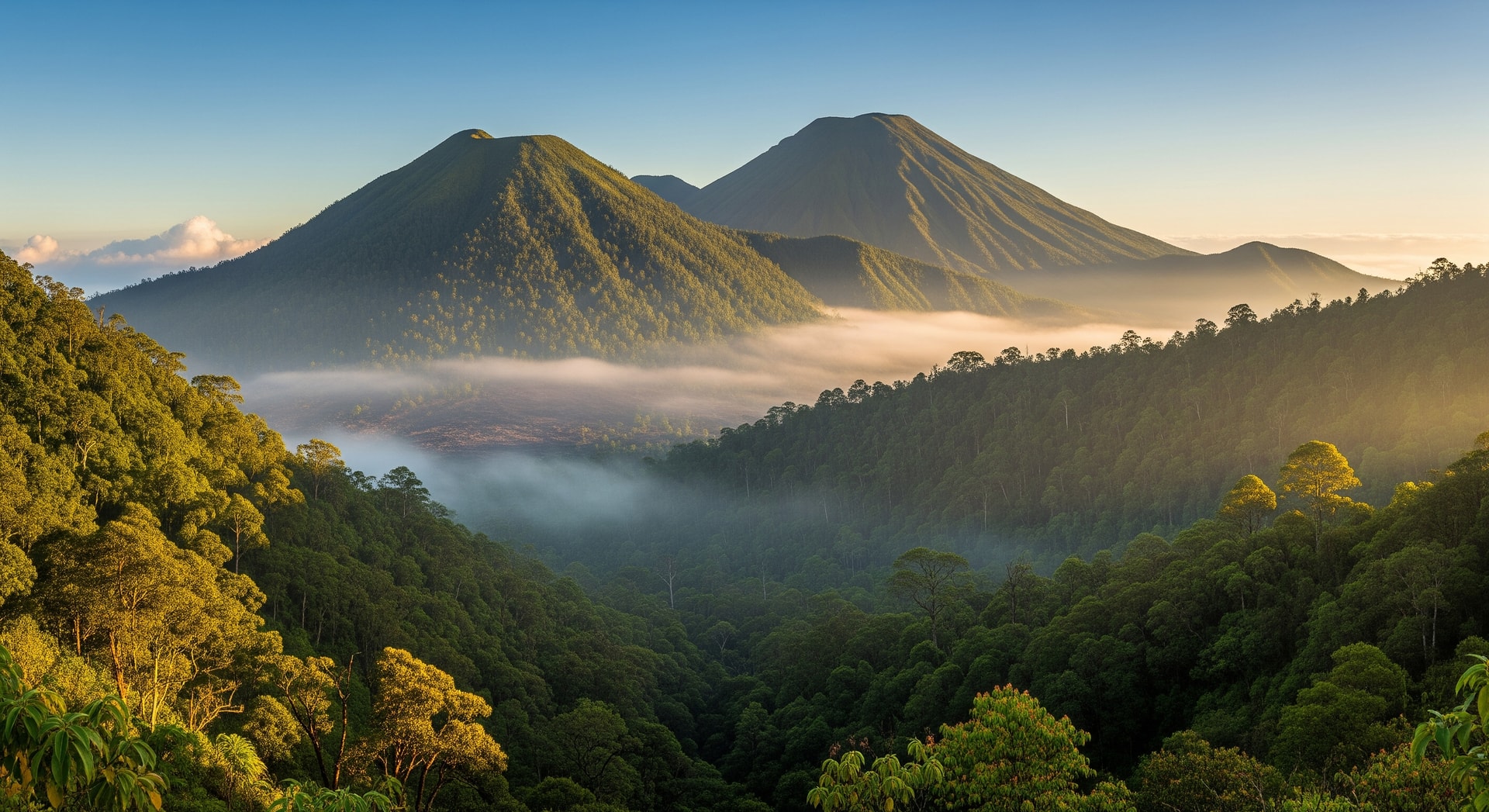
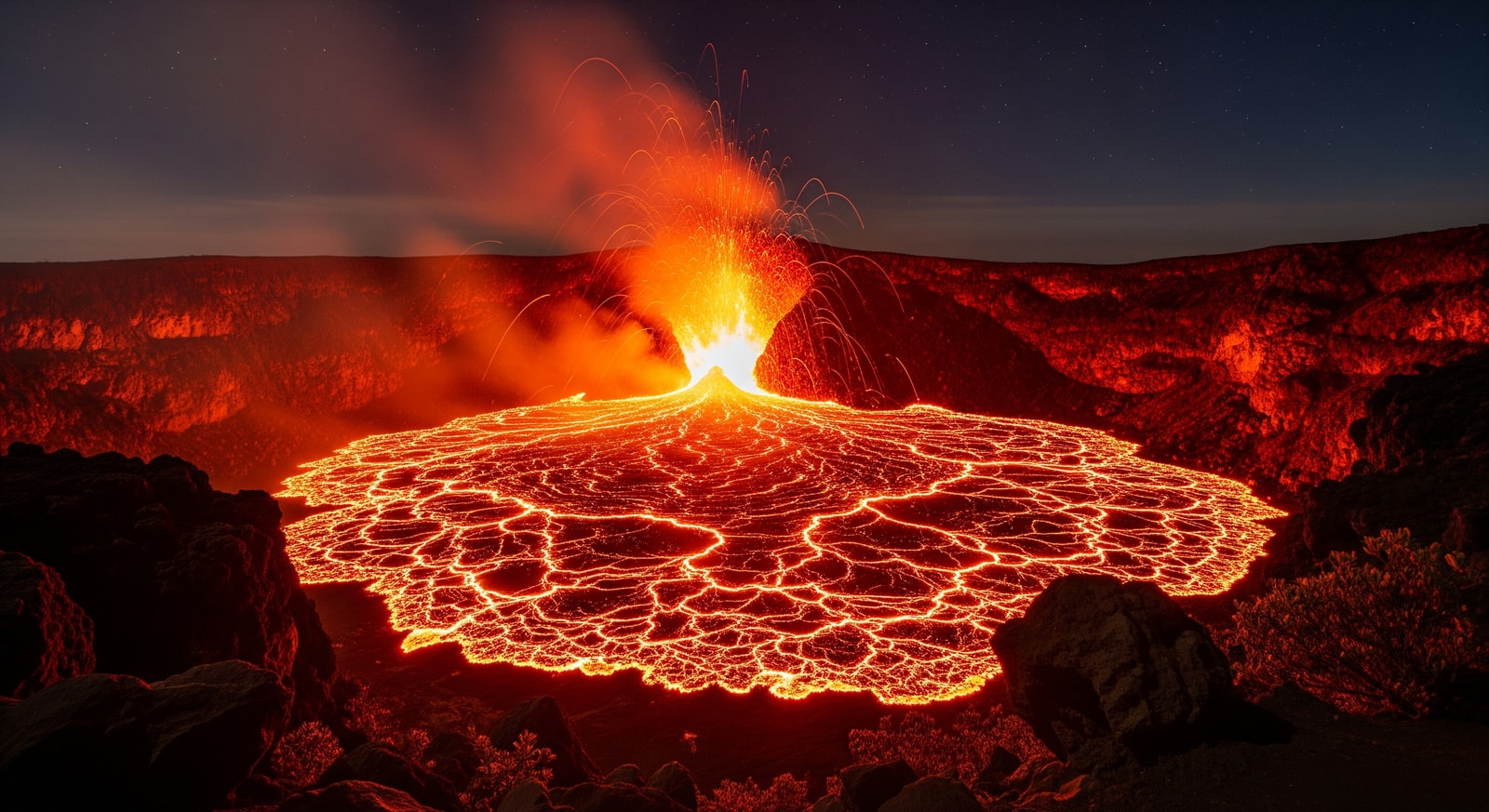
Mount Nyiragongo — One of the world's most active volcanoes with a spectacular lava lake
Entry Points & Processing
Entry Points & Immigration
DRC visas are valid at official entry points including:
• Airports: N'djili International Airport (FIH) in Kinshasa (main international gateway), Goma International Airport (GOM) for Virunga access, Lubumbashi International Airport (FBM), and Kisangani Bangoka Airport
• Land borders: Crossings with Republic of Congo (Brazzaville ferry), Uganda, Rwanda, Zambia, Angola, and other neighboring countries
• River ports: Various points along the Congo River
Processing Times & Application Timing
DRC visa processing typically takes 5-10 business days, though times can vary based on application completeness and embassy workload. Some travelers may be eligible for visa on arrival at major airports, but pre-arranged visas are strongly recommended to avoid complications. Apply at least 3-4 weeks before your intended travel date to allow sufficient processing time. Visa validity usually begins from the date of issue, so timing your application appropriately is important.
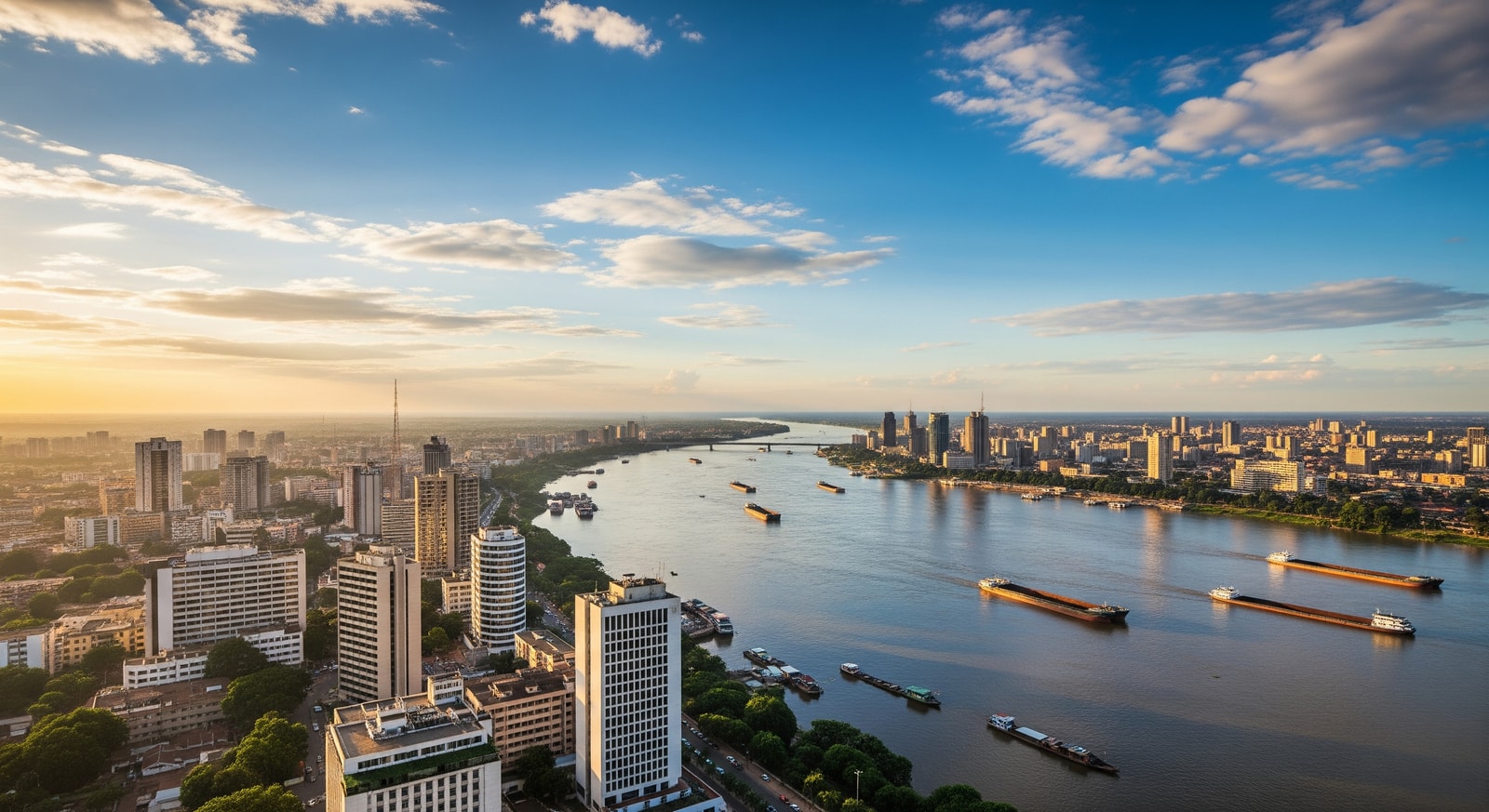
Kinshasa — Africa's third-largest city and gateway to the DRC
Why Choose DoVisa?
See the difference between applying yourself vs using our expert service
Travelers to Congo - Kinshasa rated this product 4.7 out of 5 based on 10 reviews.
4.7/ 5
Based on 10 verified reviews
Filter by rating
Michael R.Jan 18, 2026
"Got my DRC visa for gorilla trekking in Virunga. The process seemed daunting but DoVisa guided me through every step. Absolutely worth it for the incredible experience!"
Sophie L.Jan 12, 2026
"French-speaking support was incredibly helpful for my DRC application. They explained all the requirements clearly and my visa was approved within a week."
David K.Jan 5, 2026
"Business visa for mining industry meeting in Lubumbashi. DoVisa handled the complex documentation requirements professionally. Would use again."
Emma W.Dec 28, 2025
"The document checklist was invaluable! DRC has specific requirements and DoVisa ensured I had everything ready. Smooth entry at Kinshasa airport."
Pierre M.Dec 20, 2025
"Applied for transit visa to cross DRC en route to Uganda. Processing took about 8 days but the team kept me informed throughout. Good service."
Jennifer H.Dec 14, 2025
"Amazing support for my Virunga expedition visa! They even helped coordinate with the park for gorilla permits. Once in a lifetime trip made easy."
Thomas B.Dec 8, 2025
"Comprehensive service from start to finish. The yellow fever certificate requirements were clearly explained and my visa arrived exactly as promised."
Marie C.Nov 30, 2025
"Visiting family in Kinshasa and needed help with the invitation letter requirements. DoVisa staff were patient and thorough. Visa approved successfully."
Robert J.Nov 22, 2025
"Third time using DoVisa for DRC. Consistent, reliable service every time. They understand the nuances of DRC immigration requirements."
Anna S.Nov 15, 2025
"Climbed Nyiragongo volcano and trekked to see gorillas. DoVisa made the visa process the easy part of planning this incredible adventure!"
Michael R.Jan 18, 2026
"Got my DRC visa for gorilla trekking in Virunga. The process seemed daunting but DoVisa guided me through every step. Absolutely worth it for the incredible experience!"
Sophie L.Jan 12, 2026
"French-speaking support was incredibly helpful for my DRC application. They explained all the requirements clearly and my visa was approved within a week."
David K.Jan 5, 2026
"Business visa for mining industry meeting in Lubumbashi. DoVisa handled the complex documentation requirements professionally. Would use again."
Congo (DRC) Visa FAQs
What types of visas are available for the Democratic Republic of the Congo?
The DRC offers several visa categories to accommodate different travel purposes. Tourist visa allows stays up to 90 days for wildlife tourism, gorilla trekking, volcano expeditions, and exploring the Congo Basin. Business visa permits commercial activities including meetings, investment exploration, and trade negotiations for up to 90 days. Transit visa allows passage through DRC for up to 7 days when traveling to another destination. Visitor visa is designed for those visiting family or friends for up to 30 days. Work visas and special permits are available for employment, which require employer sponsorship. The right visa depends on your travel purpose, intended duration, and activities planned within the DRC.
Do I need a visa to visit the Democratic Republic of the Congo?
Most foreign nationals require a visa to enter the DRC. Only citizens of a few countries have visa-free access for short stays, and these arrangements can change. Visa required: Citizens of most countries worldwide, including the USA, UK, EU nations, Canada, Australia, and most Asian countries need to obtain a visa before travel. Visa on arrival: Some nationalities may be eligible for visa on arrival at major airports like N'djili (Kinshasa) and Goma, but this is not guaranteed and pre-arranged visas are strongly recommended. ECCAS members: Citizens of some Economic Community of Central African States (ECCAS) member countries may have special entry arrangements. Always verify current requirements with DoVisa before travel, as regulations can change.
How long does DRC visa processing take?
DRC visa processing typically takes 5-10 business days, though times can vary based on several factors. Standard processing: Most tourist and visitor visas are processed within 5-10 business days when documentation is complete and accurate. Business visas: May take slightly longer due to additional verification of invitation letters and business documentation. Factors affecting processing: Application completeness, embassy workload, time of year, and any additional documentation requests can impact timing. Recommendations: Apply at least 3-4 weeks before your intended travel date to allow buffer time; ensure all documents meet requirements; respond promptly to any requests for additional information. DoVisa's document review service helps ensure applications are complete, reducing potential delays.
Is yellow fever vaccination required for DRC?
Yes, yellow fever vaccination is mandatory for all travelers entering the Democratic Republic of the Congo. You must present your International Certificate of Vaccination or Prophylaxis (ICVP), commonly known as the yellow card, at immigration upon arrival. Requirements: The vaccination must be administered at least 10 days before arrival to be considered valid. The certificate provides lifetime protection and validity. Enforcement: DRC authorities strictly enforce this requirement — travelers without valid yellow fever certification may be denied entry, required to receive vaccination at the airport, or face quarantine. Additional vaccinations: While not mandatory, health authorities strongly recommend hepatitis A and B, typhoid, meningitis, and rabies vaccinations. Malaria prophylaxis is essential as the DRC is a high-risk malaria zone. Consult a travel health specialist 4-6 weeks before departure.
What documents do I need for a DRC visa application?
Essential documents for all applications: Passport valid for at least 6 months beyond arrival with minimum two blank pages; recent passport-sized photographs (35x45mm, white background); completed application form; yellow fever vaccination certificate; proof of accommodation (hotel booking or invitation letter); round-trip flight itinerary; proof of sufficient funds (bank statements). Tourist visa additions: Detailed travel itinerary, particularly if visiting national parks; Virunga gorilla permit confirmation if applicable. Business visa additions: Invitation letter from DRC company on official letterhead; company registration documents from both your employer and the inviting company; detailed business itinerary; professional qualifications. Visitor visa additions: Invitation letter from host; host's identification documents; proof of host's legal residency in DRC. All documents should be clear scans in PDF or JPEG format.
Can I see gorillas in the DRC and what visa do I need?
Yes, the DRC offers one of the world's best gorilla trekking experiences at Virunga National Park, home to critically endangered mountain gorillas. Visa requirements: A standard tourist visa is sufficient for gorilla trekking. Ensure your visa validity covers your entire trip duration including travel to and from Virunga. Gorilla permits: Separate from your visa, you need a gorilla trekking permit from Virunga National Park authorities. These permits are limited and should be booked well in advance through official channels. Permit costs are separate from visa fees and directly support conservation efforts. Getting there: Most travelers fly into Goma International Airport, which is the gateway to Virunga. Additional experiences: Virunga also offers chimpanzee trekking, hiking Mount Nyiragongo to see its lava lake, and Rwindi plains safaris. DoVisa can help coordinate your visa application with your Virunga expedition planning.
Can I extend my DRC visa once I arrive?
Yes, DRC visas can potentially be extended, though the process requires effort. Where to apply: Direction Generale de Migration (DGM) offices in major cities including Kinshasa, Lubumbashi, and Goma. Requirements: Valid passport, completed extension application form, passport photographs, proof of accommodation for extended stay, proof of sufficient funds, and payment of extension fees. Process: Apply before your current visa expires — overstaying is a serious offense with potential fines, detention, or deportation consequences. Extensions are discretionary and not guaranteed. Timing: Begin the extension process at least one week before your visa expires to allow processing time. Alternatives: If planning a long stay, consider applying for an appropriate longer-duration visa initially, or plan an exit and re-entry which may be simpler than the extension process.
Is the Democratic Republic of the Congo safe for tourists?
The DRC's safety situation varies significantly by region, and careful planning is essential. Generally safer areas: Kinshasa (main tourist and business areas), Virunga National Park (with authorized tour operators and park security), and some other established tourism circuits with proper security arrangements. Areas to avoid: Eastern DRC has experienced ongoing conflict in some regions; border areas with Sudan, Central African Republic, and some Ugandan border regions have security concerns. The Kasai region has also experienced instability. Essential precautions: Travel with reputable tour operators who maintain current security assessments; register with your embassy; maintain flexible plans; arrange comprehensive travel and evacuation insurance; follow local advice strictly. Virunga specifically: The park has dedicated security and works closely with conservation rangers, but always verify current conditions before booking. Health considerations: Medical facilities are limited outside major cities — ensure comprehensive health insurance with evacuation coverage.
What currency is used in the DRC and can I use cards?
The official currency is the Congolese Franc (CDF), though US Dollars are widely accepted and often preferred for larger transactions. Cash is king: The DRC is predominantly a cash economy. Bring sufficient US Dollars in good condition (newer bills preferred) for major expenses including hotels, tours, permits, and larger purchases. Small denomination bills are useful. Local currency: Congolese Francs are needed for small purchases, local transportation, and markets. Exchange at banks or authorized bureaux de change in major cities. Card acceptance: Very limited — only some larger hotels and businesses in Kinshasa accept credit cards, often with significant fees. Don't rely on cards for payments. ATMs: Available in Kinshasa and some larger cities but frequently out of service or cash. Not reliable for travelers. Recommendations: Bring more cash than you think you'll need; keep it secure; inform yourself about safe money handling practices for your specific destinations.
What are the main entry points into the DRC?
Air entry points: N'djili International Airport (FIH) in Kinshasa is the main international gateway with connections from major African hubs including Addis Ababa, Nairobi, and Johannesburg. Goma International Airport (GOM) serves eastern DRC and Virunga access with flights from Kigali and regional destinations. Lubumbashi International Airport (FBM) serves southern DRC with some international connections. Land borders: Brazzaville-Kinshasa ferry crossing is popular for entering from Republic of Congo. Border crossings exist with Uganda (convenient for combining with Uganda gorilla trekking), Rwanda (near Goma), Zambia, Angola, and other neighbors. Important notes: Not all border crossings are consistently open or recommended due to security situations. Verify current status of specific crossings before planning overland travel. All entry points require proper visa documentation — confirm your visa is valid for your intended entry point.
Can I work in the DRC with a tourist or business visa?
No, tourist and business visas do not permit employment in the DRC. Tourist visas are strictly for tourism, wildlife viewing, adventure travel, and visiting friends and family — no commercial or paid activities permitted. Business visas allow attending meetings, exploring investment opportunities, and conducting trade discussions, but not receiving salary from a DRC entity or engaging in hands-on work activities. Employment requirements: Working in the DRC requires a work permit sponsored by a DRC-registered employer. The process involves extensive documentation including employment contracts, professional qualifications, health certificates, and police clearances. Work permits typically take several weeks to process and must be arranged before entering for work purposes. Volunteer work: Even unpaid volunteer positions may require special authorization — verify requirements with relevant authorities. Penalties: Working without proper authorization can result in fines, detention, deportation, and future visa bans.
What is the best time to visit the DRC?
The DRC spans the equator with a tropical climate, and timing depends on your planned activities. Dry seasons (June-September and December-February) are generally best for travel: roads are more passable, trekking conditions are better, and wildlife viewing is enhanced. Gorilla trekking: Possible year-round but the dry seasons (June-September, December-February) offer easier trekking conditions with less mud on forest trails. Nyiragongo volcano: Accessible year-round, but dry season provides clearer views of the lava lake. Congo River: Navigable throughout the year, though water levels vary seasonally. Wet seasons (March-May, October-November) bring heavy rainfall, making some roads impassable and trekking more challenging. However, the rainforest is lush and beautiful, and some travelers prefer fewer crowds. Kinshasa: Hot and humid year-round; the dry season (June-September) is slightly more comfortable.
Do children need their own DRC visa?
Yes, every traveler including infants and children requires their own DRC visa. There are no provisions for children traveling on parents' documents. Requirements for children: Valid passport in the child's own name with 6+ months validity and two blank pages; passport-sized photographs meeting adult specifications; completed application form with child's details; yellow fever vaccination certificate; parental consent documentation if traveling with only one parent or without parents. Additional documentation: When a child travels with only one parent, a notarized consent letter from the absent parent is strongly recommended. Children traveling without parents need comprehensive documentation including guardian authorization, parental consent letters, and clear explanation of travel purpose. Application process: Parents typically apply for children's visas simultaneously with their own. Fees: Children pay the same visa fees as adults.
What happens if my DRC visa application is rejected?
DRC visa rejections can occur, though they're less common when applications are complete and accurate. Common rejection reasons: Incomplete documentation; missing or invalid yellow fever certificate; passport validity issues; unclear purpose of visit; insufficient proof of funds; missing invitation letter for business or visitor visas; previous immigration issues. If rejected: You'll typically receive notification of the unsuccessful application. DRC authorities don't always provide detailed rejection reasons. You can reapply with improved documentation addressing potential issues. Prevention strategies: Ensure all documents are complete and clearly scanned; verify passport validity requirements; provide comprehensive travel plans and accommodation proof; include solid evidence of financial means; obtain required yellow fever vaccination well in advance. DoVisa's document review service helps identify potential issues before submission, significantly reducing rejection risk.
Can I visit both the DRC and Rwanda or Uganda on one trip?
Yes, combining the DRC with neighboring Rwanda or Uganda is popular for gorilla trekking enthusiasts. Separate visas required: Unlike the East Africa Tourist Visa (which covers Kenya, Uganda, and Rwanda), there is no single visa covering the DRC with its neighbors. You need separate visas for each country. Popular combinations: DRC + Rwanda (convenient border crossing at Goma/Gisenyi allows seeing gorillas in both Virunga and Volcanoes National Park); DRC + Uganda (combine Virunga with Bwindi Impenetrable Forest gorilla trekking). Border crossings: The Goma-Gisenyi border between DRC and Rwanda is frequently used by tourists. The DRC-Uganda border crossings are less commonly used by tourists but possible. Planning tips: Apply for all required visas before departure; ensure sufficient passport pages for multiple entry stamps; consider multi-entry visas if planning to cross borders multiple times; verify current border crossing conditions before travel.
Still have questions?
Our team is here to help 24/7
Get Visa Tips & Exclusive Deals
Join 1,000+ travelers. No spam, unsubscribe anytime.


 With DoVisa