Simple 4-step process — most applications approved within 48-72 hours
1
Complete the online application
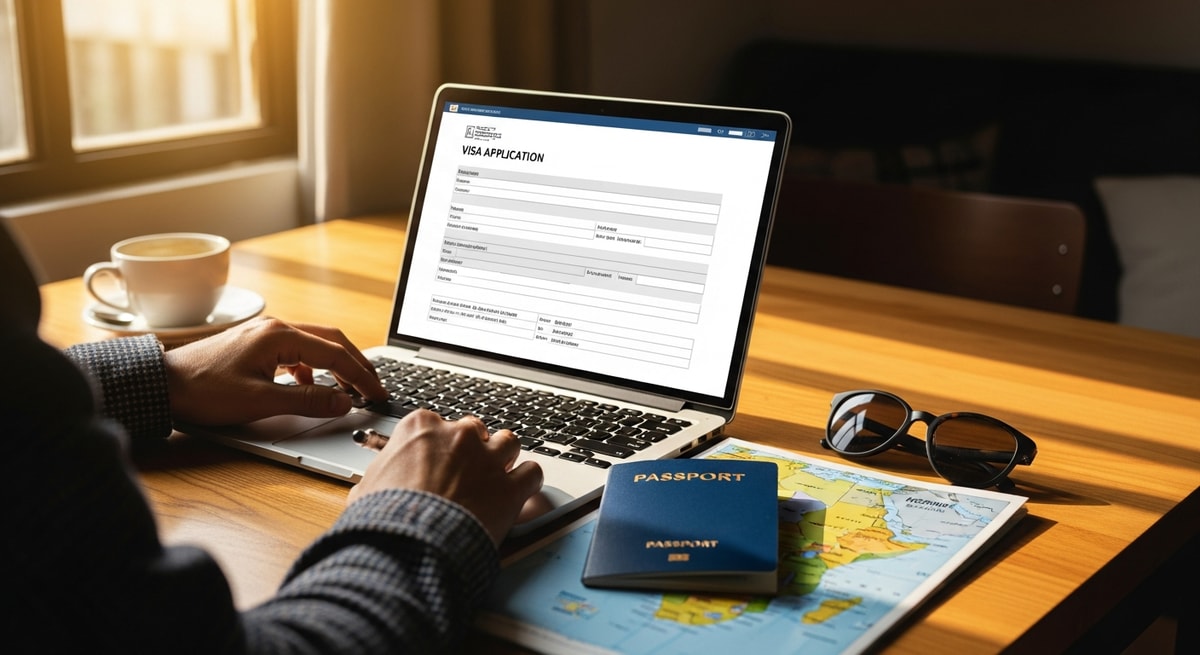
Fill out our streamlined application form with your personal details and travel plans. Our intelligent system guides you through each section, checking for common errors and ensuring your application meets Djibouti Immigration requirements for visiting this unique Horn of Africa destination.
2
Upload your documents
Submit your passport scan (bio page clearly visible), a recent passport-sized photograph, and proof of accommodation. Our visa specialists review every document against Djibouti entry standards before submission, significantly reducing the risk of rejection or delays.
3
We process your visa
Your verified application is submitted to Djibouti Immigration authorities. We monitor processing status in real-time and proactively communicate any updates, requests for additional documentation, or status changes via email and SMS.
4
Receive your visa electronically
Your approved Djibouti visa arrives as a PDF document. Print it clearly on A4 paper and present it at immigration along with your passport. Welcome to Djibouti — gateway to extraordinary landscapes and marine adventures!
Visa types needed for Djibouti
Available visa products
Djibouti Tourist e-Visa - 90 days, Single entry Most Popular
Djibouti Tourist e-Visa - 90 days, Single entry
The Djibouti Tourist eVisa provides access to Lake Assal, whale shark diving, and unique geological formations. Valid for 90 Days with single entry, this visa allows stays up to 90 days. Perfect for tourism and leisure.
Applicants must submit the following documents:
🛂 Passport: Valid for at least 6 months with blank pages
Djibouti welcomes visitors to experience one of Africa's most geologically fascinating destinations, from the lowest point on the continent to otherworldly volcanic landscapes. The country offers straightforward visa options for tourists eager to explore its unique attractions.
Tourist Visa
The standard Djibouti tourist visa allows stays up to 30 days — perfect for exploring Lake Assal (the lowest point in Africa at 155 meters below sea level), swimming with whale sharks in the Gulf of Tadjoura, visiting the surreal limestone chimneys of Lac Abbe, and discovering the vibrant culture of Djibouti City. This visa suits leisure travelers, adventure seekers, and those drawn to unique geological phenomena.
Visa on Arrival
Djibouti offers visa on arrival at Djibouti-Ambouli International Airport for citizens of many countries. This convenient option allows travelers to obtain their visa upon landing, though having an eVisa in advance can speed up the immigration process. Visa on arrival is typically valid for 30 days and can be extended for tourism purposes.
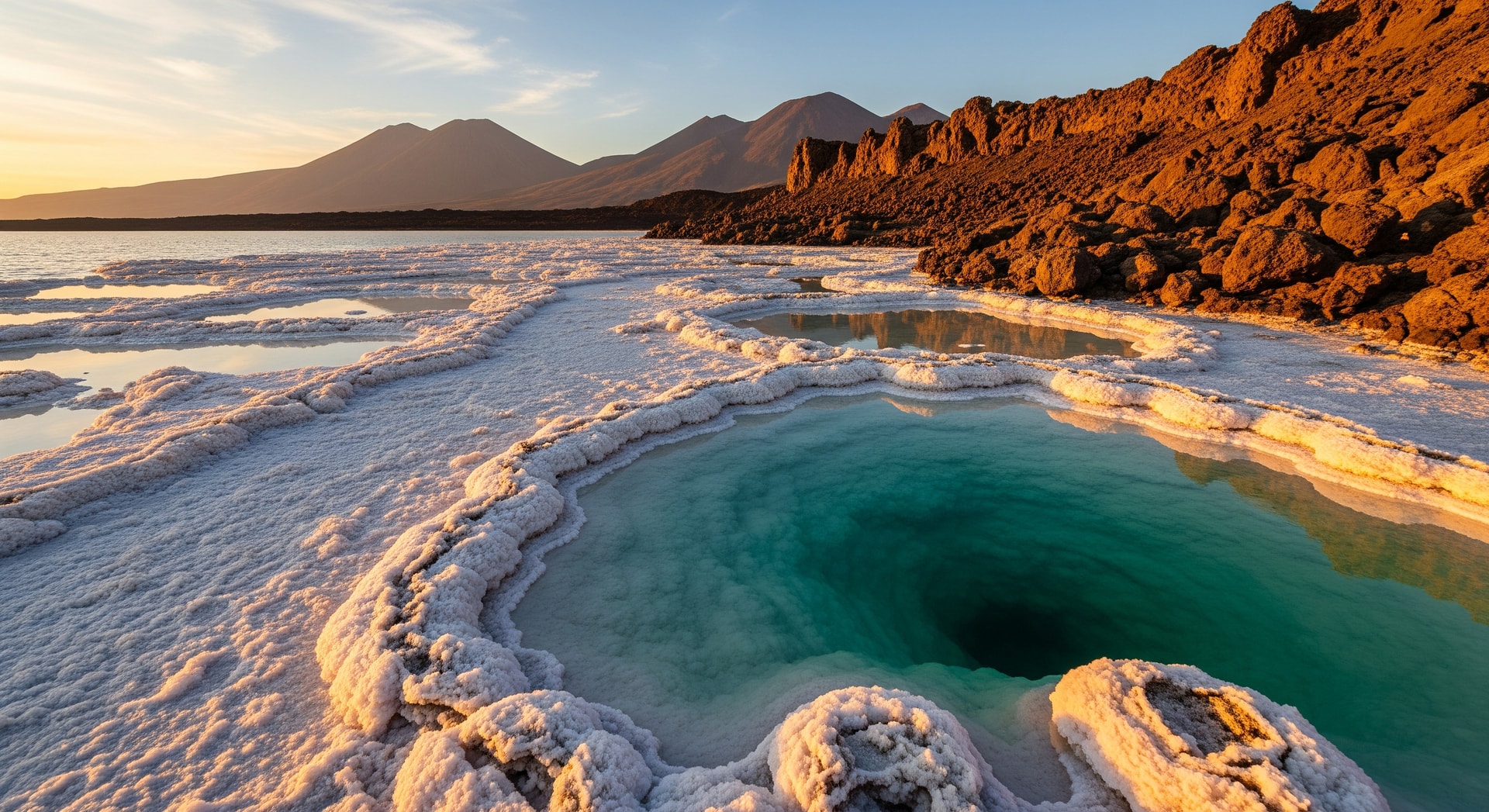
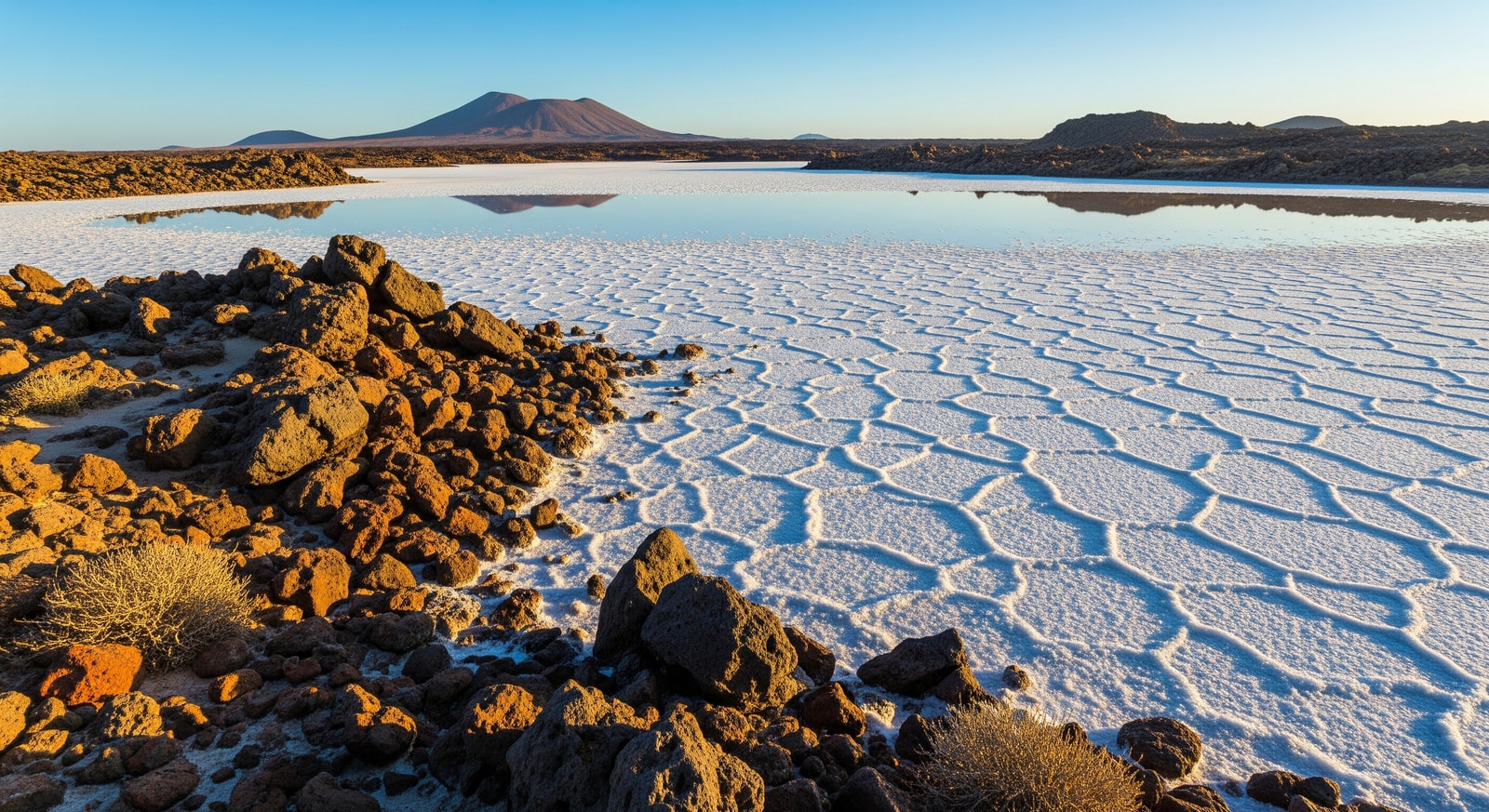
Lake Assal — Africa's lowest point and one of the world's saltiest lakes
Business & Special Visas
Business Visa
Given Djibouti's strategic location at the entrance to the Red Sea and its status as a major shipping hub, business visas are commonly issued for port operations, logistics, trade, and investment activities. Business visas allow stays up to 90 days and can accommodate single or multiple entries. Required documentation includes an invitation letter from a Djiboutian company or organization, business registration documents, and a detailed itinerary of planned activities.
Military & Government Personnel
Djibouti hosts several foreign military bases, including facilities for the United States, France, Japan, China, and Italy. Personnel associated with these installations follow specific visa protocols established through bilateral agreements. Official travel typically requires coordination through diplomatic channels rather than standard tourist visa procedures.
Long-Term Visas
For extended stays, work permits, or residency, applicants must work with Djibouti's Immigration authorities directly. These require employer sponsorship or significant investment documentation and involve a more comprehensive application process.
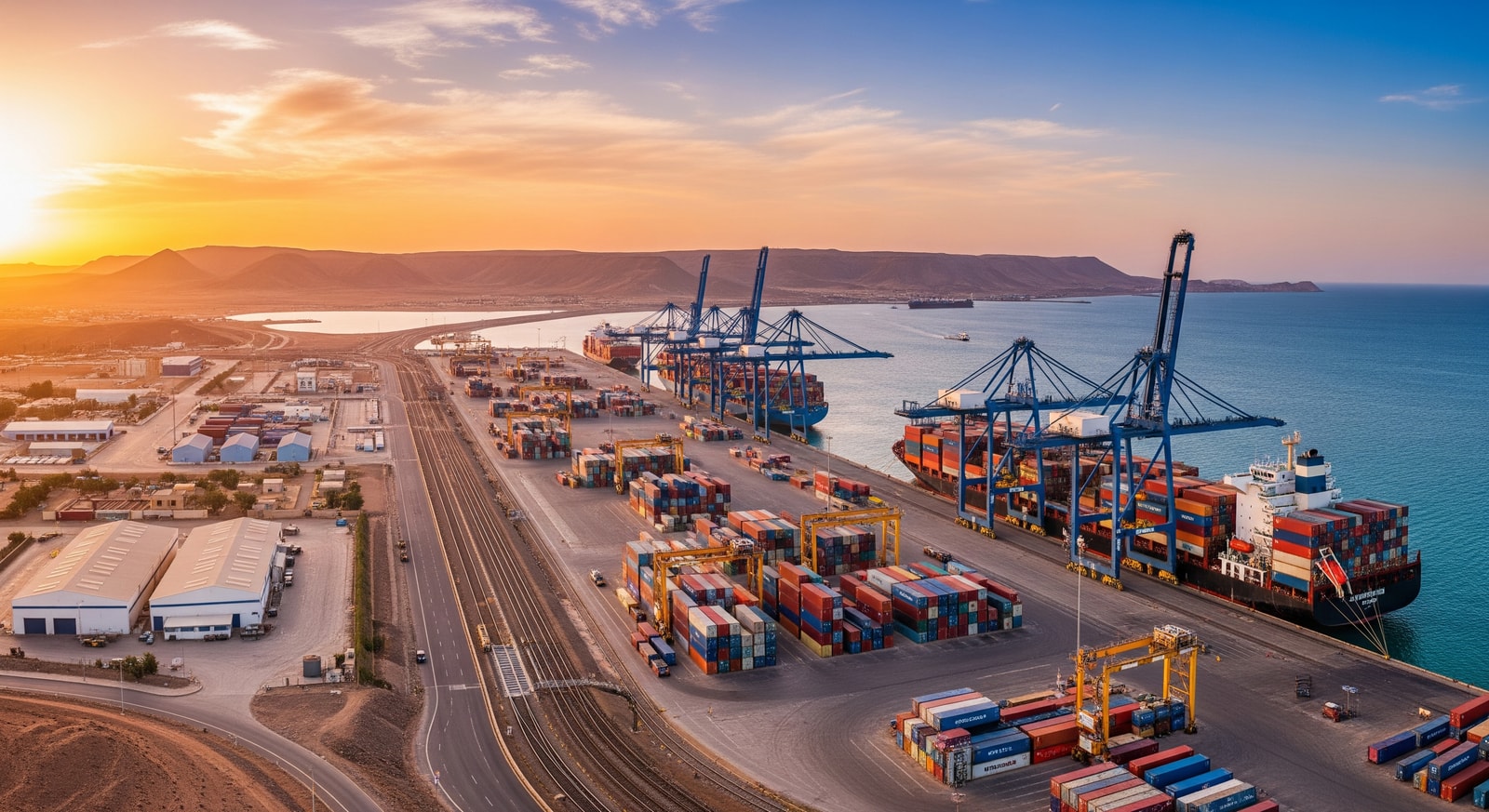
Port of Djibouti — Strategic gateway connecting Africa, Asia, and Europe
Entry Requirements & Documentation
Essential Requirements
All Djibouti visa applicants must meet these fundamental requirements:
• Passport validity: Minimum 6 months beyond your intended arrival date with at least two blank pages for entry stamps
• Photograph: Recent passport-sized photo (35x45mm) with white background, taken within the last 6 months
• Accommodation proof: Hotel booking confirmation or invitation letter if staying with contacts
• Travel itinerary: Flight bookings showing entry and exit from Djibouti
• Sufficient funds: Evidence of financial means to support your stay
• Yellow fever vaccination: Required if arriving from a yellow fever endemic country
Health Considerations
Djibouti has a hot, arid climate with temperatures regularly exceeding 40°C (104°F) in summer months. Travelers should prepare for extreme heat, carry adequate water, and use sun protection. Antimalarial precautions may be recommended depending on your itinerary, particularly for rural areas. Comprehensive travel insurance including medical evacuation coverage is strongly advised.
Lac Abbe — Surreal volcanic landscape featured in Planet of the Apes
Entry Points & Processing Times
Entry Points
Djibouti visas are valid at all official entry points:
• Air: Djibouti-Ambouli International Airport (JIB) is the primary entry point, located 6 kilometers from Djibouti City. The airport serves as a regional hub with connections to Addis Ababa, Dubai, Paris, and other destinations.
• Land borders: Crossings with Ethiopia (Galafi), Eritrea (limited), and Somalia (Loyada) exist, though land entry may require additional documentation and advance coordination.
• Sea: Port of Djibouti handles passenger arrivals, particularly for cruise ships and ferry services from Yemen (when operational).
Processing Times
Standard visa processing takes 3-5 business days, though most applications receive decisions within 48-72 hours. Visa on arrival processing at the airport typically takes 15-30 minutes depending on queue length. We recommend applying at least 2 weeks before travel to allow buffer time for any documentation requests.
Best Time to Visit
November to mid-March offers the most pleasant weather with temperatures between 25-34°C. April to October brings extreme heat, though whale shark season (October-February) draws marine enthusiasts despite the warmth.
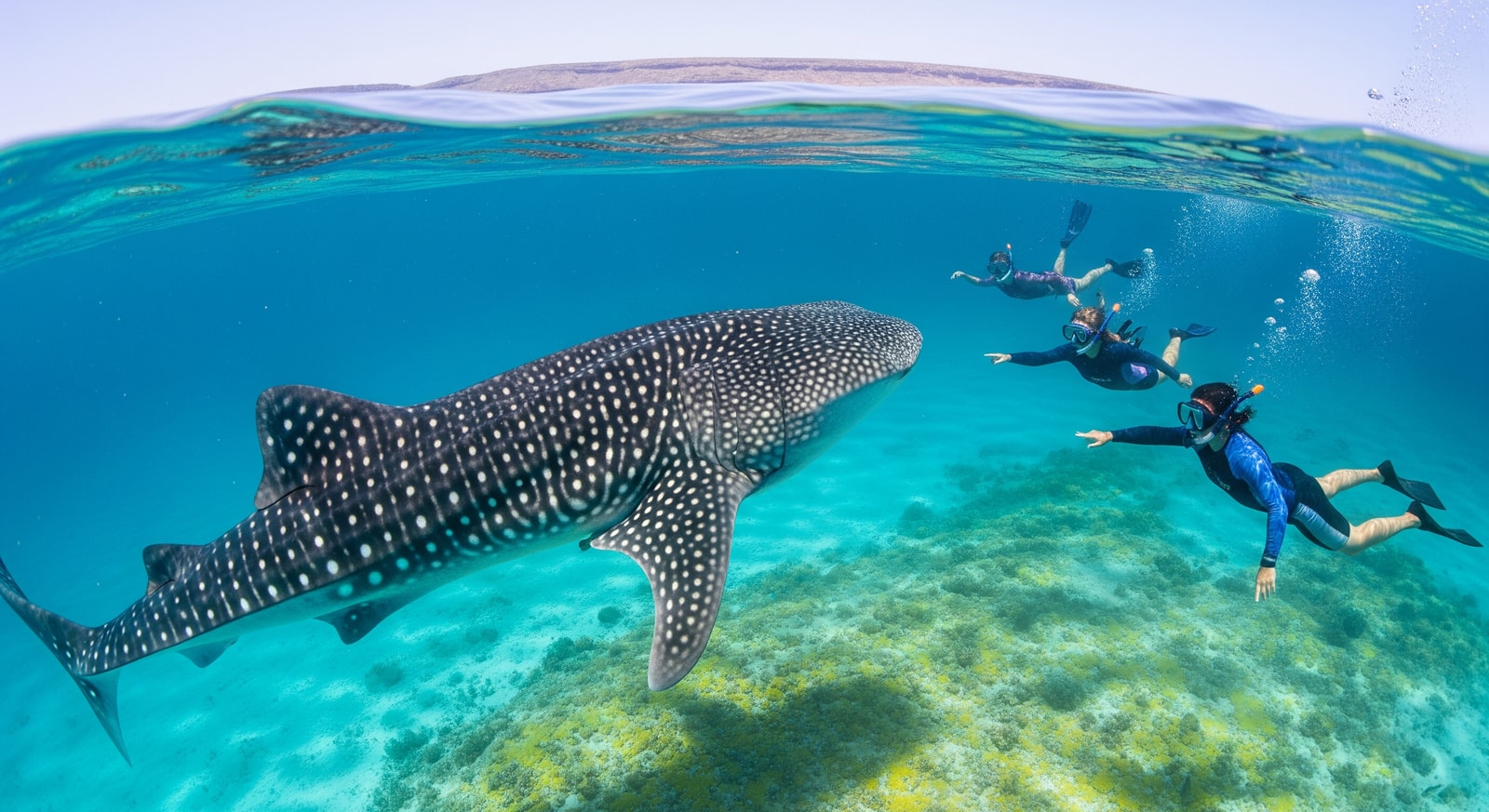
Gulf of Tadjoura — World-class whale shark encounters from October to February
Why Choose DoVisa?
See the difference between applying yourself vs using our expert service
Travelers to Djibouti rated this product 4.7 out of 5 based on 10 reviews.
4.7/ 5
Based on 10 verified reviews
Filter by rating
Michael B.Jan 18, 2026
"Got my Djibouti visa approved in just 2 days! Swimming with whale sharks in the Gulf of Tadjoura was incredible. DoVisa made the whole process smooth and stress-free."
Sophie L.Jan 12, 2026
"Lake Assal was on my bucket list for years. The visa application was straightforward and support team answered all my questions about travel requirements. Highly recommend!"
Ahmed K.Jan 5, 2026
"Business visa for port operations processed quickly. The document checklist was comprehensive and helped me prepare everything needed. Professional service throughout."
Caroline F.Dec 28, 2025
"Visited Lac Abbe and it was like being on another planet! DoVisa handled my tourist visa perfectly. The whole process took less than a week from application to approval."
David R.Dec 20, 2025
"First time using an online visa service and I was impressed. Clear instructions, fast processing, and my Djibouti visa arrived exactly when promised. Will use again!"
Emma W.Dec 15, 2025
"Applied for transit visa while connecting through Djibouti to Ethiopia. Processing took 3 days which gave me time to explore the city during my layover. Great experience."
Jean-Pierre M.Dec 8, 2025
"French speaker and appreciated the bilingual support. My visa for Djibouti was approved quickly and the team helped me understand all the entry requirements. Merci DoVisa!"
Rachel T.Nov 30, 2025
"Whale shark season trip planned perfectly! Visa approved in 48 hours. The experience in the Gulf of Tadjoura exceeded all expectations. Thank you DoVisa!"
Thomas H.Nov 22, 2025
"Researched several visa services and chose DoVisa for their transparency. No hidden fees, clear timelines, and my Djibouti visa was processed exactly as promised."
Fatima A.Nov 15, 2025
"Visiting family in Djibouti City was made easy with DoVisa. The application process was simple and customer service responded to my questions within hours."
Michael B.Jan 18, 2026
"Got my Djibouti visa approved in just 2 days! Swimming with whale sharks in the Gulf of Tadjoura was incredible. DoVisa made the whole process smooth and stress-free."
Sophie L.Jan 12, 2026
"Lake Assal was on my bucket list for years. The visa application was straightforward and support team answered all my questions about travel requirements. Highly recommend!"
Ahmed K.Jan 5, 2026
"Business visa for port operations processed quickly. The document checklist was comprehensive and helped me prepare everything needed. Professional service throughout."
Djibouti Visa FAQs
What types of visas are available for Djibouti?
Djibouti offers several visa categories to accommodate different travel purposes. Tourist visa allows stays up to 30 days for leisure travel, visiting attractions like Lake Assal and Lac Abbe. Visa on arrival is available at Djibouti-Ambouli International Airport for citizens of many countries, also valid for up to 30 days. Business visa permits stays up to 90 days for commercial activities, port operations, and trade. Transit visa allows stays up to 72 hours for travelers connecting through Djibouti to other destinations. The appropriate visa depends on your nationality, purpose of visit, and intended duration of stay.
What is a Djibouti visa on arrival and who qualifies?
The visa on arrival option allows eligible travelers to obtain their Djibouti visa directly at Djibouti-Ambouli International Airport upon landing. Citizens of most countries qualify, though requirements and fees may vary by nationality. Process: Complete a landing card on arrival, proceed to the visa counter before immigration, pay the fee in cash (USD, EUR, or DJF accepted), and receive your visa stamp. Required documents: Valid passport with 6+ months validity, return or onward flight ticket, proof of accommodation, and sufficient funds. Duration: Typically 30 days for tourism. Recommendation: While visa on arrival is convenient, applying for an eVisa in advance through DoVisa ensures faster processing at the airport and avoids potential queue delays.
How long does Djibouti visa processing take?
Djibouti visa processing times vary by application method. eVisa applications through DoVisa typically take 3-5 business days, with most decisions within 48-72 hours. Visa on arrival at the airport takes 15-30 minutes depending on queue length and time of arrival. Factors affecting processing: Application completeness, supporting document quality, peak travel seasons, and weekends/holidays can impact timing. Recommendations: Apply at least 2 weeks before travel for eVisa applications; ensure all documents are clear and meet specifications; respond promptly to any additional information requests. DoVisa's pre-submission document review helps ensure applications are complete, minimizing delays and rejection risk.
What documents do I need for a Djibouti visa application?
Essential documents for all applications: Passport valid for at least 6 months beyond arrival with minimum two blank pages; recent passport-sized photograph (35x45mm, white background, taken within 6 months); completed application form with accurate travel details. Additional requirements: Proof of accommodation (hotel booking or invitation letter); round-trip flight itinerary; travel insurance recommended; proof of sufficient funds (bank statements); yellow fever vaccination certificate if arriving from endemic regions. Business visa additions: Invitation letter from Djiboutian company; employer support letter; company registration documents; detailed business itinerary. Documents should be clear, legible scans in PDF or JPEG format. DoVisa reviews all documents before submission to ensure they meet requirements.
Do I need a yellow fever vaccination for Djibouti?
Yellow fever vaccination is required for travelers arriving from or transiting through yellow fever endemic countries. This includes most of sub-Saharan Africa, parts of South America (Brazil, Argentina, Colombia, Peru, etc.), Panama, and Trinidad and Tobago. You must present your International Certificate of Vaccination (yellow card) at immigration. Not required: Travelers arriving directly from non-endemic countries (Europe, North America, Asia, Middle East, Australia) don't need yellow fever vaccination for entry. Recommendation: Consult a travel health clinic 4-6 weeks before departure for personalized advice. Additional recommended vaccinations for Djibouti include hepatitis A and B, typhoid, and routine vaccinations. Antimalarial medication may be advised depending on your itinerary.
Can I extend my Djibouti visa once I arrive?
Yes, Djibouti visas can be extended through the Direction de la Police Nationale (National Police Directorate) in Djibouti City. Process: Visit the immigration office before your current visa expires; bring your passport, photos, completed extension form, and proof of continued accommodation and funds; pay the extension fee. Duration: Extensions are typically granted for an additional 30 days. Important: Apply for extension at least 3-5 days before expiration to allow processing time. Overstaying is a serious offense resulting in fines and potential deportation. Tip: If you know you'll need more than 30 days, consider applying for a longer-validity visa initially or plan a brief exit and re-entry to reset your stay period.
What is the best time to visit Djibouti?
Djibouti has an extremely hot, arid climate, so timing your visit is important. November to mid-March (Cool Season): Best overall weather with temperatures between 25-34°C. Pleasant for exploring Lake Assal, Lac Abbe, and outdoor activities. This period overlaps with whale shark season (October-February) in the Gulf of Tadjoura. Mid-March to June: Temperatures rise significantly, reaching 35-40°C. Still possible to visit with proper preparation. July to September (Hot Season): Extreme heat with temperatures regularly exceeding 40-45°C. Only recommended for essential travel; outdoor activities are limited to early morning and evening. Wildlife timing: Whale sharks are most reliably seen October through February. Migratory birds pass through in autumn and spring.
Is Djibouti safe for tourists?
Djibouti is generally safe for tourists in main tourism areas, though standard precautions apply. Safe areas: Djibouti City (central districts), Lake Assal, Lac Abbe with guides, Gulf of Tadjoura coastal areas, and established tourist routes. Areas of caution: Border regions with Eritrea and Somalia have elevated security concerns; travel with reputable tour operators in remote areas; some neighborhoods in Djibouti City are best avoided at night. Practical advice: Use registered guides for desert and remote area excursions; carry adequate water and sun protection due to extreme heat; respect local customs and dress modestly; ensure comprehensive travel insurance with medical evacuation coverage. Military presence: Several foreign military bases exist in Djibouti; certain areas may have restricted access.
Can I work in Djibouti with a tourist visa?
No, Djibouti tourist visas do not permit employment. Tourist visas are strictly for leisure activities, sightseeing, visiting attractions, and meeting friends or family. Business visas allow commercial activities like meetings, conferences, and exploring trade opportunities, but not paid employment. Working legally in Djibouti requires a work permit and residence authorization, typically sponsored by a Djiboutian employer. The process involves documentation verification, labor ministry approval, and can take several months. Port and logistics sectors: Given Djibouti's status as a major shipping hub, many international workers are employed in port operations through proper work authorization channels. Penalties: Working without proper authorization risks fines, deportation, and future visa restrictions.
What currency should I bring to Djibouti?
Djibouti's official currency is the Djiboutian Franc (DJF), which is pegged to the US Dollar. US Dollars and Euros are widely accepted, especially at hotels, tour operators, and larger establishments in Djibouti City. Cash recommendations: Bring USD in good condition for major purchases; exchange some local currency for smaller transactions, markets, and local transport. ATMs: Available in Djibouti City at major banks; international cards (Visa, Mastercard) generally work but may have withdrawal limits. Card acceptance: Limited to larger hotels, some restaurants, and international businesses; most transactions in Djibouti are cash-based. Exchange: Banks and authorized exchange bureaus offer the best rates; avoid informal money changers. Tipping: Not mandatory but appreciated for good service; 10% at restaurants is customary when no service charge is included.
What are Djibouti's main tourist attractions?
Djibouti offers unique attractions found nowhere else on Earth. Lake Assal: Africa's lowest point at 155 meters below sea level and the world's third-saltiest body of water; stunning white salt flats with turquoise waters. Lac Abbe: Surreal volcanic landscape with limestone chimneys releasing steam; featured in Planet of the Apes; flamingo populations; best visited at sunrise. Gulf of Tadjoura: World-class whale shark encounters from October-February; diving and snorkeling; beautiful coastal scenery. Day Forest National Park: Rare endemic species and cooler highland climate. Djibouti City: Central market, European Quarter architecture, fresh seafood, and vibrant Afar culture. Moucha and Maskali Islands: Marine life, beaches, and day trip snorkeling. Afar culture: Traditional salt caravans, nomadic communities, and ancient trade routes.
Do I need a visa if I'm just transiting through Djibouti?
Transit visa requirements depend on your circumstances. No visa typically required: If your layover is under 24 hours and you remain airside (don't exit through immigration) at Djibouti-Ambouli International Airport. Transit visa required: If you want to exit the airport during your layover, your connection exceeds 24 hours, or you need to collect luggage and re-check. Transit visa details: Valid for up to 72 hours; lower fee than full tourist visa; requires connecting flight documentation. Application: Can be obtained in advance through DoVisa or on arrival at the airport. Recommendation: If uncertain about your layover plans, apply for a transit visa in advance to avoid complications. Having documentation ready ensures smooth passage through immigration.
What languages are spoken in Djibouti?
Djibouti has two official languages: French and Arabic. French is widely used in government, business, education, and tourism services; most signage and official documents are in French. Arabic is used in religious contexts and some official communications. Local languages: Afar and Somali are the primary indigenous languages spoken by the majority of the population. English: Increasingly understood in tourism and international business contexts, particularly at hotels and tour operators, though French remains dominant. Recommendation: Basic French phrases are helpful; translation apps work well; tour guides typically speak French and often English. DoVisa provides customer support in both English and French for Djibouti visa applications.
How do I get from Djibouti airport to the city?
Djibouti-Ambouli International Airport (JIB) is located just 6 kilometers from Djibouti City center. Transport options: Taxi: Most common option; official taxis available outside arrivals; negotiate fare before departing (typically 2,000-3,000 DJF to city center). Hotel transfers: Many hotels arrange airport pickup; confirm arrangements in advance. Rental cars: Available at the airport though not recommended for first-time visitors due to road conditions and navigation challenges. No public buses serve the airport directly. Tips: Agree on taxi fare before getting in; have local currency ready; afternoon arrivals during hot season should ensure air-conditioned transport. Flight connections: Airport has connections to Addis Ababa, Dubai, Paris, and regional destinations.
What happens if my Djibouti visa application is rejected?
Djibouti visa rejections are uncommon but can occur. Common rejection reasons: Incomplete documentation; passport validity issues; photos not meeting specifications; insufficient proof of funds or accommodation; previous immigration violations; concerns about travel purpose. If rejected: You'll receive notification of unsuccessful application; Djibouti immigration typically doesn't provide detailed reasons. You can reapply immediately with improved documentation addressing potential issues. Prevention: Ensure documents are complete and clear; verify passport validity (6+ months); provide comprehensive travel plans; include proof of funds and return travel. DoVisa guarantee: If rejection results from our processing error, we provide a full refund of service fees and complimentary reapplication assistance. Our pre-submission review significantly reduces rejection risk.



 With DoVisa