
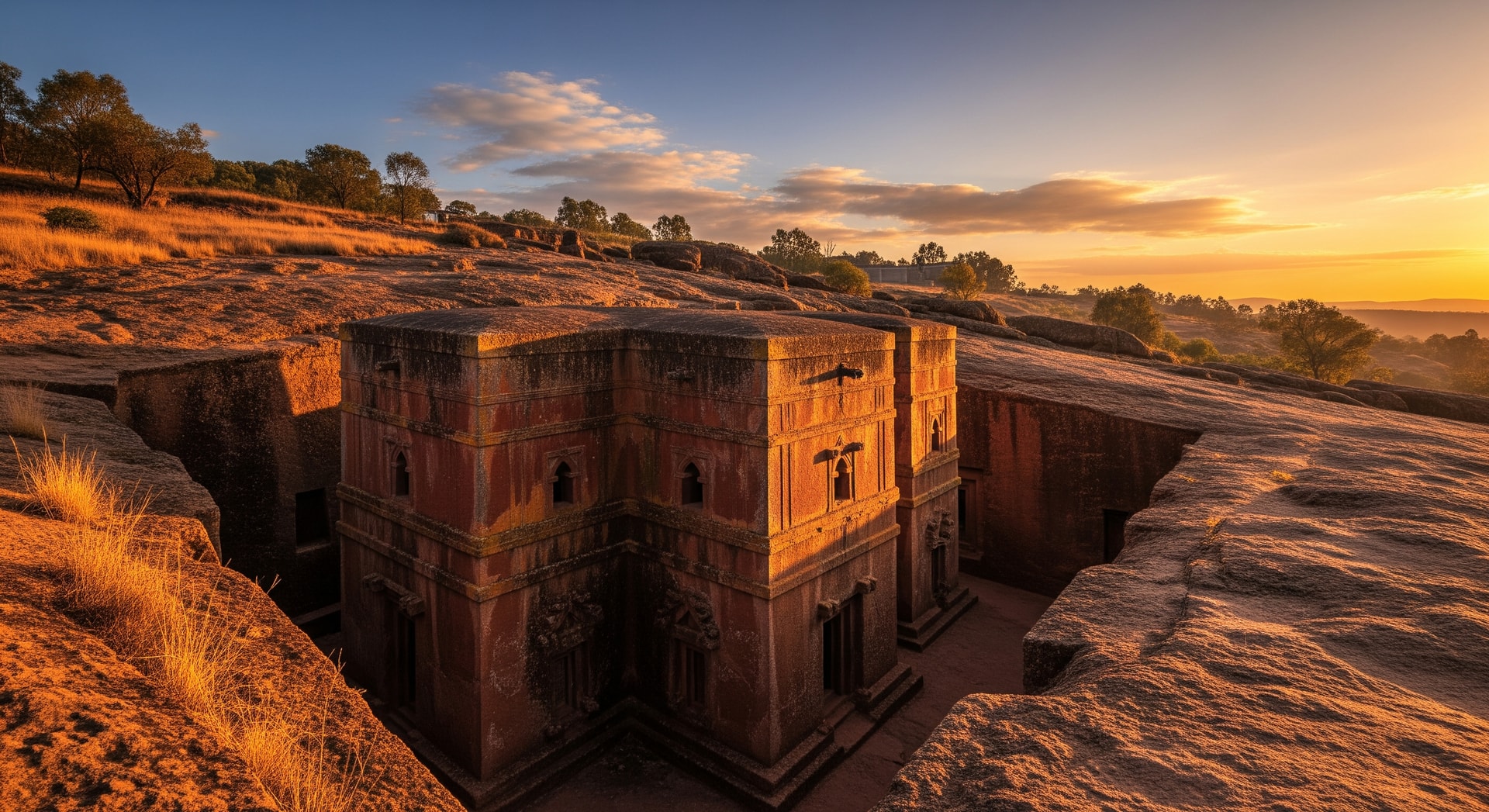
Ethiopia stands as one of Africa's most fascinating travel destinations, offering visitors an extraordinary journey through ancient history, diverse landscapes, and vibrant cultural traditions that have remained remarkably preserved throughout millennia. As the only African nation never colonized by European powers, Ethiopia has maintained its unique cultural identity, featuring its own calendar, alphabet, cuisine, and Orthodox Christian traditions dating back to the 4th century that continue to shape daily life and magnificent religious celebrations.
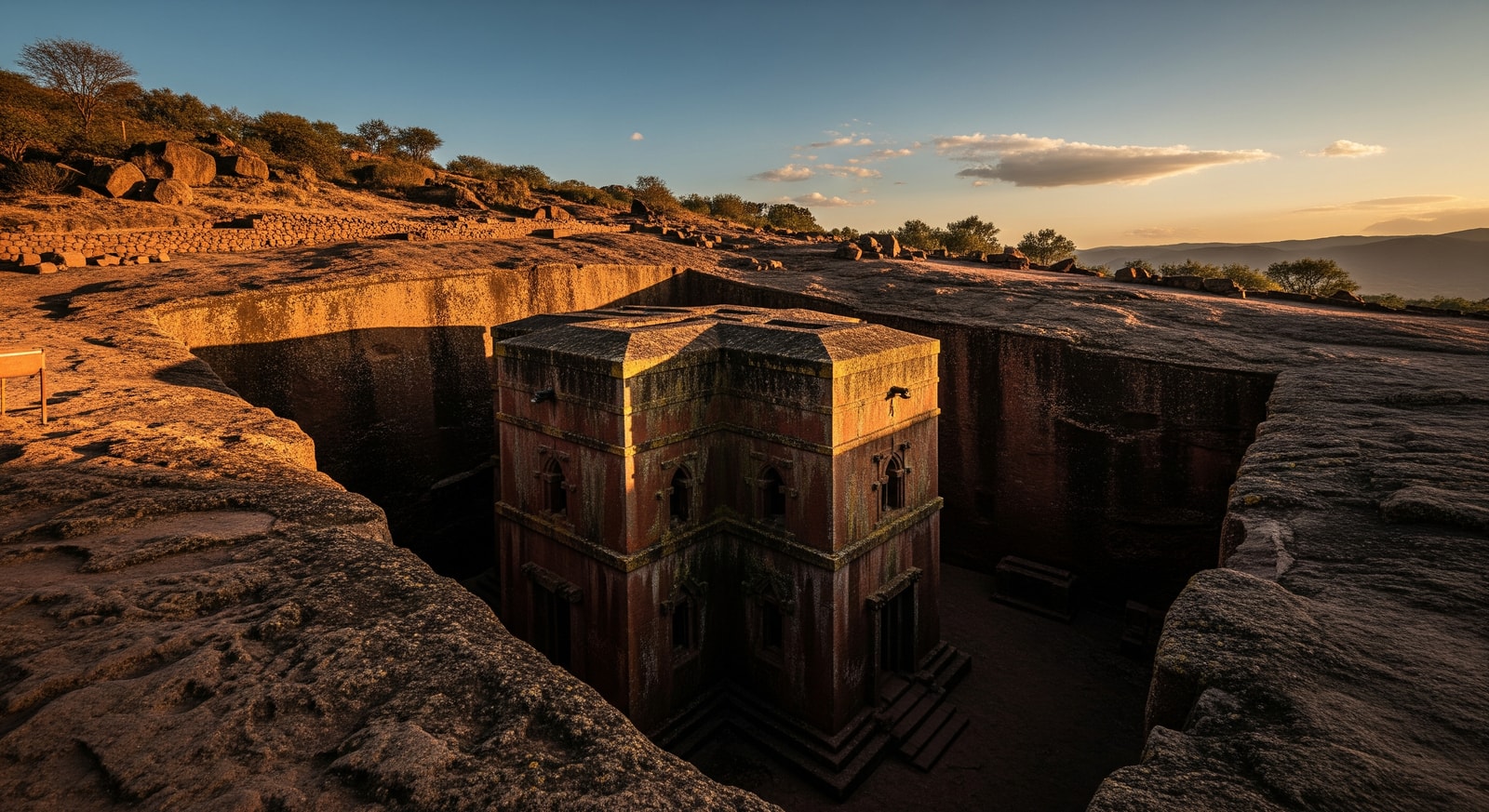
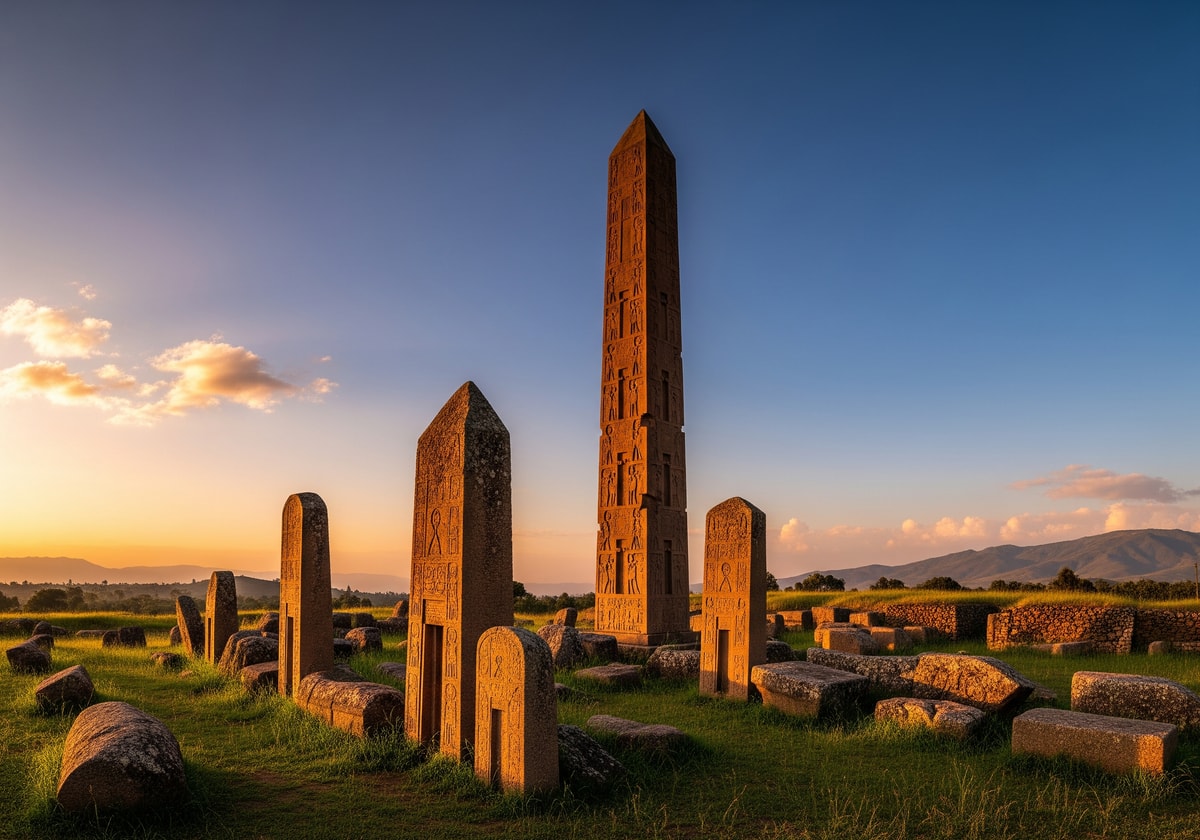
The introduction of the Ethiopia e-Visa has transformed travel to this remarkable East African nation, making it easier than ever for international visitors to explore attractions ranging from the rock-hewn churches of Lalibela — often called the eighth wonder of the world — to the dramatic Simien Mountains, from the ancient obelisks of Axum to the colorful Danakil Depression, one of Earth's most extreme environments. The e-Visa system allows travelers from eligible countries to obtain their travel authorization entirely online, eliminating embassy visits and streamlining the entry process.
This comprehensive guide covers everything you need to know about the Ethiopia e-Visa, including eligibility requirements, the step-by-step application process, required documentation, costs and processing times, and practical tips for making the most of your Ethiopian adventure. Whether you're drawn by ancient history, unique wildlife, trekking opportunities, or cultural immersion, understanding the e-Visa process is your first step toward experiencing one of Africa's most rewarding destinations.
What is the Ethiopia e-Visa?
The Ethiopia e-Visa is an electronic travel authorization that allows eligible foreign nationals to visit Ethiopia for tourism, business meetings, transit, or medical treatment purposes without obtaining a traditional visa stamp from an Ethiopian embassy or consulate. Launched in 2018 by the Ethiopian Immigration and Nationality Service, the e-Visa system has dramatically simplified the entry process for visitors from over 150 countries, supporting Ethiopia's growing tourism sector and its position as a major African business hub, particularly given Addis Ababa's role as headquarters for the African Union.
The e-Visa is electronically linked to your passport number and processed entirely online through the official Ethiopian e-Visa portal. Upon approval, travelers receive a confirmation email with their e-Visa document, which should be printed and presented alongside a valid passport upon arrival at Bole International Airport in Addis Ababa or other designated entry points. The system represents Ethiopia's commitment to modernizing its immigration processes while maintaining necessary security protocols for border control.
Ethiopia offers several e-Visa categories to accommodate different travel purposes. The tourist e-Visa is most common for visitors exploring the country's historical sites, natural wonders, and cultural attractions. Business e-Visas are available for those attending meetings, conferences, or conducting commercial activities. Transit e-Visas serve travelers passing through Ethiopia, while medical e-Visas accommodate those seeking healthcare in Ethiopian facilities. Each category has specific validity periods and conditions that travelers should understand before applying.
The e-Visa system operates exclusively for air arrivals through Bole International Airport in Addis Ababa and select regional airports. Travelers entering Ethiopia by land or requiring visa types not covered by the e-Visa system must still apply through Ethiopian embassies or consulates abroad. Understanding which entry method applies to your travel plans is essential for proper preparation and smooth arrival.
Ethiopia e-Visa Quick Facts
Electronic visa linked to passport
Available for 150+ nationalities
Valid for tourism, business, transit, medical
Single and multiple entry options
Processing: 1-3 business days typically
Entry: Bole International Airport (ADD)
Who Can Apply for an Ethiopia e-Visa?
The Ethiopia e-Visa is available to citizens of over 150 countries worldwide, making it one of Africa's most accessible electronic visa systems. The Ethiopian government has progressively expanded eligibility to support tourism growth and facilitate business travel, recognizing Ethiopia's strategic importance as a gateway to Africa and home to the African Union headquarters. Most travelers from North America, Europe, Asia, Oceania, and many African nations can utilize the e-Visa system for their Ethiopian adventures.
Eligible nationalities include citizens of the United States, Canada, United Kingdom, Australia, all European Union member states, Japan, South Korea, China, India, and numerous other countries from every inhabited continent. The system is designed to accommodate the vast majority of international visitors, with only a small number of nationalities required to apply through traditional embassy channels due to diplomatic considerations or specific bilateral agreements.
Some nationalities enjoy visa-free access to Ethiopia, including citizens of Kenya and Djibouti who can enter without any visa for short stays. Nationals of certain African Union member states also benefit from simplified entry procedures. If you hold diplomatic, service, or official passports, different rules may apply, and you should verify requirements with Ethiopian diplomatic missions before travel to ensure proper documentation.
- North American citizens: United States, Canada, and Mexico nationals are fully eligible for the e-Visa system and can apply online for tourism or business travel
- European Union members: All EU citizens can obtain the Ethiopia e-Visa, including travelers from Germany, France, Italy, Spain, Netherlands, and all other member states
- United Kingdom citizens: British passport holders are eligible and can apply for tourist, business, or transit e-Visas
- Australian and New Zealand citizens: Both nations have full e-Visa eligibility for Ethiopian travel
- Asian travelers: Citizens of Japan, South Korea, China, India, Singapore, Malaysia, and most Asian nations qualify for the e-Visa
- African Union nationals: Many AU member state citizens are eligible, with some enjoying visa-free or visa-on-arrival access
- Middle Eastern countries: UAE, Saudi Arabia, Qatar, and other Gulf nation citizens can apply online
Check Your Eligibility
Use our visa checker tool above to verify your nationality's eligibility for the Ethiopia e-Visa. Requirements can change, so always confirm current eligibility before making travel arrangements. If your nationality isn't eligible for the e-Visa, you'll need to apply through an Ethiopian embassy or consulate in your country of residence.
Required Documents for Ethiopia e-Visa
Preparing your documentation before starting the Ethiopia e-Visa application ensures a smooth and efficient process. The Ethiopian Immigration Service requires specific documents to verify your identity, travel intentions, and eligibility for entry. Having all documents ready in the correct digital format helps avoid application delays or rejections that could impact your travel plans and departure schedule.
Document requirements are straightforward but must be followed precisely. The system accepts digital uploads, so ensure your files meet the specified size and format requirements before beginning your application. Taking time to prepare properly typically results in faster processing and approval of your e-Visa request.
- Valid passport: Your passport must be valid for at least 6 months beyond your planned entry date into Ethiopia with at least two blank pages for entry stamps
- Passport bio page scan: Clear, color scan of your passport's data page showing your photo, personal details, and passport number in JPEG or PNG format
- Recent passport photo: Digital photo taken within the last 6 months with white background, measuring 35x45mm, face clearly visible without glasses or head coverings (unless worn for religious reasons)
- Travel itinerary: Details of your planned trip including intended arrival date, purpose of visit, places you plan to visit within Ethiopia
- Accommodation proof: Hotel reservations, invitation letter from hosts, or confirmed accommodation arrangements for your stay
- Return/onward ticket: Evidence of travel arrangements showing you will depart Ethiopia within your visa validity period
- Yellow fever vaccination: Certificate required if arriving from or transiting through yellow fever endemic countries
- Email address: Valid email for receiving your e-Visa approval and any communication from immigration authorities
- Payment method: Credit or debit card (Visa, MasterCard) for paying the e-Visa fee online
Photo Requirements
Your passport photo must meet strict specifications: recent (within 6 months), color photo against white background, face centered and clearly visible, neutral expression, no glasses, no head coverings (except for religious purposes). Incorrect photos are a leading cause of application delays. Review Ethiopia's official photo guidelines carefully before uploading.
How to Apply for the Ethiopia e-Visa Online
The Ethiopia e-Visa application process is conducted entirely online through the official Ethiopian Immigration and Nationality Service portal. The system is designed to be user-friendly, guiding applicants through each step from account creation to payment confirmation. Most applicants complete the entire process within 20-30 minutes when they have all required documents prepared and ready for upload.
Applying well in advance of your travel date is recommended, even though processing is typically completed within 1-3 business days. This buffer time accounts for potential delays during peak travel seasons, holidays, or if additional information is requested. Many travelers apply 2-4 weeks before departure to ensure ample time for approval and any necessary follow-up.
- Access the official e-Visa portal
- Create an account
- Select visa type and duration
- Complete the application form
- Provide travel details
- Upload required documents
- Review all information carefully
- Pay the e-Visa fee
- Submit your application
- Track and download
Ready to Apply for Your Ethiopia e-Visa?
Ethiopia e-Visa Fees and Processing Time
Ethiopia e-Visa fees vary depending on the type of visa, number of entries, and validity period selected. The Ethiopian government sets official fees that are paid directly through the e-Visa portal during the application process. Understanding the fee structure helps you budget appropriately and select the visa option that best matches your travel plans and needs.
Processing times are generally efficient, with most applications approved within 1-3 business days. However, during peak tourist seasons or around major holidays, processing may take longer. Applying with adequate lead time before your departure ensures you receive your e-Visa without last-minute stress or the need to change travel arrangements.
Ethiopia e-Visa Fees Overview
| Visa Type | Validity | Entries | Approximate Fee |
|---|---|---|---|
| Tourist e-Visa | 30 days | Single | $52 USD |
| Tourist e-Visa | 90 days | Single | $72 USD |
| Tourist e-Visa | 90 days | Multiple | $102 USD |
| Business e-Visa | 30 days | Single | $62 USD |
| Business e-Visa | 90 days | Multiple | $122 USD |
| Transit e-Visa | 3-7 days | Single | $32 USD |
Processing Time Tips
Standard processing takes 1-3 business days, but express processing may be available during your application for an additional fee. Apply at least one week before travel to account for any unexpected delays. Weekend submissions may not be processed until the following business day. You can track your application status through your e-Visa portal account at any time.
Arrival and Entry Process in Ethiopia
Upon arrival at Bole International Airport in Addis Ababa, e-Visa holders proceed through the immigration process with their approved e-Visa printout and valid passport. The entry process is straightforward when you have all documentation prepared and organized. Immigration officers will verify your e-Visa against their systems and stamp your passport with an entry permit valid for your approved stay duration.
Understanding the arrival process and having documents readily accessible helps expedite your entry and gets you started on your Ethiopian adventure without unnecessary delays. Ethiopian immigration officers are generally efficient, and the airport has undergone significant modernization to handle the increasing number of international visitors flying through Africa's gateway hub.
- Print your e-Visa
- Complete arrival forms
- Proceed to immigration
- Present documents
- Biometrics and verification
- Receive entry stamp
- Proceed to customs
You can get a visa on arrival at any Ethiopian airport
Visa on arrival is only available at Bole International Airport in Addis Ababa, and only for eligible nationalities. The e-Visa is recommended for all travelers as it ensures hassle-free entry and avoids potential long queues at visa-on-arrival counters during busy periods.
Ethiopia Travel Tips and Practical Information
Ethiopia offers travelers an extraordinary range of experiences, from ancient historical sites to dramatic natural landscapes, from vibrant city life to remote tribal communities. Preparing for your Ethiopian adventure involves understanding the country's unique characteristics, including its altitude (Addis Ababa sits at over 2,300 meters), its distinctive calendar and time-keeping system, and cultural norms that differ significantly from Western expectations.
These practical tips help you make the most of your Ethiopian experience while respecting local customs and navigating practical considerations that may differ from travel in other destinations.
- Altitude preparation: Addis Ababa sits at 2,355 meters (7,726 feet), and highland destinations like Lalibela are even higher. Take it easy on arrival days, stay hydrated, and consider altitude sickness prevention if traveling to very high elevations like the Simien Mountains
- Ethiopian calendar: Ethiopia uses its own calendar, approximately 7-8 years behind the Gregorian calendar. Events and holidays follow this system, so confirm dates carefully when planning around festivals like Timkat or Meskel
- Ethiopian time: Ethiopia uses a 12-hour clock starting at sunrise (6am = 12 o'clock). Clarify whether times are given in Ethiopian or international format to avoid missing flights or appointments
- Currency: The Ethiopian Birr (ETB) is the local currency. Foreign currency exchange is available at banks and authorized dealers. Credit cards are accepted at major hotels but cash is essential elsewhere
- Photography etiquette: Always ask permission before photographing people, especially in rural areas and tribal regions. Religious sites may have photography restrictions or fees
- Dress modestly: Ethiopia is predominantly Orthodox Christian and Muslim. Modest clothing covering shoulders and knees is appropriate, especially when visiting religious sites. Women may need head coverings for some churches
- Health precautions: Consult a travel health clinic before departure. Vaccinations for hepatitis A/B, typhoid, and yellow fever may be recommended. Malaria prophylaxis is needed for lower-altitude regions
- Travel insurance: Comprehensive travel insurance covering medical evacuation is essential. Healthcare in remote areas is limited and evacuation to Addis Ababa or abroad may be necessary for serious conditions
- Respect fasting periods: Many Ethiopians observe strict fasting periods, especially on Wednesdays and Fridays. During these times, be understanding if meat and dairy are less available, and consider participating in the cultural experience
Ethiopia changed my perspective on Africa completely. From the rock churches of Lalibela to the coffee ceremonies in every village, it's a country that rewards curious travelers willing to step off the beaten path.



Frequently Asked Questions
How long does the Ethiopia e-Visa take to process?
Can I extend my Ethiopia e-Visa while in the country?
Is the Ethiopia e-Visa valid for land border crossings?
What happens if my Ethiopia e-Visa is rejected?
Do I need a yellow fever vaccination to enter Ethiopia?
Can I visit multiple times with an Ethiopia e-Visa?
What is the maximum stay allowed on an Ethiopia tourist e-Visa?
Is Addis Ababa safe for tourists?
Do I need to print my Ethiopia e-Visa or is a digital copy acceptable?
Can I work in Ethiopia with a tourist e-Visa?
What currency should I bring to Ethiopia?
Is the water safe to drink in Ethiopia?
How many days do I need to visit Ethiopia's main attractions?
When is the best time to visit Ethiopia?
Ready to Explore Ethiopia?
Ethiopia awaits with ancient mysteries, dramatic landscapes, and cultural experiences found nowhere else on Earth. From the rock-hewn churches of Lalibela carved from living stone by medieval Christian devotees to the bubbling sulfur pools of the Danakil Depression, from the gelada baboon troops of the Simien Mountains to the traditional tribal cultures of the Omo Valley, Ethiopia offers adventures that transcend typical tourism to become genuinely transformative journeys.
The Ethiopia e-Visa makes accessing these wonders easier than ever before. With a straightforward online application process, affordable fees, and quick processing times, there's never been a better time to plan your Ethiopian adventure. Whether you're drawn by history, nature, culture, or simply the call of a destination that remains delightfully undiscovered by mass tourism, Ethiopia delivers experiences that linger in memory long after you return home.
Apply for your Ethiopia e-Visa today and prepare to discover the cradle of humanity, the birthplace of coffee, and one of Africa's most rewarding destinations. The ancient Ethiopian greeting "Tena yistilign" (may God give you health) welcomes travelers to a land where hospitality, history, and natural wonders combine to create unforgettable journeys through one of the world's truly unique countries.

Ethiopia
Capital: Addis Ababa
Currency: Ethiopian Birr (ETB)
Language: Amharic (official), 80+ regional languages
Timezone: UTC+3 (East Africa Time)
Processing: 1-3 business days (e-Visa)
Quick Facts
- Population: 120 million
- 9 UNESCO World Heritage Sites
- Home of the African Union headquarters
- Birthplace of coffee (Kaffa region)
Get the DoVisa App
Store your Ethiopia e-Visa and access travel information offline.







Comments(12)
Leave a Comment
Just returned from an incredible 2-week trip to Ethiopia! The e-Visa process was seamless — applied on Sunday and had approval by Tuesday. Lalibela exceeded all expectations, truly one of the world's most remarkable places.
Great guide! One thing I'd add: be prepared for the altitude in Addis Ababa. I felt winded just walking the first day. Take it slow initially and drink plenty of water. By day two I'd adjusted completely.
The coffee ceremonies are incredible — we were invited to three during our 10-day trip! Ethiopians are so welcoming and proud of their coffee heritage. Don't rush these experiences.
Question: Is it safe to travel independently or do you need organized tours? We prefer independent travel but want to visit remote areas like the Omo Valley.
The Simien Mountains trek was life-changing. Gelada baboons everywhere, incredible scenery, and we even spotted a lammergeier! Book a reputable guide through the park office in Debark.
Timkat festival in January was the most extraordinary cultural experience of my life. Thousands of people in white robes, processions, singing — truly unforgettable. Plan your visit around Timkat if possible!
Ethiopian food is amazing once you get used to injera! Tried everything from tibs to kitfo (raw beef, not for everyone). Vegetarian food is abundant due to Orthodox fasting traditions.
How reliable are the domestic flights with Ethiopian Airlines for connecting between historic sites? We have limited time and want to maximize our itinerary.
The Danakil Depression tour was incredibly challenging but absolutely worth it. Temperatures above 50°C, sleeping on salt flats, but seeing the Erta Ale lava lake at night was surreal. Not for everyone but truly unique.
Highly recommend learning a few Amharic phrases. Even basic greetings like 'selam' (hello) and 'amesegenallo' (thank you) opened so many doors and brought big smiles. Locals really appreciate the effort!
Applied through DoVisa and the whole process was straightforward. Had my e-Visa in 48 hours. The guide helped me understand exactly what documents were needed. Now planning my return trip!
Excellent comprehensive guide. Shared with my travel group. We're planning a 3-week trip covering the Historic Route and Omo Valley. The visa info and practical tips are exactly what we needed!