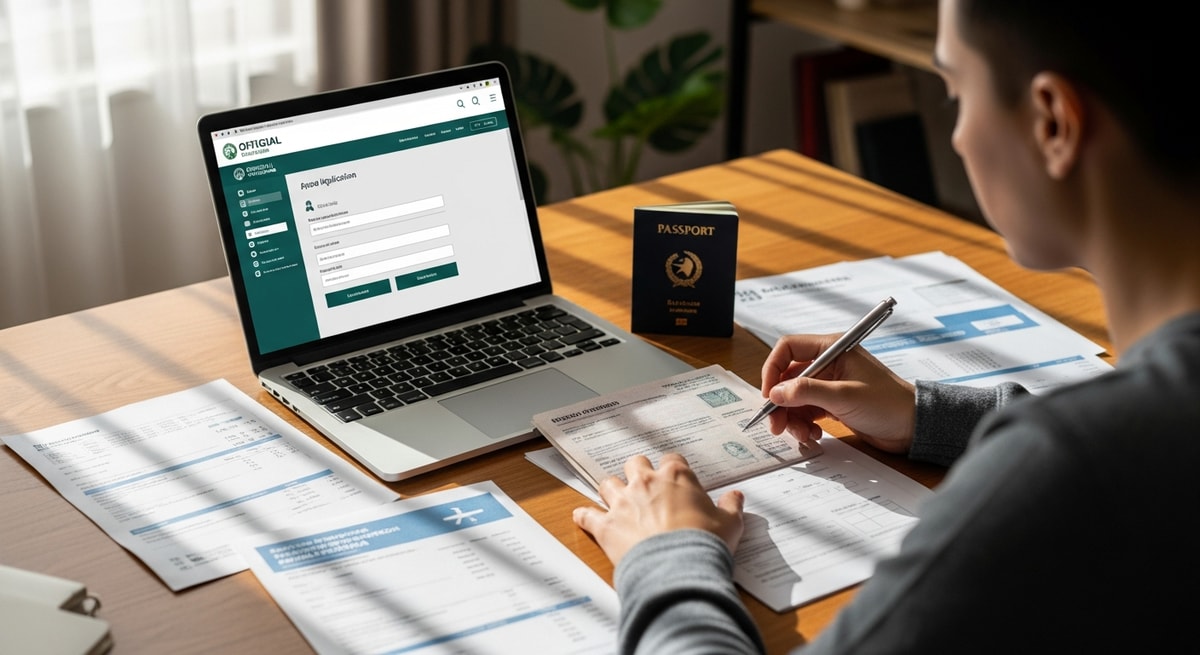
Simple 4-step process — expert guidance throughout your application
1
Complete the online application
Fill out our comprehensive application form with your personal details, travel plans, and accommodation information. Our system validates your entries against Algeria's consular requirements, flagging any potential issues before submission to ensure a complete application.
2
Upload your documents
Submit your passport scan, recent passport photographs, invitation letter or hotel booking, and proof of funds. Our visa specialists review every document for compliance with Algerian embassy standards, providing feedback on any corrections needed before official submission.
3
We process your application
Your verified application is prepared for submission to the Algerian consulate serving your region. We handle all communication with consular officials, track your application status, and keep you informed of any updates or additional documentation requests throughout the process.
4
Receive your visa
Once approved, your Algeria visa is either affixed to your passport (collected from the consulate) or delivered to you. Print any required documents and prepare for your journey to discover Algeria's stunning Sahara landscapes, ancient Roman ruins, and vibrant Mediterranean culture!
Algeria welcomes visitors to explore its diverse landscapes, from the Mediterranean coastline to the vast Sahara Desert. The country requires most foreign nationals to obtain a visa before arrival, with applications processed through Algerian embassies and consulates worldwide.
Tourist Visa
The Algeria tourist visa allows stays up to 90 days for leisure travel, sightseeing, and cultural exploration. This visa is perfect for travelers wanting to discover Algeria's UNESCO World Heritage sites including the ancient Roman ruins of Djémila and Timgad, the historic Casbah of Algiers, and the stunning M'zab Valley. Tourist visas are typically issued for single entry, though multiple-entry options may be available for frequent travelers.
Family Visit Visa
For those visiting relatives in Algeria, the family visit visa requires an invitation letter from your Algerian host, along with proof of their residence status. Your host may need to provide documentation from local authorities (commune) certifying their address and ability to accommodate you. This visa type allows meaningful time with family while exploring the country together.
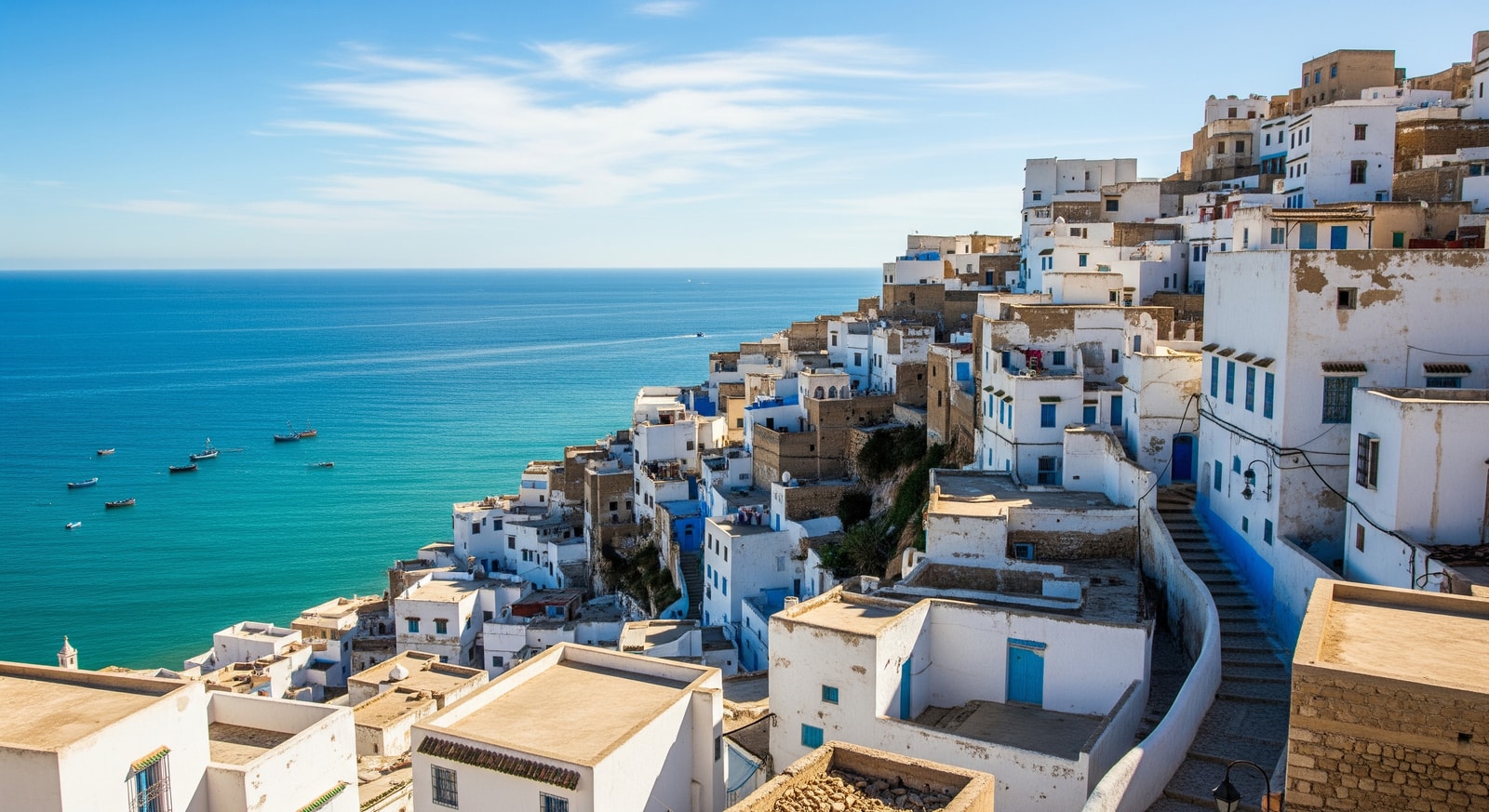
Casbah of Algiers — A UNESCO World Heritage Site with centuries of history
Business & Transit Visas
Business Visa
Algeria's growing economy presents opportunities for international business partnerships. The business visa caters to professionals attending meetings, conferences, trade fairs, or exploring commercial opportunities. Required documentation includes an invitation letter from an Algerian company registered with the Centre National du Registre du Commerce (CNRC), your company's registration documents, and a letter from your employer explaining the business purpose.
Business visas may be issued for single or multiple entries depending on your commercial activities. For ongoing business relationships, multiple-entry visas valid for 6-12 months can facilitate regular travel without repeated applications.
Transit Visa
Travelers passing through Algeria en route to another destination require a transit visa if exiting the airport or staying longer than 24 hours. Valid for up to 7 days, transit visas require proof of onward travel and valid visa for your final destination (if applicable). If remaining airside during a short layover, transit visa requirements may be waived.
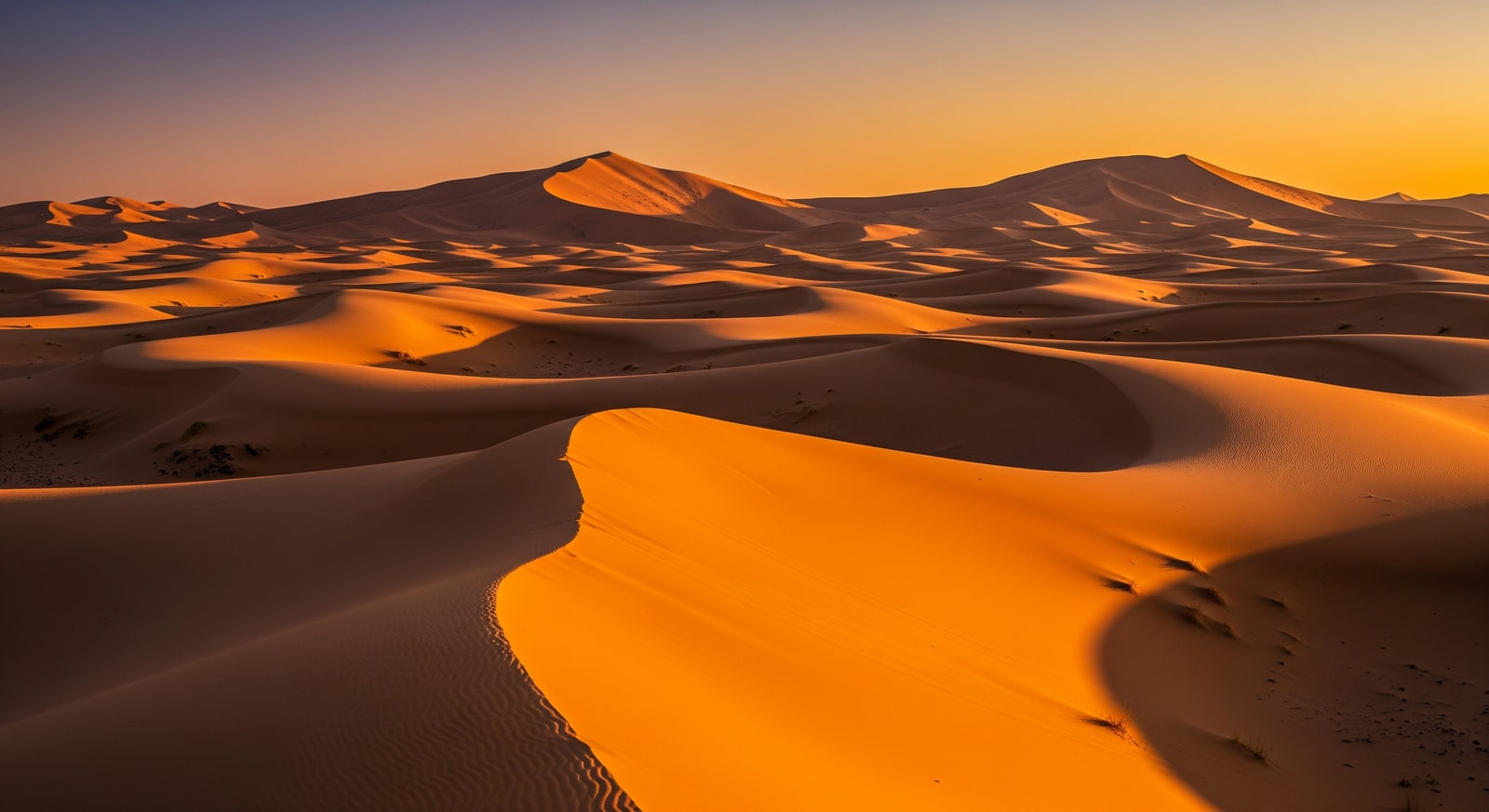
Tassili n'Ajjer — Algeria's spectacular Saharan landscape
Visa Requirements & Documentation
Essential Requirements for All Applicants
Algeria maintains specific documentation standards for visa applications:
• Passport: Valid for at least 6 months beyond your intended stay with minimum 2 blank pages for visa stamps
• Photographs: Two recent passport-sized photos (35x45mm) with white background, taken within the last 6 months
• Application form: Completed and signed Algeria visa application form
• Travel itinerary: Round-trip flight bookings showing entry and exit from Algeria
• Accommodation: Hotel reservations for tourist visas, or invitation letter with host's identification for family visits
• Financial proof: Recent bank statements (3 months) demonstrating sufficient funds for your stay
• Travel insurance: Policy covering medical emergencies and repatriation valid in Algeria
Additional Requirements by Nationality
Some nationalities may require additional documentation or face different processing procedures. Citizens of certain Arab League countries may benefit from simplified requirements, while others may need security clearances extending processing times.
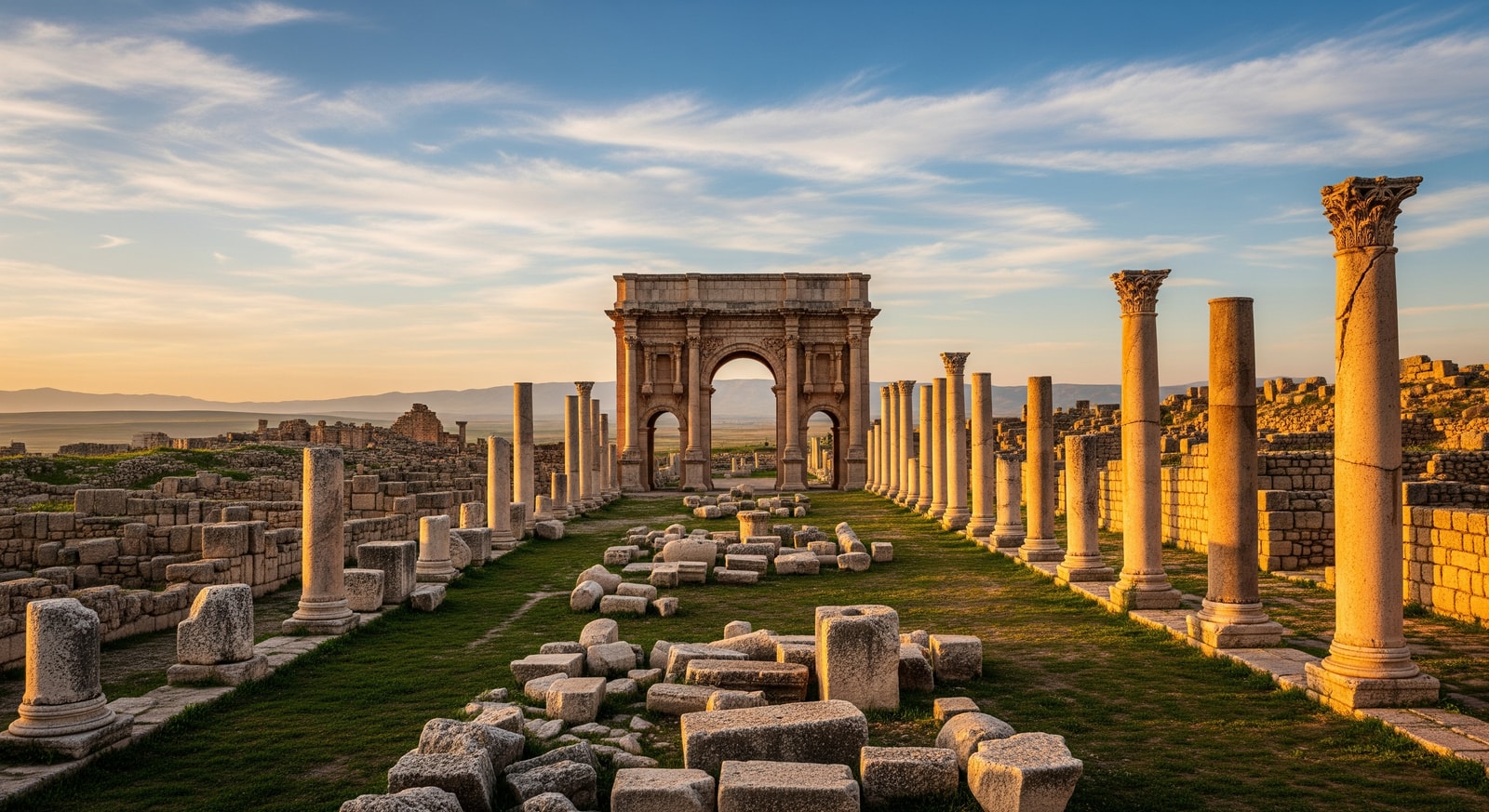
Timgad — Remarkably preserved Roman colonial town from 100 AD
Processing Times & Entry Points
Visa Processing Times
Algeria visa processing typically takes 5-15 business days, though times vary by consulate and application type. Factors affecting processing include: consulate workload and staffing, completeness of documentation, nationality-specific security checks, and seasonal application volumes. We recommend applying at least 4-6 weeks before your intended travel date.
Business visas with proper company documentation often process faster than tourist visas. Multiple-entry visa requests may require additional review time.
Entry Points
Algeria visas are valid at all official ports of entry:
• Airports: Houari Boumediene International (ALG) in Algiers, Ahmed Ben Bella Airport (ORN) in Oran, Mohamed Boudiaf Airport (CZL) in Constantine, Zenata Airport in Tlemcen
• Land borders: Crossings with Tunisia (Oum Teboul, Taleb Larbi) — note that borders with Morocco, Libya, Mali, and Niger may have restrictions
• Seaports: Algiers, Oran, Annaba, and other Mediterranean ports for ferry arrivals from France, Spain, and Italy
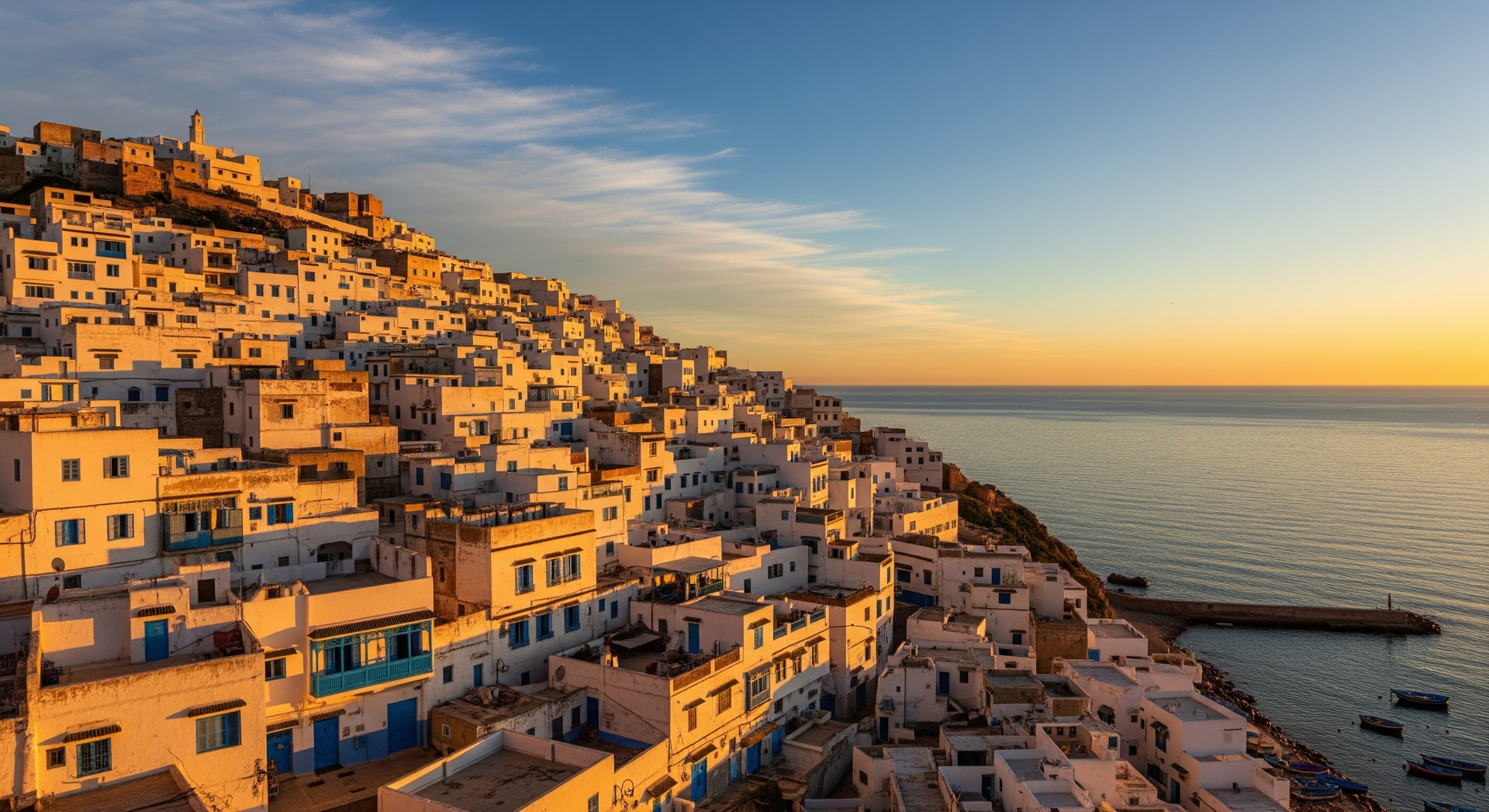
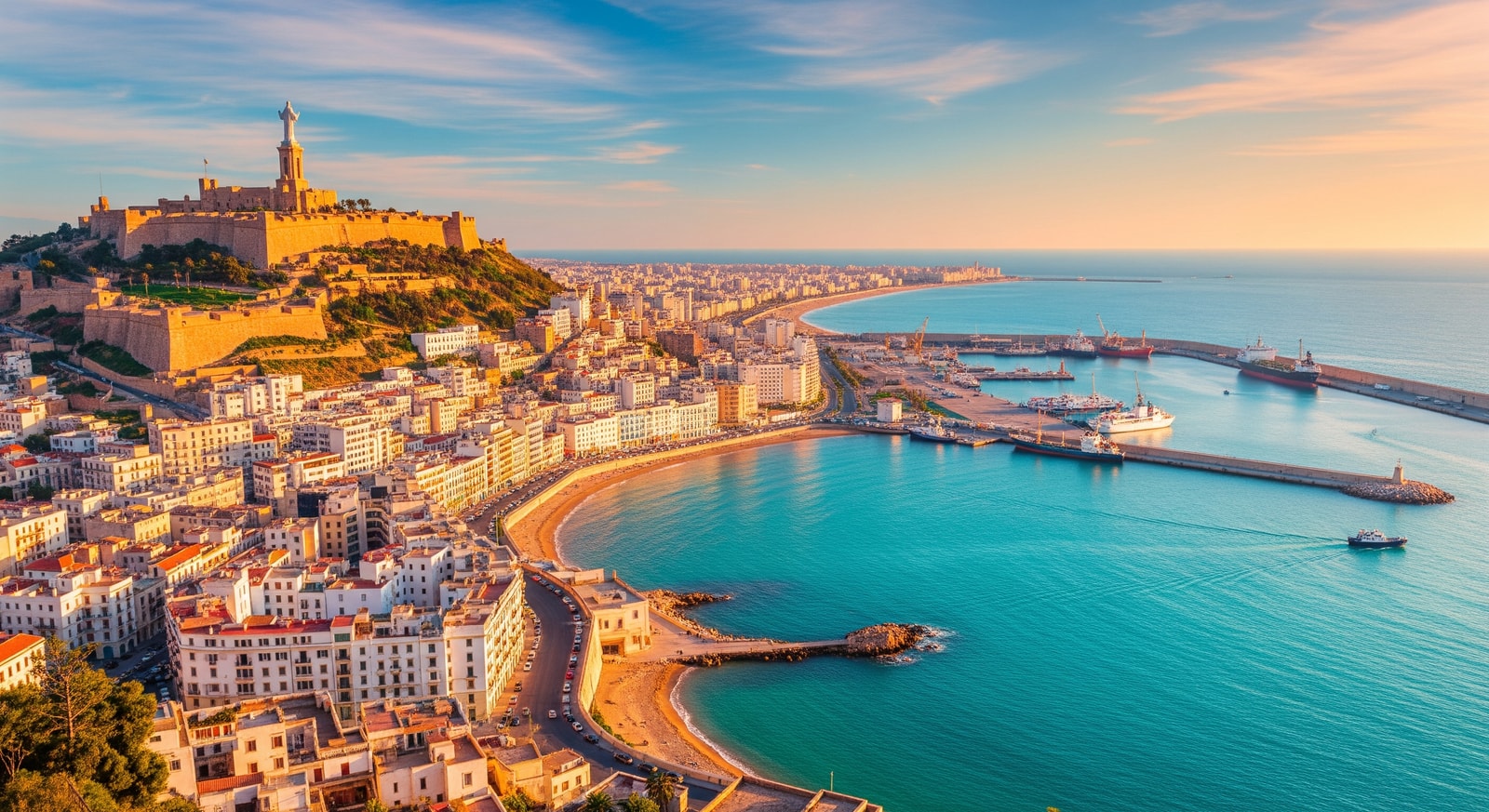
Oran — Algeria's vibrant second city on the Mediterranean coast
Why Choose DoVisa?
See the difference between applying yourself vs using our expert service
Travelers to Algeria rated this product 4.7 out of 5 based on 10 reviews.
4.7/ 5
Based on 10 verified reviews
Filter by rating
Ahmed K.Jan 18, 2026
"DoVisa helped me navigate the Algeria visa process smoothly. Their document checklist was invaluable and my visa was approved without any issues!"
Sophie M.Jan 12, 2026
"Visiting family in Algiers was made so much easier with DoVisa's guidance. They explained exactly what invitation letter format was needed."
Pierre D.Jan 5, 2026
"Business visa for a conference in Oran processed in about 10 days. Good communication throughout and helpful support team."
Fatima B.Dec 28, 2025
"Finally visited the Sahara! DoVisa made the tourist visa application straightforward. The trip was incredible and worth every bit of paperwork."
Michael R.Dec 20, 2025
"First time applying for an Algeria visa and I was worried about the process. DoVisa's step-by-step guidance made it completely manageable."
Leila H.Dec 14, 2025
"Used DoVisa for my family visit visa. Processing took about 2 weeks but the team kept me updated throughout. Would recommend!"
Thomas L.Dec 8, 2025
"Excellent service for Algeria business visa. The invitation letter requirements were clearly explained and everything went smoothly."
Yasmine A.Nov 30, 2025
"DoVisa helped my parents get their tourist visas to visit me. Professional service and great communication. Highly recommended!"
David C.Nov 22, 2025
"Good experience overall. The Algeria visa process is detailed but DoVisa's checklist made sure I had everything ready. Approved first time."
Nadia S.Nov 15, 2025
"Traveled to see the Roman ruins at Timgad — absolutely worth it! DoVisa handled the visa application perfectly. Thank you!"
Ahmed K.Jan 18, 2026
"DoVisa helped me navigate the Algeria visa process smoothly. Their document checklist was invaluable and my visa was approved without any issues!"
Sophie M.Jan 12, 2026
"Visiting family in Algiers was made so much easier with DoVisa's guidance. They explained exactly what invitation letter format was needed."
Pierre D.Jan 5, 2026
"Business visa for a conference in Oran processed in about 10 days. Good communication throughout and helpful support team."
Algeria Visa FAQs
What types of visas are available for Algeria?
Algeria offers several visa categories for foreign visitors. Tourist visa allows stays up to 90 days for sightseeing, cultural exploration, and leisure travel — perfect for visiting the Sahara, Roman ruins, and Mediterranean coast. Business visa is for commercial activities including meetings, conferences, trade fairs, and establishing business contacts. Family visit visa enables visits to relatives residing in Algeria, requiring an invitation from your host. Transit visa permits passage through Algeria en route to another destination, valid for up to 7 days. Work visa is required for employment in Algeria and must be sponsored by an Algerian employer. Student visa is for those enrolled in Algerian educational institutions. The appropriate visa type depends on your travel purpose and intended length of stay.
How long does Algeria visa processing take?
Algeria visa processing typically takes 5-15 business days, though actual times vary by several factors. Consulate location: Processing times differ between embassies — some process faster than others based on staffing and workload. Visa type: Tourist visas generally take 7-10 days; business visas with proper company documentation may process in 5-7 days; family visit visas can take 10-15 days due to verification requirements. Application completeness: Incomplete applications cause delays while awaiting additional documents. Nationality: Some nationalities require additional security screening, extending processing to 3-4 weeks. Season: Summer months and holiday periods may experience longer processing. Recommendation: Apply at least 4-6 weeks before travel to allow buffer time for any complications.
Do I need an invitation letter for an Algeria visa?
Invitation letter requirements depend on your visa type. Tourist visa: Generally not required if you have confirmed hotel bookings. However, an invitation can strengthen your application, especially for extended stays or if visiting less touristic areas. Family visit visa: Yes, mandatory. Your Algerian host must provide a formal invitation letter (attestation d'hébergement) certified by local authorities (APC/commune), along with copies of their ID, proof of residence, and sometimes proof of income. Business visa: Yes, required. Must be on company letterhead from an Algerian business registered with the CNRC, detailing the purpose of your visit, dates, and confirming the company will cover expenses if applicable. Transit visa: Not typically required, but you need proof of onward travel. Invitation letters should include: host's full name and address, your full name and passport details, purpose and dates of visit, and relationship to the host (for family visas).
What documents are required for an Algeria tourist visa?
The Algeria tourist visa application requires several documents: Passport: Original passport valid for at least 6 months beyond your stay with minimum 2 blank pages. Application form: Completed Algeria visa application form, signed and dated. Photographs: Two recent passport-sized photos (35x45mm) with white background, taken within 6 months. Flight reservation: Round-trip flight itinerary showing entry and exit dates. Accommodation proof: Hotel bookings for your entire stay, or invitation letter if staying with hosts. Bank statements: 3 months of recent statements showing sufficient funds (approximately €100/day recommended). Travel insurance: Policy covering medical emergencies and repatriation valid in Algeria, minimum coverage €30,000. Employment proof: Letter from employer confirming leave approval, or business registration if self-employed. Cover letter: Brief letter explaining your travel purpose and itinerary. Some consulates may request additional documents based on your nationality or circumstances.
Can I get a visa on arrival in Algeria?
No, Algeria does not offer visa on arrival for most nationalities. All visitors requiring a visa must obtain it before traveling from an Algerian embassy or consulate in their country of residence. Limited exceptions: Algeria has announced visa-free or simplified entry for citizens of some Arab League and African Union countries, though implementation varies. Electronic visa (eVisa): Algeria has piloted an eVisa system for certain nationalities, but availability is limited and not universally implemented. Check current status before relying on this option. Important: Arriving without a valid visa will result in denied entry and return to your origin at your expense. Airlines may also refuse boarding without proper visa documentation. Recommendation: Always apply for your Algeria visa well in advance through official channels or DoVisa's assisted service to ensure smooth entry.
How long can I stay in Algeria with a tourist visa?
A standard Algeria tourist visa allows stays of up to 90 days. The exact duration granted depends on your application and consular discretion — you may receive a visa for 30, 60, or 90 days based on your travel plans and documentation. Single vs. multiple entry: Most tourist visas are single entry, meaning you must leave Algeria and reapply if you wish to return. Multiple-entry tourist visas are less common but may be available for frequent travelers with justified reasons. Extensions: Tourist visa extensions are possible by applying at the Direction de la Réglementation et des Affaires Générales (DRAG) in Algiers or local police (Sûreté) before your visa expires. Extensions are discretionary and require justification. Overstaying: Remaining beyond your visa validity is illegal and results in fines, potential detention, and future visa complications. Always monitor your permitted stay dates and plan departure accordingly.
Can I extend my Algeria visa while in the country?
Yes, Algeria visa extensions are possible but subject to approval. Where to apply: Direction de la Réglementation et des Affaires Générales (DRAG) in Algiers, or local police headquarters (Commissariat de Police/Daïra) in other cities. When to apply: Submit your extension request before your current visa expires — ideally 1-2 weeks before expiry. Requirements: Valid passport, current visa, completed extension form, passport photos, proof of accommodation, proof of funds, justification letter explaining why you need to stay longer, and the extension fee. Processing: Extensions typically take 3-7 business days but can vary. You may receive a temporary receipt allowing you to stay while the application is processed. Approval: Extensions are discretionary — authorities may grant less time than requested or deny the extension. Valid reasons (medical treatment, family emergency, business necessity) improve approval chances. Maximum stay: Generally, the total stay including extensions should not exceed 90 days without a different visa category.
Is Algeria safe for tourists?
Algeria has significantly improved security since the 1990s civil conflict and is generally safe for tourists in established areas, though precautions are advisable. Safe areas: Major cities (Algiers, Oran, Constantine), Mediterranean coastal regions, organized Sahara tours to Tassili n'Ajjer and Hoggar mountains, and northern archaeological sites (Timgad, Djémila, Tipaza). These areas have good security infrastructure and tourist police presence. Areas requiring caution: Remote border regions, particularly near Libya, Mali, and Niger, have elevated security advisories. Most governments recommend avoiding non-essential travel to southeastern border areas. Practical advice: Use reputable tour operators for Sahara excursions; register with your embassy; avoid demonstrations; keep copies of documents separate from originals; follow local news and guidance; dress modestly, especially in conservative areas. Algerian hospitality: Visitors frequently comment on the warmth and helpfulness of Algerian people. Tourist infrastructure is developing, with genuine interest in welcoming international visitors.
What is the best time to visit Algeria?
Algeria's vast size creates diverse climates, so the best time depends on your destinations. Spring (March-May): Ideal overall — pleasant temperatures across the country, wildflowers in the north, comfortable Sahara conditions before extreme heat. Perfect for Roman ruins and coastal areas. Autumn (September-November): Excellent alternative with similar benefits to spring. Sahara temperatures become comfortable again, northern regions pleasant for outdoor exploration. Winter (December-February): Best for Sahara Desert visits when daytime temperatures are warm but not extreme. Northern Algeria can be rainy and cool, similar to Mediterranean winter. Snow possible in Atlas Mountains. Summer (June-August): Challenging for most travel — Sahara extremely hot (45°C+), coastal areas crowded with domestic tourists, but Mediterranean beaches are popular. Ramadan: Timing varies yearly. Many restaurants close during daylight; reduced services but unique cultural experience. Sahara specifically: October-March offers the most comfortable conditions for desert exploration.
Do I need vaccinations for Algeria?
Algeria has no mandatory vaccination requirements for most travelers, but several are recommended. Routine vaccinations: Ensure standard immunizations are current — measles-mumps-rubella (MMR), diphtheria-tetanus-pertussis, varicella, polio, and annual flu shot. Recommended vaccinations: Hepatitis A (food/water-borne risk), Hepatitis B (if potential exposure to blood or body fluids), Typhoid (for adventurous eaters or longer stays). Consider based on activities: Rabies (if extensive outdoor activities, caving, or animal contact), Meningitis (especially if visiting during Hajj season or staying in crowded conditions). Yellow fever: Required only if arriving from a yellow fever endemic country — Algeria itself is not endemic. Malaria: Very limited risk in Algeria; most of the country is malaria-free. Small risk exists in Saharan oases; consult your doctor if visiting remote desert areas. Recommendation: Consult a travel health clinic 4-6 weeks before departure for personalized advice based on your itinerary and health history.
What currency is used in Algeria and can I use cards?
Algeria's official currency is the Algerian Dinar (DZD). Cash is king: Algeria is primarily a cash-based economy. Bring sufficient funds as card acceptance is very limited outside major hotels. Currency exchange: Exchange money at banks or official exchange bureaus (bureaux de change). The official rate and parallel market rate differ significantly — using unofficial exchangers is illegal though widely practiced. ATMs: Available in major cities but often unreliable, may not accept international cards, and have low withdrawal limits. Don't rely on ATMs as your primary cash source. Credit cards: Accepted only at upscale hotels, some airlines, and very limited businesses in major cities. Visa is more common than Mastercard; American Express rarely accepted. Recommendation: Bring Euros or US Dollars in cash (clean, undamaged notes) and exchange as needed. Carry enough cash for your entire trip as a backup. Tipping: Appreciated but not mandatory — 10% at restaurants, small tips for guides and service staff in local currency.
Can I work in Algeria with a tourist visa?
No, Algeria tourist visas strictly prohibit employment. Tourist visas allow only leisure activities: sightseeing, visiting friends and family, cultural exploration, and attending non-commercial events. Business visas permit commercial activities like meetings and conferences but not paid employment or receiving salary from an Algerian entity. Legal employment requires a Work Permit (Permis de Travail) and Work Visa, which involve: sponsorship by a registered Algerian employer, labor market test proving no qualified Algerian available, contract approval by the Ministry of Labor, and extensive documentation. Processing takes several months. Penalties: Working illegally risks significant fines, detention, deportation, and long-term visa bans. Employers face severe penalties for hiring illegal workers. Volunteer work: Even unpaid work typically requires proper authorization. Short-term volunteer projects with recognized international organizations may have specific arrangements. Digital nomads: Working remotely for foreign employers while on tourist status occupies a legal grey area — not explicitly permitted.
What should I wear in Algeria?
Algeria is a predominantly Muslim country with conservative dress norms. General guidance: Modest clothing is appreciated throughout the country. Cover shoulders and knees; avoid tight or revealing clothing. This applies to both men and women. Women: Loose-fitting clothing covering arms and legs is recommended. Headscarves are not required but may be appreciated in more conservative areas and when visiting mosques. Swimwear only at beaches or hotel pools. Men: Long trousers preferred over shorts, especially in cities and religious sites. Short-sleeved shirts are fine. Regional differences: Coastal cities like Algiers and Oran are more relaxed; interior and southern regions more conservative. Dress more modestly in smaller towns and rural areas. Religious sites: Women should cover hair; both genders should cover arms and legs. Remove shoes when entering mosques. Sahara desert: Loose, light-colored, breathable clothing protecting from sun. Head covering essential for sun protection. Temperatures drop significantly at night — bring warm layers. Practical tip: When in doubt, observe local dress and err toward modesty.
Do children need their own Algeria visa?
Yes, every traveler including children and infants requires their own Algeria visa. There are no family visas or provisions for children on parents' documents. Requirements for children: Valid passport in child's own name with 6+ months validity; passport-sized photographs meeting adult specifications; completed application form with child's details. Additional documentation: Birth certificate (translated into French if not in French/Arabic); parental consent if traveling with only one parent or without parents — must be notarized and may require apostille; custody documents if applicable. Application process: Parents typically apply for children's visas simultaneously with their own. Each child's application is processed separately. Fees: Children generally pay the same visa fees as adults — Algeria doesn't typically offer reduced rates for minors. Unaccompanied minors: Children traveling without parents require extensive documentation including notarized consent from both parents, details of the responsible adult in Algeria, and proof of relationship. Consulates scrutinize these applications carefully.
What are the top places to visit in Algeria?
Algeria offers remarkable diversity for adventurous travelers. Algiers: The capital features the UNESCO-listed Casbah, Ottoman palaces, the stunning Jardin d'Essai botanical garden, and vibrant markets. Sahara Desert: Tassili n'Ajjer National Park contains prehistoric rock art and stunning rock formations; the Hoggar Mountains offer dramatic volcanic landscapes; Ghardaia and the M'zab Valley showcase unique Ibadi architecture. Roman ruins: Djémila (UNESCO) has remarkably preserved Roman temples and theaters; Timgad (UNESCO) is a complete Roman colonial town; Tipaza offers ruins overlooking the Mediterranean. Constantine: Dramatic city built on a gorge with stunning bridges and Ottoman heritage. Oran: Mediterranean port city with Spanish colonial architecture, vibrant nightlife, and nearby beaches. Tlemcen: Historic city with beautiful mosques, the El Mechouar Palace, and nearby waterfalls. Mediterranean coast: Beaches at Jijel, Béjaïa, and Tipaza offer coastal relaxation. Recommendation: For first-time visitors, combine Algiers, northern ruins, and a Sahara excursion for the full Algerian experience.
Still have questions?
Our team is here to help 24/7
Get Visa Tips & Exclusive Deals
Join 1,000+ travelers. No spam, unsubscribe anytime.

 With DoVisa