Simple 4-step process — most applications processed within 5-10 business days
1
Complete the online application
Fill out our comprehensive application form with your personal details, travel plans, and purpose of visit. Our intelligent system guides you through Libya's specific requirements, ensuring accuracy and compliance with Libyan immigration standards.
2
Upload your documents
Submit your passport scan (bio page clearly visible), recent passport-sized photographs, letter of invitation from a Libyan sponsor, and supporting documents. Our visa specialists review every document against Libya's strict requirements before submission.
3
We process your visa
Your verified application is submitted through official channels to Libyan immigration authorities. We monitor processing status and communicate any updates, additional documentation requests, or status changes promptly via email.
4
Receive your visa approval
Once approved, you'll receive confirmation and instructions for collecting your visa. Present your documents at the Libyan embassy or consulate to receive your visa stamp. Welcome to Libya — land of ancient wonders!
Visa types needed for Libya
Available visa products
Libya eVisa - 30 days, Single entry Most Popular
Libya eVisa - 30 days, Single entry
The Libya eVisa provides access to Leptis Magna, Sabratha, and Sahara Desert. Valid for 30 Days with single entry, this visa allows stays up to 30 days. Perfect for tourism and business.
Applicants must submit the following documents:
🛂 Passport: Valid for at least 6 months with blank pages
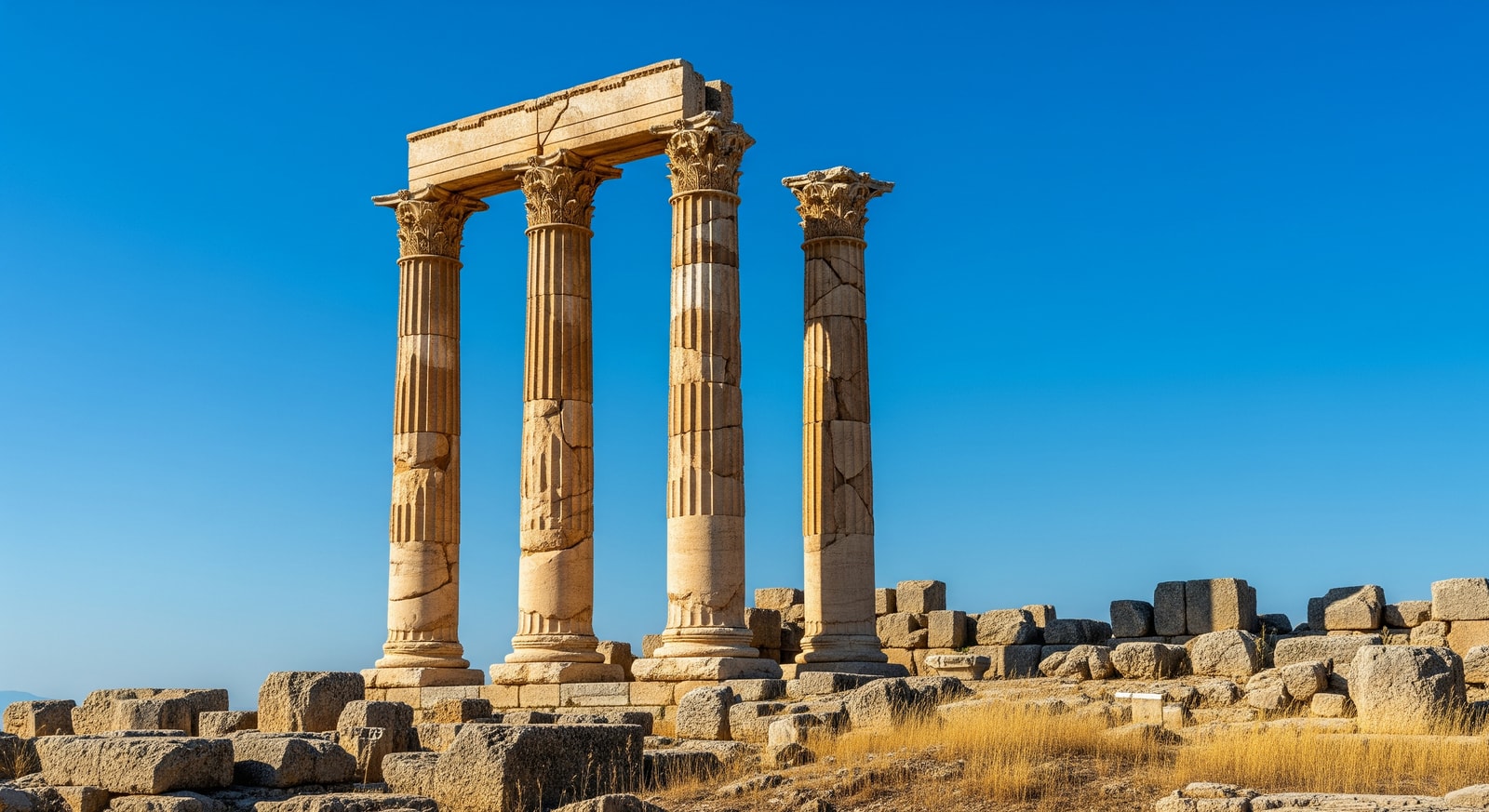
Libya offers visa options for travelers seeking to explore its extraordinary archaeological heritage and natural landscapes. The country is home to some of the world's best-preserved Roman and Greek ruins, including the UNESCO World Heritage Sites of Leptis Magna, Sabratha, and Cyrene.
Tourist Visa
The Libya tourist visa allows stays up to 30 days for leisure travel. This visa is suitable for visiting archaeological sites, Sahara desert expeditions, Mediterranean coastal exploration, and cultural tourism. Due to Libya's unique situation, tourist visas require sponsorship from a licensed Libyan tour operator. Independent tourism is not permitted — visitors must travel with organized groups or have verified local arrangements.
Family Visit Visa
For those with family members residing in Libya, the family visit visa permits stays up to 30 days. A formal invitation letter from the Libyan relative, verified by local authorities, is required. This visa allows visitors to stay with family and experience daily Libyan life while visiting the country's remarkable historical sites.
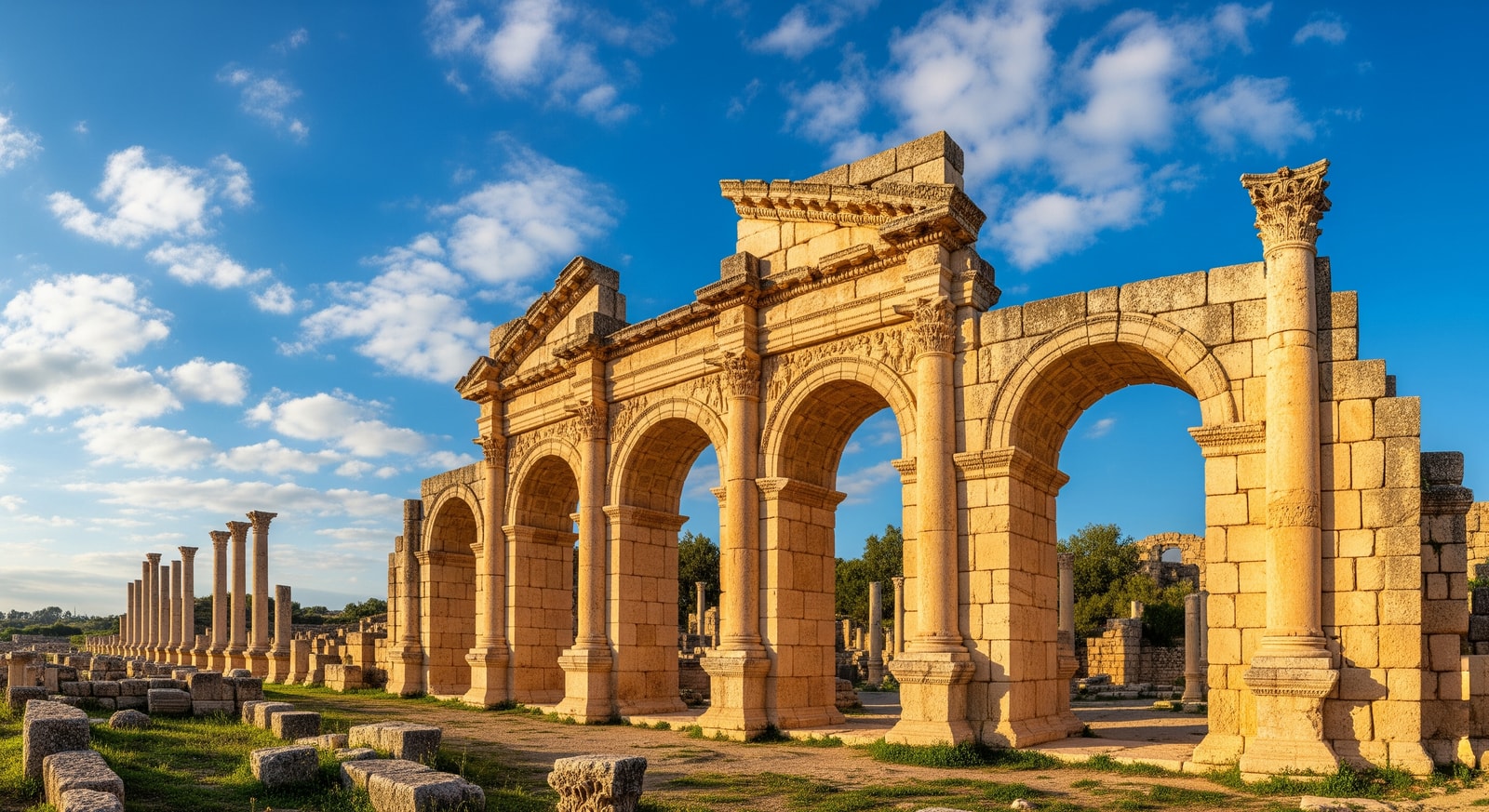
Leptis Magna — One of the best-preserved Roman cities in the world
Business & Work Visas
Business Visa
Libya's business visa caters to professionals engaged in commercial activities, particularly in the oil and gas sector, construction, and infrastructure development. Valid for up to 90 days with single or multiple entry options, this visa requires a formal invitation from a registered Libyan company or organization.
Required Documentation for Business Visa:
• Invitation letter from Libyan company on official letterhead
• Company registration documents from both parties
• Detailed itinerary of business activities
• Professional credentials and employment verification
• Security clearance may be required for certain sectors
Oil Sector Workers
Libya hosts major international oil companies, and workers in this sector follow specific visa protocols. Companies typically arrange visa sponsorship and work permits through established procedures with the National Oil Corporation and immigration authorities.
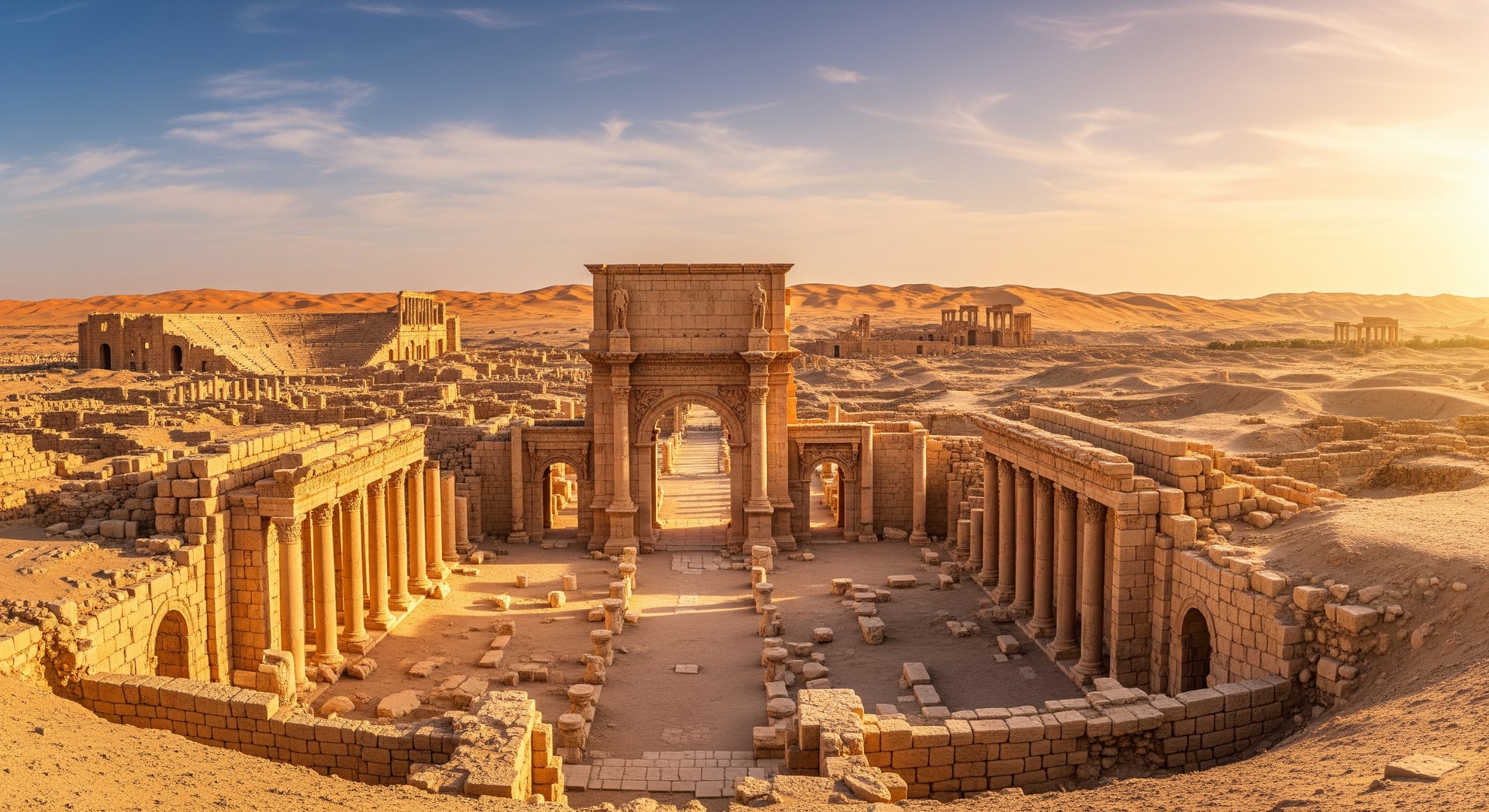
The Libyan Sahara — Vast desert landscapes and ancient rock art sites
Entry Requirements & Documentation
Essential Requirements for All Applicants
All Libya visa applicants must meet these fundamental requirements:
• Passport validity: Minimum 6 months beyond intended stay with at least 2 blank pages for stamps
• Sponsorship: Letter of invitation from a Libyan tour operator, company, or family member — this is mandatory for all visa types
• Photographs: Recent passport-sized photos (35x45mm) with white background, taken within the last 6 months
• Application form: Completed visa application with accurate personal and travel information
• Travel insurance: Comprehensive coverage including medical evacuation strongly recommended
• Financial proof: Bank statements demonstrating sufficient funds for your stay
Special Considerations
Libya has specific entry restrictions. Travelers with Israeli stamps or evidence of travel to Israel in their passports may be denied entry. It is advisable to use a second passport if you have visited Israel previously. Additionally, professional journalists require special accreditation and permits beyond standard visa requirements.
Cyrene — Ancient Greek colony with spectacular temple ruins
Entry Points & Processing
Entry Points & Immigration
Libya visas are valid at designated entry points including:
• Airports: Mitiga International Airport (MJI) in Tripoli is the main international gateway. Benina International Airport (BEN) in Benghazi also handles international flights when operational.
• Land borders: Border crossings with Tunisia (Ras Ajdir), Egypt (Musaid/Salloum), and other neighboring countries may be used with appropriate documentation.
• Seaports: Port of Tripoli handles some passenger traffic and cruise ships when security conditions permit.
Processing Times & Application Timing
Libya visa processing typically takes 5-15 business days, though times can vary based on current conditions and application completeness. Business visas with oil sector involvement may require additional security clearances extending processing time. We recommend applying at least 4-6 weeks before your intended travel date to allow for any complications or additional documentation requests.
Visa Collection
Unlike many countries offering electronic visas, Libya visas must be collected in person at a Libyan embassy or consulate. Ensure you have all required documents and fees ready for your appointment.
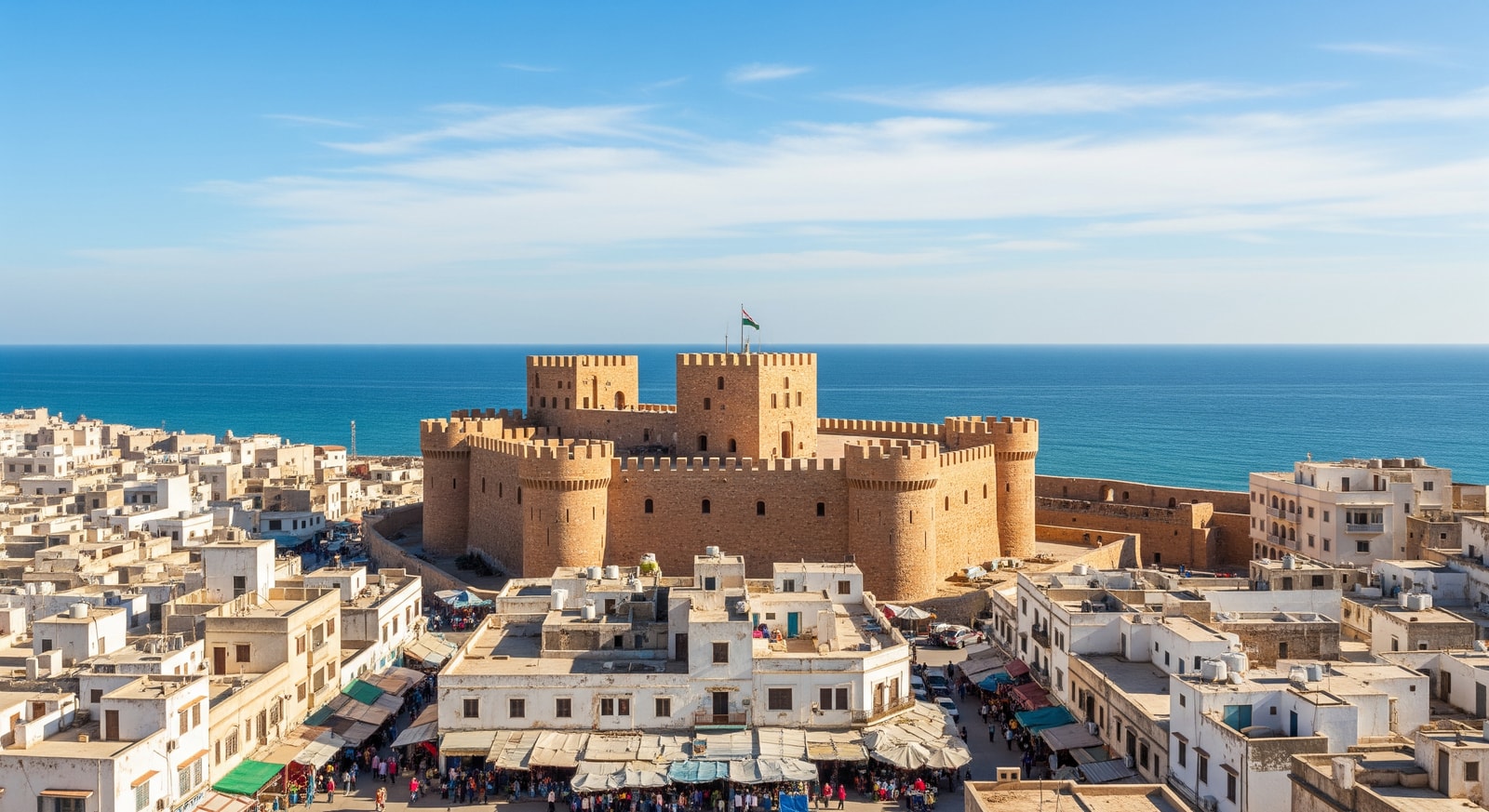
Tripoli — Libya's capital featuring the historic Red Castle museum
Why Choose DoVisa?
See the difference between applying yourself vs using our expert service
Travelers to Libya rated this product 4.6 out of 5 based on 8 reviews.
4.6/ 5
Based on 8 verified reviews
Filter by rating
Michael R.Jan 18, 2026
"DoVisa navigated the complex Libya visa process flawlessly. The archaeological sites at Leptis Magna were worth every bit of effort. Incredible service!"
Ahmed K.Jan 12, 2026
"Business visa for oil sector work processed smoothly. DoVisa understood the specific requirements and kept me informed throughout. Highly professional."
Sophie L.Jan 5, 2026
"The Sahara desert tour was magical! Getting the visa was complicated but DoVisa made it manageable. Great support team who answered all my questions."
David M.Dec 28, 2025
"Visited family in Tripoli after years. DoVisa helped with the family visit visa documentation perfectly. My relatives were so happy to see me!"
Christina P.Dec 20, 2025
"Archaeological tour group visa sorted efficiently. Cyrene and Sabratha exceeded expectations. Processing took about 2 weeks as expected."
Hassan A.Dec 15, 2025
"Multiple entry business visa for construction project. DoVisa handled all the complexities including the sponsor letter coordination. Excellent service!"
Jennifer W.Dec 8, 2025
"The Roman ruins in Libya are unbelievable. DoVisa connected us with a great tour operator and handled all visa formalities. Dream trip achieved!"
Omar T.Dec 1, 2025
"Family visit visa processed without issues. Clear instructions on required documents. Support team was helpful when I had questions about the invitation letter."
Michael R.Jan 18, 2026
"DoVisa navigated the complex Libya visa process flawlessly. The archaeological sites at Leptis Magna were worth every bit of effort. Incredible service!"
Ahmed K.Jan 12, 2026
"Business visa for oil sector work processed smoothly. DoVisa understood the specific requirements and kept me informed throughout. Highly professional."
Sophie L.Jan 5, 2026
"The Sahara desert tour was magical! Getting the visa was complicated but DoVisa made it manageable. Great support team who answered all my questions."
Libya Visa FAQs
What types of visas are available for Libya?
Libya offers several visa categories for different travel purposes. Tourist visa allows stays up to 30 days for visiting archaeological sites, Sahara expeditions, and cultural tourism — requires sponsorship from a licensed Libyan tour operator. Business visa permits stays up to 90 days for commercial activities, particularly in the oil, gas, and construction sectors. Family visit visa allows 30-day stays for visiting relatives residing in Libya. Transit visa covers stays up to 72 hours for travelers passing through to other destinations. Work visa is required for employment, typically arranged by the employing company. All visa types require some form of local sponsorship or invitation.
Do I need a sponsor for a Libya visa?
Yes, sponsorship is mandatory for all Libya visa applications. For tourist visas, you must be sponsored by a licensed Libyan tour operator who will organize your itinerary and submit the visa application through official channels. Independent tourism is not permitted — you must travel with organized groups. For business visas, a registered Libyan company must provide an official invitation letter on company letterhead. For family visit visas, your relative in Libya must provide an invitation letter verified by local authorities. This sponsorship requirement ensures accountability and is strictly enforced by Libyan immigration.
How long does Libya visa processing take?
Libya visa processing typically takes 5-15 business days, though times can vary significantly based on several factors. Tourist visas arranged through tour operators usually process within 1-2 weeks once all documents are submitted. Business visas, particularly for the oil and gas sector, may require additional security clearances that extend processing to 3-4 weeks. Family visit visas generally process within 2 weeks if documentation is complete. Recommendations: Apply at least 4-6 weeks before your intended travel date; ensure all documents are complete and properly authenticated; respond promptly to any additional information requests. Processing times can be affected by political conditions and embassy workloads.
What documents are required for a Libya visa?
Essential documents for all applications: Passport valid for at least 6 months beyond arrival with minimum 2 blank pages; completed visa application form; recent passport-sized photographs (35x45mm, white background); letter of invitation from sponsor (tour operator, company, or family member). Additional requirements by visa type: Tourist visa: Tour itinerary from licensed operator, hotel bookings, travel insurance. Business visa: Company invitation letter, business registration documents, professional credentials, detailed meeting schedule. Family visit visa: Invitation from relative verified by Libyan authorities, proof of family relationship. All applicants: May need proof of sufficient funds, return flight booking, and travel insurance with medical evacuation coverage.
Can I travel independently in Libya?
No, independent tourism is not permitted in Libya. All tourists must travel with organized tour groups arranged through licensed Libyan tour operators. This requirement serves multiple purposes: ensuring visitor safety, maintaining oversight of travel within the country, and supporting the local tourism industry. Your tour operator will arrange your visa sponsorship, accommodations, transportation, and guide services. While this may seem restrictive, it actually ensures a safer and more enriching experience — professional guides provide invaluable knowledge about Libya's extraordinary archaeological sites and handle logistics in a country with limited tourist infrastructure. Attempting to travel independently without proper authorization can result in serious legal consequences.
Are there any passport restrictions for Libya?
Yes, Libya has specific passport requirements and restrictions. Your passport must be valid for at least 6 months beyond your intended stay with at least 2 blank pages. Critical restriction: Travelers with Israeli stamps, visas, or any evidence of travel to Israel in their passports may be denied entry to Libya. If you have previously visited Israel, you should apply for a second passport (where allowed by your home country) for Libya travel. Additionally, your passport should not contain stamps from countries that do not recognize the current Libyan government. All passport information must be in English or Arabic, or accompanied by certified translations. Ensure your passport is in good condition without damage to pages or the photo.
What are Libya's main tourist attractions?
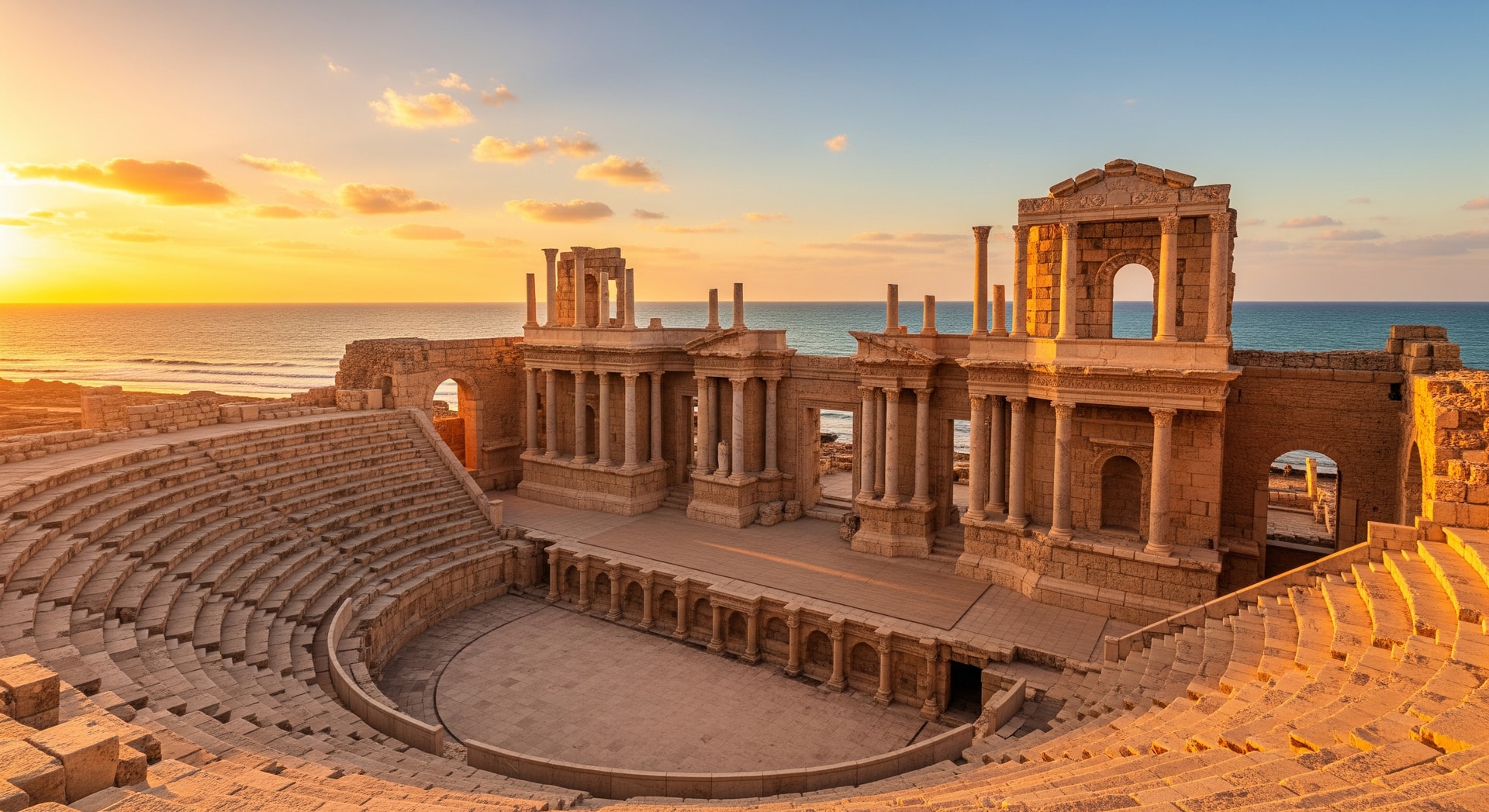
Libya boasts some of the Mediterranean's most spectacular archaeological treasures and natural wonders. Leptis Magna: One of the best-preserved Roman cities in the world, featuring a magnificent theatre, basilica, forum, and the stunning Arch of Septimius Severus — a UNESCO World Heritage Site. Sabratha: Another UNESCO site with an extraordinary Roman theatre facing the sea and well-preserved temples. Cyrene: Ancient Greek colony with the Temple of Zeus, agora, and extensive necropolis — also UNESCO-listed. Sahara Desert: The Libyan Sahara offers dramatic landscapes including the Acacus Mountains with prehistoric rock art (UNESCO site), vast sand dunes, and oasis towns. Tripoli: The capital features the Red Castle museum, ancient medina, and Ottoman-era architecture. Ghadames: A traditional Berber oasis town with unique white-washed architecture, known as the 'Pearl of the Desert.'
Is Libya safe for tourists?
Libya's security situation requires careful consideration. Current status: Many governments maintain travel advisories for Libya due to ongoing political instability, militia activity, and security concerns in various regions. Tourist areas: Organized tours to archaeological sites in the western region (Tripoli, Leptis Magna, Sabratha) and eastern region (Cyrene, Benghazi) operate when conditions permit, with licensed operators who understand the security landscape. Essential precautions: Travel only with reputable, licensed tour operators; follow all guide instructions; maintain comprehensive travel insurance including evacuation coverage; register with your embassy; monitor travel advisories closely before and during travel; avoid all political gatherings and demonstrations. Recommendation: Consult current government travel advisories and speak with specialized tour operators who can provide up-to-date assessments of conditions on the ground.
Can I extend my Libya visa?
Visa extensions in Libya are possible but require local processing. Extension process: Applications must be submitted to the Passport and Immigration Department in Tripoli before your current visa expires. You'll need your sponsor (tour operator, company, or family member) to support the extension request. Requirements: Valid passport, current visa, application form, photographs, extension fee, and justification letter explaining why additional time is needed. Processing time: Extensions typically take 1-2 weeks to process. Important notes: Extensions are not guaranteed and are granted at the discretion of immigration authorities. Overstaying your visa without approval results in fines, potential detention, and difficulty obtaining future visas. Recommendation: Plan your trip duration carefully and apply for the appropriate visa length initially rather than relying on extensions.
What currency is used in Libya?
Libya's official currency is the Libyan Dinar (LYD). Cash economy: Libya operates largely on cash; credit cards are rarely accepted outside major hotels in Tripoli. ATMs exist but may be unreliable. Currency exchange: Bring US Dollars or Euros in good condition to exchange at banks or authorized exchange offices. Unofficial money changers should be avoided. Bringing cash: Due to limited banking infrastructure, bring sufficient cash for your entire trip plus emergency reserves. Tour operators can advise on estimated daily expenses. Costs: Libya can be expensive due to limited tourism infrastructure — expect to pay premium prices for quality accommodations and services. Tips: Tipping is appreciated but not obligatory; small amounts for good service are customary. Ensure you have small denominations for daily expenses as change can be difficult to obtain.
What is the best time to visit Libya?
Libya's climate varies between the Mediterranean coast and the Sahara interior. Best overall period: October to April — mild temperatures ideal for exploring both archaeological sites and desert regions. Coastal areas (Tripoli, Leptis Magna, Cyrene): Mediterranean climate with mild winters (15-20C) and hot summers (30-35C). Spring (March-May) and autumn (September-November) offer pleasant temperatures. Sahara Desert: Winter months (November-February) are essential for desert travel — summer temperatures can exceed 50C. Even in winter, expect warm days and cold nights in the desert; proper layered clothing is essential. Avoid: June-September for any desert travel; coastal areas during August when temperatures peak. Ramadan: During the Islamic holy month, some services may be limited and operating hours reduced — plan accordingly and respect local customs.
Do I need vaccinations for Libya?
While no vaccinations are legally mandatory for Libya entry (unless arriving from yellow fever endemic areas), several are strongly recommended. Recommended vaccinations: Hepatitis A and B, Typhoid, Tetanus-Diphtheria, and routine vaccinations should be up to date. Yellow fever: Certificate required if arriving from or transiting through endemic countries. Rabies: Consider if planning extensive desert travel or potential animal contact. Malaria: Generally not a risk in Libya, but consult a travel health specialist. Health precautions: Drink only bottled water; be cautious with food hygiene; bring a comprehensive first-aid kit as medical facilities outside Tripoli are limited. Medical evacuation: Ensure your travel insurance includes emergency medical evacuation to a country with better healthcare facilities. Recommendation: Visit a travel health clinic 4-6 weeks before departure for personalized advice.
Can I use my mobile phone in Libya?
Mobile phone usage in Libya requires planning. Network coverage: Libya has two main mobile operators — Libyana and Al-Madar — providing GSM coverage in urban areas and along main routes. Coverage in remote Sahara regions is limited or non-existent. International roaming: Check with your home provider; roaming agreements may be limited and expensive. Many travelers find roaming doesn't work at all. Local SIM cards: Available for purchase in Tripoli; requires passport registration. Prepaid credit can be purchased at shops throughout the country. Internet: WiFi available at major hotels but speeds are generally slow. Mobile data coverage is improving but remains inconsistent. Recommendations: Download offline maps before arrival; inform tour operators of any communication needs; consider satellite communication devices for remote desert travel. Note: VoIP services like WhatsApp and Skype may work inconsistently depending on current regulations.
What should I wear in Libya?
Libya is a conservative Muslim country, and respectful dress is essential. Men: Long trousers and shirts with sleeves are appropriate; shorts are acceptable only at beach resorts. Smart casual dress for cities and meetings. Women: Modest clothing covering shoulders, arms, and legs is required. Loose-fitting garments are most comfortable and respectful. A headscarf is not legally required but carrying one is advisable for visiting mosques or conservative areas. Desert travel: Lightweight, loose clothing in natural fabrics; long sleeves protect from sun; head covering essential; sturdy closed shoes; warm layers for cold nights. Archaeological sites: Comfortable walking shoes, sun hat, and sun protection. General advice: Avoid tight or revealing clothing; respect local customs and you'll receive warm hospitality in return. Your tour guide can advise on appropriate dress for specific situations.
What language is spoken in Libya?
Arabic is the official language of Libya, with the Libyan dialect being the most commonly spoken. English proficiency: English is spoken in business circles, hotels, and tourism contexts, particularly in Tripoli. However, outside major cities and tourist sites, English speakers are less common. Italian: Due to colonial history, some older Libyans speak Italian, and Italian influence remains in architecture and some vocabulary. Berber languages: Spoken by Amazigh communities in western mountains and some Saharan oases. Practical tips: Learning basic Arabic greetings (Marhaba - hello, Shukran - thank you) is appreciated and helps build rapport. Your tour guide will handle translation needs. Written signs are primarily in Arabic, though major hotels and airports may have English translations. Tour guides: Licensed guides speak English and often additional European languages.



 With DoVisa