
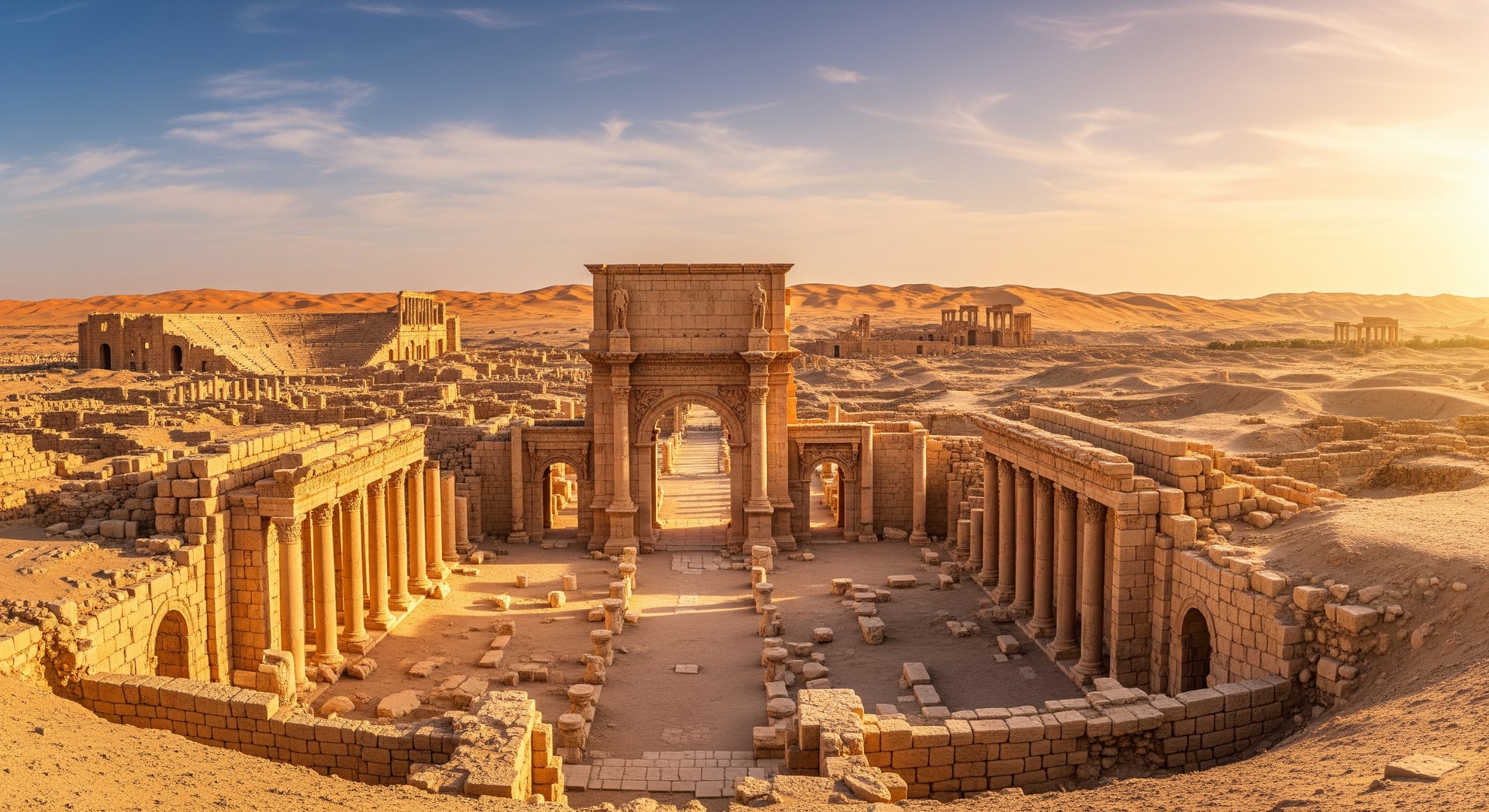
Libya, stretching along the Mediterranean coast of North Africa, holds treasures that few travelers have experienced in recent decades — UNESCO World Heritage Roman ruins at Leptis Magna and Sabratha that rival anything in Italy, vast Saharan landscapes dotted with ancient rock art, and a Mediterranean coastline of remarkable beauty. This oil-rich nation, bordered by Egypt, Tunisia, Algeria, Niger, Chad, and Sudan, has faced significant challenges but continues to attract adventurous travelers drawn to its extraordinary archaeological heritage and landscapes. The country's 1,770 kilometers of Mediterranean coastline once served as the heart of Roman Africa, producing emperors and olive oil that fed the ancient world's most powerful civilization.
The Libya e-Visa system provides eligible travelers with an electronic travel authorization to visit this North African nation. This comprehensive guide covers what you need to know about obtaining a Libya visa, important travel considerations given the current situation, and what awaits those who do make the journey to discover one of the Mediterranean's least-visited but historically richest destinations. Whether you're an archaeologist, historian, documentary filmmaker, or simply an intrepid traveler, Libya's treasures offer experiences found nowhere else on Earth. Due to ongoing security considerations, travelers should carefully research current conditions and follow official travel advisories before planning any trip to Libya.
Libya Visa Overview
Libya requires visas for most foreign nationals wishing to enter the country. The visa system has undergone changes in recent years, with electronic visa options becoming available for certain nationalities through the Libyan government's modernization efforts. The e-Visa, when available, allows travelers to apply online and receive authorization before traveling, eliminating the need for embassy visits in some cases and simplifying what has traditionally been a complex bureaucratic process.
However, Libya's visa requirements and processes can change based on the political and security situation. It's essential to verify current requirements through official channels or the Libyan embassy serving your country before making travel plans. Some travelers may still need to obtain visas through traditional embassy channels, particularly for longer stays or specific purposes such as journalism, archaeological research, or commercial activities.
All visitors to Libya must have a valid passport, appropriate visa authorization, and should be aware that entry may be subject to additional scrutiny given the current situation in the country. Immigration officers may ask about your itinerary, accommodation arrangements, and purpose of visit. Travel insurance that includes coverage for regions with travel advisories is strongly recommended, as is registering with your country's embassy or consular services before arrival.
Libya Visa Quick Facts
Visa required: Yes, for most nationalities
e-Visa availability: Limited — verify current status
Stay duration: Varies by visa type (typically 30-90 days)
Application: Online or through Libyan embassy
Important: Check current travel advisories before planning
Important Travel Advisory
Many governments maintain travel warnings for Libya due to ongoing security concerns. Before planning any travel, check your government's official travel advisory and ensure you understand the risks. Some areas may be particularly dangerous or off-limits to foreign travelers.
Libya's archaeological sites have been destroyed and are no longer worth visiting.
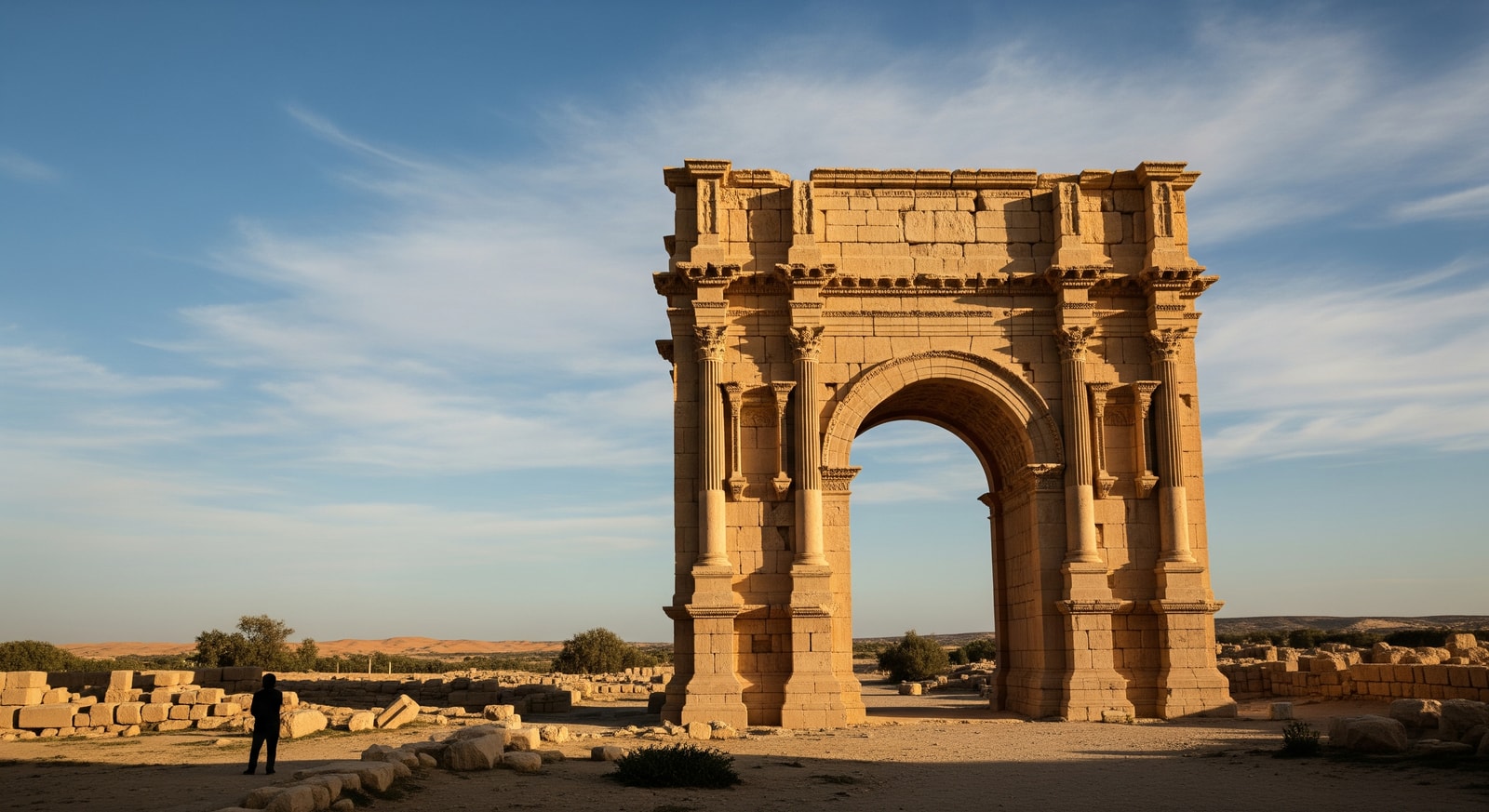
While some sites suffered damage during conflict, major attractions like Leptis Magna, Sabratha, and Cyrene remain largely intact and well-preserved. These UNESCO World Heritage Sites feature remarkably preserved Roman architecture including theaters, forums, basilicas, and elaborate mosaics that rank among the finest in the Mediterranean world. When safely accessible, these sites offer extraordinary experiences for history enthusiasts.
Who Can Apply for a Libya Visa?
Libya visa eligibility varies by nationality and the current diplomatic relationships between Libya and other countries. Most foreign nationals require a visa to enter Libya, with very few exceptions. The application process and requirements may differ based on your citizenship and the purpose of your visit.
Travelers should note that holders of passports containing Israeli stamps or evidence of travel to Israel may face entry restrictions. Business travelers often have different requirements than tourists and may need invitation letters from Libyan companies or organizations. Always verify your specific eligibility and requirements with the Libyan diplomatic mission in your country.
- Passport validity: Minimum 6 months beyond intended stay with blank pages for stamps
- Purpose of visit: Tourism, business, family visits — different categories may have different requirements
- Invitation requirements: Some visa types require invitation letters from Libyan sponsors
- Travel restrictions: Some nationalities may face additional restrictions — verify with Libyan embassy
- Insurance: Travel insurance with medical coverage strongly recommended
Required Documents for Libya Visa
The documents required for a Libya visa may vary depending on whether you're applying through an e-Visa system (if available for your nationality) or through the traditional embassy application process. Having all documents prepared before starting your application helps ensure a smoother process.
- Valid passport: At least 6 months validity beyond intended stay, with blank pages
- Passport photos: Recent photographs meeting Libya's visa specifications
- Completed application: Visa application form filled out accurately
- Travel itinerary: Details of your intended stay including accommodation
- Proof of accommodation: Hotel bookings or invitation from host
- Return ticket: Proof of onward or return travel
- Proof of funds: Evidence of financial means for your stay
- Invitation letter: Required for some visa types, particularly business visas
- Travel insurance: Comprehensive coverage including medical evacuation
How to Apply for a Libya Visa
The Libya visa application process depends on your nationality and the current availability of electronic visa services. Some travelers may be able to apply online, while others will need to submit applications through Libyan embassies or consulates. Due to the evolving situation, processes may change — always verify current procedures before applying.
- Verify requirements: Contact the Libyan embassy or check official sources for current visa requirements for your nationality
- Gather documents: Compile all required documents including passport, photos, and supporting materials
- Complete application: Fill out the visa application form accurately and completely
- Submit application: Apply online if e-Visa is available, or submit to the Libyan embassy
- Pay fees: Pay the required visa fees as specified
- Wait for processing: Processing times vary — apply well in advance of travel
- Receive visa: Once approved, ensure you understand any conditions attached to your visa
Need Help with Your Application?
Important Travel Considerations
Traveling to Libya requires careful consideration and thorough preparation beyond standard travel planning. The security situation has been unstable since 2011, and conditions can change rapidly across different regions of this vast country. Anyone considering travel to Libya should take these factors seriously and make informed decisions based on current information from reliable official sources and experienced travel professionals familiar with the region.
The country's size — Libya is the fourth-largest nation in Africa and larger than Alaska — means that conditions in Tripoli may differ greatly from those in Benghazi, the Fezzan region, or near the borders with neighboring countries. This regional variation makes localized intelligence essential for safe travel planning.
- Check travel advisories: Review your government's official travel advisory before planning any trip to Libya. Many countries advise against all travel or all but essential travel to various parts of Libya.
- Security situation: The security environment can vary significantly between regions and can change quickly. Some areas may be particularly dangerous or inaccessible.
- Professional guidance: Consider traveling only with experienced tour operators who specialize in Libya and have current knowledge of local conditions and security arrangements.
- Communication: Ensure you have reliable communication methods and share your itinerary with family or emergency contacts. Mobile coverage may be limited in some areas.
- Medical facilities: Healthcare facilities are limited, particularly outside Tripoli. Ensure you have comprehensive travel insurance including medical evacuation coverage.
- Archaeological treasures: Libya contains extraordinary Roman ruins at Leptis Magna, Sabratha, and Cyrene, plus Saharan rock art. These sites have been recognized by UNESCO but accessibility depends on current conditions.
Why Choose DoVisa?
Current information on Libya visa requirements
Expert guidance on application procedures
24/7 customer support for questions
Secure document handling
Travel advisory awareness
Frequently Asked Questions
Is Libya safe to visit currently?
Do I need a visa to visit Libya?
Can I enter Libya with Israeli stamps in my passport?
What are the main attractions in Libya?
What kind of travel insurance do I need for Libya?
How long does Libya visa processing take?
Planning Your Libya Journey
Libya represents one of the Mediterranean's most historically significant yet least accessible destinations in the modern era. The country's Roman ruins — particularly the extraordinary city of Leptis Magna, birthplace of Emperor Septimius Severus — rank among the finest ancient sites in the world, preserved in part by centuries of relative obscurity. The Sahara's vastness and the country's diverse landscapes offer experiences available few other places on Earth, from the Acacus Mountains with their prehistoric rock paintings to the sand seas of the Libyan Desert.
The legacy of ancient civilizations runs deep here. Greek colonies at Cyrene produced philosophers and athletes who competed at Olympia. Phoenician traders established Tripoli as a commercial hub connecting Africa to the Mediterranean world. Roman emperors transformed cities like Leptis Magna into showpieces of imperial architecture that still stun visitors today. These layers of history create a destination unlike any other for those passionate about the ancient world.
However, any travel to Libya requires exceptional caution, thorough preparation, and a realistic assessment of the current situation. This is not a destination for casual tourism, and the decision to visit should only be made after careful research, consultation with experienced professionals, and full understanding of the risks involved. Infrastructure for tourism remains limited, and independent travel is generally inadvisable.
For those who can safely visit when conditions permit, Libya offers archaeological and natural experiences that reward the effort of reaching them. Check current visa requirements, monitor official travel advisories, and work with experienced operators who have current knowledge of local conditions if you choose to explore this extraordinary corner of North Africa. The treasures of ancient Libya await those who can safely reach them, offering glimpses into civilizations that shaped the Mediterranean world.
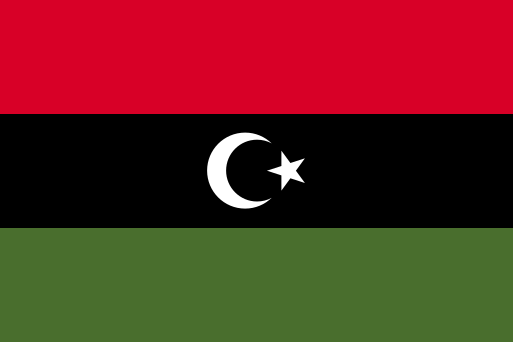
Libya
Capital: Tripoli
Currency: Libyan Dinar (LYD)
Language: Arabic
Timezone: UTC+2
Processing: Varies — verify current procedures
Quick Facts
- Population: 7 million
- Largest country in Africa by area
- Home to 5 UNESCO World Heritage Sites
- Famous for: Leptis Magna, Sahara, Mediterranean coast
Get the DoVisa App
Store your travel documents and access them offline.





Comments(6)
Leave a Comment
Visited Libya in 2019 with a specialized tour group — Leptis Magna was absolutely incredible, one of the best Roman sites I've ever seen. However, the security situation meant we had armed escorts throughout. Not for everyone, but unforgettable for history enthusiasts.
Important to emphasize — always check current travel advisories before even considering Libya. Conditions can change very quickly. When it's safely accessible, the archaeological sites are world-class.
As someone with family in Libya, the visa process has been complicated but manageable. The key is patience and working with the embassy directly. Business travelers often need Libyan company invitations which adds another layer.
The travel insurance advice is crucial. Most standard policies exclude Libya entirely. You need specialized coverage that explicitly includes destinations with travel advisories and provides proper evacuation coverage.
I'm an archaeologist who worked in Libya before 2011 — the sites are truly extraordinary. Hopefully stability returns so more people can safely experience Leptis Magna and the other incredible Roman cities. Nothing quite compares to walking those streets.
Researching Libya for a potential documentary project. The bureaucracy for media visas is significant but the country has stories that deserve telling. Working with local fixers is essential for any professional work there.