Simple 4-step process — expert guidance throughout your application
1
Complete the online application
Fill out our comprehensive application form with your personal details, travel plans, and accommodation information. Our system validates your entries against Tunisia's consular requirements, flagging any potential issues before submission to ensure a complete and accurate application.
2
Upload your documents
Submit your passport scan, recent passport photographs, hotel booking or invitation letter, and proof of funds. Our visa specialists review every document for compliance with Tunisian embassy standards, providing detailed feedback on any corrections needed before official submission.
3
We process your application
Your verified application is prepared for submission to the Tunisian consulate serving your region. We handle all communication with consular officials, track your application status in real-time, and keep you informed of any updates or additional documentation requests throughout the entire process.
4
Receive your visa
Once approved, your Tunisia visa is affixed to your passport or delivered electronically depending on your nationality. Print any required documents and prepare for your journey to discover Tunisia's ancient ruins, stunning beaches, and vibrant Saharan landscapes. Ahla wa sahla — welcome!
0+Happy Travelers
0/7Expert Support
0%+Approval Rate
0Customer Rating
Tunisia Visa Requirements & Entry Information
Tourist Visa
Up to 90 days
For leisure travel, sightseeing, and cultural exploration
Business Visa
Up to 90 days
For commercial activities, meetings, and conferences
Family Visit Visa
Up to 90 days
For visiting relatives residing in Tunisia
Transit Visa
Up to 7 days
For travelers passing through Tunisia to another destination
Tunisia maintains a welcoming visa policy for international visitors, with many nationalities enjoying visa-free access for tourism. The country has positioned itself as a premier Mediterranean destination, balancing tourism promotion with immigration management.
Visa-Free Entry
Citizens of many countries can enter Tunisia without a visa for stays up to 90 days, including most European Union member states, United States, Canada, United Kingdom, Australia, Japan, and several Arab and African nations. This generous policy makes Tunisia one of the most accessible North African destinations for international travelers.
Visa Required
Nationalities not covered by visa-free agreements must obtain a visa before travel. Applications are processed through Tunisian embassies and consulates worldwide. Some nationalities may be eligible for visa on arrival at Tunis-Carthage International Airport, though advance application is always recommended to avoid potential complications.
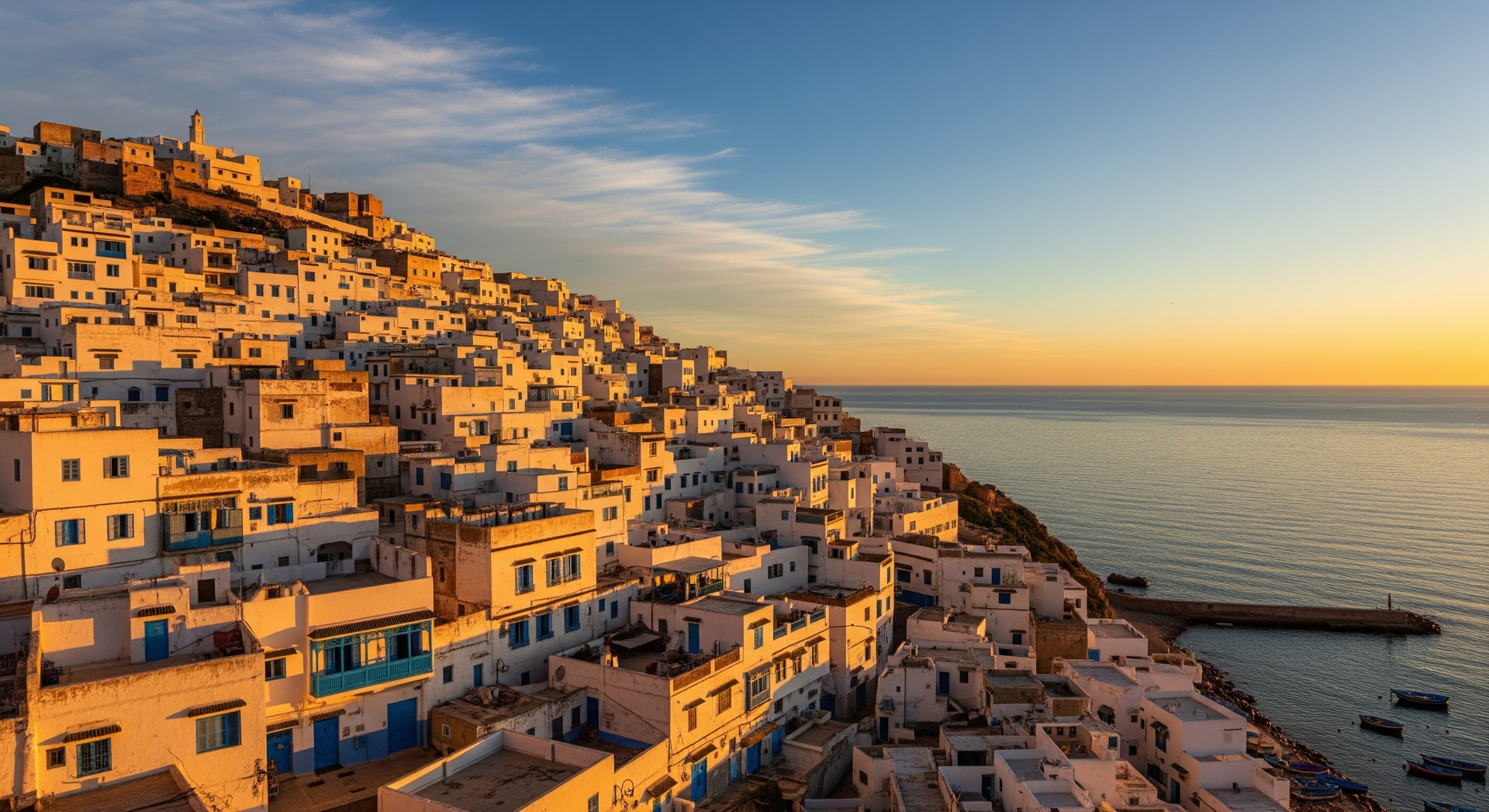
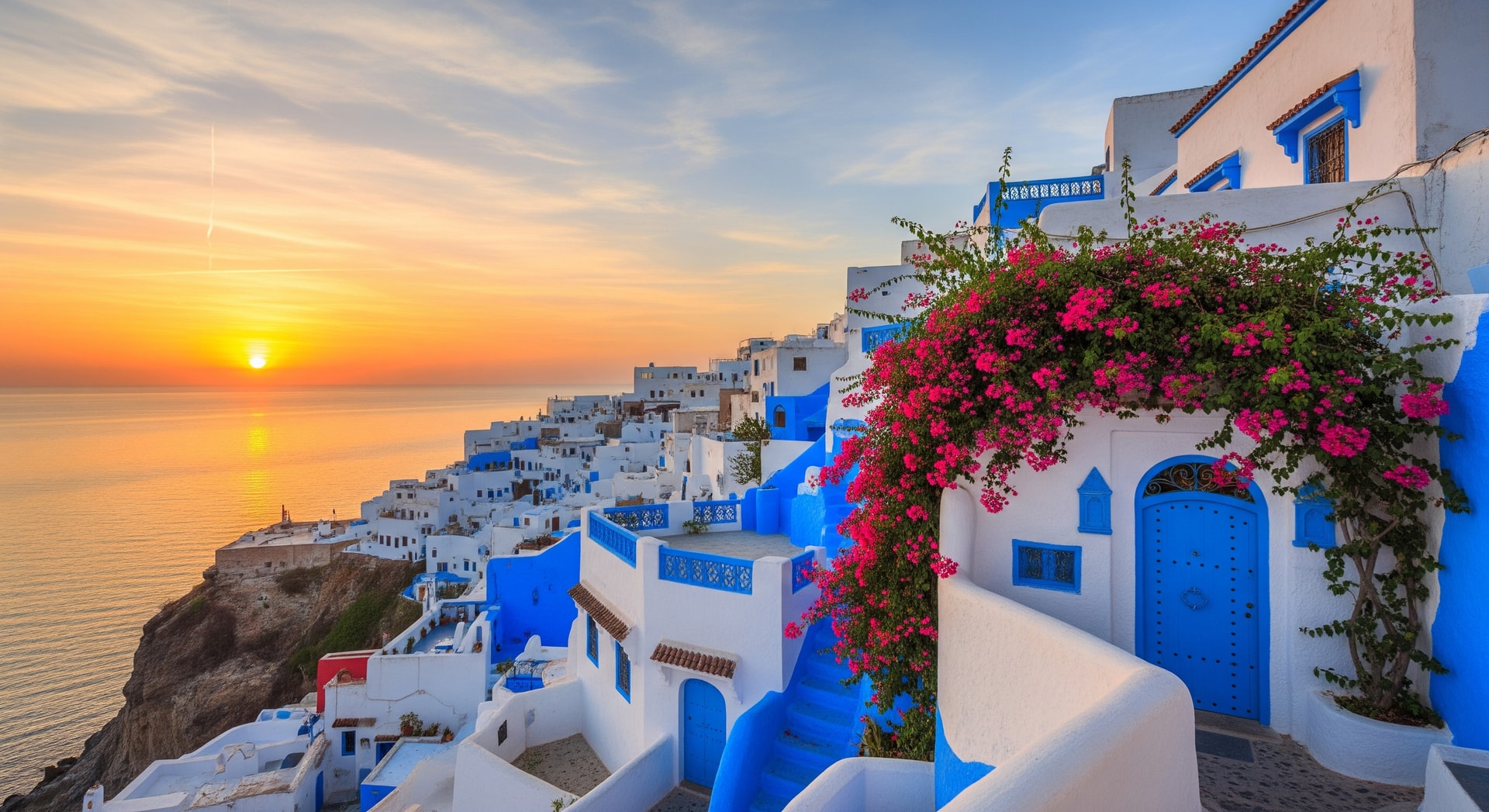
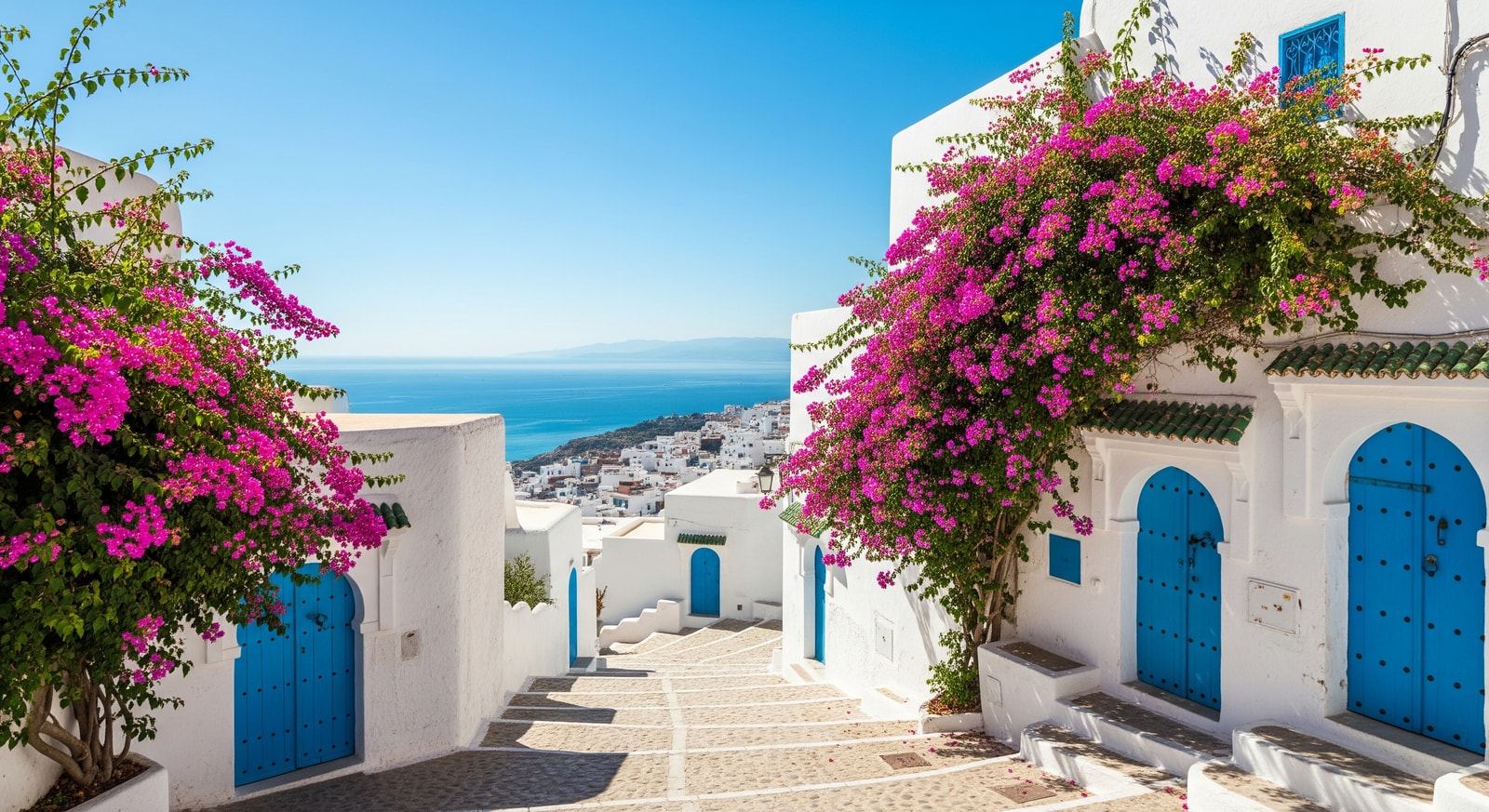
Sidi Bou Said — Tunisia's picturesque blue and white hilltop village
Visa Requirements
Essential Documentation
All Tunisia visa applicants must meet these fundamental requirements:
• Passport: Valid for at least 6 months beyond your intended stay with minimum 2 blank pages for visa stamps and entry/exit stamps
• Photographs: Two recent passport-sized photos (35x45mm) with white background, taken within the last 6 months
• Application form: Completed and signed Tunisia visa application form
• Travel itinerary: Round-trip flight bookings showing entry and exit from Tunisia
• Accommodation: Hotel reservations for the entire stay, or invitation letter if staying with hosts
• Financial proof: Recent bank statements (3 months) demonstrating sufficient funds
• Travel insurance: Policy covering medical emergencies and repatriation valid in Tunisia
Business Visa Requirements
Additional documentation includes an invitation letter from a Tunisian company, your company registration documents, and a letter from your employer explaining the business purpose of your visit.
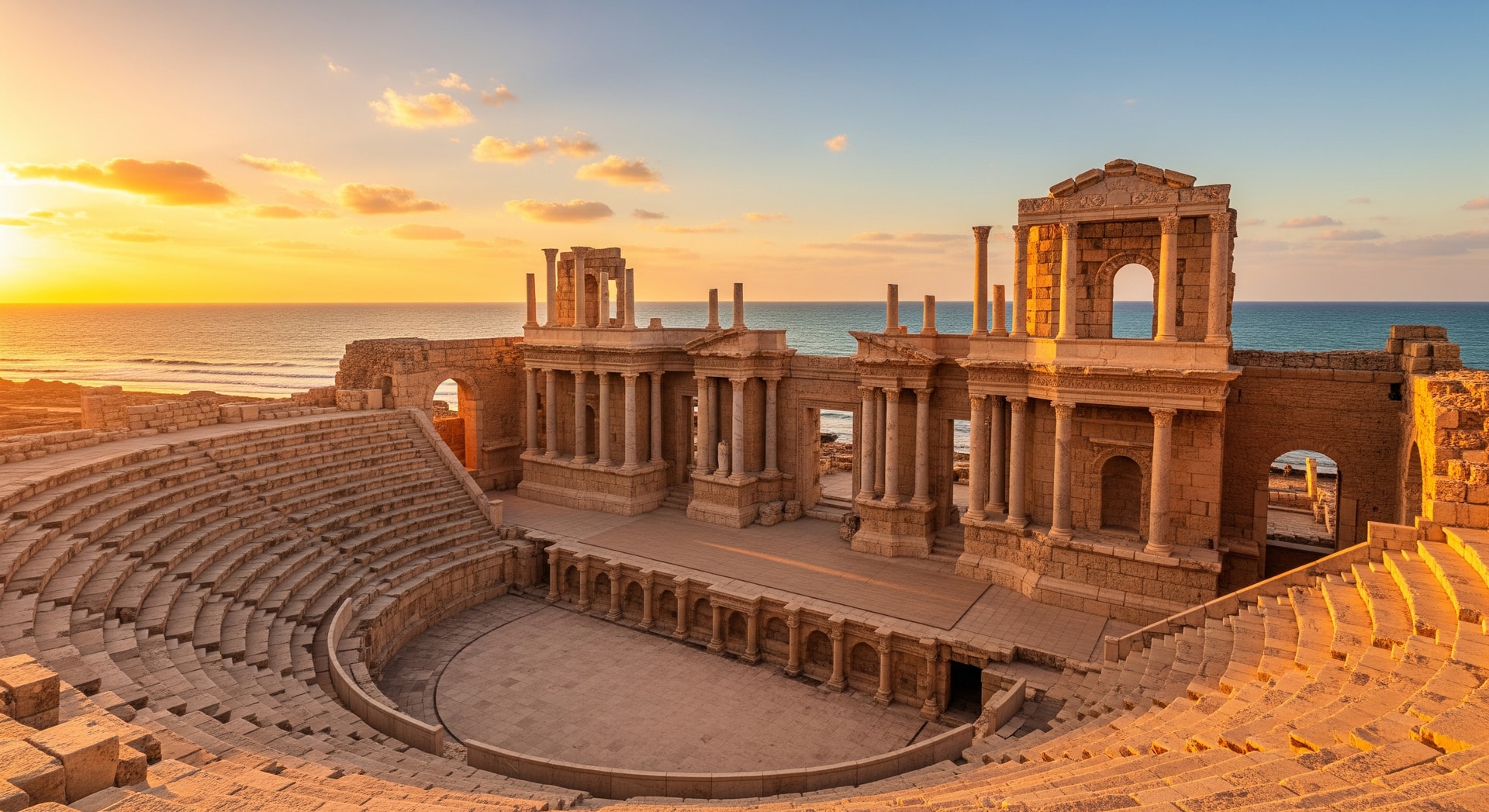
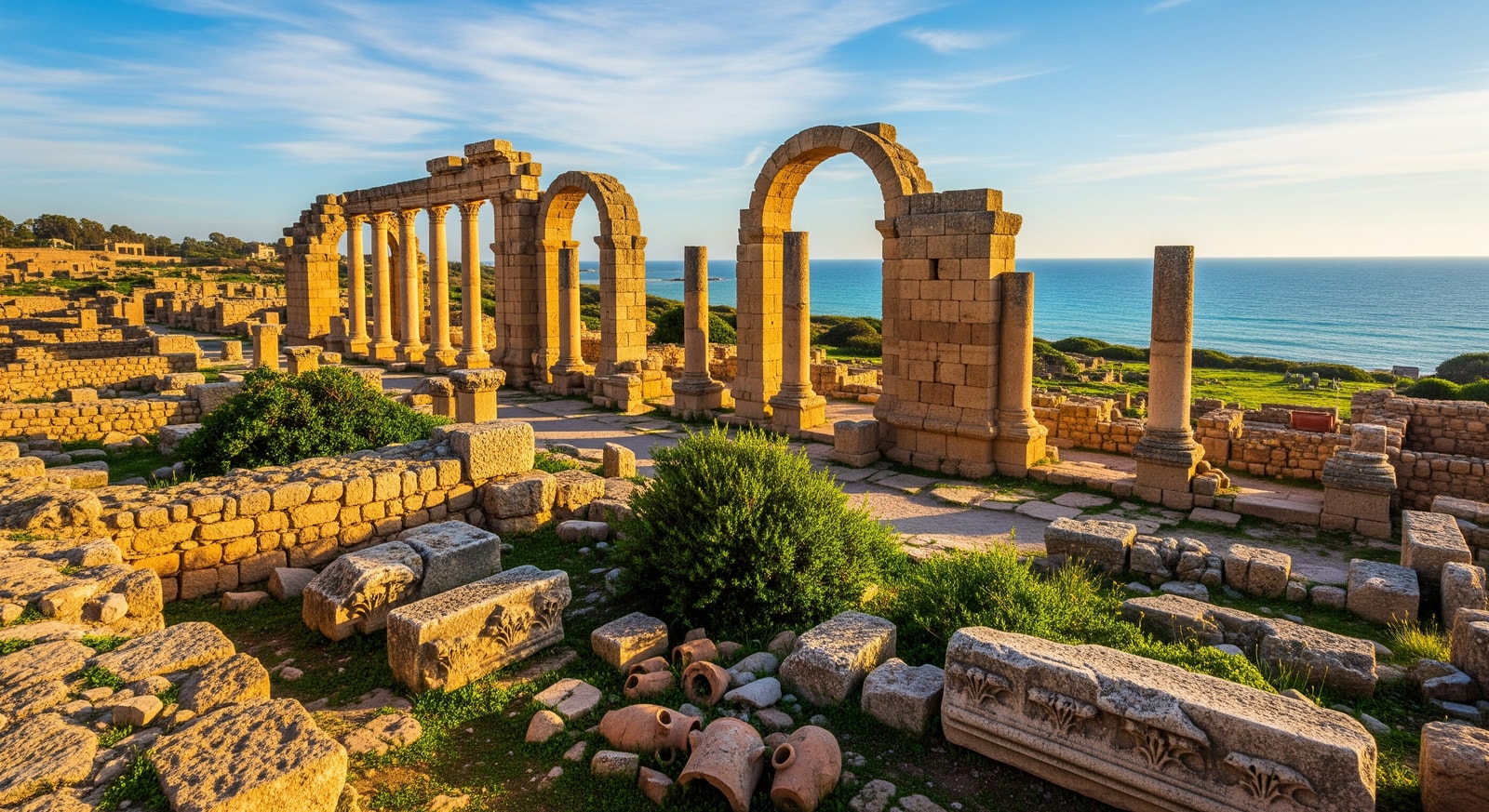
Carthage — UNESCO World Heritage Site with 3,000 years of history
Application Process
How to Apply
Tunisia visa applications can be submitted through several channels depending on your nationality and travel purpose:
Embassy Application
Most visa applicants must apply through their nearest Tunisian embassy or consulate. Submit your completed application form, required documents, passport, and visa fee. Processing typically takes 5-10 business days, though times vary by location and season.
Visa on Arrival
Some nationalities may obtain visas upon arrival at Tunis-Carthage International Airport or other entry points. This option requires presenting all standard documents at immigration. However, advance application is recommended to avoid potential delays or denial.
Application Timeline
We recommend applying at least 3-4 weeks before your intended travel date. This allows sufficient time for processing, potential additional document requests, and any unforeseen delays. During peak summer tourist season, processing times may extend.
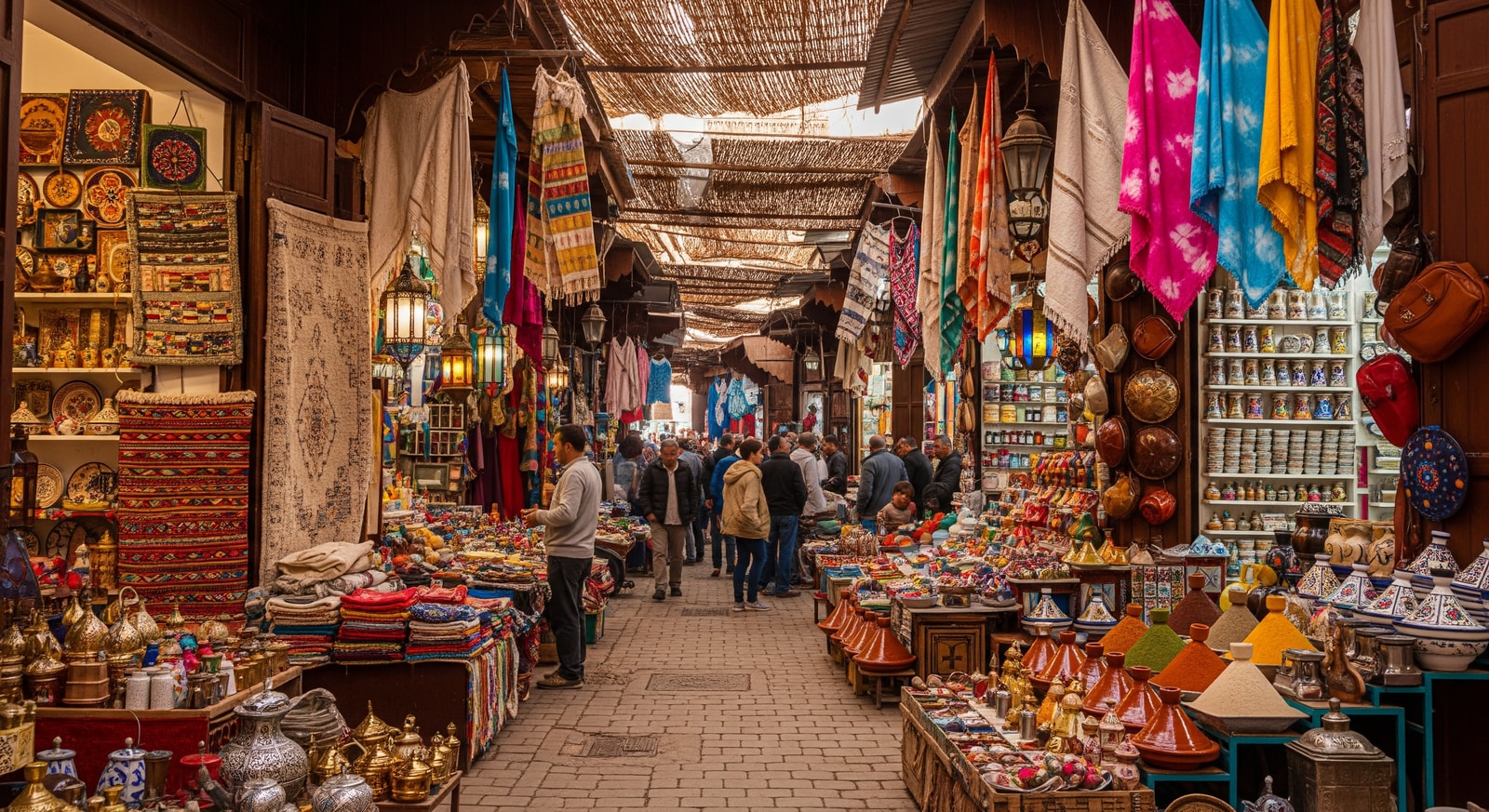
Medina of Tunis — UNESCO-listed old city with vibrant traditional markets
Travel Tips
Entry Points
Tunisia visas are valid at all official ports of entry:
• Airports: Tunis-Carthage International (TUN), Enfidha-Hammamet (NBE), Djerba-Zarzis (DJE), Monastir Habib Bourguiba (MIR)
• Land borders: Ras Ajdir (Libya border — check current advisories), multiple crossings with Algeria
• Seaports: La Goulette (Tunis), Sousse, Sfax for ferry arrivals from France, Italy, and Malta
Best Time to Visit
Spring (March-May) and autumn (September-November) offer ideal weather for exploring. Summer brings beach crowds and higher temperatures. Winter is mild on the coast but cooler in the interior and mountains.
Currency and Money
The Tunisian Dinar (TND) is the official currency. ATMs are widely available in cities and tourist areas. Credit cards are accepted at larger hotels and restaurants. It is illegal to import or export Tunisian dinars, so exchange currency upon arrival.
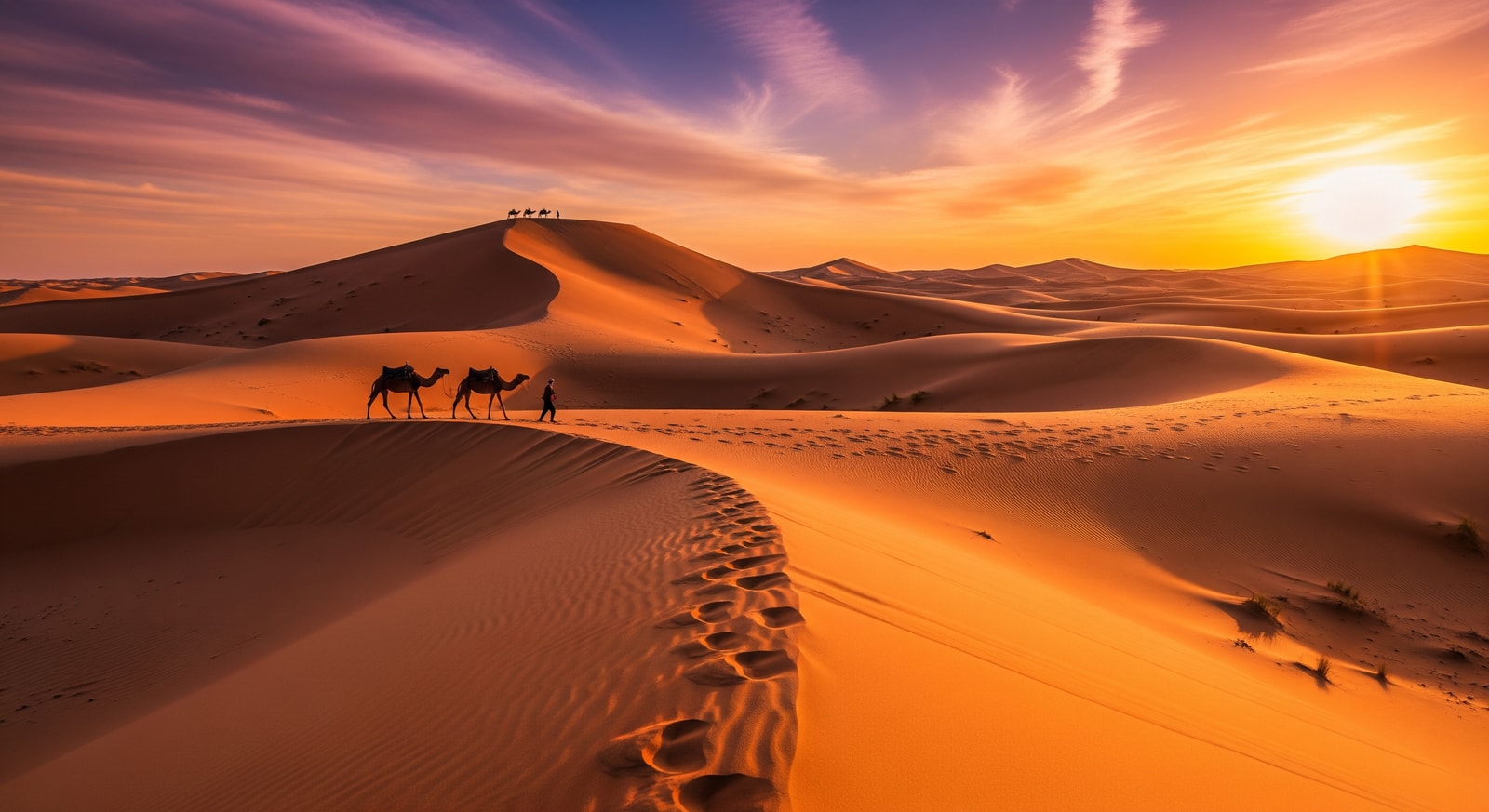
Tunisian Sahara — Experience the magic of the desert near Douz and Tozeur
Why Choose DoVisa?
See the difference between applying yourself vs using our expert service
Travelers to Tunisia rated this product 4.7 out of 5 based on 10 reviews.
4.7/ 5
Based on 10 verified reviews
Filter by rating
Sophie M.Jan 15, 2026
"DoVisa helped me navigate the Tunisia visa process smoothly. Their document checklist was invaluable and my visa was approved without any issues!"
Ahmed K.Jan 10, 2026
"Visiting family in Tunis was made so much easier with DoVisa's guidance. They explained exactly what invitation letter format was needed."
Pierre D.Jan 5, 2026
"Business visa for a conference in Sousse processed smoothly. Good communication throughout and helpful support team."
Emma R.Dec 28, 2025
"Finally visited the Sahara and Carthage ruins! DoVisa made the visa application straightforward. The trip was incredible!"
Michael T.Dec 20, 2025
"First time applying for a Tunisia visa and I was worried about the process. DoVisa's step-by-step guidance made it completely manageable."
Fatima B.Dec 14, 2025
"Used DoVisa for my family visit visa. Processing was efficient and the team kept me updated throughout. Would recommend!"
Thomas L.Dec 8, 2025
"Excellent service for Tunisia business visa. The invitation letter requirements were clearly explained and everything went smoothly."
Yasmine A.Nov 30, 2025
"DoVisa helped my parents get their tourist visas to visit me. Professional service and great communication. Highly recommended!"
David C.Nov 22, 2025
"Good experience overall. The Tunisia visa process is detailed but DoVisa's checklist made sure I had everything ready. Approved first time."
Nadia S.Nov 15, 2025
"Traveled to see the El Jem amphitheater and Djerba beaches — absolutely worth it! DoVisa handled the visa application perfectly."
Sophie M.Jan 15, 2026
"DoVisa helped me navigate the Tunisia visa process smoothly. Their document checklist was invaluable and my visa was approved without any issues!"
Ahmed K.Jan 10, 2026
"Visiting family in Tunis was made so much easier with DoVisa's guidance. They explained exactly what invitation letter format was needed."
Pierre D.Jan 5, 2026
"Business visa for a conference in Sousse processed smoothly. Good communication throughout and helpful support team."
Tunisia Visa FAQs
What types of visas are available for Tunisia?
Tunisia offers several visa categories for foreign visitors. Tourist visa allows stays up to 90 days for sightseeing, cultural exploration, and leisure travel — perfect for visiting ancient ruins, Mediterranean beaches, and the Sahara Desert. Business visa is for commercial activities including meetings, conferences, trade fairs, and establishing business contacts. Family visit visa enables visits to relatives residing in Tunisia, requiring an invitation from your host. Transit visa permits passage through Tunisia en route to another destination, valid for up to 7 days. Work visa is required for employment in Tunisia and must be sponsored by a Tunisian employer. The appropriate visa type depends on your travel purpose and intended length of stay.
Do I need a visa to visit Tunisia?
Many nationalities can enter Tunisia visa-free for stays up to 90 days, making it one of the most accessible North African destinations. Visa-free entry is available for citizens of most European Union countries, United States, United Kingdom, Canada, Australia, Japan, South Korea, and many Arab and African nations. Visa required for citizens of countries not covered by visa-free agreements — applications must be submitted through Tunisian embassies and consulates. Visa on arrival may be available for some nationalities at Tunis-Carthage International Airport, though advance application is recommended. Always verify current requirements for your specific nationality before traveling, as policies can change.
How long does Tunisia visa processing take?
Tunisia visa processing typically takes 5-10 business days, though actual times vary by several factors. Consulate location: Processing times differ between embassies — some process faster than others based on staffing and workload. Visa type: Tourist visas generally process in 5-7 days; business visas may take 7-10 days due to verification requirements. Application completeness: Incomplete applications cause delays while awaiting additional documents. Season: Summer months may experience longer processing due to increased tourist visa applications. Recommendation: Apply at least 3-4 weeks before travel to allow buffer time for any complications or additional documentation requests.
What documents are required for a Tunisia tourist visa?
The Tunisia tourist visa application requires several documents: Passport: Original passport valid for at least 6 months beyond your stay with minimum 2 blank pages. Application form: Completed Tunisia visa application form, signed and dated. Photographs: Two recent passport-sized photos (35x45mm) with white background, taken within 6 months. Flight reservation: Round-trip flight itinerary showing entry and exit dates. Accommodation proof: Hotel bookings for your entire stay, or invitation letter if staying with hosts. Bank statements: Recent statements showing sufficient funds for your stay. Travel insurance: Policy covering medical emergencies valid in Tunisia. Employment proof: Letter from employer confirming leave approval, or business registration if self-employed. Some consulates may request additional documents based on your nationality.
Can I get a visa on arrival in Tunisia?
Some nationalities may obtain visas on arrival at Tunis-Carthage International Airport, though this option is limited and advance application is strongly recommended. Visa-free nationalities don't need any visa for stays up to 90 days. Visa on arrival may be available for certain nationalities not covered by visa-free agreements — check with the nearest Tunisian embassy to confirm eligibility. Requirements: Passport valid 6+ months, return ticket, hotel bookings, proof of sufficient funds. Risk factors: Visa on arrival approval is at immigration officer discretion and may be denied. Airlines may refuse boarding without confirmed visa documentation. Recommendation: Always apply for your visa in advance through official channels or DoVisa's assisted service to ensure smooth entry.
How long can I stay in Tunisia with a tourist visa?
A standard Tunisia tourist visa allows stays of up to 90 days within a 180-day period. Visa-free visitors receive the same 90-day limit stamped in their passport at entry. The exact duration granted depends on your application and immigration officer discretion — you may receive a visa for 30, 60, or 90 days. Extensions: Tourist visa extensions are possible by applying at the nearest police station or immigration office before your visa expires. Extensions are discretionary and require valid justification. Overstaying: Remaining beyond your permitted stay results in fines, potential detention, and future visa complications. Important: Always monitor your permitted stay dates and plan departure accordingly. If you need more than 90 days, consider exiting and re-entering after a period outside Tunisia.
Can I extend my Tunisia visa while in the country?
Yes, Tunisia visa extensions are possible but subject to approval. Where to apply: Local police station (poste de police) or the immigration office (Office National de l'Immigration) in Tunis. When to apply: Submit your extension request before your current visa or permitted stay expires — ideally 1-2 weeks before expiry. Requirements: Valid passport, completed extension form, passport photos, proof of accommodation, proof of funds, justification letter explaining why you need to stay longer, and the extension fee. Processing: Extensions typically take 3-7 business days. You may receive a temporary receipt allowing you to stay while the application is processed. Approval: Extensions are discretionary — authorities may grant less time than requested or deny the extension. Maximum stay: Generally, the total stay including extensions should not exceed 90 days within a 180-day period.
Is Tunisia safe for tourists?
Tunisia is generally safe for tourists in established tourist areas and has significantly improved security since 2015. Safe areas: Major cities (Tunis, Sousse, Monastir, Hammamet), Mediterranean coastal resorts, Djerba island, and established tourist circuits including Carthage, Sidi Bou Said, and El Jem. These areas have good security infrastructure and tourist police presence. Areas requiring caution: Some governments advise against travel to areas near the Algerian and Libyan borders due to security concerns. Avoid Mount Chaambi National Park and surrounding areas. Practical advice: Use reputable tour operators for Sahara excursions; stay informed about current conditions; avoid demonstrations; keep copies of documents separate from originals; register with your embassy. Tunisian hospitality: Visitors frequently comment on the warmth and friendliness of Tunisian people.
What is the best time to visit Tunisia?
Tunisia enjoys a Mediterranean climate with regional variations. Spring (March-May): Ideal for most travel — pleasant temperatures, wildflowers blooming, comfortable for sightseeing and desert excursions. Autumn (September-November): Excellent alternative with similar benefits, sea still warm enough for swimming, fewer crowds than summer. Summer (June-August): Hot temperatures, especially inland and in the Sahara. Peak beach season along the Mediterranean coast with higher prices and crowds. Winter (December-February): Mild on the coast but cool in the interior and mountainous regions. Good for cultural sightseeing and desert visits when daytime temperatures are comfortable. Sahara specifically: October-April offers the most comfortable conditions. Avoid June-August when temperatures exceed 45 degrees Celsius. Ramadan: Many restaurants close during daylight hours; plan accordingly but expect a unique cultural experience.
Do I need vaccinations for Tunisia?
Tunisia has no mandatory vaccination requirements for most travelers, but several are recommended. Routine vaccinations: Ensure standard immunizations are current — measles-mumps-rubella (MMR), diphtheria-tetanus-pertussis, polio, and annual flu shot. Recommended vaccinations: Hepatitis A (food/water-borne risk), Hepatitis B (if potential exposure), Typhoid (for adventurous eaters or longer stays). Consider based on activities: Rabies (if extensive outdoor activities or animal contact). Yellow fever: Required only if arriving from a yellow fever endemic country. Malaria: Tunisia is malaria-free, so no prophylaxis is needed. Recommendation: Consult a travel health clinic 4-6 weeks before departure for personalized advice based on your itinerary and health history. Bring prescription medications with documentation.
What currency is used in Tunisia?
Tunisia's official currency is the Tunisian Dinar (TND). Important rule: It is illegal to import or export Tunisian dinars — exchange currency upon arrival and reconvert before departure. Currency exchange: Available at airports, banks, and authorized exchange bureaus. Keep exchange receipts as you may need them to reconvert dinars when leaving. ATMs: Widely available in cities and tourist areas, accepting international cards (Visa, Mastercard). Credit cards: Accepted at larger hotels, restaurants, and shops in tourist areas. Smaller establishments and markets are cash-only. Tipping: Appreciated but not mandatory — 10% at restaurants is customary. Budget estimate: Tunisia is affordable; mid-range travelers can expect to spend $50-100/day for accommodation, meals, and activities.
Can I work in Tunisia with a tourist visa?
No, Tunisia tourist visas strictly prohibit employment. Tourist visas allow only leisure activities: sightseeing, visiting historical sites, beaches, and attending non-commercial events. Business visas permit commercial activities like meetings, conferences, and establishing contacts, but not paid employment. Legal employment requires a Tunisia work permit (Carte de Sejour pour Travail), which involves employer sponsorship, labor market test proving no qualified Tunisian available, and extensive documentation. The process must be initiated before entering Tunisia for work purposes. Penalties: Working illegally risks fines, detention, deportation, and future visa bans. Digital nomads: Working remotely for foreign employers while on tourist status occupies a legal grey area — not explicitly permitted under tourist visa terms.
What should I wear in Tunisia?
Tunisia is a moderate Muslim country with relatively relaxed dress norms compared to some neighbors, but modest dress is appreciated. General guidance: Cover shoulders and knees when visiting religious sites and in traditional areas. Casual Western clothing is acceptable in tourist areas, hotels, and beach resorts. Beach resorts: Standard beach attire is fine within resort areas; cover up when venturing outside. Cities and medinas: Modest dress recommended — loose-fitting clothing covering arms and legs, especially for women. Religious sites: Both genders should cover arms and legs; women may want a headscarf for entering mosques. Sahara desert: Loose, light-colored, breathable clothing protecting from sun. Head covering essential for sun protection. Temperatures drop significantly at night — bring warm layers. Practical tip: When in doubt, observe local dress and err toward modesty.
Do children need their own Tunisia visa?
Yes, every traveler including children and infants requires their own visa if their nationality requires one. There are no family visas or provisions for children on parents' documents. Requirements for children: Valid passport in child's own name with 6+ months validity; passport-sized photographs meeting adult specifications; completed application form with child's details. Additional documentation: Birth certificate may be required; parental consent if traveling with only one parent or without parents — must be notarized; custody documents if applicable. Application process: Parents typically apply for children's visas simultaneously with their own. Fees: Children generally pay the same visa fees as adults. Visa-free nationalities: Children of visa-free nationalities don't need visas but must have their own valid passport for entry.
What are the top places to visit in Tunisia?
Tunisia offers remarkable diversity for travelers. Tunis: The capital features the UNESCO-listed Medina, Bardo Museum (world's largest Roman mosaic collection), and nearby ancient Carthage. Sidi Bou Said: Picturesque hilltop village with iconic blue and white architecture overlooking the Mediterranean. Sahara Desert: Experience the Grand Erg Oriental dunes near Douz and Tozeur, plus Star Wars filming locations at Matmata and Ong Jemal. El Jem: Spectacular Roman amphitheater, one of the best-preserved in the world and a UNESCO World Heritage Site. Djerba: Island paradise with beautiful beaches, traditional villages, and the ancient El Ghriba synagogue. Sousse and Monastir: Coastal cities with historic medinas, ribats (fortresses), and beach resorts. Kairouan: One of Islam's holiest cities with the Great Mosque and carpet workshops. Dougga: Best-preserved Roman ruins in North Africa, UNESCO World Heritage Site.
Still have questions?
Our team is here to help 24/7
Get Visa Tips & Exclusive Deals
Join 1,000+ travelers. No spam, unsubscribe anytime.


 With DoVisa