Simple 4-step process — most applications approved within 48-72 hours
1
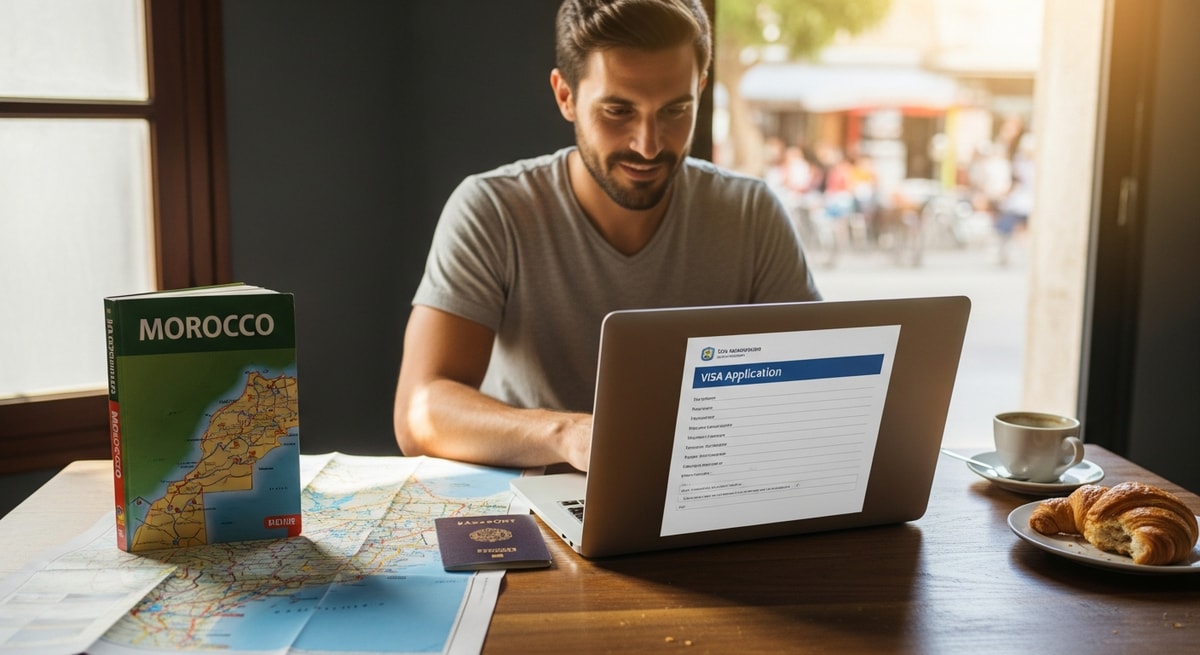
Complete the online application
Fill out our streamlined application form with your personal details, travel plans, and intended itinerary. Our intelligent validation system guides you through each section, checking for common errors and ensuring your application meets Moroccan consular requirements.
2
Upload your documents
Submit your passport scan (bio page clearly visible), a recent passport-sized photograph, and proof of accommodation. Our visa specialists review every document against Moroccan immigration standards before submission, significantly reducing the risk of rejection or delays.
3
We process your visa
Your verified application is processed through official channels. We monitor processing status in real-time and proactively communicate any updates, requests for additional documentation, or status changes via email and SMS throughout the process.
4
Receive your visa electronically
Your approved Morocco visa arrives as a PDF document. Print it clearly on A4 paper and present it at Moroccan immigration along with your passport. Marhaba — welcome to the Kingdom of Morocco and its treasures!
Visa types needed for Morocco
Available visa products
Morocco Visa - 180 days, Single entry Most Popular
Morocco Business eVisa - 180 days, Single entry
Morocco Visa - 180 days, Single entry
The Morocco eVisa provides access to Marrakech's medinas, Sahara Desert, and Chefchaouen. Valid for 6 Months with single entry, this visa allows stays up to 30 days. Perfect for tourism and business.
Applicants must submit the following documents:
🛂 Passport: Valid for at least 6 months with blank pages
The Morocco Business eVisa provides access to Marrakech's medinas, Sahara Desert, and Chefchaouen. Valid for 6 Months with single entry, this visa allows stays up to 30 days. Perfect for business activities, meetings, and conferences.
Applicants must submit the following documents:
🛂 Passport: Valid for at least 6 months with blank pages
Morocco maintains one of Africa's most welcoming visa policies, offering visa-free entry to citizens of over 70 countries including the United States, European Union, United Kingdom, Canada, Australia, Japan, and most Arab nations. Visa-exempt travelers can stay up to 90 days for tourism purposes.
Visa-Free Entry
If you hold a passport from a visa-exempt country, you simply need a valid passport (6+ months validity) and return or onward travel confirmation. Immigration officers at Moroccan entry points stamp your passport with a 90-day tourist permit. No advance application is required — making Morocco one of the easiest North African destinations to visit.
Tourist Visa for Non-Exempt Nationalities
Citizens from countries not on the visa-exemption list must apply for a Morocco tourist visa through a Moroccan embassy or consulate before travel. The tourist visa typically allows stays of up to 90 days for leisure activities including visiting the ancient medinas of Fes and Marrakech, exploring the Sahara Desert, trekking the Atlas Mountains, and enjoying the coastal cities of Essaouira and Agadir. Tourist visas may be single or multiple entry depending on your travel needs.
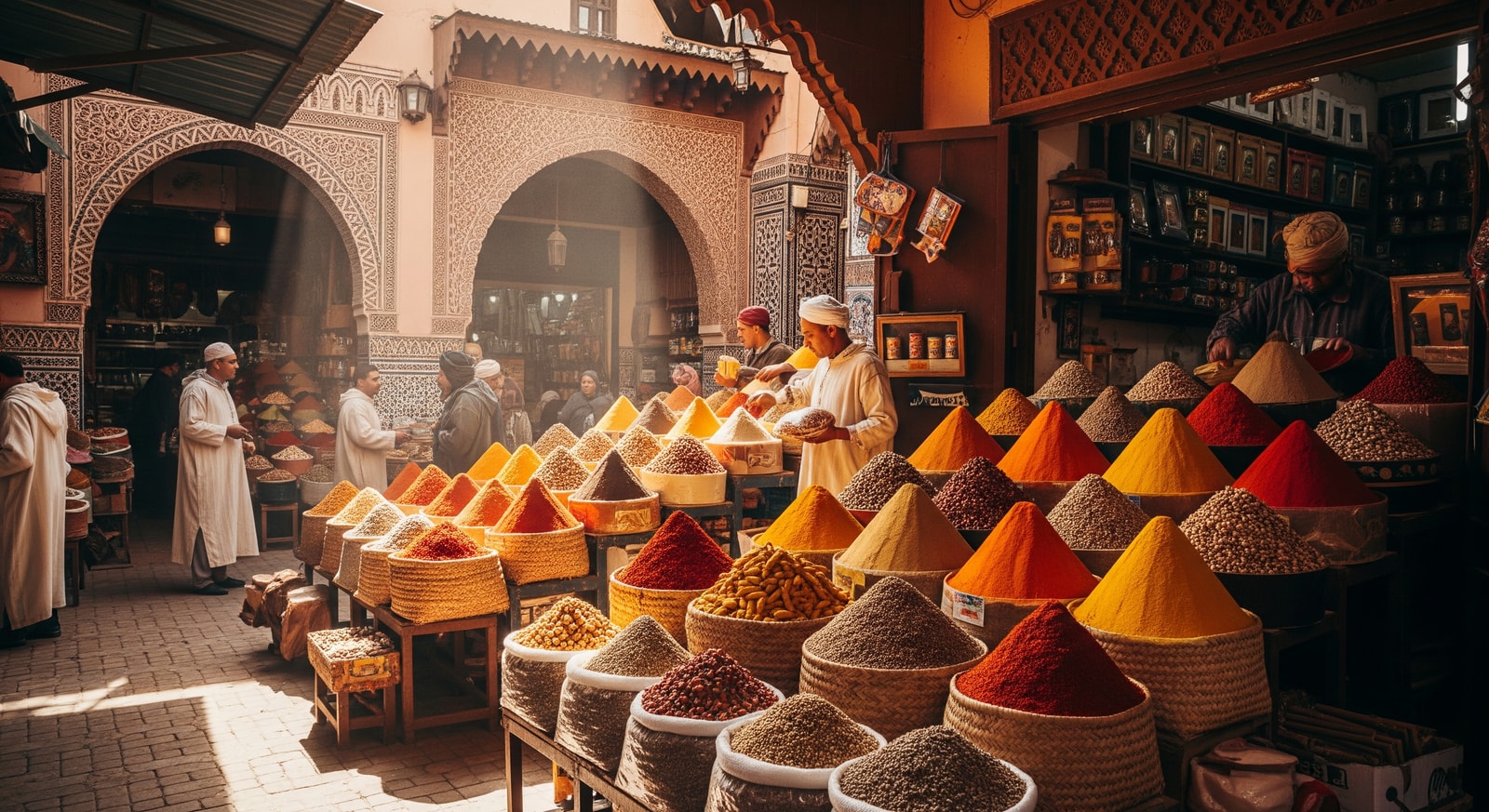
Marrakech Medina — A UNESCO World Heritage site of endless discovery
Business & Work Visas
Business Visa
The Morocco business visa caters to professionals conducting commercial activities within the Kingdom. This includes attending business meetings, trade fairs, and conferences; exploring investment opportunities in Morocco's growing economy; establishing trade contacts; conducting market research; and negotiating contracts. Business visas typically allow stays up to 90 days and can be issued for single or multiple entries.
Required documentation includes an invitation letter from a Moroccan company or organization, your company's registration documents, and a detailed business itinerary. Morocco's strategic location makes it a gateway for business with both Africa and Europe.
Work Visa & Residence Permits
Foreign nationals intending to work in Morocco require a work visa and subsequent residence permit. The employer must obtain authorization from the Moroccan Ministry of Employment before the employee can apply. Work permits are typically granted for one year and are renewable. Morocco has special provisions for highly skilled workers, investors, and those working in designated economic zones like Casablanca Finance City.
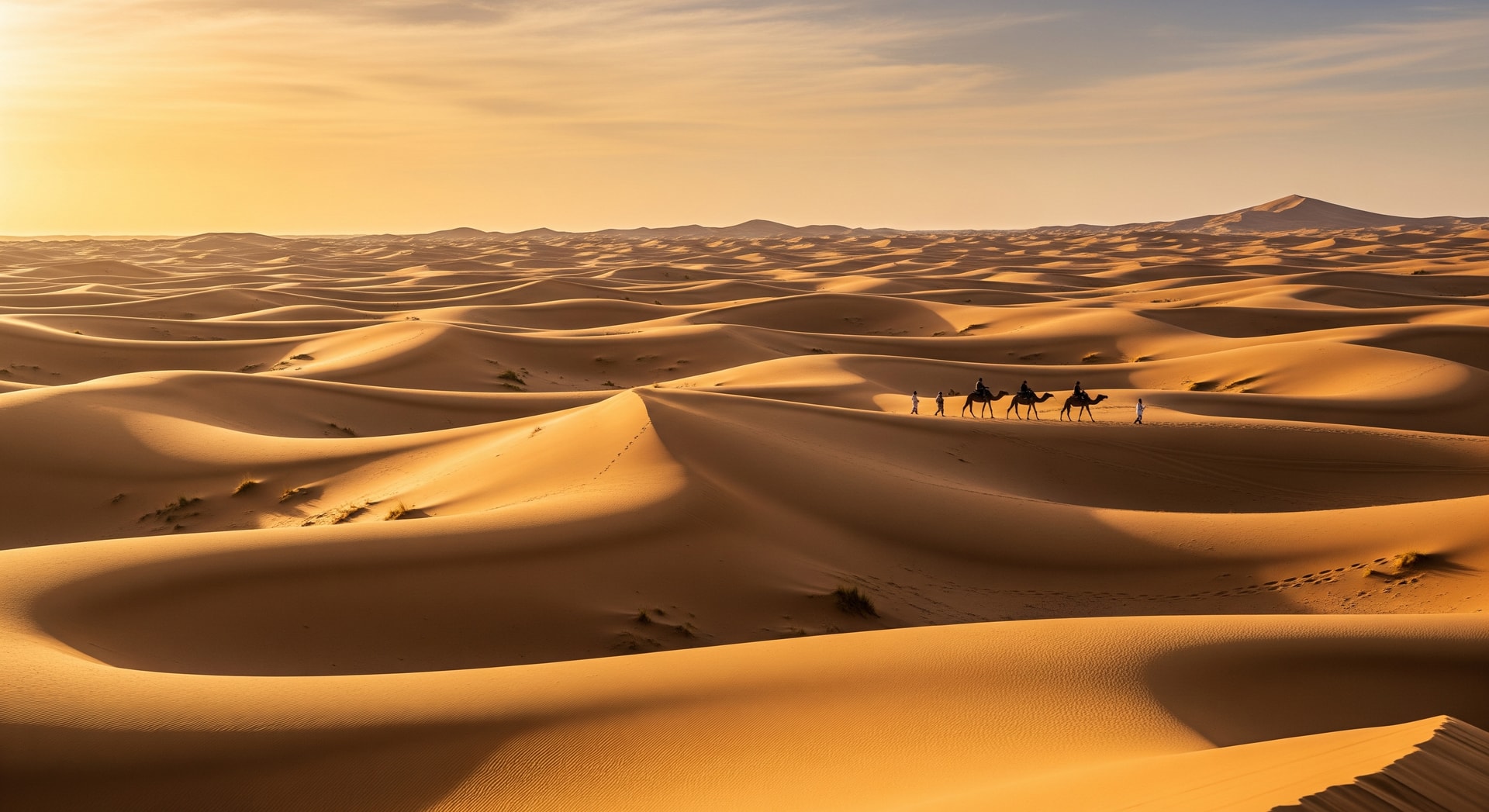
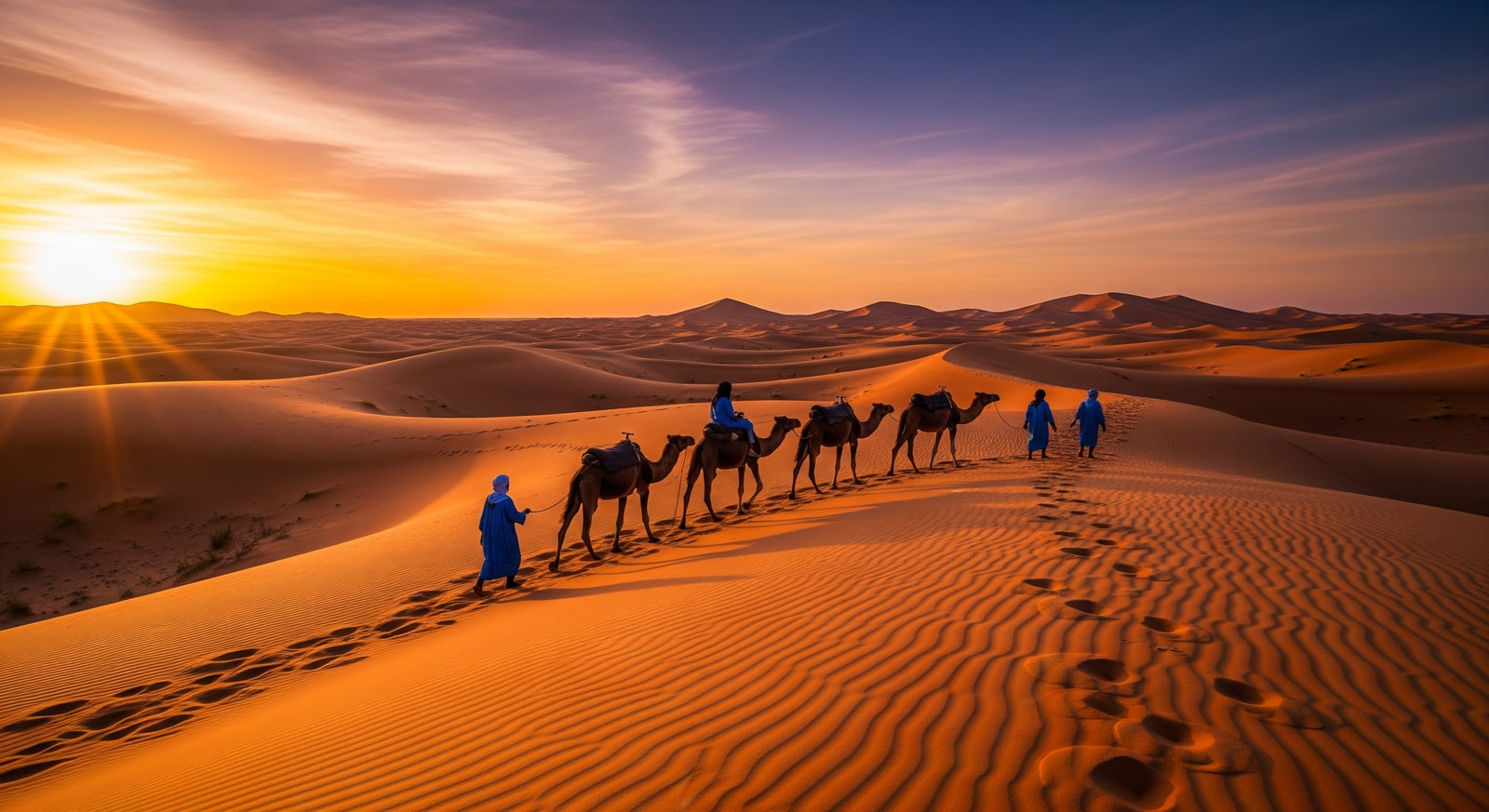
Sahara Desert — Experience magical sunsets on the dunes of Erg Chebbi
Entry Requirements & Special Considerations
Essential Entry Requirements
All visitors to Morocco must meet these fundamental requirements:
• Passport validity: Minimum 6 months beyond your intended arrival date with at least two blank pages for entry stamps
• Proof of accommodation: Hotel booking, riad reservation, or invitation letter if staying with friends/family
• Return travel: Flight bookings or other proof of onward travel
• Sufficient funds: Evidence of financial means to support your stay (approximately 500-1000 MAD per day recommended)
Extending Your Stay
If you wish to stay beyond 90 days, you must apply for an extension at the nearest police prefecture (Bureau des Etrangers) before your initial period expires. Extensions are granted at the discretion of authorities and typically require proof of accommodation, financial means, and a valid reason for extension. Alternatively, many travelers exit to a neighboring country (Spain, Portugal, Algeria) and return for a fresh 90-day period.
Special Considerations
Morocco does not recognize dual nationality — if you hold Moroccan citizenship alongside another nationality, you must enter and exit on your Moroccan passport. Certain goods are prohibited from import including political materials, drones without prior authorization, and some medications (carry prescriptions).
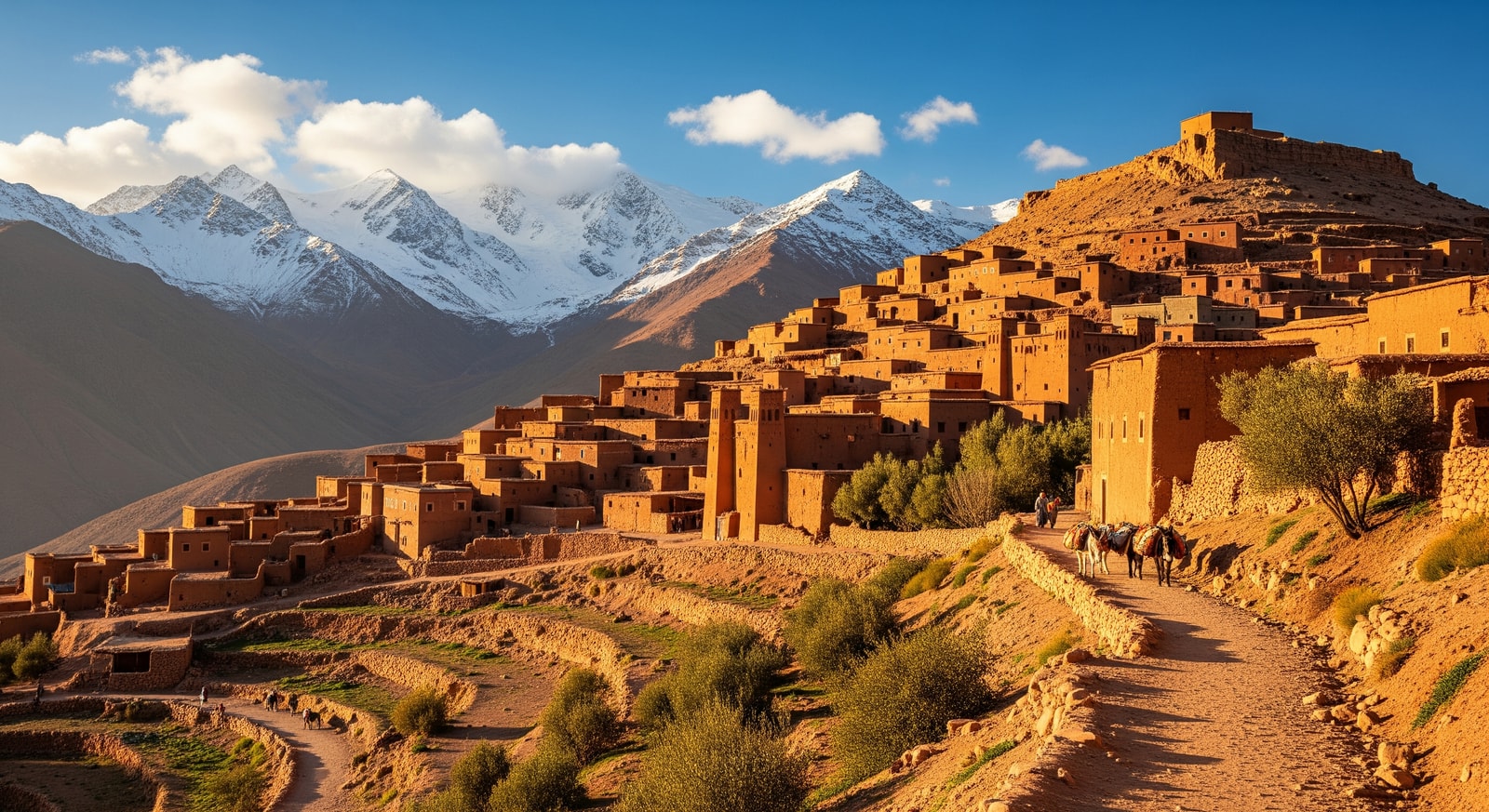
Atlas Mountains — Trek through stunning landscapes and Berber villages
Entry Points & Processing Times
Major Entry Points
Morocco visas and visa-free entry are valid at all official entry points including:
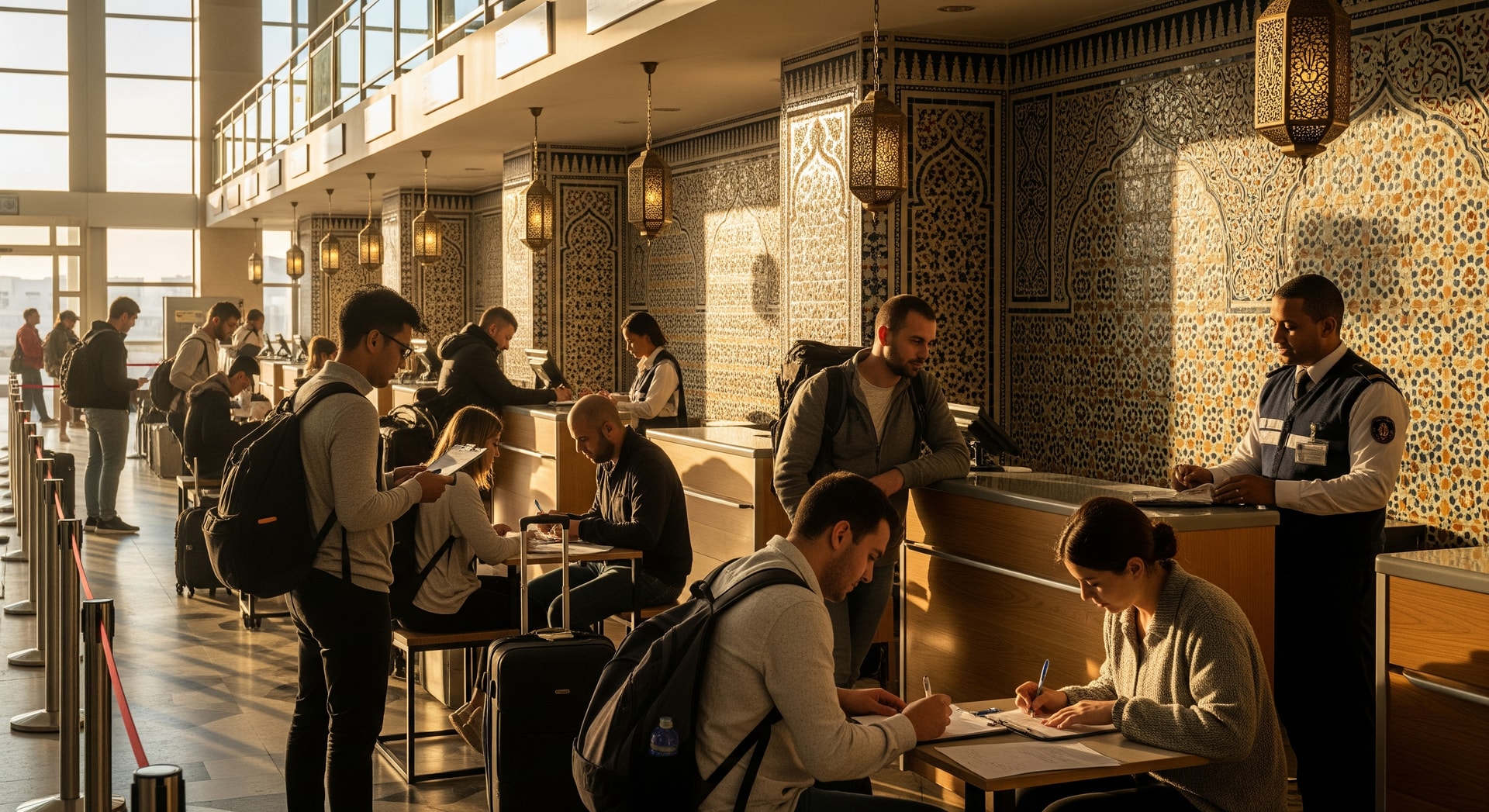
• Airports: Mohammed V International (CMN) in Casablanca, Marrakech Menara (RAK), Fes-Saiss (FEZ), Tangier Ibn Battouta (TNG), Agadir Al Massira (AGA), Rabat-Sale (RBA)
• Seaports: Tangier Med (ferries from Spain), Tangier Ville, Nador
• Land borders: Ceuta and Melilla (Spanish enclaves), though the Algeria border remains closed
Processing Times
For visa-exempt travelers, entry is immediate upon arrival — simply proceed through immigration with your valid passport. For those requiring visas, embassy processing typically takes 5-15 business days, though this varies by location and season. We recommend applying at least 3-4 weeks before your intended travel date.
Peak Travel Seasons
Morocco sees highest tourist volumes during spring (March-May) and autumn (September-November) when weather is ideal. The month of Ramadan may affect business hours and restaurant availability during daylight hours. Major festivals like the Fes Festival of World Sacred Music attract additional visitors.
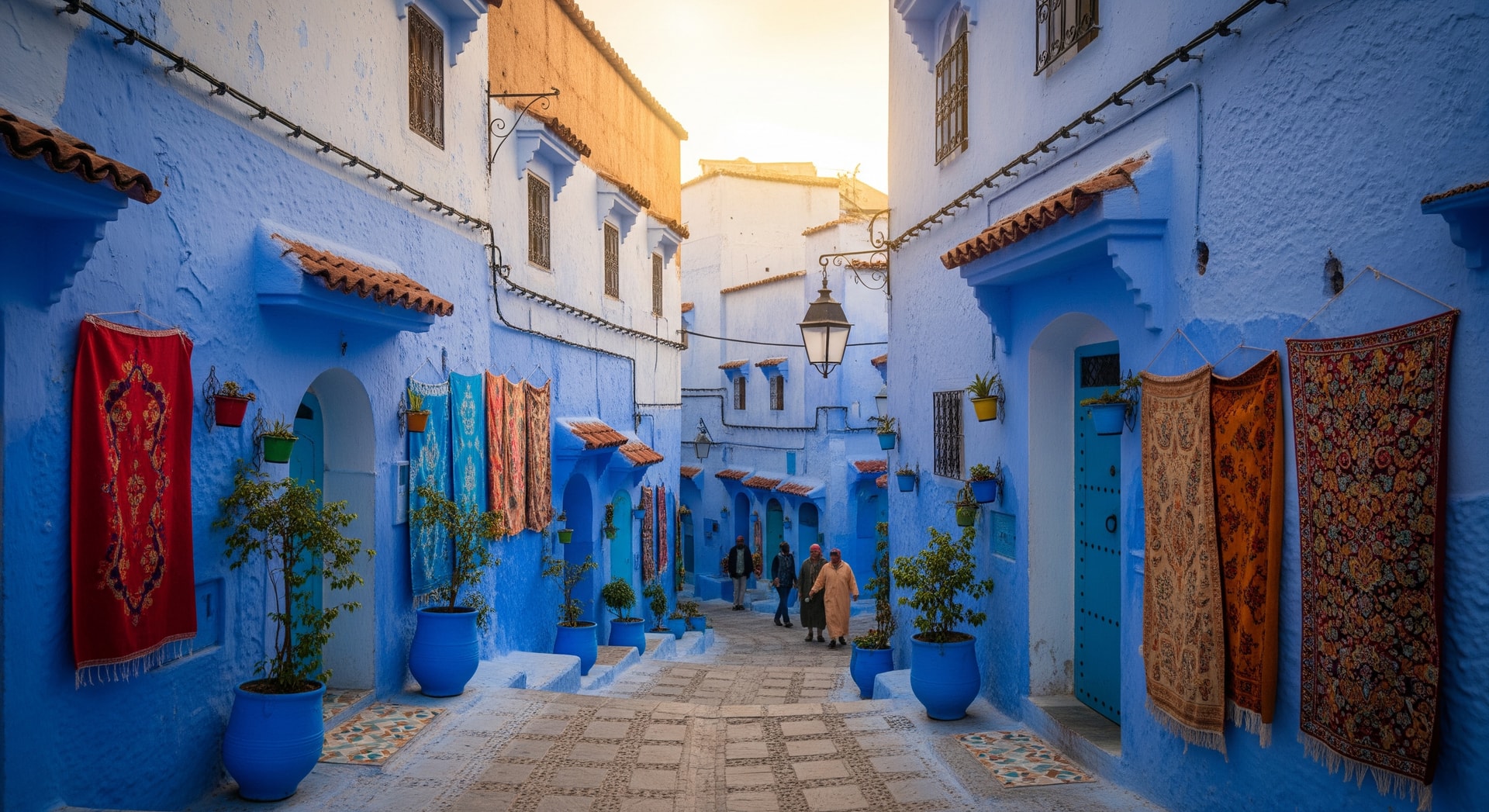
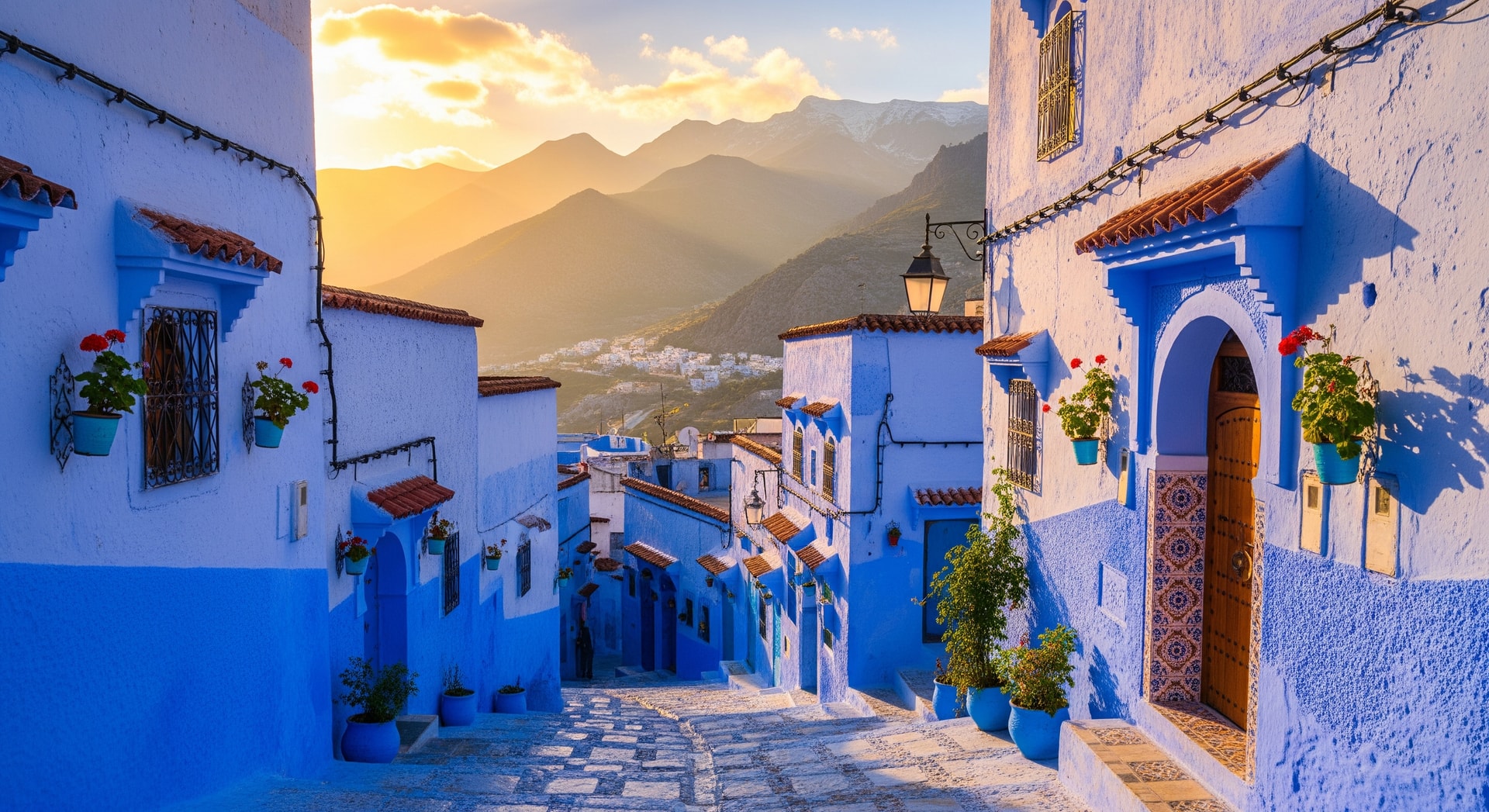
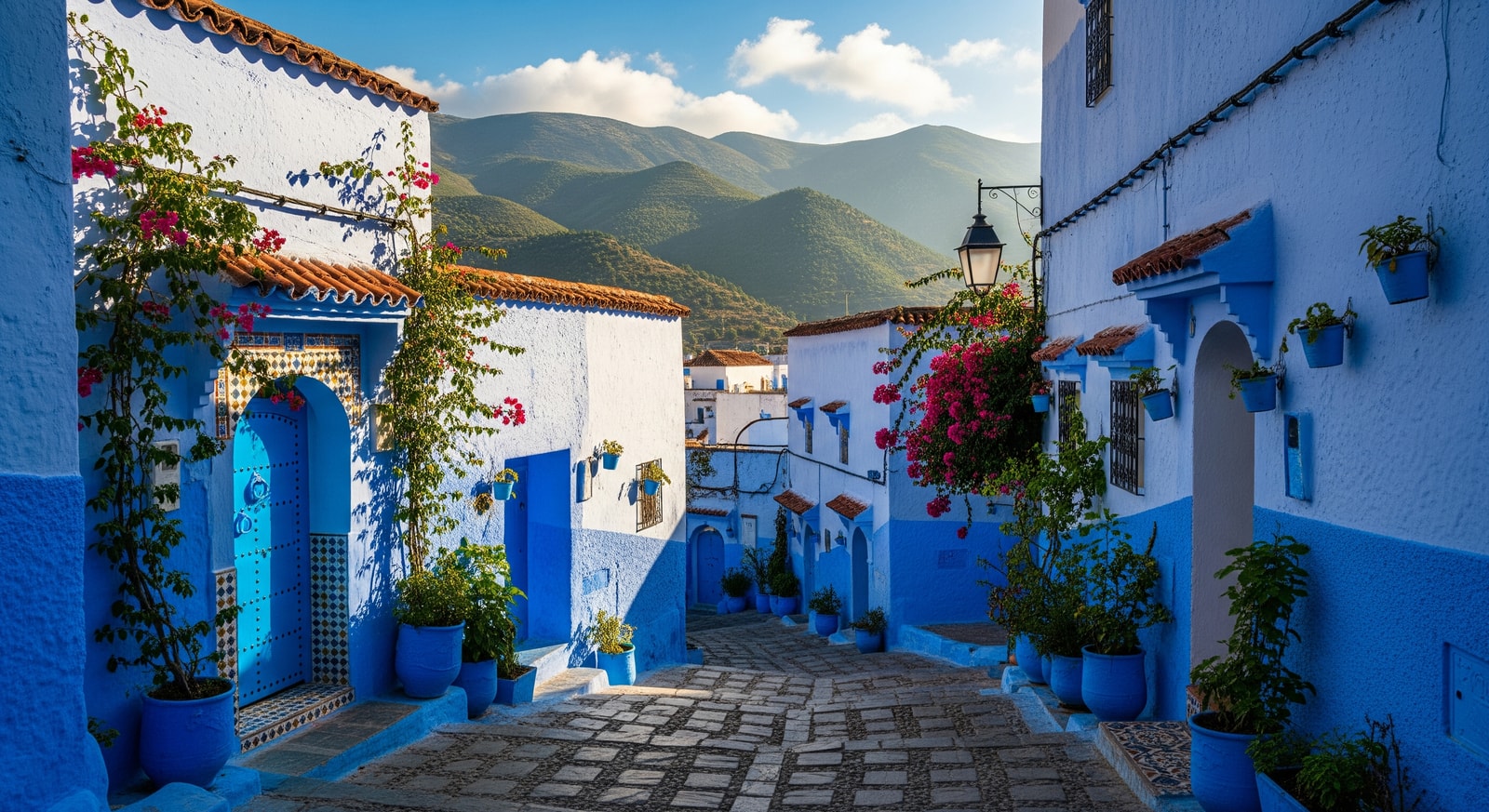
Chefchaouen — Morocco's enchanting blue pearl in the Rif Mountains
Why Choose DoVisa?
See the difference between applying yourself vs using our expert service
Travelers to Morocco rated this product 4.7 out of 5 based on 10 reviews.
4.7/ 5
Based on 10 verified reviews
Filter by rating
Emma R.Jan 18, 2026
"Visited Morocco for the first time and DoVisa made the entry process crystal clear. Their guidance on visa-free entry requirements was spot on. The medinas of Fes were magical!"
Michael B.Jan 12, 2026
"Needed clarification on business visa requirements for a conference in Casablanca. DoVisa's team responded within hours and helped me prepare all documentation perfectly."
Sophie L.Jan 5, 2026
"Spent 3 weeks exploring Morocco from Marrakech to the Sahara. Immigration at Casablanca airport was smooth. DoVisa's checklist ensured I had everything ready."
David H.Dec 28, 2025
"Great service for understanding Morocco's entry requirements. The team explained the 90-day visa-free period clearly. Chefchaouen was absolutely worth the trip!"
Charlotte M.Dec 20, 2025
"Traveling from a country that needed a visa, DoVisa guided me through the embassy application process. Approved in 8 days! The Atlas Mountains trek was incredible."
James P.Dec 15, 2025
"Family of 4 visited Morocco during Christmas holidays. DoVisa confirmed we all qualified for visa-free entry and what documents to carry. Hassle-free at immigration!"
Olivia K.Dec 8, 2025
"Used DoVisa to understand requirements before my Sahara desert tour. Their information was accurate and helpful. Would recommend for first-time Morocco visitors."
Thomas C.Nov 30, 2025
"Business trip to Tangier went smoothly thanks to DoVisa's clear guidance on documentation. Professional service and responsive support team."
Isabella F.Nov 22, 2025
"Spent a month in Morocco exploring riads and souks. DoVisa explained the 90-day limit and what to do if I wanted to extend. Fantastic resource!"
William A.Oct 15, 2025
"Helpful service for planning Morocco trip. Clear information about passport requirements and accommodation proof. Marrakech exceeded expectations!"
Emma R.Jan 18, 2026
"Visited Morocco for the first time and DoVisa made the entry process crystal clear. Their guidance on visa-free entry requirements was spot on. The medinas of Fes were magical!"
Michael B.Jan 12, 2026
"Needed clarification on business visa requirements for a conference in Casablanca. DoVisa's team responded within hours and helped me prepare all documentation perfectly."
Sophie L.Jan 5, 2026
"Spent 3 weeks exploring Morocco from Marrakech to the Sahara. Immigration at Casablanca airport was smooth. DoVisa's checklist ensured I had everything ready."
Morocco Visa FAQs
What types of visas are available for Morocco?
Morocco offers several visa categories depending on your nationality and purpose of visit. Visa-free entry is available for citizens of 70+ countries for stays up to 90 days — this is the most common entry method for tourists. Tourist visa is required for nationalities not on the exemption list, allowing leisure travel for up to 90 days. Business visa permits commercial activities including meetings, conferences, and trade exploration. Work visa is required for employment, obtained through employer sponsorship. Student visa is for those enrolled in Moroccan educational institutions. Transit visa allows brief stays for travelers connecting through Morocco. The right visa depends on your nationality, travel purpose, and intended duration of stay.
Do I need a visa to visit Morocco?
It depends on your nationality. Visa-free countries (70+ nations) include: United States, Canada, United Kingdom, all EU member states, Australia, New Zealand, Japan, South Korea, most Gulf states, and many others. Citizens of these countries can enter Morocco without a visa and stay for up to 90 days for tourism. Countries requiring visas: Citizens from countries not on the exemption list must apply for a Morocco visa at their nearest Moroccan embassy or consulate before travel. Check the current visa exemption list for your specific nationality, as Morocco periodically updates its visa policies. Regardless of visa requirements, all travelers need a passport valid for at least 6 months beyond their arrival date.
How long can I stay in Morocco as a tourist?
Most tourists can stay in Morocco for up to 90 days within any 180-day period. This applies to both visa-free visitors and those entering on tourist visas. Counting your days: The 90-day limit begins from your entry stamp date. Immigration officers rarely count precisely, but overstaying can result in fines, detention, or future entry difficulties. Extending your stay: If you wish to stay beyond 90 days, you must apply for an extension at a police prefecture before your initial period expires. Extensions require proof of accommodation, sufficient funds, and a valid reason. Border runs: Many long-term visitors exit to Spain (via ferry from Tangier) or the Canary Islands and return for a fresh 90-day period. However, repeated border runs may eventually draw scrutiny from immigration officers.
What documents do I need to enter Morocco?
Essential documents for all travelers: Valid passport with at least 6 months validity beyond your arrival date and minimum 2 blank pages for stamps. For visa-free travelers: Proof of accommodation (hotel booking, riad reservation, or invitation letter from host), return or onward flight ticket, sufficient funds for your stay. While not always checked, having these documents ready prevents potential complications. For visa applicants: Completed visa application form, passport-sized photographs, proof of accommodation, flight itinerary, bank statements showing sufficient funds, travel insurance, and any additional documents specified by the consulate (business invitation for business visa, enrollment letter for student visa). Optional but recommended: Travel insurance documents, vaccination records, copies of all documents stored separately from originals.
Can I extend my stay in Morocco beyond 90 days?
Yes, extensions are possible but must be arranged before your initial 90 days expire. Extension process: Visit the Bureau des Etrangers (Foreigners Bureau) at your local police prefecture. Bring your passport, accommodation proof, bank statements, passport photos, and a letter explaining why you need to extend. Extensions are granted at official discretion — common approved reasons include ongoing medical treatment, family circumstances, or continued tourism with proof of funds. Costs: Extension fees vary; expect to pay approximately 300-500 MAD. Processing time: Usually 1-2 weeks; you receive a temporary receipt allowing you to remain while the application is processed. Alternative: Many long-term visitors prefer to exit Morocco (commonly via ferry to Spain) and return for a fresh 90-day period. Overstaying penalties: Fines start at 500 MAD per day, possible detention, and difficulty obtaining future visas.
Can I work in Morocco with a tourist visa or visa-free entry?
No, tourist visas and visa-free entry do not permit employment in Morocco. Working legally requires a work visa and residence permit, which must be arranged before entering the country for work purposes. Process: Your Moroccan employer must obtain authorization from the ANAPEC (National Agency for Employment) proving the position cannot be filled by a Moroccan citizen. Once approved, you apply for the work visa at a Moroccan consulate. After arrival, you apply for a residence card (Carte de Sejour). Freelance and remote work: Morocco does not currently have a specific digital nomad visa. Remote workers staying on tourist entry technically operate in a gray area — you're not employed by a Moroccan entity, but extended stays for work purposes may require residence authorization. Penalties: Working illegally risks fines, deportation, and future visa bans. Morocco has increased enforcement in recent years.
Do I need to print my visa or can I show it on my phone?
If you are entering Morocco visa-free, you don't need any printed visa — your passport stamp serves as entry authorization. If you obtained a visa through a Moroccan embassy or consulate, it will typically be affixed to your passport as a visa sticker before travel — this is your physical proof of authorization. For any electronic approval letters received as part of your application process, we recommend printing a clear copy on A4 paper as a backup, though the visa sticker in your passport is the primary document. Important: Always carry a printed copy of your accommodation booking, return flight, and travel insurance, as immigration officers may request these. Electronic copies on your phone are generally accepted as backup, but printed documents are more reliable, especially if you encounter phone battery issues or connectivity problems at the border.
What is the best time to visit Morocco?
Morocco offers year-round appeal, but optimal timing depends on your planned activities. Spring (March-May): Ideal overall — warm pleasant temperatures, blooming landscapes, snow still on Atlas peaks for hiking. Perfect for cities, coast, and desert. Autumn (September-November): Similar to spring with comfortable temperatures and fewer crowds than peak season. Excellent for desert trips as heat subsides. Summer (June-August): Very hot inland (40C+ in Marrakech, Fes, desert). Best for coastal areas (Essaouira, Agadir) and mountains. Winter (December-February): Mild in cities and coast, cold in mountains (skiing in Oukaimeden), pleasant for desert trips. Ramadan: The holy month follows the Islamic calendar and shifts yearly. Many restaurants close during daylight; evenings become festive. A unique cultural experience if you plan accordingly. Festivals: Fes Sacred Music Festival (June), Gnaoua World Music Festival in Essaouira (June), Rose Festival in Kelaat M'Gouna (May).
What happens if my Morocco visa application is rejected?
Morocco visa rejections are relatively uncommon but can occur. Common rejection reasons: Incomplete documentation, unclear purpose of visit, insufficient funds, passport validity issues, previous immigration violations, or concerns about intent to overstay. If rejected: Moroccan consulates typically provide a rejection letter but may not specify detailed reasons. Options after rejection: You can reapply with improved documentation addressing potential issues. There's no formal appeals process, but a new application with stronger supporting documents (more detailed itinerary, additional financial proof, employer letters) often succeeds. Wait period: Some consulates recommend waiting 2-4 weeks before reapplying. Prevention: Ensure all documents are complete and clear; provide comprehensive travel plans with confirmed accommodation; include sufficient financial evidence; be honest and consistent in your application. DoVisa assistance: Our pre-submission review identifies potential issues before they cause rejections.
Is Morocco safe for tourists?
Morocco is generally safe for tourists and welcomes millions of visitors annually. Safe areas: Major tourist destinations including Marrakech, Fes, Chefchaouen, Essaouira, Casablanca, Rabat, Tangier, and the popular Sahara Desert camps have strong tourist infrastructure and police presence. Common concerns: Petty crime (pickpocketing in crowded medinas), aggressive touts in tourist areas, taxi fare disputes. These are manageable with basic precautions. Areas of caution: The disputed Western Sahara region has travel advisories from some governments. The Algeria border is closed. Practical advice: Use licensed guides for medina navigation; agree taxi fares before departing; keep valuables secure; dress modestly (especially women) to attract less attention; stay aware in crowded souks. For women travelers: Morocco is increasingly popular for solo female travelers. While harassment can occur, most women travel safely with normal precautions. Health: Drink bottled water; food is generally safe at established restaurants; travel insurance is recommended.
Do I need any vaccinations for Morocco?
No vaccinations are mandatory for entry into Morocco from most countries. However, several are recommended by health authorities: Routine vaccinations: Ensure measles-mumps-rubella (MMR), diphtheria-tetanus-pertussis, varicella, polio, and yearly flu shot are current. Hepatitis A: Recommended for all travelers due to potential exposure through food and water. Hepatitis B: Recommended if you might have exposure to blood or body fluids, get tattoos, or have medical procedures. Typhoid: Consider if visiting smaller cities or rural areas with potential exposure to contaminated food/water. Rabies: Consider if you'll have extensive outdoor exposure, particularly in rural areas, or if you might interact with animals. Yellow fever: Certificate may be required if arriving from a yellow fever endemic country. Recommendation: Consult a travel health clinic 4-6 weeks before departure for personalized advice based on your itinerary and health history.
What currency should I bring to Morocco?
Morocco's official currency is the Moroccan Dirham (MAD), also written as DH or Dhs. Important: The dirham is a closed currency — you cannot purchase it outside Morocco and cannot legally export more than 2,000 MAD. Best currencies to bring: Euros (EUR) or US Dollars (USD) are most easily exchanged. British Pounds and other major currencies are accepted at larger exchange bureaus. Exchanging money: Banks and official exchange bureaus (bureaux de change) offer similar rates. ATMs are widely available in cities and accept international cards (Visa, Mastercard). Cards: Credit cards are accepted at larger hotels, restaurants, and shops in tourist areas. Riads, smaller shops, and the souks typically require cash. Tipping culture: Tipping is expected — 10-15% at restaurants, 10-20 MAD for small services, 100-200 MAD per day for guides. Haggling: Expected in souks and markets. Start at 40-50% of asking price and negotiate from there. Fixed prices apply in supermarkets, some modern shops, and restaurants.
Can I travel to Spain from Morocco easily?
Yes, Morocco and Spain have excellent connections via ferry services across the Strait of Gibraltar. Ferry routes: Tangier to Algeciras (1-2.5 hours depending on ferry type), Tangier to Tarifa (35-60 minutes, fastest crossing), Tangier Med to Algeciras, Nador to Almeria (6 hours). Multiple companies operate daily services. Requirements: For non-EU citizens, ensure you have appropriate Schengen visa or visa-free access for Spain before crossing. EU citizens can travel freely. Booking: Advance booking recommended during peak season (summer, Easter, Eid holidays). Tickets available online or at port offices. Day trips: Many visitors take day trips to Tarifa or Gibraltar from Tangier. Allow time for border formalities at both Moroccan and Spanish immigration. Flying: Multiple daily flights connect Casablanca and Marrakech to Madrid, Barcelona, and other Spanish cities. Often faster and comparable in price for longer distances. Ceuta and Melilla: These Spanish enclaves on Moroccan territory have land border crossings; entering them means entering Spain/EU.
Do children need their own documentation for Morocco?
Yes, every traveler including infants requires their own passport to enter Morocco. There are no provisions for children traveling on parents' passports or family travel documents. Requirements for children: Valid passport in child's own name with 6+ months validity and blank pages for stamps. Additional documentation recommended: If a child travels with only one parent, carry a notarized consent letter from the absent parent. If traveling with neither parent (grandparents, school groups), carry notarized consent from both parents plus copies of parents' identification. Morocco may not always request these documents, but they prevent potential complications. Visa requirements: Children from visa-requiring countries need their own visas. Children from visa-exempt countries enjoy the same visa-free access as adults. Family-friendly Morocco: Moroccans are very welcoming to families with children. Many riads and hotels accommodate families, though narrow medina streets can challenge strollers.
What are Morocco's customs and cultural considerations?
Morocco is a Muslim-majority country with distinct cultural norms. Understanding these enhances your experience. Dress code: No legal requirements, but modest dress is appreciated — cover shoulders and knees, especially away from beach resorts. Women may receive less attention with conservative clothing. Ramadan: During this holy month, avoid eating, drinking, or smoking in public during daylight hours out of respect. Evenings become festive with iftar (breaking fast). Photography: Always ask permission before photographing people, especially in rural areas. Some may request payment. Mosques: Non-Muslims generally cannot enter mosques (Hassan II Mosque in Casablanca is a notable exception). Alcohol: Available in licensed bars, restaurants, and hotels in tourist areas, but not in traditional establishments or public spaces. Friday: The Islamic holy day — some businesses close for Friday prayers. Souks may be quieter. Greetings: Handshakes are common between same genders. Some conservative women may not shake hands with men. Bargaining: Expected and enjoyed in souks — it's a social interaction, not confrontation.

 With DoVisa