
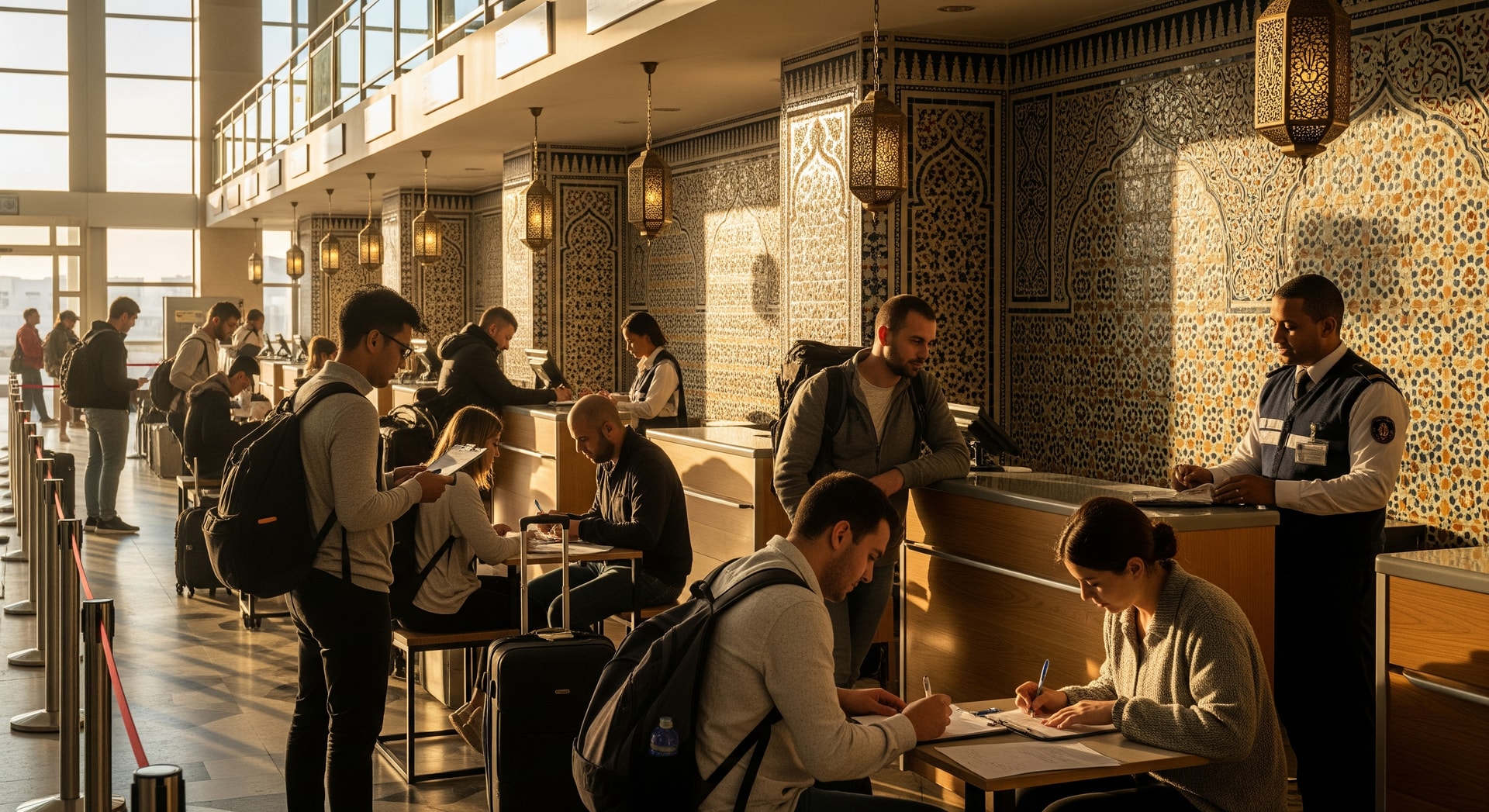
When traveling to Morocco, understanding the customs declaration requirements is essential for ensuring a smooth and stress-free entry experience at airports and border crossings throughout this captivating North African destination. The Administration des Douanes et Impôts Indirects (ADII) is Morocco's customs authority responsible for regulating what travelers can bring into the country, and they require travelers to complete a customs declaration form upon arrival in certain circumstances to declare goods, valuables, and large amounts of currency.
While not every traveler will need to complete a formal ADII declaration, knowing when the form is required and what information to include helps you avoid delays and potential complications at customs checkpoints. Whether you're arriving at Casablanca Mohammed V Airport, Marrakech Menara Airport, or crossing overland from Spain through the Tangier ferry terminals, this comprehensive guide explains Morocco's customs declaration process, what items require declaration, prohibited goods, and practical tips for navigating customs smoothly so you can focus on enjoying your Moroccan adventure.
This guide covers the essential information every traveler needs about Morocco's customs requirements, including duty-free allowances, restricted items, currency declaration thresholds, and the step-by-step process for completing your declaration if required. With proper preparation and understanding of the regulations, customs clearance in Morocco is typically straightforward and efficient.
What is the Morocco ADII Customs Declaration?
The Administration des Douanes et Impôts Indirects (ADII) is Morocco's official customs administration agency, operating under the Ministry of Economy and Finance to manage the country's borders and regulate the import and export of goods, collect customs duties and taxes, and ensure compliance with import regulations. The ADII customs declaration is an official form that travelers may need to complete when entering Morocco to declare certain goods, valuables, professional equipment, large amounts of currency, or items exceeding duty-free allowances.
Morocco's customs system follows international standards and aims to balance security requirements with facilitating legitimate tourism and trade. For most tourists arriving with personal belongings within standard allowances, the customs process is quick and straightforward. Officers may ask a few questions about the purpose of your visit and examine luggage, but extensive paperwork is typically only required when travelers are bringing items that fall outside normal tourist allowances or require specific declaration.
The ADII has modernized significantly in recent years, implementing electronic systems at major airports and training officers in customer service to ensure efficient processing of the millions of tourists who visit Morocco annually. Understanding what triggers declaration requirements helps you prepare appropriately and ensures you move through customs without delays or complications that could impact your travel plans.
Morocco Customs Quick Facts
ADII: Administration des Douanes et Impôts Indirects
Purpose: Regulate goods entering/leaving Morocco
Declaration: Required for items exceeding allowances
Currency limit: 100,000 MAD must be declared
Languages: Forms available in Arabic, French, English
Main entry points: Casablanca, Marrakech, Tangier
Who Needs to Complete a Customs Declaration?
Not every traveler arriving in Morocco needs to complete a formal written customs declaration. For typical tourists arriving with personal belongings and gifts within standard allowances, the customs process involves simply walking through the designated customs channel (green for nothing to declare, red for declarations) and possibly answering a few questions from customs officers. However, certain situations do require completing the official ADII declaration form and going through the red customs channel for proper processing.
Understanding these requirements before you travel helps you prepare appropriately. If you know you'll need to declare items, having documentation ready and knowing what to expect streamlines the process significantly. The ADII takes a practical approach — the goal is ensuring compliance with regulations, not creating unnecessary obstacles for legitimate travelers and tourists.
- Large currency amounts: If carrying more than 100,000 Moroccan Dirhams or equivalent in foreign currency, you must declare the full amount on the customs declaration form
- Valuable items: High-value jewelry, watches, electronics, or other valuables beyond normal personal use quantities may require declaration to avoid issues when departing
- Professional equipment: Cameras, video equipment, musical instruments, or other professional tools being brought temporarily for work purposes should be declared
- Commercial goods: Any items being brought for sale, distribution, or business purposes require full customs declaration and potentially duty payment
- Exceeding duty-free limits: Alcohol, tobacco, or other goods exceeding Morocco's generous duty-free allowances must be declared with duties paid
- Temporary imports: Items you plan to take back out of Morocco (expensive equipment, samples, exhibition materials) should be declared to facilitate re-export
When in Doubt, Declare
If you're uncertain whether an item requires declaration, it's always better to declare it proactively. Customs officers appreciate honest declarations and can advise on proper handling. Failure to declare required items can result in fines, confiscation, or delays that could significantly impact your travel plans and enjoyment of Morocco.
Duty-Free Allowances for Morocco
Morocco allows travelers to bring personal items and reasonable quantities of gifts without paying customs duties, provided they stay within established allowances designed to cover typical tourist needs. These allowances are fairly generous and cover most travelers' requirements for personal consumption during their stay. Understanding these limits helps you pack appropriately and know what you can bring without needing to complete formal declaration paperwork.
Items within these allowances can be brought through the green (nothing to declare) customs channel. Items exceeding these amounts should be declared in the red channel, where duties will be calculated and charged based on the type and value of excess goods being imported into the country.
Morocco Duty-Free Allowances
| Item | Allowance | Notes |
|---|---|---|
| Cigarettes | 200 cigarettes | Or equivalent in other tobacco products |
| Cigars | 50 cigars | Alternative to cigarette allowance |
| Tobacco | 250 grams | Loose tobacco alternative |
| Wine | 1 liter | Table wine only |
| Spirits | 1 liter | Alcohol over 22% ABV |
| Perfume | 150ml | Personal use quantities |
| Gifts | 2,000 MAD value | Approximate value limit for gifts |
| Personal items | Reasonable quantity | Clothing, toiletries for trip duration |
How to Complete the ADII Declaration Form
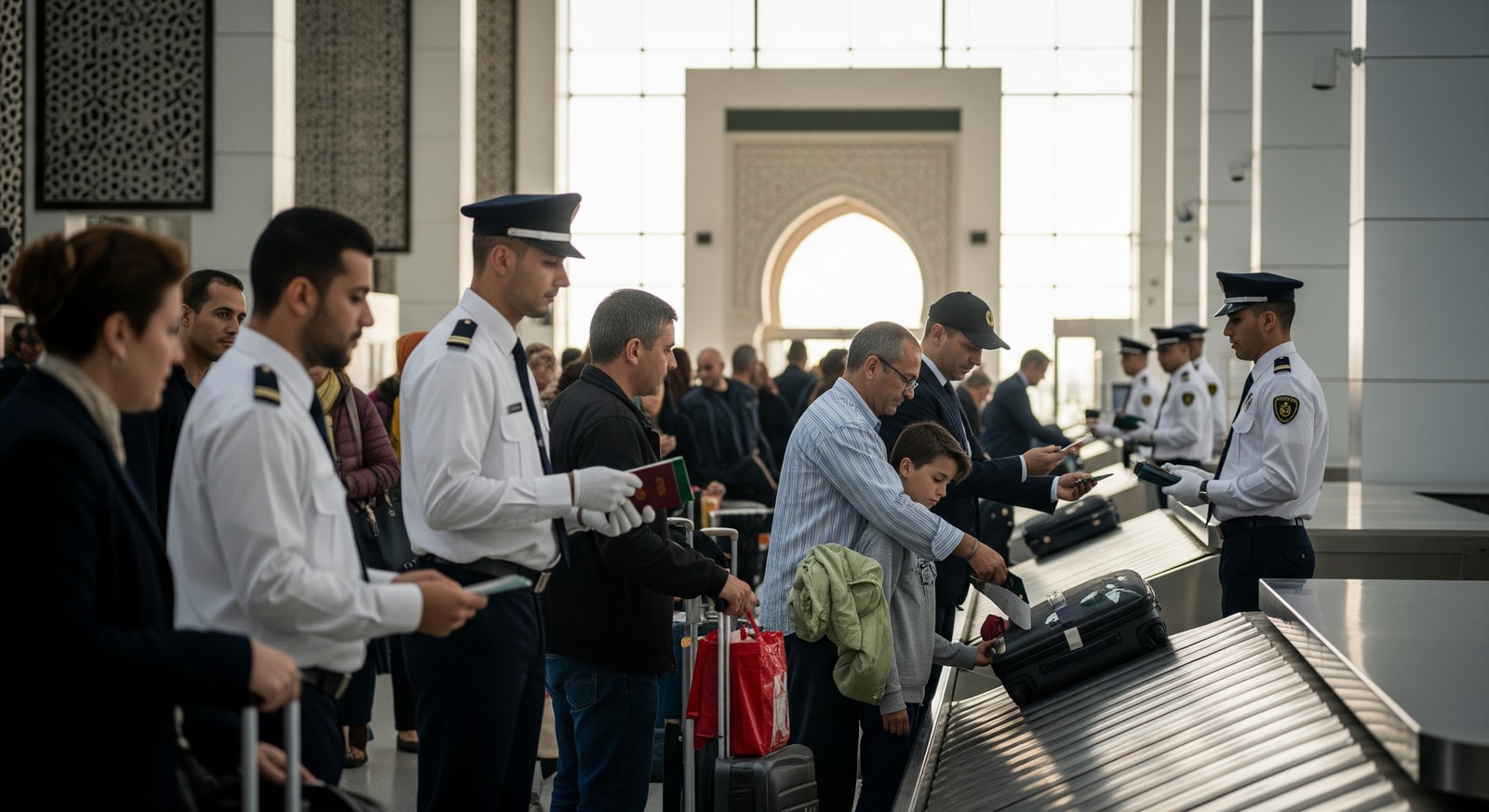
If you need to complete a customs declaration, the ADII form is available at airport customs areas and border crossings. Forms are typically provided in Arabic, French, and English to accommodate international travelers arriving from destinations worldwide. Taking time to complete the form accurately ensures smooth processing and helps customs officers assist you efficiently without delays or complications.
The declaration form collects essential information about your identity, travel details, and any declarable items you're bringing into Morocco. Being thorough and honest in your responses is important — Moroccan customs officers are trained to identify discrepancies, and accurate declarations demonstrate good faith and typically result in faster processing.
- Obtain the form
- Complete personal information
- Enter travel details
- Declare currency
- List declarable items
- Calculate values
- Sign and date
- Submit to customs officer
Prohibited and Restricted Items
Morocco prohibits or restricts certain items from being imported, regardless of whether they're declared or not. Understanding these restrictions is crucial to avoid serious legal consequences including confiscation, fines, and potentially criminal prosecution for attempting to import forbidden items. These regulations exist to protect public health, safety, security, and cultural heritage, and are enforced strictly at all entry points.
Travelers should also be aware that attempting to bring prohibited items can result in significant delays, missing connecting transportation, and potential detention by authorities while matters are investigated. When in doubt about whether an item is permitted, research Morocco's customs regulations before traveling or leave questionable items at home.
Prohibited Items - Do Not Bring
Narcotics and illegal drugs carry severe penalties including lengthy imprisonment. Weapons, ammunition, and explosives are strictly prohibited. Pornographic materials are forbidden under Moroccan law. Items offensive to Islamic values may be confiscated. Counterfeit goods and currency are illegal to import. Products from endangered species violate international wildlife protection agreements that Morocco enforces.
- Drugs and narcotics: All illegal drugs are strictly prohibited with severe penalties including lengthy prison sentences. Morocco has zero tolerance for drug importation regardless of quantity or type of substance.
- Weapons and ammunition: Firearms, knives, and weapons require special permits and are generally prohibited for tourists. Even items that might be legal in your home country could be prohibited in Morocco.
- Pornographic material: Considered illegal in Morocco and will be confiscated at customs. This includes magazines, videos, and digital content that may be legal elsewhere.
- Religious materials for distribution: While personal religious items are permitted, materials intended for proselytizing may be restricted. Morocco is an Islamic country with specific regulations on religious materials.
- Drone equipment: Flying drones in Morocco requires permits; bringing drones may require declaration and explanation of intended use to customs authorities.
- Moroccan Dirhams (import): Importing Moroccan currency is technically prohibited, though small amounts for initial expenses may be tolerated by customs officials.
Currency Declaration Requirements
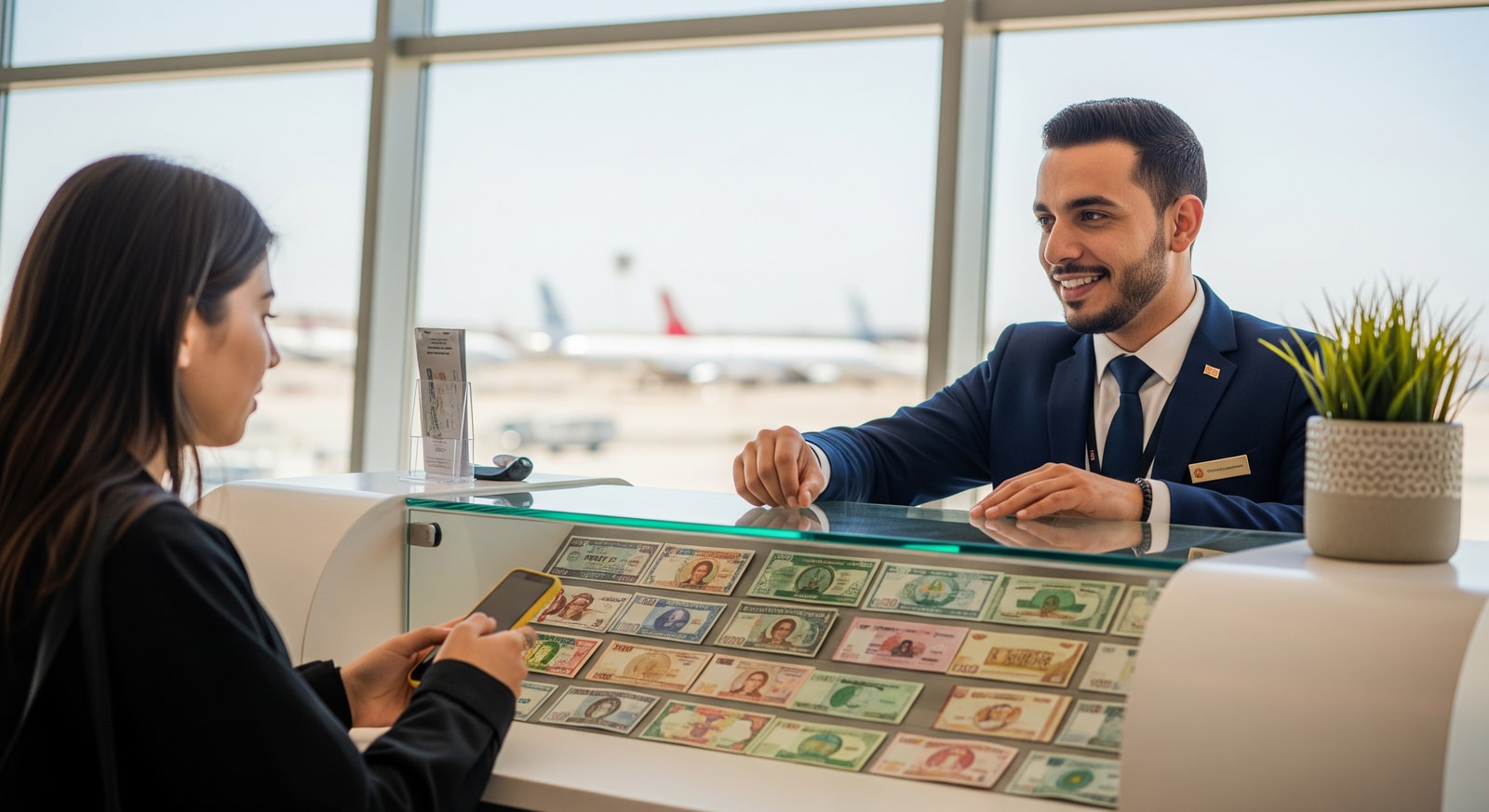
Morocco has specific rules governing the import and export of currency that travelers must understand and follow to avoid complications at borders. The Moroccan Dirham (MAD) is not freely convertible internationally, which affects both what you can bring in and what you can take out of the country. Understanding these regulations helps you plan your financial arrangements appropriately and ensures compliance with local laws.
Foreign currency can be freely imported into Morocco without limit, but amounts equivalent to 100,000 MAD or more must be declared upon entry. This declaration is important if you plan to export significant foreign currency when leaving — without a declaration showing you entered with those funds, large amounts cannot be taken out. The system is designed to prevent money laundering and capital flight while allowing legitimate travelers full access to their funds.
Currency Rules Summary
Foreign currency import: Unlimited, but declare if over 100,000 MAD equivalent
Moroccan Dirham import: Technically prohibited
Currency export: Limited to declared amount brought in
Dirham export: Maximum 2,000 MAD
Keep exchange receipts for reconverting dirhams when leaving
Major credit cards widely accepted in tourist areas
Tips for Smooth Customs Clearance
Most travelers clear Moroccan customs without any issues or significant delays. The ADII has worked to streamline procedures at major tourist entry points, and officers are generally efficient and professional in their duties. Following some practical tips can help ensure your customs experience is quick and stress-free, allowing you to begin enjoying Morocco's incredible attractions as soon as possible after arrival.
Preparation is key to smooth customs clearance anywhere in the world, and Morocco is no exception. Knowing what to expect, having documentation ready, and maintaining a cooperative attitude with customs officials goes a long way toward ensuring a positive entry experience.
- Keep receipts accessible: Having purchase receipts for valuable items readily available helps demonstrate ownership and value if customs officers have questions about electronics or jewelry you're traveling with.
- Pack smartly: Place items that might need inspection (electronics, gifts) where they're easily accessible in your luggage to speed up any required examinations.
- Be honest and cooperative: Answer questions truthfully and remain calm and patient even if there are delays. Customs officers respond positively to cooperative travelers.
- Know the allowances: Familiarize yourself with duty-free limits before packing so you can confidently proceed through the green channel if you're within limits.
- Declare proactively: If you're unsure whether something requires declaration, it's better to ask or declare than risk issues for non-declaration of required items.
- Keep currency declarations: If you complete a currency declaration on arrival, keep your copy safe for presentation when departing Morocco with remaining funds.
- Arrive prepared: Have your passport, any visa documentation, and accommodation details easily accessible for immigration and customs officers.
- Allow time: Build customs clearance time into your airport transfer or onward connection planning, especially during peak tourist seasons.
Professional Equipment Tip
If traveling to Morocco for work with professional equipment such as photography gear, video equipment, musical instruments, or specialized tools, consider obtaining a carnet ATA before travel. This international customs document simplifies temporary import of professional equipment and ensures hassle-free departure with your gear.
You can't bring any alcohol into Morocco because it's a Muslim country
Morocco allows tourists to import 1 liter of wine and 1 liter of spirits duty-free for personal consumption. While Morocco is predominantly Muslim, it accommodates tourists and alcohol is available in licensed hotels, restaurants, and shops in tourist areas.
Frequently Asked Questions
Is the ADII customs declaration mandatory for all travelers to Morocco?
How much cash can I bring into Morocco without declaring it?
Can I bring my drone to Morocco for vacation photography?
What happens if I accidentally bring a prohibited item to Morocco?
Do I need to declare expensive jewelry and watches when entering Morocco?
How do I reconvert Moroccan Dirhams when leaving Morocco?
Are there different customs rules for arriving by ferry from Spain versus by air?
Can I bring medication into Morocco?
Planning Your Morocco Trip?
Ready for Your Morocco Adventure?
Understanding Morocco's customs requirements ensures you start your North African adventure without delays or complications at the border. For most tourists, customs clearance is a quick and straightforward process — simply ensure you're within duty-free allowances, have your passport ready, and proceed through the appropriate channel. The green channel awaits travelers with nothing to declare, while the red channel efficiently processes those with declarable items.
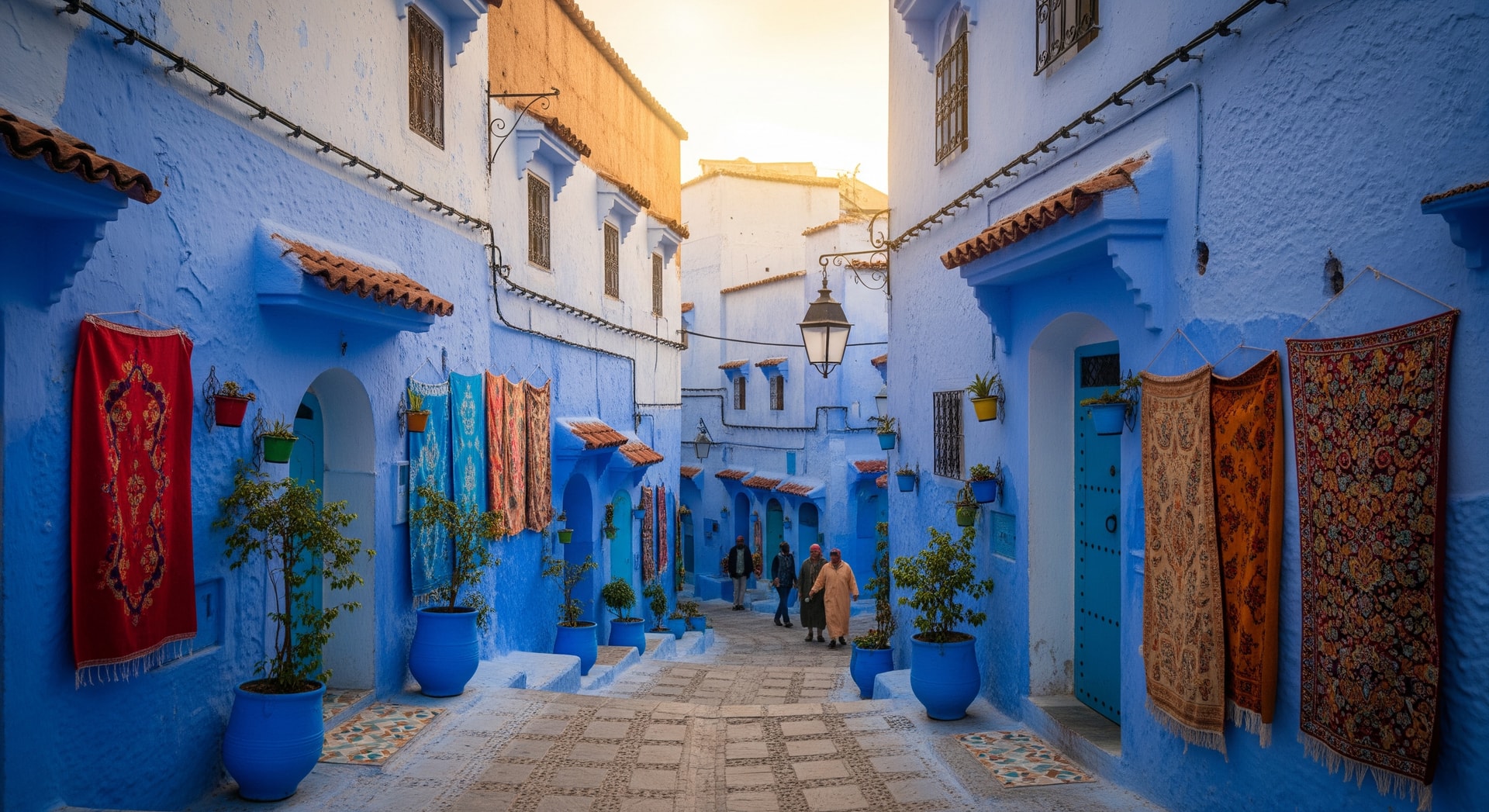
Morocco's rich culture, stunning landscapes, vibrant cities, and warm hospitality await beyond the customs hall. From the historic medinas of Marrakech and Fes to the blue streets of Chefchaouen, from the golden dunes of the Sahara to the beaches of Essaouira, incredible experiences are just a stamp away. With the information in this guide, you're prepared to navigate customs confidently and begin exploring everything this magical kingdom has to offer visitors from around the world.
Remember to keep any customs declaration copies and currency exchange receipts safe throughout your trip — you'll need them when departing Morocco. Now pack your bags, prepare your documents, and get ready to discover the enchanting world of Morocco where ancient traditions meet legendary hospitality in one of Africa's most accessible and rewarding destinations for international travelers seeking authentic cultural immersion and unforgettable experiences.
Morocco
Capital: Rabat
Currency: Moroccan Dirham (MAD)
Language: Arabic, Berber, French widely spoken
Timezone: UTC+1 (Morocco Standard Time)
Processing: Visa-free for many nationalities
Quick Facts
- Population: 37 million
- Customs: ADII manages entry regulations
- Currency limit: Declare over 100,000 MAD
- Major airports: Casablanca, Marrakech, Tangier
Get the DoVisa App
Store your travel documents and access Morocco travel info on the go.





Comments(12)
Leave a Comment
Flew into Marrakech last week and customs was incredibly quick. I had nothing to declare and literally walked straight through the green channel without stopping. Whole process from landing to exiting the airport was under 30 minutes.
Brought my professional camera gear for a photography project and was glad I declared it. The officer was very efficient, noted everything on a form, and I had zero issues when leaving. Definitely recommend declaring valuable equipment.
One tip: if you're traveling with gifts for family in Morocco, keep them unwrapped and easily accessible. Customs appreciated being able to quickly see the items and waved me through without any issues. Great article with useful information!
Question: I'm bringing expensive watches as gifts for a wedding. Should I get something official from customs to show I'm not importing them for sale?
Arrived by ferry from Algeciras to Tangier Med and the vehicle customs inspection was thorough but professional. They checked the trunk and under seats but were polite throughout. Whole vehicle clearance was about 20 minutes.
Important reminder I learned: keep your currency exchange receipts! When I tried to reconvert dirhams at the airport on departure, they required proof of original exchange. Without receipts, I couldn't convert my remaining 800 MAD back to euros.
The alcohol allowance information is helpful. Many people don't realize Morocco allows wine and spirits for tourists. I brought a nice bottle for my hotel stay and had absolutely no issues at customs.
Does anyone know if there's an online form I can fill out before arrival? Or is it only paper forms at the airport?
Brought prescription medications for a 3-week trip without any issues. Kept everything in original pharmacy containers with my name on the labels. Customs glanced at my bags but didn't even ask about the medications specifically.
Excellent comprehensive guide! Shared with my travel group heading to Morocco next month. The currency declaration section is particularly useful since we're traveling with a group fund.
Quick tip from my experience: Casablanca airport customs is very efficient with multiple lanes open. Marrakech can get backed up during peak tourist hours in late morning. Plan connecting transport with buffer time just in case.
The duty-free allowances chart is super helpful. Now I know exactly how much I can bring back for family without worrying about duties. Great resource for anyone planning Morocco travel!