
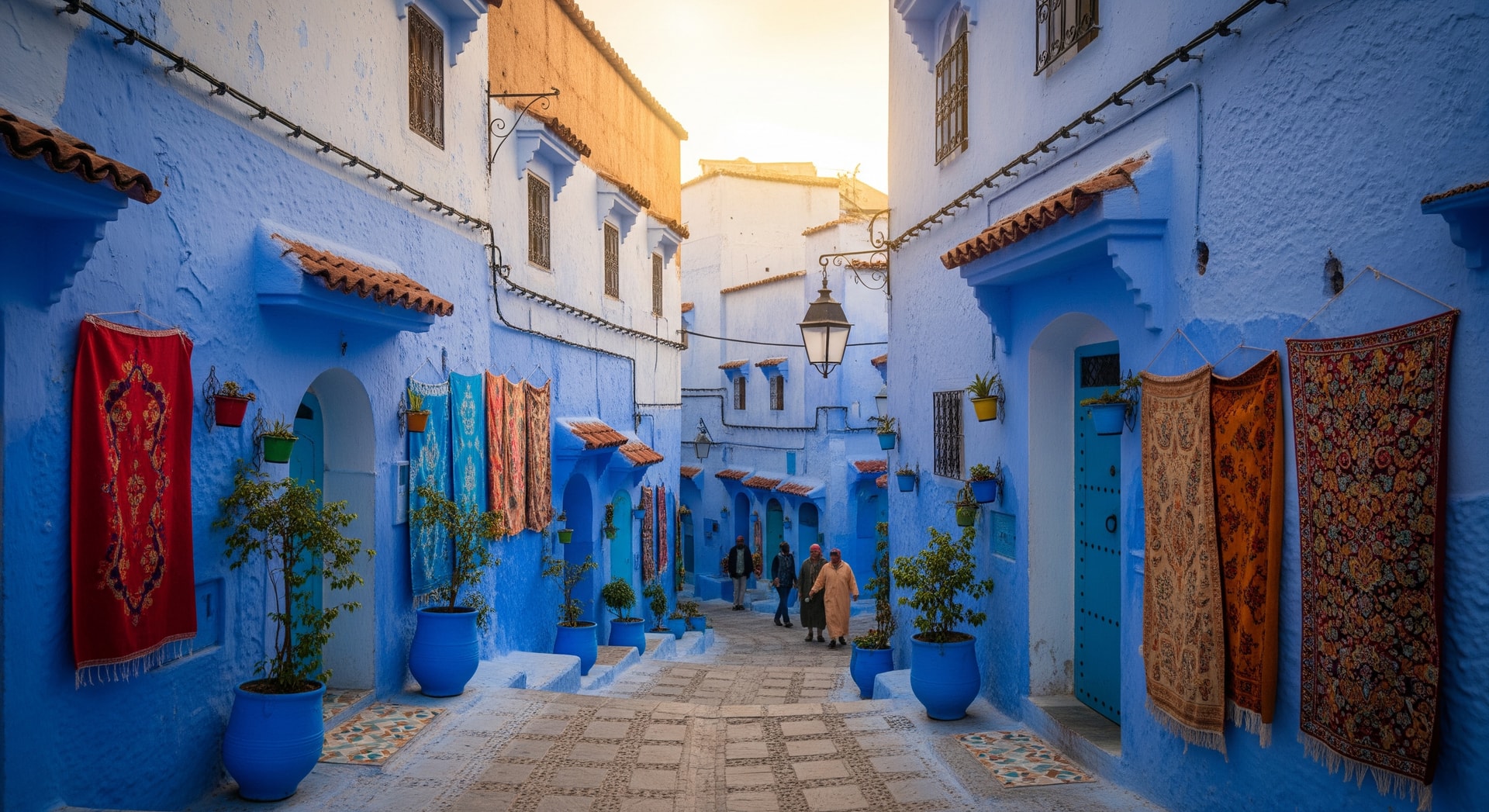
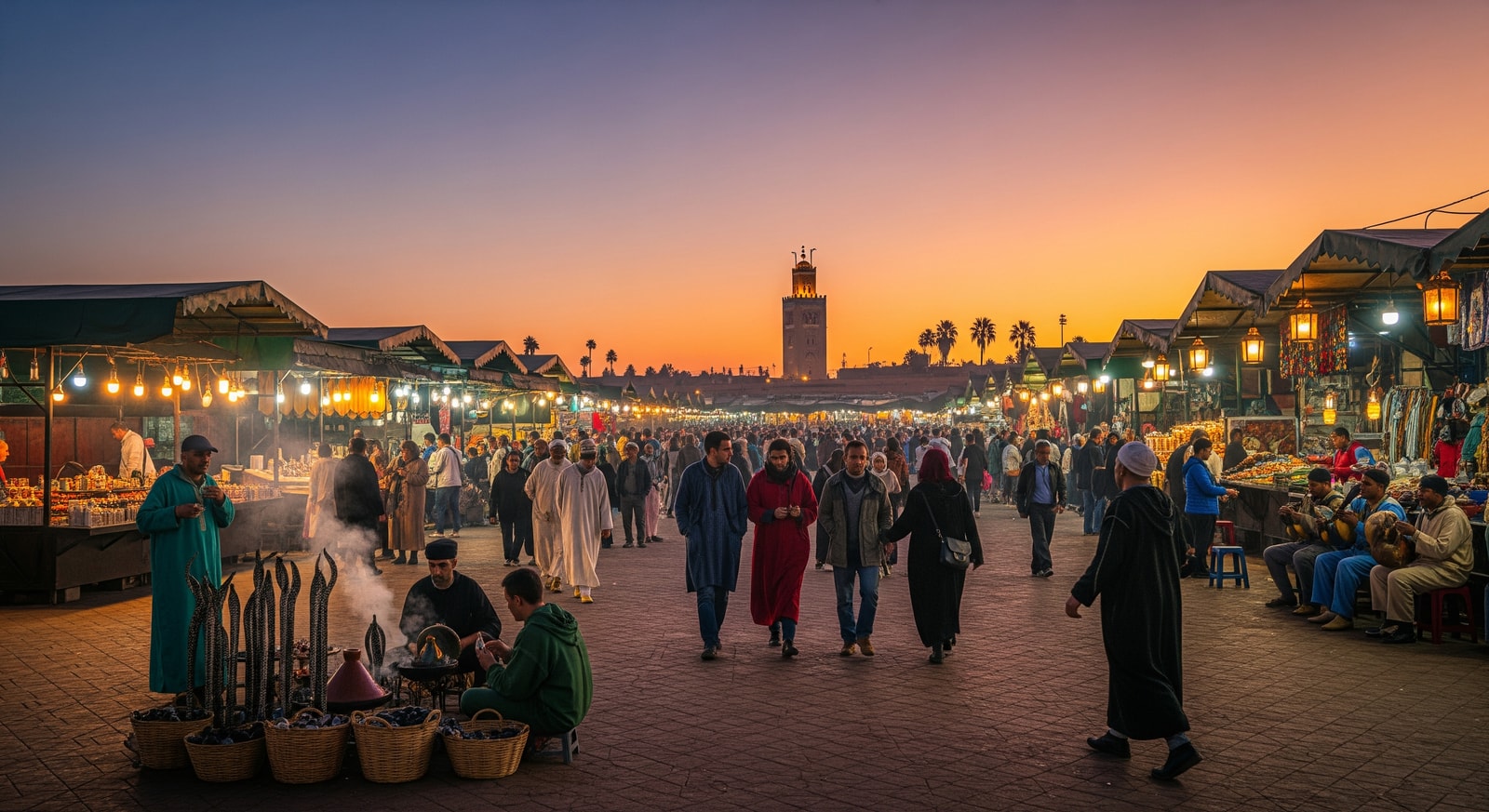
Morocco stands as one of the world's most enchanting travel destinations, offering a mesmerizing blend of ancient medinas, stunning Sahara desert landscapes, majestic Atlas Mountains, beautiful Atlantic and Mediterranean coastlines, and a rich cultural heritage that seamlessly weaves Arab, Berber, African, and European influences into an unforgettable tapestry. From the labyrinthine souks of Marrakech to the blue-painted streets of Chefchaouen, from the imperial grandeur of Fes to the coastal charm of Essaouira, Morocco presents extraordinary experiences that draw millions of visitors seeking adventure, culture, and authentic encounters.
Understanding Morocco's entry requirements is essential for planning your visit, as requirements vary significantly depending on your nationality. The good news is that Morocco offers visa-free entry to citizens of numerous countries for stays up to 90 days, making it one of Africa's most accessible destinations for international tourism. For nationalities that do require visas, understanding the application process ensures smooth travel planning.
This comprehensive guide covers everything you need to know about visiting Morocco in 2026, including visa-free eligibility, visa application processes for nationalities that require them, documentation requirements, practical entry information, and tips for experiencing the best of what this magical North African kingdom has to offer. Whether you're planning to explore the imperial cities, trek the Atlas Mountains, camp in the Sahara, or relax on the coast, this guide will prepare you for your Moroccan adventure.
Morocco Entry Requirements Overview
Morocco has developed a remarkably tourism-friendly visa policy that grants visa-free access to citizens of approximately 69 countries, reflecting the kingdom's strong commitment to welcoming international visitors and positioning itself as one of Africa's premier travel destinations. For visa-free nationalities, entering Morocco is wonderfully straightforward — simply arrive with a valid passport and receive an entry stamp authorizing stays up to 90 days within any 180-day period, plenty of time to explore this diverse kingdom from Mediterranean coast to Sahara sands.
For nationalities that do require visas, Morocco's visa application process is handled through Moroccan embassies and consulates located in countries worldwide. While Morocco has been actively exploring electronic visa options for certain nationalities as part of its ongoing tourism modernization efforts, the traditional embassy application remains the primary route for most visa-required travelers. Understanding your specific requirements based on nationality is the essential first step in planning your visit, as requirements vary significantly and processing times can differ substantially between locations.
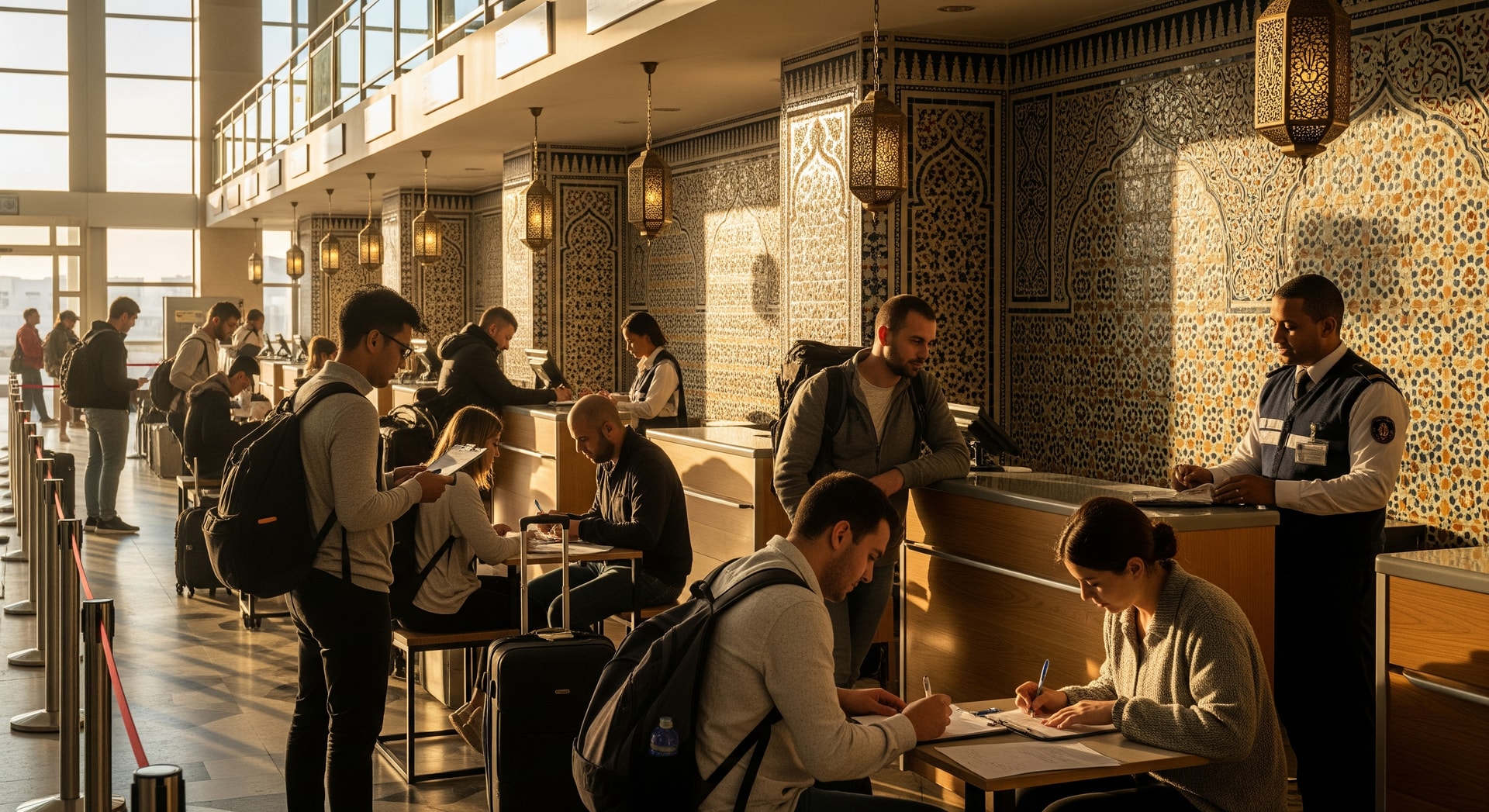
Regardless of visa requirements, all visitors to Morocco must have a valid passport with at least six months validity remaining from the date of entry and sufficient blank pages for entry and exit stamps. Immigration officers may ask about your accommodation arrangements, return or onward travel tickets, financial means to support your stay, and purpose of visit, so having supporting documentation readily accessible is always advisable even if not formally required. Being prepared demonstrates legitimate travel intentions and typically speeds up the entry process.
Morocco's entry policy reflects its unique position as a geographic and cultural gateway between Africa and Europe, maintaining strong ties to both regions while cultivating its identity as a bridge between cultures. The country has invested significantly in tourism infrastructure over the past decade, developing world-class hotels, improving transportation networks, training hospitality professionals, and actively promoting itself internationally as a diverse destination offering everything from sophisticated beach holidays and golf resorts to adventurous desert expeditions to profound cultural immersion experiences in cities that have welcomed travelers for centuries.
Morocco Entry at a Glance
Visa-free access: 90 days for many nationalities
Passport validity: 6 months required
Entry stamp: Granted on arrival for visa-free visitors
Extension possible: At local police stations
Currency: Moroccan Dirham (MAD)
Main airports: Casablanca, Marrakech, Fes, Tangier
Visa-Free Countries for Morocco
Morocco grants visa-free entry to citizens of approximately 69 countries, allowing stays of up to 90 days within any 180-day period — a remarkably generous policy that makes Morocco one of the most accessible and welcoming North African destinations for international travelers seeking cultural immersion, adventure, and authentic experiences. Visa-free visitors simply present their valid passport at any Moroccan immigration checkpoint and receive an entry stamp — no prior application, electronic authorization, or embassy visit required. This simplicity reflects Morocco's genuine welcome to international visitors.
The extensive visa-free list includes most Western countries with strong tourism ties to Morocco, many Asian nations whose citizens increasingly discover Morocco's charms, Gulf states with cultural and religious connections to the kingdom, and various countries across other regions with historical or diplomatic relationships with Morocco. This broad policy reflects Morocco's strong tourism focus, its strategic position as a cultural and geographic bridge between Africa and Europe, and its ambition to become one of the world's leading tourism destinations by continuing to attract millions of visitors annually to experience its unique combination of history, culture, landscapes, and hospitality.
Morocco's visa-free policy has contributed significantly to tourism growth, with the country welcoming over 14 million visitors in recent years and targeting continued expansion. The ease of entry removes barriers that might otherwise discourage spontaneous travel decisions or shorter trips, making Morocco an accessible option for weekend getaways from Europe as well as extended explorations from more distant origins.
- European Union countries: All 27 EU member states enjoy visa-free access to Morocco for tourism and business visits
- United Kingdom: British citizens can visit Morocco visa-free for up to 90 days
- United States: US passport holders enjoy visa-free access for tourism
- Canada: Canadian citizens can visit Morocco without a visa
- Australia & New Zealand: Citizens of both countries enjoy visa-free access
- Japan, South Korea: East Asian economic powers have visa-free agreements
- Gulf Cooperation Council: Citizens of UAE, Saudi Arabia, Qatar, Bahrain, Kuwait, and Oman
- Latin American countries: Many South and Central American nations including Brazil, Argentina, Chile, Mexico
- Other African countries: Select African nations have visa-free arrangements
- Southeast Asian countries: Malaysia, Singapore, and others enjoy visa-free access
90 Days Within 180 Days Rule
Morocco follows the 90/180 rule similar to the Schengen Area. You can stay up to 90 days within any 180-day period. If you've already spent 90 days in Morocco, you'll need to wait until 180 days have passed from your first entry before returning for another visa-free stay. Plan extended trips accordingly.
I can stay indefinitely in Morocco by doing border runs to Spain
While technically possible to exit and re-enter Morocco, immigration officers may question frequent border runs and could deny entry if they suspect you're trying to live in Morocco without proper residency. The 90/180 rule applies cumulatively, and repeated short exits don't fully reset your allowed time.
Countries Requiring Visas for Morocco
Citizens of countries not on Morocco's visa-free list must obtain a visa before traveling, requiring advance planning and coordination with Moroccan diplomatic missions. This includes nationals from certain Asian, African, and Middle Eastern countries who need to apply through a Moroccan embassy or consulate in their home country or country of legal residence, presenting appropriate documentation and paying applicable fees. The visa application process typically takes several weeks from submission to approval, so advance planning starting at least six weeks before intended travel is essential to ensure documentation is processed in time.
Visa-required nationalities include citizens from populous countries such as India, China (though some exceptions and facilitated processes may apply for certain categories), Pakistan, Bangladesh, Nigeria, Philippines, Indonesia, Egypt, and various other nations across Africa, Asia, and elsewhere. Requirements and processing times can vary significantly by embassy location, applicant circumstances, and seasonal application volumes, so checking with your specific embassy early in the planning process is strongly recommended. Some nationalities with valid Schengen or other Western visas may qualify for simplified processes or visa-on-arrival arrangements.
Morocco Visa Types
| Visa Type | Purpose | Duration | Notes |
|---|---|---|---|
| Tourist Visa | Tourism, visiting friends/family | Up to 90 days | Most common type for visitors |
| Business Visa | Business meetings, conferences | Up to 90 days | Requires business invitation |
| Transit Visa | Airport transit | Up to 72 hours | For connections through Morocco |
| Student Visa | Educational purposes | Duration of studies | Requires enrollment proof |
| Work Visa | Employment in Morocco | Varies | Requires work permit |
How to Apply for a Morocco Visa
For nationalities requiring visas, the application process is conducted through Moroccan embassies and consulates. While some countries have visa application centers that handle submissions, the actual visa decision remains with Moroccan diplomatic missions. The process typically involves submitting an application form with supporting documents and attending an appointment if required.
Start your visa application at least 4-6 weeks before your intended travel date to allow for processing time and any potential requests for additional documentation. Some embassies may require appointments booked well in advance, so check your local embassy's specific procedures early in your planning process.
- Confirm visa requirement: Verify that your nationality requires a visa for Morocco. Use the DoVisa visa checker or check with the nearest Moroccan embassy.
- Locate your nearest embassy/consulate: Find the Moroccan diplomatic mission serving your area. Some countries have visa application centers in addition to embassies.
- Gather required documents: Collect all necessary documentation including passport, photos, application form, travel itinerary, accommodation proof, and financial documents.
- Book an appointment: Many embassies require appointments for visa submissions. Schedule your appointment as early as possible.
- Complete the application form: Fill out the Morocco visa application form accurately and completely. Ensure all information matches your supporting documents.
- Prepare your documents: Organize documents according to embassy requirements. Some may require specific formats or additional copies.
- Attend your appointment: Submit your application in person at the embassy or visa center. Be prepared to answer questions about your trip.
- Pay the visa fee: Visa fees vary by nationality and visa type. Payment methods depend on the embassy.
- Await processing: Processing typically takes 1-3 weeks depending on the embassy and application volume.
- Collect your visa: Pick up your passport with the visa or receive it by mail depending on embassy procedures.
Check Your Morocco Visa Requirements
Documentation Requirements
Whether entering visa-free or applying for a visa, having proper documentation prepared ensures smooth entry into Morocco and avoids potential complications at immigration checkpoints or during the visa processing phase. Requirements differ based on your specific situation, nationality, and purpose of visit, but thorough preparation is always key to avoiding issues at immigration or delays during visa processing. Even visa-free visitors benefit from having supporting documents available in case immigration officers have questions about their plans, accommodation arrangements, or financial capacity. The following documents are commonly required or recommended for visitors to Morocco regardless of visa status.
- Valid passport with at least 6 months validity and blank pages
- Completed visa application form (visa-required nationalities)
- Recent passport-sized photographs (typically 2, meeting specifications)
- Proof of accommodation (hotel bookings, riad reservations, or host letter)
- Return or onward flight tickets
- Proof of sufficient funds (bank statements, credit cards)
- Travel itinerary outlining your plans in Morocco
- Travel insurance covering your stay (recommended)
- Business invitation letter (for business visas)
- Employment letter stating leave approval (for some nationalities)
- Visa fee payment (for visa-required nationalities)
Immigration May Request Documentation
Even visa-free visitors may be asked to show proof of accommodation, return tickets, and sufficient funds at immigration. While not everyone is asked, having these documents accessible ensures you can answer any questions and enter Morocco without complications.
Visa Fees & Processing Time
Morocco visa fees vary depending on the type of visa requested, your nationality, and the specific embassy processing your application. Fees are subject to change periodically, so always verify current rates with your local Moroccan embassy before applying to budget appropriately. Processing times also vary but typically range from 1-3 weeks for standard applications, with expedited options sometimes available for urgent travel needs.
Estimated Visa Fees & Processing
| Category | Approximate Fee | Processing Time |
|---|---|---|
| Tourist Visa (single entry) | $20-50 USD | 5-15 business days |
| Tourist Visa (multiple entry) | $40-80 USD | 7-15 business days |
| Business Visa | $50-100 USD | 7-15 business days |
| Transit Visa | $15-30 USD | 3-7 business days |
| Express Processing | Additional fee varies | 2-5 business days |
Morocco Travel Tips
Morocco offers extraordinarily diverse experiences that reward thoughtful preparation and cultural awareness, transforming good trips into unforgettable journeys. Understanding local customs, practical logistics, and the distinct characteristics of different regions will dramatically enhance your journey through this fascinating kingdom where East meets West and ancient traditions flourish alongside modern hospitality. From navigating the maze-like medinas where getting lost is inevitable and wonderful to exploring the vast Sahara where silence and stars dominate, from bargaining in aromatic souks filled with spices, leather, and handicrafts to respecting the religious traditions that shape daily life, these tips will help you travel Morocco like a seasoned explorer rather than a confused tourist.
The country's compact size relative to its incredible diversity means you can experience ancient UNESCO-listed medinas, traditional Berber mountain villages, laid-back Atlantic coastal towns, and unforgettable Sahara camps with camel treks and starlit dinners all within a relatively short two to three week trip. Morocco's tourism infrastructure has developed significantly in recent years, making independent travel increasingly accessible and comfortable while still preserving the raw authenticity and cultural immersion that draws discerning visitors seeking meaningful experiences beyond typical tourist destinations.
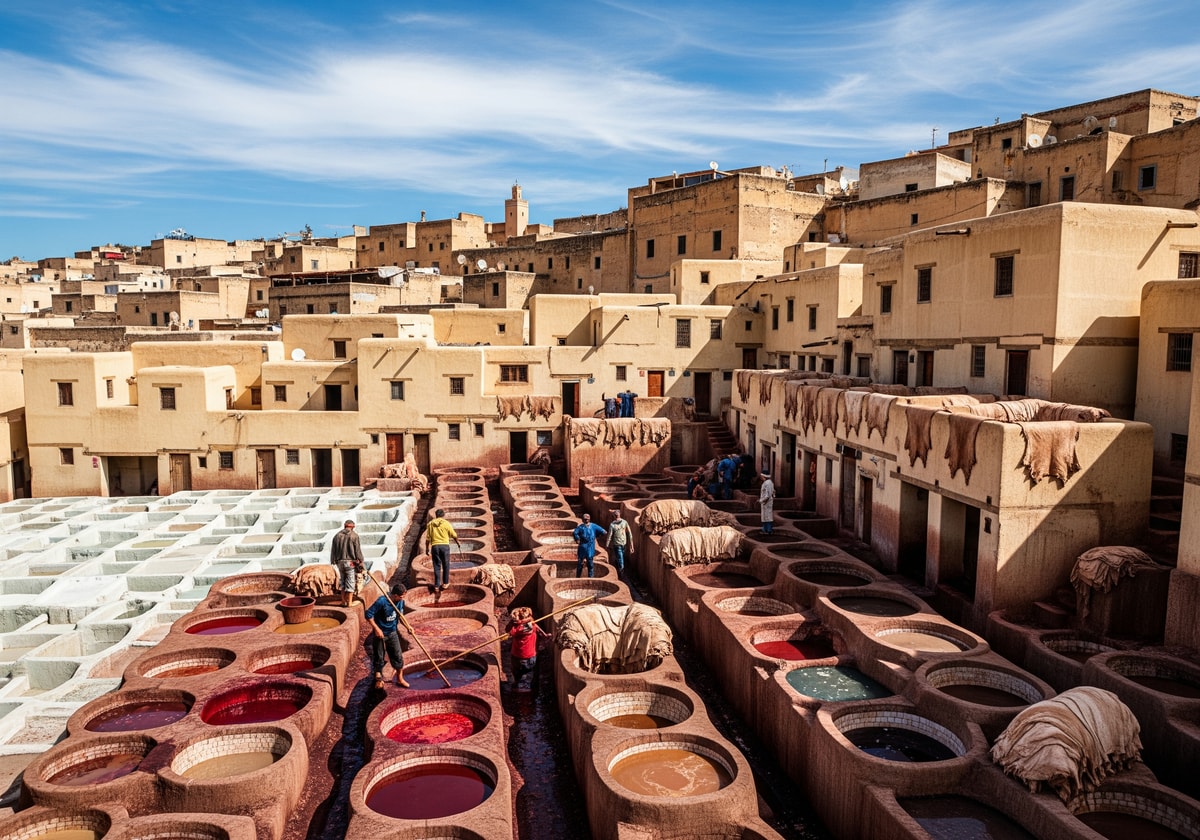
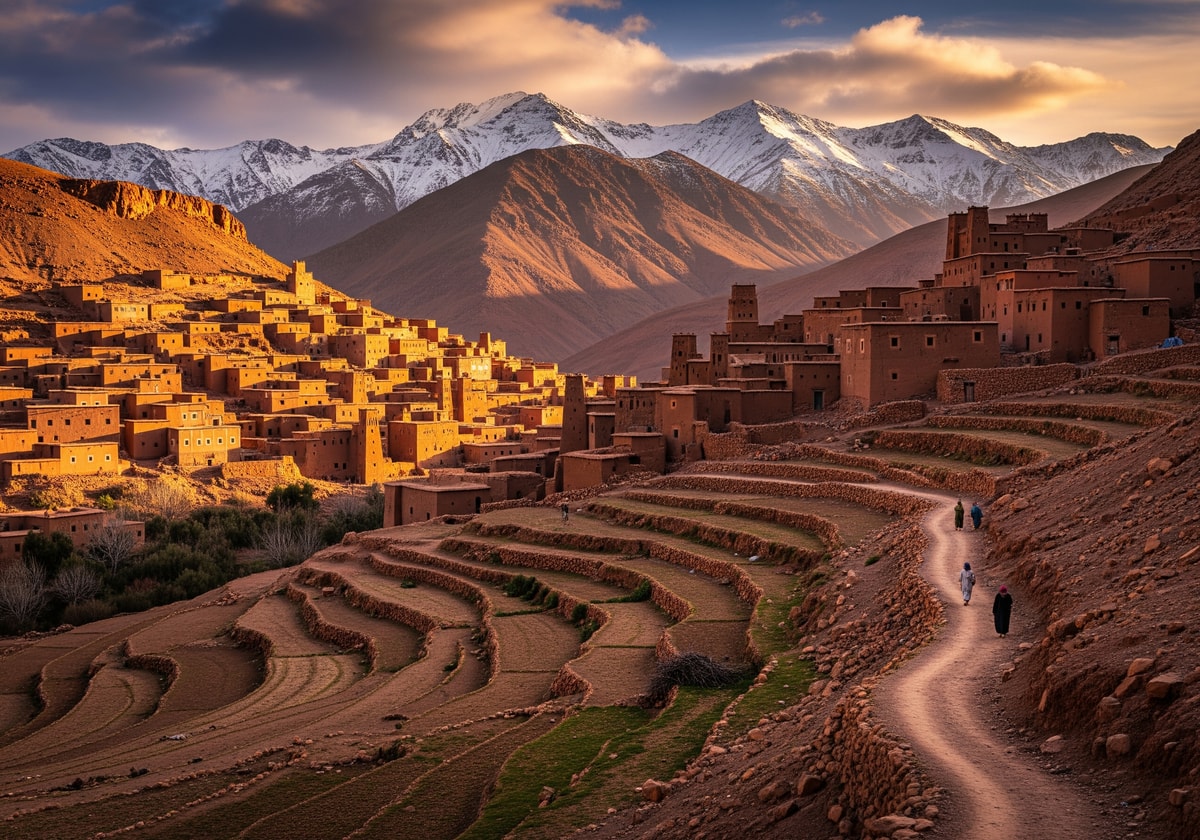
Each region of Morocco offers distinct experiences worth understanding. The imperial cities (Marrakech, Fes, Meknes, Rabat) provide historical depth and architectural splendor. The coast (Essaouira, Agadir, Tangier) offers relief from inland heat and a more relaxed atmosphere. The mountains (Atlas, Rif) feature stunning scenery and traditional Berber culture. The desert (Merzouga, Zagora) delivers otherworldly landscapes and unforgettable nights under stars.
- Currency matters: Moroccan Dirham (MAD) is the local currency and legally the only tender. ATMs are widely available in cities. Carry cash for medinas and rural areas where cards aren't accepted.
- Language basics: Arabic and Berber are official languages; French is widely spoken. English is common in tourist areas but learning basic Arabic phrases (shukran for thank you, la for no) enhances interactions.
- Bargaining culture: Haggling is expected in souks and with some service providers. Start at about 40% of the asking price and negotiate from there. Remain friendly and be prepared to walk away.
- Dress respectfully: While Morocco is relatively liberal, modest dress is appreciated, especially outside tourist hotels. Cover shoulders and knees, particularly when visiting mosques (non-Muslims usually cannot enter) and rural areas.
- Photography etiquette: Always ask permission before photographing people. Some may expect a small tip. Be respectful of privacy and religious sensitivities.
- Medina navigation: Old medinas are intentionally labyrinthine. Use GPS apps offline, hire official guides for complex areas, and don't panic if you get lost — it's part of the experience.
- Food and water: Moroccan cuisine is legendary. Street food is generally safe in tourist areas but start cautiously. Stick to bottled water and avoid ice in drinks outside hotels.
- Transportation options: Trains connect major cities efficiently and affordably. CTM and Supratours buses reach most destinations. Grand taxis (shared) are economical; petit taxis work within cities.
- Desert trips: Book Sahara excursions from Marrakech or Fes through reputable operators. Merzouga and Zagora are common entry points. Overnight camps range from basic to luxury.
- Tipping customs: Tipping (pourboire) is customary. Round up restaurant bills, tip porters and hotel staff, and give tour guides and drivers appropriate gratuities.
- Climate variations: Morocco has diverse climates. Coastal areas are Mediterranean, the interior can be extremely hot in summer, and mountain regions are cold in winter. Pack accordingly.
- Ramadan awareness: During Ramadan, eating, drinking, and smoking in public during daylight hours is inappropriate. Restaurants may have limited hours, but tourist areas generally continue operating.
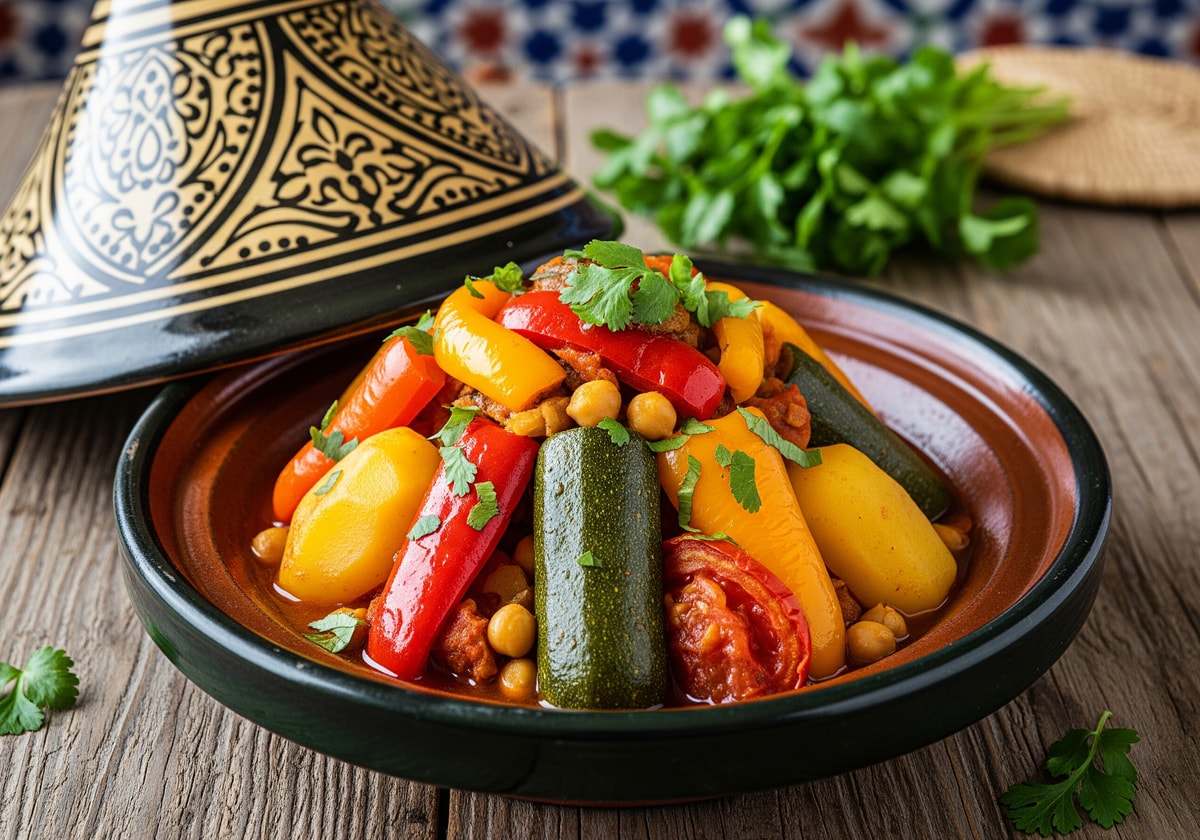
Morocco exceeded every expectation. The medina in Fes transported me centuries back in time, the Sahara sunrise was spiritual, and the food — my goodness, the tagines! Entry was simple with my British passport — just an entry stamp and I was exploring within minutes. Three weeks wasn't nearly enough.
Morocco is unsafe for solo female travelers
Morocco is generally safe for solo female travelers with appropriate precautions. Like many destinations, awareness and respect for local customs are important. Dress modestly, be confident, ignore unwanted attention, and use common sense. Many women travel solo through Morocco successfully, and locals are often helpful and welcoming.
Why Use DoVisa for Morocco Travel?
Visa requirement verification for your nationality
Visa application guidance and document preparation
Embassy appointment booking assistance
Travel insurance options
Morocco travel tips and resources
Expert support throughout the process
Frequently Asked Questions
Do US citizens need a visa for Morocco?
How long can I stay in Morocco without a visa?
Can I extend my stay beyond 90 days?
What happens if I overstay my permitted time in Morocco?
Do I need a visa if I'm transiting through Morocco?
Can I work in Morocco on a tourist entry?
Is Morocco safe to visit?
What's the best time to visit Morocco?
Do I need any vaccinations for Morocco?
Can I enter Morocco from Spain by ferry?
Is travel insurance required for Morocco?
Can I use my credit/debit card in Morocco?
Is it safe to drink tap water in Morocco?
Do I need a guide in the medinas?
Can I rent a car in Morocco?
What should I know about photography in Morocco?
Is Morocco a good destination for families?
How do I get from the airport to my hotel?
Ready to Discover Morocco?
Morocco offers one of the world's most immersive and transformative travel experiences, where ancient traditions meet warm hospitality in settings of extraordinary beauty that seem transported from another era. From the moment you step through the gates of a medieval medina and hear the call to prayer echoing through narrow alleyways to your first magical sunrise over the Sahara dunes with endless golden waves stretching to the horizon, Morocco has a way of capturing hearts and creating memories that last a lifetime. The country's accessible visa policy for many nationalities makes this magical North African destination within easy reach for travelers seeking authentic cultural experiences.
Whether you're drawn to the architectural splendors of Marrakech's palaces and gardens or Fes's ancient medina recognized as the world's largest car-free urban area, the natural beauty of the snow-capped Atlas Mountains or the windswept Atlantic coast dotted with fishing villages, the adventure of Sahara camel treks under blankets of stars or trekking through Berber villages unchanged for centuries, Morocco rewards curious travelers with authentic experiences increasingly rare in our connected, homogenized world. The country manages to be both tourist-friendly and genuinely traditional, offering comfort and convenience without sacrificing the character and authenticity that make travel meaningful.
The diversity of experiences available in Morocco is remarkable for a country of its size. In a two-week trip, you could explore the labyrinthine medinas of imperial cities, hike through mountain valleys dotted with traditional villages, surf Atlantic waves, camp under stars in the Sahara, and relax in hammams that have operated for centuries — each experience genuine and immersive rather than manufactured for tourism.
Check your visa requirements today and start planning your Moroccan adventure. With 90 days of visa-free access for many nationalities, you have ample time to explore this diverse kingdom thoroughly from north to south, from coast to desert, from mountain peak to medina alley, discovering why Morocco continues to enchant and profoundly transform travelers from around the world with its unique and remarkable combination of sensory overload, deep cultural immersion, and genuine hospitality that has welcomed visitors for centuries.
Morocco
Capital: Rabat
Currency: Moroccan Dirham (MAD)
Language: Arabic, Berber, French widely spoken
Timezone: UTC+1 (Morocco Standard Time)
Processing: Visa-free for many nationalities
Quick Facts
- Population: 37 million
- 9 UNESCO World Heritage Sites
- Imperial Cities: Marrakech, Fes, Meknes, Rabat
- Famous for: Medinas, Sahara, cuisine, crafts
Get the DoVisa App
Store your travel documents and access Morocco travel info.




Comments(12)
Leave a Comment
Just returned from 3 weeks in Morocco with my American passport. Entry was seamless — showed my passport at Marrakech airport and got stamped in without any questions. Had my hotel booking ready just in case but wasn't asked for it.
The medinas are absolutely incredible but definitely get lost your first day — that's part of the experience! Fes is the most complex, Marrakech is easier to navigate. Both are amazing. Hired a guide for one morning in Fes which was worth every dirham.
I'm Indian and needed a visa. Applied through the Morocco embassy in Delhi — took about 2 weeks. Process was straightforward: filled the form, submitted documents, paid the fee, and collected my passport with the visa. Worth the effort!
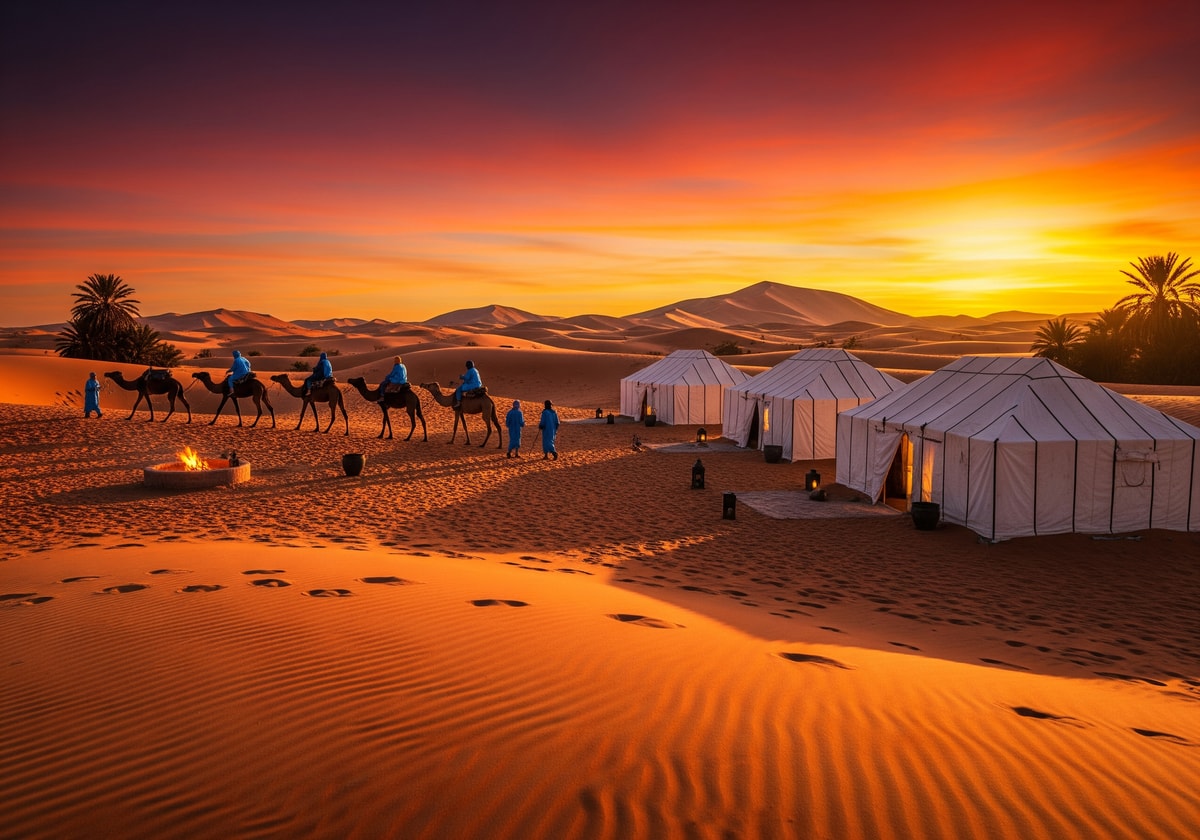
Sahara desert trip from Marrakech was the highlight of my life. Watched sunrise over the dunes from a camel — unreal. Book through a reputable company and get at least one night in the desert. The stars at night are incredible.
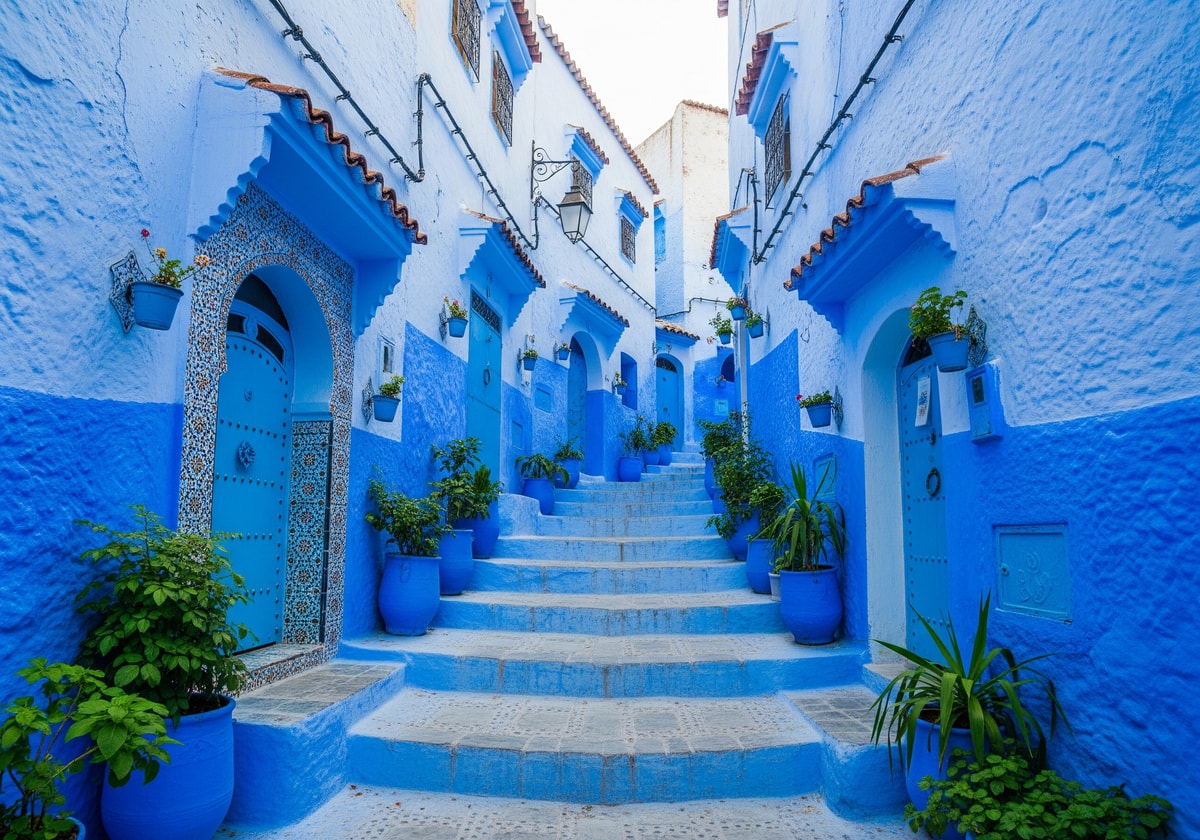
Chefchaouen is even more beautiful than photos suggest. Spent 3 days just wandering the blue streets and hiking nearby. Much more relaxed than Marrakech. Consider going there to decompress after the bigger cities.
How's the food safety situation? I have a sensitive stomach and want to try street food but worried about getting sick.
Traveled solo as a woman for 2 weeks. Yes, you get attention and comments, but I never felt unsafe. Dressed modestly, walked with purpose, and mostly ignored unsolicited conversation. Met wonderful local women in the riads too. Would do it again!
As someone who speaks Arabic, I had an amazing time connecting with locals. But French is just as useful — probably more so actually. Even basic French phrases will help you navigate and get better prices in souks.
Don't skip Essaouira! Such a different vibe from the interior cities. Cooler weather, ocean breezes, fantastic seafood, and much more relaxed atmosphere. Perfect for a few days after intense medina exploration.
The train system is surprisingly good and comfortable! Took the train from Casablanca to Marrakech and then to Fes. First class is affordable and the views are beautiful. Much better than buses for main routes.
Bargaining tip: never accept the first price, but also don't go too low and insult the vendor. Aim for 40-60% of the asking price depending on the item. Walk away if they won't negotiate — they'll often call you back with a better offer.
Stayed in riads instead of hotels — best decision ever. The traditional courtyard houses with fountains are magical. Breakfast on the terrace, mint tea in the afternoon. Try to stay in the medina for at least part of your trip.