

Vietnam has emerged as one of Southeast Asia's most captivating destinations, enchanting travelers with its stunning natural landscapes, rich cultural heritage, delicious cuisine, and warm hospitality. From the emerald waters of Ha Long Bay to the bustling streets of Ho Chi Minh City, from the ancient charm of Hoi An to the majestic mountains of Sapa, Vietnam offers an incredible diversity of experiences that will leave lasting memories.
In 2023, Vietnam revolutionized its visa policy by extending the e-Visa validity to 90 days and allowing multiple entries, making it significantly easier for international travelers to explore this beautiful country. This comprehensive guide covers everything you need to know about the Vietnam e-Visa in 2026, including eligibility, requirements, costs, the application process, and expert tips to ensure your Vietnamese adventure starts smoothly.
Whether you are planning a quick trip to Hanoi and Ha Long Bay, an extended journey through the country from north to south, or a relaxing beach getaway in Phu Quoc, understanding Vietnam's visa requirements is essential. The e-Visa system has transformed travel to Vietnam, eliminating the need for embassy visits and allowing you to complete your entire application online from the comfort of your home.
Vietnam
Capital: Hanoi
Currency: Vietnamese Dong (VND)
Language: Vietnamese
Timezone: UTC+7
Processing: 3-5 business days
Quick Facts
- Best time to visit: October - April (varies by region)
- Population: 100 million
- Power: 220V, Type A/C/G plugs
- Country code: +84
What is the Vietnam e-Visa?
The Vietnam e-Visa (Electronic Visa) is an official electronic travel authorization that allows foreign nationals to enter Vietnam for tourism, business, or other approved purposes. Launched in 2017 and significantly expanded in 2023, the e-Visa system has made Vietnam accessible to travelers from over 80 countries worldwide, offering a convenient alternative to traditional embassy visa applications.
The Vietnam e-Visa is a game-changer for travelers. Unlike the old visa-on-arrival system that required invitation letters and airport queues, the e-Visa is entirely self-service and delivered digitally. Once approved, you simply print your e-Visa or save it on your phone, and you are ready to enter Vietnam at any of the 33 designated checkpoints including all major international airports, land borders, and seaports.
Vietnam e-Visa Quick Facts
Validity: 90 days from approval date
Maximum stay: Up to 90 days per entry
Entries: Single or Multiple entry options
Processing time: 3-5 business days (standard)
Government fee: $25 USD
Application: 100% online
Entry points: 33 checkpoints (airports, land, sea)
Major 2023-2026 Visa Policy Changes
Vietnam has made significant improvements to its visa policies in recent years, making it one of the most accessible countries in Southeast Asia for international travelers. Understanding these changes helps you take full advantage of the new benefits when planning your trip.
Vietnam e-Visa: Before vs After 2023 Changes
| Feature | Before August 2023 | After August 2023 |
|---|---|---|
| Maximum Stay | 30 days | 90 days |
| Entry Type | Single entry only | Single or Multiple entry |
| Validity Period | 30 days | 90 days |
| Eligible Countries | 80 countries | All nationalities |
| Visa-Free Countries | Limited list | 13 additional countries added |
| Visa-Free Duration | 15 days | 45 days for most countries |
These landmark changes have positioned Vietnam as a leader in travel facilitation within Southeast Asia. The 90-day e-Visa duration rivals the most generous visa policies globally, giving travelers ample time to explore Vietnam's diverse regions, from the terraced rice fields of the north to the tropical beaches of the south.
Multiple Entry Advantage
The multiple-entry e-Visa is perfect for travelers exploring Southeast Asia. You can visit Vietnam, take trips to Cambodia, Laos, or Thailand, and return to Vietnam without needing a new visa. Each entry allows up to 90 days, as long as your e-Visa validity period has not expired.
Who Needs a Vietnam e-Visa?
Since August 2023, citizens of all nationalities are eligible to apply for the Vietnam e-Visa. This is a significant expansion from the previous policy that limited e-Visa access to citizens of 80 specific countries. However, the need for an e-Visa depends on your nationality and intended length of stay, as some countries enjoy visa-free access to Vietnam.
Visa-Free Countries (No e-Visa Required)
Citizens of the following countries can enter Vietnam without a visa for specified periods. If you plan to stay longer than the visa-free allowance, you will need to apply for an e-Visa.
- 45 days visa-free: United Kingdom, Germany, France, Italy, Spain, Denmark, Norway, Sweden, Finland, Japan, South Korea, Russia, Belarus, Poland, Romania, Bulgaria, Ireland, Netherlands, Slovakia, Czech Republic, Hungary, Portugal, Greece
- 30 days visa-free: ASEAN countries (Thailand, Malaysia, Singapore, Indonesia, Philippines, Laos, Cambodia, Myanmar, Brunei)
- 21 days visa-free: Philippines
- 15 days visa-free: Chile, Panama
- 14 days visa-free: Kyrgyzstan
USA, Canada, Australia & Others
Citizens of the United States, Canada, Australia, New Zealand, China, India, and most other countries NOT listed above require a visa to enter Vietnam. The e-Visa is the most convenient option for these nationalities.
When to Use the e-Visa vs Visa-Free Entry
- Use visa-free entry if: Your nationality qualifies and your trip is shorter than the allowed visa-free period
- Apply for e-Visa if: Your nationality requires a visa, OR you plan to stay longer than the visa-free period, OR you need multiple entries
- Consider e-Visa anyway if: You want guaranteed entry duration without relying on immigration officer discretion
Vietnam e-Visa Requirements
The Vietnam e-Visa application process is straightforward, but ensuring you have all required documents prepared correctly is essential for approval. Incomplete or incorrect applications are the leading cause of delays and rejections. Here is everything you need to prepare before starting your application.
- Valid passport with at least 6 months validity from planned entry date
- At least 2 blank passport pages for entry stamps
- Digital passport photo (4x6 cm, white background, taken within last 6 months)
- Scanned copy of passport data page (clear, full page visible)
- Valid email address for e-Visa delivery
- Credit or debit card for online payment ($25 USD government fee)
- Planned entry and exit dates
- Address of accommodation in Vietnam (hotel name and address)
- Intended port of entry (airport, land border, or seaport)
Passport Photo Requirements
Your passport photo is one of the most critical elements of your e-Visa application. Incorrect photos are a leading cause of rejection. Follow these specifications exactly:
- Dimensions: 4x6 cm (standard passport photo size)
- Background: Plain white or off-white background
- Recency: Taken within the last 6 months
- Face coverage: Face should occupy 70-80% of the frame
- Expression: Neutral expression, mouth closed
- Eyes: Open and clearly visible, no glasses
- Head covering: Not allowed unless for religious reasons
- File format: JPEG or PNG, under 2MB file size
Common Photo Mistakes to Avoid
Do not wear glasses in your photo, even if you wear them daily. Avoid selfies, photos with filters, or images cropped from group photos. The background must be plain white - photos taken against walls, doors, or colored backgrounds will be rejected. Use natural lighting and face the camera directly.
How to Apply for Vietnam e-Visa: Step-by-Step
The Vietnam e-Visa application can be completed in about 15-20 minutes if you have all your documents ready. Follow these steps carefully to ensure a smooth application process and quick approval.
- Gather all required documents - Prepare your passport, digital photo, and travel details before starting the application
- Visit the official portal or DoVisa - Access the Vietnam Immigration Department e-Visa portal or apply through DoVisa for expert assistance
- Select visa type - Choose single entry or multiple entry based on your travel plans
- Enter personal information - Full name exactly as shown in passport, date of birth, nationality, gender
- Provide passport details - Passport number, issue date, expiry date, issuing authority
- Upload your photo - Submit your 4x6 cm passport photo meeting all specifications
- Upload passport scan - Clear scan of your passport data page
- Enter travel information - Planned entry date, exit date, port of entry, accommodation address
- Review all information carefully - Double-check every field for accuracy before proceeding
- Pay the visa fee - $25 USD for single entry, payable by credit/debit card
- Submit and note your registration code - Save your application code for tracking
- Wait for approval - Usually 3-5 business days
- Download and print your e-Visa - Print 2 copies (one for immigration, one backup)
Application Tips for Success
Apply at least 7-10 days before your travel date
Use exactly the same name format as in your passport
Double-check your passport number - this is the most common error
Select the correct entry port - your e-Visa is valid for that specific checkpoint
Keep your registration code safe for tracking your application
Check your spam folder for the approval email
Vietnam e-Visa Cost and Processing Time
Understanding the costs involved helps you budget appropriately for your Vietnam trip. The e-Visa fee is one of the most affordable in the region, making Vietnam an accessible destination for travelers of all budgets.
Vietnam Visa Options and Costs
| Visa Type | Cost | Stay Duration | Processing Time |
|---|---|---|---|
| e-Visa (Single Entry) | $25 USD | Up to 90 days | 3-5 business days |
| e-Visa (Multiple Entry) | $50 USD | Up to 90 days per entry | 3-5 business days |
| Visa Exemption | Free | 15-45 days (by nationality) | Instant |
| Visa on Arrival | $25-50 USD + approval letter | Up to 30 days | 1-2 days + airport queue |
| Embassy Visa | $40-150 USD | 1-3 months | 5-10 business days |
| DoVisa Express | $25 + service fee | Up to 90 days | Priority processing |
The e-Visa represents excellent value compared to traditional visa options. It eliminates the need for approval letters, airport queues, and embassy visits. The $25 government fee is non-refundable, so ensure all your information is correct before submitting your application.
Save Time with DoVisa
While you can apply directly on the government portal, DoVisa offers expert document review, photo correction assistance, and priority support. Our team catches errors before submission, ensuring higher approval rates. We also provide real-time application tracking and 24/7 customer support in your language.
Get Your Vietnam e-Visa Today
Vietnam e-Visa Entry Points
Your Vietnam e-Visa is valid for entry at specific checkpoints that you select during application. Vietnam has 33 designated entry points including international airports, land borders, and seaports. You must enter through the checkpoint specified on your e-Visa, so choose carefully based on your travel itinerary.
International Airports
- Noi Bai International Airport (HAN) - Hanoi, northern Vietnam's main gateway
- Tan Son Nhat International Airport (SGN) - Ho Chi Minh City, largest airport
- Da Nang International Airport (DAD) - Central Vietnam, near Hoi An
- Cam Ranh International Airport (CXR) - Nha Trang, coastal resort area
- Phu Quoc International Airport (PQC) - Phu Quoc Island
- Phu Bai International Airport (HUI) - Hue, imperial capital
- Cat Bi International Airport (HPH) - Hai Phong, near Ha Long Bay
- Can Tho International Airport (VCA) - Mekong Delta
Major Land Border Crossings
- Moc Bai - Vietnam-Cambodia border (near Ho Chi Minh City)
- Lao Bao - Vietnam-Laos border (central Vietnam)
- Cau Treo - Vietnam-Laos border
- Cha Lo - Vietnam-Laos border
- Huu Nghi - Vietnam-China border (Lang Son province)
- Lao Cai - Vietnam-China border (near Sapa)
- Mong Cai - Vietnam-China border (northeastern coast)
Important: Entry Point Selection
You must enter Vietnam through the checkpoint specified on your e-Visa. If your travel plans change and you need to enter through a different checkpoint, you may need to apply for a new e-Visa. However, you can exit from any checkpoint regardless of your entry point.

Extending Your Vietnam e-Visa
If you wish to stay in Vietnam longer than your e-Visa allows, you have several options. While the 90-day e-Visa provides generous time for most travelers, some situations may require an extension or visa modification.
- Visa extension: Apply at the Immigration Department in Hanoi or Ho Chi Minh City for a 30-day extension (approximately $20-50 USD, processing 5-7 days)
- Border run: Exit to a neighboring country (Cambodia, Laos, Thailand) and re-enter on a new e-Visa or visa-free entry
- New e-Visa: Apply for a new e-Visa while still in Vietnam (risky - not officially recommended)
- Long-term visa: For extended stays, consider business visas, work visas, or investor visas through Vietnamese embassies
Extension Best Practices
Start your extension process at least 7-10 days before your current visa expires. The Immigration Department offices can be busy, and processing is not instant. Never overstay your visa - penalties include fines, detention, deportation, and potential future entry bans.
Common Myths About Vietnam Visas
Misinformation about Vietnam's visa system can lead to confusion, wasted money, or even denied entry. Let us debunk the most common myths about Vietnam visas to help you plan your trip with accurate information.
Visa on Arrival is the same as e-Visa
These are completely different systems. Visa on Arrival (VOA) requires you to obtain an approval letter from a travel agency before departure, then queue at the airport to receive your actual visa stamp. The e-Visa is a complete, standalone visa delivered electronically - no approval letter needed, no airport queues. The e-Visa is faster, cheaper, and more convenient. Vietnam has been phasing out VOA in favor of the e-Visa system.
You can get a visa at any Vietnamese airport without applying beforehand
This is a dangerous misconception. If your nationality requires a visa and you arrive without an e-Visa or approval letter, you will be denied boarding by your airline or turned away at immigration. There is no option to simply pay for a visa upon arrival for most nationalities. Always apply for your e-Visa before traveling.
Phu Quoc Island is always visa-free for everyone
While Phu Quoc Island offers visa-free access for stays up to 30 days, this only applies if you fly directly to Phu Quoc from outside Vietnam and stay only on the island. If you plan to visit mainland Vietnam (even flying through Ho Chi Minh City or Hanoi), you need a visa for the entire trip. The Phu Quoc visa exemption is specifically for island-only vacations arriving on direct international flights.
Your e-Visa allows unlimited entries during the validity period
The single-entry e-Visa ($25 USD) allows only ONE entry into Vietnam. Once you exit the country, the visa is used and you would need a new visa to return. If you plan to visit neighboring countries and return to Vietnam, you must apply for the multiple-entry e-Visa ($50 USD), which allows unlimited entries during the 90-day validity period.
Top Destinations in Vietnam
Vietnam stretches over 1,600 kilometers from north to south, offering an incredible diversity of landscapes, cultures, and experiences. With a 90-day e-Visa, you have ample time to explore multiple regions and discover why Vietnam captivates millions of visitors each year.
Hanoi: The Thousand-Year-Old Capital
Hanoi, Vietnam's capital, is a captivating blend of ancient traditions and modern energy. The city celebrated its 1,000th anniversary in 2010 and remains the cultural heart of Vietnam. Most travelers enter through Noi Bai International Airport (HAN), located about 45 minutes from the city center.
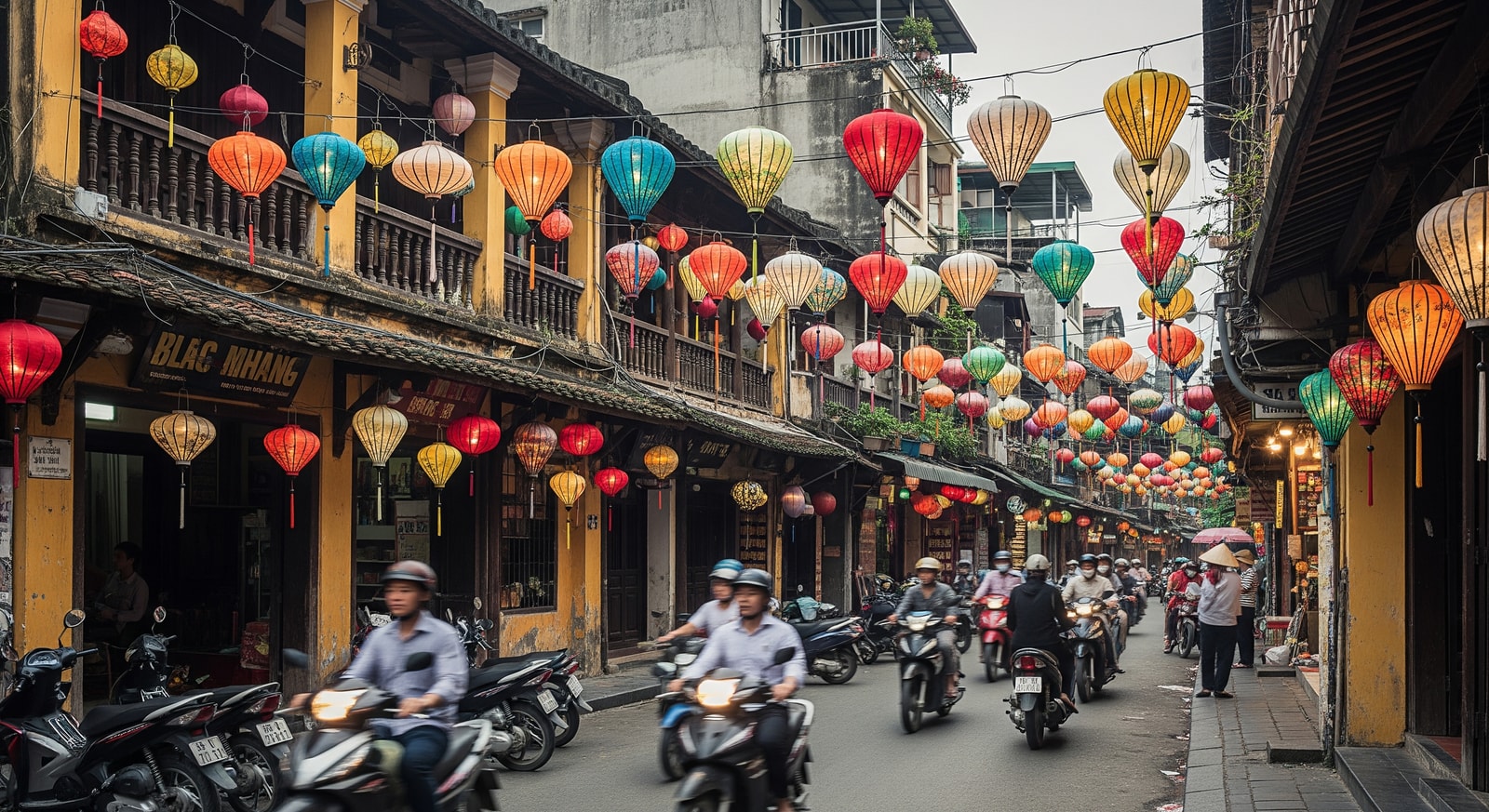
The Old Quarter is Hanoi's soul - a maze of 36 ancient streets, each historically dedicated to a specific trade. Today, these narrow lanes bustle with motorbikes, street food vendors, and traditional shops. Must-see attractions include Hoan Kiem Lake, the Temple of Literature (Vietnam's first university), Ho Chi Minh Mausoleum, and the atmospheric French Quarter. Plan at least 2-3 days for Hanoi's highlights.
Ha Long Bay: Natural Wonder
Ha Long Bay is Vietnam's most iconic destination and a UNESCO World Heritage Site. Located about 4 hours from Hanoi, this spectacular bay features nearly 2,000 limestone islands and islets rising dramatically from emerald waters. The name Ha Long means descending dragon, referencing the legend of dragons who helped defend Vietnam from invaders.
Most visitors experience Ha Long Bay on overnight cruises, ranging from budget-friendly boats to luxury vessels. Activities include kayaking through hidden lagoons, swimming in secluded coves, exploring caves like Sung Sot (Surprise Cave), and watching spectacular sunsets over the karst formations. For fewer crowds, consider nearby Lan Ha Bay or Bai Tu Long Bay, which offer similar scenery with a more intimate experience.
Ho Chi Minh City: The Dynamic South
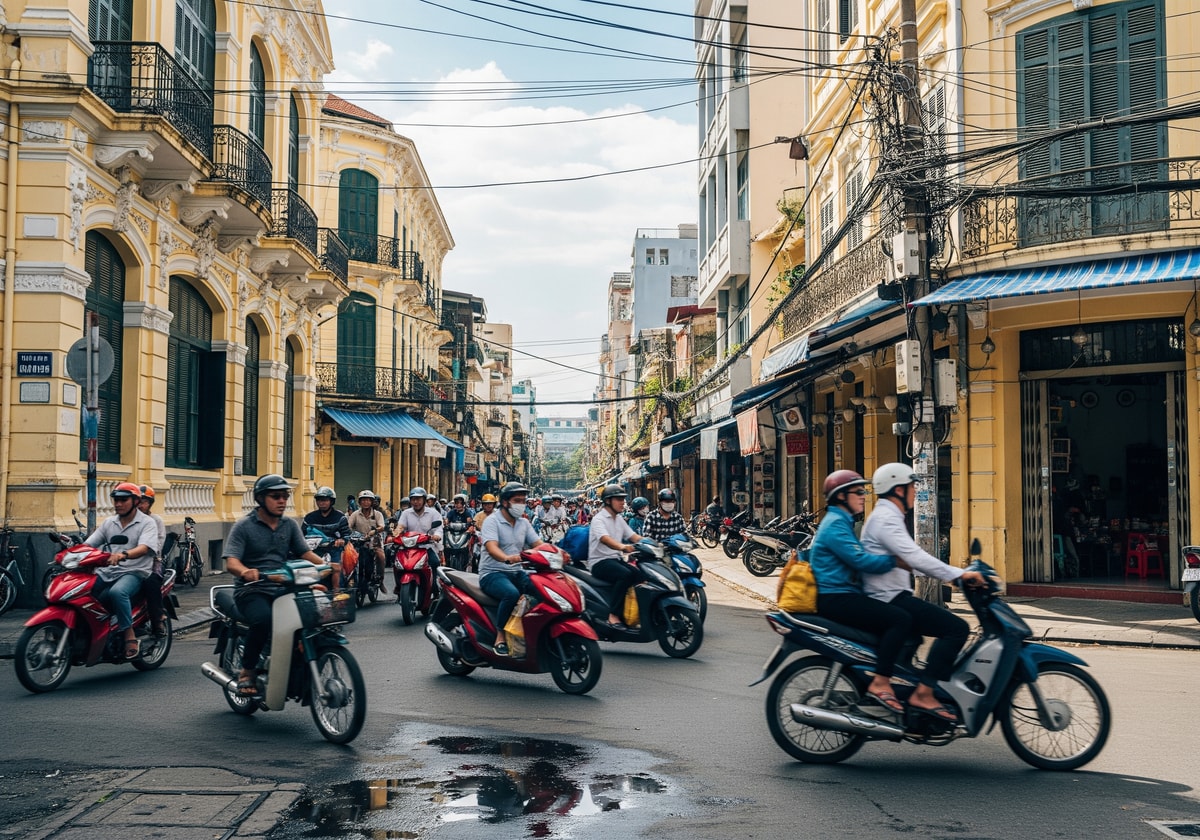
Ho Chi Minh City (formerly Saigon) is Vietnam's largest city and economic powerhouse. This energetic metropolis of 9 million people pulses with life 24/7. Visitors arrive at Tan Son Nhat International Airport (SGN), the busiest airport in Vietnam.
The city offers a fascinating mix of French colonial architecture, modern skyscrapers, and historical sites from the Vietnam War era. Key attractions include the War Remnants Museum, Cu Chi Tunnels (the underground Viet Cong network), Notre Dame Cathedral, Ben Thanh Market, and the rooftop bars of District 1. The food scene rivals any Asian capital, from street food stalls to world-class restaurants. Allow 3-4 days to explore properly.
Hoi An: Ancient Town Charm
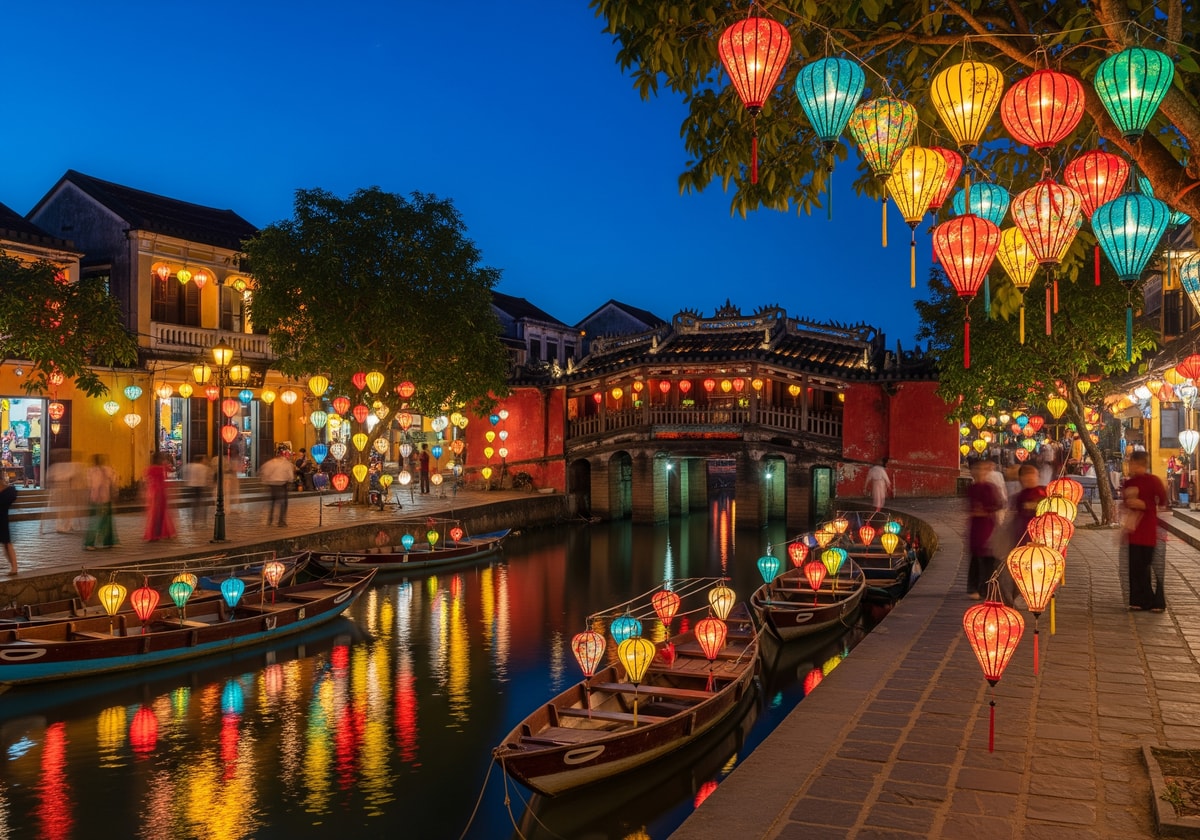
Hoi An is Vietnam's most enchanting destination and another UNESCO World Heritage Site. This beautifully preserved ancient trading port features centuries-old architecture, silk lanterns, tailor shops, and an atmospheric riverside setting. The nearest airport is Da Nang (DAD), about 30 minutes away.
The Ancient Town is pedestrian-only in the evenings, when thousands of colorful lanterns illuminate the streets and floating candles drift down the Thu Bon River. Hoi An is famous for its tailors who can create custom clothing in 24-48 hours, its exceptional food scene (try cao lau and white rose dumplings), and nearby beaches like An Bang and Cua Dai. The town also serves as a base for visiting the My Son Hindu temple ruins. Plan 3-4 days minimum.
Phu Quoc: Island Paradise
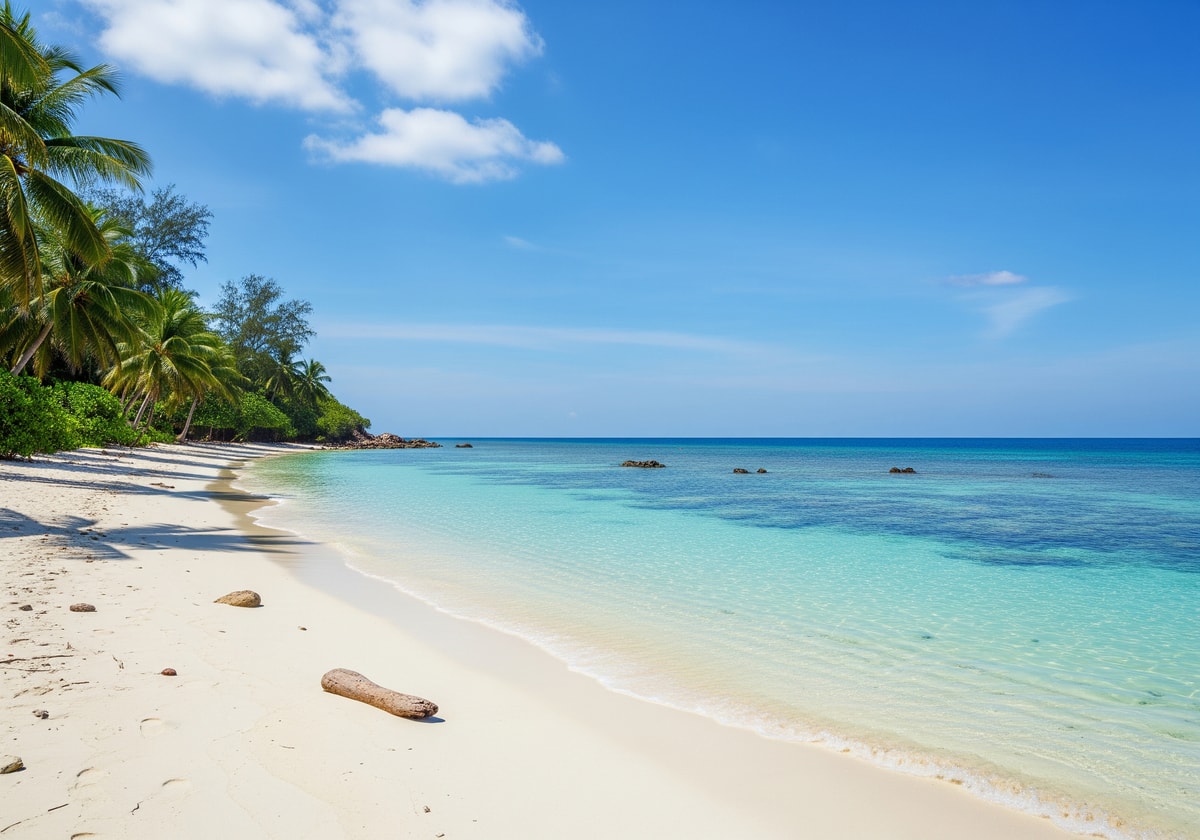
Phu Quoc Island is Vietnam's largest island and premier beach destination, located in the Gulf of Thailand near Cambodia. With white-sand beaches, clear turquoise waters, and lush tropical forests, Phu Quoc offers the perfect ending to a Vietnam adventure or a standalone beach vacation.
The island has developed significantly with luxury resorts, an international airport (PQC), and attractions like the VinWonders theme park and the world's longest non-stop three-rope cable car to Hon Thom Island. Yet it retains peaceful corners with empty beaches and fishing villages. Highlights include Long Beach, Sao Beach, Phu Quoc National Park, night squid fishing, and the famous fish sauce factories. The best time to visit is November to March during the dry season.

Common Mistakes to Avoid
After helping thousands of travelers obtain their Vietnam e-Visas, we have identified the most common mistakes that cause delays, rejections, or problems at immigration. Avoid these pitfalls to ensure a smooth journey.
- Passport validity: Ensure your passport is valid for at least 6 months from your entry date - the #1 rejection reason
- Name mismatch: Enter your name EXACTLY as it appears in your passport, including middle names and any special characters
- Wrong passport number: Triple-check your passport number - a single digit error will result in rejection
- Photo issues: Use a proper passport photo on white background, not a selfie or cropped vacation photo
- Entry point error: Select the correct airport or border crossing you will actually use to enter
- Single vs multiple entry confusion: If visiting other countries and returning, you need multiple entry
- Applying too late: Apply at least 7-10 days before travel - express processing is not always available
- Not printing the e-Visa: While digital copies work at some checkpoints, always carry printed copies as backup
- Overstaying: Track your 90-day limit carefully - overstay penalties are severe
Overstay Penalties
Vietnam takes visa violations seriously. Overstaying results in fines of approximately $25 USD per day, potential detention, deportation, and bans from future entry. If you realize you might overstay, apply for an extension immediately at the Immigration Department. Never assume you can simply pay a fine at the airport and continue traveling.
Expert Tips for Your Vietnam Trip
Beyond the visa process, here are essential tips from our travel experts to make your Vietnam experience smooth and memorable.
- Download essential apps: Grab (ride-hailing), Google Translate (with Vietnamese offline), Maps.me (offline maps), XE Currency, and your airline app
- Carry Vietnamese Dong: While cities accept cards, you will need cash for markets, street food, and small shops. Withdraw from ATMs upon arrival for the best rates
- Learn basic phrases: Xin chao (hello), Cam on (thank you), and Bao nhieu (how much) go a long way
- Book domestic flights early: Vietnam Airlines, VietJet, and Bamboo Airways connect major cities affordably, but prices rise closer to travel dates
- Prepare for motorbike chaos: Crossing streets in Vietnam is an art - walk slowly and predictably, do not stop or run
- Get travel insurance: Comprehensive coverage including medical evacuation is essential. Healthcare in Vietnam can be expensive for foreigners
- Respect local customs: Remove shoes before entering homes and temples, dress modestly at religious sites, and ask permission before photographing people
- Stay hydrated: Vietnam's tropical climate can be intense. Carry water and take breaks in air-conditioned spaces
- Negotiate respectfully: Bargaining is expected at markets but not in restaurants or shops with fixed prices
- Register with your embassy: For extended stays, register your trip with your home country's embassy for emergency assistance
Best Time to Visit Vietnam
Vietnam's climate varies dramatically by region. The north (Hanoi, Ha Long Bay, Sapa) is best October-April with cooler temperatures. Central Vietnam (Hoi An, Hue) is driest February-August. The south (Ho Chi Minh City, Mekong Delta, Phu Quoc) is pleasant year-round but driest December-April. Avoid major holidays like Tet (Vietnamese New Year) when businesses close and transport is extremely crowded.
Frequently Asked Questions
How long can I stay in Vietnam with an e-Visa?
Can I get a multiple entry e-Visa for Vietnam?
How long does Vietnam e-Visa processing take?
Do US citizens need a visa for Vietnam?
Can I extend my Vietnam e-Visa while in Vietnam?
What if my e-Visa application is rejected?
Is Phu Quoc visa-free for all nationalities?
Can I enter Vietnam by land with an e-Visa?
Do I need to print my Vietnam e-Visa?
How much does the Vietnam e-Visa cost?
What is the difference between e-Visa and visa on arrival?
Can I work in Vietnam with a tourist e-Visa?
How early should I apply for my Vietnam e-Visa?
Can I change my entry date after e-Visa approval?
What happens if I overstay my Vietnam visa?
Do children need their own e-Visa for Vietnam?
Which airports in Vietnam accept e-Visa entry?
Is travel insurance required for Vietnam e-Visa?
Can I apply for a Vietnam e-Visa if I have been denied before?
How do I track my Vietnam e-Visa application status?
What currency should I bring to Vietnam?
Is Vietnam safe for tourists?
Start Your Vietnam Adventure Today
Vietnam is a country that captures hearts and imaginations. From the misty mountains of the north to the vibrant energy of its cities, from ancient temples to pristine beaches, this remarkable nation offers experiences that stay with you forever. The 90-day e-Visa has made Vietnam more accessible than ever, giving you ample time to discover the wonders of this extraordinary country.
Whether you dream of cruising through the mystical limestone karsts of Ha Long Bay, wandering the lantern-lit streets of Hoi An, savoring the world's best street food in Hanoi and Ho Chi Minh City, or relaxing on the tropical beaches of Phu Quoc, Vietnam welcomes you with open arms and warm smiles.
At DoVisa, we have helped over 50,000 travelers successfully obtain their Vietnam visas. Our team of experts ensures your application is complete, accurate, and ready for approval. With document review, photo assistance, and 24/7 support, we make the visa process simple and stress-free so you can focus on planning your adventure.
Ready to Explore Vietnam?




Comments(16)
Leave a Comment
This guide is incredibly helpful! I was confused about the difference between single and multiple entry e-Visas. Now I understand I need multiple entry since I'm planning to visit Cambodia and then return to Vietnam. The 90-day policy is so generous!
Just got back from 6 weeks in Vietnam - applied for my e-Visa through DoVisa and it was approved in 3 days. Ha Long Bay was absolutely incredible, and Hoi An is now my favorite place in the world. The 90-day visa gave us plenty of time to travel slowly.
Quick question - I'm flying into Hanoi but want to leave Vietnam through the Moc Bai border crossing to Cambodia. Do I need to specify both entry and exit points on my e-Visa application?
The myth-busting section cleared up so much confusion! I genuinely thought visa on arrival was the same as e-Visa. Nearly booked without applying for anything first. This article potentially saved my trip!
As a US citizen, I appreciate the clear guidance that we NEED a visa. Some other sites made it seem optional. Applied 10 days before my trip and got approved in 4 days. Pro tip: double-check your passport number three times before submitting!
Planning a digital nomad stint in Vietnam. Can I stay 90 days, do a quick trip to Thailand, and then return for another 90 days on a new e-Visa? Or will immigration have issues with that?
Polish passport holder here - thrilled about the 45-day visa-free access! But since I want to stay 60 days, I'll apply for the e-Visa. Love that Vietnam has made things so easy for European travelers.
The Phu Quoc visa exemption info is crucial! I almost booked a flight through Ho Chi Minh City thinking I could visit the island visa-free. Now I know I need an e-Visa since I'm transiting through the mainland. Thanks for the clarity!
How strict are they about the passport photo requirements? I have a photo from 3 months ago but it has a very light blue background instead of white. Should I retake it?
German here - we get 45 days visa-free which is perfect for my 3-week trip. But I'm curious, does the visa-free entry also allow multiple entries like the e-Visa?
The destination section is fantastic! We're doing Hanoi, Ha Long Bay, Hoi An, and Ho Chi Minh City in 3 weeks. This guide helped us understand we only need the single entry e-Visa since we're not leaving the country. Saved $25!
Applied through DoVisa yesterday and already got my approval email this morning! Less than 24 hours. The application form was so easy to follow compared to the government portal. Highly recommend!
Can I apply for the e-Visa if my passport expires in 5 months? My trip is in 2 weeks and I'm worried about the 6-month rule.
Just spent 2 months traveling from Hanoi to Ho Chi Minh City. The food alone is worth the trip - pho, banh mi, bun cha, cao lau in Hoi An... I gained 5kg and have zero regrets. Vietnam is absolutely incredible!
The comparison table showing e-Visa vs visa on arrival vs embassy visa is so helpful. Clear winner is e-Visa for convenience and price. Why would anyone still use visa on arrival?
First time visiting Asia and Vietnam is my starting point. This guide answered literally every question I had. The expert tips about crossing streets and the Grab app are exactly the practical advice I needed. Booking my e-Visa today!