
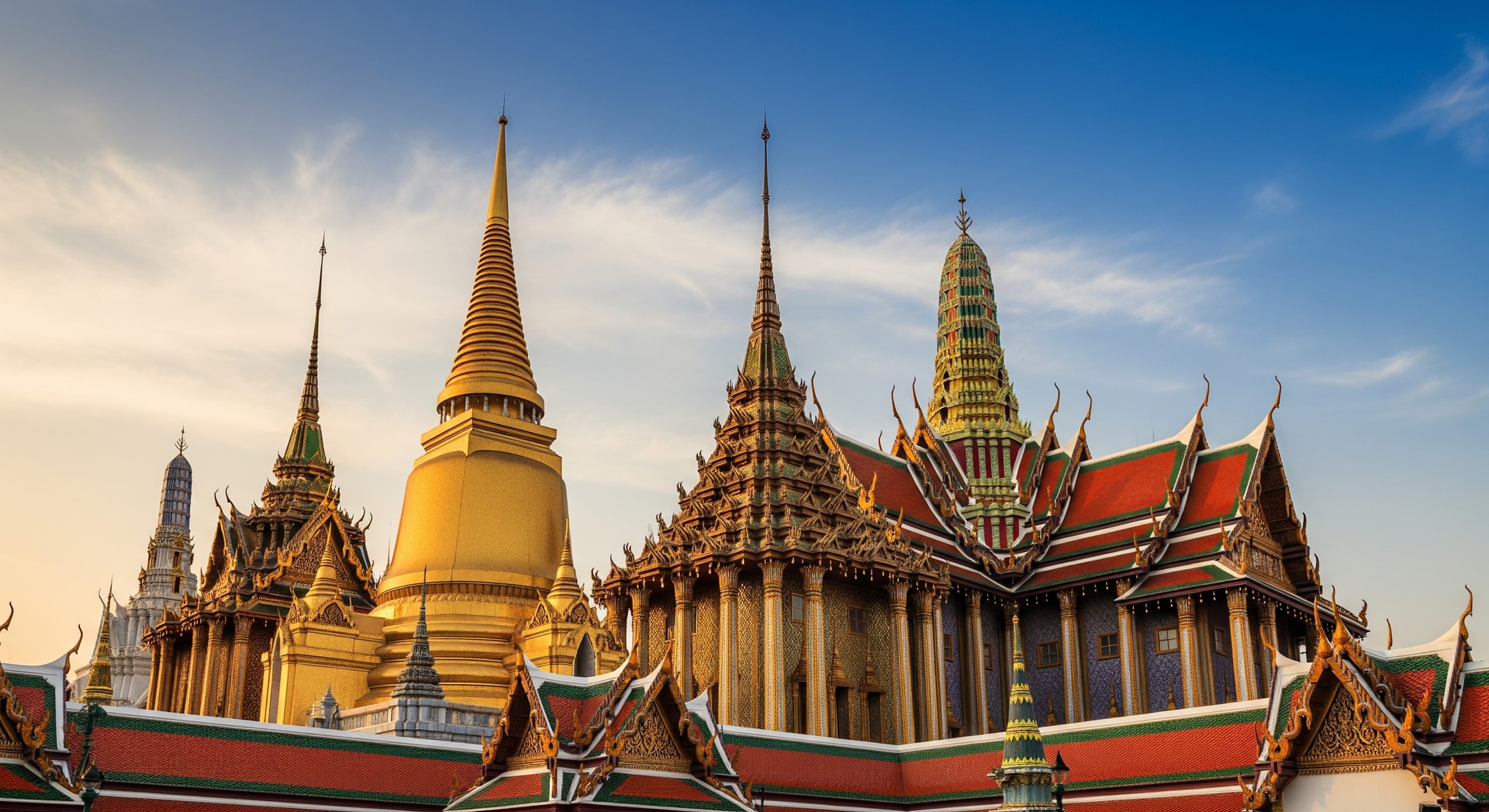
Thailand remains one of the world's most beloved travel destinations, drawing millions of visitors each year with its stunning beaches, ancient temples, vibrant nightlife, and world-renowned cuisine. Whether you are planning to explore the bustling streets of Bangkok, relax on the pristine shores of Phuket, discover the cultural treasures of Chiang Mai, or island-hop through the Thai islands like Koh Samui, Koh Phi Phi, and Koh Tao, understanding Thailand's visa requirements is essential for a smooth journey.
This comprehensive guide covers everything you need to know about the Thailand Tourist Visa (TR) in 2026, including visa exemption policies, visa on arrival options, application requirements, costs, processing times, and expert tips to make your Thai adventure hassle-free. With recent policy changes making Thailand more accessible than ever, there has never been a better time to plan your visit to the Land of Smiles.
Thailand
Capital: Bangkok
Currency: Thai Baht (THB)
Language: Thai
Timezone: UTC+7
Processing: 3-7 business days
Quick Facts
- Best time to visit: November - February (cool season)
- Population: 70 million
- Power: 220V, Type A/B/C/O plugs
- Country code: +66
Understanding Thailand's Entry Options
Thailand offers several pathways for tourists to enter the country, depending on your nationality, purpose of visit, and intended length of stay. The Thai government has progressively liberalized its visa policies to boost tourism, making it easier than ever for travelers from around the world to experience this magnificent country. Understanding these options will help you choose the most suitable entry method for your travel plans.
The main entry options for tourists visiting Thailand include visa exemption (for eligible nationalities), visa on arrival (VOA), the Tourist Visa (TR), and the e-Visa system. Each option has different requirements, validity periods, and costs. Let us examine each one in detail to help you determine which is right for your Thailand trip.
Thailand Entry Options at a Glance (2026)
| Entry Type | Duration | Cost | Processing | Best For |
|---|---|---|---|---|
| Visa Exemption | 60-90 days | Free | Instant | Short-medium tourist visits |
| Visa on Arrival | 15-30 days | 2,000 THB | 30-60 mins | Last-minute travel (specific countries) |
| Tourist Visa (TR) | 60 days (extendable) | 1,000-2,000 THB | 3-7 days | Extended holidays, multiple entries |
| e-Visa (TR) | 60 days (extendable) | 1,000-2,000 THB | 1-5 days | Online convenience |
| Special Tourist Visa | 90 days | 2,000 THB | 10-15 days | Long-term stays up to 270 days |
Visa Exemption: Who Can Enter Without a Visa?
Thailand's visa exemption program allows citizens of many countries to enter Thailand for tourism purposes without obtaining a visa in advance. This is the simplest and most cost-effective way to visit Thailand if you are eligible. The duration of stay permitted under visa exemption varies by nationality, with some countries enjoying up to 90 days of visa-free travel.
Major Visa Exemption Update
As of 2025, Thailand extended visa exemption to 60 days for most eligible nationalities
Citizens of 93+ countries can now stay 60-90 days without a visa
USA, UK, Australia, Canada, and most EU countries qualify for 60+ day exemption
The exemption period can be extended by 30 days at any immigration office
Multiple land border entries are limited to 2 per calendar year for some nationalities
90-Day Visa Exemption Countries
Citizens of the following countries enjoy the longest visa exemption period of 90 days when entering Thailand for tourism purposes. This generous allowance makes Thailand an ideal destination for extended holidays, digital nomad stays, and in-depth exploration of the country.
- Brazil, South Korea, Peru, Argentina, Chile
- Japan (bilateral agreement)
- Select countries under special agreements
60-Day Visa Exemption Countries
The majority of visa-exempt countries now receive 60 days of stay without a visa, a significant increase from the previous 30-day allowance. This change, implemented in 2025, has made Thailand significantly more accessible for longer trips.
- United States, United Kingdom, Canada, Australia, New Zealand
- Germany, France, Italy, Spain, Netherlands, Belgium, Switzerland, Austria
- Denmark, Sweden, Norway, Finland, Iceland
- Poland, Czech Republic, Hungary, Greece, Portugal, Ireland
- Singapore, Hong Kong, Macau, Israel, South Africa
- United Arab Emirates, Kuwait, Bahrain, Oman, Qatar, Saudi Arabia
- And many more (93+ countries total)
30-Day Visa Exemption Countries
- China, India, Taiwan (under specific programs)
- Russia, Ukraine, Kazakhstan
- Select other nationalities
Important Visa Exemption Requirements
Even with visa exemption, you must have: a passport valid for at least 6 months from entry date, proof of onward travel (flight, bus, or train ticket out of Thailand), proof of accommodation, and sufficient funds (20,000 THB for individuals or 40,000 THB for families). Immigration officers may request to see these documents at the border.
Visa on Arrival (VOA): For Eligible Nationalities
Thailand offers Visa on Arrival (VOA) for citizens of countries that do not qualify for visa exemption but can obtain a visa upon arrival at designated entry points. This option is ideal for last-minute travelers who have not obtained a visa before departure. The VOA is available at major international airports and some land border crossings.
The standard VOA allows a stay of 15 days and cannot be extended. However, some nationalities may receive a longer validity period of up to 30 days under special promotional programs. The VOA fee is 2,000 THB (approximately $57 USD), payable in Thai Baht cash only at the immigration counter.
Visa on Arrival Quick Facts
Duration: 15-30 days (non-extendable in most cases)
Fee: 2,000 THB (cash only, Thai Baht preferred)
Processing: 30-60 minutes depending on queue
Photo required: One 4x6 cm passport photo
Available at: All international airports and major land borders
Countries Eligible for Visa on Arrival
The following countries are typically eligible for Thailand's Visa on Arrival. Note that this list may change, so always verify current eligibility before travel.
- Bhutan, Bulgaria, China, Cyprus, Ethiopia
- Fiji, Georgia, India, Kazakhstan, Malta
- Mexico, Nauru, Papua New Guinea, Romania
- Saudi Arabia, Taiwan, Ukraine, Uzbekistan, Vanuatu
VOA Requirements Checklist
- Passport valid for at least 6 months with at least 1 blank page
- Completed TM.88 arrival card (available at the airport)
- One recent passport-size photo (4x6 cm)
- Proof of accommodation in Thailand
- Confirmed return or onward flight ticket (within 15 days)
- Proof of adequate funds (10,000 THB per person or 20,000 THB per family)
- Visa fee: 2,000 THB in cash
Skip the VOA Queue
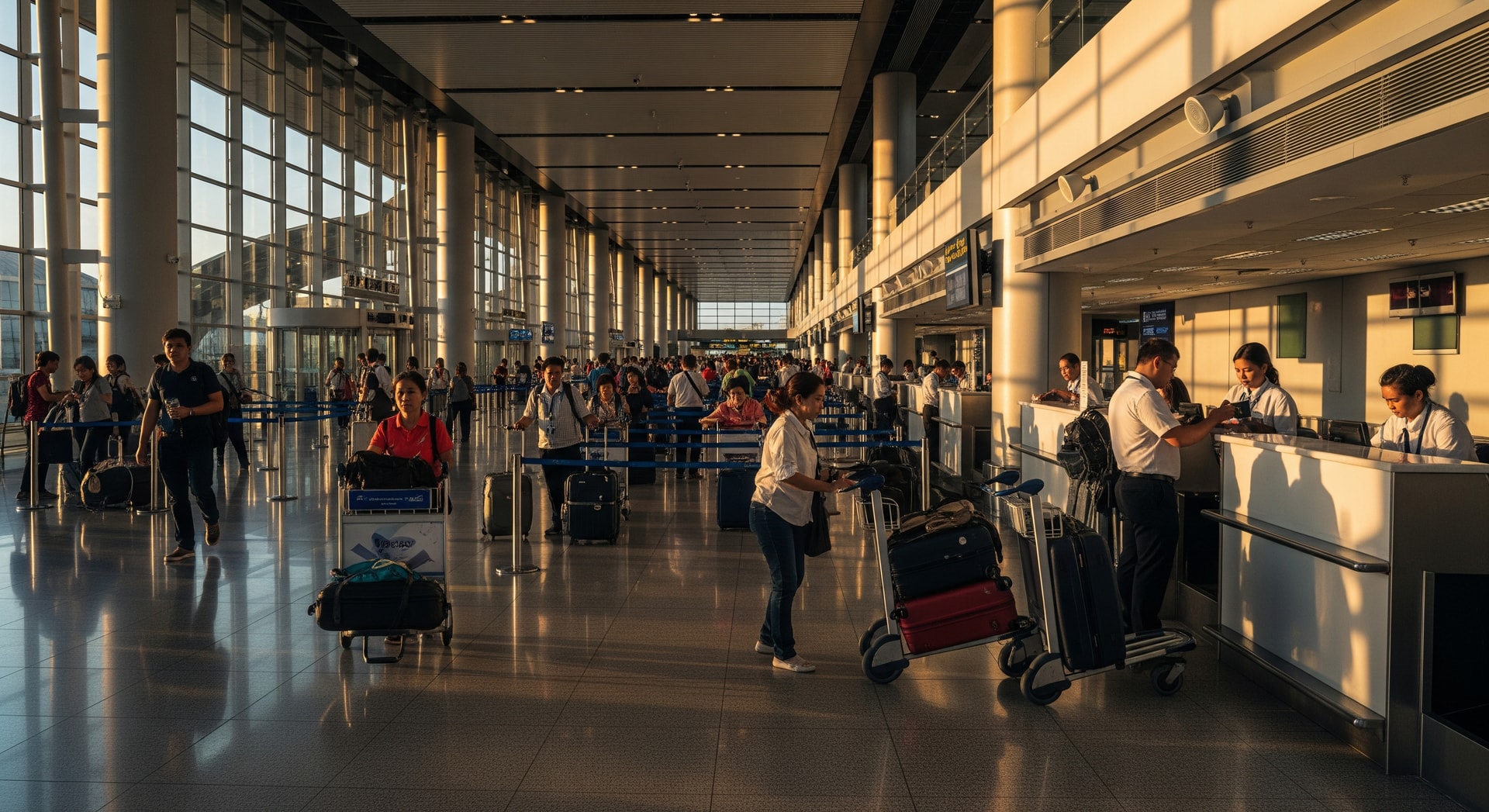
VOA queues can be extremely long, especially at Suvarnabhumi Airport during peak season (December-February). Consider using the Fast Track service (available at major airports for around 200-500 THB) or better yet, apply for an e-Visa or Tourist Visa before departure to avoid airport delays entirely.
Thailand Tourist Visa (TR): The Complete Guide
The Thailand Tourist Visa (TR) is the standard visa for travelers who want to stay longer than the visa exemption allows, need multiple entries, or whose nationality does not qualify for visa-free entry. The TR visa offers flexibility and peace of mind for extended Thailand adventures.
The TR visa allows an initial stay of 60 days, which can be extended by an additional 30 days at any Thai immigration office for a fee of 1,900 THB. This gives you a potential total stay of 90 days on a single-entry tourist visa. For travelers planning to visit neighboring countries during their trip, multiple-entry tourist visas are also available.
Single Entry vs Multiple Entry Tourist Visa
TR Visa Options Comparison
| Feature | Single Entry TR | Multiple Entry TR (METV) |
|---|---|---|
| Initial Stay | 60 days | 60 days per entry |
| Validity | 3 months from issue | 6 months from issue |
| Entries Allowed | 1 | Unlimited within validity |
| Extension | 30 days (1,900 THB) | 30 days per entry |
| Maximum Stay | 90 days total | 60+30 days per entry |
| Fee | 1,000-1,500 THB | 5,000 THB |
| Best For | Single long trip | Regional travel, business visitors |
TR Visa Application Requirements
Whether you apply at a Thai embassy, consulate, or through the e-Visa system, you will need to prepare the following documents for your Tourist Visa application:
- Valid passport with at least 6 months validity and 2+ blank pages
- Completed visa application form (available online or at embassy)
- Two recent passport-sized photographs (4x6 cm, white background)
- Proof of travel itinerary (flight bookings or detailed travel plan)
- Proof of accommodation (hotel reservations, Airbnb bookings, or invitation letter)
- Proof of financial means (bank statement showing 20,000+ THB equivalent)
- Employment verification or proof of ties to home country
- Visa fee payment (varies by embassy/consulate)
Financial Requirements for TR Visa
Bank statements should show a consistent balance over the past 3-6 months, not just a recent large deposit. Immigration wants to see that you have stable finances to support your stay in Thailand. A minimum equivalent of 20,000 THB ($570 USD) per person or 40,000 THB ($1,140 USD) per family is recommended.
How to Apply for a TR Visa
There are two main ways to apply for a Thailand Tourist Visa: through a Thai embassy or consulate in your home country, or via the official Thailand e-Visa system. Both methods result in the same visa, but the process differs slightly.
Option 1: Embassy/Consulate Application
- Locate your nearest Thai embassy or consulate
- Check their specific requirements (may vary slightly by location)
- Gather all required documents and make copies
- Complete the visa application form
- Submit your application in person or by mail (check embassy policy)
- Pay the visa fee
- Wait for processing (typically 3-7 business days)
- Collect your passport with the visa stamp
Option 2: Thailand e-Visa Application
- Visit the official Thailand e-Visa portal or apply through DoVisa
- Create an account and select your visa type (Tourist Visa)
- Fill out the online application form with accurate personal details
- Upload required documents (passport scan, photo, supporting documents)
- Pay the visa fee online using credit card or bank transfer
- Track your application status online
- Receive your e-Visa approval via email (typically 1-5 business days)
- Print your e-Visa or save it to your phone for immigration
DoVisa Expert Recommendation
The e-Visa system is the most convenient option for most travelers. Apply at least 2-3 weeks before your travel date to account for potential processing delays. DoVisa offers expert document review and application assistance to ensure your visa is approved quickly and without issues.
TR Visa Costs and Processing Times
Understanding the costs involved in obtaining a Thailand Tourist Visa helps you budget appropriately for your trip. Fees vary depending on where you apply and the type of visa you need.
Thailand TR Visa Fees (2026)
| Visa Type | Embassy Fee | e-Visa Fee | Processing Time |
|---|---|---|---|
| Single Entry TR | 1,000-1,500 THB | 1,200 THB + service fee | 3-7 days |
| Multiple Entry TR (METV) | 5,000 THB | 5,200 THB + service fee | 5-10 days |
| 30-Day Extension | 1,900 THB | N/A (in-country only) | Same day |
| Visa on Arrival | 2,000 THB | N/A | 30-60 minutes |
Additional Costs to Consider
Embassy fees may vary by country due to exchange rates and local policies. Some consulates require appointments which may have separate booking fees. Third-party visa services like DoVisa charge service fees on top of government fees but offer convenience, document review, and support. Always factor in photo costs and document printing/notarization if required.
Thailand Pass: Digital Entry Registration
Following the COVID-19 pandemic, Thailand introduced the Thailand Pass system for pre-registration of arrivals. While many restrictions have been lifted, Thailand continues to use digital arrival systems to streamline immigration processes. Understanding the current digital entry requirements ensures a smooth arrival experience.
As of 2026, Thailand uses the Digital Arrival Card system, which replaces the traditional paper TM.6 arrival/departure card. Travelers can complete this online before arrival or at airport kiosks upon landing. The digital system speeds up immigration processing and reduces paperwork.
Thailand Digital Arrival Card
Can be completed online up to 7 days before arrival
Required for all foreign visitors entering Thailand
Replaces the paper TM.6 form
Available at airport kiosks if not completed online
Linked to your passport - no printing required
Free to complete
Complete Your Arrival Card Before Travel
Save time at the airport by completing your Thailand Digital Arrival Card online before your flight. This can significantly reduce your wait time at immigration, especially during peak arrival periods.
Extending Your Stay in Thailand
If you wish to stay in Thailand longer than your visa or visa exemption allows, you can apply for an extension at any Thai immigration office. Extensions are granted at the discretion of immigration officers, so always apply before your current permission expires.
30-Day Extension Process
Both visa exemption stays and Tourist Visa holders can apply for a 30-day extension. Here is what you need:
- TM.7 extension application form (available at immigration office)
- Passport with at least one blank page
- One passport-sized photo (4x6 cm)
- Copy of passport data page and current visa/entry stamp
- Copy of TM.6/Digital Arrival Card
- Proof of accommodation (hotel booking confirmation)
- Extension fee: 1,900 THB (cash only)
Major Immigration Offices in Thailand
- Bangkok: Chaeng Wattana Government Complex, Building B (largest office, can be crowded)
- Phuket: Phuket Immigration Office, Phuket Town
- Chiang Mai: Chiang Mai Immigration Office, Promenada Mall area
- Pattaya: Pattaya Immigration Office, Soi 5
- Koh Samui: Koh Samui Immigration Office, Nathon
Extension Tips
Arrive early at immigration offices - they typically open at 8:30 AM and can get very busy. Dress appropriately (no shorts or tank tops at government offices). Bring all documents, plus extra copies just in case. Some offices may request additional documents like proof of funds.
Special Tourist Visa (STV) for Long Stays
For travelers seeking extended stays in Thailand, the Special Tourist Visa (STV) offers an attractive option. Originally introduced during the pandemic to support long-stay tourism, the STV has become a popular choice for remote workers, retirees, and those looking to spend several months exploring the kingdom.
Special Tourist Visa Overview
Initial stay: 90 days
Can be extended twice (90 days each), for up to 270 days total
Fee: 2,000 THB (approximately $57 USD)
Extension fee: 2,000 THB per extension
Requires proof of accommodation for the entire stay
Must show higher financial requirements
The STV requires more documentation than the standard TR visa, including proof of accommodation for your entire intended stay, higher financial proof requirements (500,000+ THB or equivalent in bank account), and sometimes health insurance coverage. However, it provides the longest legal stay option for tourists without needing to leave and re-enter the country.
Exploring Thailand: Regional Destinations
Thailand offers an incredible diversity of experiences, from bustling metropolises to serene islands. Understanding what each region offers helps you plan your itinerary and choose the right visa duration for your trip.
Bangkok: The Vibrant Capital
Bangkok is Thailand's capital and largest city, home to over 10 million people. This sprawling metropolis is a fascinating blend of ancient temples, modern skyscrapers, world-class shopping malls, and legendary street food. Most international travelers enter Thailand through Bangkok's Suvarnabhumi International Airport (BKK) or Don Mueang International Airport (DMK).
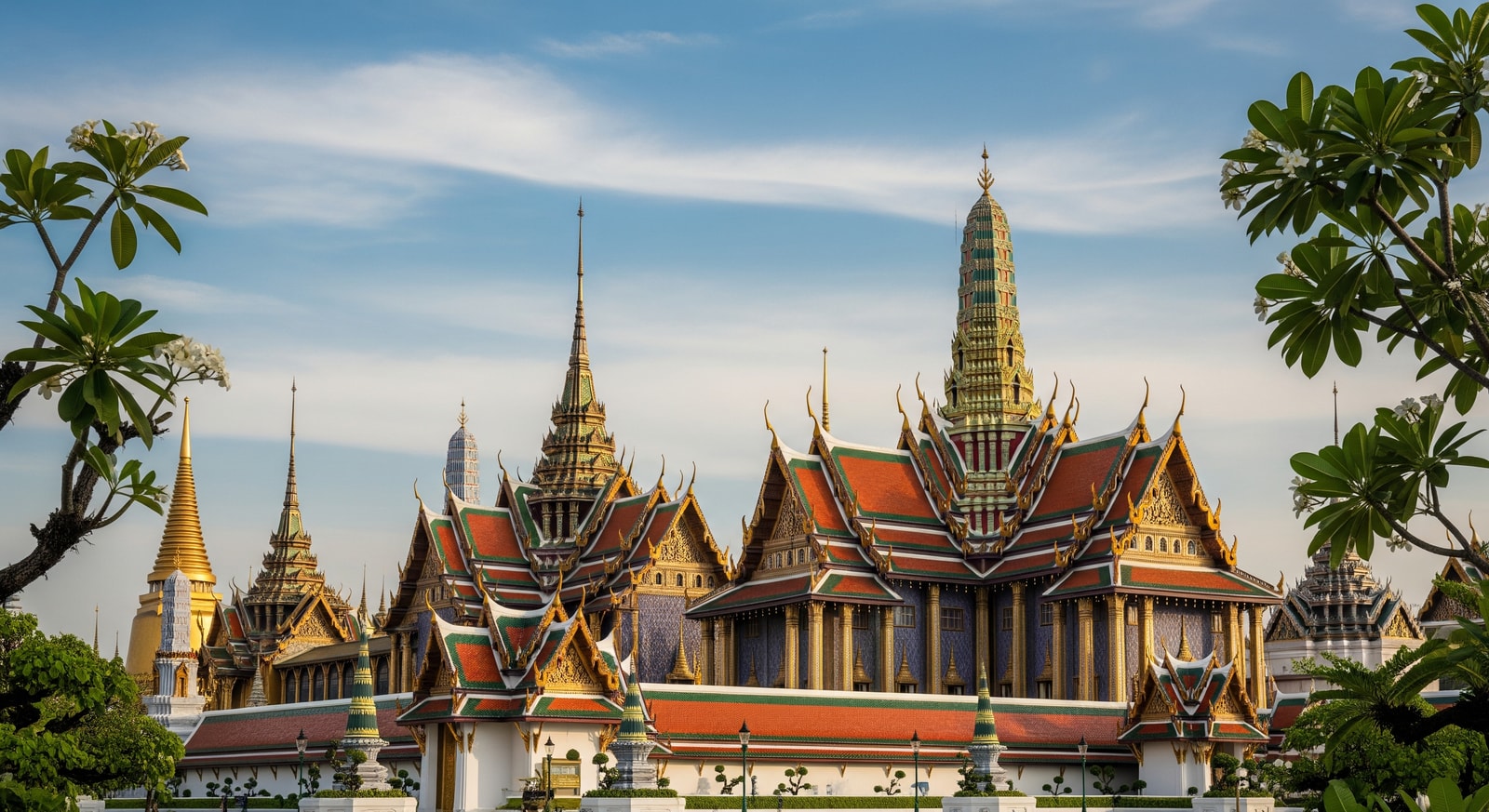
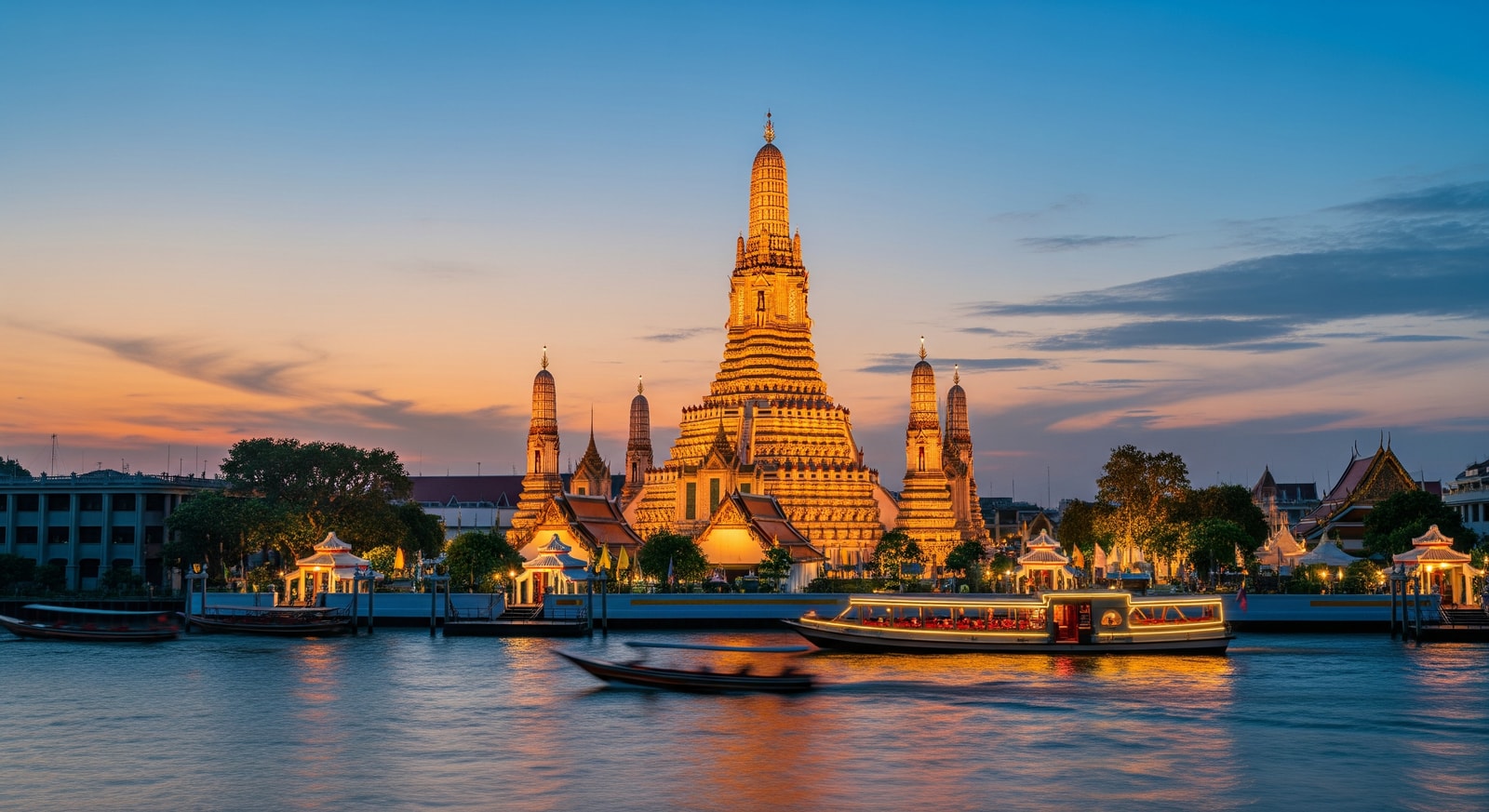
Must-see attractions in Bangkok include the Grand Palace and Wat Phra Kaew (Temple of the Emerald Buddha), Wat Pho (Temple of the Reclining Buddha), Wat Arun (Temple of Dawn), Khao San Road for backpacker culture, and the vibrant weekend markets at Chatuchak. Allow at least 3-5 days to experience Bangkok's highlights.
Phuket: Island Paradise
Phuket is Thailand's largest island and most popular beach destination, located in the Andaman Sea. Known for its stunning beaches like Patong, Kata, and Karon, Phuket offers everything from vibrant nightlife to peaceful retreats. The island has its own international airport (HKT), making it easy to fly in directly.
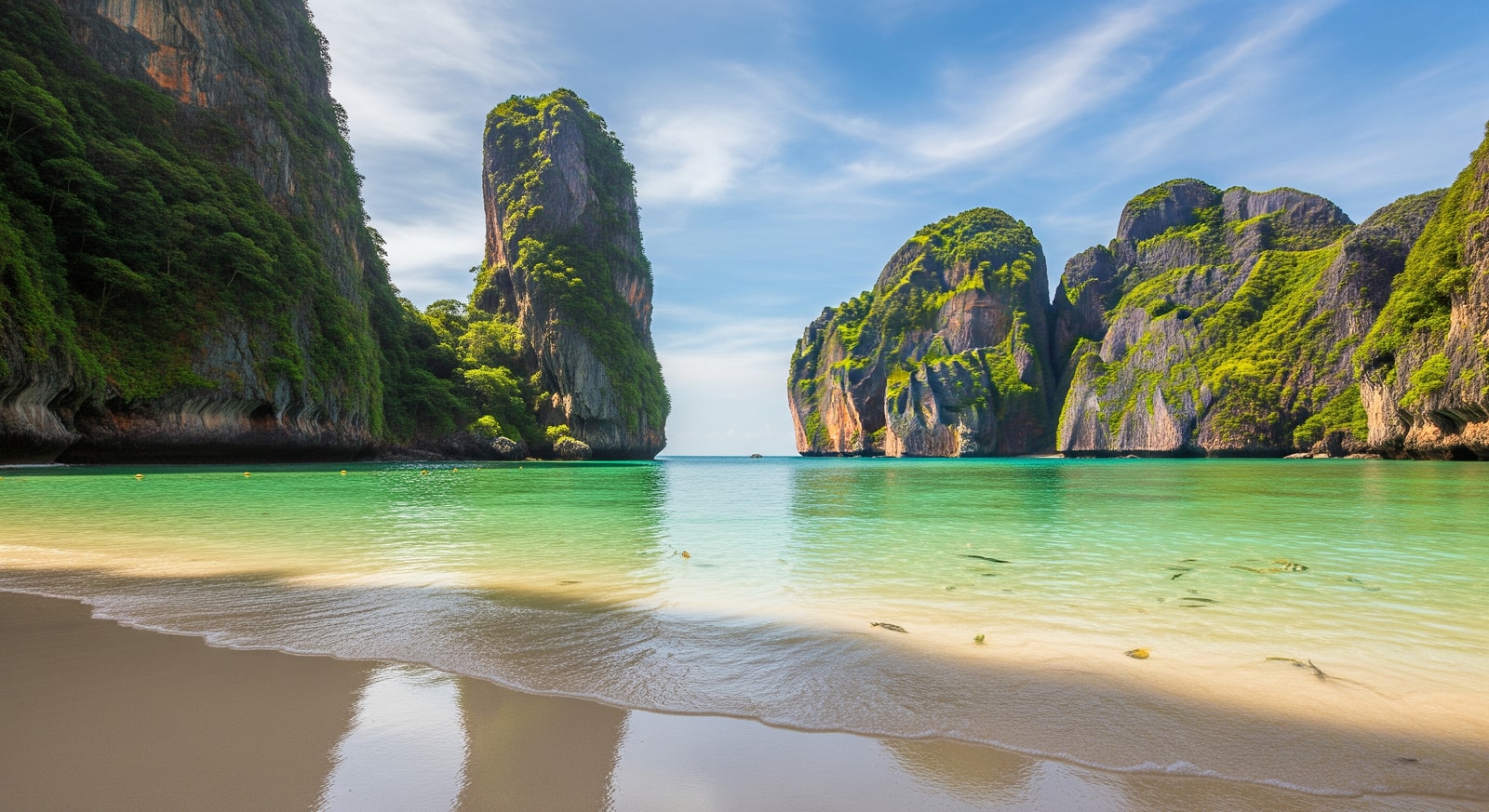
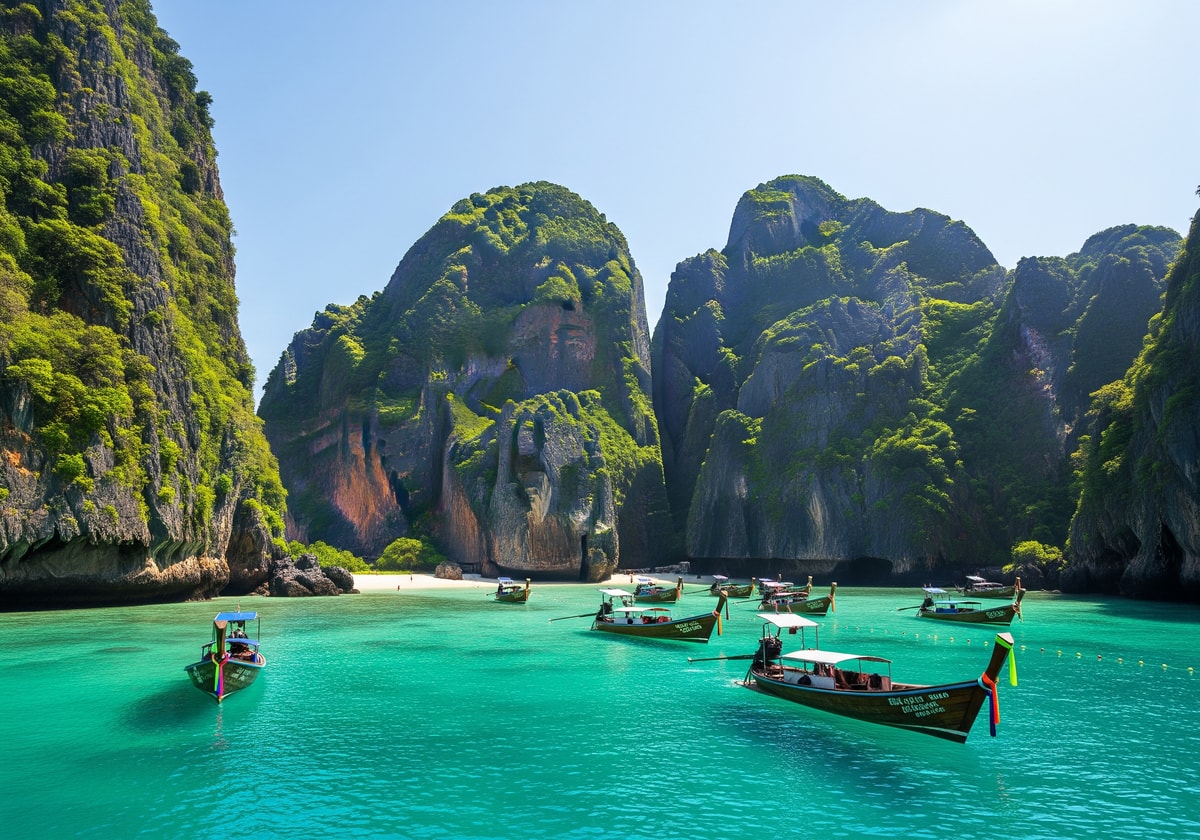
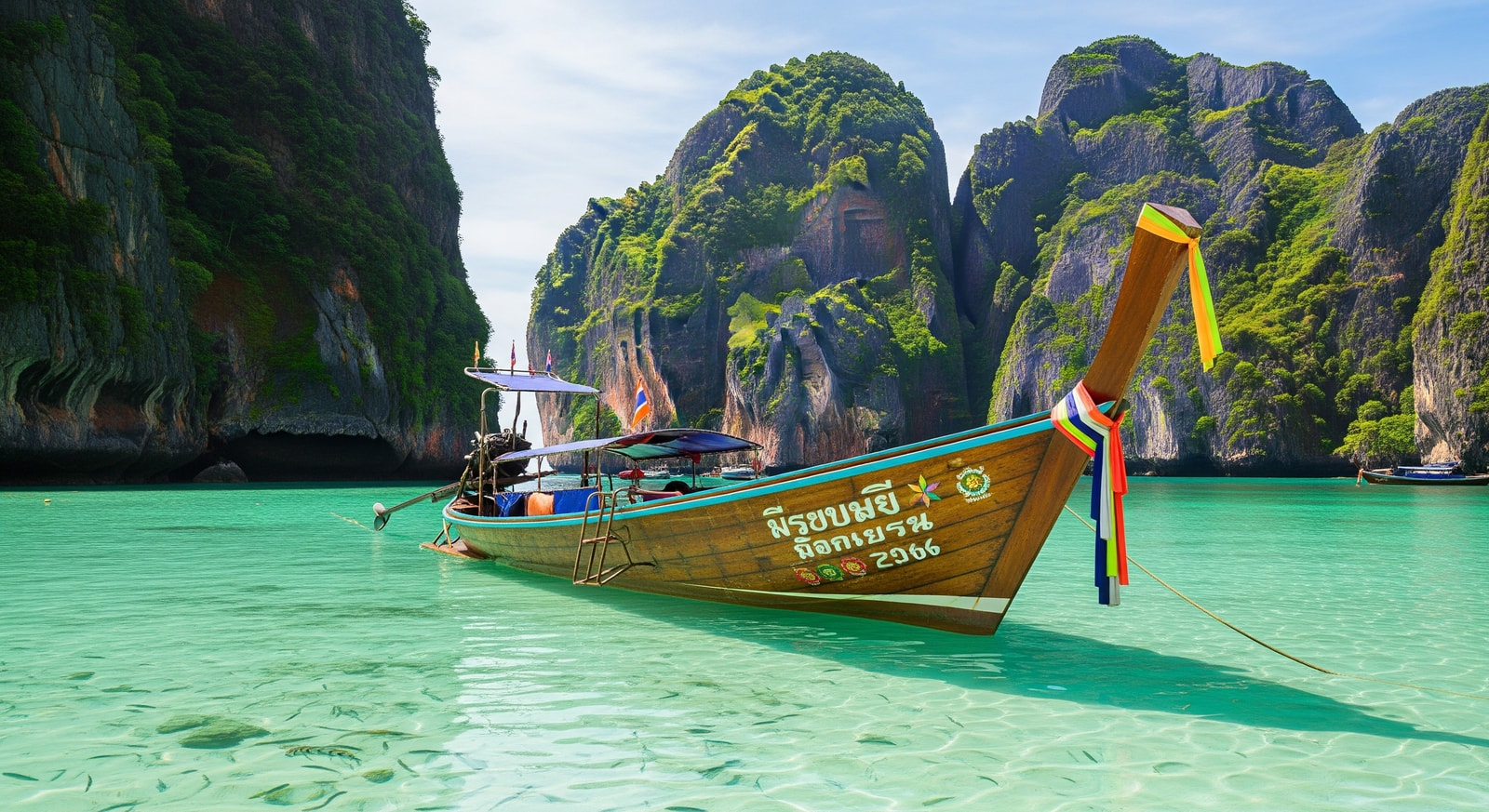
Phuket serves as an excellent base for exploring the surrounding islands including Phi Phi Islands, James Bond Island, and the Similan Islands. The area offers world-class diving, snorkeling, and beach activities. Most visitors spend 5-10 days in the Phuket region.
Chiang Mai: Cultural Heartland
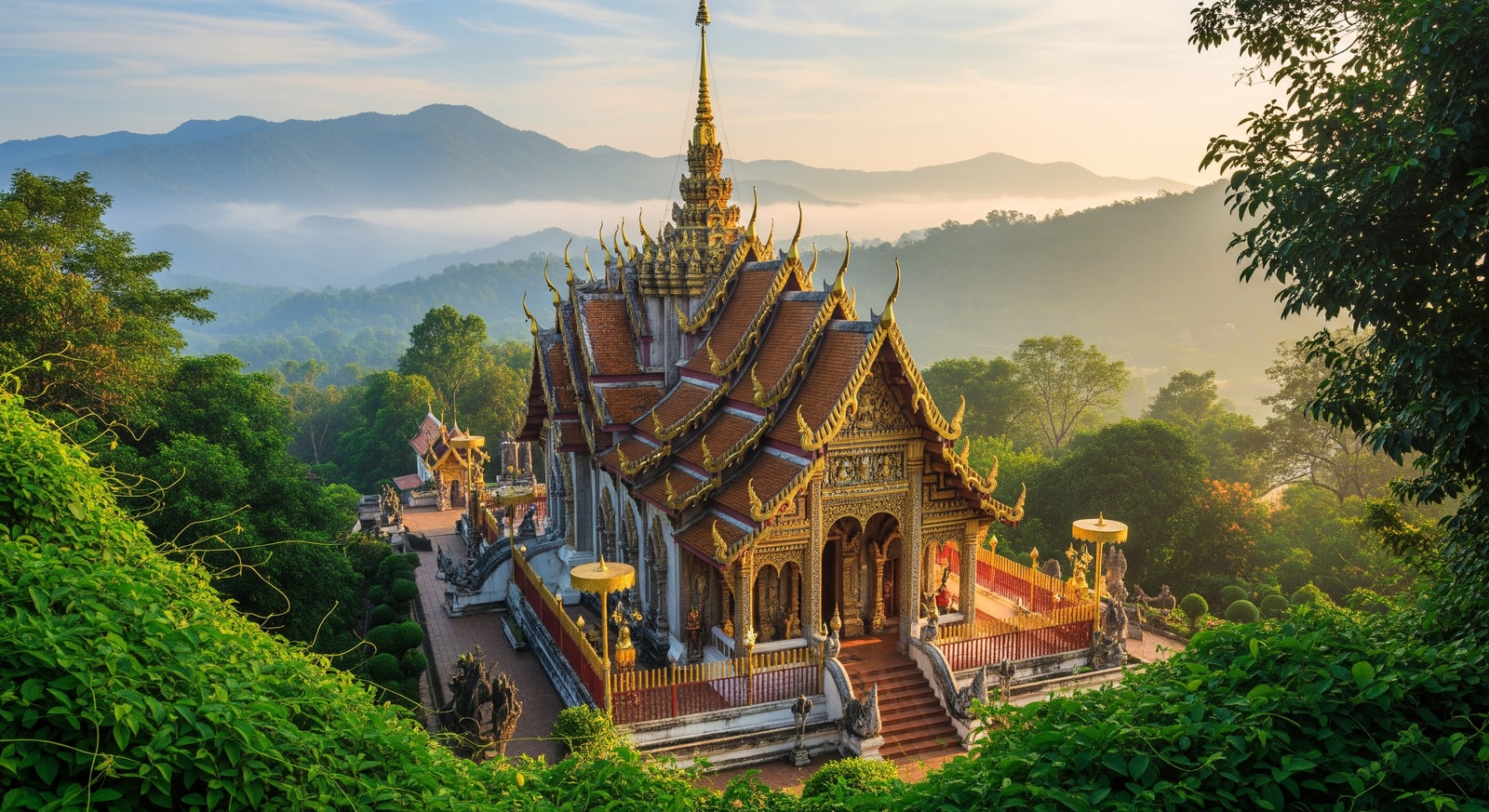
Chiang Mai, the largest city in northern Thailand, is renowned for its ancient temples, traditional crafts, and stunning mountain scenery. The city was once the capital of the independent Lanna Kingdom and retains a distinct cultural identity. Chiang Mai has become particularly popular with digital nomads and long-stay visitors due to its lower cost of living, excellent infrastructure, and welcoming atmosphere.
Highlights include the ancient walled city with over 300 temples, the famous Doi Suthep temple in the mountains, traditional cooking classes, ethical elephant sanctuaries, and the vibrant Sunday Walking Street Market. Nearby attractions include Pai (mountain town), Chiang Rai (White Temple), and various national parks. Plan 5-7 days for Chiang Mai and surroundings.
Thai Islands: Gulf and Andaman
Thailand's islands are divided between the Gulf of Thailand (east coast) and the Andaman Sea (west coast). Each offers unique experiences and attracts different types of travelers.
- Koh Samui: Gulf island with luxury resorts, beaches, and nightlife
- Koh Phangan: Famous for Full Moon Parties and yoga retreats
- Koh Tao: World-renowned diving and snorkeling destination
- Koh Phi Phi: Stunning Andaman islands with dramatic limestone cliffs
- Koh Lanta: Laid-back Andaman island for families and relaxation
- Koh Lipe: Remote southern island with pristine beaches
- Koh Chang: Large island near Cambodia with jungle and beaches

Common Myths About Thailand Visas
There are many misconceptions about Thailand's visa system that can lead to confusion and even problems at immigration. Let us dispel some of the most common myths:
You can stay in Thailand indefinitely by doing visa runs every 30 days
Thailand has cracked down on perpetual tourists who repeatedly exit and re-enter to reset their stay. Immigration officers track entry patterns and may deny entry to those suspected of living in Thailand without proper visas. Land border entries are now limited for some nationalities, and repeated short stays can raise red flags. For extended stays, apply for appropriate long-term visas.
Visa on Arrival is available to all nationalities
Only citizens of approximately 19 specific countries are eligible for Thailand's Visa on Arrival. Most Western countries have visa exemption instead, which actually offers longer stays (60-90 days vs 15-30 days for VOA). If you are from a visa-exempt country, you do not need and cannot get a VOA - you simply enter visa-free.
You can work remotely in Thailand on a tourist visa without any issues
Technically, any work - including remote work for foreign employers - requires a work permit in Thailand. While enforcement for digital nomads is currently relaxed, you should be aware of the legal situation. Thailand has introduced the Long-Term Resident (LTR) visa which specifically allows remote work. For extended digital nomad stays, consider appropriate visa options.
Overstaying your visa is no big deal - you just pay a fine at the airport
While short overstays do result in fines (500 THB per day up to 20,000 THB max), serious consequences apply for longer overstays. Overstays of more than 90 days can result in detention, deportation, and bans from re-entering Thailand ranging from 1 to 10 years depending on the length of overstay. If caught during a random check while overstaying, penalties are even more severe. Always extend or exit before your visa expires.
Expert Tips for a Smooth Thailand Visit
After helping thousands of travelers obtain their Thailand visas, our team at DoVisa has compiled essential tips to ensure your visit goes smoothly:
- Apply for your visa early: Submit your visa application at least 4-6 weeks before travel to account for processing delays or additional document requests
- Book refundable accommodations: Until your visa is approved, use flexible bookings that can be cancelled if needed
- Prepare financial proof properly: Bank statements should show consistent balances over 3-6 months, not sudden deposits
- Use quality passport photos: Many rejections occur due to poor-quality photos. Use professional services or ensure your photos meet exact specifications (4x6 cm, white background, no glasses)
- Keep digital copies: Store scans of all important documents (passport, visa, travel insurance, hotel bookings) in cloud storage and email
- Arrive with Thai Baht: Having local currency makes visa on arrival and initial expenses easier. Major airports have exchange booths
- Register your trip: Consider registering with your home country's embassy in Thailand for safety updates and emergency assistance
- Get travel insurance: While not always mandatory, comprehensive travel insurance that covers medical emergencies and evacuation is strongly recommended
- Know immigration office locations: If planning a long stay, research nearby immigration offices for extensions before you need them
- Respect local customs: Thailand takes respect for the monarchy very seriously. Familiarize yourself with local customs and laws before arrival
Download Essential Apps Before Travel
Grab (ride-hailing), LINE (messaging - widely used in Thailand), Google Translate (with Thai language downloaded offline), Agoda or Booking.com (hotels), XE Currency, and your airline app for mobile boarding passes.
Frequently Asked Questions
Do I need a visa to visit Thailand in 2026?
How long can I stay in Thailand with a tourist visa?
What is the difference between visa exemption and visa on arrival?
Can I extend my Thailand visa exemption?
What documents do I need for a Thailand Tourist Visa?
How long does it take to get a Thailand e-Visa?
Can I enter Thailand by land with a tourist visa?
What happens if I overstay my visa in Thailand?
Do I need proof of onward travel to enter Thailand?
How much money do I need to show for Thailand entry?
Can I work in Thailand with a tourist visa?
Is the Thailand e-Visa the same as the regular tourist visa?
What is the Thailand Pass and do I still need it?
Can I apply for a Thailand visa if I have a criminal record?
Which is better: applying through the embassy or using the e-Visa system?
How far in advance should I apply for a Thailand tourist visa?
What airports in Thailand can I enter through?
Can I get a multiple-entry tourist visa for Thailand?
Is travel insurance required for Thailand?
What is the best time to visit Thailand?
Do children need their own visa for Thailand?
Can I convert a tourist visa to a different visa type while in Thailand?
Start Your Thailand Adventure Today
Thailand continues to enchant visitors with its perfect blend of ancient traditions and modern conveniences, stunning natural beauty, and legendary hospitality. Whether you dream of exploring Bangkok's magnificent temples, relaxing on Phuket's pristine beaches, discovering Chiang Mai's cultural treasures, or island-hopping through the Thai archipelago, the Land of Smiles awaits.
With the right visa in hand, you can focus on what matters most - creating unforgettable memories. DoVisa has helped over 50,000 travelers successfully obtain their Thailand visas, and our team of experts is ready to assist you too. From document review to application support, we make the visa process simple and stress-free.
Ready to Visit Thailand?



Comments(16)
Leave a Comment
This is the most comprehensive Thailand visa guide I've found! I was planning a 45-day trip and wasn't sure if I needed a tourist visa or could use the visa exemption. Now I know the 60-day exemption covers me perfectly. Thanks for the detailed breakdown!
Just got back from 3 months in Thailand using the TR visa with the 30-day extension. The extension process at Chaeng Wattana in Bangkok was surprisingly smooth - arrived at 8am, was out by 11am. Bring all documents mentioned here plus extra copies!
Quick question - I'm British and planning to visit Thailand, then Cambodia, then return to Thailand. Do I need a multiple entry visa or can I use visa exemption twice?
The myth-busting section is so important! I know people who got banned for doing constant visa runs thinking it was fine. Thailand has really cracked down on this. Get proper visas people!
I used the e-Visa system through DoVisa for my trip to Bangkok and Phuket. Super easy process - uploaded my documents on Monday, had my visa approved by Wednesday. Much better than dealing with the embassy!
Is it true that immigration can refuse entry even if you have a valid visa? I've heard stories about people being turned away at Suvarnabhumi.
The section on Thai islands is great! Just spent 2 weeks island hopping - Koh Samui, Koh Phangan, and Koh Tao. Each island has such different vibes. Koh Tao for diving was absolutely incredible.
As a Brazilian, I was happy to learn we get 90 days visa-free! That's plenty of time to see Bangkok, the north, and the islands. Planning my first Thailand trip for February - any tips for that time of year?
The comparison tables are really helpful for understanding the different visa options at a glance. I've bookmarked this page for my upcoming Thailand trip planning!
Can someone clarify the financial requirements? Do I need to show 20,000 THB in cash or can I show my bank card and account balance?
Japanese passport holder here. The 90-day visa exemption is amazing! I've been spending winters in Chiang Mai for the past 3 years. The digital nomad community there is fantastic. Just remember - even though we get 90 days, we technically shouldn't be working on tourist entry.
The tip about arriving early at immigration offices for extensions is gold. I went to the Phuket office at 7:30am and was one of the first in line. Finished by 10am while people who arrived at 9am were still waiting when I left!
This article cleared up so much confusion for me. I thought Visa on Arrival was available to everyone - didn't realize most countries have visa exemption instead which is actually better. Knowledge is power!
Planning a honeymoon in Thailand - 2 weeks split between Bangkok, Chiang Mai, and a beach resort in Krabi. This guide confirmed we just need our passports and return tickets as US citizens. So excited!
The section about overstay penalties is crucial reading. A friend got a 3-year ban after overstaying for 4 months - he thought he could just pay a fine and it would be fine. Don't make this mistake!
As an Indian passport holder, this guide was super helpful. Good to know about the VOA option for 15 days, but for my 3-week trip, I'll apply for the e-Visa to avoid any hassles at the airport. Thanks DoVisa!