PNG Digital Arrival Card completion must now be verified by airlines before passengers receive boarding passes for flights to Papua New Guinea, under a new ICSA instruction.
Papua New Guinea’s Immigration and Citizenship Services Authority has told airlines and ground handlers to check PNG Digital Arrival Card completion before issuing boarding passes for international flights to the country.
Airlines must verify the PNGDAC at check-in
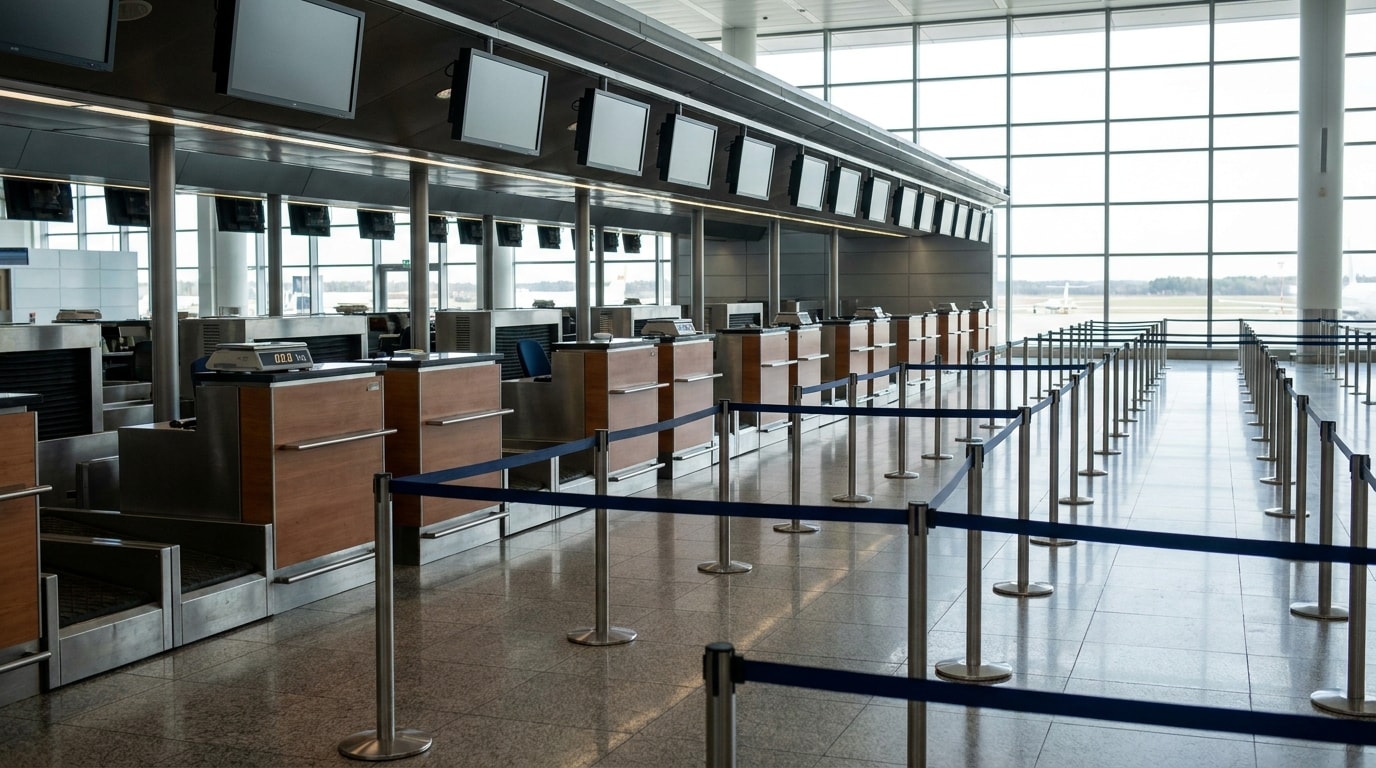
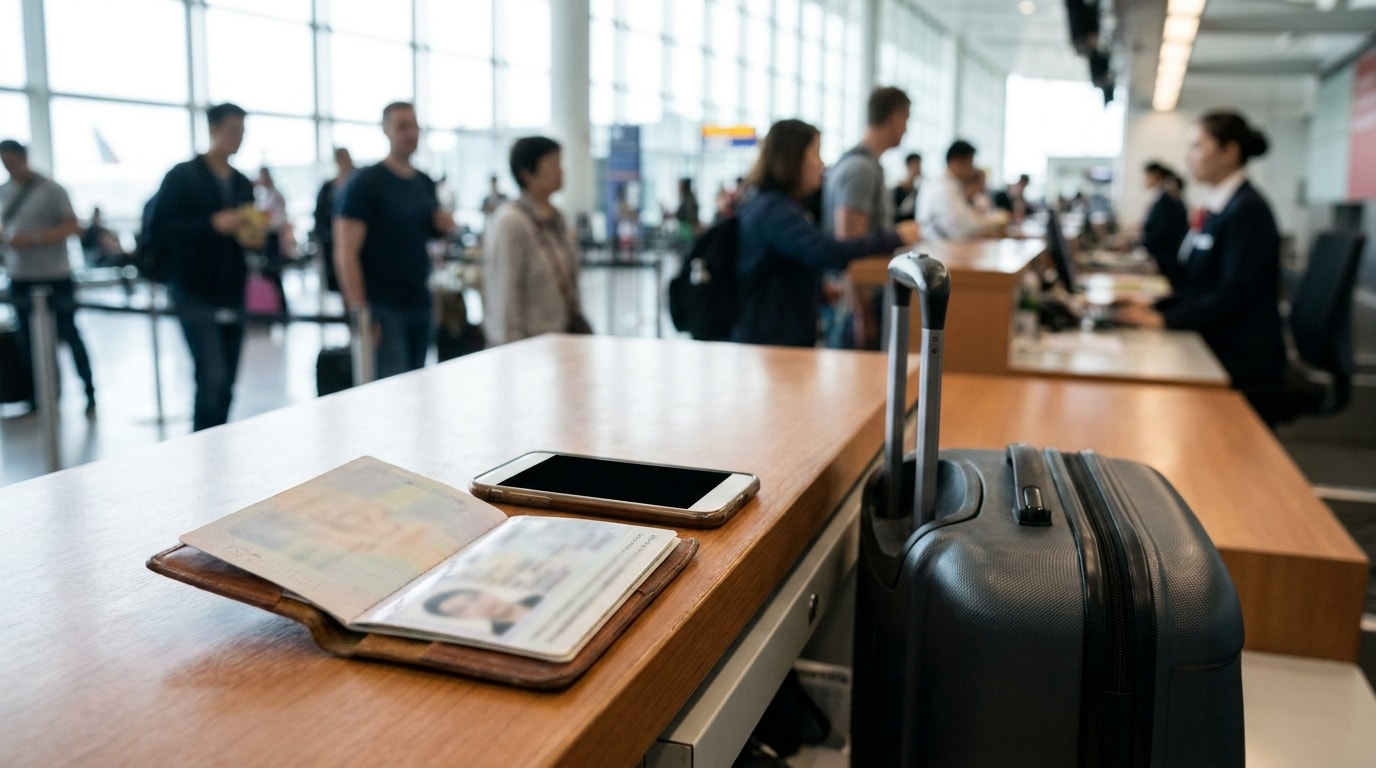
Passengers flying to Papua New Guinea now need to complete the PNG Digital Arrival Card, or PNGDAC, before they can be cleared for boarding. The Immigration and Citizenship Services Authority (ICSA) issued the instruction in a notice dated August 6, 2026, requiring international airlines, ground handling agents and check-in staff to confirm that travellers have submitted the digital declaration before a boarding pass is issued.
The change moves enforcement from the arrivals hall in Port Moresby to the passenger’s departure airport. The PNGDAC was introduced on October 1, 2025, as Papua New Guinea’s digital replacement for the paper Incoming Passenger Card. Until now, authorities had promoted pre-arrival completion as a way to make immigration processing faster, but it was not consistently treated as a document that had to be checked before departure.
What travellers must submit before arrival
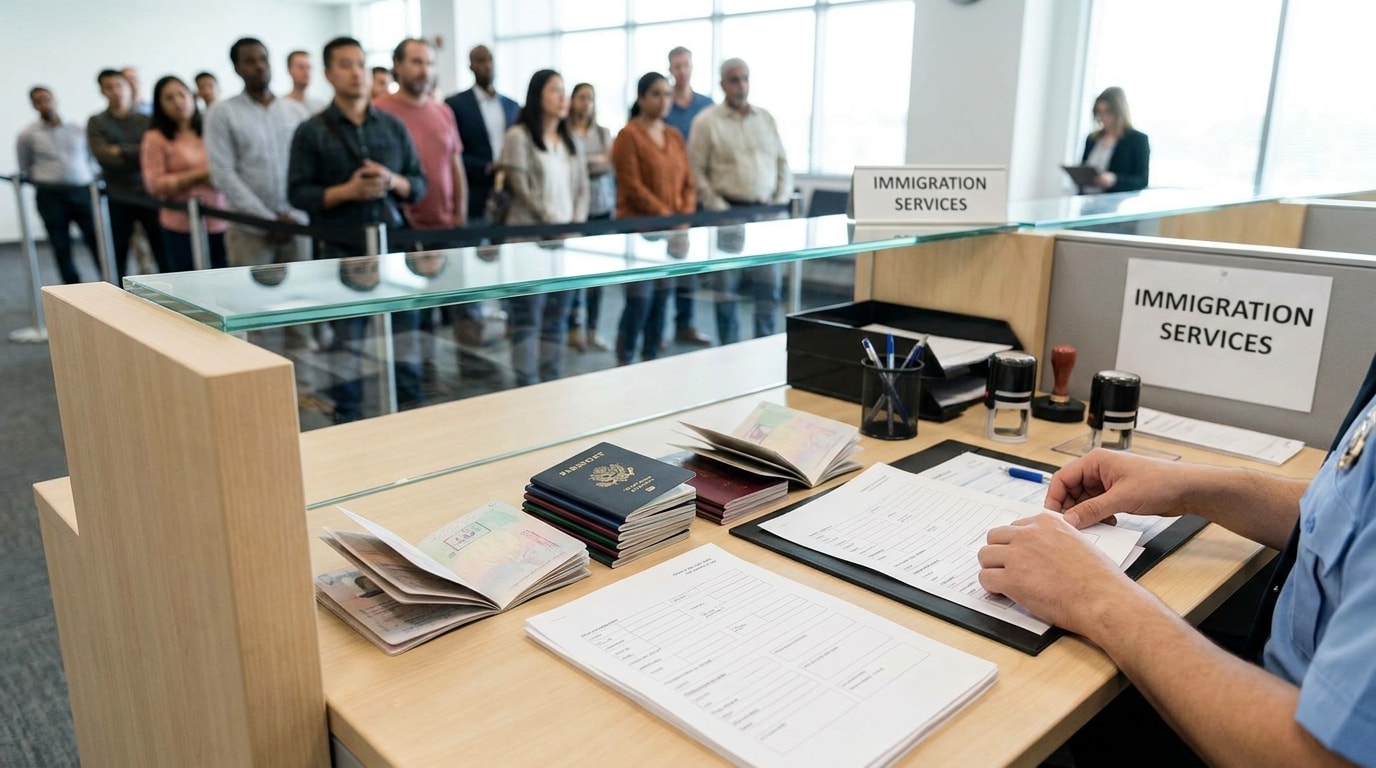
The form may be submitted up to 72 hours before arrival in Papua New Guinea. It asks for personal information, flight details, and declarations related to customs, biosecurity and public health. Once submitted, the system generates a digital receipt. Travellers should keep that receipt available, either on a mobile device or as a printed copy, and be ready to present it with their passport at immigration.
If a passenger needs to correct or update information after submitting the form, changes can be made until the traveller reaches the immigration counter. Where more than one declaration has been filed for the same person, Papua New Guinea authorities will rely on the most recent submission.
PNGDAC is separate from visa permission
The PNG Digital Arrival Card does not replace a visa and does not grant permission to enter Papua New Guinea. Travellers who need a visa must still obtain one through the relevant visa process. Papua New Guinea operates an eVisa portal for online tourist and business visa applications.
Citizens of several countries, including Australia, New Zealand, the United States, the United Kingdom, Canada, Japan, Singapore and most European Union member states, may use the streamlined Easy Visitor Permit. The EVP costs $50 and is generally processed within 24 to 72 hours. A smaller group of nationalities, mainly from Pacific Island states, remains eligible for visa on arrival. Other travellers must arrange an eVisa or an embassy-issued visa before they depart.
- A completed PNGDAC is required regardless of nationality.
- Papua New Guinean citizens, permanent residents, foreign visitors and transit passengers are included.
- Children and infants each need a declaration.
- The portal allows one group submission covering multiple travellers.
- The requirement applies regardless of visa type, visa exemption or visa-on-arrival eligibility.
No airside transit exemption at Port Moresby
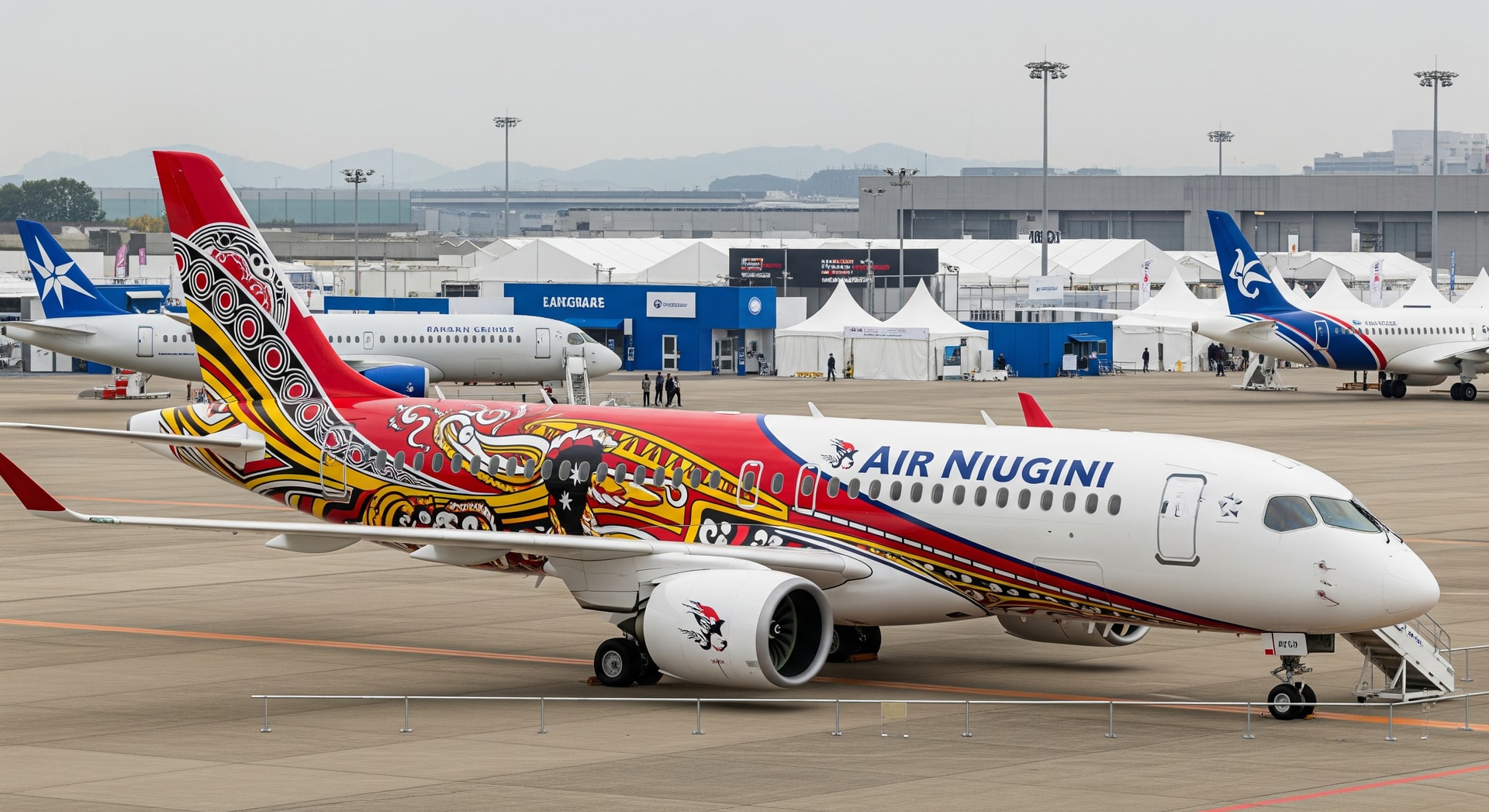
Air Niugini, Papua New Guinea’s national airline, has also reminded passengers that the declaration is compulsory and has advised travellers to complete it within the 72-hour window to reduce the risk of check-in or arrival delays. The airline has confirmed that transit passengers are not exempt, even if they remain airside and do not leave the terminal.
At present, the digital system applies to air passengers arriving at Jacksons International Airport in Port Moresby. Travellers entering Papua New Guinea by land or sea are not yet covered by the PNGDAC system. Kiosks remain available at Port Moresby for passengers who need to complete the declaration on site, but the new airline-level checks mean travellers should treat pre-departure completion as the standard procedure.
Missing the form may disrupt boarding
ICSA has not set out detailed penalties in the notice, but the practical consequence is clear: passengers who reach check-in without a completed PNGDAC may be delayed or may not receive a boarding pass until the form is filed. It can still be completed at the airport through the online portal on a personal device, though leaving it until check-in could create queues or increase the chance of missing a flight.
For travellers and airlines, the rule turns the PNGDAC into a document that must be prepared alongside passports, visas and tickets. Completing the declaration early should help passengers avoid last-minute problems and gives carriers a clearer role in Papua New Guinea’s arrival screening process.
Sources