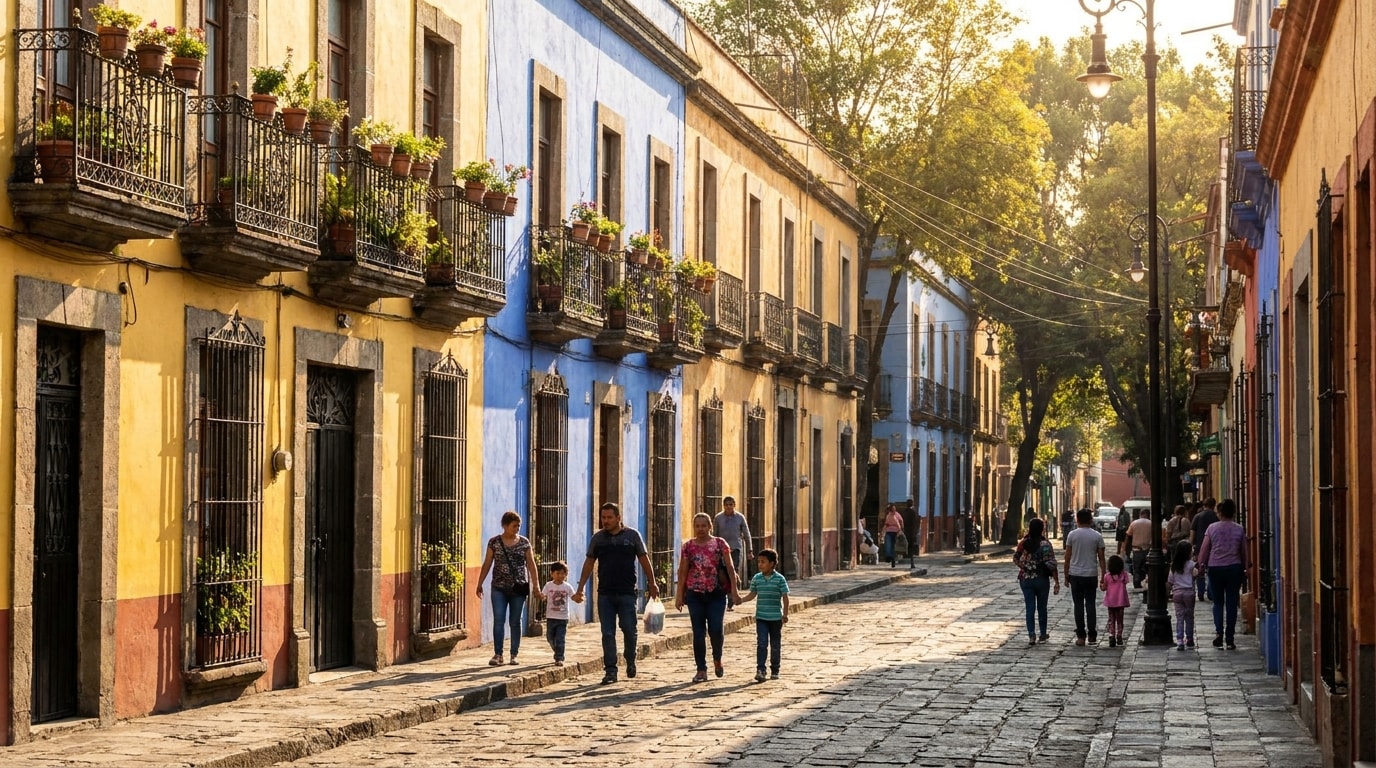
Mexico child travel rules now require tourism providers to check documents linking adults with accompanying minors, including at hotels in destinations such as Cancún, Tulum and Mexico City.
Families visiting Mexico should be ready for additional document checks at hotels and other tourism businesses under a child-protection decree that took effect nationwide on November 14, 2026.
New checks now apply across Mexico’s tourism sector
Mexico has introduced stricter documentation controls for adults traveling with children, affecting accommodation check-ins and other tourism services across the country. The change follows a decree published on November 13, 2026, in the Diario Oficial de la Federación, the Mexican government’s official gazette.
The decree amended Mexico’s General Tourism Law, known as the Ley General de Turismo, and entered into force the next day, November 14. It applies nationally, including in major visitor destinations such as Cancún, Playa del Carmen, Tulum and Mexico City.
The reform adds two new provisions, X Bis and X Ter, to Article 58 of the law. These provisions require tourism service providers to adopt preventive measures designed to detect possible offenses that could put children and adolescents at risk.
In practical terms, tourism businesses must ask adults accompanied by minors to show official documents proving the adult’s relationship to the child or the adult’s legal authority over the child before providing services. The rule applies whether the service is arranged in person or online, and it is not limited to hotels.
- Proof of a family relationship between the adult and the minor, where relevant.
- Evidence that the adult has parental authority over the child.
- Documents showing legal guardianship or custody arrangements, where applicable.
- Age verification when it is relevant to the service or situation.
If the required documentation is not provided, the decree instructs the tourism service provider to deny service and alert the appropriate investigative authorities to a possible offense. Mexican authorities have framed the measures as part of broader efforts to prevent and combat violence, abuse and sexual exploitation of minors in the tourism industry.

Recommended paperwork varies by family situation
Although the new legal duty is clear, the decree does not set out a complete list of acceptable documents. That gap has already led travel industry professionals to advise families to bring extra paperwork to reduce the risk of disruption during a trip.
French travel industry publication TourMaG reported on November 19 that tour operators had started informing customers traveling with children about the new rules and suggesting supporting documents. The recommendations depend on who is accompanying the minor.
- Children traveling with both parents: operators recommend carrying the child’s passport and a birth certificate showing the parent-child relationship.
- Children traveling with one parent: operators recommend the child’s passport, a birth certificate and a written consent letter from the other parent.
- Children traveling with an adult who is not a parent: operators recommend the child’s passport, a birth certificate and written authorization from the parents or legal guardians.
Those recommendations are not the same as explicit requirements in the Mexican decree. The law does not specifically state that a birth certificate or a consent letter from the other parent must be presented. Instead, it requires proof of the family link or proof of the accompanying adult’s legal status in relation to the child.
Several practical questions remain unanswered. The decree does not clarify whether documents issued abroad must be translated into Spanish, shown as originals or accompanied by official certification. It is also unclear how tourism providers should assess cases where a child is traveling with an adult who does not have parental authority, guardianship or custody rights, or whether a parental consent letter alone would be enough.
International families should check before departure
For travelers from the United States, Canada, the United Kingdom, Australia and other countries, the change adds another planning step for family trips to Mexico. It does not create a new visa requirement or a separate entry permit for children. Instead, the checks are carried out by tourism service providers, especially accommodation providers.
Families must still comply with any rules in their country of departure for minors traveling internationally. Depending on the country and family circumstances, those rules may already require a parental consent letter or proof of legal guardianship when a child is traveling without one or both parents.
However, meeting departure requirements at home does not necessarily guarantee that a Mexican hotel or tourism provider will accept the same documents. Until Mexican authorities publish more detailed guidance, families are advised to travel with documents proving their relationship with the children accompanying them or their legal authority over them.
Travelers should also contact their hotel or tour operator before leaving to confirm which documents will be accepted and whether any additional paperwork is expected. Because the legislation is already in effect, families with Mexico bookings made before November 14, 2026, may still face the new checks during upcoming stays.
The immediate impact is likely to be felt at check-in desks and by tour operators handling family bookings. Preparing proof in advance should help families avoid delays, refused service or referrals to authorities while the industry waits for clearer implementation rules.
Sources