Saudi tourist e-Visa eligibility now includes four additional nationalities, giving more travellers access to online applications and visa-on-arrival options for leisure visits.
Saudi Arabia has added Bosnia and Herzegovina, Mexico, North Macedonia and Serbia to its tourist e-Visa eligibility list, expanding the program to 72 countries.
Four nationalities added to Saudi e-Visa access
Saudi Arabia has widened access to its electronic tourist visa system, making it easier for travellers from four additional countries to visit the kingdom. In an announcement dated November 5, 2026, Saudi authorities confirmed that citizens of Bosnia and Herzegovina, Mexico, North Macedonia and Serbia are now eligible for the tourist e-Visa program.
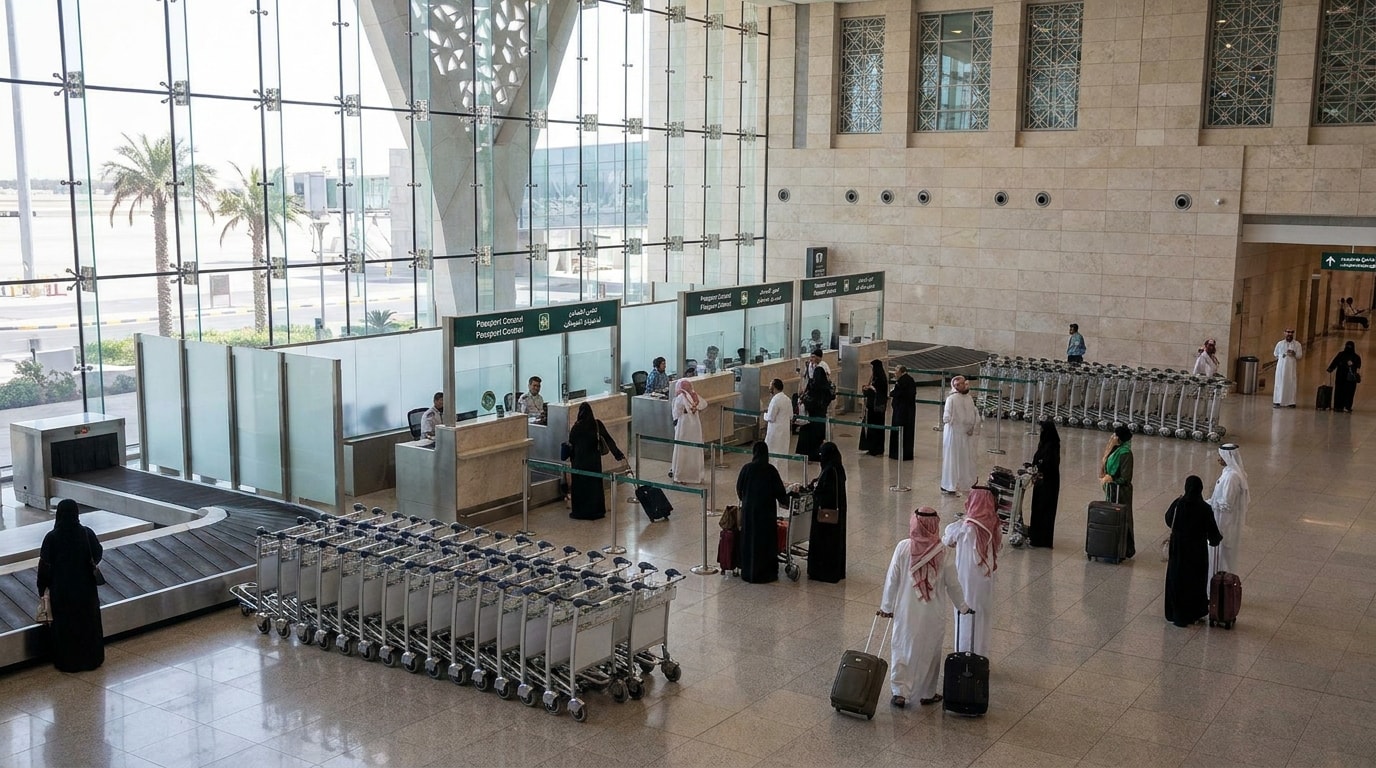
The change means nationals of those countries no longer necessarily need to use an embassy or consulate route for a Saudi tourist visa. They may apply online before departure through the official government tourist visa platform, or seek a visa on arrival at a Saudi port of entry, provided they meet the relevant conditions.
Saudi Arabia launched its tourist e-Visa in 2019 as part of a wider effort to develop international tourism. The latest additions have already been reflected in the official list of countries allowed to use the online visa service.
- Bosnia and Herzegovina
- Mexico
- North Macedonia
- Serbia
With the four new countries included, Saudi Arabia’s tourist e-Visa program now covers 72 nationalities. Existing eligible countries include the United States, Canada, the United Kingdom, France and many other nations across Europe and Asia.

Visa remains valid for one year with stay limits
The Saudi tourist e-Visa is generally issued for one year and allows multiple entries. Visitors may remain in the country for up to 90 days in total. For holders of multiple-entry visas, the 90-day allowance is cumulative across all visits and does not restart each time the traveller enters Saudi Arabia.
Saudi authorities state that tourist visas cannot be extended. Travellers may only apply for a new visa after the current one has expired. A valid visa also does not automatically guarantee admission, as entry remains subject to approval by Saudi authorities at the border.
The tourist visa may be used for leisure and sightseeing, attending cultural, sporting and entertainment events, taking part in exhibitions, trade shows and conferences, visiting relatives or friends, and performing Umrah outside the Hajj season.
It does not permit paid work and cannot be used for the Hajj pilgrimage, which is governed by separate visa and permit rules.
Applicants must meet passport and approval requirements
Travellers holding passports from any of the 72 eligible countries can submit a tourist e-Visa application online. The process requires applicants to provide personal and passport details, pay the applicable visa fees and wait for the approved electronic visa to be sent by email.
Applicants must have a passport valid for at least six months from their intended date of entry into Saudi Arabia. The relevant fees are shown during the application process, and issuance remains subject to official approval.
Travellers who plan to use the visa-on-arrival route should verify that they satisfy all eligibility requirements before they board their flight to Saudi Arabia.
Mexican travellers gain a second e-Visa route
For Mexican citizens, the expansion creates an additional pathway to obtain a Saudi tourist visa without applying through an embassy or consulate. Mexico was already one of seven countries covered by Saudi Arabia’s Tourist Package Visa program, which authorities introduced in 2026.
That program allows eligible travellers to obtain an electronic visa when buying a travel package from approved providers, usually including transport and accommodation. With Mexico now added to the standard tourist e-Visa list, Mexican travellers can apply directly for a tourist e-Visa without needing to purchase a package.
Travellers from countries already eligible for Saudi Arabia’s tourist e-Visa and visa-on-arrival arrangements, including the United States, Canada and the United Kingdom, are not directly affected by this update. Their current tourist visa rules remain the same.
For travellers, the update reduces paperwork and adds flexibility when planning Saudi trips. For the tourism sector, it marks another step in the kingdom’s gradual expansion of international visitor access while keeping firm limits on length of stay and permitted activities.
Sources