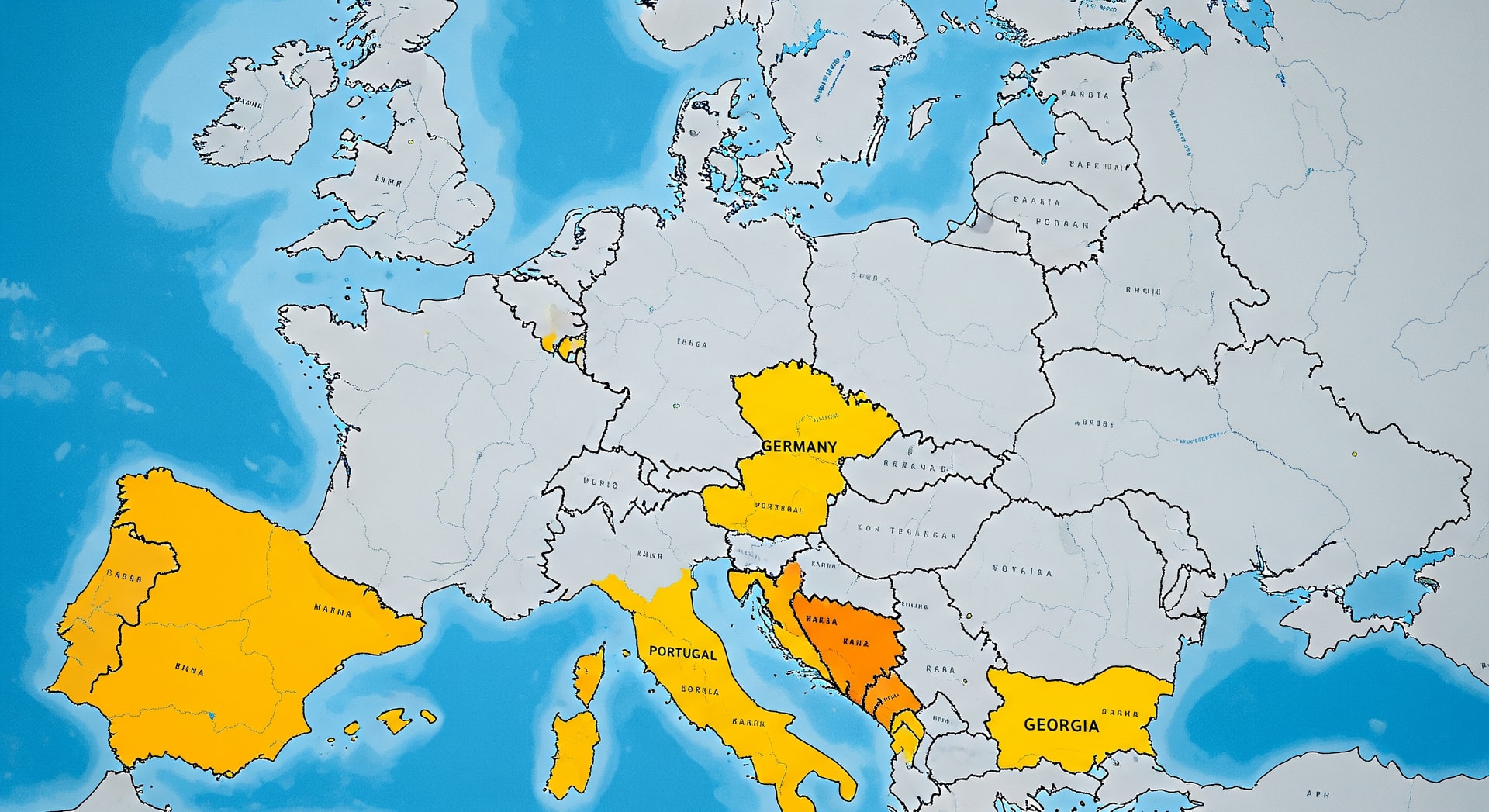
Serbia is now visa-free for Indian passport holders, joining Albania, Bosnia and Herzegovina, Montenegro, Georgia, Macedonia and Kosovo as accessible European destinations.
Summary: Serbia now offers visa-free entry to Indian passport holders, joining Albania, Bosnia and Herzegovina, Montenegro, Georgia, Macedonia (North Macedonia) and Kosovo — opening easier access to the Balkans and the Caucasus for Indian travellers.
Indian passport holders can now travel to Serbia without a visa, expanding a short list of European countries that already grant visa-free entry to Indians. Alongside Albania, Bosnia and Herzegovina, Montenegro, Georgia, Macedonia (officially North Macedonia) and Kosovo, Serbia joins a cluster of lesser-known European destinations offering straightforward access and a wide range of cultural and natural attractions.
Serbia: History, Nature and Urban Energy
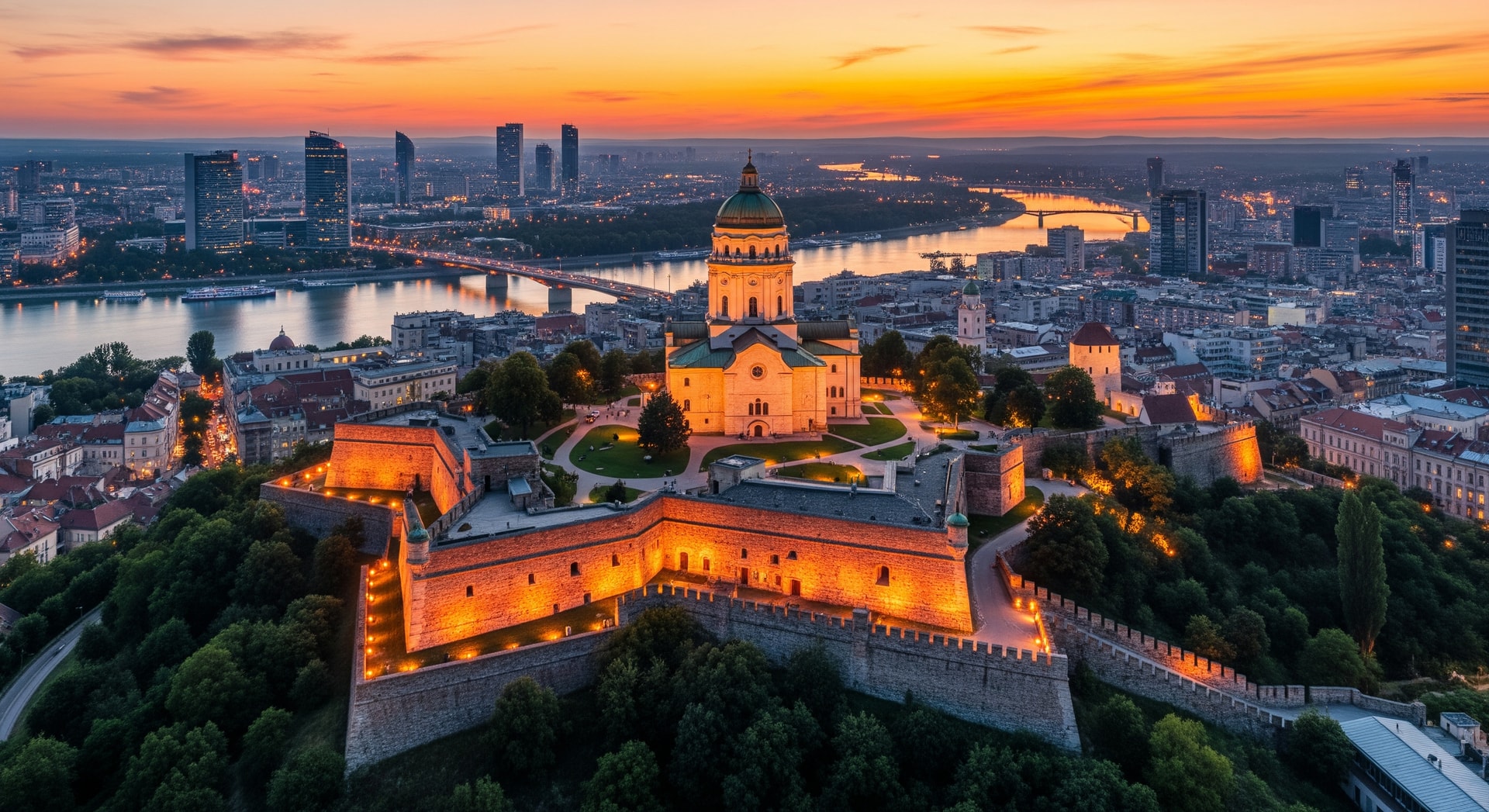
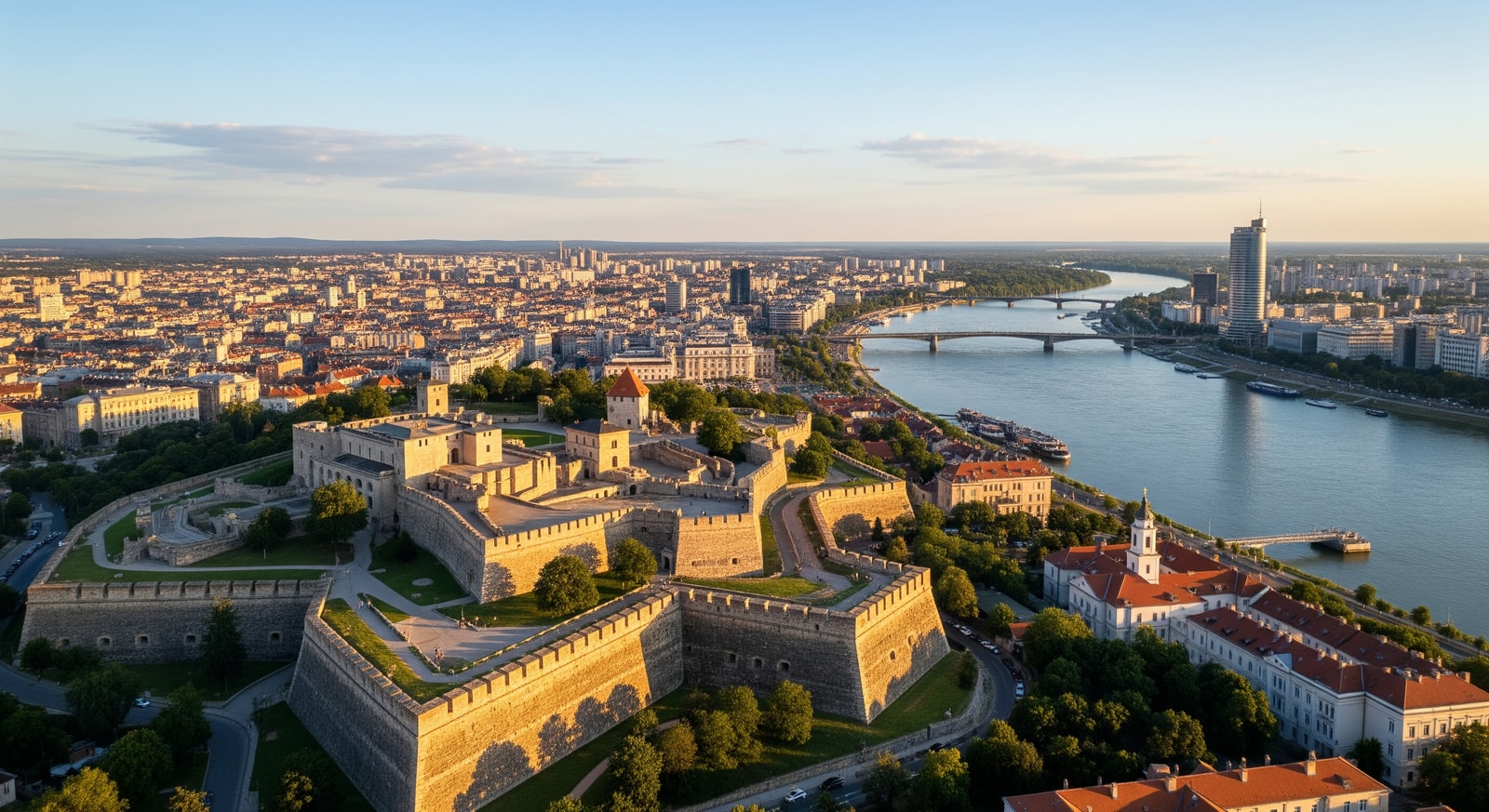
Situated in Southeast Europe, Serbia combines historical landmarks and varied landscapes that appeal to city visitors and outdoor enthusiasts alike. Belgrade, the capital, is known for its lively cultural scene and nightlife, while historical sites like Kalemegdan Fortress oversee the meeting point of the River Sava and the Danube.
- Belgrade: Dynamic capital with Kalemegdan Fortress and cultural venues
- Novi Sad: Home to Petrovaradin Fortress and the EXIT Festival
- Tara National Park: Noted for wildlife and scenic forests
- Studenica Monastery: A UNESCO World Heritage Site
Albania: Untapped Mediterranean Coastlines
Albania remains a relatively undiscovered Mediterranean destination with pristine beaches along the Ionian and Adriatic seas, well-preserved Ottoman towns and a growing capital city scene in Tirana. Coastal drives and archaeological sites add to the country’s appeal for those seeking an authentic seaside European experience.
Bosnia and Herzegovina: Culture and Outdoor Adventures
Bosnia and Herzegovina offers a layered cultural landscape where Ottoman and Austro-Hungarian influences meet Slavic traditions. Sarajevo’s historic bazaars and Mostar’s iconic Stari Most (Old Bridge) draw cultural travellers, while national parks and rivers make the country attractive for hiking, rafting and nature excursions.
Montenegro: Coastlines and Mountain Ranges
Though small in size, Montenegro packs a striking variety of scenery from the UNESCO-listed Bay of Kotor to beach resorts like Budva and the dramatic peaks of Durmitor National Park. The coastline and inland mountains provide ample options for both relaxation and outdoor activities.
Georgia: A Crossroads of Heritage and Landscape
Located where Europe meets Asia, Georgia is renowned for its mountainous scenery, ancient traditions and warm hospitality. Tbilisi blends historic architecture with a modern cultural scene, while regions such as Kakheti are famous for vineyards and centuries-old winemaking.
Macedonia (North Macedonia) and Kosovo: Lakes, History and New Horizons
North Macedonia is celebrated for the UNESCO-listed town of Ohrid and its scenic lake, while Skopje offers a mix of historic bazaars and modern monuments. Kosovo, a young nation with a growing tourism sector, presents cultural sites such as Decani Monastery and natural attractions like Rugova Canyon and Brezovica ski area.
Practical Takeaways for Travelers
The growing list of visa-free European options gives Indian travellers simpler entry to several Balkan and Caucasus countries. These destinations offer a mix of cultural heritage, outdoor activities and coastal retreats without the administrative burden of visa applications.
- Check passport validity and local entry requirements before booking travel
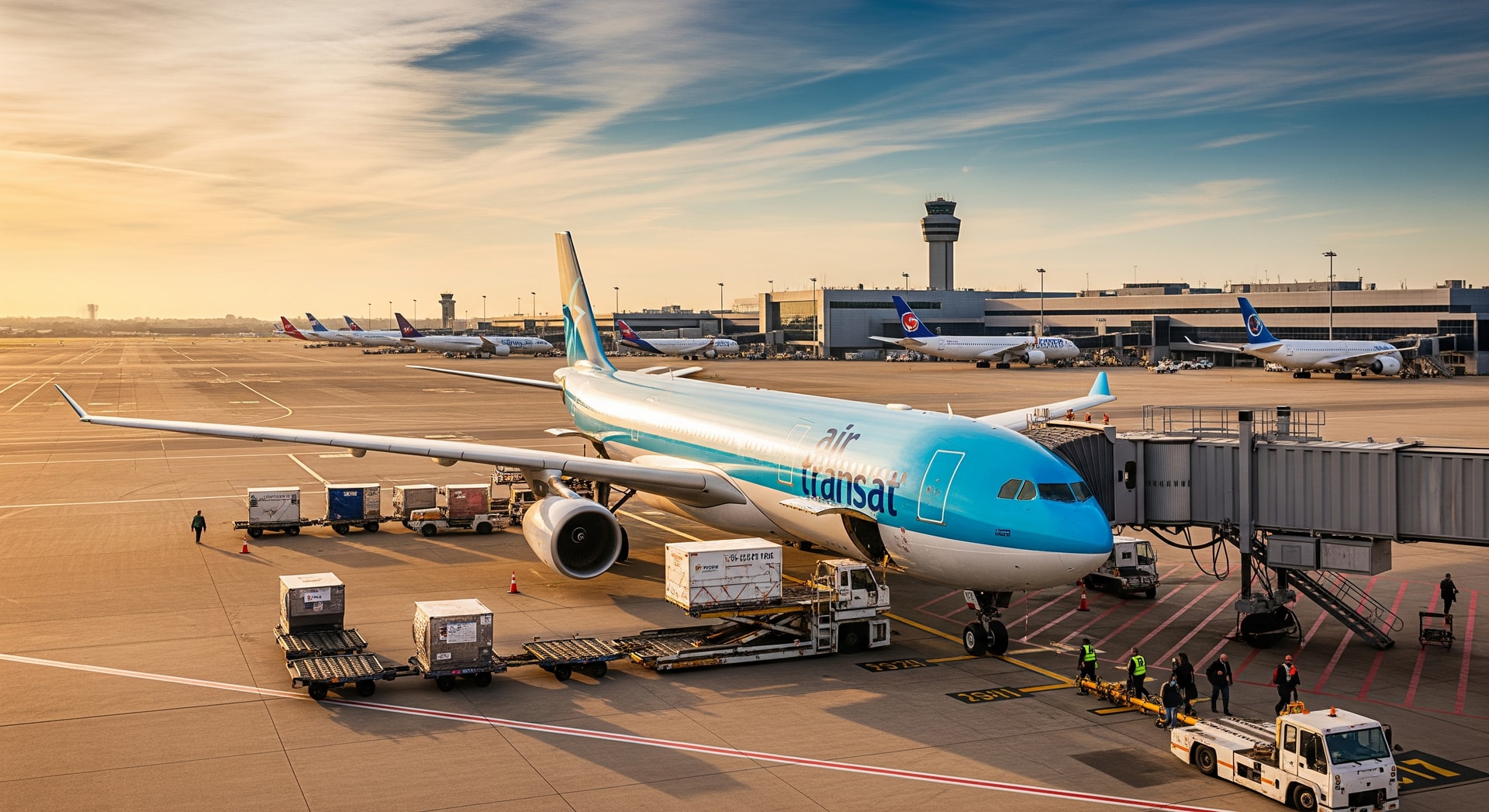
- Compare flight and regional travel connections — many of these countries are well linked to European hubs
- Plan itineraries that combine cultural cities with natural parks for varied experiences
- Consider seasonal differences: coastal areas peak in summer, while mountain regions suit spring/fall or winter for skiing
So what? For travellers and industry stakeholders, Serbia’s visa-free status for Indians reinforces a broader trend: the Balkans and parts of the Caucasus are becoming more accessible. This reduces barriers to travel, encourages diversified itineraries beyond Western Europe, and may prompt more airlines and tour operators to expand services to these emerging routes.
Sources