Lunar-inspired travel is shaping trips in 2026 as visitors seek destinations in Asia that align with moon phases and traditional lunar festivals.
Summary: In 2026, travellers are increasingly planning trips around lunar phases and moon-based festivals. Vietnam, China, Malaysia (Penang), India and Japan are spotlighted for rich lunar traditions and seasonal experiences.
Lunar-inspired travel is emerging as a major planning influence in 2026, with visitors timing journeys to coincide with moon phases and traditional festivals across Asia. This approach aims to deepen cultural immersion and personal reflection by syncing itineraries with lunar events and rituals.
Why travellers are looking to the lunar calendar
More travellers now view timing as part of the travel experience, using astrology and lunar cycles as guides. Proponents say aligning trips with moon phases can enhance spiritual practices, provide more meaningful cultural participation and create lasting, reflective travel moments.
Vietnam: Tết and lantern-lit traditions
Vietnam is a strong draw for lunar-focused travellers. Tết, the Lunar New Year, falls on 17 February 2026 and is a deeply spiritual time marked by family reunions, dragon dances, bustling markets and temple rituals tied to the new moon.
- Key cities: Hanoi and Ho Chi Minh City for vibrant festival activity
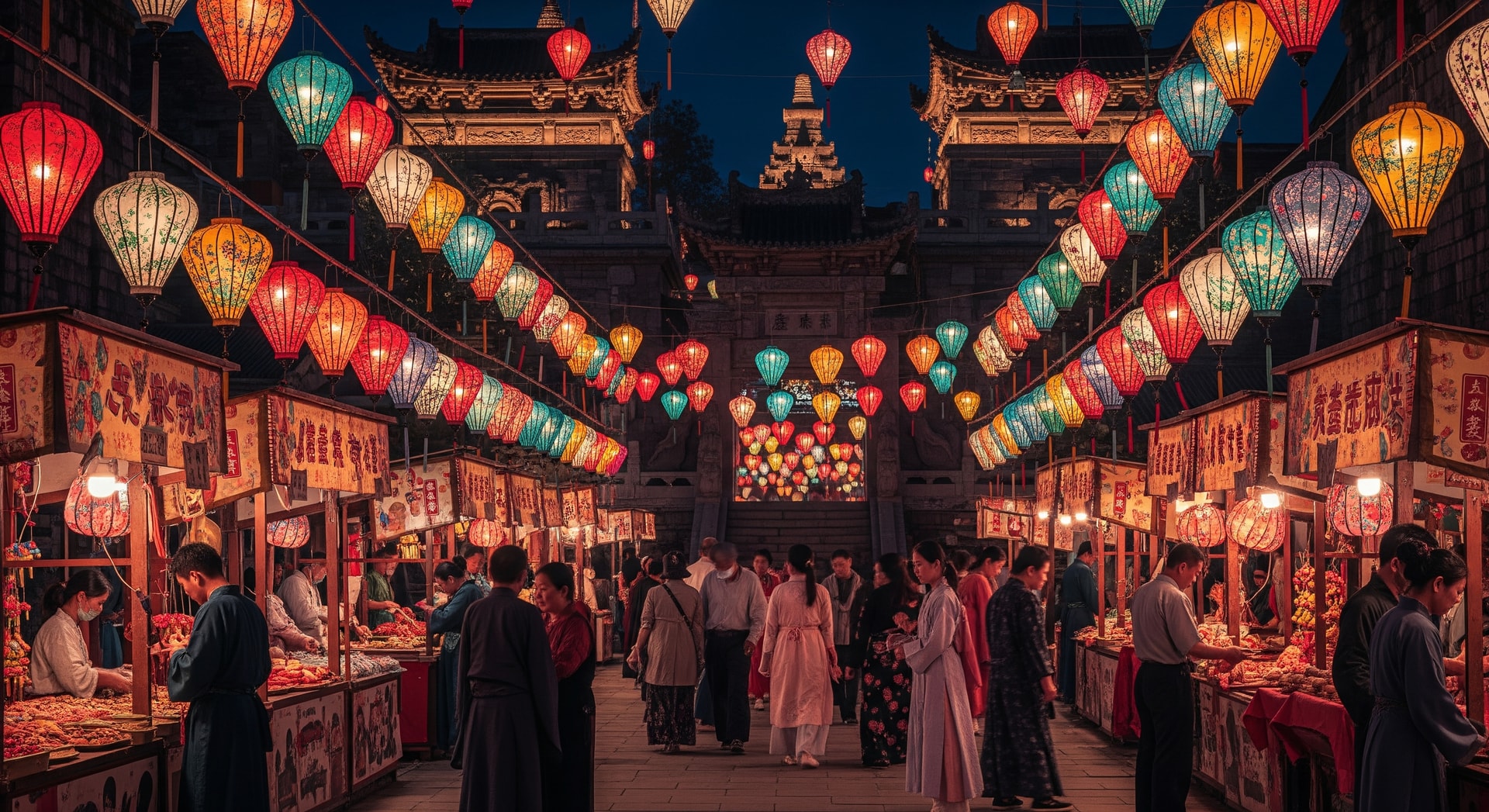
- Cultural highlight: Hoi An’s lantern festivals for nightly, mood-lit ceremonies
- Best time to visit: mid-February to early March to coincide with Tết
Penang: Lunar heritage and culinary festivals
Penang blends heritage, food and lunar customs. George Town hosts extended Chinese New Year events with temple feasts, street parades and rituals that showcase the island’s Chinese-Malaysian traditions.
- Activities: street art tours, Chinese food trails, temple visits and night markets
- Peak time: Chinese New Year in February for the liveliest celebrations
- Alternative: autumn festivals for quieter cultural experiences
India: Pilgrimage, full-moon rituals and spiritual timing
India’s spiritual traditions are often governed by lunar cycles, making the country a natural fit for moon-focused journeys. Pilgrimages and festivals such as Magh Mela, Holi and designated full-moon observances draw travellers seeking reflection and ritual.
- Must-see: Ganges rituals in Varanasi during the full moon for a profound spiritual experience
- Other highlights: moonlit forts in Jaipur and Udaipur, and night yoga sessions in Rishikesh
- Best time to visit: January to March, aligning with full-moon festivals
Japan: Tsukimi, cherry blossoms and seasonal harmony
Japan pairs lunar appreciation with nature-focused rituals. Traditional moon-viewing (Tsukimi) and the timing of cherry-blossom seasons invite travellers to combine cultural ceremony with natural spectacle.
- Top spots: Kyoto for temple festivals, Tokyo for a mix of modern and traditional observances, and Hokkaido for quiet nature retreats
- Best times: September for full-moon festivals and spring for cherry blossoms
China: Lunar New Year and month-long festivities
China’s Lunar New Year on 17 February 2026 is among the region’s most prominent lunar events, featuring parades, dragon dances and moon-related rituals that animate cities and towns across the country.
- Where to go: Beijing and Shanghai for major parades, Jiangnan towns for quieter moon-watching, and Hong Kong for extended celebrations throughout the month
- Best time to visit: mid-February to March, during and after Chinese New Year
How destinations are responding
As interest in lunar-aligned travel grows, tourism boards and local operators are packaging experiences that highlight moon festivals, temple rituals and seasonally timed activities. This shift aims to meet demand for deeper cultural engagement rather than conventional sightseeing.
What this means for travellers
Planning around lunar events offers travellers a chance to witness authentic rituals, participate in seasonal festivals and enjoy more intentional, reflective trips. For the travel industry, the trend encourages more culturally focused itineraries and partnerships with local communities to deliver meaningful experiences.
Sources